Ferrous Gluconate: A Close Look at Iron’s Cornerstone in Nutrition and Industry
Historical Development
Iron supplements have carried a long history, but ferrous gluconate stands out from the crowded shelf because its origins trace straight back to the late 19th century, when scientists started fine-tuning mineral salts to improve dietary iron absorption. In hospitals of the early 20th century, doctors often reached for ferrous sulfate, an iron salt that proved effective but sometimes tough on the stomach. Decades of research led to ferrous gluconate: a salt of iron and gluconic acid, born from the need to deliver iron in a form that boosts uptake and reduces side effects. Pharmaceutical companies found that ferrous gluconate’s milder taste and gentler profile on the digestive tract solved a real dilemma for people who struggled with the harshness and sometimes metallic taste of older forms. Growth of commercial manufacturing and fortification reinforced its status; over time, approved by agencies like the FDA and incorporated into national nutrition programs, this compound grew into a staple ingredient.
Product Overview
Ferrous gluconate contains iron, bonded to a gluconic acid residue, formulated mostly as a yellow-green powder or tablet additive. Pharmacies and food brands value its role in iron supplementation and food fortification, including cereals, infant formula, and some fruit products. Across the world, it appears on the shelf in forms ranging from prescription supplements to ingredients for coloring black olives. This compound doesn’t just promise iron; it delivers it in a way that keeps iron bioavailability high, letting the mineral do its work without adding bitterness or astringency to foods and beverages.
Physical & Chemical Properties
You can spot ferrous gluconate by its greenish-yellow tint, its faint odor, and its faintly metallic taste. Its chemical formula looks straightforward: C12H22FeO14·2H2O. It’s a stable substance under dry conditions, soluble in water, and sensitive to oxidizing agents or high humidity. It contains somewhere between 11% and 13% elemental iron by weight, offering enough flexibility for precise dosage and food fortification projects. Some batches can clump under long exposure to moisture—packaging and handling answer that with careful sealing and desiccants.
Technical Specifications & Labeling
Manufacturers follow tight guidelines to keep quality and purity high. The United States Pharmacopeia (USP) and European Pharmacopoeia (Ph. Eur.) both set the standard for iron content, heavy metals, pH, and residual solvents. Each batch must declare its iron content, moisture level, and absence of contaminants like lead, arsenic, and microbial counts under legal limits. Labels must show the correct chemical name, lot number, expiration date, and instructions for storage and handling. Nutrition panels on fortified foods state iron levels both as elemental iron and daily percentage values to help consumers and clinicians judge safe intake.
Preparation Method
Most commercial ferrous gluconate begins with gluconic acid, derived usually from the fermentation of glucose with certain species of fungi or bacteria. Iron filings, reduced iron, or ferrous carbonate get added under controlled pH conditions, forming a solution of iron gluconate. The solution gets filtered to remove impurities, then concentrated and dried by spray- or vacuum-drying, yielding a fine, free-flowing powder. Some companies prefer granulation and blending steps, especially for pharmaceutical lines. Each step demands precise control over temperature and oxygen exposure, since ferrous iron quickly oxidizes to ferric, losing its desired biological value.
Chemical Reactions & Modifications
Iron in ferrous gluconate sits in the +2 valence state, more readily absorbed by the gut than ferric iron. Exposing it to air or certain oxidizers shifts iron to the less soluble +3 state. To protect this, formulators often use chelators or antioxidants, like ascorbic acid, to maintain effectiveness. Research labs have explored modifying the gluconate backbone or pairing with other organic acids to alter absorption rates or mask iron’s taste in challenging foods. Some fortification efforts stabilize the compound further by embedding it inside microcapsules, which release iron only after digestion starts.
Synonyms & Product Names
Across science, pharmacy, and commerce, you’ll see ferrous gluconate listed as Iron(II) gluconate, E579, or Gluconato ferrico. Supplement bottles use brand names or generic labels, depending on the manufacturer. Pharmacies consider it interchangeable with most other iron gluconate brands, provided purity and dosage stay within range. In the food industry, E579 signals its European food additive status, especially in products using color or nutritional boosting.
Safety & Operational Standards
Ferrous gluconate offers a well-tested safety profile. Regulatory agencies set strict limits for both supplements and food uses, requiring heavy metal testing, biological purity, and accurate dosing. In workplaces, powders require careful ventilation to avoid inhalation, and strong acids or oxidizers stay off the production line. Workers need gloves and basic protective gear, particularly in large-batch processing. With oral usage, the biggest risk is excess iron—iron overload causes tissue damage and can even prove fatal over time—so warning labels flag high-dose products, especially for children. Storage stays straightforward: dry, cool conditions, tight seals against moisture, and away from light.
Application Area
Doctors prescribe ferrous gluconate most frequently for people with iron deficiency anemia, either alone or in combination with multivitamins. Food technologists choose it for fortifying juices, cereals, infant formulas, and baked goods—where the color and mild flavor won’t spoil the final product. In the olive business, producers use ferrous gluconate to turn green olives jet black without adding bitter metallic notes. Animal feed mixes iron gluconate as a supplement, improving livestock growth and feed efficiency. Some water treatment operations use it to remove certain contaminants or control odor.
Research & Development
Labs in the nutrition and pharmaceutical worlds dig into ways to further boost absorbability, stability, and taste masking of ferrous gluconate. Co-formulation studies look for partners—like vitamin C—that protect iron, speed absorption, and limit oxidation. Research teams study microencapsulation to get around off-flavors when fortifying sensitive foods or drinks. Genetic studies continue on how different populations process iron, opening the door to personalized nutrition. Process engineers tackle eco-friendly manufacturing that reduces energy use and waste.
Toxicity Research
Iron carries two edges—required for life at low levels, damaging in overdose—so researchers watch ferrous gluconate’s toxicity with care. At intended doses, side effects tend to be mild, usually upset stomach or constipation. Pediatric overdose can bring major danger, and because the iron is so available, safety caps and clear warnings keep accidental use in check. Recent toxicity papers dig into possible long-term impacts, including oxidative stress at high doses, but the risk stays tied closely to dose and duration of exposure, rather than the compound itself.
Future Prospects
As diet trends shift and public health faces iron deficiency across populations, the demand for reliable iron sources grows. Ferrous gluconate fits market needs with bioavailability, price, and compatibility with diverse foods and supplements. Researchers keep looking for new forms, better protection against oxidation, and approaches that simplify taste-masking without chemical aftertastes. Sustainability pushes manufacturers toward greener production, using less water and avoiding harsh solvents. Digital tracking of supplement usage and individualized nutrition walk hand in hand with expanding applications—from medical therapies to advanced food products. Efforts on both public education and tighter regulatory review keep iron, in its gluconate form, a cornerstone of safe nutrition for the next generation.
What is Ferrous Gluconate used for?
The Science Behind Ferrous Gluconate
Ferrous gluconate shows up on pharmacy shelves as a light greenish pill and at first glance, it just looks like another supplement. Underneath that label, ferrous gluconate packs a punch as a source of iron—an essential mineral for your body. Iron does a lot more than most give it credit for. The body needs it to make hemoglobin, which lets red blood cells transport oxygen. If there’s not enough iron, you end up tired, out of breath, and often struggling to go about daily life. That’s why people reach for iron supplements: to fix what feels broken.
Everyday Reasons People Use Ferrous Gluconate
Over the years, I’ve met countless folks—friends, family, patients—who’ve been told by their doctors that their iron is too low. Maybe it’s a pregnant mom who needs more iron for herself and her growing baby. Or a runner who’s been feeling wiped out and learns they have anemia. For many, a simple tablet of ferrous gluconate boosts iron without the stomach troubles that can come from other types, like ferrous sulfate.
Many iron supplements upset the stomach or bring on constipation. Ferrous gluconate sits on the gentler side, so people tolerate it better and stick to their treatment. That alone shapes why it’s chosen so often for treating iron-deficiency anemia—the most common nutritional deficiency around the globe.
Who Turns to Ferrous Gluconate?
People taking ferrous gluconate range widely. Children growing fast need more iron. Women lose iron with each menstrual cycle. Plant-based diets make it harder to get enough from food alone. Even folks with digestive issues like Crohn’s or celiac disease, who can’t absorb iron well, find help from supplements.
Some only need a short course, like after losing blood from surgery or injury. Others land on long-term use, especially with medical conditions or changes in life—think pregnancy or certain chronic diseases. Dentists and doctors sometimes bring up ferrous gluconate when low iron affects mouth health or wound healing, showing just how many corners of medicine pay attention to it.
Why Care About Iron?
Low iron isn’t just a lab result. It drags people down, zapping energy and mental sharpness. Severe deficiency can lead to problems with memory, work, learning, and even depression. In kids, chronic low iron stunts growth and development. Iron-deficiency anemia affects a quarter of the world’s population, according to the World Health Organization, with pregnant women and children facing the highest risk.
Better Solutions and Smart Choices
It pays to know there are many kinds of iron supplements and to ask for help picking one. Ferrous gluconate stands out for good reasons, but anyone thinking about supplements should check with a healthcare provider. Iron overload can damage organs, so regular blood tests keep folks on the right track. Eating more iron-rich foods—beans, greens, lean meats—boosts levels, but sometimes the diet just doesn’t cut it.
Getting enough iron strengthens the body’s engine. Ferrous gluconate isn’t a magic cure, but it gives many people an option that fits their lives and relieves symptoms without harsh side effects. That’s a practical win for anyone battling low energy or looking out for their health.
What are the possible side effects of Ferrous Gluconate?
The Reality Behind Iron Supplements
Iron plays a role in supporting our energy levels and keeping red blood cells healthy, and ferrous gluconate stands as one of the most common ways doctors treat iron deficiency. Like any supplement, ferrous gluconate comes with its own set of risks. Many people want to know not just how this supplement works but what can go wrong after starting it. Real talk: I remember the first time I had to take iron. The doctor warned me, but I didn’t expect the side effects to hit as quickly as they did.
Common Digestive Troubles
The most talked-about problem with ferrous gluconate lands right in the gut. Constipation makes a regular appearance for a lot of folks. Even people with the sturdiest systems complain about stomach cramps or discomfort. Nausea finds its way into some mornings, especially on an empty stomach. My own experience showed me that these cramps weren’t rare—they felt like a dull ache after each dose. Black or dark stools often make newcomers panic, but it’s usually harmless. That color shift comes from the iron, not from bleeding.
Taste and Oral Side Effects
Some people can’t stand the taste. A metallic aftertaste lingers long after swallowing the pill, sometimes making breakfast or coffee unappetizing. In my family, a couple of us noticed mild soreness in our mouths or throats. Reports back this up, with the Mayo Clinic noting sore throat and teeth staining on occasion, especially if the supplement’s in liquid form.
Less Common Side Effects
For a handful of folks, things get more uncomfortable. Diarrhea and vomiting can turn up, sometimes leading to dehydration. Allergy stands as a rare but serious risk: itching, rash, and trouble breathing need emergency attention. Allergic reactions don’t crop up often, but awareness keeps people safe.
Long-Term Risks and Monitoring
Health experts warn that too much iron can build up in the body. Chronic overuse risks iron overload, known medically as hemochromatosis. Over time, this can harm the liver and heart. I’ve talked with patients who accidentally doubled up on doses and eventually needed bloodwork to check for excess iron. Responsible doctors often order occasional blood tests to monitor ferritin and hemoglobin levels.
What Can Help Prevent These Issues?
Simple strategies make the experience easier. Taking ferrous gluconate with a small meal or snack often eases stomach pain, though some foods—like dairy and coffee—might block iron absorption, so spacing things out makes sense. Drinking a glass of orange juice alongside the supplement actually increases absorption thanks to vitamin C. Choosing the right time to take iron, and sticking to a schedule, helps create a routine without surprises. Many pharmacists recommend avoiding antacids for a few hours after dosing because they can interfere with how your body uses the iron.
The Value of Professional Guidance
Physicians and pharmacists aren’t just pill dispensers. They help match the supplement form and dose to a patient’s medical history. They look for hidden causes of ongoing side effects, like undiagnosed GI issues or mixing supplements with prescription drugs. Good medical oversight means fewer surprises, safer outcomes, and a better chance to feel the benefits of treating iron deficiency without feeling worse.
How should I take Ferrous Gluconate?
Why Your Doctor Recommends Iron
Iron keeps your body running. Low iron can leave you feeling worn out, cranky, and pale. Some people, like pregnant women, frequent blood donors, or folks with chronic stomach problems, find themselves short on iron. Doctors often turn to Ferrous Gluconate to get things back on track.
Make Sure You Take It Right
Popping a Ferrous Gluconate tablet isn’t like taking candy from a bowl. If you want the iron to actually soak in, timing and your stomach’s contents matter. Iron works best on an empty stomach. Try to swallow the tablet with a full glass of water, either one hour before eating or two hours after. Taking it this way makes a difference in how much iron your body can actually use.
Trouble is, many people feel sick to their stomach doing this. If you get queasy or notice cramps, go ahead and try it with a bit of food. Just keep in mind that some foods, like cheese, milk, tea, or coffee, make it tougher to absorb the iron. Calcium gets in the way, so try to leave a gap between your iron and your morning dairy fix.
Stick to the Plan
Don’t switch up your dosage on your own because too much iron harms organs over time. The doc decides how much you need based on your blood test. Stick to what they say, even if you start feeling better after a few weeks. Bodies take some time to fill up empty iron tanks. Skipping out early sends you right back to feeling miserable.
Common Side Effects
Constipation and dark stools freak out a lot of people, but these are normal. If you get really backed up, drink more fluids and move around. Stool softeners or more fiber can help. If you get sharp pains or throw up blood, you need a doctor right away. That’s rare, but always better to stay safe.
Other Meds and Supplements
Tell your clinician about every pill you take—over-the-counter, vitamins, or herbal stuff. Iron fights with plenty of other meds. Antacids, thyroid pills, certain antibiotics, and even zinc can mess up iron’s job. Keeping a list can actually save you a lot of hassle and make sure your iron gets a fair shot.
Tracking Iron Success
Doctors usually want to peek at your blood from time to time while you’re taking Ferrous Gluconate. If things don’t budge on the lab sheets or you still feel wiped out, stay open with your provider. Sometimes the cause of the iron drain isn’t fixed or the dose isn’t enough. Never be shy about reporting new symptoms either.
Making Iron Part of Daily Life
Adding more iron-rich foods can give you a leg up. Red meat, beans, dark leafy greens, and some cereals can help you refill your tank. Vitamin C (like from oranges or peppers) makes the body pull in more iron, so adding some to your meal helps the process.
Living with low iron isn’t just feeling tired; it messes with day-to-day life. If Ferrous Gluconate doesn’t suit you, keep the conversation going with your doctor. Getting enough iron is possible, and you can do it safely with reliable information and good habits.
Can I take Ferrous Gluconate with other medications?
How Iron Supplements Like Ferrous Gluconate Work
Iron keeps our bodies going. It’s behind steady energy, minds that think clearly, and red blood cells that do their job. A lot of folks take ferrous gluconate to boost iron after a diagnosis of anemia or an iron shortage. For some, it’s a daily thing, not a luxury. Over the years, I’ve seen friends lose steam, drag through aches, and bounce back once they fixed their iron. Ferrous gluconate comes in handy for that. Still, it's not basic multivitamin territory. Iron makes a big impact, and not every combination plays nice.
The Trouble with Mixing Meds
Most people don’t look at bottles lined up on their counters and imagine trouble. But it’s easy to miss the fine print. Some meds change the way iron works or gets into the body. Blood pressure pills, antacids, antibiotics, and thyroid meds can all cause problems.
For example, calcium often blocks iron from doing what it’s supposed to do. If you wash your ferrous gluconate down with milk, your system grabs less iron. Antacids do the same thing, cutting the stomach acid that helps iron absorption. Over-the-counter stuff like Tums or prescription proton pump inhibitors scatter that delicate balance.
Certain antibiotics—tetracycline and ciprofloxacin, if you want names—get their power sapped when iron jumps in. That’s a recipe for both less iron and less help from your antibiotics.
Personal Lessons from the Medicine Cabinet
I’ve watched my own relatives run into issues, thinking a vitamin supplement couldn’t mess with necessary meds. My aunt tried taking her ferrous gluconate and levothyroxine together. She struggled to feel better for months, not knowing iron kept the thyroid pill from absorbing, even after following her prescription by the book.
This stuff really happens. It’s not an old wives’ tale or a technicality. Doctors and pharmacists warn about these clashes for a reason. Tiredness that doesn’t lift, infections that won’t heal, blood pressure stuck at the wrong number—mix the wrong things, and that’s what you get.
Smart Steps for Mixing Ferrous Gluconate and Medicine
If you’re juggling pills and supplements, split them up by a couple of hours. Iron and calcium are like siblings who fight; give them space. Wait at least two hours before or after taking ferrous gluconate with milk, cheese, calcium supplements, or thyroid meds.
Check drug labels, and dig up your pharmacist’s phone number. Ask clear questions. If a new doctor adds something to your list, bring up your iron. There’s nothing embarrassing about wanting your meds to work together instead of fighting each other.
Good health stands on solid habits—and honesty about what’s in your regimen. Don’t let a simple misstep throw you off for months. Take control, make sure your providers know everything you’re using, and protect every dollar and day you spend chasing better health. Ferrous gluconate works best in a plan that’s chosen with your whole self in mind.
Who should not use Ferrous Gluconate?
Recognizing the Health Risks
A few years back, I watched a neighbor struggle with taking iron supplements. She thought a little more iron would give her extra energy. Things took a turn when she landed in the hospital with awful stomach pain. Her doctor told her to stop right away. Her story stuck with me, turning my attention to how iron supplements—like ferrous gluconate—don’t suit everyone, despite their easy availability.
Ferrous Gluconate: Good for Some, Risky for Others
Ferrous gluconate, a form of iron often prescribed for iron deficiency anemia, often helps people boost their iron stores. Plenty of folks see benefits, but not everybody tolerates it well. The complications start when people ignore underlying health conditions or overlook warnings on the label.
People with iron overload disorders, such as hemochromatosis, run into big trouble with extra iron. In hemochromatosis, the body absorbs far more iron than needed. This extra iron piles up in organs, leading to heart, liver, or pancreatic damage. Hemochromatosis regularly shows up later in life, sometimes after years of silent buildup. Patients may only recognize the problem once symptoms—fatigue, joint pain, abdominal discomfort—set in. Ferrous gluconate acts like fuel on a smoldering fire for these individuals.
Children fall into another risk group. Accidental iron overdose in kids can quickly turn fatal. Even a handful of tablets can be life-threatening within hours. The U.S. Food and Drug Administration demanded strong warning labels on iron supplement bottles for this reason. Caregivers should keep their supply of iron out of reach and avoid dosing children unless a pediatrician insists.
Women who have already reached menopause typically need much less iron. Their risk of deficiency drops, while the risk of iron overload rises. A study published in the American Journal of Clinical Nutrition found older adults are more likely to accumulate excess iron, which puts extra strain on the heart and liver. Elderly people with no anemia – and especially with liver or kidney conditions – have no business taking iron unless directed by a doctor.
Anyone with existing inflammatory bowel disease, chronic hepatitis, or other issues affecting iron metabolism or the liver also risks complications. Too much supplemental iron may worsen gut inflammation. Symptoms can show up as severe cramps, diarrhea, or liver flare-ups.
Safe Use Starts with the Right Questions
Before taking ferrous gluconate, blood tests give a clear idea of iron stores. Many people self-diagnose tiredness and grab iron off the shelf, but that misses the mark. There can be dozens of causes behind sluggishness—thyroid disorders, sleep apnea, or chronic infections. Only lab work can separate true iron deficiency from something else.
If a doctor prescribes ferrous gluconate, they watch closely for side effects. Black or tarry stools, stomach upset, or constipation can signal trouble. Communicating new or unusual symptoms quickly allows early intervention.
Food choices also play a role; red meat, leafy greens, and fortified breads bring iron from natural sources, making supplements unnecessary for many. Reading nutrition labels and understanding daily requirements is better than blindly following advice off the internet.
Working Toward Safer Iron Supplementation
Good health means checking with a doctor and mentioning any pre-existing conditions before picking up any supplement. Research from the World Health Organization notes iron supplementation should target people who are proven to need it—especially pregnant women, those with diagnosed anemia, and growing children monitored by a professional. The rest of us do best by steering clear of extra iron unless tested and approved.
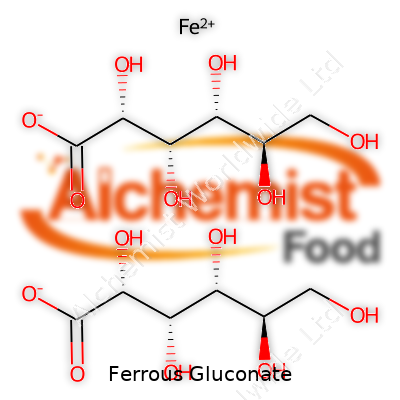
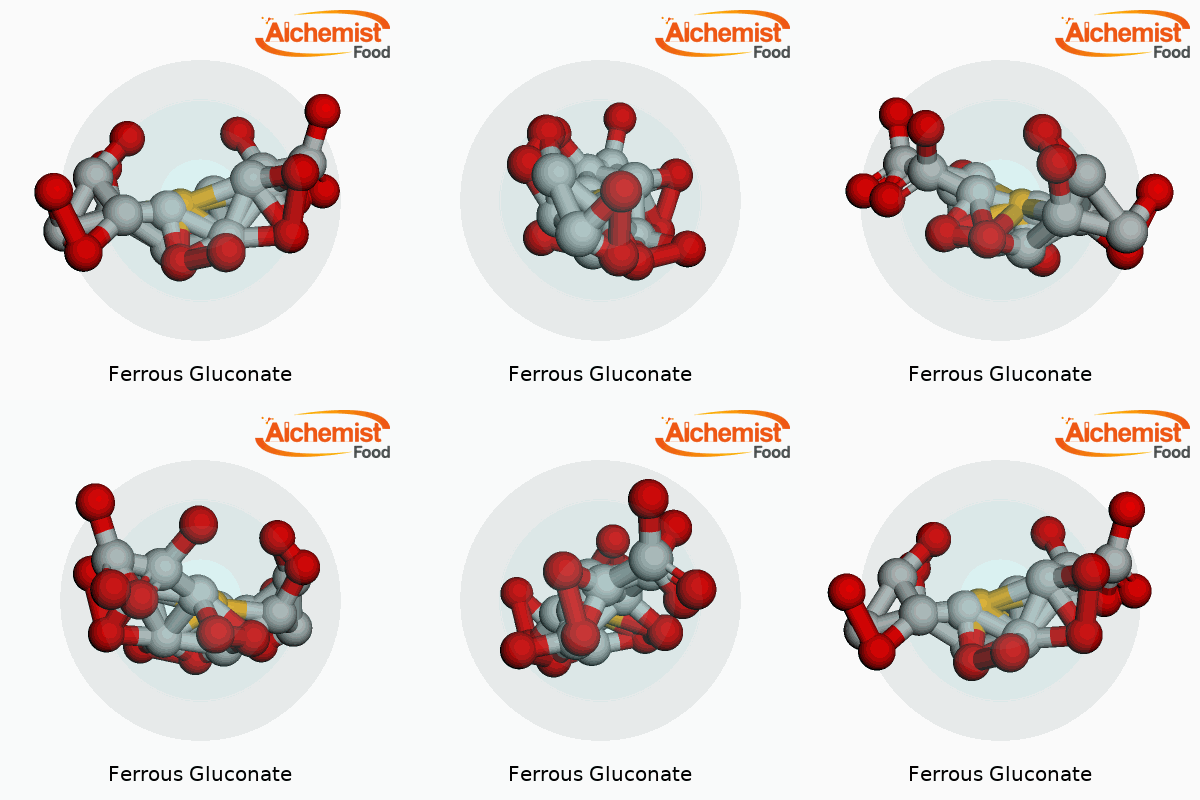
| Names | |
| Preferred IUPAC name | Iron(II) 2,3,4,5,6-pentahydroxyhexanoate |
| Other names |
Ferrogluconate Iron(II) gluconate Gluconic acid, iron(2+) salt Gluconato ferrico Ferroglyconate |
| Pronunciation | /fɛˈrəs ˈɡluːkəˌneɪt/ |
| Preferred IUPAC name | iron(II) 2,3,4,5,6-pentahydroxyhexanoate |
| Other names |
Iron(II) gluconate Ferroglyconate Gluconic acid iron(II) salt Ferrum gluconicum Eisen(II)-gluconat |
| Pronunciation | /ˈfɛr.əs ɡluːˈkoʊ.neɪt/ |
| Identifiers | |
| CAS Number | 299-29-6 |
| Beilstein Reference | 1729388 |
| ChEBI | CHEBI:31344 |
| ChEMBL | CHEMBL1201520 |
| ChemSpider | 15383 |
| DrugBank | DB00730 |
| ECHA InfoCard | 100.028.335 |
| EC Number | 231-752-5 |
| Gmelin Reference | 85941 |
| KEGG | C00322 |
| MeSH | D005247 |
| PubChem CID | 24808035 |
| RTECS number | BR7400000 |
| UNII | XF425415KE |
| UN number | UN not regulated |
| CompTox Dashboard (EPA) | DTXSID7020599 |
| CAS Number | 299-29-6 |
| Beilstein Reference | 1720223 |
| ChEBI | CHEBI:31544 |
| ChEMBL | CHEMBL1201532 |
| ChemSpider | 9141 |
| DrugBank | DB08344 |
| ECHA InfoCard | ECHA InfoCard: 100.029.488 |
| EC Number | 231-011-3 |
| Gmelin Reference | 77875 |
| KEGG | C14325 |
| MeSH | D005252 |
| PubChem CID | 24808041 |
| RTECS number | LC5550000 |
| UNII | XN9P8L6PWN |
| UN number | UN3077 |
| Properties | |
| Chemical formula | C12H22FeO14 |
| Molar mass | 446.14 g/mol |
| Appearance | Dark grayish green to yellowish gray powder |
| Odor | Odorless |
| Density | DENSITY: 0.7 g/cm³ |
| Solubility in water | Soluble in water |
| log P | -4.45 |
| Vapor pressure | Negligible |
| Acidity (pKa) | 3.6 |
| Basicity (pKb) | ~4.0 |
| Magnetic susceptibility (χ) | '4.4×10⁻⁶ cm³/mol' |
| Viscosity | Viscous liquid |
| Dipole moment | 2.98 D |
| Chemical formula | C12H22FeO14 |
| Molar mass | 446.14 g/mol |
| Appearance | Grayish-yellow to light greenish-yellow powder or granules |
| Odor | Odorless |
| Density | 0.8 g/cm³ |
| Solubility in water | Freely soluble |
| log P | -1.76 |
| Vapor pressure | Negligible |
| Acidity (pKa) | 3.6 |
| Basicity (pKb) | 1.75 |
| Magnetic susceptibility (χ) | +4200e-6 |
| Dipole moment | 2.32 D |
| Thermochemistry | |
| Std molar entropy (S⦵298) | 175.7 J·mol⁻¹·K⁻¹ |
| Std enthalpy of formation (ΔfH⦵298) | -1567.3 kJ/mol |
| Std enthalpy of combustion (ΔcH⦵298) | -2675 kJ/mol |
| Std molar entropy (S⦵298) | 357.8 J·mol⁻¹·K⁻¹ |
| Std enthalpy of formation (ΔfH⦵298) | -2057.6 kJ/mol |
| Pharmacology | |
| ATC code | B03AA03 |
| ATC code | B03AA03 |
| Hazards | |
| Main hazards | May cause eye, skin, and respiratory irritation. Harmful if swallowed. |
| GHS labelling | GHS labelling: Not classified as a hazardous substance or mixture according to the Globally Harmonized System (GHS). No pictogram, signal word, hazard statement, or precautionary statement required. |
| Pictograms | GHS07 |
| Signal word | Warning |
| Hazard statements | Hazard statements: Not a hazardous substance or mixture according to Regulation (EC) No. 1272/2008. |
| Precautionary statements | Keep container tightly closed. Store in a cool, dry place. Avoid breathing dust. Wash thoroughly after handling. Use with adequate ventilation. Do not ingest. Keep out of reach of children. |
| NFPA 704 (fire diamond) | 1-0-0 |
| Lethal dose or concentration | LD50 oral (rat): 4200 mg/kg |
| LD50 (median dose) | LD50 (median dose): Oral-rat LD50: 4200 mg/kg |
| NIOSH | RN 299-29-6 |
| PEL (Permissible) | 15 mg/m³ |
| REL (Recommended) | 60 mg |
| Main hazards | May cause irritation to the eyes, skin, and respiratory tract. Harmful if swallowed. |
| GHS labelling | GHS07 |
| Pictograms | GHS07 |
| Signal word | Warning |
| Hazard statements | May cause respiratory irritation. |
| Precautionary statements | Keep out of reach of children. If swallowed, get medical help or contact a Poison Control Center right away. Store in a cool, dry place and keep container tightly closed. |
| NFPA 704 (fire diamond) | 1-0-0-NA |
| Lethal dose or concentration | LD50 (oral, rat): 5,200 mg/kg |
| LD50 (median dose) | 700 mg/kg (rat, oral) |
| NIOSH | NF0000823 |
| PEL (Permissible) | 10 mg/m³ |
| REL (Recommended) | 60 mg |
| Related compounds | |
| Related compounds |
Ferrous sulfate Ferrous fumarate Ferrous asparto glycinate Ferric gluconate Iron(III) oxide Iron dextran Sodium feredetate |
| Related compounds |
Ferrous sulfate Ferrous fumarate Ferric chloride Ferric citrate Iron(III) oxide Iron dextran |



