Ferrous Chloride: The Human Side of a Technical Compound
Historical Development
People have drawn value from iron for thousands of years, but the story of ferrous chloride is much younger. In early chemical factories, workers learned to handle mixtures of iron and hydrochloric acid for etching and dye processes. Some of the first accidental discoveries came from scrap heaps and rust, where industrial runoff from steel pickling left greenish puddles. Chemists figured out that this waste could be both a nuisance and an asset, leading to more structured production in the 19th and 20th centuries. Having seen factories evolve from dirty sheds to modern plants, I know that practical necessity often drives innovation far more than the pursuit of pure science. Today’s ferrous chloride plants run leaner, make fewer mistakes, and do more with less; yet the green liquid still comes with legacy, risk, and opportunity.
Product Overview
Ferrous chloride, known by many in the trade as iron(II) chloride or green chloride of iron, stands out in appearance and handling. It shows up mostly as a pale green, crystalline solid, or as yellow-green solutions sold in drums and tanks. You won’t find it lining supermarket shelves, but those who work with dyes, pigments, and water treatment know its value. This compound, produced directly at many steelworks, often goes straight for use without elaborate repacking, a sign of its industrial rather than consumer fate. While the bottle carries a predictable label—ferrous chloride, FeCl₂—making sure the material inside matches expectations takes more than reading the side of the canister. Stories about off-color batches and unexpected results are common, reminding us that chemistry in the real world doesn’t follow a script.
Physical & Chemical Properties
Ferrous chloride typically comes to the market as greenish crystals or in an aqueous state. Under humid conditions, it attracts water and begins to run, shifting from solid to syrup within hours if left exposed. Anyone who’s cracked open a forgotten drum can attest to the mess this creates. With a melting point near 677°C and noticeable solubility in water, it plays nice with additives and processes that require easy dispersion. The compound’s reactivity stands out: left unprotected, air converts it quickly into iron(III) chloride and rust-like deposits. This air sensitivity demands care in the storeroom and production floor, not just for process reliability but for safety too. The chemical reacts with bases, oxidizers, and even minor contaminants, producing gases and residues that keep operators on their toes.
Technical Specifications & Labeling
Industrial-grade ferrous chloride isn’t sold on a promise; it comes stamped with iron content, chloride purity, and specs like moisture, heavy metals, and pH range. Good producers back these claims with certificates of analysis and batch numbers. It’s not enough to trust the green tint—a quick titration on the factory floor tells whether a shipment will work or wind up as waste. The labels include safety warnings, wearing signs of corrosiveness and environmental caution due to its strong reaction with air and water. Operating manuals, often tucked into pockets or smudged by gloves, spell out limits on concentration, storage temperature, and shelf life. Companies and regulatory bodies step in to standardize these details, reducing mishaps by ensuring everyone plays by shared rules.
Preparation Method
Most ferrous chloride starts with scrap iron and hydrochloric acid. The reaction, which fizzes and heats up as hydrogen escapes, forms FeCl₂. Chemical workers pay close attention to acid strength, temperature, and the iron’s cleanliness; dirty metal throws off batches, leading to contaminated product lines. Even today, the best plants need vigilant people tweaking their ratios and keeping tanks free of excess heat or foam. Some methods use iron(II) sulfate with calcium chloride as an alternate route, but direct reaction with acid and iron stays king due to scale and cost. The challenge lies in minimizing waste and making sure that no acid or iron escapes the process—operators know spills or leaks can burn skin and eat through concrete, forcing facilities to invest in lined floors, detectors, and strong ventilation.
Chemical Reactions & Modifications
Ferrous chloride doesn’t work in isolation. It reacts with oxygen or chlorine, flipping up to ferric chloride (FeCl₃) and giving off heat and color changes that can wreck a process or signal success, depending on timing. Mixing with sodium hydroxide, it forms iron(II) hydroxide—a precipitate used for further conversions or safe disposal. Other reactions touch on copper salts, ammonia, and various organic ligands, letting skilled technicians craft specialty materials or intercept waste before it enters drains. The chemistry of such transitions doesn’t always behave as textbooks say, especially at industrial scale. Slight slips in temperature, concentration, or contamination turn simple pathways into headaches, pushing research teams to pursue better catalysts, automated monitoring, and faster corrections.
Synonyms & Product Names
Ferrous chloride appears under many names, depending on region and context. Some call it simply iron(II) chloride, others "green salt" in plant jargon, while shipping manifests often shorten the term to FeCl₂ or Green Solution. Mislabeling crops up in import-export paperwork and even on containers—mistakes that have led to more than one early-morning phone call from customs. Over time, industries have tried to standardize terminology to avoid near-miss accidents, shipment confusion, and lab mix-ups. Proper labeling—right down to language and barcode—saves time, money, and sometimes lives.
Safety & Operational Standards
Ferrous chloride doesn’t deserve a reputation as a safe chemical just because it isn’t explosive. Direct contact can burn skin, and inhaling its dust or mist sends workers to medical stations with cough and irritation. Proper storage means sealed containers, corrosion-resistant linings, and exhaust systems that catch gas and vapor before it spreads. Folks on the floor wear goggles, gloves, and face shields as part of their routine—no exceptions, as one missed protocol may mean weeks of recovery or costly downtime. Emergency procedures, spill kits, and ongoing training form the backbone of plant safety programs. Today’s operations lean on real-time monitors, automatic shutoffs, and strict reporting, but no technology replaces a crew that understands and respects the risks from experience.
Application Area
Ferrous chloride finds steady work in water treatment, textile dyeing, pigment making, and even as a reducing agent in laboratories. Water utilities use it to precipitate phosphates, keeping algae and contamination under control. Textile workers rely on its interaction with certain dyes to fix color and prevent fade, giving clothes their appeal and resilience. Metal finishers and etchers use it for circuit boards and fine detail work, though only with clear procedures and containment. I’ve watched manufacturers bring ferrous chloride out not only for its main reactions but as a handy chemical tool for neutralizing byproducts and preparing industrial effluents for disposal. Its reach continues to expand as new uses get discovered by creative teams on both the line and in the lab.
Research & Development
Much of the latest research goes toward finding greener ways to produce, recycle, and recover ferrous chloride. Laboratories test catalysts that reduce energy use, sensors that detect off-spec product instantly, and pathways that turn the compound into higher-value iron chemicals without excess waste. Some groups focus on capturing and neutralizing byproducts, turning ferrous chloride production into a less toxic, more circular operation. Research teams collaborate across industry and academia, sharing both their successes and the times an experiment failed—real progress often starts from what didn’t work. That cross-talk leads to safer processes, more consistent product, and creative reimaginings of what this old chemical can do.
Toxicity Research
Scientists look closely at ferrous chloride’s risks for human health and the environment. Animal studies and real-world exposures both show how skin contact can cause burns and inhalation or ingestion can lead to stomach pain and tissue damage. Workers exposed to dust or spills report irritation and, in rare cases, systemic iron overload—a challenge for company health clinics and regulators alike. Environmental researchers monitor runoff closely, knowing contamination harms aquatic life and can shift river chemistry for miles downstream. Regulatory agencies respond with strict exposure limits, disposal protocols, and penalties for violations. People may wonder why such effort goes into controlling a green chemical, but I’ve seen firsthand the cost of ignoring toxicology: lost crops, sick workers, and expensive cleanups that last decades.
Future Prospects
The prospects for ferrous chloride look set to grow, not shrink, as societies search for ways to clean water, recycle waste, and reduce the environmental footprint of manufacturing. New applications in battery manufacturing, specialized catalysis, and even soil remediation hint at rising demand. Young chemists in research institutes test combination processes that use ferrous chloride to bind toxins, remove heavy metals, and generate value from mining waste—all fields where a humble compound gains new relevance. Industrial users drive requests for safer, lower-impact synthesis and packaging, and pressure remains on suppliers to cut emissions and use renewable feedstocks. I often hear skepticism about whether iron salts fit in the future’s green toolkit, but the innovations brewing today suggest this old staple has plenty of untapped potential if solutions align science with streetwise experience.
What is Ferrous Chloride used for?
More Than a Green Solution
Ferrous chloride doesn’t often show up in headlines, but this pale green salt makes a difference every day where water meets industry. People rarely catch sight of it in their daily routines, but cities and plants rely on it. From my days working near urban water systems, I saw how ferrous chloride often travels in battered drums, handled with care by crews who understand its power and risks. It’s not glamorous, but it serves—starting in the realm of wastewater treatment.
Keeping Our Water Honest
Cities contend with more pollution than most of us realize. Heavy metals run off into storm drains, and the water that flushes from factories or homes never leaves clean. Ferrous chloride enters detox duty in these wastewater treatment plants. I remember hearing about its role from a plant operator with hands stained by years of work. They add ferrous chloride straight into the water stream. The iron ions grab hold of phosphates and other pollutants, yanking them out of solution so solids settle out. This salt keeps downstream rivers from choking on algae—turning murky, lifeless stretches into cleaner water supporting fish and birds. That work keeps lakes alive. Recent EPA reports leave no doubt: Without clamping down on phosphorus releases, lake dead zones grow every year. Ferrous chloride is one of the most direct lines of defense.
Steel and Concrete Underpin the City
Ferrous chloride steps past water and puts in work in steelmaking and pigment industries. I once visited a rebar mill buzzing with the smell of metal. Ferrous chloride helps recover precious copper during pickling—an acid bath that scrapes scale from new steel. The byproducts, often caustic and hazardous, pose another problem. Strong management at one site recycled spent pickle liquor—another word for ferrous chloride soup—by sending it for reuse in cement plants. There, it helps bind toxic metals into stable materials, becoming part of parking garages and bridges instead of leaking into ground or air. An EPA study highlights those environmental gains, citing better containment and less fly ash pollution. Walking some city streets, I realize the value: public structures get stronger while hazardous waste stays out of our water and soil.
Extra Jobs Behind the Scenes
Ferrous chloride turns up in smaller ways, too. Chemical research labs rely on it for syntheses, plumbing the depths of new reactions. Older water pipes, especially those tucked out of sight in urban grids, can build up rust and scale. Municipal workers use dilute solutions of ferrous chloride to stabilize and remove sludge more safely, dodging more hazardous clearing agents. It’s a tool with reach—a kind of backstage grip that holds together much of urban living without drawing much attention.
The Cost of Relying on a Solution Like Ferrous Chloride
Every chemical has its limits. Use it wrong, and ferrous chloride can corrode tanks, trigger toxic fumes, or even pump out more pollutants. PPE, training, and monitoring don’t just tick boxes—they save workers’ skin and lungs. From my observations, strong safety cultures reduce accident reports and long-term health problems. The growing focus on circular economies—where ferrous chloride waste gets looped back into industry instead of dumped—pushes that progress further. Cities and companies swapping information on safe disposal and recycling methods cut environmental risk and keep their water cleaner.
Looking for Smarter Paths Forward
Ferrous chloride won’t capture headlines like tech breakthroughs or celebrity drama. That said, by investing in its safe and smart use, cities bump water safety, industries control risks, and everyone downstream gets a shot at a healthier environment. The more we pay attention to how such plain tools are put to use, the better we support the systems that shape daily life for millions.
What are the safety precautions when handling Ferrous Chloride?
Staying Aware: What Makes Ferrous Chloride Risky
Ferrous chloride finds its way into plenty of industries. Whether it’s used to treat water, clean metals, or handle waste, the chemical does a tough job. It doesn’t grab headlines like stronger acids or big-name toxins, but it carries real risks if treated carelessly. Even small exposure can turn into a health hazard. Splash it on your skin, inhale its dust, or let it get in your eyes, and you’re looking at burns, breathing problems, lasting irritation or damage. It may not look threatening in its greenish liquid form, but don’t let your guard down. I’ve seen shop workers underestimate what “routine” chemicals can do once someone fumbles a container or skips safety habits.
Preparing Before the Job Starts
Every time I work with ferrous chloride, I start by dressing right. Goggles keep splashes out of my eyes, and gloves stand between my skin and trouble. A face shield helps on tricky transfers. Long sleeves and chemical-resistant aprons give me peace of mind. Steel-toed boots keep feet dry and safe from spills. Some think it’s overkill—until someone records a trip to the ER for chemical burns or a lungful of fumes.
Ventilation often gets ignored, but it matters. I’ve watched people wince from the rough, metallic smell creeping across a poorly vented lab. Proper fans, open windows, and fume hoods cut down vapor and make breathing easier for everyone nearby.
Safe Handling Practices in Action
I treat each container of ferrous chloride with respect. Lifting is slow and deliberate, with two hands and a mind for which direction the opening points. Never shake or drop the jug; even a minor spill can mean ruined floors and frantic clean-up. If a splash happens, I know exactly where the nearest emergency eye wash and shower stations sit. I keep work surfaces clear of clutter—no loose papers, no stray lunch bags. The fewer distractions, the fewer slips.
Labeling beats memory every time. Faded or missing labels spell confusion. Label nearly every bottle, and store them upright and separated from incompatible chemicals like strong oxidizers. Corrosion from ferrous chloride can eat through some shelving—plastic shelving and well-sealed cabinets work best. As much as I trust my own routine, I always double-check caps and closures before walking away.
Handling Spills and Disposal Safely
Cleanups don’t wait. If ferrous chloride spills, absorb it with sand or inert materials, never with metals or combustibles. Never try to mop with plain water—it can make the acid spread and react. Always wear gloves and goggles before touching anything. Collected waste goes into clearly marked, corrosion-resistant containers, away from busy paths. Local hazardous waste policies handle the rest. Skipping these steps tempts fate or, worse, fines from regulators.
Education and Ongoing Training Matter
The best way to keep teams safe: ongoing education. New folks on the floor often don’t recognize the risks until they see training videos or walk through drills. Refreshers make a difference, too. Over the years, I’ve watched experienced workers get a little too relaxed. A solid safety culture, driven by regular reminders and a crew that watches out for one another, helps everyone make it home in one piece.
No matter how familiar ferrous chloride becomes, respect and preparation stay non-negotiable. The margin for error shrinks fast when protective habits fade. I’ve learned it’s better to take an extra minute getting dressed than to race time in an emergency room.
How should Ferrous Chloride be stored?
Why Ferrous Chloride Demands Attention in Storage
Ferrous chloride isn’t a substance anyone should store on a whim. My first job in water treatment put that lesson front and center. As soon as I opened the drum, the sharp, acrid smell made me step back — and that’s just the warning your nose gives you. Breathing in its vapor, even briefly, stings and shouldn’t be treated lightly. The risks multiply if storage gets sloppy. Direct contact with moisture or air kickstarts corrosion and leaks, especially on floors and steel shelving. Integrity starts with handling: chemical burns and lung irritation aren’t distant risks, they’re daily concerns for workers handling this compound.
Container Quality Can’t Be Optional
Ferrous chloride reacts fast with the wrong storage materials. Ordinary steel drums may tempt managers looking to cut costs, but this shortcut leaves everyone paying down the road. Every facility I’ve seen run safely relies on containers lined with a thick inner layer of rubber or high-grade plastic, usually polyethylene. Leaks might not seem urgent at first, but this solution separates first responders from a chemical emergency and keeps neighbors from worrying when trucks leave the plant.
Keep It Dry, Keep It Safe
No mystery here — water and ferrous chloride don’t mix well. Even a small drip from a roof or a pipe overhead reacts with the chemical, boosting corrosion and creating acidic byproducts. I once visited a facility that placed a pallet of ferrous chloride near a leaky window. Three months later, rust claimed the drums, and the team needed to halt operations to contain a slow but nasty spill. Dry storage isn’t about fancy technology; it’s about good roofing, sealed windows, and routinely checking corners for condensation.
Temperature Makes a Difference
Nobody plans for chemical instability, but temperature swings create chaos. Ferrous chloride likes stability; strong heat encourages it to release fumes that corrode gear and eat away at building structure. On colder days, it can develop crystals or separate, making measurement and mixing a headache. Keeping storage spaces at a steady, moderate temperature makes life safer both for workers and for the pipes that carry the product.
Ventilation and Labeling: More Than Paperwork
Fresh air goes a long way in storage areas. Fans, vents, and open grills help prevent the buildup of hydrochloric acid fumes. Clear labeling keeps new team members out of danger and makes spill response fast — no scrambling to decipher smudged numbers during a leak. Regulations on labeling, like those from OSHA, emerged for a reason. I’ve seen confusion turn a minor incident into an all-hands drill simply because containers bore no readable warnings.
Emergency Preparation Saves Lives
No one wants to think about a leak, but pretending it won’t happen simply invites disaster. Reliable facilities post spill kits nearby, train staff on containment, and rehearse emergency shutdowns. Storage near eyewash stations and showers means exposure won’t turn into a tragedy. I’ve walked through plants where every worker wore gloves, chemical goggles, and boots. That level of investment signals respect — not just for regulations, but for people’s health.
What is the chemical formula of Ferrous Chloride?
Chemistry Behind Ferrous Chloride
Ferrous chloride doesn’t show up in everyday conversation, but it carries weight in both science classrooms and heavy industry. Its chemical formula is FeCl2. This compound forms when iron reacts with hydrochloric acid, creating a greenish salt that dissolves in water. Every time I mixed iron fillings and hydrochloric acid in school, the sharp scent let you know something real was happening. It’s more than just an academic fact; knowing the formula lets people understand how iron interacts with chemicals all around us.
Ferrous Versus Ferric—Why It Matters
There’s often confusion between ferrous chloride (FeCl2) and ferric chloride (FeCl3). The only change is in the number, but the difference comes from how many electrons the iron atom gives up. In FeCl2, iron gives up two electrons. The “ferrous” part means iron sits in the +2 oxidation state. Compared to ferric chloride, ferrous chloride does not oxidize as aggressively. This difference matters in wastewater treatment, metallurgy, and dye manufacturing. A poor choice between these two can affect the outcome of chemical processes, letting impurities slip through or leaving equipment corroded.
Health and Safety Implications
Handling ferrous chloride requires respect. Skin contact or inhaling dust can lead to irritation. Factories and labs set guidelines to keep workers safe, using gloves, proper ventilation, and eye protection. I once forgot my gloves during a rut at the bench; even brief skin contact burned for hours. The reality hits home quickly—these chemicals demand real care. Beyond individual experience, data from the CDC shows a pattern of workplace injuries linked to chemical exposure, and ferrous chloride shows up on that list. Staying informed prevents these hazards from turning into tragedies.
Environmental Impact and Responsibility
Iron salts, including ferrous chloride, play a key role in large-scale water treatment. Plants use it to bind phosphates and heavy metals, cleaning water before it returns to rivers. At the same time, careless handling can taint waterways with excess iron and acid residue. Responsible chemical use means storage tanks with spill prevention, regular checks for leaks, and strict disposal rules. The EPA enforces discharge limits and conducts inspections, but personal accountability on the floor often makes the final difference.
Solving Chemical Misuse
Getting chemical formulas right fuels both innovation and public safety. Companies teach workers to recognize the line between FeCl2 and FeCl3. Schools underline the risks and rewards of lab work. Still, every year, chemical accidents remind us we’re always learning. More real-world training in chemistry classes makes lessons stick. Installing real-time monitoring—like pH sensors and spill alarms—detects problems before they escalate. Open communication across teams builds a safety-first culture, so one misplaced formula doesn’t end in disaster.
Is Ferrous Chloride hazardous to health or the environment?
Health Hazards Linked to Ferrous Chloride
Ferrous chloride deserves more attention than it usually gets in everyday conversation. This greenish-yellow chemical often finds its way into water treatment plants, textile dye production, and certain types of metalwork. Yet, despite its routine use, ferrous chloride can create problems for human health. Breathing dust or fumes can lead to coughing, shortness of breath, or even lung inflammation. Getting it on the skin causes irritation, and eyes fare even worse. Accidental swallowing doesn’t just irritate the stomach; it can also cause nausea and vomiting, with more severe effects possible at higher doses.
The science shows that ferrous chloride’s real risk comes from its corrosive nature. Treatment plant workers and industrial staff should always wear gloves and goggles to avoid burns and other injuries. Even with those precautions, spills or accidental releases still open the door to direct exposure, especially in places where safety culture isn’t strong or training is lacking. Stories crop up in news outlets and industry forums from workers in poorly ventilated areas who develop persistent coughs or throat discomfort, often due to oversight in protective measures.
Environmental Impact of Ferrous Chloride
Once released into the environment, ferrous chloride does not just vanish. It mixes with water, reacts with oxygen, and slowly becomes rust (iron(III) oxide) and hydrochloric acid. That acid then lowers the pH of water or soil, which harms fish, amphibians, and plant life. Aquatic systems run a high risk here. Even low levels can threaten organisms, either by changing the chemical balance or by direct toxicity. Experiments in controlled ponds have shown sluggish fish and a sharp drop in tadpole numbers within days of a moderate spill.
Beyond harming wildlife, high-iron runoff can disrupt how a river or pond looks, sometimes staining the water and killing off sensitive plant species. In farming communities that rely on steady irrigation, overspills into streams can foul up the water supply, harming crops or making groundwater less fit for drinking.
Managing Risks: Steps That Work
A chemical like ferrous chloride calls for respect. Companies benefit from closed-loop systems that keep the substance within sealed pipes, so little ever touches the open air. Building more storage around tanks, improving drainage, and using sensors to catch leaks all help keep accidents from becoming public health crises. Wash stations and clear rules for handling spills keep workers from painful accidents.
On the environmental side, catch basins and chemical neutralizers provide good backup if things go wrong during transport or unloading. Flooded with an accidental spill, a neutralizer turns ferrous chloride into safer compounds before it can seep into a creek or ditch. Factories using iron chemicals in water treatment often monitor their discharge with chemical tests, sending regular samples to third-party labs for checks. That sort of system protects rivers, keeps local governments happy, and reassures people who live downstream.
With so many other chemicals out there, people sometimes forget ferrous chloride’s hazards. Yet the facts are clear: handled carelessly, this substance endangers both people and nature. The fixes are simple—safety gear, better pipes, containment, and fast cleanup. Every plant that uses it stands to gain from making these practices a habit, for the good of workers and the world outside.
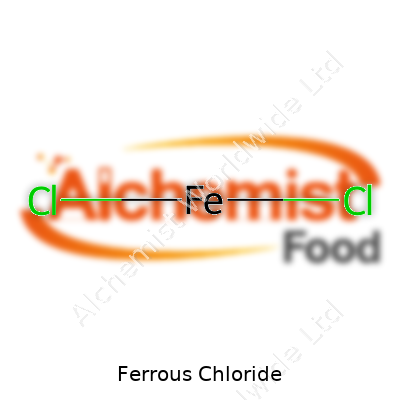
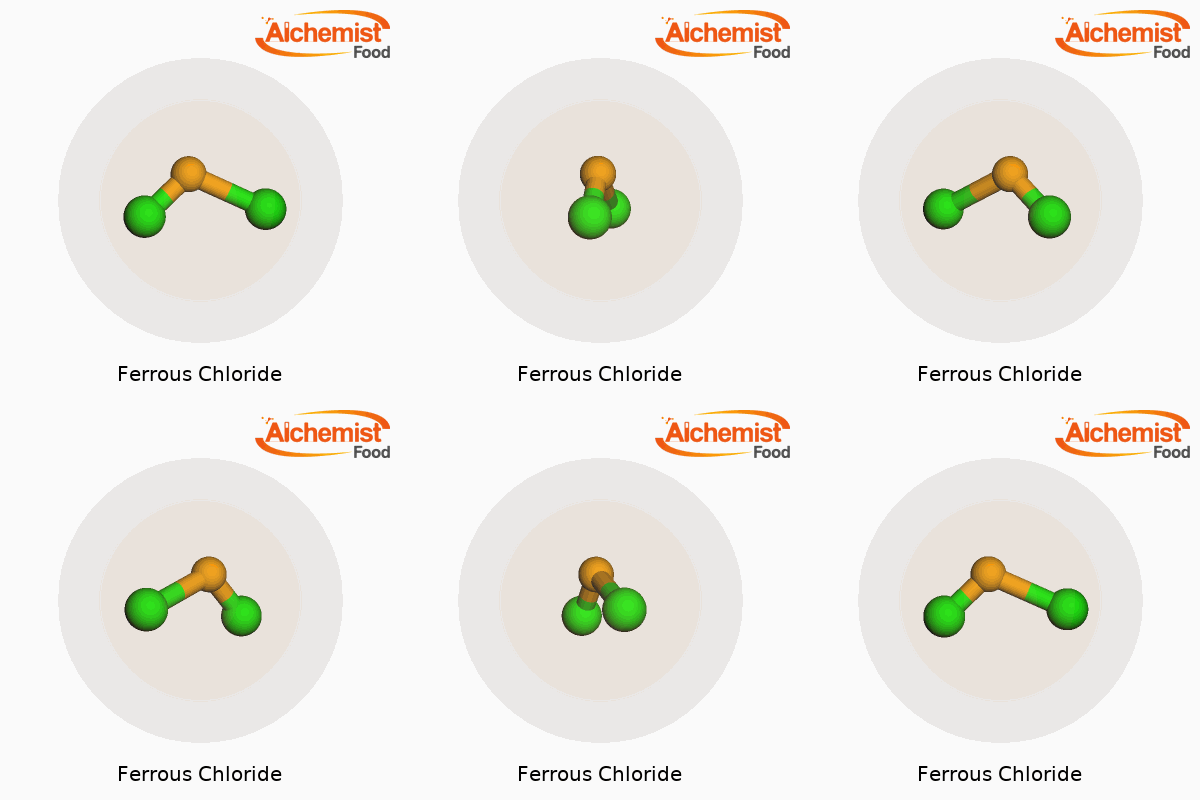
| Names | |
| Preferred IUPAC name | iron(II) chloride |
| Other names |
Ferrous dichloride Iron(II) chloride Iron dichloride Ferrous chloride |
| Pronunciation | /ˈfɛr.əs ˈklɔː.raɪd/ |
| Preferred IUPAC name | iron(II) chloride |
| Other names |
Iron(II) chloride Ferrous dichloride Iron dichloride Dichloroiron |
| Pronunciation | /ˈfɛr.əs ˈklɔː.raɪd/ |
| Identifiers | |
| CAS Number | 7758-94-3 |
| Beilstein Reference | 13204 |
| ChEBI | CHEBI:49488 |
| ChEMBL | CHEMBL1201617 |
| ChemSpider | 69232 |
| DrugBank | DB14641 |
| ECHA InfoCard | 08b5f9d3-e9c8-41fe-9506-c5c01dcfaf6e |
| EC Number | 231-843-4 |
| Gmelin Reference | Gmelin Reference: 14002 |
| KEGG | C01687 |
| MeSH | D005247 |
| PubChem CID | 24598 |
| RTECS number | NO4565500 |
| UNII | 85E16744GN |
| UN number | UN1746 |
| CAS Number | 7758-94-3 |
| 3D model (JSmol) | Ferrous Chloride" (Iron(II) chloride), chemical formula **FeCl₂**, has the following JSmol 3D model string: ``` FeCl2 ``` This string is used in JSmol to render the 3D molecular model of Ferrous Chloride. |
| Beilstein Reference | 12007 |
| ChEBI | CHEBI:30813 |
| ChEMBL | CHEMBL1201644 |
| ChemSpider | 203411 |
| DrugBank | DB14407 |
| ECHA InfoCard | ECHA InfoCard: 03-2119474878-22-0000 |
| EC Number | 231-843-4 |
| Gmelin Reference | Gmelin Reference: **14011** |
| KEGG | C14844 |
| MeSH | D005247 |
| PubChem CID | 24594 |
| RTECS number | LJ9100000 |
| UNII | 4688760A9A |
| UN number | UN1749 |
| CompTox Dashboard (EPA) | DJ6O07V6HU |
| Properties | |
| Chemical formula | FeCl2 |
| Molar mass | 126.75 g/mol |
| Appearance | Greenish yellow crystalline solid or liquid |
| Odor | pungent |
| Density | 2.44 g/cm³ |
| Solubility in water | Soluble |
| log P | -4.0 |
| Vapor pressure | negligible |
| Acidity (pKa) | 4.0 |
| Basicity (pKb) | -4.0 |
| Magnetic susceptibility (χ) | +1200.0e-6 cm³/mol |
| Refractive index (nD) | 1.7 |
| Viscosity | 2.2 cP (25 °C) |
| Dipole moment | 5.56 D |
| Chemical formula | FeCl2 |
| Molar mass | 126.75 g/mol |
| Appearance | Yellowish green crystalline solid or solution |
| Odor | Pungent |
| Density | Dense liquids, 2.9–3.4 g/cm³ |
| Solubility in water | High (93 g/100 mL at 0 °C) |
| log P | -3.2 |
| Acidity (pKa) | 4.1 |
| Basicity (pKb) | -4.0 |
| Magnetic susceptibility (χ) | +1300e-6 |
| Refractive index (nD) | 1.422 |
| Viscosity | 1.92 cP (20°C) |
| Dipole moment | 3.23 D |
| Thermochemistry | |
| Std molar entropy (S⦵298) | 87.6 J/(mol·K) |
| Std enthalpy of formation (ΔfH⦵298) | -341.8 kJ/mol |
| Std enthalpy of combustion (ΔcH⦵298) | -384.6 kJ/mol |
| Std molar entropy (S⦵298) | 87.6 J/(mol·K) |
| Std enthalpy of formation (ΔfH⦵298) | -341.8 kJ/mol |
| Pharmacology | |
| ATC code | B03AA07 |
| ATC code | B03AC01 |
| Hazards | |
| Main hazards | Corrosive, harmful if swallowed or inhaled, causes burns to skin and eyes, releases toxic fumes when heated. |
| GHS labelling | GHS02, GHS05, GHS07, GHS09 |
| Pictograms | GHS07,GHS05 |
| Signal word | Danger |
| Hazard statements | H302, H314 |
| Precautionary statements | P234, P260, P264, P270, P271, P301+P312, P330, P304+P340, P312, P305+P351+P338, P337+P313, P312, P501 |
| NFPA 704 (fire diamond) | 2-2-0-Acidos |
| Lethal dose or concentration | LD50 oral rat 450 mg/kg |
| LD50 (median dose) | Oral-rat LD50: 450 mg/kg |
| NIOSH | NL6475000 |
| PEL (Permissible) | PEL (Permissible Exposure Limit) for Ferrous Chloride: "1 mg/m³ (as Fe), 8-hour TWA |
| REL (Recommended) | 10 mg/m3 (as Fe) |
| IDLH (Immediate danger) | 100 mg Fe/m³ |
| Main hazards | Corrosive, causes burns to skin and eyes, harmful if swallowed or inhaled, reacts with acids to release toxic gases. |
| GHS labelling | GHS02, GHS05, GHS06 |
| Pictograms | GHS07, GHS09 |
| Signal word | Warning |
| Hazard statements | H302: Harmful if swallowed. H314: Causes severe skin burns and eye damage. H400: Very toxic to aquatic life. |
| Precautionary statements | P234, P260, P264, P270, P271, P273, P301+P312, P304+P340, P305+P351+P338, P312, P330, P363, P370+P378, P403+P233, P405, P501 |
| NFPA 704 (fire diamond) | 2-2-0-Acid |
| Explosive limits | Not explosive |
| Lethal dose or concentration | LD50 oral rat 450 mg/kg |
| LD50 (median dose) | LD50 (median dose) of ferrous chloride: "325 mg/kg (oral, rat) |
| NIOSH | KW2975000 |
| PEL (Permissible) | PEL (Permissible Exposure Limit) for Ferrous Chloride: "1 mg/m³ (as Fe), 8-hour TWA (OSHA) |
| REL (Recommended) | REL: 1 mg(Fe)/m3 |
| IDLH (Immediate danger) | IDLH: 100 ppm |
| Related compounds | |
| Related compounds |
Iron(II) sulfate Iron(II) nitrate Iron(II) bromide Iron(II) iodide Ferric chloride |
| Related compounds |
Iron(II) sulfate Iron(III) chloride Iron(II) bromide Iron(II) fluoride Iron(II) iodide Ferrous oxide |



