Ethyl Lactate: A Down-to-Earth Look
Historical Development
Ethyl lactate might not have the storied past of penicillin or steel, but its roots run deep. Chemists started tinkering with this compound in the 19th century, not long after lactic acid itself made waves in industrial chemistry. Back then, folks recognized it mostly as a byproduct—something that came along for the ride while chasing after lactic acid. In the decades that followed, technicians figured out that joining lactic acid with ethanol created something with more value than they had imagined. Alcohol-based solvents flooded industrial labs, making “green” options like ethyl lactate especially interesting once environmental awareness picked up in the late 20th century. Today, suppliers tout it as a sustainable solvent that blends the best of biodegradable chemistry with safety and performance.
Product Overview
This compound shows up as a clear, colorless liquid carrying a faint, sweet odor. It doesn’t belong to those mystery-ingredient lists—biodiesel producers, food processors, and cleaning companies all count on ethyl lactate to get robust, consistent results. Markets treat it mostly as a solvent, but it doesn’t stop there. In my own time on a food safety team, I saw product managers turn to ethyl lactate because it ticks the boxes for low toxicity and strong solvency—even for tough candidates like resins or waxes. Coffee decaffeination, flavor extraction, and electronics cleaning all make use of this molecule. The food and pharma industries appreciate it as a flavoring agent or specialty extraction solvent, thanks to its compatibility and reputation for safety.
Physical & Chemical Properties
Ethyl lactate brings a boiling point of around 154°C and a freezing point below -26°C, so it rarely poses temperature concerns for warehouse storage or shipping. It’s pretty soluble in water—almost fully miscible—and plays well with organic solvents like acetone, hexane, or ethanol itself. Density ranges from 1.03 to 1.07 g/cm3 depending on purity, with a vapor pressure low enough to keep workplace exposures manageable in well-ventilated settings. The molecular formula is C5H10O3, and its structure features a central chiral carbon, which prompts chemists and flavorists alike to experiment with both its L- and D-enantiomers. Whether it comes to formulating next-generation synthetic lubricants or fine-tuning a paint remover recipe, its chemical flexibility stands out.
Technical Specifications & Labeling
Regulatory authorities ask for clear, comprehensive labeling, tracking not only purity (usually >99%) but also specific contaminants like water content, acidity as lactic acid, and presence of unreacted ethanol. Technical datasheets spell out refractive index (around 1.415), color (APHA <20), and residue after evaporation in microgram-sensitive applications. Safety Data Sheets (SDS) must cite flash points (46°C), toxicity ratings, and give clear handling recommendations—generally a relief compared to harsh petrochemical solvents. In my work with chemical warehouses, customers asked for eco-certifications like Green Seal or USDA BioPreferred, which ethyl lactate often delivers thanks to its renewable fermentation roots and low VOC footprint.
Preparation Method
Producers rely on esterification, reacting lactic acid with ethanol in the presence of an acid catalyst. Renewable feedstocks power most modern production lines—sugar beets, corn, and other starch sources ferment into lactic acid, then combine with plant-derived ethanol. The process involves distillation to purify the product, stripping out water to drive the reaction forward. Some research groups play with enzymatic approaches or employ membrane technology to push yields or avoid excess heat, all in search of greener, more cost-effective routes. Fermentation-based methods have opened doors for small producers and reduced the carbon footprint associated with older petrochemical pathways.
Chemical Reactions & Modifications
Ethyl lactate stands out for its tendency to hydrolyze back into lactic acid and ethanol under acidic or basic treatment, making it easy to break down during wastewater treatment. This reversibility helps explain why it seldom builds up in the environment. On the other side, under the right conditions, it partners with other alcohols or carboxylic acids to form novel esters or derivatives. Research labs use ethyl lactate as a starting point for creating chiral intermediates, specialty polymers, or pharmaceutical building blocks. In hands-on settings like ink manufacturing, formulators sometimes tweak ethyl lactate by partial hydrogenation or transesterification to create tailored solvent blends.
Synonyms & Product Names
Chemists don’t always call it ethyl lactate—you’ll hear it referred to as “ethyl 2-hydroxypropionate,” “lactic acid ethyl ester,” or just “EL.” Buy a drum, and the supplier might market it under unique trade names or eco-friendly tags to highlight its natural origin. The food industry prefers its E number (E585), while pharma references international nonproprietary norms or pharmacopoeia designations. Despite this range, regulations are clear: proper identification prevents mix-ups and ensures everyone in the chain understands hazards, purity, and applications.
Safety & Operational Standards
Handling ethyl lactate doesn’t usually call for elaborate gear, though gloves and eye protection are standard in any chemical workspace. Its low acute toxicity and minimal vapor risk have made it a go-to in green cleaning formulas—accidental spills are easily cleaned with water and rarely require evacuation or hazmat teams. Major standards from OSHA, REACH, and the EPA focus on eye and skin irritation, which usually resolves after brief exposure. Flammable liquid storage cabinets suit larger quantities, considering the flash point. Consultations with industrial hygiene experts usually result in recommendations for local exhaust ventilation to minimize vapor accumulation, but most everyday use cases don’t involve dangerous concentrations.
Application Area
Solvents in paints, coatings, and cleaners rely heavily on ethyl lactate’s natural origin and low toxicity, letting companies advertise safer, non-petrochemical alternatives. Polymeric resin manufacturers substitute it for more hazardous glycol ethers, chasing stricter regulations on workplace exposure. In my days reviewing electronics factory audits in East Asia, I saw ethyl lactate cleaning printed circuit boards thanks to its ability to dissolve stubborn solder flux residues. Food and beverage labs use it for flavor extraction, aroma compound isolation, and as a carrier for colors. Bioprocessors add it to fermentation broths to act as a solubilizer or to extract sensitive compounds during downstream processing. Researchers are experimenting with it in drug delivery vehicles and specialty nanomaterial synthesis, betting on its biocompatibility and mild reactivity.
Research & Development
Green chemistry teams focus on producing ethyl lactate from agricultural residue instead of food crops, seeking to cut competition with the food chain and shrink greenhouse gas footprints. Advanced catalytic systems, including solid acid catalysts and biocatalysts, have popped up in published literature, some holding promise for doubling process yields. Pharmaceutical researchers look into its act as a solvent for poorly water-soluble drugs, exploring options to speed up absorption or reduce side effects through gentle carrier systems. Polymer scientists try to unlock new uses in biodegradable plastics or sustainable adhesives, harnessing its unique blend of polarity and reactivity. R&D teams often point out the circularity offered by full life cycle management, with easy hydrolysis protecting waterway health and supporting environmental stewardship.
Toxicity Research
Animal studies and workplace monitoring both point to low oral and dermal toxicity. Inhalation exposure raises concern only at very high concentrations, more common in industrial accidents than routine exposure. Short-term eye or skin contact causes mild, reversible irritation, ranking well below harsher alternatives like acetone or toluene. Repeated studies show rapid excretion and metabolism, with little evidence of buildup in body tissues. Regulatory groups including the US EPA, European Food Safety Authority, and the Joint FAO/WHO Expert Committee have all reviewed its toxicology, supporting its inclusion in food, pharma, and cosmetic applications. As research tools grow more sensitive, scientists keep verifying these profiles, ensuring continuous oversight as usage expands.
Future Prospects
Sustainability trends keep boosting the profile of ethyl lactate, especially as governments push harder for plant-based, biodegradable industrial ingredients. Demand for safer workplace solvents grows each year, and product formulators hungry for eco-credentials put ethyl lactate high on their ingredient wish lists. Technologies for higher-yield synthesis, zero-waste byproduct processing, and integration with other green chemistry platforms signal a bright future. Development of new chiral catalysts, optimized fermentation strains, and membrane purification systems could soon cut costs and open up broader uses, from home care products to advanced pharmaceuticals. People looking for solutions beyond petroleum-based chemistry get drawn to this flexible molecule, especially as regulatory landscapes tighten worldwide.
What is Ethyl Lactate used for?
An Everyday Solution Hiding in Plain Sight
Ethyl lactate usually doesn’t get much attention, yet it quietly powers many everyday processes. This colorless liquid comes from renewable sources like corn or sugarcane. It’s easy to overlook because it doesn’t have the flash of a breakthrough drug or a glittering high-tech material. Most folks probably come across it in products without suspecting a thing.
Shifting Away from Harsh Solvents
Plenty of industries have leaned on tough solvents for generations: paint thinners, degreasers, and cleaners that sting the nose and hang around long after use. Ethyl lactate offers a clean break from that old world. It isn’t toxic, it biodegrades, and it rinses away with water instead of leaving mystery residues. In healthcare settings, workplaces, and even home studios, using a gentler solvent matters—not just for workers but for everyone who shares the environment downstream.
Why Firms Choose Ethyl Lactate
I've seen small businesses—especially in printing and coatings—turn to ethyl lactate as regulations tighten up on volatile organic compounds. Print shops use it to clean their presses. It works just as well as the old heavy-duty stuff, and nobody has to worry about toxic fumes or fire risks. Food companies use it for flavor extraction or as a carrier. It doesn’t leave stubborn off-flavors, and regulators mark it as generally safe.
Researchers have studied ethyl lactate in pharmaceuticals, too. Sometimes, it helps dissolve medicines that wouldn’t blend easily, making new drug formulations possible. More and more cosmetic brands pick it for nail polish removers: nobody wants acetone burning their skin every week. Ethyl lactate dries nails just as well, and the faint sweet smell is a bonus.
Backed by Data, Not Just Good Intentions
Choosing a sustainable route means checking the facts. Studies from the Environmental Protection Agency and National Institutes of Health back ethyl lactate’s safety record. It breaks down in the environment within days, so it piles up less than fossil-based solvents. Farmers recognise its role because it links back to crops—growing corn or beets instead of drilling for oil. Native production also buffers supply chains when markets get shaky.
Possible Hurdles and Honest Risks
Of course, ethyl lactate isn’t perfect. Oversight and handling still matter: like any solvent, swallowing or splashing in eyes causes harm. Investing in renewable feedstocks means thinking carefully about what land gets used, balancing food, fuel, and chemicals. Scaling up production can put pressure on prices when demand outpaces harvests. Laboratories and manufacturers sometimes balk at change, too, sticking to familiar routines for years before switching.
Room for Growth with Smart Policies
Ethyl lactate won’t singlehandedly clean up global manufacturing. Still, it shows what’s possible. It bridges tradition and innovation: old tasks get done with less damage. Governments that offer clear rules and reliable incentives help drive the shift. Universities and firms that work on better crop yields or conversion methods help steady the supply. More open conversations between regulators, businesses, and public health advocates keep people safer—while industries keep running smoothly.
Thinking back to my own experience in labs and workshops, a safer, plant-based solvent feels less like compromise and more like progress. As more people realise what’s already working, adoption just feels like common sense.
Is Ethyl Lactate safe for human use?
Looking at the Science: What Is Ethyl Lactate?
Ethyl lactate shows up in a lot of places these days. Made from a combination of lactic acid (something the body naturally produces) and ethanol (found in drinks), it ends up in everything from food flavorings to industrial cleaners. People see “derived from corn” and figure it’s harmless. The reality calls for a closer look, especially with safety in foods and workplaces.
Current Safety Data and Regulations
Food scientists rely on the United States Food and Drug Administration to set some boundaries. Ethyl lactate falls into the “generally recognized as safe” (GRAS) category for use in food when used as a flavoring. Studies support that small amounts break down quickly in the body, leaving little cause for alarm in regular diets. In fact, the same compound can be found in cheese, wine, and even some fruits.
Outside the kitchen, the situation changes a bit. Manufacturers love using ethyl lactate because it dissolves grease and paint with ease and doesn’t carry the health baggage of traditional solvents like toluene. Still, just because a chemical comes from a familiar place doesn’t mean inhaling it or rubbing it on your skin every day is risk-free. The European Food Safety Authority, as well as regulators in the U.S., review workplace exposure and haven’t raised red flags for casual or controlled use. Long-term studies in animals show low toxicity and no signs of cancer.
Personal Experience: Not Always as Simple as “Natural”
I remember using an industrial cleaner for a short stint at a factory. The fresh, almost fruity smell brought a false sense of safety. One day, after a few hours in a closed space, several workers complained of dizziness and mild headaches. We later learned the cleaner relied on ethyl lactate. No one suffered lasting effects, but it drove home the point that overexposure, even to something considered “green,” comes with risks. Most health complaints clear up with fresh air and washing, but care matters, especially in poorly ventilated areas.
Risks and Safe Use Practices
Occupational safety data points out that concentrated ethyl lactate can irritate the eyes, skin, and lungs if not handled properly. Chronic exposure—breathing in large amounts over days or weeks—may cause more serious problems, including damage to the nervous system. Wearing gloves, eye protection, and keeping workspaces ventilated prevent most issues. As always, the dose makes the poison. No chemical, even from natural sources, gets a blank check.
In food, the story looks a lot more relaxed. Consumed in trace amounts, ethyl lactate adds fruity notes to candy, baked goods, and beverages without posing health hazards. Manufacturers keep levels low to avoid changing taste or texture, and safety reviews back up these practices. Allergies to ethyl lactate in food rarely appear, though anyone with sensitivities to lactic acid or ethanol should double-check.
Keeping Trust with Transparency and Continued Research
Ethyl lactate serves as a reminder that safety questions deserve real transparency and regular review. Regulators and manufacturers should provide clear data to make informed choices. Ongoing studies help spot issues early, especially as companies push for “greener” chemicals. In the end, a balance matters—respect for both how a substance behaves in the environment and the ways people use it.
For most people, ethyl lactate in food or household cleaners leaves little cause for worry. Workers around large volumes or high concentrations should stick to basic safety rules and keep an eye on symptoms. Whether a product comes from a plant or a lab, informed caution wins out over blind trust.
What are the storage requirements for Ethyl Lactate?
Why Real-World Storage Matters
Ethyl lactate, commonly used as a solvent in pharmaceuticals, cleaners, and coatings, doesn’t get as much attention as some other chemicals. Still, ignoring proper storage can lead to wasted material, safety headaches, and costs that add up fast. Ethyl lactate brings together the features of a mild ester and the quirks of organic chemistry, both of which shape the way storage should be set up. Lax storage habits expose workers and investments to risk. Over the years, getting this overlooked detail right has always paid off in smooth operations and no surprises on audit day.
Temperature and Ventilation: No Room for Shortcuts
Leaving ethyl lactate in direct sunlight or next to a heat source can trigger degradation and build-up of pressure inside containers. At the last facility I worked in, even a week at elevated temperatures led to the formation of off-odors and changes in chemical performance. Placing inventory in a controlled area between 15°C and 25°C keeps the material stable. Don’t underestimate air flow, either. The vapors have low toxicity but they don’t belong in your work air. Reliable ventilation hoods and exhaust fans keep that in check, reducing inhalation risks and limiting fire hazards.
Container Choices: Metal, Plastic, or Glass?
Picking the right drum, pail, or bottle prevents chemical incompatibility. Stainless steel has proven reliable for handling lots of solvents, including ethyl lactate, because it stands up to corrosion. Food-grade HDPE works as well—especially for short-term storage—but has to be clean and sealed tight to prevent leaks. Glass containers typically aren’t practical for bulk, just for lab-scale use. Lids must give a tight seal, since ethyl lactate picks up water from the air, altering its properties. Every batch I’ve seen turn cloudy from bad caps ended up in waste, money down the drain.
Fire Safety: Not Just a Paper Rule
This chemical’s flash point hovers around 46°C. That doesn’t scream high fire risk, but it easily forms flammable vapor-air mixtures. In facilities I’ve managed, the difference between a near-miss and an incident has always boiled down to how closely workers follow prohibition on ignition sources—no grinding, no open flame, no phone chargers in storage rooms. Grounding and bonding grounded containers during transfers stops static spark buildup. Keeping absorbent spill kits nearby means nobody scrambles in a panic if a can tips over.
Labeling, Documentation, and Emergency Practices
Labeling each drum and drum location clearly is not just bureaucracy—it saves time during inventory checks and emergencies. In busy warehouses, clear records help catch expired or oddly colored stocks before use. Good practice means everyone knows where to find the nearest eyewash or shower station, and training isn't a once-a-year paperwork exercise. In my experience, drills separate the prepared from the lucky.
Taking the Extra Step: Solutions for Busy Operations
Automating temperature logs and air quality checks takes out guesswork. Investing in compliant chemical storage cabinets with built-in airflow pays for itself. Digital inventory management with expiry tracking sets up alerts for oversight before a problem grows. None of these are luxuries in labs or plants serious about safety and quality. Cutting corners turns today’s savings into tomorrow’s liability. Storage isn't glamorous, but reputation rides on details like these.
Is Ethyl Lactate biodegradable or environmentally friendly?
Looking at Ethyl Lactate Beyond the Buzzwords
Ethyl lactate turns up as an attractive alternative to strong chemical solvents in everything from cleaning products to food processing. Marketed as “green” and “biodegradable,” this molecule comes from fermenting corn or other sugars, which already gives it a better story than most petroleum-based chemicals. Lots of folks want to know if switching over to ethyl lactate truly makes a dent in our waste and pollution problems, or if it’s just another trend boosted by clever marketing.
Where the Science Stands on Biodegradability
Plenty of research digs into how ethyl lactate breaks down. Under both aerobic and anaerobic conditions, microbes chew through ethyl lactate at a rapid clip, often finishing the job in a matter of days. Regulatory agencies like the U.S. EPA count it among the solvents that don’t linger or pile up in landfills and waterways. Lab tests show that more than 80% of ethyl lactate is gone in just a couple weeks, breaking down mostly into carbon dioxide and water. That’s a big step up from solvents like toluene or acetone, which hang around and cause trouble for fish, plants, and the people living nearby.
Looking Closer at ‘Eco-Friendly’ Claims
It’s easy to slap a green label on something and move bottles, but real environmental benefit reaches farther than just the end product. Ethyl lactate’s feedstocks—corn and other fungi-friendly crops—come from renewable sources, not oil pumps or gas fields. That seems like a win. But change always brings trade-offs. Every bushel of corn headed to a chemical plant is one less for food or animal feed. Corn farming often pushes heavy fertilizer use and can lead to erosion or water pollution when handled carelessly. While ethyl lactate offers clean disposal, ramping up production demands thoughtful farming and supply choices.
From a worker’s perspective, swapping harsh solvents for something that doesn’t sting skin or poison the air lowers health risks in many settings. I've seen shop workers breathe easier—sometimes literally—without the headache-inducing fumes of older products. Ethyl lactate’s low volatility and lower toxicity cut the odds of chronic exposure and hazardous waste handling problems. It still calls for safe handling, but the gap is clear.
What Really Moves the Needle?
Switching to any alternative needs a closer look at the full cycle. Ethyl lactate checks a lot of boxes in labs and in the real world. It cleans up fast, dodges most regulatory red tape, and slides into many formulas without big equipment changes. The catch comes down to what happens before and after a chemical does its job. Source crops should come from farms practicing smart rotation and soil care. Efficient manufacturing ought to use energy from renewables.
End users, companies, and local governments must keep an eye on what goes down the drain and how waste gets handled, even for a cleaner solvent. Treatment plants process ethyl lactate smoothly, but with runoff or spills, volume and concentration still matter. Protecting waterways takes more than just picking the “least-bad” cleaner off the shelf.
Finding More Responsible Ways Forward
Ethyl lactate won’t solve every problem, but it pushes the chemistry world toward lower-impact solutions. Regulators and companies benefit most by focusing less on which single solvent wins and more on farm practices, lifecycle energy use, and stricter checks on runoff. Workplaces should keep investing in worker education and protective gear, even with safer chemicals in play. Only this kind of broad approach drives real improvement for both people and the planet.
What is the shelf life of Ethyl Lactate?
What the Science Tells Us
Ethyl lactate, often used as a green solvent, doesn’t stick around forever in its top form. This compound comes from lactic acid and ethanol, both of which break down under certain conditions. Storing it right gives you between one to two years before the bottle starts showing signs of aging. Freshness matters in chemical work, so checking each batch before use feels non-negotiable.
Real Concerns Behind Label Dates
Walking through a lab or a warehouse, I’ve seen plenty of bottles with faded labels or questionable seals. Keeping a close eye on expiry dates actually saves money and keeps people safe. Old ethyl lactate won’t perform like the new stuff, especially in precision jobs like pharmaceuticals or electronics cleaning. Once it starts to break down, you’ll notice yellowing, off smells, or lower purity. If you ever get a whiff of something sharp or acrid where it used to smell sweet, toss the batch. Nobody wants a ruined experiment or a flammable mess.
Factors That Make Ethyl Lactate Age Faster
Keeping ethyl lactate cool and away from sunlight stops the chemical from reacting with oxygen or moisture in the air. High temperatures break down the molecule faster. Humidity or cracked caps invite water to sneak into the bottle and get the degradation going faster than expected. Leaving a container unsealed, even briefly, lets all those invisible factors play havoc with the contents.
Importance for Workers and Consumers
A bottle of ethyl lactate that’s gone off puts workers at risk, especially those handling large amounts. The Environmental Protection Agency stresses safe handling and correct labeling. Anyone in charge of safety checks knows expired solvents mean more than lost dollars; they mean extra risk. A 2022 review by the American Chemical Society flagged chemical expiration as a leading cause of lab mishaps due to changed properties and increased hazards.
Keeping Chemical Stock Safe
I've learned that investing in proper storage saves headaches in the long run. Store ethyl lactate in tight, dark bottles away from direct sources of heat. Even the basics, like a clear “opened on” sticker, go a long way toward making sure nobody accidentally grabs a spoiled bottle. Regular stock audits, even for small supplies, keep things on track.
What Producers and Regulators Can Do
Producers should print clear expiration dates and basic storage instructions — not just codes or lot numbers — right on the label. Regulators, on their end, would serve everyone by pushing for transparency about changes in chemical properties after the listed shelf date. The chemical industry as a whole benefits from easy-to-read safety sheets and guidelines.
The Big Picture
Ethyl lactate might sound simple, but it still calls for respect in use and storage. Treating shelf life as a health and safety matter, not just a technicality, makes for better science, safer workplaces, and less waste. Staying alert to quality, storing the right way, and checking for signs of spoilage hold everything together when dealing with this widely used solvent.
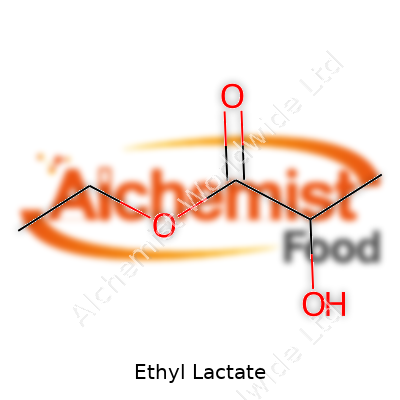
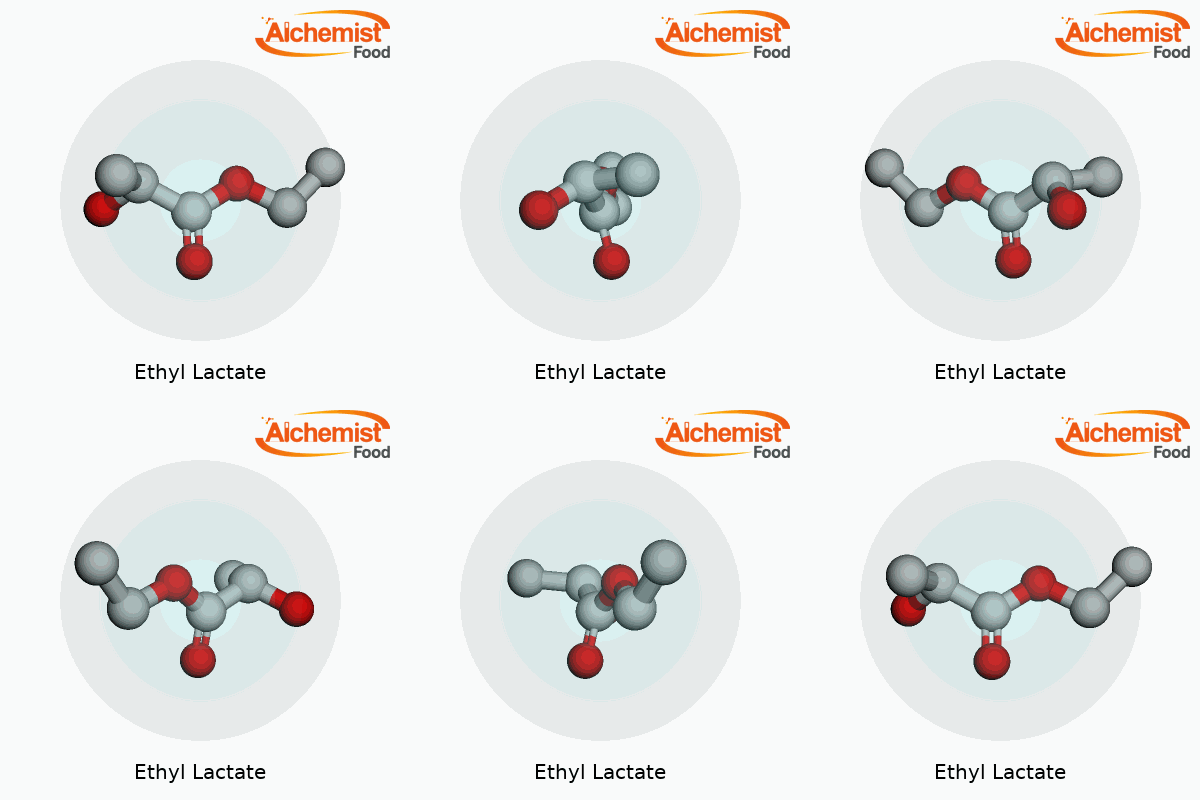
| Names | |
| Preferred IUPAC name | ethyl 2-hydroxypropanoate |
| Other names |
Lactic acid ethyl ester Ethyl 2-hydroxypropanoate 2-Hydroxypropanoic acid ethyl ester Lactic acid, ethyl ester Ethyl 2-hydroxypropionate |
| Pronunciation | /ˈiːθɪl ˈlæk.teɪt/ |
| Preferred IUPAC name | Ethyl 2-hydroxypropanoate |
| Other names |
Lactic acid ethyl ester Ethyl 2-hydroxypropanoate Lactic acid, ethyl ester 2-Hydroxypropanoic acid ethyl ester |
| Pronunciation | /ˈiːθɪl ˈlæk.teɪt/ |
| Identifiers | |
| CAS Number | 97-64-3 |
| 3D model (JSmol) | `Ethyl Lactate` JSmol 3D model string: ``` Ethyl Lactate C(C(=O)OCC)CO ``` |
| Beilstein Reference | Beilstein Reference: 1720223 |
| ChEBI | CHEBI:27750 |
| ChEMBL | CHEMBL135221 |
| ChemSpider | 7496 |
| DrugBank | DB03426 |
| ECHA InfoCard | ECHA InfoCard: 03-2119892642-33-0000 |
| EC Number | 97-64-3 |
| Gmelin Reference | Gmelin Reference: 8331 |
| KEGG | C13909 |
| MeSH | D005006 |
| PubChem CID | 7330 |
| RTECS number | KO3150000 |
| UNII | 9G2MP84A8W |
| UN number | UN1192 |
| CompTox Dashboard (EPA) | DTXSID8020145 |
| CAS Number | 97-64-3 |
| 3D model (JSmol) | `Ethyl Lactate JSmol 3D model string`: ``` ethyl lactate ``` This string can be used in JSmol to load the 3D structure of Ethyl Lactate. If you need a more specific SMILES or Molfile string, let me know! |
| Beilstein Reference | Beilstein Reference: 1721484 |
| ChEBI | CHEBI:17509 |
| ChEMBL | CHEMBL135709 |
| ChemSpider | 6965 |
| DrugBank | DB04325 |
| ECHA InfoCard | 03bfaee1-b841-43bb-9c1a-212b2edb8e67 |
| EC Number | Ethyl Lactate" EC Number is "205-500-4 |
| Gmelin Reference | Gmelin Reference: **8316** |
| KEGG | C05402 |
| MeSH | D019342 |
| PubChem CID | 7348 |
| RTECS number | KO3150000 |
| UNII | 47E5O17Y3R |
| UN number | UN1192 |
| Properties | |
| Chemical formula | C5H10O3 |
| Molar mass | 118.13 g/mol |
| Appearance | Colorless to pale yellow transparent liquid |
| Odor | Fruity |
| Density | 1.03 g/cm³ |
| Solubility in water | Miscible |
| log P | -0.24 |
| Vapor pressure | 0.46 mmHg (at 20 °C) |
| Acidity (pKa) | pKa ≈ 16 (α-hydrogen), pKa ≈ 12.4 (hydroxyl group) |
| Basicity (pKb) | 8.15 |
| Magnetic susceptibility (χ) | -7.7e-6 |
| Refractive index (nD) | 1.414 |
| Viscosity | 2.5 cP (25°C) |
| Dipole moment | 3.15 D |
| Chemical formula | C5H10O3 |
| Molar mass | 118.13 g/mol |
| Appearance | Colorless transparent liquid |
| Odor | Mild, pleasant, fruity |
| Density | 1.03 g/cm³ |
| Solubility in water | Miscible |
| log P | -0.24 |
| Vapor pressure | 0.46 mmHg at 20°C |
| Acidity (pKa) | pKa ≈ 15.1 |
| Basicity (pKb) | 16.16 |
| Magnetic susceptibility (χ) | -6.41 × 10⁻⁶ cm³/mol |
| Refractive index (nD) | 1.414 |
| Viscosity | 2.5 mPa·s (at 25 °C) |
| Dipole moment | 4.06 D |
| Thermochemistry | |
| Std molar entropy (S⦵298) | 218.7 J·mol⁻¹·K⁻¹ |
| Std enthalpy of formation (ΔfH⦵298) | –669.5 kJ·mol⁻¹ |
| Std enthalpy of combustion (ΔcH⦵298) | -2026.7 kJ/mol |
| Std molar entropy (S⦵298) | 362.8 J·mol⁻¹·K⁻¹ |
| Std enthalpy of formation (ΔfH⦵298) | -627.8 kJ/mol |
| Std enthalpy of combustion (ΔcH⦵298) | -2221.7 kJ/mol |
| Pharmacology | |
| ATC code | V03AB37 |
| ATC code | V09AX04 |
| Hazards | |
| GHS labelling | GHS02, GHS07 |
| Pictograms | GHS02,GHS07 |
| Signal word | Warning |
| Hazard statements | H315, H319 |
| Precautionary statements | P210, P261, P305+P351+P338, P501 |
| NFPA 704 (fire diamond) | 1-2-0 |
| Flash point | '77°C (closed cup)' |
| Autoignition temperature | 235 °C (455 °F) |
| Explosive limits | 1.5% - 8.5% |
| Lethal dose or concentration | LD50 oral rat 5,000 mg/kg |
| LD50 (median dose) | LD50 (median dose): Rat oral 5,000 mg/kg |
| NIOSH | WA1590000 |
| PEL (Permissible) | PEL: 25 ppm |
| REL (Recommended) | 25 mg/m³ |
| IDLH (Immediate danger) | 1500 ppm |
| GHS labelling | GHS02, GHS07 |
| Pictograms | GHS02,GHS07 |
| Signal word | Warning |
| Hazard statements | H226, H315, H319 |
| Precautionary statements | P210, P233, P240, P241, P242, P243, P261, P264, P271, P280, P303+P361+P353, P304+P340, P305+P351+P338, P312, P314, P321, P337+P313, P370+P378, P403+P235, P501 |
| NFPA 704 (fire diamond) | 1-2-0 |
| Flash point | 54 °C (129 °F) |
| Autoignition temperature | 225 °C |
| Explosive limits | 1.5% - 8.0% |
| Lethal dose or concentration | LD50 (oral, rat): 5,000 mg/kg |
| LD50 (median dose) | Ethyl lactate: Oral rat LD50 = 2,000 mg/kg |
| NIOSH | WI0475000 |
| PEL (Permissible) | PEL: 25 ppm |
| REL (Recommended) | 5 mg/m³ |
| IDLH (Immediate danger) | 1500 ppm |
| Related compounds | |
| Related compounds |
Ethyl acetate Lactic acid Methyl lactate Propylene glycol Butyl lactate |
| Related compounds |
Methyl lactate Isopropyl lactate Propylene glycol diacetate Lactic acid Ethyl acetate |



