Erythritol: A Commentary on Its Journey, Qualities, and Impact
Historical Development
Erythritol’s roots trace back to the mid-1800s, right around the period when sugar alternatives started to hit the scientific radar in Europe. While most folks still relied on cane and beet sugar for sweetness, enterprising chemists began isolating sugar alcohols from blackstrap molasses or even fruits and mushrooms. Erythritol came from this era—not as a game-changing invention on day one, but as part of a steady push to find new answers for health-conscious eaters and those living with diabetes. Over time, as food industries understood more about caloric content and the ways sugars affect blood glucose, the focus shifted toward more natural, low-calorie sweeteners. Erythritol’s low caloric value and clean sweet taste set it apart from some of its more infamous cousins like saccharin and aspartame, giving it a second wind as science and consumer habits moved toward moderation and metabolic health.
Product Overview
Pick up a packet of erythritol, and what you’ll see is a fine crystalline powder, almost identical in look and feel to table sugar. This similarity makes it a handy swap in kitchens and factories alike. Unlike some bulk sweeteners that crowd the mouth with lingering aftertastes or odd texture, erythritol melts and dissolves easily, offering 60 to 70 percent of sugar’s sweetness. Its sweetness profile lets manufacturers cut calories in sodas, desserts, and snacks without sacrificing satisfaction. For everyday shoppers, erythritol means real sweetness without climbing up the calorie ladder. It ends up in everything from protein bars and sugar-free chocolates to toothpaste and chewing gum, sneaking into places where many didn’t expect to encounter a sugar alternative.
Physical & Chemical Properties
Erythritol carries a molecular formula of C4H10O4 with a molecular weight just under 123 grams per mole. Unlike some sugar alcohols that hold onto water or attract dampness, erythritol doesn’t cause products to become soggy or clump. The powder presents itself in small, almost snow-like crystals, with a melt-in-the-mouth feature that adds to its popularity. With a melting point slightly below 122°C, erythritol holds up under most baking conditions but will caramelize or brown less aggressively than classic sugar. Erythritol is stable across a wide range of pH and won’t break down in acidic products. Its solubility mirrors that of sucrose, so anyone used to stirring sugar into coffee won’t find much difference with erythritol. Chemically, erythritol falls into the polyol camp, joining the likes of xylitol, mannitol, and sorbitol, but it doesn’t ferment in the gut, making it unique among its class.
Technical Specifications & Labeling
Food-grade erythritol ships with standards for purity—usually above 99 percent—with the rest made up of minor trace minerals or water. Moisture content stays low to guarantee shelf stability and clumping resistance. Labeling laws in the United States, Europe, and much of Asia require identification of erythritol as a “sweetener” or “sugar alcohol,” with its caloric value set officially at 0.2 kcal per gram, which is about one-tenth that of regular sugar. Few, if any, commercial products use erythritol as a lone sweetener. Regulations push for clarity, ensuring anyone keeping an eye on carbohydrate or polyol content can find that information plainly on the label. Erythritol gets a Generally Recognized As Safe (GRAS) status in the U.S. Still, overuse in a product could trigger a “may cause laxative effect” statement, especially if it’s paired with other sugar alcohols.
Preparation Method
Commercial erythritol mostly comes from a large-scale fermentation process. Factories start with simple sugars like glucose, often sourced from corn or wheat starch. Specially selected yeast or fungi such as Moniliella pollinis or Trichosporonoides megachiliensis chew through the glucose, churning out erythritol in vats that look more like beer breweries than candy factories. After fermentation, workers filter the broth, extract the erythritol, purify it through carbon and ion-exchange steps, and finally let it crystallize, much like the process for refining cane sugar. This method keeps impurities low, making food-grade erythritol reliable, repeatable, and pure enough for both food and pharmaceuticals. Smaller labs can synthesize erythritol directly from sugar alcohol reduction, but fermentation keeps costs down and eco-impacts lower.
Chemical Reactions & Modifications
Erythritol keeps its cool under most food prep conditions—acid or base doesn’t faze it, nor does sudden temperature change within normal baking limits. Chemically, erythritol doesn’t undergo Maillard reactions, which means baked goods often skip the golden crust unless paired with other browning agents. Erythritol resists enzymatic and most non-enzymatic modifications in the gut, slipping through digestion without much fuss. Some researchers tinker with its crystal structure, aiming for superfine grades that dissolve even faster or blends that amp up browning or flavor carrying. Most attempts to modify erythritol’s base molecule for new uses focus on increasing solubility, changing melting behavior, or pairing it with prebiotics or dietary fibers for new functional food projects.
Synonyms & Product Names
On ingredient lists, erythritol might show up under its straightforward technical name, or occasionally users spot names like “tetrahydroxybutane” or “meso-erythritol.” Consumers might know it as Zerose, E968 (the EU additive code), or under branded mixtures that blend erythritol with stevia, monk fruit, or sucralose to mimic various sweetness levels. Supermarkets often sell “natural sweetener blends,” with erythritol as the backbone and other plant extracts sprinkled in. Some niche brands label erythritol as “sugar alternative” or “low-calorie sweetener,” especially in low-carb, keto, or diabetes-focused aisles.
Safety & Operational Standards
Food safety agencies in the U.S., Europe, Japan, Australia, and many other regions give erythritol the green light—assigned to the safest status for new food additives. Decades of review turned up little cause for alarm. The body absorbs most erythritol in the small intestine and flushes it out unchanged through the kidneys, so the risk of gut disturbance, gas, or bloating runs lower than with other polyols. In rare cases where two or three products with massive erythritol doses land in a person’s gut together, some might notice a mild laxative effect, but this risk sits far below what’s common for xylitol or sorbitol. Workplaces that manufacture or blend erythritol stick to routine dust control measures, as inhaling fine powders of any kind isn’t good for worker safety. Allergic reactions or metabolic effects remain vanishingly rare. Documentation from food regulators and toxicology experts consistently support these findings, pointing to strong operational reliability across supply chains.
Application Area
Bakers, candy makers, and beverage producers turn to erythritol for nearly every kind of sweet treat you’ll see in a grocery store that boasts “sugar-free” or “no added sugar.” Erythritol lines the ingredient lists of chewing gums, mints, pastilles, chocolate bars, and even some protein shakes or energy drinks. The real-world impact shows up in the way diabetic and low-carb populations finally gain sweets and treats that don’t cause blood sugar to spike—something decades in the making. In the home kitchen, bakers scoop erythritol by the cupful for cookies, cakes, or frostings that stay true to form, though some adjustment to recipes may help tackle differences in browning and moisture. Cosmetics and toothpaste companies branch out into erythritol’s cooling effect and mild antibacterial qualities, so you’ll spot it in dental health products side by side with xylitol. Its flavor-masking properties also help clean up medicine or supplement taste.
Research & Development
Scientists keep busy testing how erythritol fits into evolving health and flavor trends. Some teams look at stabilizing erythritol in zero-calorie beverage formulas, others dig into microencapsulation to boost mouthfeel or deliver slow flavor release. Newer work explores erythritol’s impact on oral bacteria, suggesting protective effects against cavities due to its inability to feed Streptococcus mutans, the main villain in dental caries. Researchers study potential links to gut health, metabolic response, and blending strategies for heat stability or enhanced solubility. Patents cover structural tweaks to create gels, syrups, or blends with other rare sugars, while others partner erythritol with plant-derived sweeteners to reduce cost and optimize taste. Rigor in these studies helps keep up with consumer expectations for transparency, clean labels, and more “natural” product claims.
Toxicity Research
Every substance that makes it into the food world faces rigorous toxicity testing, and erythritol clocks in as one of the most benign. Repeated and high-dose exposure studies in rodents, dogs, and human volunteers lead to the same general result—erythritol moves through the digestive tract without causing cell damage, organ toxicity, or carcinogenic risk. Researchers watch for any signs of reproductive or developmental harm and find nothing of note, even at doses much higher than anyone encounters in daily eating. Erythritol’s unique digestive path—a quick absorption, bypassing gut microflora, and an uneventful exit—means no fermentation, no gas, and little chance of disruption for people with sensitive stomachs. Safety studies sometimes address worries over cardiovascular risk, given that older studies flagged links to platelet behavior at very high blood levels, but ongoing research with typical dietary exposure reassures scientists and watchdog organizations alike. The consistent, clean safety profile backs regulatory decisions in markets around the world.
Future Prospects
The path ahead for erythritol looks strong, driven by rising rates of obesity, type 2 diabetes, and a broader push for healthy eating. Demand for lower-sugar and low-calorie foods climbs every year, making erythritol a top contender for consumers looking to replace sugar without giving up on taste. Tech innovation may bring more finely tuned blends, customized mouthfeel, and natural sourcing to meet the growing “clean label” trend. Farms and factories experiment with using alternative feedstocks, from cassava or surplus fruit sugars, aiming to cut costs and shrink environmental footprints. Some experts stay alert to research pointing to new flavor enhancers or synergistic effects with proteins and fibers, which could expand erythritol’s role beyond simple sweetness. Clear science communication and transparent labeling will continue to shape consumer trust, especially as health-driven customers watch ingredient lists more closely. As the market keeps growing and researchers dig deeper into diet and metabolism, erythritol could grow more central to everyday diets, not just as a sugar swap, but as an essential tool in helping people meet wellness goals without losing the simple joy of sweetness.
What is erythritol and how is it made?
Understanding Erythritol’s Rise
Erythritol stands out as one of the most buzzed-about sugar substitutes in grocery aisles and specialty cooking. People want their food sweet but not with the calories or the blood sugar spikes. Erythritol offers an answer, not only to those watching their waistlines but also to folks with diabetes or anyone looking to avoid cavities. I have grabbed a bag myself when baking low-carb treats for friends who face these health concerns.
What Sets Erythritol Apart
Not all sugar substitutes are created equal. Some leave a strange aftertaste, and others upset the stomach in more ways than one. Erythritol barely lingers on the tongue and causes fewer digestive problems than other sugar alcohols for most people in small amounts. Researchers have spent decades comparing erythritol with xylitol and sorbitol. Erythritol clocks in at almost zero calories per gram since the body doesn’t break it down the same way as other carbs. The small molecules pass into the bloodstream and get filtered out by the kidneys, so they don’t even reach the lower gut, dodging the bloating problem completely for most healthy adults.
From Starch to Sweetener – How it’s Made
Erythritol is not plucked from trees or squeezed out of fruit, even though tiny amounts occur naturally in things like pears, grapes, and melons. Food scientists make it on a much bigger scale by taking starchy crops — usually corn or wheat — and turning their starch into glucose. They then add a specific yeast called Moniliella pollinis or sometimes a fungus called Trichosporonoides megachiliensis. This microbe munches on the glucose, and through fermentation, it spits out erythritol. It’s almost like brewing craft beer, but instead of alcohol, the end product is this low-calorie sweetener. After fermenting, separating, and purifying the solution, the erythritol crystallizes out, looking a lot like table sugar.
Questions About Safety and Health
A lot of people worry when they see chemical names they don’t recognize. The FDA has reviewed study after study, confirming erythritol as safe, including for children and pregnant women. The European Food Safety Authority and many other health bodies back this up. Still, as with all sugar alcohols, some people do feel a mild cooling effect on their tongue or minor stomach discomfort if they eat a lot at once. I’ve heard of folks eating a tray of “keto-friendly” brownies and learning this lesson the hard way.
Erythritol in a Balanced Diet
People have to make smart choices. A reliance on sweetened products, even sugar-free, won’t solve deeper problems like poor dietary quality or missing vegetables and fiber. Erythritol can fit well in a balanced approach—allowing occasional sweet treats without guilt. Sweetness isn’t the enemy, but it’s helpful when it can come with fewer consequences. Food labels now list erythritol as a distinct carbohydrate so consumers can track it, and nutrition experts agree: moderation is key, even with better alternatives on the shelf.
Is erythritol safe to consume?
What Erythritol Actually Is
Sugar substitutes fill shelves these days. Erythritol pops up in everything from keto desserts to “sugar-free” gum. It’s a sugar alcohol, found in small amounts in some fruits, but what lands in your diet soda comes from industrial production, usually by fermenting corn or wheat starch. Calories barely register for this sweetener and it doesn’t jack up blood sugar, which sounds like a win for folks managing diabetes or staying low-carb.
Safety Stories and Sensible Facts
Most food safety authorities have given erythritol a green light. The U.S. Food and Drug Administration marked it as “Generally Recognized as Safe” (GRAS). The European Food Safety Authority agrees. I’ve had clients with diabetes who lean on erythritol to curb cravings for sweets while keeping their blood sugar levels decent. Simple swaps like that have brought some relief to their mealtime stress.
Still, headlines kicked up dust in 2023, warning that large amounts of erythritol might link to higher heart attack and stroke risks. That study tracked people already at higher risk for cardiovascular disease and noticed that those with more erythritol in their blood had worse outcomes. But these sorts of findings lead to more questions than answers. Big observational studies often miss what else is happening in a person’s life or on their plate. Did they eat more processed foods, skip fiber, or get less movement? No research has pinned down a clear biological cause here.
Gut Reactions: What Actually Happens After Eating Erythritol
Some things show up quickly: eat too much at once, and you may spend extra time in the bathroom. Erythritol doesn’t get digested like regular sugar. It mostly passes through your body unchanged. A few people report bloating or stomach grumbles, but as far as side effects go, this pales compared to other sugar alcohols like sorbitol that can cause real discomfort.
Most people can handle small-to-moderate daily amounts without trouble. I tested a few home-baked treats with erythritol—no surprise, the taste doesn’t mimic cane sugar exactly, but it meets a craving without the usual energy crash. For some, that tradeoff feels worth it.
Balancing Health: Whole Foods Over Tricks
Many of us grew up hearing that sugar damages teeth and drives weight gain, so reaching for alternatives feels almost second nature. Still, it’s easy to lose sight of real nutrition. A sweetener swap doesn’t fix a diet where veggies, beans or whole grains rarely show up. When someone leans on sweet drinks or bars all day (original or sugar-free), they're often missing nutrients, not just calories.
Erythritol rarely affects blood sugar. That matters for people with diabetes, as confirmed in studies published in journals like Diabetes Care and Food and Chemical Toxicology. Unlike aspartame or sucralose, erythritol doesn’t carry much baggage from flavor complaints or studies that fueled years of safety controversy. Still, it's easy to forget about moderation and chase “guilt-free” snacks without thinking much about the extra fillers or flavors packaged in.
Solutions for Smarter Choices
If you're concerned about erythritol, check food labels and track how your stomach feels. Simple home cooking with familiar ingredients solves most problems before they start. Real fruit, nuts, or even a bit of honey deliver more than sweetness. Increasingly, researchers call for studying long-term impacts of artificial sweeteners across diverse groups who eat different diets.
Doctors and dietitians should walk people through their options, focusing on balance instead of fear. Swapping out some sugar isn’t the main prize—enjoying good food, moving regularly, and getting enough sleep matter much more for staying healthy over the long haul.
Does erythritol affect blood sugar levels?
Looking at Erythritol in Everyday Life
Erythritol has popped up in so many foods and drinks lately, it’s tough to miss. Anyone aiming to cut down on sugar or watch their glucose swings might notice this sweetener in everything from sugar-free gum to keto desserts. Growing up with family members who had diabetes, the hunt for a sweet fix that wouldn’t throw numbers out of balance never ended. Every family meal, every birthday cake needed a rewrite because so many sugar substitutes came with their own baggage—strange aftertastes, stomach troubles, or a spike in blood sugar that left us worse off.
Walking that aisle in the grocery store, it's easy to get lost between claims on packaging. “Zero calories,” “Safe for diabetics,” or “Non-glycemic” all sound promising, but do they really mean stable blood sugar? I used to worry that a sweetener that tasted this much like sugar would be too good to trust. So here’s what actually happens.
What the Science Tells Us
Research gives a clear picture: erythritol gets absorbed into our bodies in the small intestine, but almost all of it ends up in urine unchanged. It doesn’t reach the large intestine to ferment, so it usually skips the bloating and gas many folks feel with other sugar alcohols. The most important piece for anyone watching glucose: erythritol barely gets metabolized, and studies from respected groups, including the European Food Safety Authority and the American Diabetes Association, show it doesn’t send blood sugar rising. That’s different from most artificial sweeteners and miles apart from cane sugar.
A 2023 review in the journal Nutrients pulled data from dozens of trials with real people, some with diabetes and some without, and found the same thing: erythritol doesn’t budge blood glucose or insulin in any meaningful way. It’s sweet, but your body treats it almost like water when it comes to blood sugar impact.
What About Safety?
Having used products with erythritol in my own kitchen, I’ve seen reactions can vary. Some folks get stomach upset if they go overboard, but for most, typical amounts are fine. No spikes, no crashes, no strange jitters. The World Health Organization considers erythritol safe, without a strict upper limit for daily intake, though eating multiple servings in one go could push the gut into uncomfortable territory.
The Larger Conversation Around Sugar Substitutes
People often pick up sugar-free products believing they’ll lose weight or avoid other health pitfalls. That’s not the whole picture. Sweeteners like erythritol might help in managing calories and blood sugar, but health doesn’t start and end with what’s sweet or not. Diet still needs real food, fiber, and regular movement to add up. Some studies linked high erythritol levels in the bloodstream with heart events, but those didn’t prove cause and effect. The people studied already had risk factors, so the jury’s still out on whether erythritol played a part.
Better Choices for a Healthier Future
When making choices in the grocery store or kitchen, practice matters as much as knowledge. Checking labels, being honest with how much sweetener goes into recipes, and not seeing any substitute as a ticket to unlimited treats makes a difference. Anyone with a specific health condition should keep healthcare providers in the loop. Keeping an open dialogue with dietitians was invaluable for my own family, since what works for some doesn’t always suit others. Erythritol gives an option for sweetness without the glucose roller coaster, but real progress in health still depends on steady, balanced choices day in and day out.
Can erythritol cause digestive issues?
Erythritol’s Popularity Isn’t a Free Pass for Everyone
People often swap sugar for erythritol trying to cut back on calories or dodge blood sugar swings. It stirs into coffee, bakes into cookies, blends into smoothies. The idea promises sweetness without regret, but that doesn’t always play out for folks at the dinner table.
No One-Size-Fits-All Gut Response
Sweeteners like erythritol move through the digestive tract in a pretty unique way. Unlike sugar, which the small intestine absorbs quickly, erythritol doesn’t break down much before it reaches the large intestine. Most of it gets absorbed and then leaves the body through urine, but the rest holds potential to stir up some trouble. Not everyone feels it, but for those with sensitive guts, it can spell bloating, gas and some urgent dashes to the restroom.
Personal Anecdote Tells a Lot
Back when low-carb baking became the rage, I remember trying a fresh batch of “keto” cookies with friends. Tasted just like the real thing, but after two cookies, my stomach sounded like a thunderstorm. Two out of four of us ended the night nursing bellyaches. Turns out, some people can down erythritol treats with no issues, while others pay for every bite.
What the Studies Say
A handful of studies echo this experience. Researchers from Michigan State University found that eating more than 0.7 grams per kilogram of body weight, or roughly two tablespoons for an adult, can lead straight to discomfort for some. Large amounts often mean more trouble. Some people with irritable bowel syndrome or sensitivities get hit hardest, but even the average eater isn’t always spared from cramps or an unsettled gut.
Most Can Handle Erythritol in Small Servings
The flip side: plenty of people enjoy erythritol-sweetened foods without a hiccup if they stick to small portions. The U.S. Food and Drug Administration called erythritol “generally recognized as safe,” and years of food industry use back that up. The trouble starts when servings stack up, especially in packaged bars, baked goods, and drinks, which all add up fast over the day.
What Helps Keep Digestive Peace
Reading ingredient labels keeps surprises at bay. Not every product advertises “low-calorie sweetener” in bold print, and erythritol likes to sneak into foods folks don’t expect. Homemade treats make it easier to track amounts and spot patterns if you notice symptoms. Drinking plenty of water seems to help some people, and spacing out sweet treats also gives the gut a break.
Better Choices for Sensitive Stomachs
If erythritol keeps causing issues, trial and error can guide decisions. Some do better with other sweeteners like monk fruit or stevia. Others cut back on all sugar substitutes, leaning into whole fruits and less processed carbs. Keeping a rough food journal helps find culprits without giving up on every comfort food.
Listening to Your Body Matters Most
Health and nutrition get noisy with trends, but experience and listening to your own body matter more. If erythritol eases sugar worries but brings stomach pain, no certification or government stamp will make it worth it. Finding balance—whether that’s swapping, reducing or choosing real sugar for special days—puts satisfaction back at the center of the meal.
References:- U.S. Food and Drug Administration, “GRAS Notice for Erythritol.”
- Bornet, F. R. J. et al., “Tolerance to high doses of erythritol and xylitol in humans,” Regulatory Toxicology and Pharmacology, 1996.
- Cleveland Clinic, “Sugar alcohols: Good or Bad?” 2023.
How does erythritol compare to other sweeteners?
The Real Draw of Erythritol
Walk through the grocery store, check protein bars and keto snacks, erythritol shows up everywhere. The main sell? Erythritol tastes like sugar with only a hint of its own aftertaste. It provides very few calories, and, for most folks, doesn’t set off a rise in blood sugar. That detail matters to people tracking carbs or keeping diabetes in check.
Scientists know that erythritol gets absorbed quickly in the small intestine. The body does not really use it for energy; it passes into the urine with very little actually reaching the bloodstream. Compared to xylitol or sorbitol, which often cause stomach upset, erythritol causes fewer digestive problems at lower quantities—though sticking to the recommended dose helps.
Comparing Effects: Erythritol, Sugar, and Artificial Alternatives
Splenda (sucralose), aspartame, and saccharin represent another class. These lab-made sweeteners hold onto their sweetness longer, and they barely register any calories. On the surface, diet sodas and sugar-free treats look promising. But over time, studies raise concerns about their possible links to gut health changes, oddly increased cravings, and headaches. Erythritol avoids some of those marks, since it’s a simple sugar alcohol occurs in nature in small amounts, and most people don’t notice side effects unless they eat too much.
Old-fashioned table sugar brings about serious spikes in blood sugar and a calorie load. Too much sugar shows up in rates of obesity, heart disease, and cavities. No surprise people want out.
Digging into the Downsides
A few reports in recent years have raised red flags about erythritol’s safety. A high-profile study linked higher blood levels of erythritol to a greater risk of blood clotting, which spooked many readers. Critics of that study point out it just looked at association, not cause and effect. Still, people with a history of heart problems should probably check with a doctor before going in for large doses, especially as the science is still unfolding.
Some folks can’t tolerate erythritol well—it can cause upset stomach if you eat a lot, especially on an empty stomach. It doesn’t kill off bacteria the way xylitol does, so it won’t protect teeth quite as much, but it also won’t rot them.
What’s Worth Considering
Nobody needs to feel guilt over the occasional spoonful of sugar, but more options open the door to better health. People with diabetes, those keeping weight down, or anybody with a sweet tooth might find erythritol a good swap. For baking, it bakes like sugar but doesn’t caramelize, so it sometimes leaves cookies and cakes less chewy. Mixing it with real sugar or monk fruit can give better taste and texture.
The sweetener world changes quickly. It helps to read labels carefully and keep up with new research. While no single substitute checks every box, erythritol earns points for taste, safety at moderate amounts, and the way the body deals with it compared to both sugar and artificial sweeteners. Whether someone is looking to lose weight, dodge blood sugar spikes, or just enjoy something sweet without strings attached, erythritol deserves a place at the table, not just in the lab.
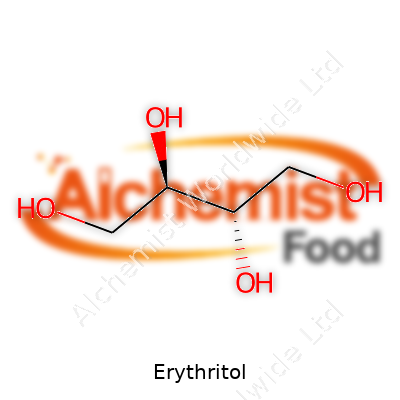
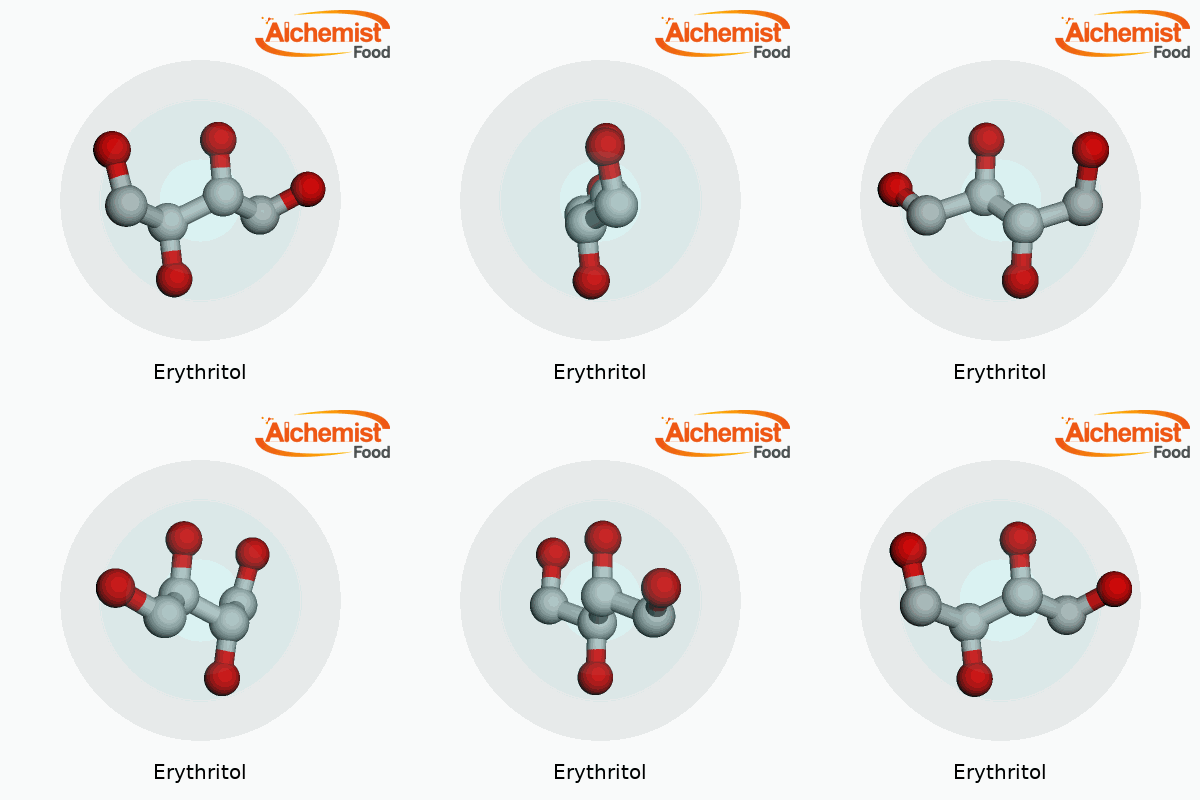
| Names | |
| Preferred IUPAC name | (2R,3S)-butane-1,2,3,4-tetrol |
| Other names |
1,2,3,4-Butanetetrol Erythrite Erythrol Phycite |
| Pronunciation | /ɪˈrɪθ.rɪ.tɒl/ |
| Preferred IUPAC name | (2R,3S)-butane-1,2,3,4-tetrol |
| Other names |
Erythrite Erythrol E968 1,2,3,4-Butanetetrol |
| Pronunciation | /ɪˈrɪθ.rɪ.tɒl/ |
| Identifiers | |
| CAS Number | 149-32-6 |
| Beilstein Reference | 1720994 |
| ChEBI | CHEBI:17234 |
| ChEMBL | CHEMBL1230573 |
| ChemSpider | 12003 |
| DrugBank | DB09462 |
| ECHA InfoCard | ECHA InfoCard: 100.113.277 |
| EC Number | EC 200-849-6 |
| Gmelin Reference | 142021 |
| KEGG | C00223 |
| MeSH | D018384 |
| PubChem CID | 9681 |
| RTECS number | KIJ03566XJ |
| UNII | 3OS5SYJ20W |
| UN number | UN1327 |
| CompTox Dashboard (EPA) | DTXSID2020183 |
| CAS Number | 149-32-6 |
| Beilstein Reference | 1720992 |
| ChEBI | CHEBI:17268 |
| ChEMBL | CHEMBL1232100 |
| ChemSpider | 86675 |
| DrugBank | DB03166 |
| ECHA InfoCard | 100.046.851 |
| EC Number | 920-946-8 |
| Gmelin Reference | 68248 |
| KEGG | C00223 |
| MeSH | D018384 |
| PubChem CID | 9681 |
| RTECS number | EL7420000 |
| UNII | 3KX376GY7L |
| UN number | UN No. 9162 |
| CompTox Dashboard (EPA) | DTXSID4021558 |
| Properties | |
| Chemical formula | C4H10O4 |
| Molar mass | 122.12 g/mol |
| Appearance | White crystalline powder |
| Odor | Odorless |
| Density | Erythritol: 1.45 g/cm³ |
| Solubility in water | 950 g/L (25 °C) |
| log P | -2.38 |
| Vapor pressure | Negligible |
| Acidity (pKa) | 13.60 |
| Basicity (pKb) | 12.87 |
| Refractive index (nD) | 1.453 |
| Viscosity | Low |
| Dipole moment | 2.75 D |
| Chemical formula | C4H10O4 |
| Molar mass | 122.12 g/mol |
| Appearance | White crystalline powder |
| Odor | Odorless |
| Density | 1.45 g/cm³ |
| Solubility in water | water: 100 g/100 mL (20 °C) |
| log P | -2.56 |
| Vapor pressure | Vapor pressure: <0.01 mm Hg (20 °C) |
| Acidity (pKa) | 13.60 |
| Basicity (pKb) | 11.50 |
| Magnetic susceptibility (χ) | Diamagnetic |
| Refractive index (nD) | 1.448 |
| Viscosity | Water (1 mPa·s at 20°C) |
| Dipole moment | 2.87 D |
| Thermochemistry | |
| Std molar entropy (S⦵298) | 348.6 J·mol⁻¹·K⁻¹ |
| Std enthalpy of formation (ΔfH⦵298) | -1154.6 kJ/mol |
| Std enthalpy of combustion (ΔcH⦵298) | -1644 kJ·mol⁻¹ |
| Std molar entropy (S⦵298) | 344.0 J·mol⁻¹·K⁻¹ |
| Std enthalpy of formation (ΔfH⦵298) | -1239.2 kJ/mol |
| Std enthalpy of combustion (ΔcH⦵298) | -1613 kJ/mol |
| Pharmacology | |
| ATC code | A16AX22 |
| ATC code | A16AX17 |
| Hazards | |
| Main hazards | May cause respiratory irritation. |
| GHS labelling | GHS labelling: Not classified as hazardous according to GHS |
| Pictograms | GHS07 |
| Signal word | No signal word |
| Hazard statements | No known significant effects or critical hazards. |
| Precautionary statements | P264 Wash hands thoroughly after handling. P270 Do not eat, drink or smoke when using this product. |
| NFPA 704 (fire diamond) | 0-1-0 |
| Flash point | > 210 °C |
| Autoignition temperature | > 500 °C |
| Lethal dose or concentration | LD50 (oral, rat): 13,100 mg/kg |
| LD50 (median dose) | 13,100 mg/kg (rat, oral) |
| NIOSH | RTK-5885 |
| PEL (Permissible) | 3 g/kg |
| REL (Recommended) | 15 g per day |
| Main hazards | May cause respiratory irritation; may cause gastrointestinal discomfort if consumed in large quantities. |
| GHS labelling | GHS labelling for Erythritol: "Not classified as hazardous according to GHS |
| Pictograms | GHS07 |
| Signal word | No signal word |
| Hazard statements | Erythritol is not classified as hazardous according to GHS; no hazard statements. |
| NFPA 704 (fire diamond) | NFPA 704: 1-0-0 |
| Flash point | > 210 °C |
| Autoignition temperature | autoignition temperature: 354 °C |
| Explosive limits | No explosive limits found. |
| Lethal dose or concentration | LD50 (oral, rat): 13,100 mg/kg |
| LD50 (median dose) | 13,000 mg/kg (rat, oral) |
| NIOSH | RN4125 |
| PEL (Permissible) | 5 mg/m³ |
| REL (Recommended) | 15 g/day |
| Related compounds | |
| Related compounds |
Threitol Glycerol Xylitol Mannitol Sorbitol Arabitol |
| Related compounds |
Glycerol Threitol Xylitol Arabitol Ribitol Sorbitol Mannitol |



