Docosahexaenoic Acid: A Deep Dive
Tracing the Roots: Historical Development
People have drawn strength from the oceans for generations, though not always with clear knowledge of what delivered those benefits. Docosahexaenoic Acid, known better by its initials DHA, has become a staple term among scientists, nutritionists, and parents shopping for baby food. Historically, folk wisdom in coastal communities recognized that certain diets—particularly those rich in seafood—helped children develop sharp eyesight and clear thinking. The modern journey began in the twentieth century, as researchers started identifying the different fatty acids in fish oils. By the 1970s, scientists linking DHA to brain development spurred new attention. Today, you can find discussions of DHA everywhere from medical journals to supermarket shelves.
Looking at Product Overview & Uses
Anyone who has shopped for infant formulas or omega-3 supplements has seen DHA splashed across packaging. It’s not limited to those groups. Products range from prenatal vitamins to fortified dairy alternatives, energy bars, and assorted processed foods. The idea is simple: getting more DHA into the diet supports health. Yet real life gets complicated. Not every DHA product is created the same. Some derive it from fish, some pull it from algae, and there are questions of concentration, stability, and taste that shape what people actually consume. For many, sourcing matters—algae-based DHA offers an option for vegetarians, while fish oil DHA stands as the standard in clinical research.
Physical & Chemical Properties
DHA’s unique structure gives it a soft spot in both biology and industry. This fatty acid has 22 carbon atoms and six double bonds, which turn it into a highly unsaturated molecule. It remains liquid at room temperature, which gives it flexibility in the cells where it takes up residence. Those double bonds create points of weakness too—exposing the oil to air, heat, or light can trigger oxidation. That’s the chemical reason why fish oil capsules sometimes give off a strong smell if stored carelessly. DHA’s insolubility in water but solubility in organic solvents influences how supplements are made and how food formulators add it to dairy or plant-based beverages.
Technical Specifications & Labeling
Reading DHA labels can give anyone a headache. Products might list “DHA per serving,” “total omega-3,” or even the algae species it came from. Without clear knowledge, comparing products gets tricky. In regulated markets, manufacturers must provide the source, concentration, and carrier oil. Some countries demand full traceability. I have learned from experience that anyone interested in supplementation should look beyond the front of the package: hidden in small print, serving sizes, extraction methods, and even certifications such as “GRAS” (generally recognized as safe) often reveal more than marketing claims can tell. With tightening standards, transparency now carries real weight for both producers and consumers.
Preparation Method in Industry
DHA rarely lands on a breakfast table as pure oil. Manufacturers commonly produce it from fish, where it exists as a natural component of tissue, or from marine algae cultivated in controlled tanks. For fish oil, rendering and molecular distillation isolate omega-3s. Algal oil requires fermentation, followed by extraction with food-grade solvents, then refinement and deodorization. Both methods seek high purity and minimal contamination—environmental pollutants in fish stock raise real health concerns if left unchecked. Advances in biotechnology now allow for custom strains of algae, producing higher DHA levels with lower environmental burden. Effective preparation links directly to both safety and sustainability.
Chemical Reactions & Modifications
DHA’s double bonds offer sites for chemical change, which manufacturers sometimes use to stabilize or tailor the oil. For instance, microencapsulation can protect DHA from air and light, improving shelf stability for food applications. Some firms use enzymatic modification to attach DHA to molecules, such as phospholipids, which helps absorption. Hydrogenation, considered less commonly for health reasons, can reduce double bonds, but also creates trans fats—something almost nobody wants. These chemical tweaks matter; they affect both consumer safety and whether the DHA stays potent in food products or pill form for extended periods.
Synonyms & Product Names
DHA goes by a surprising range of labels, depending on the source and market. Its scientific name—docosahexaenoic acid—often appears alongside “omega-3 fatty acid.” Algal oil DHA signals a plant-derived product, while names like “fish oil concentrate” bring expectations of natural marine origins. Commercial products may display trademarks, with blends carrying names like “neuromins” or “life’s DHA.” Consumers hoping for clarity should pay close attention to ingredient lists, since synonym confusion still causes misunderstandings in stores and at the pharmacy counter. Precision in naming also guards against adulteration or substitution.
Safety & Operational Standards
Safe DHA production starts at the source. For fish oil, heavy metals and persistent organic pollutants can enter the chain, so rigorous screening protects health. In algae cultivating vats, the risk of microbial contamination requires careful monitoring. Industry standards, such as Good Manufacturing Practice (GMP), help maintain quality. Regulatory agencies, including the FDA and EFSA, set limits on contaminants, oxidation levels, and capsule integrity. Batch testing isn't just a formality; it makes the difference between clean, reliable products and those at risk of spoilage or toxicity. Up-to-date certification and regular auditing form a backbone for operational trust in the marketplace.
Areas of Application
DHA has pushed far beyond nutritional supplements. In the food sector, it enters infant formula, plant milks, and even eggs and meats through fortified animal feed. The pharmaceutical field investigates DHA as a therapy for cardiovascular, cognitive, and eye diseases. Animal studies open doors to new biomedical uses but call for careful translation before clinical adoption. Some researchers look at DHA in dermatological creams. Sports nutrition products blend DHA alongside proteins for muscle recovery. Diverse industries see DHA as more than just a dietary component; it’s now viewed as a multifunctional molecule with possibilities ranging from therapeutic drugs to sustainable food production.
Investment in Research & Development
The pace of discovery around DHA has barely slowed in recent years. Researchers scramble to figure out everything from optimal daily intakes to its roles in rare diseases. Funding flows into studies on DHA’s effects during pregnancy, its ability to reduce inflammation, and whether it benefits aging brains or cardiovascular health. Every new data set pushes companies to tweak products and governments to revisit dietary guidelines. Some advances have shown promise: clinical trials have linked DHA-rich diets with improved learning outcomes in children and slower cognitive decline in adults. Funding shapes priorities, and as consumer interest grows, expect a steady stream of new data.
Examining Toxicity Research
Like any bioactive compound, DHA demands close attention to toxicity. High intake can cause side effects, including gastrointestinal upset or interactions with blood thinners. Some meta-analyses raise concerns about long-term reliance on certain fish-derived oils exposed to marine toxins. Toxicity research in animals continues to refine safe dosing standards for human use. Regulatory authorities publish tolerable upper intake levels, aiming to protect at-risk populations. From my own background working in nutrition clinics, people rarely suffer ill effects at doses recommended for general health, but self-medicating with megadoses—or picking up unverified online products—carries real risk.
Shaping the Future: Prospects for DHA
The future for DHA looks wide open as science and industry hunt for more sustainable, ethical, and potent sources. With climate change squeezing fisheries, algal cultivation technology has a chance to lead the pack. Synthetic biology could yield customized oils for special populations, reducing the need for animal-derived feedstocks. Demand for DHA keeps climbing, driven by aging populations, food innovation, and healthcare trends. Public health policy will need to keep up, focusing on fair access, environmental limits, and ongoing monitoring of safety. More nuanced regulations, transparent supply chains, and consumer education will carry the next wave of DHA into kitchens and clinics worldwide.
What is Docosahexenoic Acid used for?
The Real Role of Docosahexaenoic Acid
Docosahexaenoic acid, or DHA, isn’t some exotic molecule only scientists talk about. It’s a type of omega-3 fatty acid—a fat our brains crave and our bodies can’t simply whip up from scratch. From the first moments of life to old age, DHA gets involved in ways that keep both our brains and our bodies humming along.
Feeding Brains, Fueling Growth
Ask any parent about those baby formula labels and you’ll hear about DHA. Health experts pointed to a connection between DHA and babies' brain and eye development. Breast milk naturally has DHA, so adding it to formula helps fill that gap for babies not breastfeeding. I remember the research that linked better DHA intake with sharper thinking and vision during early years. That new parent panic of “is my kid getting enough?” drove a market for DHA-enriched formula and foods. Public health backed this up; big groups like the World Health Organization called DHA “crucial” for growing minds.
DHA and Growing Older
DHA doesn’t stop working after childhood. Aging brains use DHA for keeping memory intact and thinking skills sharp. I’ve seen studies linking higher DHA intake to a lower risk for cognitive decline and even conditions like Alzheimer’s. Families, including mine, watched loved ones struggle with memory loss. Those experiences made me appreciate the focus researchers brought to fatty acids like DHA. Getting enough through diet—think fatty fish, algae oil, or supplements—becomes something worth talking about even if it’s not a cure-all.
The Heart’s Share of DHA
Beyond the brain, DHA plays a big part in heart health. Consistent evidence shows people eating more omega-3s, especially from fish, have a smaller chance of heart attacks and irregular heartbeats. Doctors used to hand out fish oil pills like candy for this reason. In my own family, where high cholesterol crops up, heart health always hangs over the dinner table. While diet alone won’t erase risks, knowing what DHA adds—lower triglycerides and less inflammation—makes a strong case for eating more salmon, mackerel, and sardines, not just reaching for a bottle of capsules.
Getting DHA Into the Diet
The biggest challenge is, most diets don’t naturally hit ideal DHA levels. Fish isn’t always on everyone’s shopping list due to cost, taste, or dietary preferences. For people avoiding animal products, algae-based DHA steps in. Supplements fill a gap but can never do what a balanced plate manages.
I’ve noticed a trend: more foods labeled with “DHA added,” from eggs to milk. Food makers want to meet demand, but checking the source and quality isn’t always easy. Reading research and picking products with third-party testing brings a little peace of mind. Still, clear advice from health bodies steers people right: two servings of oily fish per week sets most folks up well.
Where to Go From Here
Talking about DHA brings up bigger questions about food access, education, and how we shape our family meals. It pushes people to ask real questions at the doctor’s office. Addressing gaps calls for better nutrition education and efforts to make healthy options affordable for all. When people know what’s in their food and why it matters, the ripple effect goes further than any one supplement or slogan.
What are the health benefits of Docosahexenoic Acid?
Understanding DHA and Its Roots
Most people know DHA as one of those healthy omega-3s in fish oil. DHA stands out as a fatty acid that plays a major role in how well the body handles everything from memory to heart function. I grew up watching my grandparents swear by their daily fish, insisting it kept them sharper as the years stacked up. Turns out, evidence matches their advice.
Brain Function Holds the Spotlight
Quite a lot of research points toward DHA as a building block for the brain. About 30% of our brain’s structure gets built from it. That explains why newborns and expecting mothers depend on it in larger amounts. Growing up, diets low in fatty fish—mackerel, salmon, sardines—left some folks struggling with memory and focus, even at younger ages. Several observational studies show that people who eat more DHA-rich fish seem to have slower rates of age-related mental decline. One Australian study tracked older adults and linked higher blood DHA to sharper thinking over the years. So, this isn’t just old wives’ tales; there’s science behind it.
Heart Health Beyond Just Cholesterol
Most of my friends care about cholesterol, but the bigger picture involves inflammation and blood vessel care. DHA appears to tame inflammation inside artery walls, which means less chance for fat build-up and clots. Big review studies—like those in the Journal of the American Heart Association—report lower risks of sudden cardiac death among those eating oily fish often. It’s not magic, just biology: DHA gets built right into the heart’s cell membranes, influencing heartbeat and blood flow. Supplements also show benefits, but real food brings other nutrients to the table.
Eyesight and Lifelong Vision Protection
Childhood eyesight screenings often reveal how common vision issues start early, sometimes hinting at nutrition gaps. The retina owes much of its structure to DHA. Babies fed formulas rich in this fatty acid score better on vision tests. Adults facing age-related vision loss turn to fish oils for the same support. A mix of DHA and other omega-3s seems to slow down the progression of macular degeneration. That’s why older relatives clean out the fish counter at the supermarket. The science aligns with what generations have practiced.
Natural Sources and Absorption
Eating fish twice a week offers a straightforward way to stock up on DHA. Seafood like salmon, herring, and trout pump more DHA into the system than plant oils, which mainly offer other omega-3s that don’t convert as efficiently. I’ve tried both supplements and whole fish—the difference in energy and even joint comfort feels real. Algae-based DHA is an option for vegetarians, covering the basics without marine flavors.
Pitfalls and Smarter Choices
Some people worry about mercury in fish. Sticking to smaller, wild-caught fish trims down the risk. Pregnant friends discuss DHA with their doctors since it helps a developing baby’s brain, but they skip swordfish and king mackerel. For those unable to stomach seafood, high-quality algal oil can fill the gap. If more folks chose fish or plant-based omega-3s, the long-term healthcare burden might fall, given how much chronic disease connects to poor nutrition.
More programs in schools and communities can lift awareness. Home-cooked meals with simple fish recipes, public health campaigns, and routine check-ups all support better DHA intake. Instead of letting pills do all the work, families can open up to food traditions that blend taste, simplicity, and health.
Are there any side effects of taking Docosahexenoic Acid supplements?
Understanding DHA’s Place in Health
Docosahexaenoic acid, or DHA, pops up everywhere: baby formula tubs, prenatal vitamins, omega-3 capsules in pharmacies. It plays a big role in brain and eye development, and gets most of its attention from people wanting a sharper mind or stronger heart. Growing up on the coast, I ate a lot of fatty fish—herring, mackerel, salmon. Never thought much about what made them good for me; they tasted good and sat on the dinner table every Friday. Later, as a reporter covering family health, I watched neighbors swap fish for softgels and started to look into the risks alongside the touted benefits.
What Science Says about Side Effects
That fish oil burp—anyone who has tried DHA supplements knows about it. It’s harmless, just a little gross. More significantly, DHA in doses above 1 gram per day sometimes causes digestive issues: loose stool, nausea, flatulence. The body adjusts for most people after a week or two; a few swear off capsules for good. Gastroenterologists say around ten percent of new users report this, especially adults over 50 who already have sensitive stomachs.
High-dose omega-3s, including DHA, can make platelets less sticky. This means blood takes longer to clot. Studies show the effect is mild for most, but people on blood thinners, or those with bleeding disorders, need to speak with a doctor before adding in another source of thinning. I’ve interviewed a few seniors who ended up with unexpected nosebleeds after ramping up their supplement dose far above the typical 250 mg you see recommended.
A smaller number get headaches or notice a slight fishy taste in the mouth. There’s ongoing debate about whether DHA increases LDL cholesterol for some people, which is the “bad” cholesterol everybody wants to avoid. Several clinical trials haven’t been able to settle this clearly, but cardiologists urge monitoring if you have a history of heart disease.
Who Should Be Careful?
Kids and pregnant women get pointed toward DHA for brain development, but not all supplements suit everyone. Marine-sourced DHA can sometimes contain small amounts of heavy metals like mercury if not purified correctly. Reputable brands post lab results, and dietitians recommend looking for third-party certification.
People with allergies to fish or shellfish should opt for algae-based DHA. There’s no sense risking hives or swelling over a supplement.
Thoughts on Taking DHA Safely
DHA offers real benefits, especially for people who don’t eat a lot of fish. Like any nutrient, more isn’t always better. Reading labels and talking to nurses or doctors makes a difference. Sitting down with a registered dietitian helped me choose a dose that fit, which turned out to be lower than what many over-the-counter bottles recommend.
Finding whole food sources—wild salmon, sardines, fortified eggs—can supply DHA without bringing in unwanted side effects for most healthy people. Experts at the American Heart Association still suggest two servings of fish a week for those who can. For vegetarians, algae oil supplements close the gap safely.
Supplements help some folks, but health comes down to more than popping pills. Mixing a balanced diet with trustworthy information and a little attention to how your body feels tends to steer clear of most side effects.
How much Docosahexenoic Acid should I take daily?
Understanding DHA: Why It's Not Just Another Omega-3
Docosahexaenoic acid, or DHA, caught my attention in the supplement aisle right after I started digging deeper into what could actually help my brain and heart. Between TV commercials and the stories my pharmacist friends told me, DHA started sounding less like some rare molecule and more like a must-have for anyone trying to stay sharp. Every cell in the body has some DHA, but there’s a goldmine of it especially packed in the eyes and the brain.
I looked up the science. The National Institutes of Health mention that DHA levels matter for pregnant women, infants, older adults, and anyone worried about memory with age. I noticed that most doctors aren’t rigid on one-size-fits-all doses. So I asked around and compared notes with nutritionists. Most suggested a range between 200 and 500 milligrams daily for a healthy adult, especially if fish rarely made it onto the dinner plate.
Where Food Stops and Supplements Come In
Most people I know don’t eat the recommended amount of fatty fish. The American Heart Association says a couple of servings of fish each week gives the average person enough DHA and EPA, another omega-3 that works together with DHA. For most people, that means three or four ounces of salmon, sardines, or mackerel a couple of times weekly. Put that on a plate, and it seems doable. Reality is, meal routines usually revolve around chicken, pasta, or take-out.
Supplements often promise big numbers. I’ve seen bottles with 1000 mg DHA per pill at the drugstore. High doses like that remain under study, especially for those managing heart disease or high triglycerides. For general health, researchers and health authorities agree that 200–500 mg of DHA daily covers brain, eye, and heart needs without wandering into unknown territory. Pregnant and nursing women sometimes aim higher (300–900 mg), after talking this over with their doctor, since DHA makes up a good chunk of a baby's brain and eye development.
DHA Is No Magic Pill—It’s a Piece of the Puzzle
As someone who’s read through too many supplement advertisements, I watch for wild health claims. The best science sits behind eating habits more than pills. Meals with salmon, trout, chia seeds, walnuts, and even seaweed poke bowls offer steady sources of omega-3s—including some DHA. Supplements play a backup role for folks with plant-based diets or allergies to seafood.
Safety comes up every time vitamins and fish oil capsules hit the table. Too much can thin the blood or interact with prescriptions—especially blood pressure or anticoagulant drugs. This isn’t a DIY project. I always check with a healthcare provider before making major changes, especially because quality and doses can be inconsistent across brands.
Practical Approaches and Smarter Choices
If you’re thinking of increasing DHA, the simplest route comes from food. Keep an eye on weekly fish servings if that fits your lifestyle. Vegans or those avoiding fish might check out algae-based DHA supplements. Double-check any product for third-party testing to avoid heavy metals or contaminants.
Sticking within the 200–500 mg per day range works for most adults. Listen to your body and talk to a professional for advice on personal dosage, especially if pregnant, nursing, or managing specific health conditions. Like most things in nutrition, small changes over the long run tend to matter more than mega-doses overnight.
Is Docosahexenoic Acid safe for pregnant or breastfeeding women?
Digging into DHA: What Pregnant and Nursing Moms Should Know
DHA, or docosahexaenoic acid, crops up in just about every prenatal vitamin ad out there. Fish oil capsules wave DHA claims across their labels. The message feels clear: DHA matters. Still, many moms-to-be feel nervous wondering if DHA really delivers the promised benefits, and more importantly, if it is actually safe to take during pregnancy and breastfeeding.
Why Mothers and Babies Need DHA
DHA is an omega-3 fatty acid with a big job in human biology. It’s built into brain and eye tissue, especially in newborns and infants. Babies grab a lot of their DHA from their moms: before birth through the placenta and after birth from breast milk. During the last trimester of pregnancy, a developing brain grabs up DHA at a rapid pace, acting like a sponge. Babies aren’t great at producing DHA on their own; they rely almost fully on what mom’s diet supplies.
Studies connect mom’s DHA levels with better brain development in her baby. Evidence has shown that moms who get enough DHA may give birth to babies with better visual acuity and possibly higher cognitive scores later in life. Premature babies, in particular, seem to benefit since their time in the womb gets cut short before they’ve stored enough DHA.
Is DHA Supplementation Safe for Pregnant or Breastfeeding Moms?
No shortage of research exists on DHA and pregnancy. Most expert groups, including the American Pregnancy Association and the European Food Safety Authority, agree that moderate DHA from food or supplements offers important benefits, especially for brain and eye development. Safety studies have tracked pregnant women taking up to 1000 milligrams of DHA daily without spotting dangerous side effects.
Wild-caught salmon, sardines, and anchovies lead the list for natural DHA sources with little environmental contamination. Some moms don’t eat fish, or worry about mercury—understandably. Most prenatal supplements use purified, mercury-free fish oil or even a plant-based marine algae oil to deliver DHA. Both sources have strong safety track records.
One area worth attention comes from the source oil’s purity. Lower-quality supplements sometimes slip in other fats or impurities. Checking for third-party certification and picking trusted brands make a big difference. Better products list exact DHA content on the label and tell where their oil comes from.
Common Questions About DHA Dosage
Doctors and midwives recommend at least 200-300 mg of DHA daily in pregnancy based on several major studies. Many prenatal vitamins contain 200 mg, but not all. Vegan moms should look for algal-based DHA, which works just as well.
Supplementation does more for women whose regular diets lack fatty fish. For women who eat fish several times a week, supplemental DHA makes less impact. Those unsure about their diet or supplement choice can ask for a blood test or consult a dietitian.
Moving Toward Better Outcomes
Access to safe, high-quality DHA isn’t equal everywhere. Not every doctor brings up nutrition or asks about omega-3 intake in prenatal appointments. Clearer labeling on DHA supplements and food products and honest discussions between care providers and patients can change this. Community programs could supply DHA-fortified foods or supplements, especially for low-income mothers.
For pregnant and breastfeeding women, the science supports sensible DHA intake. Benefits for baby’s brain and eyes are real, and decades of use back up the ingredient’s safety record. For many women, improving nutrition before and during pregnancy, including DHA, may be the simplest, most affordable investment in their child’s lifelong potential.
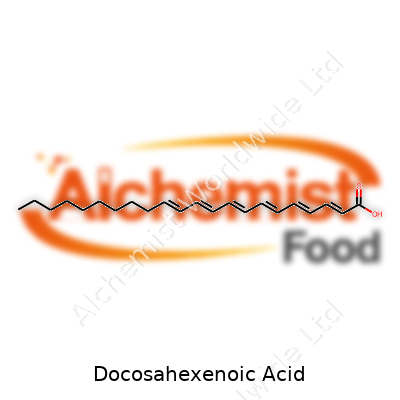
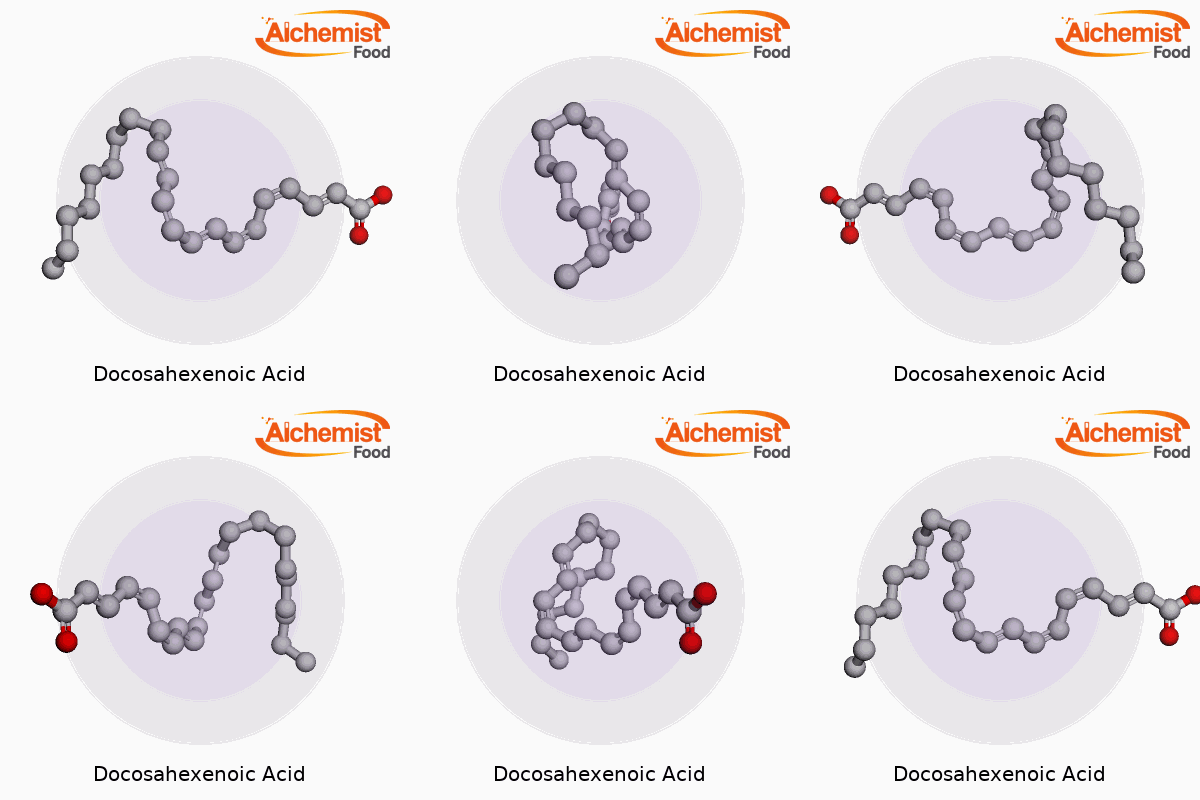
| Names | |
| Preferred IUPAC name | (4Z,7Z,10Z,13Z,16Z,19Z)-docosa-4,7,10,13,16,19-hexaenoic acid |
| Other names |
DHA Cervonic acid 22:6(n-3) All-cis-docosa-4,7,10,13,16,19-hexaenoic acid Docohexaenoic acid Cetomorpha oil DHA oil |
| Pronunciation | /ˌdoʊ.koʊ.səˌhɛk.səˈiː.kɪk ˈæs.ɪd/ |
| Preferred IUPAC name | (4Z,7Z,10Z,13Z,16Z,19Z)-docosa-4,7,10,13,16,19-hexaenoic acid |
| Other names |
Cervonic acid DHA 22:6(n-3) All-cis-docosa-4,7,10,13,16,19-hexaenoic acid DHA ethyl ester |
| Pronunciation | /ˌdoʊ.kə.səˌhɛk.səˈi.nə.k æsɪd/ |
| Identifiers | |
| CAS Number | 6217-54-5 |
| Beilstein Reference | 1722207 |
| ChEBI | CHEBI:28122 |
| ChEMBL | CHEMBL1536 |
| ChemSpider | 8366 |
| DrugBank | DB03733 |
| ECHA InfoCard | ECHA InfoCard: 07-212-000005 |
| EC Number | 3.1.1.80 |
| Gmelin Reference | 17390 |
| KEGG | C06429 |
| MeSH | DHA |
| PubChem CID | 445580 |
| RTECS number | OP8576000 |
| UNII | LVR9F6R9Y8 |
| UN number | UN3082 |
| CompTox Dashboard (EPA) | EPA CompTox Dashboard identifier for Docosahexenoic Acid: **DTXSID2023840** |
| CAS Number | 6217-54-5 |
| Beilstein Reference | 1721812 |
| ChEBI | CHEBI:28120 |
| ChEMBL | CHEMBL154 |
| ChemSpider | 8366 |
| DrugBank | DB03733 |
| ECHA InfoCard | 06b5f2a4-d721-4753-82ad-45b2c1e63897 |
| EC Number | 3.2.1.143 |
| Gmelin Reference | 88247 |
| KEGG | C06429 |
| MeSH | DHA |
| PubChem CID | 445580 |
| RTECS number | LZ2625000 |
| UNII | R8IDXE4R1Z |
| UN number | UN3082 |
| Properties | |
| Chemical formula | C22H32O2 |
| Molar mass | 328.49 g/mol |
| Appearance | Pale yellow oil |
| Odor | Odorless |
| Density | 0.943 g/cm3 |
| Solubility in water | insoluble |
| log P | 4.93 |
| Vapor pressure | 7.78E-10 mmHg at 25°C |
| Acidity (pKa) | 4.79 |
| Basicity (pKb) | pKb: 15.3 |
| Magnetic susceptibility (χ) | -89.0e-6 cm³/mol |
| Refractive index (nD) | 1.485 |
| Viscosity | Viscous liquid |
| Dipole moment | 1.504 D |
| Chemical formula | C22H32O2 |
| Molar mass | 328.488 g/mol |
| Appearance | Light yellow oily liquid |
| Odor | Odorless |
| Density | 0.943 g/cm³ |
| Solubility in water | Insoluble |
| log P | 4.74 |
| Vapor pressure | 1.53E-08 mmHg at 25°C |
| Acidity (pKa) | 4.77 |
| Basicity (pKb) | pKb: 15.37 |
| Refractive index (nD) | 1.485 |
| Viscosity | Viscous liquid |
| Dipole moment | 2.9661 Debye |
| Thermochemistry | |
| Std molar entropy (S⦵298) | 814.6 J·mol⁻¹·K⁻¹ |
| Std enthalpy of formation (ΔfH⦵298) | -2857.8 kJ/mol |
| Std enthalpy of combustion (ΔcH⦵298) | -9377.8 kJ/mol |
| Std molar entropy (S⦵298) | 709.5 J·mol⁻¹·K⁻¹ |
| Std enthalpy of formation (ΔfH⦵298) | -311.8 kJ/mol |
| Std enthalpy of combustion (ΔcH⦵298) | -8788.7 kJ/mol |
| Pharmacology | |
| ATC code | A11BA02 |
| ATC code | A11CC06 |
| Hazards | |
| Main hazards | May cause eye, skin, and respiratory tract irritation. |
| GHS labelling | GHS07, GHS08 |
| Pictograms | GHS07 |
| Signal word | No signal word |
| Hazard statements | H319: Causes serious eye irritation. |
| Precautionary statements | P273: Avoid release to the environment. |
| NFPA 704 (fire diamond) | Health: 1, Flammability: 1, Instability: 0, Special: - |
| Flash point | 102 °C |
| Autoignition temperature | 350°C |
| LD50 (median dose) | > 2 g/kg (rat, oral) |
| PEL (Permissible) | Not established |
| REL (Recommended) | 100-250 mg/day |
| Main hazards | May cause eye, skin, and respiratory tract irritation. |
| GHS labelling | GHS07, GHS08 |
| Pictograms | GHS07 |
| Signal word | Warning |
| Hazard statements | H318: Causes serious eye damage. |
| Precautionary statements | IF IN EYES: Rinse cautiously with water for several minutes. Remove contact lenses, if present and easy to do. Continue rinsing. |
| Flash point | 113 °C |
| Autoignition temperature | 285°C |
| Lethal dose or concentration | LD50 (mouse, oral): >10 g/kg |
| LD50 (median dose) | > 98 g/kg (rat, oral) |
| NIOSH | No exposure limit established. |
| PEL (Permissible) | Not Established |
| REL (Recommended) | 250 mg per day |
| IDLH (Immediate danger) | Not established |
| Related compounds | |
| Related compounds |
Eicosapentaenoic acid (EPA) Alpha-linolenic acid (ALA) Adrenic acid Docosapentaenoic acid (DPA) Linoleic acid Arachidonic acid |
| Related compounds |
Linoleic acid Linolenic acid Eicosapentaenoic acid Arachidonic acid Docosapentaenoic acid |



