Disodium 5'-Inosinate: Tracing Its Story, Uses, and Future
The Road to Discovery and Development
Digging into the story of Disodium 5'-Inosinate, many folks trace its origins to the search for taste enhancements that didn’t mask or overpower real flavors. In Japan, researchers in the early 20th century tried to uncover why dried fish and kelp broths seemed tastier than their plain ingredients. They pinpointed inosinic acid, especially in dried bonito flakes. Over time, chemists learned how to extract and convert inosinic acid from animal tissues into a water-soluble, shelf-stable salt for the food world: Disodium 5'-Inosinate. Large-scale production picked up as meat-processing industries expanded, and global trade in processed foods pushed for standardized flavor solutions. Breadth of application began growing, from early processed soups and snacks to frozen meals and instant noodles. This demand also spurred biotechnological advances, which brought fermentation routes into play, especially as cost and sustainability concerns gained attention.
Product Overview and Why It Matters
This compound, often called E631 or disodium inosinate, gets used in all sorts of packaged savory foods. Its main role: creating that rich, meat-like taste called umami. Unlike salt, which just amps up sodium, Disodium 5'-Inosinate blends with other ingredients like glutamate and guanylate to round out flavor, letting food scientists dial back on salt and fat while keeping things lively on the tongue. You’ll spot this ingredient in potato chips, instant noodles, canned broths, sausages, and even some meat substitutes. By supplementing or amplifying natural flavors, this additive makes the eating experience more satisfying without leaving things feeling artificial or engineered.
Physical and Chemical Properties
This additive comes as a white, odorless crystalline powder. It dissolves quickly in water, which makes it friendly during food processing. On the chemical front: Disodium 5'-Inosinate carries the formula C10H11N4Na2O8P, and the crystals won’t break down at typical cooking or storage temperatures. For anyone blending, measuring, or testing: it offers reliable purity, rarely clumps if stored away from moisture, and doesn’t react with flavors or colors. This stability lets engineers and chefs trust the product batch after batch.
Technical Specifications and Labeling
Regulations pop up around the world to address consumer concerns and manufacturing standards. In the European Union, this compound holds the food additive code E631, and food laws set max levels based on total dietary phosphate intake, often keeping daily intake under 40 mg/kg of body weight. In the United States, the FDA recognizes it as “generally recognized as safe” (GRAS), provided food manufacturers source it from approved methods and follow good manufacturing processes. Labels in many regions require explicit mention of “disodium inosinate” or E631 in the ingredients panel to alert consumers, especially those on low-sodium diets or avoiding flavor enhancers for religious or allergic reasons.
How Disodium 5'-Inosinate Gets Made
The early supplies came from extracting nucleotides from meat and fish byproducts. These days, most of the world’s supply comes from fermentation tanks. Scientists harness bacteria like Corynebacterium glutamicum, which convert sugars or starches from crops (corn or cassava) into inosinic acid, then react that with sodium salts for purification. This fermentation method steps around animal-sourced origins, making it suitable for vegetarians and for global markets that avoid pork or shellfish derivatives. Chemical processes also allow for careful tweaking of purity, yield, and safety, with purification steps stripping out any byproducts or off-flavors.
Chemical Reactions and Modifications
Once in the lab, inosinic acid gets buffered, neutralized, and combined with sodium sources. In controlled reactors, processors can change pH to ensure uptake of sodium ions, with gentle heating to encourage crystallization and separation. If paired with other flavor nucleotides—like Disodium 5'-Guanylate—the results ramp up synergy for taste. Modifications, like creating custom blends or microencapsulated forms, allow formulators to adjust how quickly the flavor releases or how well it survives heat or acidic environments, helping products keep their desired profiles in soups, snacks, or sauces.
Synonyms and Alternative Names
Walk down a grocery store aisle and check the back of a soup can: “Disodium Inosinate,” “Sodium inosinic acid,” “E631,” or “inosine 5'-monophosphate disodium salt” might pop up. Sometimes, regional or industry jargon just calls it “IMP.” These synonyms help manufacturers align with export rules or ingredient transparency laws. While names differ, the science stacks up the same.
Safety and Operational Standards
Safety teams keep a sharp focus on production and purity. Good manufacturing practices require constant batch testing for impurities, heavy metals, or unintentional byproducts. Food safety authorities set limits for microorganisms and toxins, especially if fermentation tanks run for weeks at a time. In plant settings, dust control measures and personal protective equipment protect workers—large amounts of fine powders create both explosion risks and respiratory hazards. Finished product checks often run for stability, moisture content, and absence of contaminants to reassure buyers and end-users. The food industry follows ISO and HACCP systems to navigate recalls, traceability, and cross-border shipment rules.
Fields of Application
Manufacturers lean on Disodium 5'-Inosinate in snacks, soups, ramen, and ready meals. Fast food franchises turn to this additive for chicken seasonings and dipping sauces, where cost and batch consistency matter just as much as flavor. Vegan or vegetarian meat alternatives take advantage of its ability to deepen savory notes without animal protein. In lower-salt foods, it helps with taste retention, filling gaps in products meant for customers with hypertension or chronic kidney trouble. Emerging food tech companies, using plant-derived proteins, experiment with this additive to balance out the earthy or beany notes found in new protein blends.
Pushing the Boundaries: Research and Development
Scientific labs and startups are asking tough questions about taste perception, flavor boosting, and nutritional impact. Ongoing studies test how Disodium 5'-Inosinate works alongside umami compounds or masking agents. Teams aim to reduce sodium levels by blending this ingredient with potassium-based salts, or by figuring out how microencapsulation might protect the flavor until a certain bite or temperature gets reached. Some research focuses on plant-based fermentation, using yeasts or other microbes, to expand vegan-friendly production and close the environmental gap between animal-derived and bio-based additives. Researchers also work on synthesizing analogs with slightly tweaked structures that might unlock more targeted or stronger synergistic effects in specific foods, like plant-based burgers or instant dashi.
Looking at Toxicity and Long-Term Safety
Dozens of studies pour out of food safety labs every year to check up on the short- and long-term effects of food additives. Disodium 5'-Inosinate has undergone evaluation for acute toxicity, mutagenicity, cancer potential, and developmental effects. Animal studies point to an acute oral toxicity level far above any likely human dietary intake. While some studies suggest that sensitive individuals—like those with gout—should watch purine intake, including nucleotide-based flavor enhancers, mainstream scientific panels haven’t found negative health effects at regulatory levels. Still, medical associations keep recommending a varied diet and lowering ultra-processed food intake, not because of this one ingredient, but out of concern for the broader profile of food additives and sodium.
New Horizons and Future Prospects
More shoppers want food that tastes good, feels familiar, but leaves a lighter environmental footprint. That challenge steers research toward microbial fermentation and biotechnological production using non-GM strains, aiming to cut the carbon load of flavor ingredients. Brands targeting low-sodium or clean label products look for ways to use less of everything—salt, artificial flavors, and even standard enhancers—without sacrificing taste. Technology moves fast, with some food scientists working on digital flavor prediction models, testing how disodium inosinate combinations might complement specific proteins in plant meat analogs. As regulatory frameworks evolve in response to new science and consumer demand, the companies that stay transparent, invest in safety, and keep pushing for better flavor will likely keep driving the conversation forward.
What is Disodium 5'-Inosinate used for?
Understanding How It Shows Up At Lunch and Dinner
Disodium 5'-inosinate has a long, complicated name, but most people experience it without ever seeing the label up close. This white powder finds its way into soups, chips, instant noodles, canned vegetables, sauces, and pretty much anything needing a savory boost. If you’ve ever thought your bowl of ramen or flavored snack tasted especially rich, there’s a fair chance this ingredient had something to do with it.
This compound shows up as E631 on ingredient lists. Its job: kick up the flavor. It pairs with monosodium glutamate (MSG) quite often, letting foods punch above their weight when it comes to taste. Food giants lean on this duo because most folks crave umami — that hard-to-define, almost meaty taste. It doesn’t do the heavy lifting alone, but it magnifies that tongue-coating, satisfying sensation that draws people back for another bite.
Where It Comes From and Why That Matters
Producers once sourced disodium 5'-inosinate mostly from fish, but these days, fermentation technology has taken the lead. The switch matters for folks with specific dietary needs. Not everyone eats animal products, and demand for plant-based manufacturing continues to grow, not only among vegetarians but across communities with Halal and Kosher preferences. Still, some companies stick to traditional animal-based sources, and labels don't always clarify the origins, making ingredient transparency an ongoing issue.
The Science of Flavor Boosting
Research sheds some light on why this compound shows up so often. Scientists at food research labs point out that even a small sprinkle of disodium 5'-inosinate can double or triple a product’s savoriness when combined with MSG. That means food makers use less salt, which should be a win for public health. According to the World Health Organization and FDA, the amounts used in food fall well below safety limits. That said, some folks report sensitivity to flavor enhancers, such as headaches or flushing, though large-scale studies haven’t nailed down a direct cause.
Consumer watchdog groups highlight another point: taste tweaks like this sometimes help companies mask lower-quality ingredients. If food tastes satisfying because of lab-created boosters, cheaper cuts or more fillers can slip by unnoticed. Customers deserve to know what’s making their snack so addictive, and a few hidden lines of E-numbers don’t do the trick.
Time for More Straight Talk
Supermarkets roll out wave after wave of processed foods each year. Disodium 5'-inosinate will likely keep its place in the lineup because the demand for bold, craveable snacks remains sky-high. More people want to recognize and pronounce what they find on food labels. I have helped sort through long ingredient lists for family members with allergies, and clear, honest labeling always makes life easier. Pushing brands to declare what’s in their recipes—not just the ingredient count—means more power for folks trying to make informed decisions.
People argue over whether additives like this belong in their meals at all. Those worried about the rise of ultra-processed foods often point to additives with unfamiliar names. The evidence so far says disodium 5'-inosinate probably won’t harm most folks, but brands can help by making sources and quantities easy to find on labels. With more choices and better transparency, consumers can decide for themselves what works best for their kitchen tables.
Is Disodium 5'-Inosinate safe to consume?
What Disodium 5'-Inosinate Does in Food
Disodium 5'-inosinate pops up in soups, snack flavorings, and ready meals because it brings out umami, that savory taste many folks crave. Food makers often pair it up with MSG to boost flavor intensity, which helps canned broths and potato chips taste fresher even after months on the shelf. The ingredient has roots in fish and meat, but commercial versions come from fermenting tapioca or sugar beets. It sounds a bit complicated, but the outcome stays the same: more flavor for less cost.
What Research Tells Us About Safety
Food safety agencies like the European Food Safety Authority and the U.S. Food and Drug Administration have looked at disodium 5'-inosinate. These bodies put it on the safe list for use in food, as long as it stays within specific limits. Most scientific reviews focus on the levels people typically eat. Toxicity only comes into play far above the amounts used in real-world cooking and processing. Allergic reactions are rare, and data show no link to cancer or chronic disease.
This doesn’t mean everyone reacts the same way. Some people in my family swear they get flushing or headaches after a meal heavy on MSG or flavor enhancers like this one. My personal experience tells me these reactions hardly ever show up, but stories from people I know do deserve respect. The science calls these effects rare and difficult to track, especially since many other ingredients sit in the same foods.
Ingredient Labels: Trust, Transparency, and Choice
Regulations make companies list disodium 5'-inosinate right on ingredient panels, so shoppers have a say in what they eat. That label helps folks who try to eat more simply or avoid processed ingredients make choices without jumping through hoops. At the same time, cutting out this one additive doesn’t guarantee a “clean” diet—other enhancers or processed fillers stay right there.
Transparency goes a long way toward building trust with the public. Food companies need to give clear, honest info about the ingredients they use. Many brands have started to phase out certain additives because buyers asked for fewer artificial or highly processed ingredients. In my own kitchen, I find myself reaching for more fresh herbs and homemade stocks just for peace of mind, even if the science says safety margins are wide.
Better Approaches to Flavor and Food Choices
Flavor enhancers fill a gap when companies try to deliver big taste from lower-cost resources. At the same time, home cooks and chefs have proven for centuries that good flavor comes from roasting, simmering, and building up dishes from scratch. Substituting mushrooms, tomatoes, or homemade broths brings natural umami to the table, and it’s easy to control salt and fat when food gets prepared at home.
People interested in cutting down on processed food can find plenty of practical swaps. Eating out less, checking labels, and experimenting with herbs and spices all contribute to a more confident approach to food choices. That’s what really sticks with me—the power to decide what goes on my plate and discovering flavor from whole ingredients. Disodium 5'-inosinate isn’t the villain it’s sometimes made out to be, but the discussion it sparks about food culture, transparency, and health is worth having.
Is Disodium 5'-Inosinate natural or synthetic?
Disodium 5'-Inosinate: What It Is
Step into any supermarket and check the small print on snack packaging, instant noodles, or canned soup. Soon enough, you’ll spot names like monosodium glutamate and its close companion, disodium 5'-inosinate. Food companies use these compounds to add a deep, savory flavor known as umami. Disodium 5'-inosinate is a favorite because it works in tandem with MSG to deliver that mouthwatering kick in everything from potato chips to bouillon cubes.
The Story Behind Production
Try asking the average shopper if disodium 5'-inosinate is natural or synthetic and you’ll likely get a puzzled look. The short answer: both words only tell part of the story. This ingredient, also called E631, can come from several sources. In the early days, factories used meat or fish to make it. Today, most manufacturers turn to fermentation instead. The reason: fermentation gives a steady supply, skips over animal ingredients, and matches the exact chemical structure found in natural foods.
The raw materials matter. Some companies use tapioca starch or sugar, feeding them to bacteria. These microbes convert the sugars into inosine monophosphate—the key precursor. Chemists then add sodium to “salt out” the compound and create disodium inosinate. That lab step is strictly regulated and follows food safety guidelines everywhere from the United States to the European Union.
Navigating Food Labels and Consumer Concerns
Standing in the aisle with a box in hand, shoppers wonder: does “fermented” count as natural? The U.S. Food and Drug Administration recognizes disodium 5'-inosinate as a food additive and accepts it as safe at current usage levels. The FDA uses strict testing before granting approval; decades of global studies point to little risk for healthy adults. The story changes if someone reacts to MSG—since this additive boosts flavor, people sensitive to glutamates tend to avoid it altogether.
Labels hardly clear things up. Companies rarely say how disodium 5'-inosinate is made. Vegetarian or vegan shoppers have to dig even deeper, seeking out brands that publish manufacturing details. In some Asian countries, companies still make this additive from dried fish. In most global products, plant-based fermentation now runs the show, so most chips and instant soups offer a meat-free experience.
Why We Care About “Natural” and “Synthetic”
The idea of “natural” draws people in. It’s a word that makes food sound wholesome, even when nature plays only a small role in the process. Synthetic, by contrast, sparks mistrust—whether deserved or not. Our modern food industry depends on ingredients that blur the line between natural and synthetic. Fermentation uses nature’s basic toolkit and applies human know-how to harness it, yielding predictable results with a smaller environmental footprint than harvesting animal tissues.
People concerned about additives can focus on whole foods—cooking from scratch leaves out all the mystery compounds. For everyone else, scrutinizing packaging, seeking out transparent brands, or checking regulatory databases helps sort out fact from fiction. In my own kitchen, I notice that snacks with extra-savory flavors often list disodium inosinate. Reading up tells me this ingredient rarely comes straight from animals these days, so it lines up with plant-based eating most of the time.
Looking Ahead: Trust and Transparency
Food makers have a chance to build trust by explaining where flavor enhancers come from and how they’re made. Doing so respects consumer curiosity and makes it easier for everyone to make informed choices. Though the line between natural and synthetic stays blurry, consumers benefit most when companies speak plainly about what goes into the food we eat every day.
Does Disodium 5'-Inosinate have any side effects?
What Is Disodium 5'-Inosinate?
Walk through the aisles in any grocery store and you’ll spot ingredients on packaged foods that look straight out of a chemistry class. Among the long list, disodium 5'-inosinate stands out for those who pay close attention to food labels, especially fans of instant noodles, savory snacks, and canned soups. This compound helps boost flavor, playing sidekick to MSG, and turning bland foods into something a bit more craveable.
Looking at the Facts and Experiences
Dig into the research, and this additive keeps popping up because it gives a meaty, savory edge. Food companies lean on it because consumers love strong flavors. From my own experience, taking a closer look at food labels started as a hobby after I noticed feeling off after eating certain processed snacks. Seeing disodium 5'-inosinate on several labels pushed me to find out what this ingredient could actually do to the body.
Science describes disodium 5'-inosinate as a nucleotide salt related to natural molecules in animal and plant tissue. Your body handles it much like it does with other food extracts, breaking it down and moving it through your system. Experts at the Food and Drug Administration, as well as European Union food authorities, list it as generally safe for most people. Animal studies echo this, showing low toxicity at the concentration used in food.
Possible Side Effects
Many people eat foods containing disodium 5'-inosinate without even thinking about additives or experiencing any odd aftereffects. Yet, not everyone reacts the same. Some folks notice symptoms after eating foods packed with flavor enhancers. This ranges from mild headaches, skin flushing, or stomach discomfort. There’s no clear, proven link between these symptoms and disodium 5'-inosinate alone. Most cases involve foods with a whole cocktail of seasonings, including MSG, which is more likely to spark complaints.
Certain individuals, such as people with gout, might need to keep an eye out for this ingredient. Disodium 5'-inosinate contains purines, and eating large amounts may push uric acid levels up. Too much uric acid triggers joint pain, and doctors advise those at risk to cut down on these kinds of additives. That said, finding a direct cause-and-effect relationship is hard because processed foods often contain many additives at once.
Why Transparency and Moderation Matter
Looking at the bigger picture, food safety issues often hide in plain sight. No ingredient sits alone in our modern diet. The real trouble comes from how much we lean on ultra-processed foods. Swapping out home-cooked meals for quick snacks loaded with flavor boosters adds up. Cutting back makes the most difference for most folks, especially anyone who notices negative reactions after eating restaurant meals or packaged foods.
Food manufacturers could do a lot more to be upfront about what goes into their recipes. Clearer labeling helps people make decisions that fit their health needs and goals. Reading research from independent sources, rather than just industry reports, builds trust and nudges companies toward better practices.
Finding Solutions Through Personal Choice
People can make a difference, one shopping trip at a time. Reading ingredients, asking questions, and sharing experiences push for better food standards in the long run. Choosing whole foods—meats, veggies, grains cooked at home—cuts exposure to additives like disodium 5'-inosinate altogether.
No need to panic when spotting scientific names on food labels. Curiosity, a little science, and listening closely to your own body work together. Keeping the conversation open about the ingredients used by today's food industry puts knowledge and power back in the hands of shoppers.
Is Disodium 5'-Inosinate suitable for vegetarians or vegans?
What Disodium 5'-Inosinate Is and Where It Comes From
Walk into a convenience store, pick up a snack, and you might find disodium 5'-inosinate listed among the ingredients. It sounds intimidating, but in the food world, this additive helps boost flavors, especially in savory products. Disodium 5'-inosinate, labeled as E631, gets used in chips, instant noodles, soups, and ready meals everywhere.
The real debate starts with its source. This compound has two common origins: animal tissues, usually fish, and fermentation using bacteria with plant-based substrates. Food producers may choose either route, so not every bag of seasoned fries carries the same story. Companies rarely print the production method on their labels, adding confusion for anyone who hopes to avoid animal-derived ingredients.
Why Source Matters for Plant-Based Diets
Choosing to go vegetarian or vegan changes grocery shopping into a detective game. People make that switch for ethical, environmental, or health reasons. The origin of a food additive becomes just as important as whether a product contains meat or milk. For strict vegetarians and vegans, ingredients derived from animal tissue, even in tiny amounts, cross a hard line.
Sources like the Vegetarian Society and The Vegan Society highlight that disodium 5'-inosinate produced from animal sources, such as fish extract, doesn’t fit vegan or vegetarian diets. With bacterial fermentation, the results shift. If the bacteria feed on a plant-based medium, the end product stays plant-friendly. The challenge is that companies often don't share these specifics, making shopping stressful for folks who want to stick to their values.
Transparency and Food Labels
Food labels rarely spell out the full backstory. They don’t have to tell shoppers whether the disodium 5'-inosinate came from fish or from a vat full of fermenting bacteria munching on corn or wheat. If a brand wants to save money or meet legal requirements, they sometimes seek out animal-derived manufacturers because the cost can be lower than microbial synthesis.
Many vegetarians and vegans call food companies or hunt down customer service lines to ask about specific additives. Some even avoid processed foods altogether unless they carry a specific label, like “vegan” or “vegetarian approved.” That seems extreme, but if you’ve ever felt tricked by a sneaky animal ingredient, the caution makes sense.
What Could Help Shoppers
Clear labeling solves a big part of the problem. If companies share the source of each additive, consumers trust the product. European food laws require disclosure of some animal-based additives, but this doesn't consistently cover everything. Countries like India sometimes force companies to mark products with green or red symbols for vegetarian or non-vegetarian foods, making life easier for the consumer.
In the meantime, anyone with dietary restrictions can stick with brands that carry official vegetarian or vegan certifications. Plant-based eaters trade time and money for piece of mind, selecting products vetted by third-party organizations. Brands that want loyal, plant-conscious customers gain goodwill when they communicate openly.
Honest conversation between food companies and consumers stands out as the best way forward. If we ask questions and demand meaningful answers, manufacturers can’t ignore the call for transparency.
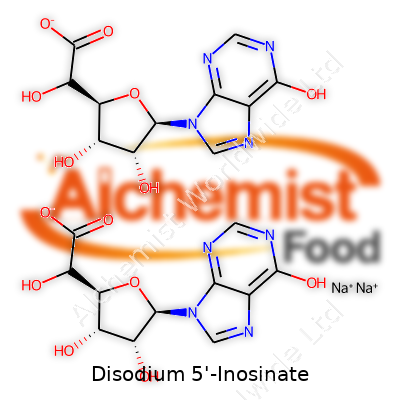
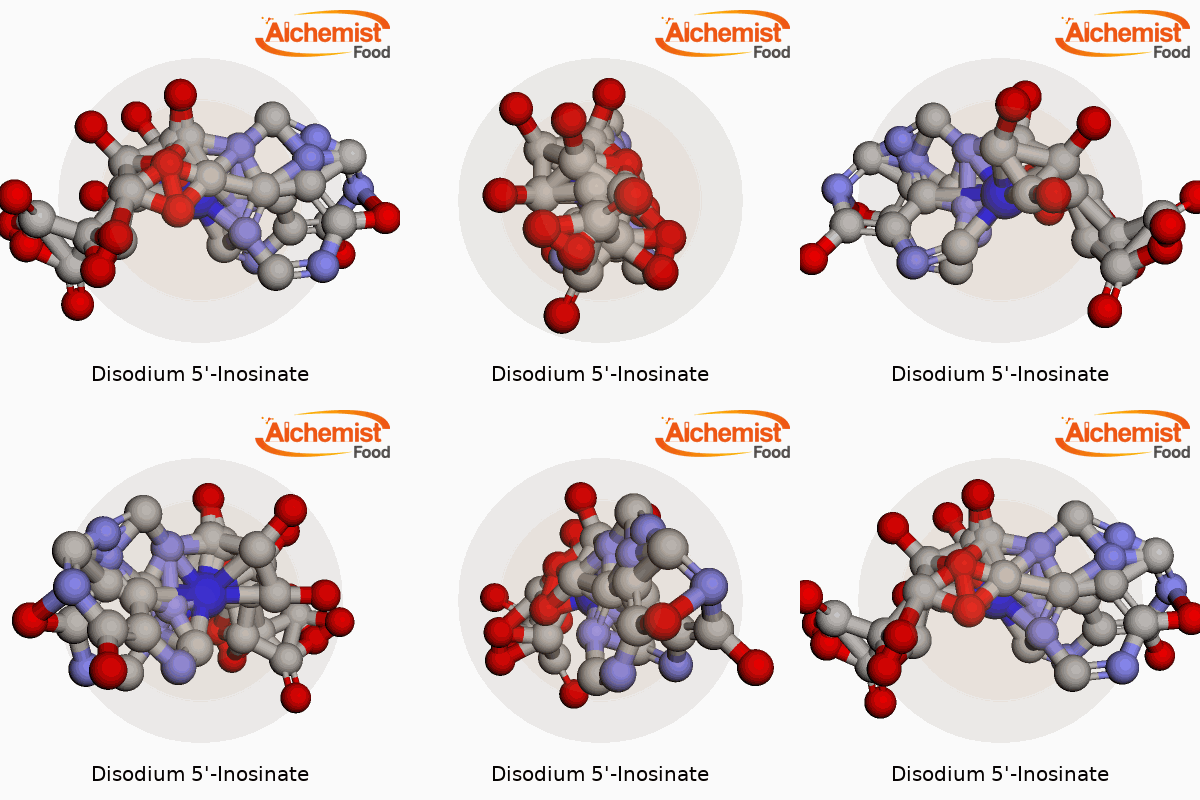
| Names | |
| Preferred IUPAC name | disodium 5′-inosinate |
| Other names |
E631 Disodium inosinate Disodium 5′-inosinate Disodium inosine-5′-monophosphate Disodium 5′-IMP |
| Pronunciation | /daɪˈsoʊdiəm faɪv ɪnˈoʊsɪneɪt/ |
| Preferred IUPAC name | Disodium 5'-inosinate |
| Other names |
Disodium inosinate E631 |
| Pronunciation | /daɪˈsəʊdiəm faɪv ɪˈnɒsɪneɪt/ |
| Identifiers | |
| CAS Number | 23140-65-6 |
| Beilstein Reference | 3592342 |
| ChEBI | CHEBI:62921 |
| ChEMBL | CHEMBL1207934 |
| ChemSpider | 80112 |
| DrugBank | DB03631 |
| ECHA InfoCard | 03e97c9a-d2fe-41ea-969c-8abc8b7627f2 |
| EC Number | E631 |
| Gmelin Reference | 113736 |
| KEGG | C00363 |
| MeSH | D019322 |
| PubChem CID | 441444 |
| RTECS number | NL8535000 |
| UNII | 38J36Q44GD |
| UN number | UN3077 |
| CompTox Dashboard (EPA) | DTXSID8036365 |
| CAS Number | 4691-65-0 |
| Beilstein Reference | 3596998 |
| ChEBI | CHEBI:62921 |
| ChEMBL | CHEMBL1208187 |
| ChemSpider | 15444 |
| DrugBank | DB03754 |
| ECHA InfoCard | 03d6820a-6c6f-4aae-82a5-0a7f435c2cbb |
| EC Number | E631 |
| Gmelin Reference | Gmelin Reference: "87538 |
| KEGG | C00127 |
| MeSH | D019251 |
| PubChem CID | 65561 |
| RTECS number | NL5425000 |
| UNII | 40TGJ0IT46 |
| UN number | UN number: "UN3077 |
| CompTox Dashboard (EPA) | DTXSID7033093 |
| Properties | |
| Chemical formula | C10H11N4Na2O8P |
| Molar mass | 370.14 g/mol |
| Appearance | White crystals or crystalline powder |
| Odor | Odorless |
| Density | Density: 1.81 g/cm³ |
| Solubility in water | soluble |
| log P | -4.2 |
| Vapor pressure | Negligible |
| Acidity (pKa) | 2.2 |
| Basicity (pKb) | pKb ≈ 3.85 |
| Magnetic susceptibility (χ) | -78.0e-6 cm³/mol |
| Refractive index (nD) | 1.620 |
| Dipole moment | 4.3 D |
| Chemical formula | C10H11N4Na2O8P |
| Molar mass | 370.14 g/mol |
| Appearance | White crystalline powder |
| Odor | Odorless |
| Density | Density: 1.8 g/cm³ |
| Solubility in water | Soluble in water |
| log P | -4.8 |
| Acidity (pKa) | 2.1 |
| Basicity (pKb) | 10.07 |
| Dipole moment | 5.8 D |
| Thermochemistry | |
| Std molar entropy (S⦵298) | 409.7 J·mol⁻¹·K⁻¹ |
| Std enthalpy of formation (ΔfH⦵298) | -2068 kJ/mol |
| Std molar entropy (S⦵298) | 302.5 J·mol⁻¹·K⁻¹ |
| Std enthalpy of formation (ΔfH⦵298) | -353.3 kJ/mol |
| Pharmacology | |
| ATC code | A15BA04 |
| ATC code | A15BA04 |
| Hazards | |
| Main hazards | Not hazardous according to GHS classification. |
| GHS labelling | GHS labelling: Not a hazardous substance or mixture according to the Globally Harmonized System (GHS) |
| Pictograms | GHS07 |
| Signal word | No signal word |
| Hazard statements | Not a hazardous substance or mixture according to the Globally Harmonized System (GHS). |
| Precautionary statements | P264, P270, P301+P312, P330, P501 |
| NFPA 704 (fire diamond) | 0-0-0 |
| Lethal dose or concentration | LD50 (oral, rat): > 5000 mg/kg |
| LD50 (median dose) | LD50 (median dose): 3,500 mg/kg (rat, oral) |
| NIOSH | Not listed |
| PEL (Permissible) | Not established |
| REL (Recommended) | 30 mg/kg body weight |
| IDLH (Immediate danger) | Not Listed |
| Main hazards | May cause mild skin, eye, and respiratory irritation. |
| GHS labelling | GHS labelling: "Not classified as hazardous according to GHS |
| Pictograms | Acute Tox. 5 |
| Signal word | No signal word |
| Hazard statements | No hazard statements. |
| Precautionary statements | Precautionary statements: P264, P270 |
| NFPA 704 (fire diamond) | NFPA 704: 1-0-0 |
| Flash point | Flash point: >100°C |
| Lethal dose or concentration | LD₅₀ (oral, rat): > 10,000 mg/kg |
| LD50 (median dose) | LD50 (median dose) of Disodium 5'-Inosinate: "4970 mg/kg (rat, oral) |
| NIOSH | Not Listed |
| PEL (Permissible) | Not established |
| REL (Recommended) | 20 mg/kg bw |
| Related compounds | |
| Related compounds |
Disodium guanylate Monosodium glutamate Inosine monophosphate Disodium uridylate |
| Related compounds |
Disodium guanylate Monosodium glutamate |



