Dilauryl Thiodipropionate: An Industry Commentary
Tracing the Historical Path
Manufacturers have relied on antioxidants for decades, and dilauryl thiodipropionate (DLTDP) rose up as one of the vital helpers for fighting polymer degradation. Not long after industries started working out how to stretch the life of plastics and rubbers, DLTDP made its entrance in the mid-20th century. Early chemists found regular organic thioesters too slow or unstable, so they went after improved options. DLTDP, formed by hooking lauric acid to thiodipropionic acid, changed the game for thermal stabilization. At that time, the plastics boom demanded new ways to stop yellowing, cracking, and brittleness in the face of sunlight and heat. Demand for longer-lasting materials made DLTDP a workhorse in wiring insulation, tire rubber, and food packaging. My time working around polymer engineers often led to stories about early blends failing on hot summer days. These tales drove home the need for dependable antioxidants like DLTDP, pushing industries to refine the product further as technology advanced.
A Look at the Product
Anyone who has handled raw antioxidant materials knows that DLTDP tends to form a fine white powder or sometimes waxy flakes. It's odorless—an underrated feature in the compounding room, avoiding the sharp tang from other stabilizers. The chemical formula, C30H58O4S, reflects its hybrid backbone, bridging twin lauric acid groups with a thiodipropionate core. DLTDP doesn't dissolve in water, but slip it into oils or most plastics, and it blends right in. Thermal stability stays robust, handling process temperatures up to 300 degrees Celsius. In practice, many blend it with other antioxidants like BHT or hindered phenols to build a stable system that keeps plasticizers or rubbers from turning yellow or brittle under stress. Anyone who's ever seen dried-out electrical casing can appreciate what goes missing without this helper in the mix. Manufacturers appreciate its compatibility, letting them shore up the shelf life and reliability of final goods without fussing about odd interactions with fillers or pigments.
Digging Into Physical and Chemical Properties
DLTDP keeps a melting point in the 39-41°C range, which makes handling easier in colder climates, but you still might need warming trays during winter batching. It resists oxidation itself, doing its duty by taking the damage before the polymer backbone does. Its molecular weight of 522.85 g/mol means it doesn't volatilize or migrate through plastics easily. Solubility in acetone, benzene, petroleum ether, and various other organic solvents gives process engineers flexibility in mixing. In heated production lines, DLTDP avoids clumping—critical when aiming for consistent quality. Its resistance to hydrolysis keeps it stable under damp conditions, so packaging or cable stocks don’t lose protection after storage. Being relatively inert, DLTDP doesn't interfere with plasticizers, UV absorbers, or flame retardants—something that matters most in high-performance composites and consumer safety applications.
Diving into Technical Details and Labeling
In labeling, DLTDP usually appears with identifying numbers such as CAS 123-28-4 and EINECS 204-613-6. On technical sheets, purity often exceeds 98%. Dust content, particle size, and residual solvents take center stage on quality reports, since each plant monitors risks of clumping or uneven distribution. Specifications touch on melting range, acid value, sulfur content, and ash residue. Sheet readers in R&D pay close attention to these figures for ensuring batch-to-batch consistency and keeping regulatory affairs in check. Factory operators note that material safety data sheets cover flammability, storage temperature, and shelf life, ensuring each drum or bag lines up with both customer and inspection benchmarks.
Preparation Method
The main production route hooks up lauryl alcohol with thiodipropionic acid diester in the presence of acid catalysts, often under reflux in organic solvents. In the plant, the process boils down to esterification, where starting materials react at controlled temperature and pressure while moisture is drawn off to drive the reaction forward. Engineers keep an eye on reaction rates, since purity and yield go hand in hand. After the reaction finishes, purification uses repeated washing with water to strip away residual acids and low-molecular-weight side products. Solvents get stripped off, leaving behind the white crystalline DLTDP. This step-by-step approach, while straightforward in theory, demands precise monitoring in practice—getting it wrong means product off-spec and an unhappy QC department. Over the years, catalysts and solvent systems improved, raising yields and dropping costs, which widened the window for DLTDP to enter more fields.
Chemical Reactions and Modifications
The thioester backbone in DLTDP gives it a special knack for neutralizing free radicals by sacrificing itself. Blending DLTDP with sterically hindered phenols makes the whole more effective, as DLTDP mops up peroxides while phenols trap radicals, kicking oxidation out of the system. DLTDP has a reputation for staying non-reactive toward most additives—rarely does it catalyze unwanted side-reactions. Some labs experiment with modifying chain lengths or swapping lauryl for other fatty acid groups, hoping to fine-tune solubility or tailor the antioxidant to new polymers or biodegradable plastics. In specialized coatings or advanced composites, chemists keep trying out new blends to get better thermal or environmental performance, spurred on by customer demand for greener, more efficient materials.
Names and Synonyms
The chemical industry deals in plenty of synonyms. DLTDP runs as dilauryl thiodipropionate in most catalogs, though buyers might see DLTP, DLTDP, or even thiodipropionic acid dilauryl ester. Some suppliers tag it as Lauroyl thiodipropionate. The industry’s fondness for abbreviations sometimes baffles newcomers, but these names all trace back to the same antioxidant. Checking onto European or Asian markets, you’ll spot names like EINECS 204-613-6 or sometimes older German or Japanese aliases. It’s important that users and buyers confirm with CAS numbers in the face of so many alternate product names.
Safety Standards and Working Practices
Production plants and formulation labs treat DLTDP as a low-hazard chemical, but due care always defines handling practices. Dusting from powders poses respiratory risk, fueling the use of good ventilation, dust collection, and protective masks. Spilled material feels slippery—maintenance teams know to clean with care to avoid slips. Storage in a cool, dry area prevents clumping and extends shelf life. Even though toxicity checks out as mild, regulatory bodies demand clear labeling for sulfur content and possible traces of reaction side-products. Factories comply with standards like REACH in Europe or TSCA in the United States, with documentation on handling precautions and emergency response, especially for bulk shipments. In years spent on shop floors, I watched companies review their processes every time an audit came up, stressing that a relaxed approach comes with too much risk, particularly where fine powders land near heated surfaces.
Application Areas
You'll find DLTDP in a wild variety of products. Plastic manufacturers count on it as a secondary antioxidant for polyolefins, vinyl compounds, and rubbers, guarding against oxidation both during processing and in day-to-day use. Automotive wire insulation, the kind that survives engine heat for years, benefits from blends with DLTDP. Tire producers blend it into rubber compounds, fighting cracking and embrittlement from ozone and sunlight. Appliance makers value its staying power in power cords and connectors. Those working with food wraps or flexible packaging focus on DLTDP's low volatility and certified safety profile, making it a staple where migration into food must be avoided. Beyond consumer goods, it finds use in adhesives, lubricants, and high-performance coatings. As industries chase longer lifespans and more demanding regulations, the role of DLTDP only grows, with more sectors seeking tough antioxidants that perform without tainting taste, smell, or color.
The Race in Research & Development
R&D labs worldwide have a keen eye on antioxidants like DLTDP. With every new generation of plastics, the demands get tougher—think UV-resistance, higher heat ranges, and stricter migration limits. Researchers use modern tools to tweak DLTDP’s molecular backbone, aiming for improved efficiency or better blends with green additives. Monitoring breakdown products during real-world aging remains a priority, since regulations sigh over the tiniest leachable fragment. Some teams look at mixing DLTDP with emerging bio-based stabilizers, tackling sustainability without sacrificing shelf life. Coating engineers look for DLTDP variants with tailored melting points for easier batch blending. Real breakthroughs come from cross-disciplinary teams—polymer chemists, toxicologists, and regulatory experts working hand in hand. Each improvement is driven by field failures, test-bench results, and the unstoppable push from customers for cleaner, more robust plastics.
Toxicity Research
Toxicity forms a major concern wherever antioxidants appear in consumer-facing goods. Studies report that DLTDP carries a low toxicity profile compared to older thioesters. Oral and skin exposure in lab animals didn’t show strong acute effects at typical use concentrations, which paved the way for food contact approval in the United States and EU. Long-term exposure, as seen in chronic studies, doesn’t stack up the same risks as some older compounds loaded with heavy metals or aromatic amines. Still, health authorities keep watch for any slow buildup of reaction byproducts or migration into food over months or years. Occupational exposure risks fall most often to dust inhalation or skin contact during raw material handling. Plant workers abide by up-to-date personal protective measures, leaning on regular air sampling and medical checks to keep health in line. No chemical goes without scrutiny, and DLTDP stays on regulatory watchlists even with its relatively clean record—better safe than sorry in applications ranging from baby bottle nipples to medical tubing.
On Future Prospects
The next chapters for DLTDP focus on both performance and sustainability. As industries turn to biodegradable plastics, attention shifts to how thioesters may fit within new material streams without holding up composting or recycling processes. Researchers want to see if DLTDP alternatives might pack the same punch with less synthetic content, propelling more biobased ingredients into mainstream polymers. The drive for transparency in food and pharmaceutical packaging keeps pushing for tighter migration limits and even cleaner production, placing pressure on DLTDP makers to further purify their products. At the same time, regulations grow stricter on chemical safety with every revision—even materials known for low toxicity have to keep proving themselves. My own experience shows how quickly a regulatory update can ripple through supply chains, sending purchasing and technical teams back to the drawing board. With the growing market for electric vehicles, solar panels, and high-performance networks, DLTDP is likely to stay in demand, but its future depends on how well it adapts to new challenges straddling longevity, recyclability, and health safety.
What is Dilauryl Thiodipropionate used for?
What Makes Dilauryl Thiodipropionate Stand Out?
Step into a food manufacturing plant, and smells from spices, grains, and fruits fill the air. As appealing as those scents are, food doesn’t keep forever. I’ve spent years working in product development, and nothing frustrates a team more than seeing good product turn rancid. Oxidation takes a toll on food and other materials far faster than most people imagine. Here’s where dilauryl thiodipropionate comes in as a silent helper—an antioxidant, but not just any antioxidant.
Why Do Companies Pick This Compound?
There’s a reason why bagged snacks from big-name producers stay crunchy and fresh on long trips to the store. Oxygen tries to break down oils and fats, turning crisp chips stale. Dilauryl thiodipropionate slows that process. It’s a synthetic antioxidant, usually paired with other chemicals called primary antioxidants, like BHA and BHT. While those grab attacking “free radicals,” DLTDP deals with leftover by-products. That two-step approach works a lot like a good cleaning routine—scrubbing up messes and then wiping away residues. That kind of teamwork helps keep color, smell, and texture appealing for months longer, and that means fewer headaches trying to explain to retailers why their shipments didn’t last.
Not Just for Food: Plastic and Rubber Tell a Story Too
Think of all the plastic and rubber products you use—phone cases, car trims, even playground equipment. These materials age and crack over time, especially out in sunlight or near heat. Most people don’t realize how much science goes into making plastics more durable. I got my first look behind the curtain in a plastics testing lab. Additives like dilauryl thiodipropionate get tossed in with other antioxidants to keep old sunlight and oxygen from making plastics brittle. The effect showed up clearly: one control piece snapped in half after a hot summer in a test chamber, the other bent and bounced back, still flexible months later. That’s what DLTDP brings to the table. By the end of the test, everyone in the room understood the value of a small dose.
Questions About Safety and the Push for Testing
With chemical names that long, it’s natural for people to worry about safety. Regulators across the globe keep a close eye on what goes into food and toy plastics. Government bodies like the FDA set strict upper limits and demand proof from manufacturers before use. Studies on DLTDP have looked at toxicity and whether it breaks down into anything harmful. So far, standard uses in food and consumer products appear to land in the safe zone, but constant reevaluation keeps everyone honest. Safety can’t ever get treated as a one-and-done job.
Greener Alternatives and the Road Ahead
These days, there’s more momentum than ever to swap in natural antioxidants or cut down on additives. Companies try using plant extracts or other “green” science options. Yet, no single substitute matches all of DLTDP’s strengths, especially stability in high-temperature conditions. Finding a good replacement isn’t just about chemical formulas; it’s about balancing cost, performance, and regulatory acceptance. The debate continues, and so does innovation.
Why This Matters
Choosing antioxidants like dilauryl thiodipropionate isn’t just a technical decision. It shapes how products last on shelves, how much waste gets thrown out, and how consumers trust packaged goods. I’ve seen firsthand that attention to these details drives both small startups and legacy brands. Businesses can only build that trust when they keep products safe and high quality—from the first batch to the last bag on the shelf.
Is Dilauryl Thiodipropionate safe in cosmetics?
Getting to Know Dilauryl Thiodipropionate
Dilauryl Thiodipropionate (DLTDP) shows up in many everyday products, especially cosmetics. It works behind the scenes to help prevent oils from breaking down and going rancid. Brands like its stability because it gives creams, lotions, and conditioners a longer shelf life. Many chemists have spent time making sure ingredients like DLTDP do their job without causing trouble for people using these products.
Where Does Safety Stand?
Safety concerns spark a lot of talk, especially with cosmetic ingredients that sound unfamiliar. Having spent years studying product safety in personal care, I know how careful the regulatory process gets. The Cosmetic Ingredient Review (CIR) Expert Panel checked out DLTDP closely and rated it safe when used as directed in rinse-off and leave-on products. They found it did not irritate skin or eyes at low to moderate concentrations, and no links appeared connecting it to hormone disruption or long-term health effects in peer-reviewed studies.
The U.S. Food and Drug Administration (FDA) keeps tabs on ingredients like this too. DLTDP doesn’t show up on any banned ingredient lists for cosmetics in North America or the EU. The European Commission’s Scientific Committee on Consumer Safety (SCCS) also looked at related thioester antioxidants and did not flag any major red flags at the concentrations normally found in skin care and hair products.
Are There Risks or Unknowns?
No ingredient comes without some controversy. People who already react to other thioester antioxidants might see allergic reactions flare up, but allergy reports with DLTDP stay extremely rare. Dermatologists see far more complaints with fragrances, essential oils, and preservatives. The bigger worry might lie in long-term accumulation—but studies have not found evidence that DLTDP builds up in human tissue or stays active in the body for long.
There is also the question of environmental impact. Thioesters can break down in water, soil, and light, so they do not build up in the same way as plastics or silicones. More data always helps, but right now, environmental regulators don’t list DLTDP as a threat to water or wildlife at levels used in finished products.
Choices for Concerned Shoppers
Some folks still prefer a simple, ingredient-light routine. Personal preference counts for a lot, especially for kids, those with sensitive skin, or anyone living with autoimmune conditions where less feels better. Labels give plenty of information, so scanning for DLTDP lets someone skip it if they want. Many brands, especially in the clean beauty sector, leave out synthetic antioxidants altogether—though shelf life often drops as a result.
What the Future May Bring
Transparency builds trust, and companies benefit from keeping research up to date and labels clear. With skin health always in the spotlight, every new study gives formulators better tools to choose ingredients—or swap them out. Listening to dermatologists, regulatory experts, and consumers keeps product development grounded. DLTDP’s positive safety record rests on real data, but people always deserve options. Cleaner, safer, and simpler products keep moving up on the priority list, and ingredient safety reviews will only grow more rigorous from here.
What are the chemical properties of Dilauryl Thiodipropionate?
What Makes Dilauryl Thiodipropionate Stand Out?
Dilauryl thiodipropionate—often shortened to DLTP—doesn’t usually get a mention outside of plastics, lubricants, and cosmetic chemistry circles. As someone who’s worked hands-on with polymer formulations and spent too many hours reading ingredient labels at the hardware store, the chemical’s value goes far beyond the classroom definition of an “antioxidant stabilizer.” Why should anyone care? Poor oxidation resistance leads to brittle plastics, sludge in oils, and shelf-life nightmares for packaged goods. Chemistry like this one isn’t minor—it’s the difference between a product finishing strong or falling apart under stress.
Breaking Down the Molecule
DLTP’s backbone carries two lauryl (dodecyl) chains attached to either side of a central thiodipropionate group. This shape isn’t an accident. Those long carbon chains bring fat-solubility, which lets DLTP mix deeply into oily or plastic-based systems. In my lab days, it blended right into polyethylene blends and stuck around quietly, protecting against oxidation without affecting color or texture.
Resisting Heat, Scavenging Free Radicals
The sulfur atom in the thiodipropionate bridge makes all the difference. Sulfur handles oxidative stress in a way that’s almost like home-cooking—absorbing the heat, soaking up the damage, and leaving the finished product smooth. Industry research echoes this: Adding DLTP to polypropylene, for example, cuts down on polymer chain breakage when exposed to high processing temperatures or light. Well over 0.1% in a blend makes a big shift in lifespan and toughness.
Plastics get attacked by free radicals—a normal side-effect of exposure to heat, sunlight, or even some chemical processes during manufacturing. Without some molecule to act as a “sacrificial shield”, the material yellows, weakens, and crumbles. DLTP’s unique sulfur element reacts with those free radicals, stopping their chain reaction before things go sideways. It teams up well with other antioxidants, too. In real-world factory settings, I’ve seen it paired with hindered phenols to hit both short- and long-term stability goals.
Compatibility and Handling
One thing anyone working with DLTP should note involves its physical nature. Fine white powder, faint waxy smell. It melts above 39°C—handy because it can get mixed straight into molten plastics or warmed-up oils. Anyone managing a manufacturing line knows the headaches that come from clumpy or uncooperative additives, but DLTP slides into the mix with a minimal fuss.
Despite its strengths, care matters. High doses have diminishing returns. More isn’t always better; in my experience, engineering teams run tests to pinpoint the lowest dose that delivers results. Keeping the impact limited to oxidation defense means fewer surprises down the line.
Better Performance Without Heavy Metals
Cross-checking toxicity is part of good product stewardship. Some older antioxidant additives relied on heavy metals or toxic byproducts, raising environmental red flags. Here, DLTP wins points: It lacks heavy metals, so it lines up well with tighter environmental regulations. Regulatory databases and safety sheets give it a relatively clean bill of health. It’s not the kind of chemical that ends up on watchlists for water pollution or heavy metal contamination.
The Road Ahead
Looking at future material science, the hunt is on to further stretch polymer and oil life without sacrificing environmental safety or usability. As materials age in new ways—from electric car batteries to renewable packaging—DLTP’s core chemical characteristics still matter. The same electron-rich sulfur center that protected plastics twenty years ago keeps making a difference in new products today. That kind of staying power in a molecule is worth taking seriously.
How should Dilauryl Thiodipropionate be stored?
Why Storage Makes a Difference
Anyone who’s worked around antioxidants like Dilauryl Thiodipropionate (DLTDP) knows a quality product turns on small details. DLTDP keeps food fresh, stabilizes plastics, and does the same for rubbers found everywhere, from shoes to bushings. Mess up storage, and you’re left with clumping powder, a yellowed mess, or worse—an additive that just can’t do its job.
The Enemy Is Moisture and Heat
Most folks overlook just how quickly DLTDP grabs onto moisture in the air. Leave the bag loose for even a few hours on a humid day, and next thing you know, everything’s caked together. This isn’t just a hassle; moisture starts chemical changes that cut shelf life and ruin performance.
Direct sunlight cooks it quick, and higher temperatures make DLTDP decompose. If you ever cracked open a sun-faded bag that used to be white and now looks yellow or smells funny, you’ve stared a chemical breakdown in the face. These reactions speed up with heat and humidity, making both a real threat in storerooms and production areas alike.
Pick the Right Packaging
Over the years, I’ve seen the difference between cheap packaging and packs built for tough conditions. DLTDP should always live in sealed containers—thick polyethylene or lined drums work best. Rolling up the original sack and hoping for the best won’t cut it. You want to keep air and water out until the moment you open it. Silica gel packets tossed inside the drum help, especially if you’re storing in a warm or muggy climate.
Temperature Control Is No Luxury
Fact is, air conditioning in storage rooms pays for itself when you’re dealing with chemicals that spoil in the heat. The sweet spot for DLTDP sits around room temperature and away from sudden swings. Try to avoid storing it near radiators, windows, or on warehouse racks right below the roof. I’ve watched too many companies waste thousands because a sunny day slipped past someone’s checklist.
Keep It Clean and Label Everything
DLTDP contamination usually starts with bad habits: open scoops, shared tools, or spilled raw materials. It’s easy to shrug off, but every slip lets in dust and oils that start reactions hiding in plain sight. The most careful folks treat their storeroom almost like a food prep area. Metal scoops, clean gloves, and no eating or drinking anywhere nearby all make a difference.
Clear labeling matters, too. If you can’t read the label, you can’t trust what’s inside. Permanent marker on faded tape won’t hold up. Always date the batch and write down exactly where it came from. Rotate stock by using new material last, and never combine old with new if you want consistent results.
Training and Mindset
Mistakes with DLTDP rarely come from the science—it’s almost always a slip in daily habits. A ten-minute refresher for new staff saves weeks of headaches. Encourage everyone to speak up when something doesn’t look right. You may know every best practice, but sharing why helps more than just handing out instructions.
DLTDP rewards close attention to the basics: dry, cool storage, clean handling, and the right container. That sets the foundation for the kind of performance and reliability that prevents failures down the line—and that’s something every serious shop can get behind.
Is Dilauryl Thiodipropionate compatible with other antioxidants?
Real-World Compatibility Matters
Stepping into any manufacturing plant or lab that deals with polymers or food products, you will notice how antioxidants play a crucial role in extending shelf life. One name that pops up often is Dilauryl Thiodipropionate (DLTDP). Chemists have leaned on it for decades due to its secondary antioxidant qualities in stabilizing plastics and oils that face heat and oxygen stress.
Why Compatibility Counts
People often ask if DLTDP works well with others in the antioxidant crowd. To answer, you only need to see how it mixes in a typical recipe for polyolefins or edible oils. DLTDP never stands alone. Pairing with primary antioxidants like hindered phenols (think BHT or BHA) turns out to be a standard practice. DLTDP acts somewhat like a team player. By itself, DLTDP does not give much protection. Together, it helps stop the breakdown of other antioxidants, especially under high heat or in presence of metals.
Hard Lessons from Food and Plastics
Across hundreds of industrial batches, blends with DLTDP and primary phenolic antioxidants show consistently better resistance to loss in mechanical strength or rancidity than either ingredient solo. For example, one published study tracking polypropylene confirmed that DLTDP with a phenolic partner improved oxidative stability by up to 40% compared to using phenol alone. It is not magic, but it explains why it became a staple in food processing as well as in making films and pipes out of plastics.
Potential Roadblocks
Mixing antioxidants is not hassle-free. Some combinations interact in ways that can hurt color or flavor, especially in foods and cosmetics. Sometimes regulatory guidelines limit how much DLTDP and its partners can be present, particularly in products for human contact. Problems also show up if you try to blend DLTDP with acidic components: the thioester link is sensitive to acid, making the molecule break down and lose function. Plant managers must check ingredient compatibility batch by batch rather than trusting the results of the last run.
Economic and Quality Benefits
Manufacturers and consumers alike should care about this kind of compatibility, since a good blend means less raw material waste and fewer product recalls. With prices for synthetic antioxidants continuing to move upward, keeping the right mix in place extends product shelf life and improves yields. That helps keep production lines running and means less loss during shipping and storage.
Pathways Forward
Based on what I have seen and what scientists report, cross-checking DLTDP partners using new screening tools gives solid payoffs. Labs can now simulate product aging with advanced analytics in weeks instead of months, dialing in the best combinations for plastics, rubber, or edible oil. This approach links lab data with production-scale experience. It shortens the trial-and-error loop and gives companies a leg up with safer and more stable products.
Balancing Act between Effectiveness and Regulation
In the end, the balance between performance, safety, and regulation matters more than any single antioxidant’s reputation. Companies that want to lead in quality need to look at the science, run their own pilot tests, and be ready to keep formulas up to date as regulations or raw materials change. That constant attention to detail keeps products fresh and factory floors running.
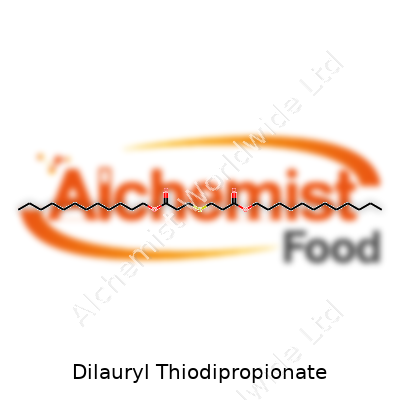
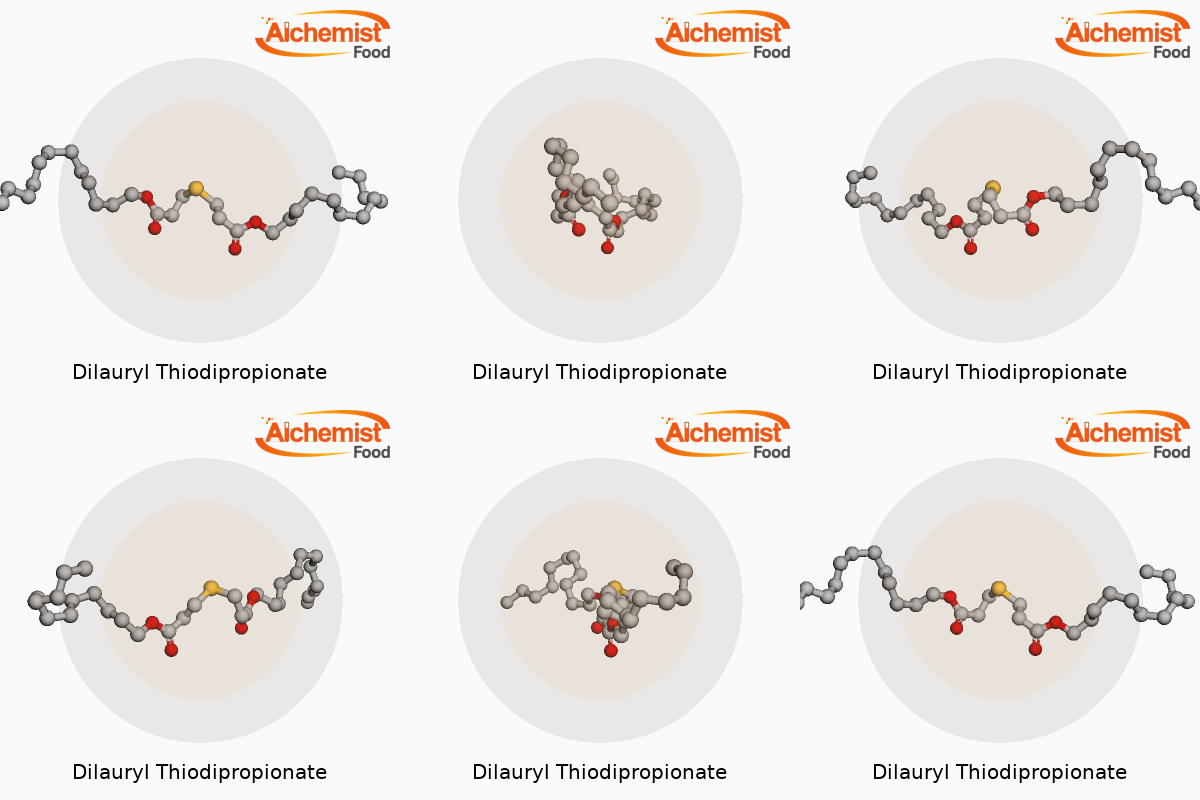
| Names | |
| Preferred IUPAC name | S,S'-bis(dodecyl) 2,2'-thiodiethanoate |
| Other names |
DLTDP Thiodiethylene bis(lauric acid ester) Thiodipropionic acid dilauryl ester Lauryl thiodipropionate |
| Pronunciation | /daɪˈlɔːrɪl θaɪˌoʊdaɪˈprɒpɪəneɪt/ |
| Preferred IUPAC name | S-dilauryl 3,3'-thiodipropanoate |
| Other names |
DLTDP Thiodipropionic acid dilauryl ester Didodecyl thiodipropionate Lauryl thiodipropionate |
| Pronunciation | /daɪˈlɔːrɪl ˌθaɪoʊdaɪprəˈpeɪniət/ |
| Identifiers | |
| CAS Number | 123-28-4 |
| Beilstein Reference | 363240 |
| ChEBI | CHEBI:34782 |
| ChEMBL | CHEMBL3018885 |
| ChemSpider | 10622 |
| DrugBank | DB11262 |
| ECHA InfoCard | EUON-EC-222-449-0 |
| EC Number | 222-022-2 |
| Gmelin Reference | 603520 |
| KEGG | C18606 |
| MeSH | D016252 |
| PubChem CID | 11906 |
| RTECS number | WS0150000 |
| UNII | 91Y2202UZS |
| UN number | Not regulated |
| CompTox Dashboard (EPA) | DTXSID9020706 |
| CAS Number | 123-28-4 |
| Beilstein Reference | 2731026 |
| ChEBI | CHEBI:150378 |
| ChEMBL | CHEMBL1941852 |
| ChemSpider | 14313 |
| DrugBank | DB11360 |
| ECHA InfoCard | 03a174a3-0731-47b8-9e6f-db1a43b09551 |
| EC Number | 222-22-6 |
| Gmelin Reference | 85923 |
| KEGG | C18107 |
| MeSH | D002950 |
| PubChem CID | 30387 |
| RTECS number | UF9350000 |
| UNII | 1F8N6C2SQI |
| UN number | UN3077 |
| CompTox Dashboard (EPA) | DTXSID7033902 |
| Properties | |
| Chemical formula | C30H58O4S |
| Molar mass | 514.9 g/mol |
| Appearance | White crystalline powder |
| Odor | Odorless |
| Density | 1.03 g/cm3 |
| Solubility in water | Insoluble |
| log P | 6.88 |
| Vapor pressure | Negligible |
| Basicity (pKb) | 11.77 |
| Magnetic susceptibility (χ) | -7.92×10⁻⁶ cm³/mol |
| Refractive index (nD) | 1.4580 |
| Viscosity | Viscous liquid |
| Dipole moment | 1.94 D |
| Chemical formula | C27H54O4S |
| Molar mass | 514.9 g/mol |
| Appearance | White crystalline powder |
| Odor | Odorless |
| Density | 0.98 g/cm3 |
| Solubility in water | Insoluble |
| log P | 7.83 |
| Vapor pressure | Negligible |
| Magnetic susceptibility (χ) | -79.0×10⁻⁶ cm³/mol |
| Refractive index (nD) | 1.4590 |
| Viscosity | 38.1 mPa·s (at 25 °C) |
| Dipole moment | 1.83 D |
| Thermochemistry | |
| Std molar entropy (S⦵298) | 940.6 J·mol⁻¹·K⁻¹ |
| Std enthalpy of formation (ΔfH⦵298) | -895.1 kJ/mol |
| Std enthalpy of combustion (ΔcH⦵298) | −12350 kJ/mol |
| Std molar entropy (S⦵298) | 862.1 J·mol⁻¹·K⁻¹ |
| Std enthalpy of formation (ΔfH⦵298) | -958.1 kJ/mol |
| Hazards | |
| Main hazards | Causes serious eye irritation. |
| GHS labelling | GHS07, GHS09 |
| Pictograms | GHS07 |
| Signal word | Warning |
| NFPA 704 (fire diamond) | 1-1-0 |
| Flash point | 220 °C |
| Autoignition temperature | > 290°C |
| Lethal dose or concentration | LD50 (Rat, oral): > 15,400 mg/kg |
| LD50 (median dose) | LD50 (median dose): Rat oral > 6,800 mg/kg |
| PEL (Permissible) | PEL (Permissible Exposure Limit) for Dilauryl Thiodipropionate: Not established |
| REL (Recommended) | 3 mg/m³ |
| IDLH (Immediate danger) | Not listed |
| Main hazards | May cause eye, skin, and respiratory tract irritation. |
| GHS labelling | GHS07, GHS09 |
| Pictograms | GHS07 |
| Signal word | not classified |
| Hazard statements | No hazard statements. |
| Precautionary statements | Wash thoroughly after handling. |
| NFPA 704 (fire diamond) | 1-1-0 |
| Flash point | Flash point: 204°C (399°F) |
| Autoignition temperature | > 355°C |
| Lethal dose or concentration | LD50 (oral, rat): > 5,000 mg/kg |
| LD50 (median dose) | LD50 (median dose): Rat oral > 10,000 mg/kg |
| NIOSH | SW4390000 |
| PEL (Permissible) | PEL (Permissible Exposure Limit) for Dilauryl Thiodipropionate: Not established |
| REL (Recommended) | 0.5 mg/m³ |
| IDLH (Immediate danger) | Not listed/Not established |
| Related compounds | |
| Related compounds |
Distearyl thiodipropionate Dimyristyl thiodipropionate Pentaerythritol tetrakis(dipropionate) Propyl gallate Butylated hydroxytoluene (BHT) Butylated hydroxyanisole (BHA) |
| Related compounds |
Thiodipropionic acid Distearyl thiodipropionate Dimyristyl thiodipropionate |
| Pharmacology | |
| ATC code | |



