Dextrose Monohydrate: A Deep-Dive Commentary
Historical Roots and Development
Dextrose monohydrate has a story that runs alongside the first breakthroughs in carbohydrate chemistry. The journey began in the early 19th century when chemists started isolating glucose from starch. During this period, figures like Jean Baptiste Dumas and Justus von Liebig pushed carbohydrate science forward, giving industry and medicine new ideas on how to use sugars. Early factories sprung up across Europe, using potatoes or corn as the starch source, blending trial and error with a little bit of luck. Dextrose monohydrate gained commercial relevance as food habits changed and science recognized the simplicity—and the value—of pure, crystallized glucose. What started as a laboratory curiosity soon became a household name as it found its way into everything from baby formula to hospital drips.
Product Character and Overview
At its core, dextrose monohydrate comes from plant starch, usually corn. It looks like white, odorless crystals and tastes sweet in a clean way, without the bitterness some sweeteners bring. Food and pharmaceutical companies reach for it when consistency, solubility, and a reliable energy source matter more than flashy branding. Bakeries count on it for a dependable rise; beverage makers know it will dissolve quickly; and IV formulations call for it because the body recognizes it without confusion.
Physical and Chemical Properties
Dextrose monohydrate sits at about 198.17 grams per mole. Chemically, it is glucose with one water molecule stuck in the lattice. It melts around 83°C, but it quickly breaks down if pushed much above that. In water, it dissolves easily, and the solution clears up, giving a straight shot of glucose. It carries a glycemic index above table sugar, and the body turns it to energy without delay. Its crystal structure is so uniform that refineries calculate shelf life and storage parameters with near-mathematical certainty.
Technical Specifications and Labeling
In practice, dextrose monohydrate manufacturers follow tight specifications to meet food and drug safety standards. The industry demands a minimum purity—usually around 99%—as impurities not only mess with taste but can raise safety issues. Labels detail not just content but also origin, allergen info, and physical parameters like particle size distribution and moisture content (around 9%). Pharmacopeias, such as USP and EP, provide detailed lists of what buyers should expect. Exporters and importers follow Harmonized System numbers. European and American regulations require traceability and allergy risk labeling, reflecting growing consumer scrutiny and the regulatory need for transparency at every step.
Preparation Method
Manufacturing dextrose monohydrate calls for refined process control from start to finish. The journey begins with treating starch—often corn or wheat—with dilute acid or modern enzymes. These biocatalysts break tough chains of starch into smaller glucose units. Once the conversion reaches the right threshold, operators neutralize the slurry before filtering out impurities. Evaporation leaves behind a supersaturated syrup, which, when cooled, lets dextrose monohydrate crystals form. Centrifuges separate crystals from the mother liquor, and a final drying step ensures the right moisture content. Every stage demands precision—overcook or under-filter, and purity drops; rush the drying, and clumping or spoilage comes next.
Chemical Reactions and Modifications
In industry, dextrose monohydrate isn’t just a sweetener; it offers a springboard for countless modifications. Chemists oxidize it to make gluconic acid or let bacteria turn it into lactic acid for biodegradable plastics. Reducing ends invite phosphorylation, giving materials for energy supplements. Under heat or catalysts, dextrose can even turn to caramel pigments that give cola its familiar shade. Each derivative feeds into a different industry—cleaning agents, dyes, bioplastics, and even intravenous drugs. Dextrose doesn’t just provide calories—it feeds the world’s demand for raw materials and specialty chemicals.
Synonyms and Product Names
Depending on the audience, dextrose monohydrate answers to many names. In pharmacology, “glucose monohydrate” appears on labels. Food manufacturers often call it “corn sugar,” especially in North America. Commercial invoices might mention “grape sugar” or “D-glucose.” In research catalogs, it gets listed as “α-D-Glucopyranose, monohydrate.” Even in different languages, it carries names that root back to sugar traditions, from Europe to Asia. Ultimately, product codes depend on use case and region—a headache for cross-border trade, but also a reminder of how one substance winds its way through so many industries.
Safety, Handling, and Operational Standards
On the factory floor or in the hospital storeroom, dextrose monohydrate earns a reputation for relative safety. Most safety sheets list it as non-toxic, non-flammable, and non-carcinogenic. Dust control matters; clouds of fine powder can catch a spark or cause minor lung irritation if inhaled repeatedly. Operators use local exhaust and good housekeeping. Bulk storage calls for dry, cool spaces and moisture-proof packaging, since excess water invites microbial spoilage. Most certifications, from ISO to GMP, track not just purity, but also facility hygiene and employee training, as even low-risk materials become liabilities in sloppy environments.
Application Area
Few other carbohydrate ingredients reach as deeply into daily life and science. Hospitals run on dextrose-infused IV drips to stabilize blood sugar. Bakeries blend it into loaves and cakes to feed yeast and build softness. Beverage makers add dextrose for a clean, reliable sweetness. Candy-makers rely on it for crystal-clear gummy production. Bodybuilding and nutrition brands push dextrose as a fast-acting energy charger. Chemists tap dextrose for fermentation or as a reducing agent in lab reactions. Paper makers use it to improve brightness and print quality. In brewing, dextrose helps kick-start fermentation and control alcohol content. The knock-on effect means almost any food or beverage producer, whether big or small, has handled and depended on this simple sugar.
Research, Development, and Innovation
Recent years have brought a new wave of research. Instead of just seeing dextrose monohydrate as a sweetener, scientists are looking at its ability to carry other active substances. Drug formulators hustle to tweak its molecular cage to boost stability for sensitive actives. In the world of tissue engineering, dextrose solutions feed cell cultures and anchor polymers. The focus turns to greener production—engineers hunt for enzymes with a lighter environmental footprint, while startups run pilots with non-GMO corn and regenerative agriculture. Analytics teams use next-gen chromatography to track contaminants at the parts-per-billion level. Research on biodegradable dextrose-based plastics grows as the world pushes back against synthetic polymers.
Toxicity Research and Human Health
Dextrose monohydrate, in the quantities found in typical foods or drips, rarely triggers negative health effects. Medical literature dating back decades lists it as biologically safe—most people metabolize it rapidly as glucose. Problems show up at high doses or in cases involving specific metabolic disorders, like diabetes, where uncontrolled intake causes blood sugar spikes. Animal studies paint a reassuring picture, with toxicity thresholds sitting comfortably above any practical dose. Long-term surveillance by regulatory agencies hasn’t flagged significant cancer links or allergenicity. Having worked with diabetics, it’s clear that clear carbohydrate labeling on foods with dextrose monohydrate matters more than ever in a world where lifestyle diseases are on the rise.
Future Prospects
Trends suggest dextrose monohydrate stands on the edge of new uses and pressures. Plant-based food innovation leans on clean-label, non-GMO glucose sources. Circular economy demands push companies to upcycle waste starch and improve yields. Precision fermentation and genetically engineered microbes look set to further refine production, possibly driving costs lower and opening niche applications in specialty health, slow-release energy, and green chemistry. Consumer demand for transparency keeps pressure on supply chains to document not just what’s in the bag, but how it got there—from soil to factory to shelf. The next chapter for dextrose monohydrate involves tracking sustainability, cleaner chemistry, and a shift from commodity to specialty applications, all backed by the expectation that the next sugar, just like the old one, remains safely in step with consumer needs and scientific progress.
What is Dextrose Monohydrate used for?
Health and Medical Uses
Dextrose monohydrate steps onto the scene most often in hospitals and clinics. Doctors and nurses count on it as a quick energy boost, especially for patients struggling with low blood sugar. In emergency rooms, medical teams use dextrose infusions to snap someone out of a hypoglycemic episode. This form of glucose gets absorbed fast, getting critical energy right where it needs to go. Dextrose isn’t just for crisis moments, either. Health professionals trust it during surgeries and for people recovering from sickness, when eating or swallowing solid food is off the table. Here, it turns into a lifeline, nourishing the body while the patient gets back on their feet.
People living with diabetes sometimes rely on dextrose tablets to level out their blood sugar. After years of working with diabetic relatives and volunteering at outreach clinics, I’ve watched it prevent the scary spiral of a sugar crash. The reliability and speed make a world of difference, both in clinics and at home.
Everyday Foods and Drinks
Dextrose monohydrate weaves into the meals and snacks on grocery shelves. In baked goods, dextrose brings out the golden color in cookies and bread without turning them cloyingly sweet. Texture matters, too. Dextrose keeps treats softer and fresher for longer, which means no more rock-hard muffins by day two. It shows up in sports drinks, powering athletes and gym-goers through tough workouts. Muscles need fast fuel, and dextrose answers that call without leaving an aftertaste that lingers longer than the sweat.
Home cooks probably don’t even realize they’ve used dextrose when they blend cake mixes or stir up pancake batter. In my own kitchen, I’ve noticed that the right sugar blend can turn an ordinary cupcake into one with a perfect, tender crumb. Dextrose doesn’t only sweeten — it shapes flavor, moisture, and consistency in a way white table sugar can’t always match.
Pharmaceutical Formulation
Dextrose monohydrate also plays a quiet but important role in making medicines. It acts as a stabilizer and filler. Powders, tablets, and syrups count on this sugar to keep consistency even and to help other active ingredients work smoothly. Anyone who’s ever struggled to swallow a bitter pill knows how much it helps when medicine tastes less harsh. This isn’t just about comfort. For kids and the elderly, flavor and smoothness mean the difference between following through on a full treatment and skipping doses. Pharmaceutical manufacturers have a responsibility to use ingredients that patients can trust, and the safety profile of dextrose offers that kind of assurance.
Safety and Transparency
Purity and quality of dextrose matter. Reliable testing and responsible sourcing keep food and drug supplies free from harmful contaminants. As someone who cares about food safety, I look for clear ingredient labels and independent verification. The U.S. Food and Drug Administration (FDA) keeps a close eye on products made with dextrose monohydrate. It’s regularly recognized as safe for typical consumption, and doctors have decades of experience on the front lines to back it up. For people with metabolic issues, medical guidance should always come first. Each batch deserves the same scrutiny as the last, especially in products for children or those with weakened immune systems.
Paths Toward Responsible Use
Doctors, manufacturers, and consumers all have skin in the game. Health professionals can educate their patients about when dextrose offers real help and when to reach for other solutions. The food industry benefits by keeping recipes straightforward and honest about sugar content. People get better choices and a clearer picture of what they’re eating or drinking. In my own family, small shifts in reading ingredient lists and understanding blood sugar needs have created lasting habits for better health.
Is Dextrose Monohydrate safe for consumption?
Understanding What You’re Eating
Dextrose monohydrate shows up in baked goods, sports drinks, processed snacks, even some medicines. In stores, you see it on ingredient labels, but most folks recognize it as a simple sugar, almost identical to the glucose your body uses for energy. Chemically, it’s a hydrated form of glucose—just a sugar with one water molecule attached.
People who care about what goes into their bodies get suspicious of long, unfamiliar names in their food. I learned this lesson myself after seeing how trust fades with every unrecognizable word. So is dextrose monohydrate a safe choice, or should it raise red flags with every appearance?
Backed By Science, But Not a Free Pass
The U.S. Food and Drug Administration puts dextrose monohydrate on its "Generally Recognized As Safe" list for direct food uses. This comes after years of research, not just quick judgments. Studies confirm that normal, healthy individuals can process dextrose just as they do table sugar. In a typical diet, the body breaks it into glucose, then shuttles it off for energy or storage.
Doctors prescribe dextrose solutions in hospitals, especially for people who need a quick glucose boost—such as those with low blood sugar or certain types of dehydration. The fact that it’s pharmaceutical grade in these scenarios says something about its safety. Diabetes educators often stress that the danger is not in the sugar itself, but in the dose and the frequency. I’ve watched friends with diabetes keep dextrose tablets handy to fend off hypoglycemic events. Moderation pays off here, just as it does with other sugars.
Balancing Sugar Intake
Nobody gets better health by overdosing on sugar. Excess dextrose and other sugars contribute to spikes in blood sugar and can feed the fires of chronic diseases like obesity, type 2 diabetes, and dental problems. The Centers for Disease Control and Prevention link high added sugar intake with cardiovascular risks, which deserves real attention. Dextrose monohydrate adds into your daily total just like any cane sugar or high-fructose syrup would.
Kids often eat snacks filled with hidden sugars, so it helps for parents to double-check ingredient lists and keep tabs on how sugar sneaks into food. What surprised me while helping a family member adopt a healthier eating plan was how quickly "safe" can become "too much" when you aren’t keeping an eye on the little things, like sweeteners in bread or ketchup.
Simple Ways to Make Better Choices
Most folks don’t need to cut out dextrose monohydrate completely; avoiding giant sugar bombs makes more of a difference. Swapping out sweetened drinks for water, reaching for whole fruit instead of candy, and checking nutrition labels work wonders. Medical professionals often suggest that people with medical conditions affecting glucose (like diabetes or metabolic syndrome) meet with dietitians who can provide tailored advice.
Food manufacturers use dextrose monohydrate for practical reasons: it dissolves quickly and doesn’t leave an aftertaste. But these benefits shouldn’t override personal responsibility. If your goal is better health, shining a light on added sugars—regardless of their source—goes further than obsessing over individual ingredients.
Listening to Your Body and the Research
Dextrose monohydrate isn’t some mystery compound with catastrophic risks. For most healthy people, moderate intake doesn’t harm. People living with diabetes, metabolic disorders, or other health concerns get the best results by working with qualified health professionals who understand both the science and real-world habits. Smart choices start with understanding what you’re eating, reading labels, and not falling for the promise that anything, even a familiar sugar, can’t have consequences if used too often.
How is Dextrose Monohydrate different from regular sugar?
Understanding the Basics
Both dextrose monohydrate and regular sugar show up on ingredient labels, yet they play different roles in food and the body. Most folks know table sugar as the white crystals scooped into coffee or baked into cookies. Dextrose monohydrate crops up less obviously, tucked into sports drinks, baked goods, and even IV drips in hospitals. From what I’ve seen, the confusion over these sweeteners often comes from how similar they look—just white powders or granules. The differences, though, start at the molecular level.
Where They Come From
Table sugar, or sucrose, usually comes from sugar cane or beets. It delivers sweetness through a blend of glucose and fructose molecules, hooked together. The body breaks that bond during digestion before using each sugar for energy. Dextrose monohydrate, on the other hand, is just glucose with a hint of water attached—that’s the “monohydrate.” Manufacturers often make it from corn starch, breaking the starch down to its simplest sugar, glucose. In kitchens and factories, this distinction affects not just taste but how food behaves.
How the Body Handles Them
Anyone who’s tried using different sweeteners in baking probably noticed real differences in texture and browning. It turns out the body also notices. Sucrose heads to the gut, splits into glucose and fructose, then both get shuttled into the blood. Fructose travels through the liver before the rest of the body takes a crack at it, and too much fructose ties into health problems like fatty liver and higher triglycerides, according to recent studies published in JAMA and the American Journal of Clinical Nutrition. Glucose, including what comes from dextrose, hops almost straight into the bloodstream. That quick jump can spike blood sugar faster, making dextrose more of a concern for folks managing diabetes or insulin resistance.
Why Industry Chooses One Over the Other
In my own kitchen, I’ve noticed that swapping sugar for dextrose doesn’t always work out. Dextrose doesn’t taste quite as sweet—about 70% as much as sucrose. That drop means recipes often call for more, which changes moisture and sometimes leads to softer textures. Food manufacturers choose dextrose for products that need rapid fermentation, like some breads or beers, or when they want to boost energy without the intense sweetness. In medical settings, dextrose provides immediate fuel for people too weak to eat—think ER IV drips for dehydration or athletes needing quick recovery.
Health, Taste, and the Bigger Picture
Moderation matters more than which sugar ends up in the bowl. Both dextrose and sucrose raise blood sugar and calories, just on different timelines. The bigger risks arrive with overuse and hidden sources—sugar creeping into processed foods or sports drinks where nobody expects it. Reading labels really opened my eyes. Bread and yogurt surprised me most. Education and clear packaging help families make smart choices, especially for kids or folks with health conditions.
Rethinking Sweeteners at Home
Small changes at home add up. Swapping sugary drinks for water, keeping an eye on portion sizes, and checking ingredient lists make a difference. If someone needs an energy boost, fruit or whole grains offer not only glucose but also fiber and vitamins. In my experience, learning which sugar is which—and how it works—helps me decide what’s worth eating and what should stay on the shelf. This kind of awareness lets me enjoy a treat here and there, but also keeps my health in the picture.
What are the main applications of Dextrose Monohydrate in the food industry?
Everyday Energy in Every Bite
Walk through any grocery store and sugar sits in endless forms on the shelves. Dextrose Monohydrate, a simple sugar, powers more foods than we realize. Its main draw lies in how the body uses it—glucose hits the bloodstream fast, giving a quick shot of energy. This matters for athletes who drink sports beverages or chomp on energy gels, but it also works for the rest of us who enjoy a soda or a granola bar in the afternoon.
Think about those chewy candies and sweet baked goods everyone reaches for at gatherings. Dextrose helps keep textures soft and flavors sharp. Bakers choose it because bread rises more dependably, turning out with the crumb and color customers count on. Candy makers depend on its mild sweetness, too. Instead of overpowering fruit or chocolate, dextrose blends in with just enough sugar kick, so flavors pop.
Supporting Texture and Freshness
Sugars do more than add taste. Dextrose plays a key role in keeping foods moist. In frostings, marshmallows, and even some processed meats, moisture matters. Nobody likes a stale cupcake or a dry slice of ham. By holding onto water, dextrose helps snacks stay soft longer on the shelf. Food companies rely on this to stretch product life and reduce waste—a win for shoppers and stores alike.
This sugar also helps bakers achieve the deep brown color that signals a fresh-baked loaf or a well-toasted cookie. That’s the Maillard reaction—sugar and amino acids working together under heat. Dextrose’s structure lets this happen at slightly lower temperatures, so foods brown evenly without burning. Looking back, I remember baking holiday treats with my family: if we forgot the right sugar, our cookies turned out pale and tasted flat. Dextrose makes a real difference.
A Life Saver in Preservation
Food spoilage poses a headache for anyone in the business. Dextrose does double duty as a preservative. Its high solubility lets it tie up water, making it harder for bacteria or mold to get a foothold. In jams, cured meats, and even some dried fruits, dextrose helps these foods taste better and last longer. Scientists back this up; published studies show dextrose draws water away from microbes, slowing their growth (USDA reports echo this point).
A Safer Option for Sensitive Diets
Glucose doesn't spark the same allergic reactions or intolerances as some other sugars. People who can’t digest sucrose often turn to dextrose as an alternative. This becomes especially important in the world of nutrition supplements and medical products like oral rehydration salts or enteral feeding formulas. These critical foods give patients steady energy without ingredients that set off gut problems.
Room for Improvement: Health and Sustainability
With all this good, there’s a conversation about limits. People eat more sugar than ever and that shows up in rates of obesity and diabetes. Dextrose plays into this, like all sweeteners. The food industry needs honest labeling, clear education, and a willingness to explore lower-sugar recipes or smaller portion sizes. Investing in better research on sustainable corn sourcing could also help, since most dextrose comes from corn. Companies can commit to using fewer chemical fertilizers and focus on transparent supply chains. Consumers, in turn, get to make real choices—knowing what fuels their food and where it came from.
Are there any side effects or health risks associated with Dextrose Monohydrate?
What’s in a Sweetener?
Dextrose monohydrate, known to anyone who’s checked the back of a packaged food label, comes from corn and gets used all over the world to add sweetness and energy to everyday products. In baking, sports drinks, and even IV fluids, manufacturers lean on it for its quick-dissolving, easy-use quality. That doesn’t mean people always stop to ask if it carries risks. I grew up in a house that avoided packaged snacks for the same reason a mechanic avoids cheap oil — what you put in matters. Over the years, I’ve read plenty of studies and watched how the health community responds to each new sweetener. The story rarely changes much: a little can go unnoticed, but too much always causes trouble.
How Dextrose Affects the Body
Eating dextrose means your blood sugar climbs quickly. Dextrose is pure glucose, absorbed nearly right away. Your body loves easy fuel, especially after intense exercise. For someone with no blood sugar problems, a glass of a sports drink or a few candies won’t shake up health long-term. Add thick layers of it to your daily intake, though, and the pancreas stays busy working to keep blood sugar in check. Type 2 diabetes statistics don’t look pretty: the CDC listed over 37 million Americans with diabetes in 2022. Refined sugars, including dextrose, feed that rise when people eat them in bulk.
Known Side Effects and Risks
Too much dextrose, even in folks with steady health, leads to noticeable fatigue after the quick energy high. There’s headache, thirst, and sometimes nausea lurking behind those peaks and valleys in glucose. Diabetics have more to worry about — spikes push blood sugar into dangerous territory, risking hyperglycemia. Hospitals do use dextrose in IV fluids for patients with low blood sugar, but doctors track every drip. At home, using pure dextrose to self-treat can backfire fast. I’ve seen a friend with diabetes lose track of her intake and wind up in the ER, all from a handful of glucose tablets.
Long-term, regular overconsumption ties into bigger problems. High-sugar diets can mean more triglycerides in the blood, leading to heart strain. Weight gain follows, and so do the aches and complications of extra pounds. There’s also talk in the nutrition science world about refined sugars possibly playing a role in non-alcoholic fatty liver disease. The American Heart Association calls for careful limits — no more than 36 grams of added sugar daily for men, 25 for women. Dextrose counts toward that.
Sensible Steps for Health
People already living with insulin resistance, prediabetes, or diabetes need to watch for hidden sources of dextrose. Checking labels helps. Diets filled with whole fruits and natural fibers keep blood sugar steadier, compared to meals that rely on refined sugars. Physical activity improves how the body handles glucose, so even light walks can make a difference. Schools and parents also shoulder some responsibility: teaching kids why the easy path of constant sugary snacks leads to problems later. Healthcare providers play a crucial role, too, by screening and talking openly about all added sugars, not just table sugar or high-fructose corn syrup.
Looking at Alternatives
Natural sweeteners like honey or even moderate, occasional sucralose replacements aren’t problem-free, but they give consumers options with less immediate glucose impact. Ultimately, the best switch isn’t just swapping one sweetener for another, but learning to cut back altogether, retraining taste buds and expectations.
Watching what’s in your food helps. So does an honest chat with your doctor if there’s a health condition that makes sugar management critical. Everyone, from label readers to bakers, wins in the long run by asking not just what something is, but what it does once it’s digested.
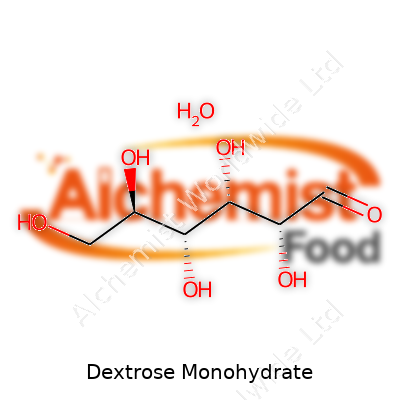
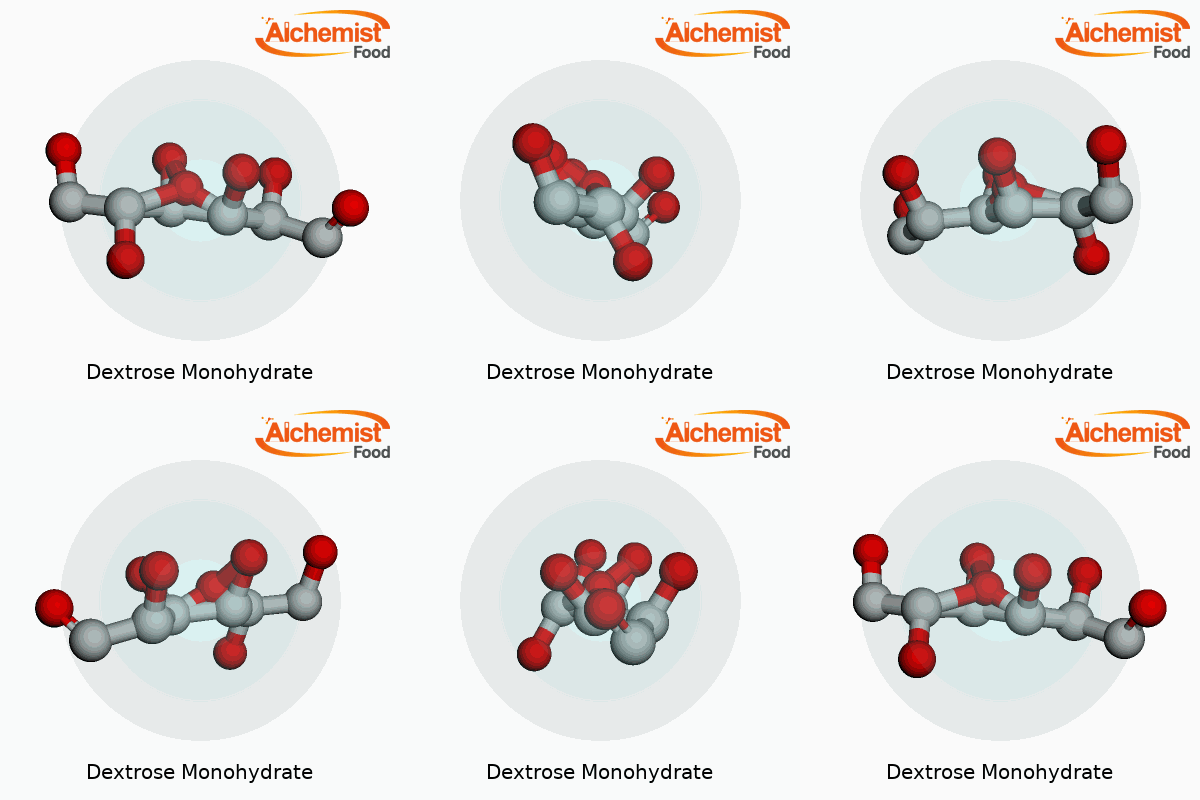
| Names | |
| Preferred IUPAC name | (2R,3R,4R,5R)-2,3,4,5,6-pentahydroxyhexanal monohydrate |
| Other names |
Glucose Monohydrate D-Glucose Monohydrate Corn Sugar Grape Sugar Blood Sugar |
| Pronunciation | /ˈdɛksˌtroʊs ˌmɒn.oʊˈhaɪ.dreɪt/ |
| Preferred IUPAC name | (2R,3R,4R,5R)-2,3,4,5,6-pentahydroxyhexanal monohydrate |
| Other names |
D-Glucose Monohydrate Glucose Monohydrate Corn Sugar Grape Sugar Blood Sugar Dextroglucose |
| Pronunciation | /ˈdɛk.strəʊs ˌmɒn.əˈhaɪ.dreɪt/ |
| Identifiers | |
| CAS Number | 5996-10-1 |
| Beilstein Reference | 1720283 |
| ChEBI | CHEBI:41649 |
| ChEMBL | CHEMBL1231046 |
| ChemSpider | 14120 |
| DrugBank | DB16034 |
| ECHA InfoCard | 100.027.013 |
| EC Number | E965 |
| Gmelin Reference | 82190 |
| KEGG | C00031 |
| MeSH | D009040 |
| PubChem CID | 5793 |
| RTECS number | LZ6600000 |
| UNII | 5SL0G7R0OK |
| UN number | UN3077 |
| CAS Number | 5996-10-1 |
| Beilstein Reference | 3597066 |
| ChEBI | CHEBI:41649 |
| ChEMBL | CHEMBL1201473 |
| ChemSpider | 5333987 |
| DrugBank | DB16034 |
| ECHA InfoCard | 100.027.325 |
| EC Number | 200-075-1 |
| Gmelin Reference | 60721 |
| KEGG | C00031 |
| MeSH | D-glucose |
| PubChem CID | 5793 |
| RTECS number | JY7795000 |
| UNII | M7P27195AG |
| UN number | UN3077 |
| Properties | |
| Chemical formula | C6H12O6·H2O |
| Molar mass | 198.17 g/mol |
| Appearance | White crystalline powder |
| Odor | Odorless |
| Density | 0.91 g/cm³ |
| Solubility in water | Soluble in water |
| log P | -3.24 |
| Vapor pressure | Negligible |
| Acidity (pKa) | ~12.28 |
| Basicity (pKb) | 12.86 |
| Magnetic susceptibility (χ) | Diamagnetic |
| Refractive index (nD) | 1.333 |
| Dipole moment | 0 D |
| Chemical formula | C6H12O6·H2O |
| Molar mass | 198.17 g/mol |
| Appearance | White crystalline powder |
| Odor | Odorless |
| Density | 0.91 g/cm³ |
| Solubility in water | 120 g/100 mL (20 °C) |
| log P | -3.24 |
| Acidity (pKa) | 12.28 |
| Basicity (pKb) | 12.99 |
| Magnetic susceptibility (χ) | Diamagnetic |
| Refractive index (nD) | 1.333 |
| Viscosity | Viscosity: 1.2 cP (50% w/w solution at 25°C) |
| Dipole moment | 1.17 D |
| Thermochemistry | |
| Std molar entropy (S⦵298) | 344.4 J·mol⁻¹·K⁻¹ |
| Std enthalpy of formation (ΔfH⦵298) | -1567 kJ/mol |
| Std enthalpy of combustion (ΔcH⦵298) | −2815 kJ·mol⁻¹ |
| Std molar entropy (S⦵298) | 267 J·mol⁻¹·K⁻¹ |
| Std enthalpy of formation (ΔfH⦵298) | -1560 kJ/mol |
| Std enthalpy of combustion (ΔcH⦵298) | −2805 kJ·mol⁻¹ |
| Pharmacology | |
| ATC code | A11CC01 |
| ATC code | A10BX02 |
| Hazards | |
| Main hazards | Not a hazardous substance or mixture. |
| GHS labelling | GHS labelling for Dextrose Monohydrate: "Not a hazardous substance or mixture according to the Globally Harmonized System (GHS). |
| Pictograms | GHS07 |
| Signal word | Warning |
| Hazard statements | No hazard statement. |
| Precautionary statements | Keep container tightly closed. Store in a cool, dry place. Avoid contact with eyes, skin, and clothing. Wash thoroughly after handling. Use with adequate ventilation. Do not ingest or inhale. |
| NFPA 704 (fire diamond) | NFPA 704: 1-0-0 |
| Autoignition temperature | 458°C |
| Lethal dose or concentration | LD50 (oral, rat): 25800 mg/kg |
| LD50 (median dose) | > 25800 mg/kg (rat, oral) |
| NIOSH | WN6500000 |
| PEL (Permissible) | 15 mg/m³ |
| REL (Recommended) | 10 – 25 g/day |
| IDLH (Immediate danger) | Not listed. |
| GHS labelling | Not a hazardous substance or mixture according to the Globally Harmonized System (GHS) |
| Pictograms | GHS07 |
| Signal word | No signal word |
| Hazard statements | Dextrose Monohydrate is not classified as hazardous according to GHS. |
| NFPA 704 (fire diamond) | NFPA 704: 1-0-0 |
| Autoignition temperature | 458°C (856°F) |
| Lethal dose or concentration | LD50 (Oral, Rat): 25800 mg/kg |
| LD50 (median dose) | LD50 (oral, rat): 25800 mg/kg |
| NIOSH | DS8050000 |
| PEL (Permissible) | 15 mg/m³ |
| REL (Recommended) | 10-25 g as single dose, intravenously |
| IDLH (Immediate danger) | Not listed. |
| Related compounds | |
| Related compounds |
Glucose Dextrose anhydrous Fructose Sucrose Maltose Lactose |
| Related compounds |
Glucose Dextrose Anhydrous Fructose Lactose Maltose Sucrose |



