D-Aspartic Acid: A Closer Look
Historical Development
D-Aspartic Acid didn’t just pop up overnight. Its story begins almost a century ago, as biochemical research ramped up and scientists began poking around in animal tissues with newfangled instruments. Back then, nobody could easily spot the difference between D- and L- forms of amino acids, but as chromatography and optical activity methods improved, folks discovered two distinct molecular configurations. L-Aspartic Acid shows up more often in living things. D-Aspartic Acid, though less obvious, carried its own intrigue. After the 1950s, biochemists dug deeper and found substantial amounts of this D-form in animal brains, reproductive tissues, and even sea creatures. These findings challenged the old wisdom that protein-building relied mostly on L-amino acids, opening up a new world of research. Today, D-Aspartic Acid still keeps scientists guessing about its full extent and roles in living systems, especially in hormone regulation and neural signaling.
Product Overview
Move over, L-Aspartic Acid. D-Aspartic Acid stirs up interest for more than just academic reasons. This crystalline white powder often draws attention from supplement manufacturers, sports nutrition companies, and pharmaceutical labs. Used in both research circles and as an ingredient in dietary products, its presence grows. Some tout its effects on testosterone support and cognitive improvement, even though the science still debates the details. Because its bioactivity differs from the L form, careful sourcing and verification matter. Buyers should look for manufacturing practices that secure high purity and minimize the risk of cross-contamination, because not every white powder in a jar lives up to the labeling.
Physical & Chemical Properties
D-Aspartic Acid features a clean, almost sharp crystalline look, typically odorless and slightly sour in taste. Molecularly, it carries the formula C4H7NO4. This gives it a solid backbone similar to its L cousin, but the hands-on, right-sided molecular twist sets them apart. It melts between 270 to 280 degrees Celsius before it really breaks down, showing a pretty good heat stability when kept dry. Water dissolves it well, but common organic solvents barely touch it. The carboxylic groups, sitting on either end, make the molecule fairly reactive and acidic. Handling the crystals feels much like most fine acids, but without the sting of stronger acids like hydrochloric or sulfuric varieties.
Technical Specifications & Labeling
Any bottle of D-Aspartic Acid worth considering comes with a solid COA—certificate of analysis—showing at least 98% purity, often higher if meant for pharmaceutical or research use. Look for testing results on heavy metals, as the margin for error tightens with bioactive supplements. Lot numbers and expiration dates tell you the batch’s story, but brands differentiating themselves don’t just stop at requirements. They’ll include full traceability and sourcing documentation, as well as microbiological test outcomes to ensure nothing unwanted slipped in during processing. Product labeling should always state the specific form—D versus L—and sometimes the method of analysis. This helps buyers avoid the unfortunate experiment of using the wrong version in a process, which can compromise both safety and performance. I always urge colleagues to double-check that D-AA on the shelf isn’t a generic blend or mislabeled L form.
Preparation Method
Production of D-Aspartic Acid usually starts with racemic synthesis or by enzyme-driven processes that specifically flip the L-form into the D-form. Early commercial batches leaned on expensive and low-yield chemical syntheses, but new techniques now pull the D-form more efficiently. Enzymatic racemization uses bacterial racemases or engineered enzymes, which can be coaxed to convert L-Aspartic Acid with less wastage. Once formed, purification by crystallization and chromatography removes the by-products. Each time I’ve toured a facility, the biggest challenge showed up in keeping the isomers segregated—cross-contamination with the L-isomer cuts into quality and may change the physiological effects of the product. Careful temperature control, pH adjustment, and use of advanced membrane technologies form the cornerstone of modern D-Aspartic Acid manufacturing, allowing producers to scale up while keeping costs in check.
Chemical Reactions & Modifications
D-Aspartic Acid doesn’t just sit still on its own. Researchers modify the molecule for a growing list of reasons, sometimes masking the acidic groups to improve absorption in the body or creating derivatives for targeted drug design. One popular reaction neutralizes one carboxylic acid group, forming salts with potassium or sodium, which tend to dissolve even better in water and carry a softer taste profile. In the lab, protecting groups may be added if other sensitive spots on the molecule require selective tweaking. Reactive amide or ester linkages also unlock new pharmaceutical options—think prodrugs or more stable peptide chains. I’ve noticed that some attempts at boosting biological activity through structural tweaks haven’t always panned out, but they do make for interesting study material and fuel for patent filings. Each alteration is weighed against how it shifts bioactivity and absorption, so nothing moves forward without full analytical and biological assessment.
Synonyms & Product Names
What’s on the label isn’t always what people call it around the water cooler. D-Aspartic Acid often goes by D-2-aminobutanedioic acid, D-asparagic acid, or, simply, D-AA. Marketers and ingredient suppliers love to find more appealing names, sometimes listing it as DA-Acid or just Aspartate-D. These skyrocket in popularity in athletic supplement spaces, confusing rookies and sometimes even regulators. Knowing the true synonyms and trade names keeps professionals from grabbing the wrong tub or making purchasing errors. If it’s listed as “Enantiomerically pure D-Aspartate,” that’s just reiterating it’s the right-handed, or D-configuration, molecule as opposed to the more common L-form.
Safety & Operational Standards
Safety isn’t up for debate—both in the lab and the marketplace. ISO and GMP standards cover the lion’s share of D-Aspartic Acid production, but employee training and equipment maintenance often matter just as much. Gloves, dust masks, and fume hoods keep everyone out of harm’s way, especially during weighing and mixing. Ingestion studies in humans stick to lower doses for short periods; exceeding these levels can throw biochemistry off balance, with effects ranging from digestive discomfort to shifts in hormonal output. My own interest in chemical hygiene came from watching senior chemists set up mock spills, demonstrating good cleanup practice. Facility managers rely on air-exchange rates and particulate control to reduce workplace exposures, and disposal of unused material follows local environmental health rules. Traceability guarantees that, if something does go wrong, sources can be locked down and quickly managed.
Application Area
D-Aspartic Acid steps into many biological and commercial conversations. Supplement brands promise enhanced testosterone and athletic gains, but peer-reviewed studies show the evidence swinging back and forth. Over-the-counter cognitive boosters sometimes include it based on preliminary links to neurotransmitter release and mental focus. Scientific labs deploy it as a reagent in chiral separation, peptide synthesis, and neurological assays. Fertility research circles test its impact on sperm production and ovarian responses. A few pharmaceutical makers experiment with it as a backbone for new synthetic drugs, taking advantage of its molecular flexibility. Educational kits explaining racemization or mirror-image molecular biology usually spotlight it for clarity. Even food technologists test it in flavor modification projects because the D-isomer sometimes brings out unexpected taste notes.
Research & Development
Active R&D in D-Aspartic Acid ramps up every year, with scientists chasing new clues about its biochemical pathways and health impacts. Hormonal studies lead the way, especially relating to male fertility and reproductive hormone cycles. Brain research teams keep circling back to its effects in neurotransmission and neuroplasticity, with a handful of papers hinting at possible boosts in cognition or mood regulation. The basic science side isn’t left behind either—new racemization enzymes, cleaner production methods, and more reliable analytical benchmarks fill recent journals. Industry also gets in on the act, looking for ways to encapsulate or modify the molecule to improve absorption or stability, often inspired by the push from nutraceutical markets. From university departments to startup labs, D-Aspartic Acid keeps showing up as both a research tool and a moving target for scientific discovery.
Toxicity Research
Nobody wants to gamble with safety. Early animal studies painted a cautious picture; high doses lead to altered behavior and hormonal swings, at least in rodents. Follow-up human trials admitted to less dramatic findings, but pointed to short-term changes in testosterone and some gastrointestinal upsets at higher intakes. Regulatory watchdogs in Europe and elsewhere keep dosing suggestions conservative, especially for young adults and pregnant women. Toxicologists stress that the D-configuration, though similar to its L-sibling, doesn’t guarantee an identical safety profile, especially when plasma and tissue concentrations shift fast. Most reliable supplement guidelines cap intake recommendations based on both efficacy findings and safety thresholds from the best available research. Reports from emergency rooms are rare, but ongoing tracking keeps researchers alert for late-appearing issues, given that amino acid metabolism gets complex in the presence of other drugs or chronic diseases.
Future Prospects
D-Aspartic Acid, by all accounts, isn’t leaving the stage soon. Recent breakthroughs in chiral synthesis and peptide modification suggest it will play a bigger role in custom drug and supplement formulation. Researchers hope refined clinical studies—especially those lasting longer than a season or two—will clear up the supplement industry’s lingering debates. As manufacturing improves, prices will likely drop, putting D-AA’s uses within reach of smaller innovators or educational groups. Technological shifts may open new applications, too, such as in targeted delivery systems or as building blocks for smart biomaterials in medical implants. Keeping up with regulatory demands and evolving science, responsible parties will have to keep data transparent and production tight. I expect D-Aspartic Acid to remain in the headlines of both scientific journals and commercial newsfeeds for years, as both its risks and rewards continue to surface.
What is D Aspartic Acid and what does it do?
Breaking Down D Aspartic Acid
D Aspartic Acid sounds like something cooked up in a chemistry lab, but it’s just one of two forms of the amino acid aspartic acid. Unlike its mirror-image cousin, L-Aspartic Acid, this D-form shows up everywhere from food to supplements. D Aspartic Acid occurs in the body naturally, popping up in tissues like the testicles and in the brain. Some folks chase after it as a shortcut to boost testosterone, looking to harness any boost in energy, strength, or even mood.
Why Folks Reach for D Aspartic Acid
Plenty of young men and athletes scan supplement aisles for something to push performance or muscle-building a little further. D Aspartic Acid stands out as a popular pick, in part because it got hyped as a natural way to ramp up hormone levels. The theory goes like this: D Aspartic Acid helps create and release hormones such as testosterone in the body. Some animal research backs up the idea of a short-term testosterone boost. A smaller number of human studies suggest a bit of an increase, at least for a short run.
I remember that when news about D Aspartic Acid first cropped up, a rush of supplement brands blasted social media feeds, promising bigger muscles and higher test scores with just a scoop a day. Anyone who ever lifted weights or scrolled bodybuilding forums likely saw claims that ran wild beyond what any science could back up. Sometimes, we all want the magic fix—but magic rarely shows up in a bottle.
Sorting Fact From Hype
The reality on D Aspartic Acid lands somewhere between science and hope. A 2009 clinical trial in healthy men found a modest increase in testosterone after a couple weeks of daily D Aspartic Acid. By “modest,” we’re talking roughly a 40 percent bump, but those levels dropped back to baseline after a few weeks. No one in that study turned into a superhero or suddenly added twenty pounds to their bench press.
Other studies—especially ones with athletes—paint a different picture. For men with normal testosterone, D Aspartic Acid doesn’t seem to nudge hormone levels enough to matter. A 2015 study out of New Zealand showed athletes didn’t get stronger, bigger, or more “test-y” thanks to a daily scoop. I’ve met plenty of folks who said, “I felt nothing,” or, “the gains just didn’t show up.”
Risks, Realities, and Smarter Choices
Down-to-earth wisdom helps keep the glitter out of nutrition. D Aspartic Acid looks safe in short spells for most healthy adults, but nobody should pop it like candy. Too much can upset your stomach, cause headache, and possibly mess with mood. People chasing numbers in blood work should remember: it’s never wise to treat a supplement like a silver bullet.
If you’re young, healthy, and your hormone levels already check out, D Aspartic Acid probably won’t change much in your daily grind. For men with low testosterone caused by medical conditions, doctors already have proven therapies backed by decades of research and real results. Always best to work with a medical professional before starting any new supplement—and to focus on sleep, smart training, and balanced meals before reaching for shortcuts.
Supplements come and go. What sticks around? Good habits. That’s advice you can take to the bank—or the gym.
Is D Aspartic Acid safe to take?
What is D Aspartic Acid?
D Aspartic Acid pops up a lot in the world of supplements aimed at boosting testosterone and muscle growth. A lot of gym enthusiasts talk about it like a secret weapon, especially after it showed up in a few early studies promising a way to help guys get more out of their workouts, maybe even support fertility. The compound is one of two forms of aspartic acid, an amino acid you’d find naturally in the body. It has a role in how hormones like testosterone form, which is why supplement companies jumped on it quickly.
Looking at the Research
I like to see hard evidence before taking anything, especially something claiming to change hormone levels. Early excitement around this supplement came from a few small studies where men taking D aspartic acid saw slight jumps in testosterone after a couple of weeks. That got everyone talking, and supplement brands wasted no time slapping it into powders and pills.
The thing is, newer studies haven’t found much to write home about. Most research shows that unless your testosterone is already low, this amino acid doesn’t drive up hormone levels in any lasting or meaningful way. For guys who already have healthy testosterone, taking D aspartic acid hasn’t shown the muscle or strength gains many expect, and improvements in fertility look spotty at best.
What About Safety?
Before tossing anything into my morning shake, safety comes first. Most supplements, including D aspartic acid, slip through the cracks of tight FDA oversight. That means the responsibility of checking safety often falls on the user. In studies lasting less than three months, folks taking up to three grams per day generally didn’t report any major side effects. Some did feel bloated or had mild headaches. No reports of kidney or liver trouble popped up in short runs, but those studies don’t show what happens if someone keeps supplementing month after month or year after year.
Some online stories from self-experimenters talk about mood swings, irritability, or even acne, but those don’t appear often in published research. Anyone with hormonal health concerns, like a history of prostate issues, definitely should talk to their doctor before trying a hormone-affecting supplement. It’s also not something anyone under 18 should mess around with.
Navigating the Supplement World
Just because a powder or capsule seems natural doesn’t mean it’s always a good fit. Many people think more is better, which isn’t true for things that mess with hormone levels. There’s also a question of trust: supplement companies don’t have to prove what’s in their bottle is what’s on the label. Buying from brands that pay for third-party testing helps cut down on the risk of getting something contaminated or mislabeled.
What Makes Sense?
If you’re considering D aspartic acid hoping for muscle gains, more testosterone, or better fertility, keep expectations realistic. For most people with normal hormone levels, it probably won’t deliver miracles. If someone wants to try it, sticking to what has been studied—around three grams per day, for a short time—seems sensible, while keeping track of any changes in mood or energy levels. Stay honest with your doctor about what you take, especially when it deals with hormones. Focusing on sleep, solid nutrition, and regular exercise often outperforms any single supplement on the shelf.
How should I take D Aspartic Acid for best results?
Understanding Why People Use D Aspartic Acid
Lots of folks pick up D Aspartic Acid supplements, chasing stronger workouts, muscle gains, or a boost in testosterone. Headlines spin plenty of claims, but real science gives a mixed bag. Some early studies put D Aspartic Acid on the map by showing short-term spikes in testosterone among healthy men, especially those who are younger or new to weightlifting. Other research shows those changes don’t always stick around, especially after a month or so.
From what I’ve seen in the gym and talking with others who supplement, results show up mainly for people who have low testosterone or experience stress-related dips. If your hormones already check out within the healthy range, don’t expect a miracle. Many guys find solid training, smart eating, and enough sleep overshadow anything a teaspoon of white powder offers.
Choosing the Right Dose and Schedule
A lot of gym advice floats around online, but clinical studies most often use a 3-gram serving once each day. Some folks try 2-3 weeks on, a week off, repeating in cycles so the body doesn’t adapt too quickly. Taking more than that usually pushes up side effects—think mood swings, headaches, or an upset stomach—without better gains. I recommend starting at three grams for a week and paying close attention to how your body feels. Less is usually better if you’re on the fence.
How to Take D Aspartic Acid for the Best Chance at Results
Take it with a meal, especially breakfast, to dodge stomach aches. Plain powder can taste bitter, so a flavored drink or shake makes downing it a little easier. Timing doesn’t shake up results much, but a lot of lifters like to line up supplements with pre-workout or morning routines—some early research links best results with taking it consistently every day, no skipping allowed.
If testing and tracking mean a lot to you, think about getting baseline blood work done before starting. Run a panel for testosterone, free testosterone, and other key markers. Lab numbers give you a clear before-and-after rather than guessing based on mood or gym lifts. Any new symptoms or big changes—stop and call a doctor. This supplement changes hormone levels and shouldn’t be seen as harmless for everyone.
Supporting Your Goals with More Than a Supplement
It’s easy to hope for shortcut results, but muscle building needs more than a daily scoop of amino acids. Proper sleep, resistance training, and eating enough protein matter more than pills or powders ever could. For those who already train hard, D Aspartic Acid might give a brief push, but habits move the needle most. I always advise friends to get enough zinc, vitamin D, and healthy fats. Hormone health builds from a lot of small actions, not just one supplement.
Safety and Smart Supplement Habits
Reading studies, honest reviews, and talking to knowledgeable coaches—all protect you from wasting money or risking health. Only buy from reputable producers who show third-party lab results. If anything feels off, or if you hope to fix fatigue or low energy, talk to a physician before mixing in D Aspartic Acid or anything similar. Better to be cautious, especially with products that affect hormone levels.
What are the possible side effects of D Aspartic Acid?
What Happens When You Take D Aspartic Acid?
Plenty of people hit the supplement aisle looking for benefits like muscle growth, energy, or a push for testosterone. D Aspartic Acid gets a lot of attention in that crowd. Many fitness forums buzz with claims of muscle gains and boosted stamina, but real-world stories show a more complicated picture, especially when you talk side effects.
Possible Side Effects in Daily Life
The most common side effects I’ve seen folks experience are tied to digestion. Think bloating, stomach aches, and an upset stomach not long after taking a dose. Some have reported headaches or irritability, especially if they overdo it. Mood swings can happen, ranging from mild anxiety to feeling down, which feels counterproductive when you’re chasing better health. Science backs this up, too—a 2017 paper from the International Society of Sports Nutrition states that stomach discomfort often pops up with amino acid supplements like this one.
Hormones need a delicate balance. Because D Aspartic Acid can affect testosterone, there’s potential for more complex changes. Guys sometimes deal with acne, increased aggression, and in rare cases, it seems to mess with libido—in either direction. For athletes, a sudden surge or drop in these hormones can throw off sleep cycles and energy, making gym progress harder than expected.
Facts We Know and Questions Still on the Table
Animal studies suggested D Aspartic Acid could boost testosterone. Yet, human studies don't all agree. According to research from the University of Western Sydney, big changes in testosterone mostly show up in men with low baseline levels, not in healthy men. The supplement industry keeps pushing the muscle-building angle, but science doesn’t always keep up with the hype.
Chronic use presents another set of questions. There are folks who take it daily for months at a time. Long-term safety studies just aren’t there yet, and that’s a big deal. The FDA doesn’t strictly regulate supplements, so purity and dosage can vary from bottle to bottle. I’ve chatted with gym friends who had no problems with one brand but got intense cramping from another. That variability makes it tough to predict side effects.
How to Stay Safe: Personal Choices and Smarter Solutions
People can’t assume that “natural” equals “safe.” If you’re thinking about D Aspartic Acid, start with a conversation with a doctor or licensed nutritionist who’s comfortable discussing supplements—not all are. Bringing bloodwork to that talk helps because it lets a professional see if your hormones are already in a good place or if there’s something wrong under the surface.
Most negative stories circle back to high doses and long stretches of use. Following the serving size on the product and cycling off the supplement can help. Logging how you feel—sleep, mood, digestion—gives clues if something’s off. Hydration plays a role, too. Staying consistent with water and food may ease the digestion troubles some people get.
Research keeps unfolding. Until science has more answers, a bit of caution goes a long way. People tempted by big promises should weigh the real risks, and remember that real gains usually take more than a single supplement can offer.
Does D Aspartic Acid help increase testosterone levels?
Looking at the Evidence
D Aspartic Acid (DAA) shows up often in conversations around building muscle, sports performance, or raising testosterone. Walk into any supplement store and some formula on the shelf claims to support men’s hormones. Plenty of guys who want to boost their gym performance or energy have tried it, figuring a single amino acid might offer a safe shortcut. But personal experience and close reading of the research suggest the truth gets muddied between smart marketing and real impact.
A few years back, some initial studies from Italy lit a fire under DAA as a “natural” testosterone booster. One small clinical trial involving men struggling with infertility led to headlines after the group saw testosterone increases of 30-40%—a headline-grabbing number, even if the men didn’t start with normal levels. It’s easy for those numbers to go viral, and plenty of supplement companies seized the chance to add DAA to their blends.
But you can’t just take one early win and call it settled science. Larger follow-up studies started poking holes. In research at various sports science labs, healthy young men who took DAA for a few weeks showed little or no rise in testosterone compared to a placebo group. Some men even saw their levels decline. Even when some athletes saw a spike, it faded fast—usually gone after about four weeks.
As someone who has tried countless supplements in search of more energy in my late thirties, D Aspartic Acid didn’t provide any noticeable difference. There was no extra zip at the gym, nor any noticeable improvement in mood or strength. Stories from others echo the same experience. Any “testosterone rush” feels more like wishing for a shortcut than delivering real results if your body already works normally.
Why People Keep Searching
It’s hard to blame any guy for wanting more energy or looking for a natural answer. Hormones steer motivation, muscle growth, recovery, even mental sharpness. There’s always hope in a supplement that claims to fix sluggishness, especially one with a name that sounds like science. Most of us don’t want needles or prescription drugs in the hunt for a lift. But the real lesson sits in recognizing these “natural boosters” get hyped on shaky ground.
Responsible Choices and Better Solutions
Instead of pouring money into pills, better choices actually drive long-term testosterone health. Getting enough healthy fats, lifting weights, sleeping at least seven hours, and dialing down constant stress offer a proven track. Consistency rarely sells supplements, but it does shape the results most of us want. Medical evaluation plays a role, too. If symptoms of fatigue, brain fog, or low libido stand out, a doctor can run labs and help map out a path forward. Deficiency needs careful diagnosis, not internet guesswork.
There’s always a new supplement on the horizon. Plenty of men hope for an easy fix in the name of higher testosterone. D Aspartic Acid stands as another chapter in that story: big marketing promises, thin long-term benefit for most healthy men. Chasing health means looking past the quick fix and sticking with tried and true habits, even if they come without a fancy label.
What is D Aspartic Acid and how does it work?
Understanding D-Aspartic Acid
Walk into any supplement store with rows of colorful bottles, and you may spot a label boasting D-Aspartic Acid. It’s not just some fancy chemical. This amino acid turns up naturally in the body, playing a role in building protein and keeping things ticking in the nervous and endocrine systems. Some folks look at it like a shortcut for better athletic results or more muscle, but there’s more to this story.
Why Are Athletes and Fitness Buffs Paying Attention?
Plenty of gym conversations center around testosterone, the hormone linked to muscle growth, strength, and motivation. Research finds that D-Aspartic Acid can nudge certain glands—the hypothalamus and pituitary—to tell testes to ramp up testosterone. In basic terms, the hope is for bigger lifts and faster recovery. Some animal studies and small human trials show a short-lived bump in testosterone in healthy men, which no doubt fuels excitement.
People want an edge. D-Aspartic Acid offers promise because it’s not some designer drug or banned substance—it’s already in certain foods like eggs and meat. Tossing a scoop into a protein shake might sound easier than months of hard training.
Looking at the Research: Myth vs. Reality
I’ve known guys at the gym swearing by these pills, convinced that their lives changed overnight. The science doesn’t always back this up. Studies in athletes and resistance-trained men often don’t show dramatic changes. For instance, a trial in 2013 tested D-Aspartic Acid with men lifting weights for three months and saw no increases in muscle or testosterone compared to those taking a placebo.
Short spikes in hormone levels mean little if they don’t stick around, or if the increase doesn’t make a difference on the bench press, in the squat rack, or on game day. And more is not always better—some research hints at possible testosterone drops with higher doses. It’s worth being wary of claims that don’t match the reality in the lab or the gym.
Possible Side Effects and Red Flags
Some people report headaches, irritability, or acne after taking D-Aspartic Acid. Usually these pass, but every supplement carries risk, especially if you pile it on top of other products or take more than directed. Over-the-counter doesn’t mean risk-free.
Regulation of supplements leaves much to be desired. A bottle’s label might not match what’s inside. I’ve seen cases where lab tests on random samples from popular brands showed big discrepancies in listed content. People with hormone-related health problems—like those dealing with thyroid or prostate issues—face extra risk.
What Should You Do?
Curiosity is normal. The pressure to improve fitness or body image is huge these days. But boosting health and performance builds up from quality sleep, steady exercise, real food, and talking to a professional who actually knows your body. Trust in science, not hype. Speak with a healthcare provider before dropping cash on quick fixes.
If you’re looking for better workouts, D-Aspartic Acid won’t replace commitment or sound habits. It’s easy to get caught chasing the next supplement trend, but the basics haven’t changed: move your body, eat whole foods, and look after your mental well-being.
What are the benefits of taking D Aspartic Acid?
What Makes D-Aspartic Acid Stand Out?
For people chasing better workouts or a stronger hormonal profile, D-Aspartic Acid keeps popping up on supplement shelves. This amino acid occurs naturally in the human body, mostly in parts linked to hormone regulation like the testes, pituitary gland, and even the brain. Its story stands out because studies show it plays a real, active role in the way our bodies make and regulate hormones, especially when it comes to testosterone production.
Testosterone Support for Men
I got interested in D-Aspartic Acid after reading about how it could help testosterone levels in guys who struggle to keep them in a healthy range. Research led by respected university labs has shown that men who supplement with this amino acid can see testosterone bumps, sometimes up to 40% in just two weeks. This isn’t some magic bullet, but those numbers created a buzz for a reason. More testosterone often means greater muscle-building potential, better recovery after tough training, and less fatigue in daily life. Having tried it during a plateau in my own fitness journey, I did notice a renewed drive in the gym, though my results weren’t outlandish. The science matches up—folks with lower baseline testosterone seem to notice the most, while young, healthy men with already adequate levels may not feel as much difference.
Possible Benefits Beyond Hormones
Some users have reported improved mood, sharper focus, and higher libido. Animal studies suggest D-Aspartic Acid encourages the release of growth hormone and can even support healthy sperm in men with fertility issues. I’ve seen guys in fitness forums say it made them feel more motivated or helped them break through training ruts. Still, the supplement works best as part of a larger plan—consistent exercise, good nutrition, enough sleep. It doesn’t erase the value of hard work. Sticking to the basics works better than relying on any supplement alone.
Looking at Drawbacks and Realities
No supplement comes without caution. Some men experience headaches, an irritable mood, or digestive upset. Men dealing with hormone-sensitive health issues should talk to a doctor before adding it to their regimen. Raising testosterone above the natural range brings its own set of risks. The long-term effects in healthy people haven’t been fully mapped out. For women, it’s less clear what impact D-Aspartic Acid has, so there’s less reason to experiment without medical advice.
What Works for Most?
Sticking to the recommended daily dose, usually around three grams, keeps things safer and evidence-backed. Getting bloodwork done before and during supplement use helps measure changes. Most importantly, a strong foundation with regular strength training, steady habits, and a balanced diet always beats short-term fixes. D-Aspartic Acid can help certain men looking for a little extra support, but it’s no substitute for a healthy lifestyle or solid medical care. Always verify information through trusted scientific reviews, speak with health professionals, and check supplement quality before jumping in. This approach ensures changes in energy, motivation, or hormone levels aren’t a roll of the dice.
Are there any side effects associated with D Aspartic Acid?
What's Behind the Hype?
D-Aspartic acid gets attention from athletes and bodybuilders looking for muscle gains or a testosterone boost. It’s an amino acid, and you’ll find it in various protein-rich foods. For years, supplement companies have promoted it as a way to increase testosterone naturally, fueling curiosity from people eager to maximize workouts or address low testosterone. But it’s important to weigh those promises against what science and experience actually show.
Digging Into the Science
Some animal trials published a decade ago hinted that D-aspartic acid might raise testosterone. Human studies tell a different story. A large, double-blind, placebo-controlled trial published in the Journal of the International Society of Sports Nutrition found no meaningful increase in testosterone after weeks of use. There’s no magic bullet here—just like with most “get ripped quick” supplements, results rarely match the marketing.
Real-world users report a mix of reactions. Some feel nothing. Others complain about headaches, mood swings, or irritability. A few even report acne flare-ups. Digestive issues like gas and bloating also come up in discussion boards. These stories aren’t surprising, since rapid hormonal fluctuations can affect the body in unpredictable ways. One friend tried it during a heavy training block and had to stop after chronic headaches affected his concentration—not exactly a performance edge.
The Darker Side: Health Warnings
Medically reviewed sources, like the Mayo Clinic, point out that high doses and long-term use raise red flags. Testosterone, when artificially pushed, can throw off cholesterol levels. That adds risk to heart health. Men might feel short-term bumps in libido but end up with mood swings, fatigue, or an unbalanced hormonal state in the long run. For those with a family history of prostate issues or kidney concerns, taking extra D-aspartic acid—a substance the body already manages on its own—has potential for harm.
I’ve seen clients approach supplements as a shortcut, hoping powders and pills can replace steady effort, balanced nutrition, and sleep. Hormones respond best when the basics—training, stress management, quality food—fall into place first. Adding D-aspartic acid without a plan or medical guidance often leads to frustration or unnecessary risks.
Who Should Think Twice?
Young men with healthy testosterone rarely see benefit. Middle-aged folks worrying about low energy or libido have better options. Getting blood work done honestly paints a clearer hormonal picture than chasing social media trends. Those with thyroid disorders, kidney trouble, or mood challenges face amplified risks. Sitting down with a qualified dietitian or endocrinologist makes more sense than browsing online before-and-after selfies or sales pitches.
Smarter Moves and Alternatives
Real improvement in health comes from old-fashioned habits. Lifting weights a few times a week, eating enough protein, sleeping seven hours every night, and handling stress matters more than the newest amino acid supplement. If you’re low in testosterone, most doctors recommend a complete checkup instead of self-medicating. Natural options like vitamin D or zinc, when clinically proven deficient, offer safer alternatives under supervision.
Chasing “safe” or “natural” performance boosters can tempt anyone working hard to hit goals. Too often, the side effects send people right back to square one—or worse, with new health problems to manage. It pays to approach anything that claims fast results with a healthy dose of skepticism and a willingness to ask hard questions.
How should I take D Aspartic Acid for best results?
Understanding D-Aspartic Acid and Its Uses
D-Aspartic Acid, known for its popularity among athletes and men looking to boost testosterone levels, carries a lot of talk in the fitness world. People chase improvements in muscle strength, size, or sexual wellness and wonder if this supplement can cut through stubborn barriers. I’ve seen guys at the gym load up their stack with everything under the sun, hoping for quick changes, but D-Aspartic Acid calls for some strategy.
Choosing a Dose That Fits the Research
Most studies on D-Aspartic Acid work with a daily dose of around 2,000 to 3,000 mg, typically for two to four weeks. It’s worth noting that after a month, the effects often flatline, and taking more for longer doesn’t translate into better results. One group of lifters in a 2013 trial ran three grams per day for 28 days; their testosterone went up but settled back down after a while. So, swallowing more milligrams does not mean your gains will multiply.
Timing and Consistency
People get torn between mixing powder with a protein shake or swallowing capsules with breakfast. The way you take it doesn’t seem to matter as much as sticking to a regular habit. The body likes routine. I know a handful who take their dose with breakfast, anchor it to their starting meal, and forget about the ritual—no missed servings, no rollercoaster. Life gets busy, so keeping it simple helps you keep going.
Possible Side Effects and Listening to Your Body
Stomach trouble sometimes shows up, especially when jumping right into the full dose. Headaches, mood swings, or changes in sleep also pop up in reports. Folks with anxiety or sleep problems tend to react more. I’ve seen guys ease off, lower the serving for a few days, or switch to every other day until their stomach catches up. Pay attention to what your body tells you—no supplement’s worth it if it puts your health on the line. People with existing hormone conditions or those on medication should get a thumbs-up from their doctor before starting.
The Role of Diet and Training
No pill will outwork sloppy eating or half-hearted workouts. D-Aspartic Acid works as a booster, not a replacement for basic habits. Protein, healthy fats, sleep, and smart training do most of the heavy lifting. Supplements come at the end of the line. I’ve met plenty who fixate on the next capsule but never dial in their fuel or recovery. Whole foods and a focused workout plan set the stage for any other benefit.
Sifting Through Real Results
Some notice an edge in gym performance, mood, or libido in the first weeks. If nothing feels different by week four, increasing the dose doesn’t usually help. Experts suggest short cycles—take it for a month, then break for two weeks, letting your hormones re-balance. If you run into side effects, back off and check with a healthcare provider. The goal stays simple: add support, not extra problems.
Is D Aspartic Acid safe for long-term use?
What is D-Aspartic Acid and Why Do People Take It?
Plenty of gym-goers and athletes reach for supplements. D-Aspartic Acid (DAA) pops up on that list. It’s an amino acid made naturally in the body. Many see it as a potential way to build muscle, boost testosterone, or support fertility. Some supplement companies market DAA as a straight path to bigger gains or better hormone balance. People read stories about improved strength and think a scoop of this white powder could be the missing link.
The Research: Promise and Limitations
Scientists wanted to find out if DAA actually makes a difference, so they ran clinical trials. One early Italian study showed men taking DAA for about two weeks saw a noticeable bump in testosterone. That made big headlines in fitness circles. But dig a little deeper, and the results get complicated. Later research turned up mixed findings: some trials reported no significant difference compared to a placebo after a month of daily use. Other studies clocked slight hormonal changes in certain groups, but nothing dramatic. One review from 2020 found that in young, resistance-trained men, DAA didn’t raise testosterone levels and might even lower them when used daily for weeks.
Looking at Safety: What Happens Over Time?
Popping a supplement for a couple weeks doesn’t say much about what happens after months or years. Safety takes center stage when something becomes a daily habit. Most DAA studies only track people for 2-3 months. For that stretch, side effects look minor—maybe a headache, a little moodiness, some stomach trouble. But nobody’s running decade-long trials with regular users. Research doesn’t show clear liver or kidney problems in the short term, but scientists can’t say what long-term use does for sure.
Personal Stories and Common Sense
Plenty of people talk about experiencing no problems after adding DAA to their routine for a few months. Others mention mild mood swings or a lack of results. As someone who’s spent time in the fitness world, I’ve seen trends like this come and go. Amino acid supplements promise a boost, but balancing hormones isn’t as predictable as many hope. The body works to keep things steady. Tinkering with natural processes has sometimes led to surprises—think about all the fitness supplements that get pulled after new research uncovers risks. There’s no shortcut past careful science.
What Do Experts Say?
Reputable endocrinologists and sports nutritionists usually urge caution with DAA, especially for anything longer than a few weeks. The FDA doesn’t regulate supplements like prescription medicines. Ingredients may vary. Some batches may hide contaminants you’d never expect. Regular blood work and physician check-ins make sense for people still curious about DAA.
Smart Choices and Possible Solutions
People interested in muscle and hormone support have options proven through years of reliable research: regular resistance training, moderation in eating, and healthy sleep habits. If you consider DAA, track how you feel, and ask a doctor who knows your health history. If someone wants reliable testosterone support, they might head for evidence-backed solutions—medical consultation, strength training, vitamin D, and stress management. Supplements can fill gaps sometimes, but they’re never a replacement for a grounded, science-based routine.
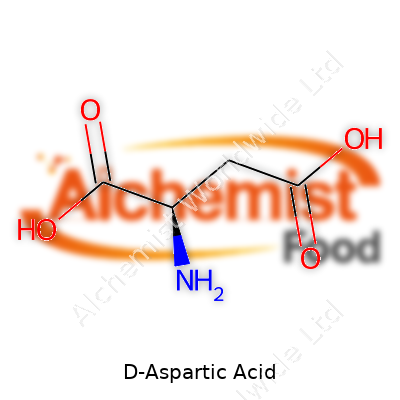
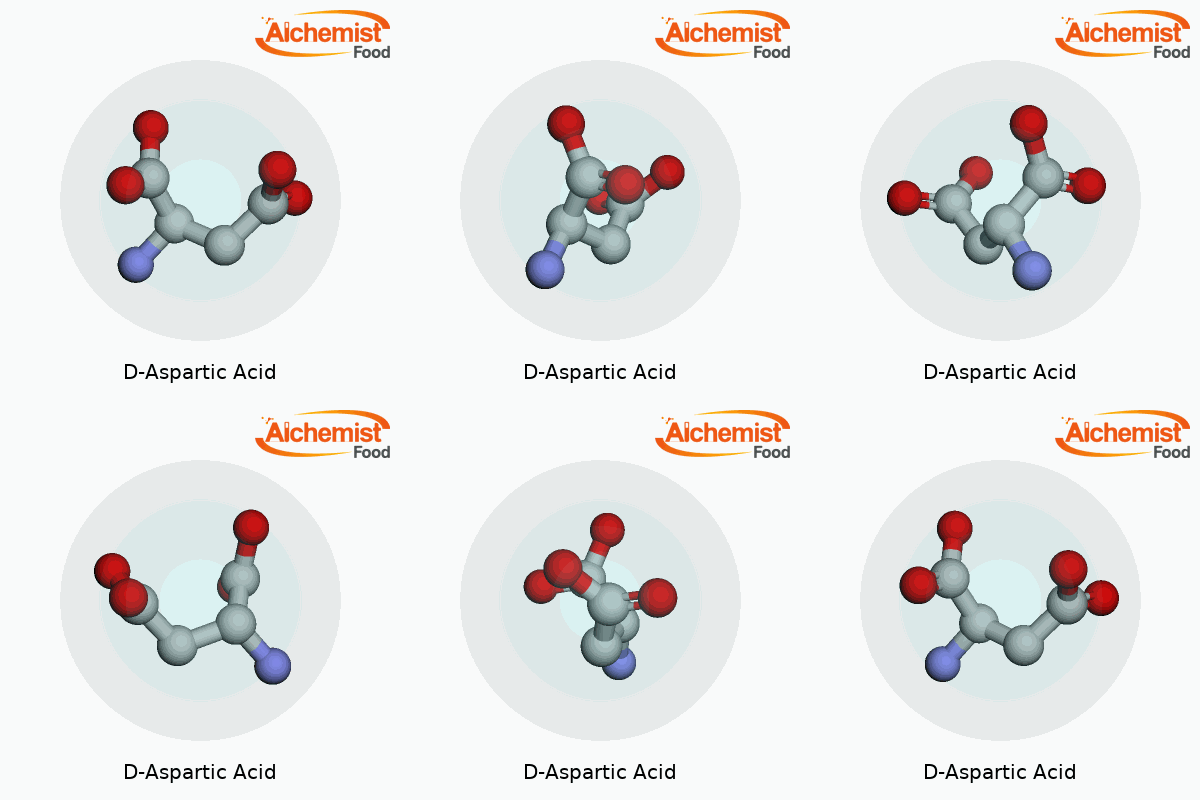
| Names | |
| Preferred IUPAC name | (2S)-2-aminobutanedioic acid |
| Other names |
D-Aspartate DAA D-Amino Succinic Acid Aspartic Acid, D-isomer |
| Pronunciation | /diː əˈspɑːrtɪk ˈæsɪd/ |
| Preferred IUPAC name | (2S)-2-aminobutanedioic acid |
| Other names |
DAA D-Aspartate Aspartic Acid D-Isomer D-Asp |
| Pronunciation | /diː əˈspɑːrtɪk ˈæsɪd/ |
| Identifiers | |
| CAS Number | 1783-96-6 |
| 3D model (JSmol) | `3D model (JSmol)` string for **D-Aspartic Acid**: ``` CC(C(=O)O)C(=O)O ``` *(This is the SMILES string representation for D-Aspartic Acid, which is used in JSmol and other molecular visualization tools.)* |
| Beilstein Reference | 1207938 |
| ChEBI | CHEBI:16026 |
| ChEMBL | CHEMBL1230 |
| ChemSpider | 55560 |
| DrugBank | DB00141 |
| ECHA InfoCard | 03e87c58-9d6f-4e28-abba-8d2127cff3fc |
| EC Number | 200-826-7 |
| Gmelin Reference | 1596001 |
| KEGG | C00357 |
| MeSH | D-Aspartic Acid |
| PubChem CID | 4673 |
| RTECS number | AJ9376000 |
| UNII | 0P408GHV38 |
| UN number | UN3077 |
| CAS Number | 1783-96-6 |
| 3D model (JSmol) | `3D7M` |
| Beilstein Reference | 3596800 |
| ChEBI | CHEBI:16027 |
| ChEMBL | CHEMBL1277 |
| ChemSpider | 92182 |
| DrugBank | DB04553 |
| ECHA InfoCard | 12bfa123-41fa-4d62-8e57-bd62a130b171 |
| EC Number | 215-624-9 |
| Gmelin Reference | 69644 |
| KEGG | D00128 |
| MeSH | D-Aspartic Acid |
| PubChem CID | 4377 |
| RTECS number | CK3280000 |
| UNII | RU4S6E2FJS |
| UN number | UN3077 |
| Properties | |
| Chemical formula | C4H7NO4 |
| Molar mass | 133.10 g/mol |
| Appearance | White crystalline powder |
| Odor | Odorless |
| Density | 1.26 g/cm³ |
| Solubility in water | Soluble in water |
| log P | -3.89 |
| Vapor pressure | Negligible |
| Acidity (pKa) | 3.90 |
| Basicity (pKb) | 1.96 |
| Magnetic susceptibility (χ) | -5.9 × 10⁻⁶ |
| Refractive index (nD) | 1.630 |
| Dipole moment | 3.01 D |
| Chemical formula | C4H7NO4 |
| Molar mass | 133.10 g/mol |
| Appearance | White crystalline powder |
| Odor | Odorless |
| Density | Density: 0.95 g/cm³ |
| Solubility in water | Soluble in water |
| log P | -3.89 |
| Acidity (pKa) | 3.9 |
| Basicity (pKb) | 8.8 |
| Magnetic susceptibility (χ) | -13.95 × 10⁻⁶ cm³/mol |
| Refractive index (nD) | 1.600 |
| Dipole moment | 4.53 D |
| Thermochemistry | |
| Std molar entropy (S⦵298) | 143.2 J·mol⁻¹·K⁻¹ |
| Std enthalpy of formation (ΔfH⦵298) | -1008.8 kJ/mol |
| Std enthalpy of combustion (ΔcH⦵298) | -1474.4 kJ/mol |
| Std molar entropy (S⦵298) | 110.7 J·mol⁻¹·K⁻¹ |
| Std enthalpy of formation (ΔfH⦵298) | -938.5 kJ/mol |
| Std enthalpy of combustion (ΔcH⦵298) | -1559 kJ mol-1 |
| Pharmacology | |
| ATC code | A15AA26 |
| ATC code | A15AA08 |
| Hazards | |
| Main hazards | May cause respiratory and skin irritation. |
| GHS labelling | GHS07: Exclamation mark |
| Pictograms | GHS07, GHS08 |
| Signal word | Warning |
| Hazard statements | No hazard statements. |
| Precautionary statements | Keep out of reach of children. For adults only. Consult physician if pregnant/nursing, taking medication, or have a medical condition. Store in a cool, dry place after opening. |
| NFPA 704 (fire diamond) | 1-0-0 |
| LD50 (median dose) | 7300 mg/kg (rat, oral) |
| NIOSH | Not Listed |
| PEL (Permissible) | Not established |
| REL (Recommended) | 3000 mg per day |
| IDLH (Immediate danger) | Not established |
| Main hazards | May cause respiratory and skin irritation. |
| GHS labelling | GHS07, WARNING, H315, H319, H335 |
| Pictograms | GHS07 |
| Signal word | Warning |
| Hazard statements | Hazard statements: Not a hazardous substance or mixture according to the Globally Harmonized System (GHS). |
| Precautionary statements | Keep out of reach of children. For adults only. Consult physician if pregnant/nursing, taking medication, or have a medical condition. Store in a cool, dry place after opening. |
| NFPA 704 (fire diamond) | 1-0-0 |
| Autoignition temperature | Autoignition temperature: 410 °C (770 °F) |
| LD50 (median dose) | 3600 mg/kg (Rat, oral) |
| NIOSH | Not Listed |
| PEL (Permissible) | 10 mg/m³ |
| REL (Recommended) | 3000 mg daily |
| IDLH (Immediate danger) | Not established |
| Related compounds | |
| Related compounds |
DL-Aspartic acid L-Alanine L-Glutamic acid N-Methyl-D-aspartic acid |
| Related compounds |
L-Aspartic acid N-Methyl-D-aspartic acid Aspartate Glutamic acid Succinic acid |



