Cystine: A Closer Look at an Underappreciated Amino Acid
Historical Development
Cystine has been an object of scientific curiosity since its discovery in the early 19th century. Early chemists, using rudimentary extraction methods, first isolated it from urinary stones, leading to a slow realization that this sulfur-containing amino acid mattered far beyond rare diseases. Its presence in wool and hair opened new doors in biochemistry, ushering in a wave of protein structure research. The development of protein sequencing techniques in the mid-20th century pushed cystine into the spotlight. Biochemists began to appreciate the role disulfide bonds played in stabilizing proteins, influencing everything from basic nutrition science to the creation of new therapies. In the past few decades, cystine research has expanded into fields like food technology, pharmaceuticals, and cosmetics. Each wave of innovation builds on a foundation set by those early protein chemists, making cystine a bridge to understanding the structure and function of life at a molecular level.
Product Overview
Commercial cystine is a nonessential amino acid, often produced through hydrolysis of keratin-rich materials or fermentation using specific microbial strains. The products come in both L- and DL- forms, sold as pure white crystals or fine powders. It finds use in dietary supplements, cell culture media, pharmaceuticals, and even in beauty products. Demand shows up not only in the health industry but also among athletes and people recovering from surgery, since cystine offers building blocks for critical antioxidants like glutathione. The emergence of vegan and synthetic variants has changed the sourcing landscape, reducing reliance on animal-based raw materials, which helps both from an ethical and supply-chain standpoint.
Physical & Chemical Properties
Cystine appears as a nearly odorless, tasteless white crystalline powder. It exhibits poor water solubility compared to most amino acids, dissolving best in acidic solutions. Every molecule contains a disulfide bond: two cysteine side chains link at their sulfur atoms, producing a rigid, stable dimer. This disulfide structure holds great significance in protein folding and stability. Its melting point hovers near 240°C with decomposition, making it suitable for various industrial and research uses. Chemically, cystine stands out for its ability to act as a redox shuttle, toggling between reduced (cysteine) and oxidized (cystine) states. That redox capability supports cellular resilience against stress, which is why interest continues in the medical and biotech sectors.
Technical Specifications & Labeling
Manufacturers typically specify cystine by purity level, usually above 98%, confirmed by HPLC or titration. Identification involves melting point determination, IR spectroscopy, and elemental sulfur content. Pharmacopeias set moisture content thresholds below 0.5%, limit heavy metal contamination, and demand transparent labeling about isomeric composition. Some products target pharmaceutical standards, listing additional information such as pyrogenicity testing or microbial limits. Tub packaging with clear batch specifications—manufacturing date, lot number, expiry—protects both buyer and user. Countries plot extra requirements for food additives and nutraceuticals, involving traceability and allergen declarations. Stakeholders need these standards to ensure the safety and reliability of the ingredient at every level, whether for consumer supplements or sensitive injectable drugs.
Preparation Method
Industrial cystine comes from two main routes: chemical extraction from keratin-rich sources like feathers and hair, or fermentation using bacteria such as Escherichia coli or Corynebacterium glutamicum. Hydrolysis breaks down keratin into amino acids, from which cystine is separated by sulfur oxidation and crystallization steps. Biotechnological production offers more eco-friendly alternatives—microbial fermentation converts glucose into cystine, using genetically engineered strains that overexpress cysteine oxidase. The downstream process typically includes centrifugation, purification, and repeated crystallization to achieve high purity. These methods also work to reduce off-flavors and odor, problems often seen with crude extracts.
Chemical Reactions & Modifications
Cystine’s industrial and research value comes from its reactivity. That central disulfide bond allows for reversible redox reactions, offering a gateway to creating functional derivatives. Reduction with agents like dithiothreitol or mercaptoethanol splits cystine into two cysteine residues. Oxidative conditions, whether enzymatic or chemical, can drive cysteine back to cystine. The disulfide bond can be selectively protected or modified to create crosslinkers, making cystine a popular starting material for designing special peptides and proteins. It can be alkylated, acylated, or utilized as a linker in hybrid organic-inorganic materials. In food applications, breaking and reforming these bonds underlies the texture of baked products, while synthetic chemists rely on cystine for building advanced drug delivery systems.
Synonyms & Product Names
Suppliers and researchers recognize cystine through many names. Chemical catalogs may refer to it as “L-Cystine,” “(R,R)-Cystine,” or simply “Cystine.” Pharmacopeia standards use terms such as “Acidum cystinicum” or abbreviate to “CySS.” Technical literature sometimes uses “2,2′-Dithiobis(2-aminoacetic acid),” which signals its bis-amino and disulfide structure. In nutritional contexts, labels might use “Cystine supplement” or include it under “amino acid complex.” Each synonym reflects a different slice of its application or a technical nuance needed by that market. Practically, these terms serve as flags for the buyer or researcher so they match the right form and quality standard to their project or product.
Safety & Operational Standards
Cystine ranks as a low-hazard amino acid for most uses, but bulk handling or pharmaceutical compounding requires oversight. Manufacturing plants maintain GMP (Good Manufacturing Practice) certifications and monitor airborne dust, since fine cystine particles may pose inhalation risks. Modern safety data sheets emphasize eye and skin protection, especially in high-volume contexts. No major reactivity hazards exist, but operators monitor for dust explosivity and chemical contamination. Pharmaceutical and food-grade manufacturing calls for trace metal and microbial testing, as well as cross-contamination control. Training, protective gear, and validated cleaning processes keep risk in check for both workers and end-users. Regulatory agencies in the US and Europe audit suppliers regularly, while logistics companies package cystine to avoid moisture uptake and damage during transportation.
Application Area
Cystine shows up in a surprising range of places, many outside the mainstream—it plays a big role not only in nutritional biochemistry, where it serves as a precursor for glutathione, but also in skin and hair products, thanks to its connection with keratin. Sports nutrition supplements often feature cystine, together with methionine and cysteine, for antioxidant replenishment. Medical foods for rare genetic disorders lean on cystine’s non-protein nitrogen value for specialized diets. In the pharmaceutical industry, cystine helps stabilize peptides that need disulfide bonds for activity. Researchers use it in animal cell culture to promote cell growth. Certain food manufacturers harness cystine for dough conditioning and flavor stabilization. Toothpastes and hair treatments use small amounts to improve strength or repair. Cystine’s footprint stretches from basic biochemistry labs to supermarket shelves, making it a versatile and surprisingly essential ingredient.
Research & Development
Scientists keep finding new angles for cystine, especially as interest in redox biology grows. Research labs across the globe explore how cystine supplementation affects aging, recovery after injury, or chronic disease progression. Gene editing and metabolic engineering push the envelope on microbial cystine production—tinkering with fermentative routes has lowered costs and increased purity. Studies focus on new derivatives that promise improved bioavailability or function in targeted drug delivery. Teams have investigated whether cystine supplementation can boost immune recovery following viral infections or chemotherapy. The growing push for synthetic biology solutions has led to platform strains turning cheap feedstocks into cystine at commercial scale. Medical science continues to investigate cystine-rich proteins in the search for new therapies against cystinuria and other metabolic diseases. The diversity of research shows how central cystine is, not only as a building block but as a model system for both plant and animal biology.
Toxicity Research
Most toxicity studies rate cystine as safe at moderate doses, placing it in the same risk category as other naturally occurring amino acids. High intake over long periods can lead to kidney stone formation, particularly in people with metabolic predispositions. Rodent studies have mapped out the safe upper limits, giving supplement formulators solid numbers to work with. Acute toxicity appears low, with lethal dose concentrations far above normal dietary exposure. Human trials show only rare allergic or gastrointestinal responses at supplement doses. The key safety concerns stem from poorly purified or contaminated product, underscoring the need for strict regulation and supplier transparency. No evidence links cystine to carcinogenic, mutagenic, or reproductive toxicity. Toxicological profiles keep expanding as researchers gain better analytical tools, offering a reassuring safety margin for most consumer and research uses.
Future Prospects
Cystine now holds a unique position at the edge of nutrition, biomedical science, and materials engineering. Changes in consumer preference—toward plant-based and cruelty-free—ignite demand for synthetic and fermentative cystine. Advances in CRISPR gene editing speed up the pace of strain development, lowering production costs and opening new industrial applications. In medicine, targeted release capsules and injectable formulations featuring cystine-rich peptides are likely to become more common as precision health takes center stage. Companies pushing for biodegradable packaging and “green” food processing might look to cystine’s redox chemistry for next-generation, bio-compatible coatings and preservatives. Basic research will dig deeper into cystine signaling in disease, potentially leading to new treatments for oxidative stress, protein misfolding disorders, and even viral infections. As more teams explore the boundaries of what an amino acid can do, cystine looks set to remain a mainstay across science and industry.
What is Cystine used for?
What Is Cystine?
Cystine shows up in more places than most people expect. It’s a non-essential amino acid formed from two cysteine molecules linked by a disulfide bond, meaning your body can make it, and food sources help support daily intake. Cystine is not some obscure compound hidden away in a lab. Walk into a supplement shop, pick up a protein formula, or look at the ingredient list in some pharmaceuticals, and there's a fair chance cystine plays a part.
Nourishing the Body: Nutrition and Supplements
Doctors and nutritionists suggest cystine-rich foods to help maintain healthy hair, skin, and nails. The body uses cystine to build keratin, which is critical for those parts of the body. People dealing with brittle hair or slow nail growth sometimes turn to supplements containing cystine, hoping for improvement. I remember meeting a few folks who swore their nutritionist-prescribed cystine made a difference for their lackluster hair during stressful times.
Athletes chase optimal muscle recovery, looking for ingredients that help manage fatigue and muscle repair. Cystine helps synthesize glutathione, one of the body’s key antioxidants. Glutathione counters oxidative stress triggered by heavy workouts, protecting tissue and supporting immune defenses. There’s research that ties adequate glutathione levels with shorter recovery windows and greater resistance to illness during rigorous training periods.
Medical Uses: More Than Just a Supplement
Hospitals and clinics turn to cystine for certain conditions. Chronic respiratory diseases burden millions worldwide, and some treatments harness cystine derivatives to help break down thick mucus in cases of cystic fibrosis or chronic bronchitis. In these scenarios, the body’s own ability to thin mucus falls short, and cystine-based compounds help patients breathe more easily.
Therapeutic protein formulas for those who struggle to absorb amino acids sometimes include cystine. Critically ill patients, or people with specific metabolic issues, can't rely on a regular diet to deliver what's needed. Doctors tailor medical nutrition plans, which sometimes rely on cystine to maintain muscle mass and support healing.
Looking at Broader Impacts: Consumer Products and Beyond
Pharmaceutical manufacturers use cystine for more than just the active ingredient. The stability cystine brings makes drugs easier to store and transport, cutting down waste and loss. Food companies experiment with cystine to create special bakery blends, where it strengthens dough and helps locks in flavor and moisture.
Amino acids like cystine make big claims in the beauty market, too. Shampoos and cosmetic serums highlight its inclusion for supporting “revitalized” hair strength or faster-growing nails. Whether these benefits pay off depends on the user and formulation, but it certainly reflects cystine’s growing reputation.
Moving Forward: Ensuring Safety and Accessibility
Research into cystine’s roles still moves at a steady pace. All nutrients play their part, but not everyone needs cystine supplements. Healthcare professionals warn against taking anything on a whim—excess amino acids can strain kidneys, trigger metabolic problems, or interact with medications. A responsible approach means listening to experts, reading labels carefully, and checking sources for quality. Those steps protect consumers and help ensure people only get the benefits cystine can offer.
Understanding the many jobs cystine handles—nutrition, medicine, consumer products—puts the spotlight on why people pay attention. Nobody gets healthier by magic. Every ingredient counts. Cystine earns a spot in the conversation because of what it can do for people's bodies and daily lives, especially when supported by science and careful manufacturing.
Are there any side effects of taking Cystine?
What Cystine Does in the Body
Cystine often shows up in conversation about hair supplements, skin care routines, and some medical conditions. This amino acid comes built in from what many people already eat. Foods like meat, eggs, and dairy offer cystine naturally. Some supplements throw in even more cystine, either for strengthening hair or for other health claims. People notice it on the labels of popular products and might wonder if extra amounts cause any trouble.
How Side Effects Can Creep In
Most healthy adults get cystine just from food without side effects. People curious about cystine supplements should know that nothing clears the body without a trace. Excess of any amino acid can nudge the system off balance. Enough cystine from food or pills rarely harms, but things start to shift at high doses.
Common side effects that pop up with large cystine doses can include stomach pain, nausea, and loose bowels. Those symptoms match the usual suspects with many supplements that tax digestion. What usually slides by unnoticed with a meal can irritate the gut when taken as a pill on an empty stomach. Some people feel nothing at standard doses, and others run into heartburn or even a headache.
Looking Deeper: Who Should Be Cautious?
For most grown-ups without kidney issues, cystine runs through the system and washes out with urine. People with kidney stones know to watch sulfur-containing amino acids like cystine. Too much can build stones, and cystinuria—a rare inherited disorder—makes these stone risks real. Just a few children and adults in every million carry genes for cystinuria, but anyone in that small group should limit sources of cystine, not add more.
Folks with problems breaking down proteins, people with chronic kidney trouble, or anyone using medication that affects sulfur metabolism should check with a physician before picking up a new supplement. My own experience seeing friends with kidney stones unfolds as long appointments, many bottles of water, and a genuine fear of another painful attack.
Why Quality and Source Matter
Supplements come in all shapes and forms, but purity can vary. Some cheaper sources skip testing for contaminants or put in mystery fillers. Trustworthy brands follow good manufacturing practices and post third-party results. The source of cystine, and how much lands in each pill, matters more than many realize.
Reading ingredient lists and the amount per serving mean everything for anyone supplementing. More doesn’t always mean better—a steady dose found in a healthy diet meets regular needs. Anyone drawn in by internet claims promising better hair, faster muscle gains, or magic skin from cystine alone should keep those expectations in check. The real work comes from balanced nutrition and habits, not megadoses of any one supplement.
Practical Steps and Possible Solutions
Anyone considering cystine outside of meals or on top of an already protein-heavy plan should talk to their healthcare provider. A routine blood and urine test helps spot any subtle imbalances. People at risk for kidney issues benefit from more water; hydration helps flush extra cystine. Supplement manufacturers can post more educational warnings about who should avoid large doses. Clearer advice helps keep people safe.
Cystine from food keeps things balanced for most. If someone really wants to take extra, picking a doctor-tested brand and watching for side effects makes sense. Most importantly, trust science, not hype. Everyday diets tend to provide enough cystine without extra help.
How should I take Cystine supplements?
Understanding Cystine and Its Purpose
Anyone searching for tips on taking cystine supplements probably has specific reasons—maybe thinning hair, muscle recovery, or a chat with a nutritionist led you here. Cystine comes from two cysteine molecules joined together, and in the body, cystine helps build proteins, supports immune function, and even plays a role in hair growth. Some folks with genetic conditions or dietary gaps look to cystine capsules or powders to fill what’s missing.
Who Should Consider Cystine Supplements?
Most healthy diets provide enough cystine, especially for those eating protein-rich foods. People looking for extra support might feel drawn to these supplements—vegetarians, vegans, or those hitting the gym hard. Research from clinical nutrition journals points to possible benefits for skin and hair strength, particularly for people experiencing deficiencies. Anyone considering cystine for medical conditions—like cystinuria (a kidney disorder) or severe malnutrition—must loop in their healthcare provider first, since too much cystine gets risky.
How to Take Cystine Supplements
Doctors suggest sticking with cystine doses found on product labels or as prescribed—usually around 100-500 mg per day. Most brands prepare cystine in capsule or powder form, meant to be swallowed with water and, ideally, taken alongside food to limit stomach upset. I’ve tried different amino acid supplements through my fitness journey, and I felt a difference when I kept a bottle next to my breakfast. Regular timing makes a habit stick, so pick morning or lunch, and avoid taking with tea or coffee, which could mess with absorption.
Watching for Side Effects and Interactions
All supplements come with potential side effects. Nausea or upset stomach shows up for some people, especially with higher doses. Rarely, high cystine intake has contributed to kidney stones. If kidneys already run into trouble, medical advice matters even more. Certain medications interact with amino acid supplements—these include immunosuppressants, some antibiotics, and drugs affecting the metabolism of amino acids. Always bring supplement details to your pharmacist or doctor.
Quality, Purity, and Science
Supplements sometimes slip past strict oversight. Smart shoppers look for reputable brands carrying third-party certifications—like USP, NSF, or ConsumerLab. These seals help dodge products containing unwanted fillers or inaccurate dose information. The National Institutes of Health recommends picking products with transparent ingredient lists and clear storage instructions. Store cystine in cool, dry spaces. Sun and humidity leave amino acids clumped or degraded.
Healthy Habits Beat Shortcuts
Amino acid supplements such as cystine shouldn’t act as a replacement for solid meals. Whole foods—lean meats, eggs, dairy, nuts, and legumes—deliver cystine and other nutrients together, fueling energy and cell repair. Supplements give a nudge, not a free pass to skip out on drinking enough water or keeping active. Anyone worried about hair loss or weakness will want a complete checkup, as the problem sometimes points to iron, protein, or vitamin shortages.
Takeaway
Cystine supplements appeal to people chasing better health, hair, or recovery, but they perform best when slotted into an overall healthy routine. If you feel unsure, a registered dietitian or physician can break down whether cystine can add value—or just add clutter and cost to your health plan.
Is Cystine safe for long-term use?
Navigating the Role of Cystine in Health
If anyone has ever shopped for supplements or read the ingredient list on hair and skin products, cystine pops up now and then, usually overshadowed by trendier amino acids like lysine or leucine. Cystine, a sulfur-containing amino acid, acts as a building block in proteins throughout the body. The liver can produce it from methionine, so most people with a varied diet rarely run short under normal circumstances.
Conversations about amino acid supplements kick up a lot of hopes and concerns. Health forums brim with stories of people trying cystine to improve hair growth or strengthen nails. Some folks explore it for liver health or as an antioxidant. This buzz raises an obvious question for anyone considering a regular dose: Is cystine safe to use over the long haul?
Digesting the Evidence
Researchers have been looking at cystine for decades. I’ve found that most scientific studies focus on its cousin, cysteine, which the body converts to and from cystine. Results point out that cystine helps form glutathione, one of the body's most important antioxidants. Many routine multivitamins and protein powders contain cystine in one form or another—so, for the average adult, it just blends into the background of daily nutrition.
I dug into the safety research and, so far, no red flags pop up for healthy adults using reasonable doses. Side effects turn up primarily at high doses, and usually as mild digestive issues. It’s rare to hear about serious trouble unless a person’s already dealing with a specific condition. People with cystinuria, a kidney disorder causing cystine stones, have a well-known reason to avoid cystine supplements. For everyone else, there’s no strong evidence showing harm from normal intake.
The Pitfalls of Supplement Hype
Advertising often stretches what the science actually supports. It’s tempting to see a 'natural' supplement like cystine as risk-free. Over twenty years working with family and neighbors in the health field, I've seen how people try adding things to their routine and sometimes run into unexpected setbacks. Cystine builds on what the body already gets, so piling on more doesn’t always produce better results.
Many cases of people running into trouble with supplements trace back to mixing multiple products or choosing mega-doses. Without careful tracking, these habits put strain on the kidneys and liver—even when using well-known amino acids.
How to Use Cystine Wisely
Smart choices always start with talking to a healthcare professional, especially if anyone manages an ongoing health condition or takes medication. Children, pregnant women, and older adults see changes in how their bodies handle supplements over time. No two people process amino acids the same way.
Reading supplement labels, checking the ingredient list, and keeping track of everything that goes into the body helps. The FDA doesn’t screen supplements as tightly as prescription drugs, so stick to trusted brands that publish third-party lab results. I always remind friends and family that regular check-ins with a doctor can flag potential concerns before they turn serious.
Any supplement—including cystine—works best as a small supporting act in a lifestyle grounded in balanced meals, stress management, and regular movement. Whole grains, lean proteins, and lots of vegetables fill in the gaps, so there's less need to chase isolated amino acids.
Science continues to evolve on amino acids and long-term impacts. Cystine looks safe for healthy adults at typical doses, but don’t treat it as a silver bullet. Keep priorities on simple nutrition and careful oversight. That steady approach gives the best shot at long-term health without stumbling into supplement pitfalls.
Can Cystine help improve hair and nail health?
The Science Behind Cystine
Anyone who has tried strengthening weak nails or tackling thin hair probably knows there are plenty of products and supplements promising quick fixes. One nutrient turning heads these days is cystine. This amino acid shows up in a lot of supplements for hair and nails, sparking real questions about whether it truly offers benefits.
Cystine comes from two cysteine molecules bonded together. It’s a building block in the structure of keratin, which makes up most of our hair and nails. If hair is constantly shedding or nails break without much force, some nutritionists suggest a closer look at sulfur-containing amino acids—cystine being front and center.
What Actually Happens in the Body?
Keratin needs structural support to keep hair strong and nails resistant to splitting. Sulfur bridges, created by cystine, give keratin this stability. I learned this firsthand after years of chasing solutions for brittle nails and thinning hair. After bloodwork came back showing low levels of certain amino acids, my doctor nudged me to try foods rich in cystine—like eggs, legumes, and lean meats. Gradually, I saw improvement.
Scientific studies back up this real-life experience. Research published in dermatology journals notes that patients with certain hair disorders, like telogen effluvium or brittle hair syndrome, often see improvement after supplementing with cystine and other nutrients. The European Food Safety Authority laid out in 2009 that cysteine and cystine play a proven role in normal hair and nail growth. More focus has come on combinations, like cystine paired with B vitamins or trace minerals, because these work together in keratin production.
Not a Miracle—But a Piece of the Puzzle
It’s important to recognize that cystine alone won’t fix problems caused by medical conditions or physical stress on the body. Genetics, hormone levels, autoimmune disease, and environmental damage can all wreck healthy hair and nails—no supplement magically solves this. Still, if bloodwork picks up a deficit in cystine or related amino acids, addressing it makes sense.
Cystine supplements show up in pharmacies and health stores, promising shinier hair and tougher nails. Reading the fine print, many products suggest daily doses of 500-1000 mg, well within the safe range for most people when balanced with a healthy diet. Overuse could stress the kidneys, especially in folks with existing kidney issues, so a quick check-in with a healthcare provider is worth the effort.
Food Sources and Smarter Choices
Not everyone needs pills. As someone who saw benefits from dietary changes, I always suggest starting with food. Poultry, cheese, sunflower seeds, oats, and lentils pack in cystine naturally. Meals rich in protein usually give enough. For those with restricted diets or special needs—like vegans, seniors, or people dealing with chronic illness—supplements might help fill the gap.
Personal care for hair and nails works best as a full package: a balanced diet, enough hydration, good sleep, and some patience. Cystine can play a valuable role for some, based on science and lived experience, but isn’t the only answer. Paying attention to what goes into the body, learning from bloodwork results, and not chasing shortcuts keeps everything in perspective.
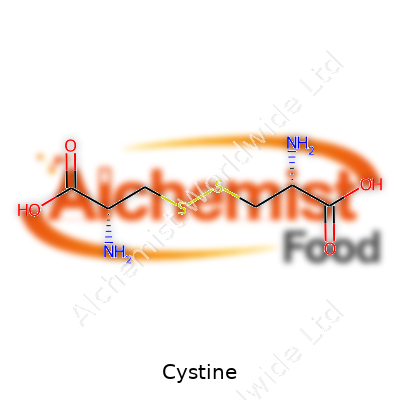
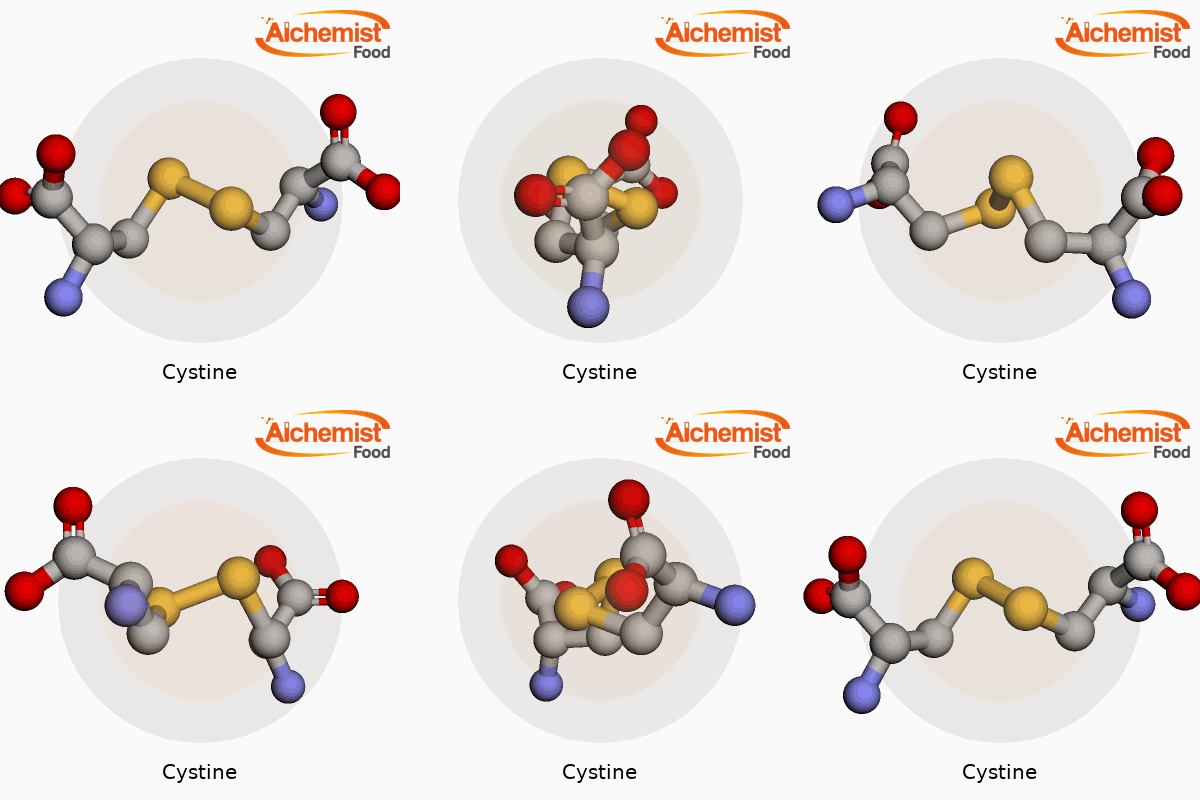
| Names | |
| Preferred IUPAC name | (2R,2'R)-1,1'-dithiobis(2-aminopropanoic acid) |
| Other names |
Cystine dihydrate Dicystine SRCystine |
| Pronunciation | /ˈsɪs.taɪn/ |
| Preferred IUPAC name | 3,3'-disulfanediyldialanine |
| Other names |
Cystin |
| Pronunciation | /ˈsɪs.taɪn/ |
| Identifiers | |
| CAS Number | 56-89-3 |
| 3D model (JSmol) | `C[C@H](CSSC[C@@H](C)C(=O)O)C(=O)O` |
| Beilstein Reference | 3580780 |
| ChEBI | CHEBI:17053 |
| ChEMBL | CHEMBL430 |
| ChemSpider | 54640 |
| DrugBank | DB00120 |
| ECHA InfoCard | DTXSID9022472 |
| EC Number | EC Number 200-157-7 |
| Gmelin Reference | 8787 |
| KEGG | C00191 |
| MeSH | D003562 |
| PubChem CID | 67678 |
| RTECS number | WLQ3850000 |
| UNII | 18K153921L |
| UN number | UN2811 |
| CAS Number | 56-89-3 |
| Beilstein Reference | 1723493 |
| ChEBI | CHEBI:17015 |
| ChEMBL | CHEMBL2054 |
| ChemSpider | 566 |
| DrugBank | DB00126 |
| ECHA InfoCard | 100.007.359 |
| EC Number | 3.4.11.3 |
| Gmelin Reference | 5227 |
| KEGG | C00191 |
| MeSH | D003570 |
| PubChem CID | 6109 |
| RTECS number | WLQ6X20A71 |
| UNII | 18ANJ16F7S |
| UN number | UN2811 |
| Properties | |
| Chemical formula | C6H12N2O4S2 |
| Molar mass | 240.30 g/mol |
| Appearance | White crystalline powder |
| Odor | Odorless |
| Density | 1.68 g/cm³ |
| Solubility in water | sparingly soluble |
| log P | -2.5 |
| Vapor pressure | Negligible |
| Acidity (pKa) | 6.87 |
| Basicity (pKb) | pKb = 2.02 |
| Magnetic susceptibility (χ) | -65.0·10⁻⁶ cm³/mol |
| Refractive index (nD) | 1.668 |
| Dipole moment | 5.13 D |
| Chemical formula | C6H12N2O4S2 |
| Molar mass | 240.30 g/mol |
| Appearance | White crystals or crystalline powder |
| Odor | Odorless |
| Density | 1.68 g/cm³ |
| Solubility in water | Poorly soluble |
| log P | -2.74 |
| Vapor pressure | Vapor pressure: <0.01 mm Hg (20°C) |
| Acidity (pKa) | 8.33 |
| Basicity (pKb) | 7.64 |
| Magnetic susceptibility (χ) | -76.0e-6 cm³/mol |
| Refractive index (nD) | 1.740 |
| Dipole moment | 5.48 D |
| Thermochemistry | |
| Std molar entropy (S⦵298) | 151.0 J·mol⁻¹·K⁻¹ |
| Std enthalpy of formation (ΔfH⦵298) | -182 kcal/mol |
| Std enthalpy of combustion (ΔcH⦵298) | -1230.4 kJ mol⁻¹ |
| Std molar entropy (S⦵298) | 137.2 J·mol⁻¹·K⁻¹ |
| Std enthalpy of formation (ΔfH⦵298) | -192 [kJ/mol] |
| Std enthalpy of combustion (ΔcH⦵298) | -1225.1 kJ mol⁻¹ |
| Pharmacology | |
| ATC code | A16AA02 |
| ATC code | A16AA02 |
| Hazards | |
| Main hazards | May cause respiratory and eye irritation. |
| GHS labelling | GHS07; GHS08 |
| Pictograms | CYSTINE" pictograms: `"GHS07"` |
| Signal word | Warning |
| Hazard statements | H302: Harmful if swallowed. |
| Precautionary statements | Keep out of reach of children. If medical advice is needed, have product container or label at hand. |
| NFPA 704 (fire diamond) | 1-0-0-W |
| Flash point | 174°C |
| Autoignition temperature | 260 °C |
| Lethal dose or concentration | LD50 intravenous mouse 600 mg/kg |
| LD50 (median dose) | LD50: 1200 mg/kg (rat, oral) |
| PEL (Permissible) | 50 mg/m³ |
| REL (Recommended) | 50 mg |
| Main hazards | May cause respiratory irritation. May cause skin and eye irritation. |
| GHS labelling | GHS07, GHS08 |
| Pictograms | SS-1 |
| Signal word | Warning |
| Hazard statements | H302, H319 |
| Precautionary statements | P264, P270, P301+P312, P330, P501 |
| Flash point | > 233 °C |
| Autoignition temperature | 260 °C (500 °F) |
| Lethal dose or concentration | LD50 oral rat 8500 mg/kg |
| LD50 (median dose) | LD50 (median dose): 1200 mg/kg (rat, oral) |
| NIOSH | Not Listed |
| PEL (Permissible) | Not established |
| REL (Recommended) | 50 mg per day |
| Related compounds | |
| Related compounds |
Cysteine Homocystine Methionine Glutathione Cystine disulfoxide |
| Related compounds |
Cysteine Homocystine Cystathionine Penicillamine Methionine |



