Copper Chloride: From Alchemical Roots to Modern Innovation
Historical Development
Copper chloride’s history stretches back to early alchemists who hunted for new colors and materials, boils away over open flames and crude distilleries. Long before chemical equations hung on every classroom wall, hints of this green-blue compound turned up in stained glass, dye vats, and ancient medicine. Medieval manuscripts mention it under strange names, often in recipes for pigments and fabric treatments. By the 18th century, industrial chemists saw copper chloride as useful for etching, textile manufacturing, and—eventually—laboratory chemistry classes. Its official recognition in systematic chemistry came as analytical methods sharpened in the 1800s. Over centuries, the story shifted from mystical curiosity to a modern commodity, shaped by scientific curiosity, commercial needs, and sharp-eyed factory workers.
Product Overview
Copper chloride shows up in two main forms: cupric chloride (CuCl2) and cuprous chloride (CuCl). Each form steps into different roles in science and industry. Cupric chloride turns up as vibrant green or blue-green crystals, sometimes called “Spanish green.” This version attracts attention for its strong oxidizing ability and its knack for forming complex ions. Cuprous chloride, a pale white or gray powder, feeds into applications where reducing agents play a role, such as in catalyst manufacturing or metal recovery. Both dissolve well in water, launching a wide range of chemical reactions. Their differences set the stage for plenty of niche uses—no one-size-fits-all story.
Physical & Chemical Properties
Cupric chloride typically forms needle-like crystals, easily mistaken for gemstones under the right light. Hydrated versions carry a brilliant blue-green hue, while the anhydrous salt is more brownish-yellow. It melts at about 498°C and boils close to 993°C, so it handles plenty of heat before giving in. As for solubility, water opens up its structure, yielding greenish solutions. Cuprous chloride shies away from water, showing minimal solubility but sticking to its job as a strong reducing agent. Shoved into a furnace, it decomposes before melting, a quirk that keeps it interesting in lab settings. Both versions release toxic fumes under extreme heat, so respect for chemical handling remains crucial.
Technical Specifications & Labeling
Industrial-grade copper chloride comes with purity ratings, water content percentages, and designated hazard warnings on every drum or bag. Labels show the chemical formula, batch numbers, manufacturer addresses, and GHS hazard pictograms. In laboratories, purity matters: research-grade must test below set limits for heavy metal contaminants, ensuring no unexpected elements enter reactions. Some shipments arrive hydrated, others anhydrous, a detail spelled out in labeling to avoid processing mishaps. Shipping containers wear UN numbers and transport symbols to help handlers identify risks and legal duties.
Preparation Method
Manufacturing starts by reacting copper with chlorine gas or by mixing copper compounds with hydrochloric acid under controlled temperatures. For cupric chloride, heating copper metal in a stream of chlorine gas creates a direct conversion to the blue-green salt. Large-scale producers often run copper oxide or copper carbonate into concentrated hydrochloric acid, which yields copper chloride and water as byproducts. For cuprous chloride, reducing copper(II) solutions with sulfur dioxide or other mild reducing agents strips oxygen atoms away, pushing the reaction back to the +1 oxidation state. Equipment in these plants resists corrosion, and air filtering systems trap toxic dust and fumes. The process rewards careful attention, as slight shifts in acid strength or temperature skew product output quickly.
Chemical Reactions & Modifications
Copper chloride steps up as both an oxidant and a catalyst, meaning it often sits at the center of redox reactions. In organic synthesis, it can chlorinate aromatic rings, or help join two carbon atoms together where a lesser chemical can’t. Aquatic solutions of cupric chloride lend themselves to the production of polymers, pharmaceuticals, and sometimes in etching metal plates for circuit boards. It reacts briskly with ammonia, forming deep blue or green complexes prized in analytical chemistry. Under reducing conditions, cupric chloride turns into cuprous chloride or even copper metal, depending on the strength of the reducing agent. Adjusting concentration, temperature, or additives can push the reaction down various paths, each suited to specific industrial needs.
Synonyms & Product Names
Cupric chloride often goes by names such as dicopper dichloride, copper(II) chloride, or even verdigris in older texts. Cuprous chloride appears under monikers like copper(I) chloride, or by trade names in manufacturing catalogs and technical data sheets. International language variants—chlorure de cuivre (French) and Kupferchlorid (German)—pop up in import-export circles. Labeling shifts according to use: pigment manufacturers might spotlight its color, while electronics suppliers focus on grade, crystal form, and water content.
Safety & Operational Standards
Copper chloride warrants careful handling. Both cupric and cuprous forms irritate skin, eyes, and respiratory systems, demanding gloves, goggles, and fume hoods in labs or factories. Inhalation can trigger headaches, difficulty breathing, or, in serious cases, long-term lung damage. Storage containers must absolutely seal tight to block moisture and prevent leaks. As copper compounds accumulate in soils or water, they threaten aquatic life, making wastewater containment and proper disposal major regulatory issues. OSHA and EU standards control workplace exposure, setting strict limits on dust and vapor levels. Emergency procedures cover accidental spills and chemical contact, with safety showers hung nearby and clear evacuation routes marked out.
Application Area
Copper chloride straddles multiple industries. Agriculturists sometimes use diluted forms as fungicides, dampening mold outbreaks on grapes or potatoes. Textile processors reach for it to etch fibers, fix dyes, or boost colorfastness, especially in silk and wool. Circuit board manufacturers count on copper chloride in “etchant” baths to carve micro-patterns in copper layers—a step in nearly every smartphone or computer on the market. Catalysis also draws from its talents: chemical plants run hydrocarbon chlorination or carbon-carbon coupling reactions with copper chloride as a steady catalyst. Museum conservators prize it for artificial patina creation, coaxing greenish-blue hues onto restored bronze or copper sculptures. Each use draws from different aspects—some tap its oxidative bite, others lean on color or solubility.
Research & Development
Chemists keep pushing copper chloride’s boundaries. New research tinkers with its properties as a catalyst for green chemistry routes that cut waste and boost efficiency in drug manufacturing. Scientists test nano-sized copper chloride particles for antibacterial coatings or as part of next-gen solar cell assemblies. Researchers interested in environmental impact trace its breakdown and bioaccumulation in soil and water, searching for safer alternatives while safeguarding productivity. Analytical chemists explore its behavior in trace detection methods, hoping to better monitor industrial pollution and drinking water quality. The push for sustainability means new formulations that degrade more safely or recover easily from waste streams.
Toxicity Research
Copper chloride demands vigilance on toxicology fronts. Human exposure studies tie it to gastrointestinal trouble, nausea, diarrhea, and (at high concentrations) potential liver or kidney damage. Skin contact usually produces mild-to-moderate irritation, while airborne particles can bring breathing difficulties. Long-term workplace exposure studies show that chronic ingestion or inhalation could contribute to copper buildup in organs, possibly triggering neurologic or vascular symptoms, although common industrial exposure levels remain well below these danger zones. Aquatic toxicology research flags copper chloride as especially tough on fish and invertebrates, prompting local regulations on manufacturing runoff and strict water treatment protocols. Toxicology specialists push for biodegradable alternatives or tighter control technologies in places where copper chloride’s environmental footprint looms largest.
Future Prospects
Copper chloride's future leans toward smarter, safer handling, and sharper applications. Materials scientists bet on copper chloride as a stepping stone for advanced semiconductors, magnetic storage materials, or hybrid catalysts built for sustainable synthesis. Regulations may tighten further, but engineering advances in recycling and waste stream management should help keep its use viable across technology sectors. Ongoing work on nanoscale copper chloride aims for wound healing, high-performance batteries, or energy-efficient chemical transformations, a world away from the dusty jars of early alchemists. Researchers see promise in sources that reclaim copper chloride from industrial byproducts or even e-waste, tapping circular economy principles for cost savings and environmental gains. Ethical handling, robust oversight, and creative science will likely shape how this old chemical keeps finding new relevance in the decades to come.
What are the main uses of Copper Chloride?
Heavyweight in Chemistry Labs
Copper chloride shows up in every high school lab kit I ever saw. Teachers like to use it for simple experiments that turn clear water green, then brown, then back again. Its vivid color changes stick in your memory and help kids understand chemical reactions fast. This salt dissolves easily, so you see results in real time. That’s chemistry made hands-on. Even in advanced research, it acts as a reactant to help scientists build molecules and explore new medicines. Some of the most promising medical compounds started in a beaker with a pinch of copper chloride.
Key Player in the Electronics Industry
Staring at a printed circuit board, you wouldn’t guess copper chloride helped make it happen. But I watched a PCB factory etch out the fine lines of metal using baths filled with copper chloride. The solution eats away unwanted copper, cutting clean paths for electric current. Manufacturers depend on this process to carve hundreds of tiny connections, small enough to power your phone or laptop. Without it, circuit makers would struggle to keep up with consumer demand for ever-faster gadgets.
Metal Finishing and Surface Treatment
Anyone who’s seen outdoor sculptures turn green knows about copper’s magic with surfaces. Copper chloride helps with metal finishing by making copper coats stick to steel and other metals. I saw a dad polish old car parts, dipping them in a copper chloride bath to prevent rust. It’s not only about good looks. That extra layer protects tools used in factories, shops, and even dairy tanks from corroding and wearing out too soon. This supports the entire chain, from manufacturing through to customer hands.
Dyeing and Pigments in the Textile World
Dye houses lean on copper chloride to add earthy greens and deep blues to fabrics. This salt sets dyes, keeping shirts and dresses from fading in the wash. Every time I buy a bright green sports shirt, I remember how certain chemical fixes ensure that color stays for the long run. Its use isn’t just old news—fashion keeps searching for rich, long-lasting colors, especially in swimwear and uniforms. Reliable color matters in branding, too, helping teams and brands stand out.
Role in Agriculture
Older farmers talk about using copper chloride as a fungicide that controls mold and blight. Vegetable and fruit growers trust these sprays to keep plants healthy, especially in humid climates where disease sweeps in overnight. It’s a battle I’ve seen firsthand in tomato patches after heavy rain, where a measured dose can mean the difference between abundance and loss. Today’s rules demand safety checks to protect food and soil, but copper mixtures still offer a strong line of defense.
Looking at the Bigger Picture
Because copper chloride supports electronics, metalwork, colorfast fabrics, and healthy harvests, it makes an impact far from the chemistry lab. It brings up questions about safe handling, pollution, and recycling—concerns I hear more about every year. Reclaiming copper from used solutions saves money and keeps factories in line with environmental standards. Research into new alternatives promises to lower risks but for now, careful use and cleaning remain vital. The way copper chloride bridges lab science with everyday object shows why it stays important, as long as we keep an eye on safety and the environment.
Is Copper Chloride hazardous or toxic?
Getting to Know Copper Chloride
Most folks bump into copper chloride in labs, science classrooms, or factories. The greenish blue crystals show up in everything from pigment production to fungicides on crops. They also pop up in the electronics world, playing a part in printed circuit boards. With copper, you expect something sturdy and reliable. Toss in some chlorine, and it turns into something a little less predictable. It’s this unpredictability that raises eyebrows about safety and health.
Hazards and Health: What You Should Know
It’s tempting to assume copper chloride plays nice because copper pipes line city plumbing and salt seasons dinner. The catch: not all forms of copper and chlorine impact health in the same way. Copper chloride enters the body most often through inhalation or skin contact, rather than through food. Breathing dust or fumes stirs up irritation in airways, nose, and eyes. Anyone handling the powder for a stretch could feel nausea or a metallic taste in the mouth, sometimes even vomiting. Repeated contact may leave patches of skin red and itchy. Over time, even small amounts encourage chronic effects, including liver and kidney strain.
Some people shrug off warnings. They claim, “Plenty of compounds give you a rash or make you wheeze.” Here’s the rub: copper chloride dissolves easily in water and slides right through the skin’s defenses, especially with prolonged contact or hot, sweaty hands. An extra issue lands in the lap of factory workers or anyone stuck in a room with poor ventilation. Airborne particles sneak into lungs with each breath, and not everyone uses protective gear or proper gloves.
The Environmental Side of the Story
Plants and animals don’t get a free pass, either. Labs determined copper chloride leaches into waterways after industrial use. Fish exposed to even low doses build up the metal in their tissue. Over time, this damages gills, disrupts growth, and knocks food chains out of balance. Farmers using copper-based sprays face a double-edged sword: crops may show fewer fungi, but soil health suffers as worm and microbe populations dip. These creatures work behind the scenes to keep fields fertile. When copper chloride builds up, crops may see short-term gains but lose out over the long haul as soil turns less productive.
Solutions for Safety and Sustainability
Clear-eyed awareness beats ignorance every time. Workers handling copper chloride need straightforward, enforced guidelines. Companies should provide gloves that don’t break down, goggles that seal tightly, and solid ventilation. Safety briefings seem like busywork to the impatient, but they signal a commitment to long-term health—even if that slows things down. Decision makers must track copper chloride concentrations in production and storage areas, while waste treatment plants filter runoff before it slips into streams.
On farms, rotation with non-copper pesticides gives the ground a chance to recover. Composting and organic practices also help repair soil hit with chemical runoff. Products meant for home use need bold labeling. Fewer folks misuse a product when instructions are easy to follow and risk isn’t buried in fine print.
Copper chloride serves many purposes in industry and science. Still, risk doesn’t shrink just because regulations exist. People stay safer when they know what they’re working with, ask questions, and protect themselves with real gear—never just good intentions. Honest conversations about hazards lead to better habits across the board, and those changes ripple through workplaces and ecosystems alike.
How should Copper Chloride be stored?
Storage Isn’t Just a Formaility
Anyone who’s ever worked with chemicals—whether in a school science lab or a commercial setting—knows that storage decisions don’t just live in the safety manual. These choices can shape outcomes in powerful ways, from daily workflow to health. Copper chloride gets underestimated quite often. It looks like a fuss-free green or blue salt, but beneath the surface it carries a real potential to harm, both people and the local environment.
Risks in the Wrong Corner
Copper chloride, both in anhydrous and dihydrate form, absorbs moisture from the air. Leave a bottle uncapped, and you may find clumps and degradation by the next day. That thin powder or crystalline stuff also doesn’t belong anywhere near food prep or sources of drinking water. Research points out that copper compounds can damage fish and invertebrates, so a chemical shelf near a sink becomes not just careless, but risky. Toxic dust and fumes, especially when heated, can sneak out if containers leak or lids get loose.
Sunlight, Humidity, and the Wrong Rooms
The sweet spot for storing copper chloride isn’t a mystery. It thrives in dry, cool, well-ventilated areas. Direct sunlight breaks down plenty of chemical products, and copper chloride is known to change properties if light or heat presses down on it day after day. Anyone who's ever seen a faded label or sticky lid knows sunlight is a menace. That’s why companies with any volume of chemical inventory train their staff—keep stock out of the path of sunbeams, away from radiators, space heaters, or hot pipes.
Simple Steps, Serious Returns
Every school or lab tech remembers running drills about chemical labeling. Clear, durable tags with hazard warnings and handling recommendations do more than check a regulatory box—they cut down on emergencies. Specialized storage cabinets, especially those built for corrosives, add a layer of protection if shelf accidents happen. Copper chloride belongs in original, tightly-sealed containers made from glass or suitable plastic, not makeshift jars or leftover drink bottles. Cardboard absorbs moisture and spills, so it fails on both the durability and safety fronts.
People, Not Just Paper Protocol
Protocols save lives, but habits play a bigger role. Regular checks—every couple of weeks—catch leaks or fading labels early. In businesses with inventory turnover, I’ve watched personnel create a shared log, flagging any container that looks odd or misplaced. This accountability beats out one-off safety meetings every time. Biannual training, where staff can handle hypothetical spill scenarios, builds muscle memory. Storing copper chloride on low, accessible shelves—never above eye level—cuts down on reach-and-grab mishaps, which count for a shocking number of minor lab injuries each year.
The Legal and Environmental Angle
The EPA and OSHA regulate copper compounds for a reason. Waterways and soils bounce back slowly after copper chloride contamination, and poorly-managed labs can wind up in trouble after a single draining of mop water. It’s always smart to put a spill kit, gloves, and a dust mask close by. Waste shouldn’t ride out with household trash, either. Relying on certified chemical disposal services keeps classrooms and offices free of slow-building hazards.
Building a Culture of Caution
Anyone who’s seen the aftermath of a chemical accident knows the value in walking the extra mile with storage. It’s about respect, not just for rules, but for the people using the same shelves tomorrow. Encourage questions, keep protocols visible, and remember the chemical doesn’t care about intentions—it reacts, no matter what. Proper storage leaves little to chance.
What is the chemical formula of Copper Chloride?
Understanding the Numbers Behind the Name
Ask about copper chloride, and more often than not, you’ll get the formula CuCl2. That’s the one used in most science classes and seen in bottles at hardware stores. The “Cu” comes from copper, and “Cl” stands for chlorine. Put them together, you get a simple compound, at least on paper. This isn’t just a chemistry test tidbit, though. The way elements join up changes how they behave, which matters more than most realize.
Why a Simple Formula Matters More Than It Looks
Copper itself shows up everywhere, from plumbing pipes to pennies. Adding chlorine shifts things. Suddenly, you have something fit for industry jobs or chemistry labs. Chemists know two common versions: copper(I) chloride (CuCl) and copper(II) chloride (CuCl2). CuCl2 comes in a bright blue-green powder, and that color hints at what’s underneath—electrons dancing at just the right energy levels.
School science books teach about chemical formulas, but seeing CuCl2 in a beaker shows real evidence that formulas shape our lives. In my high school days, I remember dissolving those blue-green crystals—watching the water turn color, feeling the mix between curiosity and caution. I think back to those moments often. Handling chemicals makes you realize they carry far-reaching effects across food, water, and health.
Copper Chloride at Work and Play
Beyond classrooms, businesses count on copper chloride. Textile manufacturers use it to dye and print fabric. Stained wood gets its rich look thanks to compounds like CuCl2. Sometimes, I notice an oddly green-tinted piece of wood, and I imagine all that copper chloride at work shielding it from rot and insects.
The industrial world depends on chemical formulas being right every time. There’s no guessing. Purity matters, especially for electronics, where copper chloride helps etch neat, tiny lines into printed circuit boards. Without tight control, circuit patterns turn out sloppy. The right balance of copper and chlorine keeps everything clicking along. Getting the formula wrong could mean products fail or safety drops.
Where Things Go Wrong: Risks on the Table
But life isn’t all manufacturing and school labs. Spills and poor disposal send copper chloride into water streams, where aquatic life takes the hit. Even in small amounts, it creates problems for fish and plants. At home, I learned to never pour leftover chemicals down the drain—one careless move sends copper compounds moving into unexpected places. That lesson stuck after I watched a neighbor’s garden suffer from what seemed like simple runoff.
OSHA and EPA have strict rules around copper chloride use and disposal, but too many folks don’t realize how even minor interactions add up. I’ve seen how risky shortcuts can lead to trouble in workplaces. A little more awareness and a few extra minutes reading disposal instructions protect both people and planet.
Smarter Chemistry for Tomorrow
Folks working with copper chloride need good habits—storage in labeled containers, gloves, and careful disposal. Schools can help by teaching the link between a chemical’s formula and its day-to-day impact. I remember feeling much more responsible about science after seeing these lessons in action.
Copper chloride isn’t just a formula in a textbook. That blend of copper and chlorine, with its little subscript “2,” shapes not just reactions in a test tube but also the choices we make around safety, industry, and the environment.
How is Copper Chloride disposed of safely?
Copper Chloride Isn’t Just Any Chemical
A bright blue-green salt, copper chloride pops up on the shelves of school labs and in factories. It helps with metal etching, textile production, and even as a catalyst in chemical reactions. But once the work finishes and a jar sits half-used on a shelf, most folks don’t stop to think about what happens next. That’s where real responsibility begins.
The Environmental Risks of Improper Disposal
Some chemists once poured dilute solutions down the sink, believing water treatment would handle it. Today, we know copper disrupts waterways, harming aquatic life with even low levels. For context, the U.S. EPA lists copper as toxic to both plants and fish above certain thresholds. When copper chloride breaks down, copper ions can linger, build up in sediments, then make their way into drinking water or the food chain.
Once, I saw a small leak from a broken copper chloride bottle stain a storeroom floor green-blue. The janitor thought bleach would sort it out. Instead, the cleaned spot smelled like chlorine and the stain stayed. This isn’t a mess bleach or soap fixes. Left unchecked, that little patch could wash outside and straight into the soil—then a storm could sweep it who knows where.
Disposal: More Than Just Pouring Chemicals Away
Sold as either copper(I) or copper(II) chloride, both versions pose hazards. Pouring it down a drain risks local water safety—those ions are stubborn. Landfill disposal doesn’t work either; rain can wash the salt into groundwater. So, lab managers, teachers, and industry workers face a critical question: How to remove this risk safely?
Best practice calls for proper hazardous waste handling. Facilities should collect copper chloride wastes in clearly labeled, sealed containers. Regular checks help prevent leaks. Many places rely on licensed chemical waste contractors, who process and neutralize copper compounds. These companies often use methods like precipitation—adding chemicals to turn dissolved copper back into a solid, easier to trap and separate from water.
On a small scale, it’s possible for trained professionals to treat solutions in lab settings. For instance, mixing copper chloride with soda ash will form insoluble copper carbonate, a less mobile compound. That powder still warrants careful disposal—never toss it in the regular trash—but at least it won’t slip through a drain. In my teaching days, we kept a dedicated bucket for copper solutions, emptied only when the hazardous waste team came by.
Time for More Training and Better Habits
People handling copper chloride deserve clear rules, honest training, and regular updates on risks. Even hobbyists or students should know the basics: label containers, never pour unknowns down the sink, and call for a professional when unsure. It doesn’t just protect waterways and wildlife—it shields people, too. I’ve seen the sense of responsibility grow in young chemists once they learn how copper persists in nature long after the experiment ends.
Looking Ahead
Copper chloride disposal reflects a bigger conversation about chemical waste. Every bottle, every leftover bit, calls for a thoughtful plan. Teamwork among regulators, teachers, industry leaders, and communities stands out as crucial. Investment in chemical training pays off—not just in labs, but out in the communities relying on safe drinking water and clean soil.
Care with copper chloride sets a standard. Small choices today shape the environment tomorrow.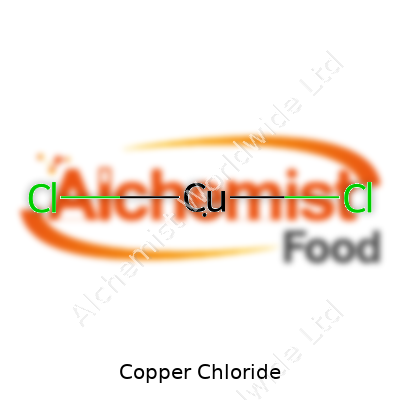
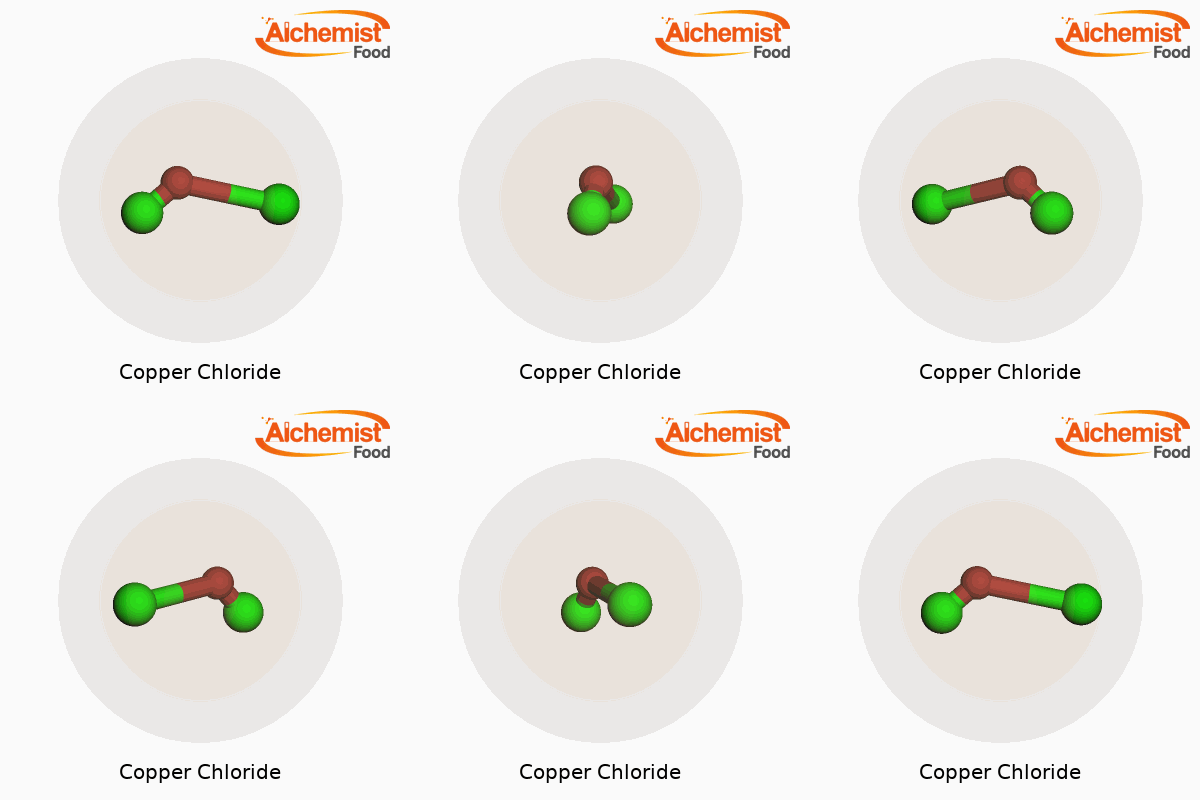
| Names | |
| Preferred IUPAC name | Copper(II) chloride |
| Other names |
Cupric chloride Copper(II) chloride Copper dichloride |
| Pronunciation | /ˈkɒpər ˈklɔːraɪd/ |
| Preferred IUPAC name | Copper(II) chloride |
| Other names |
Cupric chloride Copper(II) chloride Dicopper chloride Copper dichloride |
| Pronunciation | /ˈkɒpər ˈklɔːraɪd/ |
| Identifiers | |
| CAS Number | 7758-89-6 |
| Beilstein Reference | 3587525 |
| ChEBI | CHEBI:31206 |
| ChEMBL | CHEMBL1200842 |
| ChemSpider | 14122 |
| DrugBank | DB09449 |
| ECHA InfoCard | 03c9c6c8-9171-4f1e-ae88-4ae6ca3016f1 |
| EC Number | 231-210-2 |
| Gmelin Reference | Gmelin Reference: "Gmelin 686 |
| KEGG | C01840 |
| MeSH | D003992 |
| PubChem CID | 24015 |
| RTECS number | GL7296000 |
| UNII | 88PQJ0878R |
| UN number | UN2802 |
| CompTox Dashboard (EPA) | CompTox Dashboard (EPA) of product 'Copper Chloride' is "DTXSID3040002 |
| CAS Number | 7447-39-4 |
| Beilstein Reference | 385377 |
| ChEBI | CHEBI:51008 |
| ChEMBL | CHEMBL1210356 |
| ChemSpider | 50452 |
| DrugBank | DB09153 |
| ECHA InfoCard | 0355-76-4 |
| EC Number | 231-210-2 |
| Gmelin Reference | Gmelin Reference: **8411** |
| KEGG | C01765 |
| MeSH | D003995 |
| PubChem CID | 27058 |
| RTECS number | GL6910000 |
| UNII | YZ4I1Q4902 |
| UN number | UN2802 |
| Properties | |
| Chemical formula | CuCl2 |
| Molar mass | 134.45 g/mol |
| Appearance | Greenish yellow crystalline solid |
| Odor | Odorless |
| Density | 2.51 g/cm³ |
| Solubility in water | 75 g/100 mL (25 °C) |
| log P | -0.48 |
| Vapor pressure | Negligible |
| Acidity (pKa) | 6.4 |
| Basicity (pKb) | -6.5 |
| Magnetic susceptibility (χ) | +94.0e-6 |
| Refractive index (nD) | 1.659 |
| Viscosity | Viscosity: 1.54 cP (25°C) |
| Dipole moment | 0 D |
| Chemical formula | CuCl₂ |
| Molar mass | 134.45 g/mol |
| Appearance | Greenish-yellow to brown crystalline solid or powder |
| Odor | Odorless |
| Density | 2.51 g/cm³ |
| Solubility in water | 756 g/L (25 °C) |
| log P | -1.08 |
| Vapor pressure | Negligible |
| Acidity (pKa) | 6.5 |
| Basicity (pKb) | 6.7 |
| Magnetic susceptibility (χ) | +95.0e-6 cm³/mol |
| Refractive index (nD) | 1.85 |
| Dipole moment | 1.90 D |
| Thermochemistry | |
| Std molar entropy (S⦵298) | 110.9 J·mol⁻¹·K⁻¹ |
| Std enthalpy of formation (ΔfH⦵298) | -220 kJ/mol |
| Std molar entropy (S⦵298) | 137.0 J·mol⁻¹·K⁻¹ |
| Std enthalpy of formation (ΔfH⦵298) | -220 kJ/mol |
| Pharmacology | |
| ATC code | V08DX04 |
| ATC code | B03AK02 |
| Hazards | |
| Main hazards | Harmful if swallowed, causes skin and eye irritation, may cause respiratory irritation, toxic to aquatic life. |
| GHS labelling | GHS07, GHS09 |
| Pictograms | GHS05,GHS07 |
| Signal word | Danger |
| Hazard statements | H302, H315, H319, H410 |
| Precautionary statements | P264, P270, P273, P280, P301+P312, P330, P391, P501 |
| NFPA 704 (fire diamond) | 2-2-2-Acide |
| Lethal dose or concentration | LD50 oral rat 584 mg/kg |
| LD50 (median dose) | LD50 (median dose): Oral-rat LD50: 584 mg/kg |
| NIOSH | BGM |
| PEL (Permissible) | 1 mg/m3 |
| REL (Recommended) | 10 mg/m3 |
| IDLH (Immediate danger) | 100 mg/m3 |
| Main hazards | Harmful if swallowed, causes skin and eye irritation, may cause respiratory irritation, toxic to aquatic life |
| GHS labelling | GHS02, GHS07, GHS09 |
| Pictograms | GHS05,GHS07 |
| Signal word | Warning |
| Hazard statements | H302, H315, H319, H332, H400 |
| Precautionary statements | P264, P280, P301+P312, P302+P352, P305+P351+P338, P330, P337+P313, P362+P364, P501 |
| NFPA 704 (fire diamond) | 2 0 1 |
| Lethal dose or concentration | LD50 oral rat 584 mg/kg |
| LD50 (median dose) | LD50 (median dose) of Copper Chloride: "140 mg/kg (oral, rat) |
| NIOSH | BSS285 |
| PEL (Permissible) | 1 mg/m³ |
| REL (Recommended) | 0.01 mg/L |
| IDLH (Immediate danger) | 100 mg/m3 |
| Related compounds | |
| Related compounds |
Copper(II) chloride Copper(I) chloride Copper(II) sulfate Copper(II) nitrate Iron(III) chloride |
| Related compounds |
Copper(I) chloride Copper(II) bromide Copper(II) sulfate Copper(II) nitrate |



