Cobalt Chloride: A Practical Exploration
Historical Development
Cobalt chloride has carried a quiet yet steady presence since its discovery in the late 18th century, when chemists first started breaking down minerals to isolate elements. Early on, cobalt compounds turned up in glassmaking and pottery, giving a blue tint to everything from stained glass to porcelain. Back then, the understanding around their structure and applications ran thin. Later, as chemistry advanced, cobalt chloride became a mainstay for tests and demonstrations, helping generations connect color change with chemical reaction. With each decade, the specifics around making, purifying, and using cobalt chloride grew sharper. Chemists published work in well-known science journals, fueling deeper studies in advanced materials, sensors, and physiological tests. That long track record means modern users reap benefits from centuries of close study and adaptation.
Product Overview
Cobalt chloride stands as a favorite among laboratory staples for those who need a quick, visible signal in chemical reactions. In its most recognizable form — cobalt(II) chloride hexahydrate — folks find deep pink or purple crystals, though it swings to blue as the compound dries out. That distinctive color change makes it ideal for moisture detection kits, science classes, and demonstrations. It comes both in solid and solution forms, shipped and stored in sturdy, labeled bottles. Industrial uses expand far past the classroom, covering battery manufacturing, electroplating, and the production of invisible inks that reveal themselves only under certain conditions. Manufacturers stake their reputation on providing product that fits strict purity standards, since impurities can throw off chemical readings and reactions.
Physical & Chemical Properties
On the bench, cobalt chloride hexahydrate takes the form of pink crystals, easily dissolving in water to yield a solution ranging from faint red to deep blue, depending on how dry it gets. The anhydrous form, made by careful heating, trades the pink color for blue crystals. Most chemists memorize its most well-known party trick: color swings. Add water, the blue directions swing red; dry it out, the pink turns blue again. These shifts come from changes in the arrangement of water molecules around the cobalt ion, affecting how light bounces off the compound. Cobalt chloride easily grabs at water vapor, making it a natural for humidity sensors. Its melting point sits just below 90 °C in hydrated form; heating sheds water step by step. Solid cobalt chloride won’t burn, but in strong fire, it breaks down and gives off nasty fumes containing cobalt oxides and chlorine.
Technical Specifications & Labeling
Quality matters. Reliable suppliers sell cobalt chloride with purity often listed at 98% or above, confirmed by precise titration, gravimetric analysis, or inductively coupled plasma mass spectrometry. Labels go beyond just the name, listing CAS number (7646-79-9 for the hexahydrate) and hazard signals, backed by rigorous batch certification. Shipping paper trails include physical and chemical characteristics, manufacturing dates, and best storage conditions. Lab bottles recommend sealed containers, away from direct humidity, to keep the color stable and readable. Package markings follow global safety agreements, with UN numbers and hazard pictograms for toxic and environment danger. File that under “don’t ignore”: small mistakes in labeling could cause major accidents or missed safety cues.
Preparation Method
Cobalt chloride springs from direct chemical action: start with pure cobalt metal, drop it in concentrated hydrochloric acid, and let the fizz of hydrogen gas bubble off. Over a short time, the pink solution forms and cools to yield hexahydrate crystals upon evaporation. Folks working at larger scale filter and recrystallize to knock out trace contaminants, then dry and sieve the product for even texture. Industry sometimes skips the metal step, beginning instead with cobalt carbonate or hydroxide, dissolving solids into hydrochloric acid with similar results. Commercial operations watch pH strictly and use closed systems to trap any hydrogen. After the reaction, leftover acids get neutralized, and dilute solutions are sent to water treatment so environmental rules stay followed. Waste handling has become much stricter, limiting accidental releases into the outside world.
Chemical Reactions & Modifications
Chemists love cobalt chloride for its ready participation in a whole lineup of reactions. Dropping ammonia or potassium cyanide into solution produces vivid changes in color as new coordination complexes form, with possibilities stretching from research into quantum materials to blue-ink manufacture. Cobalt chloride swaps its water partners easily for amines, phosphines, and organics, building tailored molecules for study and manufacturing. In redox chemistry, mild oxidizers turn cobalt(II) chloride into cobalt(III) chloride, shifting from pink or blue to dark greenish-brown. For folks working in catalysis, cobalt chloride acts as a starter for making Fischer-Tropsch catalysts, converting carbon monoxide and hydrogen into fuel. Adding certain reducing agents brings cobalt metal out of solution, which gets used in electroplating or fine-powder production. Reaction with silver or gold complexes sometimes finds a home in analytical detection, because the color changes stand out sharply against most backgrounds.
Synonyms & Product Names
Walk into a lab supply house and cobalt chloride goes by plenty of names, including cobaltous chloride and, less commonly now, “muriate of cobalt.” Labels might also read dichlorocobalt or offer chemical shorthand like CoCl2·6H2O, depending on the water content. In various languages and regulatory listings, spelling and punctuation shift slightly. Among consumer goods or specialty products, some products combine cobalt chloride with others, sold as humidity indicator paper or as part of specialty desiccant kits, but the label always points back to the main active agent for safety tracking.
Safety & Operational Standards
Anyone who’s spent time in a lab or factory with cobalt chloride learns to treat it with respect. Cobalt compounds get flagged for toxicity, especially by inhalation or over long skin contact. Long-term exposure raises concerns about cancer and effects on the heart and thyroid. OSHA sets strict workplace exposure limits, and the European Union’s REACH program lists it as a substance of very high concern. Gloves, goggles, a well-ventilated fume hood: these aren’t just good ideas, they’re non-negotiable basics. Spills demand quick action, because dust can spread far, and contact with acids just drags more of it into the air as vapor. Waste storage goes in tightly-sealed, labeled containers, with records on-site and routine checks to prevent accidental releases. Training repeats the message: use cobalt chloride only for what’s needed and keep it out of food and drink areas to avoid accidental contamination.
Application Area
Science teachers keep cobalt chloride hydrated papers on hand for quick demonstrations—just wave over steam or a hot mug and it snaps pink. Industries reach for it as a starting material in making catalysts for chemical plants, in rechargeable battery manufacture, and in alloys with a precise cobalt component. Air conditioning installers still use indicator cards containing cobalt chloride to read moisture build-up in closed systems. In analytical chemistry, tests for trace water or innovative colorimetric assays often reach for cobalt chloride because the visual cues leave no doubt about a reaction’s success. Artists and specialty ink makers use it for hidden patterns, though stricter rules about labeling and disposal limit widespread craft use today. Medical researchers once tested for chloride in bodily fluids with it, but most labs have moved to safer alternatives, keeping cobalt chloride on the shelf only for legacy protocol or instrument calibration.
Research & Development
R&D teams keep returning to cobalt chloride for one clear reason: its restless chemistry and dramatic color changes. Development work in sensors, especially for monitoring building humidity and environmental safety, leans on its sensitivity. In the energy storage space, battery chemists experiment with new variations in electrolyte composition, using cobalt compounds to improve charge and stability. Research on organometallic chemistry and coordination complexes explores how cobalt chloride influences reactivity and structure, with hopes of building new catalysts for green chemistry and carbon capture. Nanotechnology sometimes borrows cobalt chloride processes to deposit fine cobalt particles onto surfaces, tailoring magnets or conducting materials. Every few years new patents appear, showing tweaks for efficiency, color stability under tough conditions, or lower toxicity blends that keep the benefits but reduce risks.
Toxicity Research
Studies in occupational health spotlight personnel working around cobalt chloride, studying links to skin issues, breathing trouble, and possible long-term organ damage. Researchers use animal tests and cellular models to trace exactly how cobalt ions move in the body and identify risky levels. Regulatory bodies now warn against using it in cosmetics, food, or other products with a risk of direct ingestion. Current projects focus on measuring the smallest levels that trigger chronic effects, since cobalt also serves as a trace nutrient in vitamin B12 — it’s a balancing act. Environmental agencies look at water tables and soil to catch early signs of buildup near manufacturing plants. Experiments sometimes focus on how effective personal protective equipment can be, which workers take seriously given the headlines around chemical safety in recent years.
Future Prospects
The role cobalt chloride will play over the next decade depends partly on how global demand shapes up for batteries and catalysts, and partly on how tightly regulators clamp down on hazardous substances. Battery makers in particular bank on cobalt for next-generation energy storage, and research goes full steam into safer forms and recycling options. Alternatives for humidity indicators—using dyes without heavy metals—get strong support, but cobalt chloride’s reliability still keeps it in the running where precision matters. Expect tighter control, more documentation, and growing use in controlled environments, especially for specialty research. Green chemistry initiatives keep pushing for innovations that either minimize cobalt chloride’s risks or trade it for less hazardous compounds, while recycling and recovery programs look to close the loop. Given the watchful eye of global health agencies, every new use invites scrutiny, but the long list of unique properties means cobalt chloride won’t disappear from labs and factories any time soon.
What is Cobalt Chloride used for?
The Color-Shifting Salt in Daily Life
You look at a small vial of cobalt chloride and see crystals that shift from deep blue to pink with a bit of moisture or a warm breath. For most people, that’s where the story ends. For scientists and folks who work with this salt, the real excitement begins with its color-changing trick. Cobalt chloride lands in high school chemistry demo cabinets for this very reason. Teachers love to show off how it reacts with water vapor, changing color right in front of your eyes. Students aren’t just learning a fact about a salt—they see chemistry move and breathe.
Hidden Roles in Science and Industry
Go behind the classroom, and you’ll find that cobalt chloride helps many industries measure moisture. Simple paper strips soaked in it dry blue and flush pink when humidity climbs. These strips sit in silica gel packs, toolboxes, even in gas pipelines. In labs and factories, people rely on its sensitivity to water: the shift signals that a tool or a batch of chemicals might not stay dry much longer. It's quick, visual, and hard to miss—something you want when a missed warning means damaged goods or interrupted experiments.
Power storage technology benefits from this same property. Batteries, especially those used in electric cars and portable devices, get tested for leaks using cobalt chloride-based papers. A pink stain spells trouble, making it a front-line check before batteries leave the factory. This demand for high-precision testing grows as more gadgets flood the market each year.
A Key Compound for Chemical Reactions
In the lab, cobalt chloride works as a catalyst or a starting material for making other cobalt compounds. It helps chemists build complex molecules. This includes drugs, dyes, and certain plastics. Some vitamins, such as B12, actually contain cobalt at their core—though not directly from the chloride form. Researchers use it while developing new medicines and researching how metal ions help cells work. For science fans like me, it's a reminder that humble-looking salts back up some of the most essential breakthroughs.
Risks, Regulations, and Room for Improvement
Cobalt chloride comes with real risks. Handling the powder too carelessly means inhaling or touching something that can irritate skin and lungs. The bigger concern grows from long-term exposure. Some studies point to a possible link to cancer. European countries classify it as a possible carcinogen and urge workers to use strict protection and avoid dumping it down the drain. Companies in the U.S. and around the globe face tighter rules to make sure people aren’t exposed more than needed.
These risks fuel a hunt for safer moisture indicators and alternative chemical tools. Researchers are looking into plant-based compounds or materials using nano-technology to spot humidity without the health risks. Switching away from cobalt chloride takes more than swapping one salt for another. Reliability and cost keep it in use, but the pressure to find better options grows each year.
Everyday Impact and Future Outlook
Cobalt chloride, with its bright color and unique reaction to water, earned its spot both in classrooms and industry floors. The challenge is keeping its benefits while cutting health risks. This needs clear science and guidelines, a bit of creativity, and better ways to alert workers. If safer options come into play, there's a good chance factories and labs will make the switch. Until then, learning all we can about chemicals like this—and being thoughtful with how we use them—remains just as important as any breakthrough in the lab.
Is Cobalt Chloride toxic or hazardous?
A Closer Look at Everyday Risks
Cobalt chloride sounds like one of those chemicals you rarely worry about unless you remember your high school chemistry class. The truth throws a curveball, though — this blue or pink salt shows up in more places than expected, especially in labs, manufacturing, and even in some types of moisture indicators. People who handle chemicals or work with pigments often cross paths with it.
Digging Deeper Than the Label
Safety labels can easily go unnoticed, but cobalt chloride backs up those “toxic” warnings with real effects. Breathing in dust, touching powder, or even letting the stuff linger on skin for too long causes reactions ranging from simple rashes to throat and lung irritation. Some workers in ceramics, glass, or battery industries already know the discomfort that comes from accidental contact or careless handling.
People usually think a little won’t hurt. But chronic exposure builds up. Cobalt acts as a heavy metal inside the body. Regular or high-level contact may bring on asthma-like symptoms, breathing problems, or long-term skin allergies. Some research even links it to more severe issues like thyroid gland changes and increased risk of cancer. The International Agency for Research on Cancer lists cobalt compounds as possibly carcinogenic to humans — not evidence anyone wants to ignore.
No Clear Safe Zones
Cobalt chloride doesn’t need to be swallowed or directly inhaled to cause harm. Even moisture on the skin pulls the chemical deeper, and repeated contact creates problems for health and safety in the workplace. I remember a factory tour where one machine operator rolled his eyes at the idea of “another glove change.” He didn’t see how a tiny shortcut created a big risk for him and the coworker who shares his workstation the next shift. Over time, the odds work against luck, especially when regular safety routines get neglected.
Protecting Health Without Overreacting
Some chemicals cause bouts of public panic, but cobalt chloride slips under the radar. People who deal with it every day usually rely on routine — gloves, masks, quick cleanup — but occasional users might not pay close attention. Old habits make it easy to forget fresh gloves or brush off spilled powder. Real protection comes down to simple consistency: wash hands before touching your phone, don’t eat where you work, replace worn-out gear. These steps seem small, but they make a real difference in lowering risk.
Regulation helps keep this chemical in check. Many countries limit how much cobalt chloride workers can breathe per shift, and employers must provide safety info plus protective clothing. Rigorous workplaces have spill drills and accessible eyewash stations for a reason. Following rules isn’t about checking boxes; it’s about reducing real harm.
Learning From Experience and Data
Labs and factories have shifted away from casual handling of cobalt chloride for a reason. Stories travel faster than safety memos. Over the years, people who took shortcuts ended up with hospital trips, asthma, or allergic reactions, while those who practiced regular hygiene stayed healthy. Data from organizations like the Occupational Safety and Health Administration back up these stories. Studies confirm that chronic cobalt exposure damages breathing, skin, and sometimes more.
Cobalt chloride may look like just another colored powder, sitting quietly in a storage room. But its dangers come out with repeated exposure, lax procedures, or a single careless moment. Handling it with respect isn’t just for big manufacturers — it’s for any person who wants to avoid the long-term health costs that don’t show up right away.
What is the chemical formula of Cobalt Chloride?
Understanding Cobalt Chloride
Cobalt chloride carries the formula CoCl2. On the surface, it’s just another formula in the chemistry books, but over the years, I’ve seen it open doors in everything from the classroom to the research lab. Whether you spot it as blue crystals in the science room or meet it in industry, its changes can signal far more than a simple reaction.
The Science Behind the Formula
Two chlorine atoms lock onto one cobalt atom, making up the basic structure. If you've worked in a chemistry lab, this compound's color change is hard to forget. With water around, it transforms from blue to pink—something I remember first seeing in a high school experiment and finding it almost magical. This isn’t a trick; it’s chemistry showing us its practical side. The formula for the hydrated version, CoCl2·6H2O, teaches a lesson in how water links up with chemicals and alters their personality.
Applications Show Its Real Value
Cobalt chloride doesn’t just play games with colors. In the real world, you will find it in humidity indicators. Open up a silica gel desiccant packet and you might see a tiny cobalt chloride strip inside. I’ve used them to track moisture levels in project boxes holding everything from cameras to scientific equipment. The color shift warns you about excess humidity before that moisture triggers costly damage.
The formula’s importance stretches out further. Chemical research makes use of cobalt chloride’s responsiveness. Chemists apply it in experiments that need to gauge water content or as a reagent that pushes reactions forward. In the classroom, its dramatic color change pulls in students, helping them understand hydration and chemical structure in ways that static diagrams never could.
Potential Risks and Solutions
I always urge caution—cobalt chloride doesn’t do all this good without risks. Health authorities have flagged it for its toxicity and possible cancer links. As a lab regular myself, I have learned that triple-checking gloves and keeping strong ventilation is just common sense. The science backs it up. Long term or repeated contact with the compound should stay out of the equation whenever possible. Companies and schools have swapped in safer alternatives for basic humidity detection, aiming to lower exposure risk.
Between regulation and evolving technology, workplaces can cut down cobalt chloride use substantially without losing critical data or research capabilities. Using electronic humidity sensors or color-changing chemicals with lower toxicity often keeps things safer for everyone. People in jobs where cobalt compounds once filled every toolbox can now turn to updated material safety guides and substitution lists to drive those changes.
Looking Ahead in Chemistry Education
Nothing beats hands-on understanding, though. Even as alternatives improve, cobalt chloride’s formula serves as a classic example for student labs looking to drive home the essentials of chemistry—structure, reactivity, and observable change. It offers a bridge between textbook concepts and what actually happens during an experiment. Through real exposure and responsible use, students learn not just theory, but healthy respect for chemistry’s impact.
How should Cobalt Chloride be stored?
Understanding What’s at Stake
Cobalt chloride isn’t something you’d want out in the open where anyone can touch it. The distinctive pink-to-blue crystals might look almost inviting, but they’re not friendly to skin, eyes, or lungs. Anyone who has spent time working around lab chemicals knows that even a small spill or careless storage can lead to real trouble. Cobalt compounds, including cobalt chloride, rank among substances regulated due to their toxicity and potential health risks—long-term exposure sometimes links to respiratory issues and even an increased cancer risk. The science isn’t abstract here: researchers who develop hives, rashes, or more serious symptoms after repeated exposure prove the point. All workplaces benefit from keeping these risks at the front of their minds.
So, How Do You Store It Safely?
Start simple: keep cobalt chloride in tightly closed containers. Air and moisture start a chain reaction with this material. Contact with atmospheric moisture slowly transforms it, changing the crystal color and, more important, releasing small amounts of hazardous cobalt dust. Glass bottles with good seals or compatible HDPE containers keep moisture out. Metal lids get corroded, so I’d steer clear of them. After seeing a few botched storage jobs, I don’t trust any loose lid to keep these chemicals safe. I always check the seal after use.
Temperature also matters. Heat pushes this substance to release more dust or fumes, and nobody wants to open a cabinet to find mysterious blue powder scattered everywhere. I make sure cobalt chloride goes on a solid, well-labeled shelf or in a locked cabinet, stored at room temperature, away from direct sunlight and heating vents. Keeping it physically separate from acids, alkalis, and oxidizers prevents unintended reactions. Experience tells me that shelving and cabinet organization, with clear labels and hazard signs, goes a long way toward avoiding “mix-up” accidents. Regulations from sources like OSHA echo this approach—control and containment remain central practices for handling any chemical hazard.
Don’t Ignore Documentation and Training
After enough years in science labs and warehouses, complacency becomes the real enemy. Required inventory lists and up-to-date Safety Data Sheets (SDS) serve a purpose, if people actually use them. Whenever new delivery arrives, verify the product matches the documentation and log it immediately. Routine checks for container integrity, clear hazard labeling, and stock rotation help catch problems before an employee faces an emergency. This isn’t just bureaucracy—regulators cite plenty of cases where ignoring these basics led to expensive cleanup or real harm.
Personal Experience and Practical Measures
The best lesson I learned didn’t come from a textbook: watch out for dust and don’t trust your memory alone. The one time I worked in a shop where someone “temporarily” left a cobalt chloride jar open, every nearby container got contaminated with pink-blue dust. Cleaning up took hours and ruined other supplies. Always wear gloves, use a dust mask or respirator if the risk arises, and never eat or drink around chemical storage. These habits aren’t just best practice—they stop the silent creep of exposure nobody sees coming. Setting up a designated chemical storage area, with training refreshers every few months, prevents careless shortcuts. Peers hold each other accountable, and the culture changes for the better.
Building Good Habits: The More You Do It, The Safer Everyone Is
Storing cobalt chloride safely isn’t about following a checklist for its own sake. Safety protects people, preserves lab investment, and meets legal expectations. It feels easy to cut corners, but simple routines—tight seals, dry cool storage, good records, proper gear—pay off every single day someone walks into a laboratory or storeroom. For those who handle hazardous chemicals, attention to storage details sets apart the professionals from the ones headed for trouble.
What safety precautions are required when handling Cobalt Chloride?
Understanding the Risk
Cobalt chloride isn’t some everyday kitchen chemical. I remember my first run-in with it during a college chemistry class. The pinkish crystals look inviting, but the risks aren’t always obvious. Breathing dust or handling the substance without proper protection can result in allergies, skin problems, and longer-term health concerns. The International Agency for Research on Cancer lists cobalt compounds as possible human carcinogens, and years of industrial data link chronic exposure to lung conditions. The dangers don’t disappear just because the stuff looks pretty under the lab light.
Handling It Smartly
I approach cobalt chloride with the same care as I do any hazardous lab material. This isn’t the time to cut corners or skip gloves. Nitrile gloves fit snugly and help avoid skin contact, which can trigger rashes for sensitive folks. Laboratory coats and goggles form a solid barrier, keeping tiny particles away from skin and eyes. Working in a well-ventilated space, preferably a fume hood, goes a long way toward keeping dust out of the lungs. Even a brief lapse — reaching to scratch an itch or cleaning up without protection — could bring trouble.
No one handles chemicals alone in my lab. There’s safety in numbers, especially if someone needs rapid help washing out their eyes or finding the emergency shower. These showers and eyewash stations stay fully stocked and clear at all times. It’s good practice to memorize emergency phone numbers and the quickest exit routes, not just file them away.
Practical Tips in Storage and Cleanup
I always keep cobalt chloride sealed tightly in containers labeled with hazard symbols and clear warnings. Storing it away from food areas and letting no one eat or drink around it keeps accidents to a minimum. After a spill, there’s no casual sweeping under the rug. My method involves damp towels for solid forms, which keep dust from escaping into the air. For liquids, absorbent pads work best since they soak up cobalt chloride solutions without spreading contamination across the floor. Every cleanup ends with thorough washing of hands and any equipment exposed.
Waste doesn’t belong down the ordinary drain. Local rules often require collection in labeled hazardous waste bottles. Mixing cobalt chloride waste with other chemical leftovers spells disaster – chemical reactions can get nasty fast. I stick to dedicated containers and call our waste disposal company so things get handled responsibly, and nobody in the building ends up shouldering unexpected health risks.
Thinking Long-Term
Labs with solid safety culture make a world of difference. I’ve worked in places that treat training on chemical hazards like a formality. That attitude changes real lives, not just test scores. Regular reminders on safe handling – and sharing stories about near-misses – turn rules into habits. The best laboratories set clear expectations, check on colleagues, and never dismiss someone’s safety concern.
Room for Improvement
Companies and schools could do more by investing in better training and personal protective equipment. Fixing old ventilation systems or replacing unreliable fume hoods cuts risk to almost zero. Job postings for lab techs ought to list chemical safety knowledge right alongside degrees and computer skills. Informing workers and students about risks doesn’t just tick a compliance box — it keeps people alive and well.
Making safety part of every step with cobalt chloride creates trust, reduces medical bills, and ensures curious minds can keep learning. My experiences show that skipping safety isn’t just a rule violation — it’s a gamble nobody can afford.
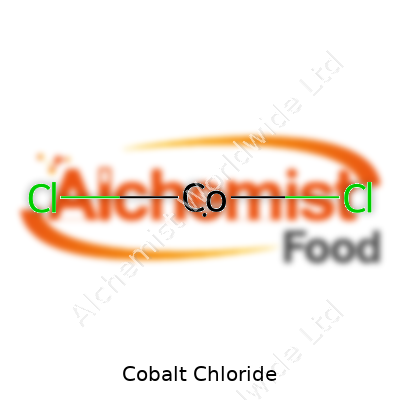
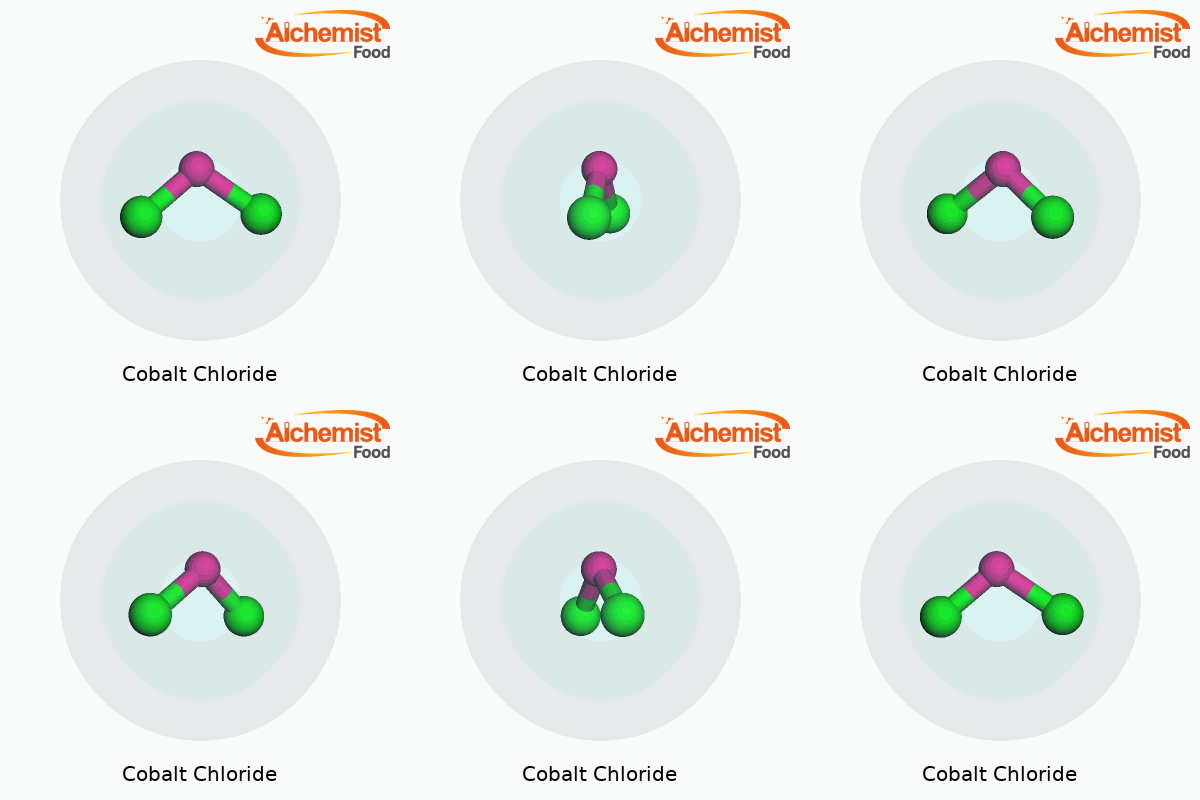
| Names | |
| Preferred IUPAC name | dichloridocobalt |
| Other names |
Cobaltous chloride Cobalt(II) chloride Cobalt chloride hexahydrate Cobalt dichloride |
| Pronunciation | /ˈkoʊ.bəlt ˈklɔː.raɪd/ |
| Preferred IUPAC name | Dichloridocobalt |
| Other names |
Cobaltous chloride Cobalt(II) chloride Dichlorocobalt |
| Pronunciation | /ˈkəʊ.bəlt ˈklɔː.raɪd/ |
| Identifiers | |
| CAS Number | 7646-79-9 |
| Beilstein Reference | 358961 |
| ChEBI | CHEBI:49599 |
| ChEMBL | CHEMBL1200432 |
| ChemSpider | 21519 |
| DrugBank | DB02661 |
| ECHA InfoCard | ECHA InfoCard 100.028.251 |
| EC Number | 231-589-4 |
| Gmelin Reference | 1436 |
| KEGG | C01327 |
| MeSH | D003059 |
| PubChem CID | 24198 |
| RTECS number | GF8575000 |
| UNII | 7GFZ0I9638 |
| UN number | UN3288 |
| CompTox Dashboard (EPA) | DTXSID2020836 |
| CAS Number | 7646-79-9 |
| Beilstein Reference | 3539302 |
| ChEBI | CHEBI:31198 |
| ChEMBL | CHEMBL1200437 |
| ChemSpider | 54610 |
| DrugBank | DB02664 |
| ECHA InfoCard | 03b7fd22-47c0-4340-8929-0ce280311e4d |
| EC Number | 231-589-4 |
| Gmelin Reference | 1741 |
| KEGG | C00641 |
| MeSH | D003016 |
| PubChem CID | 24288 |
| RTECS number | GF9800000 |
| UNII | F5C430YYZY |
| UN number | UN3288 |
| Properties | |
| Chemical formula | CoCl2 |
| Molar mass | 129.839 g/mol |
| Appearance | Blue to purple crystalline solid |
| Odor | Odorless |
| Density | 3.35 g/cm³ |
| Solubility in water | Easily soluble in water |
| log P | -2.47 |
| Vapor pressure | Negligible |
| Acidity (pKa) | 6.0 |
| Basicity (pKb) | -2.28 |
| Magnetic susceptibility (χ) | +2700e-6 cm³/mol |
| Refractive index (nD) | 1.924 |
| Dipole moment | 4.48 D |
| Chemical formula | CoCl2 |
| Molar mass | 129.839 g/mol |
| Appearance | Blue to purple crystalline solid |
| Odor | Odorless |
| Density | 3.36 g/cm3 |
| Solubility in water | 72.5 g/100 mL (20 °C) |
| log P | -2.23 |
| Vapor pressure | Negligible |
| Acidity (pKa) | 6.0 |
| Basicity (pKb) | -3.3 |
| Magnetic susceptibility (χ) | +2900.0e-6 cm³/mol |
| Refractive index (nD) | 1.631 |
| Dipole moment | 4.0 D |
| Thermochemistry | |
| Std molar entropy (S⦵298) | 107.0 J·mol⁻¹·K⁻¹ |
| Std enthalpy of formation (ΔfH⦵298) | -220 kJ/mol |
| Std enthalpy of combustion (ΔcH⦵298) | No data |
| Std molar entropy (S⦵298) | 128.0 J·mol⁻¹·K⁻¹ |
| Std enthalpy of formation (ΔfH⦵298) | -220 kJ/mol |
| Pharmacology | |
| ATC code | V03AB32 |
| ATC code | V09XX04 |
| Hazards | |
| Main hazards | Toxic if swallowed, in contact with skin or if inhaled; may cause an allergic skin reaction; suspected of causing cancer |
| GHS labelling | GHS07, GHS08 |
| Pictograms | GHS06,GHS07,GHS09 |
| Signal word | Danger |
| Hazard statements | H301, H311, H331, H317, H350, H341, H361f, H372, H410 |
| Precautionary statements | P201, P202, P264, P270, P272, P280, P308+P313, P302+P352, P304+P340, P308+P313, P333+P313, P362+P364, P405, P501 |
| NFPA 704 (fire diamond) | 3-0-2 |
| Lethal dose or concentration | LD50 oral rat 766 mg/kg |
| LD50 (median dose) | LD50 (median dose): Oral-rat 766 mg/kg |
| NIOSH | B0011 |
| PEL (Permissible) | 0.02 mg/m3 |
| REL (Recommended) | 0.02 mg/m³ |
| IDLH (Immediate danger) | 50 mg/m3 |
| Main hazards | Toxic if swallowed, suspected of causing cancer, causes serious eye irritation, may cause allergy or asthma symptoms or breathing difficulties if inhaled. |
| GHS labelling | GHS02, GHS06, GHS08 |
| Pictograms | GHS07,GHS06,GHS09 |
| Signal word | Danger |
| Hazard statements | H302, H317, H319, H334, H341, H350, H351, H360F, H410 |
| Precautionary statements | P201, P202, P261, P264, P270, P273, P280, P302+P352, P304+P340, P308+P313, P312, P314, P321, P332+P313, P337+P313, P362+P364, P405, P501 |
| NFPA 704 (fire diamond) | 2-3-2 |
| Autoignition temperature | Above 600°C (1112°F) |
| Lethal dose or concentration | LD50 Oral rat 766 mg/kg |
| LD50 (median dose) | LD50 (median dose): Oral - Rat - 766 mg/kg |
| NIOSH | DT8575000 |
| PEL (Permissible) | 0.1 mg/m3 |
| REL (Recommended) | 0.02 mg/m³ |
| IDLH (Immediate danger) | 250 mg/m3 |
| Related compounds | |
| Related compounds |
Cobalt(II) nitrate Cobalt(II) sulfate Cobalt(II) carbonate Copper(II) chloride Nickel(II) chloride |
| Related compounds |
Chromium(II) chloride Manganese(II) chloride Iron(II) chloride Nickel(II) chloride Copper(II) chloride |



