Citral: An Exploration Beyond the Scent
Historical Development
Citral didn’t step onto the scene yesterday. People have worked with this lemon-scented compound for more than a hundred years, after chemists in the late 1800s realized that the heady notes from lemongrass oil and lemon myrtle had something in common. As essential oil extraction grew more common, experts honed in on citral’s crisp fragrance. In the decades since, citral has drifted from natural product research into all sorts of commercial and scientific spaces. Perfume manufacturers once prioritized authenticity and freshness, but over time citral started finding new uses in soaps, cleaning products, and even pharmaceuticals. The shift from naturally-extracted to synthetic citral marked a big turning point, as mass production satisfied the hunger of flavor, fragrance, and cosmetic industries. Synthetic processes meant prices dropped, and accessibility expanded. Today, whether you walk down the grocery aisle or wander a lab, you probably cross paths with citral in a dozen unassuming forms.
Product Overview
Citral’s appeal in consumer and industrial products starts with that memorable lemon scent—a familiar, bright, clean sharpness that companies chase in perfumes, soaps, and air fresheners. But citral does more than smell good. Food scientists use it to punch up lemon and lime notes, boost candies and beverages, and even preserve freshness thanks to its mild antimicrobial effects. A high purity content signals quality for both food and fragrance, and producers sort batches not just by smell, but by the exact composition. Those details matter in strict regulatory settings, especially given citral’s role in pharmaceuticals. Vitamin A intermediates, some skin creams, and even insect repellents call on this little molecule, and demand isn’t waning. Reliable suppliers stand out by showing not just analytical values, but batch-to-batch consistency—a point that can make or break a brand when consumers notice off odors or flavors.
Physical & Chemical Properties
Citral presents as a pale yellow liquid at room temperature, dissolving easily in alcohols and organic solvents. With a boiling point around 229°C, it manages to stay liquid through most manufacturing environments. Citral features two geometric isomers: geranial (trans-citral) and neral (cis-citral). While both smell lemony, geranial tends to deliver the stronger punch. Chemically, citral is an unsaturated aldehyde, specifically 3,7-dimethyl-2,6-octadienal. This means a reactive carbonyl group sits at one end of a carbon skeleton with a couple of double bonds. That structure opens doors for chemical engineers who want to tweak or extend citral’s utility. Density, refractive index, solubility—all these traits play into its handling and the way it’s blended, stabilized, or processed for different industries. Anyone who’s handled aldehydes knows there’s a volatility that requires attention—one missed seal or a bit too much heat, and a citrus-scented haze can spread quickly beyond the mixing tank.
Technical Specifications & Labeling
Every bottle of industrial-grade citral comes branded with more than just a name. Labels spell out percentages of geranial and neral, give a GC purity number (often over 95%), and clarify the method of manufacture—natural or synthetic. Safety sheets list flash points (around 92°C), hazard ratings, and approved storage temps. The EU and US food agencies monitor citral closely, so producers offer full traceability documentation. The system is not just about ticking regulatory boxes; it’s about risk management for companies that use citral in sensitive end-products. Labels also must highlight allergy potential—citral sometimes triggers reactions, especially in leave-on cosmetics. Some regulations even dictate the way citral can be phrased on an ingredient label. This careful scrutiny means supply chains must run tightly and responsively, as a slip in traceability or mislabeling has led to product recalls and even fines.
Preparation Method
Today’s citral gets its start either from nature or the lab, each with its crowd of fans and critics. Extraction from lemongrass, Litsea cubeba, or lemon myrtle oil remains popular with natural brands, though this route can get costly due to agricultural variability and seasonal swings. The other end of the spectrum involves chemical synthesis. Isoprene units, often derived from turpentine or petrochemical sources, build up citral through a series of well-established organic reactions. Companies prefer continuous-flow reactors for efficiency, cutting waste and boosting yield. Both approaches need skilled purification to separate citral from related compounds, and tighter processing ensures that food and fragrance applications don’t come with unwanted extras. In a more hands-on lab, I’ve seen how careful distillation and column chromatography give industrial customers just the flavor profile or scent intensity they ordered—there’s no “close enough” when that nuanced lemon aroma is at stake.
Chemical Reactions & Modifications
Citral’s molecular backbone makes it popular with organic chemists looking to draft new molecules. The aldehyde group at the end of citral’s chain opens up classic reactions: reductions yield citronellal, while oxidation can swing over to acids. That double bond system is fertile ground for cyclization and addition reactions, leading to a family of terpene derivatives. On the industrial side, these routes turn citral into vitamins—particularly vitamin A analogues. Other branches include transformations into compounds with sharper or sweeter notes for perfumery, or engineering new antimicrobial molecules. The versatility keeps research labs buzzing, as a tweak here or a rearrangement there might produce the next big fragrance plug-in or pharmaceutical lead. Chemical suppliers take pride in their modifications, adjusting not just the main product, but offering downstream specialties for technical, food-grade, or medical markets.
Synonyms & Product Names
Markets roll out citral under a variety of names, not just to sound polished but to navigate trademark and labeling rules. You’ll run across 3,7-dimethyl-2,6-octadienal in chemistry catalogs, but also geranial, neral, lemonal, and decenal. Food producers might stamp it as “natural lemon flavor,” while fragrance houses stay cozy with “citral” or “citraldehyde.” Depending on the region and the end-use, these synonyms appear in compliance paperwork and on product lists. That patchwork keeps regulatory departments busy, especially when exporting to countries where different terms or purity standards have legal force. Add in trade names from the big chemical firms, and even seasoned buyers pause to double-check what’s actually inside the drum.
Safety & Operational Standards
Working with citral isn’t a low-key affair in the factory or the lab. The strong scent alone signals a potent chemical—exposure risks quickly mount with improper handling. Citral can irritate mucous membranes and skin, so production floors run extraction fans, and workers don gloves, goggles, and lab coats. Occupational guidelines dictate permissible exposure limits. In food and consumer goods plants, rigorous sanitation between batches prevents cross-contamination, protecting people who react to even trace amounts. Hazard labeling matches international standards, and warehouses store citral in temperature-controlled zones to shave off fire risk. Staff training drills home emergency response steps, including spill containment protocols and proper disposal of contaminated materials. These everyday routines add cost and complexity wherever citral is handled, but the payoff lands in lower health incidents and tighter compliance with safety inspections, keys for any operation with public visibility or regulatory oversight.
Application Area
Citral’s biggest stage stands in the world of fragrance. Perfume and personal care designers build whole lines around its crisp, lemony backbone. The same flavor pops up in food and beverage—soft drinks, baked treats, confections all pull from that aroma library. Pharmaceutical use follows just behind, since citral’s structure feeds into the synthesis of vitamin A and related compounds. Some bug repellents and household cleaners lean on its olfactory impact, giving a clean finish that customers expect from lemon-scented products. In some industrial uses, citral appears as a starting material for new agrochemicals or fine chemicals. Its antimicrobial action, although not the strongest among aldehydes, finds a role in niche cosmetic and food preservation settings. I’ve seen firsthand how a dash of citral in a product can mean the difference between bland and memorable, so it keeps a seat at the formulation table well beyond its simple chemical skeleton.
Research & Development
Research groups keep attacking citral’s potential from different sides. Formulation scientists dig into encapsulation strategies to extend scent release or mask intensity for more subtle blends. Some focus on stabilizing citral against oxidation, so end-products don’t yellow or lose scent halfway through their shelf lives. Analytical chemists refine detection and quantification methods to meet rising food safety requirements, as trace detection grows more sensitive by the year. Green chemistry labs push for new bio-based synthesis paths—working to shift production from petrochemical routes toward sustainable feedstocks like engineered yeasts or microbial fermentation. R&D budgets flow into tweaking molecular structure as well, with the hope of boosting the beneficial effects or lowering the risk of allergic reactions. The race to innovate keeps the scent industry agile, sometimes delivering a breakthrough that quietly raises standards for everyone.
Toxicity Research
Toxicologists don’t ignore citral just because it comes from nature or smells appealing. At higher concentrations, citral irritates eyes, skin, and the respiratory tract. Patch tests show some people develop allergic reactions, particularly in cosmetics where repeated exposure adds up. Regulatory agencies require thorough risk reviews, which drive product dose restrictions in leave-on applications. Animal studies suggest that large quantities can cause effects in the liver and reproductive systems, so the numbers for daily acceptable intake rest well below what a consumer might ever eat or drink from typical flavor use. Citral breaks down fairly quickly in the body and the environment, though, which limits its long-term persistence risks. Still, product formulators can’t tune out the allergenic potential, and manufacturers test each batch against sensitive thresholds to keep outliers from slipping through. As more data pours in from long-term toxicity and allergenicity studies, you can bet future product labels will carry tighter warnings and usage guidelines.
Future Prospects
Citral’s story shows no sign of slowing. Demand for fresh, natural aromas keeps rising in food, beauty, and home care. Sustainable sourcing attracts both big manufacturers and small craft producers, and the march toward greener, more ethical production excites brands willing to invest for the long haul. Research into citral’s antimicrobial edges holds a few surprises for shelf-stable natural foods and non-toxic cleaning products. Some see potential in pharmaceuticals beyond vitamin A, perhaps as precursors to next-gen drugs. Synthetic chemists continue searching for safer, more environmentally-friendly catalysts for citral production, with circular, waste-minimizing processes likely to win future contracts. The push for cleaner labels leads to relentless tracking of even the tiniest contaminants, and every innovation has to stack up to safety benchmarks stricter than ever. Citral plays a quiet but powerful role across everyday life, and the folks refining, blending, and delivering this compound will have work for many years ahead—so long as people keep craving that unmistakable rush of fresh lemon.
What is Citral used for?
The Real Deal Behind Citral
Citral stands out in the world of natural aromas. Pull the zest off a lemon or crush a lemongrass stalk—citral creates that fresh, lively scent. You’ll spot it in the ingredient list for countless perfumes and cleaning products, but its reach goes far beyond making things smell good.
How Citral Touches Daily Life
Growing up in a house where air fresheners and citrus-scented cleaners lived under the kitchen sink, I always recognized that sharp, clean smell. Most days, that came from citral. Its lemony punch cuts through foul odors and offers genuine freshness rather than masking smells with heavy perfumes. Scientists figured out how to pull citral from the oil of lemongrass and lemon myrtle, and manufacturers saw its value right away.
Soap makers use citral because it pushes past other notes and lingers just long enough to feel clean, not cloying. Perfume houses blend it in as a top note, chasing that instant sparkle when you dab on a new scent. If you cut open a bottle of lemon essential oil, chances are citral is doing a lot of the work. Even in flavors, citral lends bite and brightness to drinks or candies—it’s found in sodas, liquors, chewing gum, and even some baked goods.
Health and Healing: More Than Aroma
The journey doesn’t stop at scent and taste. Old herbal medicine traditions used lemongrass for fevers and as a bug repellent. Behind that folk wisdom, citral carries some real science. Lab researchers show interest in citral’s antibacterial and antifungal powers. It gets placed in creams or balms not just for its uplifting smell, but for its reported ability to help keep minor wounds cleaner. There are studies about citral interfering with bacteria or fungi growth. I keep a lemongrass oil bottle handy; its sharpness has soothed bug bites and made summer nights more bearable.
Chemistry and Industry Use
Industrial chemists count on citral to create several key aroma molecules. Citronellal, geraniol, and ionones—these sound like distant cousins, but without citral, they wouldn’t exist in commercial quantities. Ionones, for example, bring that violet smell in perfumes; chemists synthesize these from citral. Processed food companies, especially in Europe and the United States, can use citral as a food additive, since regulators (like the FDA) place it on their “generally safe” list for small amounts. Still, people with sensitive skin find it can bring irritation if used directly. The solution: careful formulation and clear labeling give customers the information they need to steer clear if they react poorly.
Looking Ahead
Everyday items like candles, floor cleaners, or flavored beverages might seem simple, but a drop of citral can shape the whole experience. Science keeps exploring how to harness citral’s antimicrobial strength safely. Companies now work on greener ways to extract or synthesize it, using tougher plants like lemongrass that don’t need much pesticide or water. Sustainable farming and transparent sourcing mean more of us can enjoy real, honest freshness—without hidden costs on health or the planet.
Why It Matters
Citral highlights how something small and familiar can influence our homes, health, and choices. Smell is a powerful part of memory and mood, and citral puts a zing in daily routines—whether through a spritz of perfume, a bar of soap, or a chilled lemon soda. Good labeling practices and ongoing research ensure that people use citral safely and sustainably, so its impact stays positive. In a world full of synthetic options, the right natural touch makes a difference.
Is Citral safe for skin?
Citrus Scents and the Reality of Citral
Citral makes its way into scented lotions, perfumes, shampoos, even household cleaners. As someone who’s spent years sorting through ingredient labels, I’ve spotted it everywhere. The bright, lemony aroma has real appeal—few shoppers turn down a fresh scent. But with popularity comes questions: what’s behind this fragrance, and can our skin handle it?
Sources and Common Uses
Citral comes from plants like lemongrass, lemon myrtle, and even orange peel. Labs also synthesize it and, in most cases, you’ll find the manufactured version. Chemistry books say it’s made up of two components: geranial and neral. Cosmetic chemists blend it into formulas for its zesty, clean smell. Shelf after shelf—face scrubs, deodorants, hand soaps—hold products with a touch of citral.
The Irritation Question
Not every plant-based ingredient feels gentle. I've worked with plenty of clients who view “natural” as a guarantee of safety. Unfortunately, nature doesn’t always go easy—it has to fit your skin. Large-scale studies pinpoint citral as a potential irritant, especially at higher concentrations. The European Scientific Committee on Consumer Safety notes that citral can trigger allergic skin reactions in sensitive folks. The International Fragrance Association even sets limits on how much should end up in leave-on or rinse-off products.
My own skin leans sensitive. I noticed redness from some citrus-scented moisturizers and remembered how medical sources flag citral as a common allergen. It’s not uncommon for patch testing clinics to list it among substances to check if a patient comes in with a stubborn rash. The numbers are not huge, but those with eczema, allergies, or broken skin have reason to take notice.
Legit Safety Data
Scientists haven’t found mutagenic or cancer-causing effects from citral at the concentrations used in cosmetics. The World Health Organization and the US Environmental Protection Agency label it as generally safe—unless you deal with allergies. Experts from the American Contact Dermatitis Society single citral out as one of several scent ingredients most likely to bother reactive skin.
I trust real-time feedback and the data behind it. For average skin, formulas with low amounts of citral don’t usually stir up trouble. Irritation risk spikes when it forms a large percentage of a blend or ends up in products designed to stay on the skin for hours.
Smelling Good, Feeling Good: Solutions and Smart Choices
Learning the story behind each ingredient builds confidence in choosing what’s right. If you’ve battled rashes after citrus-scented products, check packaging for “citral” or the closely related “citronellal” and “limonene.” Most companies list each fragrance element thanks to European and global labeling rules. If you know your skin reacts, avoid blends rich in citral—especially in creams and serums. Lotions designed for sensitive skin often skip it entirely.
For those curious but cautious, patch testing comes up as the most useful trick. Apply a tiny amount of the product to the inner elbow or wrist and check after 24 hours. Redness or itching? Probably best to avoid. Pharmacies also stock plenty of fragrance-free alternatives—including products using gentle, non-allergenic scent molecules.
Ingredient choices change with knowledge. For citrus fans set on lively scents, moderation matters. Keeping tabs on product labels and understanding what your skin will take is the safest bet. Science supports using citral in moderation on normal skin, and heavy oversight from regulators means products on shelves usually meet strict standards. Awareness and respect for what your skin tells you end up being the best guides.
Where does Citral come from?
Citrus Fields and Lab Coats: The Story Behind Citral
The familiar aroma of lemons or limes that hits you from a fresh slice owes a big part of its punch to citral. Whether in a splash of cologne, lemon-scented cleaner, or in that tangy soft drink, citral shows up as a signature note. Its journey, though, doesn't always start the same way.
Most citral in the world takes shape in the oil glands of certain plants. Lemongrass leads the pack here, with its blades packed full of this aromatic compound. Farmers across India and tropical Asia have grown lemongrass for centuries. They cut the stalks, distill them using steam, and turn out essential oil. About three-quarters of that oil contains citral.
Lemon myrtle in Australia also yields a potent supply. Rural communities gather the leaves, dry them, and then distill the oil, achieving even higher concentrations. Farmers who manage these groves invest years in nurturing the trees. Real sweat and careful planning go into keeping pests at bay or dealing with a season that turns out too dry.
The process takes muscle, knowledge passed down generations, and plenty of patience. You can’t force a crop to maturity overnight, especially when weather or soil issues throw off the rhythm. Harvest windows in lemongrass work like clockwork for some and keep others up at night, worried about moisture or drought. The result, though, is a fragrant yellow oil, prized around the globe.
Citral Beyond the Field
Growing demand for scents and flavorings pushes producers to explore more options. Chemical companies stepped up and started making citral in the lab. They use raw materials like turpentine, extracted from pine trees, and tweak the molecules with heat and catalysts. The outcome: citral with the same smell and chemical profile, ready to blend into perfumes, food, and cleaning products.
Plant-based citral carries a "natural" label, so consumers will pay a premium, especially in high-end cosmetics. Synthetic citral feeds the mass market. Most toothpaste, candies, and air fresheners tap into the cheaper manufactured supply. For folks working in food safety or aromatherapy, knowing the source matters. Synthetic versions follow rigorous regulations and tests to prove they’re safe and free from unwanted residues.
The Need for Transparency and Sustainability
Demand for citral highlights bigger questions about transparency in supply chains. Many people want clean-label products—knowing whether citrus-scented soap gets its fragrance from a lemongrass field or a chemical plant. Brands can’t ignore that. They face growing pressure from both health-conscious consumers and watchdog groups that ask, “How was this made?”
The struggle to keep up with demand sometimes causes problems for small farmers. Monoculture farming, or focusing too much on just one crop like lemongrass, wears out the land and exposes farmers to bigger risks if disease hits. Some worry about chemical run-off and biodiversity loss.
Building a more sustainable future will ask for smart farming methods. Crop rotation, fair pay, and investment in soil health can keep lemongrass fields going strong. On the lab side, greener chemistry with better recycling of solvents and lower energy use needs adoption. Both paths can keep citral flowing, with less harm to workers and the environment.
Personal responsibility also plays a role. Shoppers can ask for transparency and reward companies that share their sourcing. I believe that knowing how something simple, like a lemon scent, makes its way from a field—or a flask—to your home brings power. Every purchase carries influence.
Can Citral cause allergies?
Where Citral Shows Up in Daily Life
Lemon and lemongrass both owe their sharp, fresh smell to a compound called citral. Companies often add citral to perfumes, soaps, lotions, air fresheners, and even some foods. It sounds pretty harmless, but if you ever deal with sensitive skin or a fussy nose, you might already know it by a different name: an allergen. My own first hint came from a hand cream that claimed to be “natural” and “gentle.” After two days, my skin started itching and turned blotchy, and it didn’t click until I skimmed through the label a week later and spotted citral.
Why Citral Makes Trouble
Citral triggers allergies in some people because of how the human immune system works. Limonene and geraniol, two common relatives of citral, also irritate the skin. Once citral touches skin, it can react with proteins, creating a mix the body sometimes mistakes for a threat—this leads to redness, swelling, and itching. The European Cosmetics Regulation recognizes citral as a potential allergen and demands that brands list it separately if it’s present above certain levels. The Scientific Committee on Consumer Safety (SCCS) shared its findings, showing allergic reactions often pop up in people already prone to fragrance allergies. Patch testing in clinics backs this up.
Common Signs of a Citral Allergy
I’ve noticed that people with known fragrance reactions spot the signs quickly: red, scaly skin; small bumps; and a nagging itch that shows up in roughly the same spot every time. If the exposure comes through inhalation—think air fresheners or scented candles—runny noses and sneezing can develop, though skin symptoms are far more common. Swelling, blisters, or cracking skin may show up during a strong reaction. Ingredients in everyday products don’t often change, so sufferers start connecting the dots after a handful of reactions.
Checking Labels and Building Awareness
Allergy proofing your routine starts with reading the ingredient list on products. The European Union demands that citral and other possible allergens appear by name, but regulations don’t always match in countries outside the EU. Many US products still lump fragrance and essential oil content under the bland label “fragrance,” which leaves sensitive people guessing what’s inside. Brands do put out “fragrance-free” or “hypoallergenic” labels, but marketing can stretch those terms past their meaning. Learning to spot citral by its name is a habit worth picking up. It takes extra time at the store, but it avoids much bigger problems later.
How Companies and Consumers Can Help
Fixing these problems involves more than just new rules. Brands can earn trust by practicing full transparency with their ingredient lists, going beyond the minimum legal requirements. Honest dialogue about fragrance allergies helps. As customers, we can back brands that report every fragrance molecule or at least offer clear details online and on packaging. Dermatologists and allergy clinics play a role, too—they teach patients how to read labels and help raise public awareness. Sharing detailed info about how common fragrance allergies are—according to the American Contact Dermatitis Society, fragrance mix I (which contains citral) shows up as one of the top causes in patch tests—can encourage safer choices from both companies and consumers.
What products contain Citral?
Citral in Fragrance and Everyday Items
Open a bottle of lemon-scented cleaner or lightly squeeze a fresh lemon—chances are, citral greets your nose with its sharp, citrus punch. Citral is not just a one-trick pony hiding in a slice of fruit; it’s a go-to for those creating scents or flavors that need a clean, natural lemon note. It finds its way into perfumes, soaps, body washes, and lotions. Chemists and perfumers reach for citral because it delivers what nature promises, an unmistakable lemon zest.
Growing up, my grandmother always used soaps that smelled of lemon, and later I learned that it’s citral doing the heavy lifting in those bars and shampoos. Most “lemon-fresh” imagery found in stores owes its appeal to citral, whether derived from lemongrass, lemon myrtle, or orange peel, or made in a lab. Beyond household cleaners and hand soaps, air fresheners, candles, and even laundry detergents sideline synthetic musks to let citral’s aroma take center stage.
The Taste of Citral in Food and Drink
A sip of citrus soda and, again, citral is in play. Food scientists lean on citral to boost citrus flavors in sodas, juices, candies, and baked goods. It shows up as a flavor enhancer, strengthening orange or lemon notes in jellybeans and hard candy. Chewing gum manufacturers also find citral indispensable for lemon varieties because nothing else nails that zing quite like it can.
Citral also appears in some herbal teas, where it accentuates the natural flavors of lemongrass. The U.S. Food and Drug Administration reviewed citral and labeled it safe as a flavoring, though its use still requires care, especially for people with sensitivities.
Cosmetics and Personal Care
Open a bottle of aftershave or a gentle facial toner and you might spot citral on the label. The world of personal care relies on this compound to lend freshness and mask unpleasant chemical smells. Deodorants, makeup removers, and sunscreens often count on citral to leave a lasting sense of cleanliness after application.
This wide use comes with a downside for some. Citral can trigger skin irritation in those with allergies; it’s one of the components that forces manufacturers to list “fragrance” and “parfum” among allergens that need to be disclosed to consumers, particularly in Europe.
Health and Wellness Products
Interest in natural products and aromatherapy has brought citral into essential oil blends and wellness balms. Massage oils, bath bombs, and aromatherapy sprays all rely on its clarifying notes to evoke the idea of freshness and relaxation. It brings more than just an appealing scent: some research suggests antimicrobial properties, making it a practical add-in for these products.
Ensuring Safe and Informed Use
The widespread use of citral across so many categories calls for responsible formulation and honest labeling. Not everyone knows this compound by name, but those prone to allergies need clear information to avoid skin reactions. While citral generally proves safe, transparent communication about its presence builds trust between brands and consumers.
Labeling and regulation matter not only in the EU, where citral is flagged for its allergenic potential, but everywhere shoppers want to make informed choices. People with sensitivities can check labels and choose products with alternative fragrances or hypoallergenic claims. Companies that put clear ingredient disclosures ahead of marketing copy show real respect for customer wellbeing.
The lemon scent of citral isn’t just an olfactory treat; it is a reminder to look deeper at the chemistry quietly influencing our daily routines.
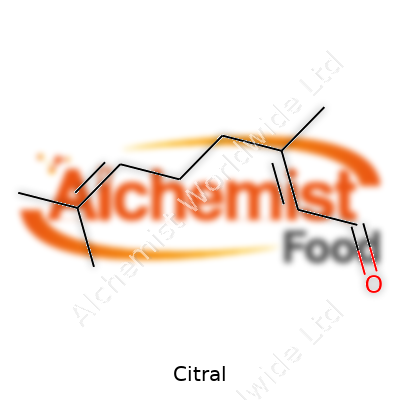
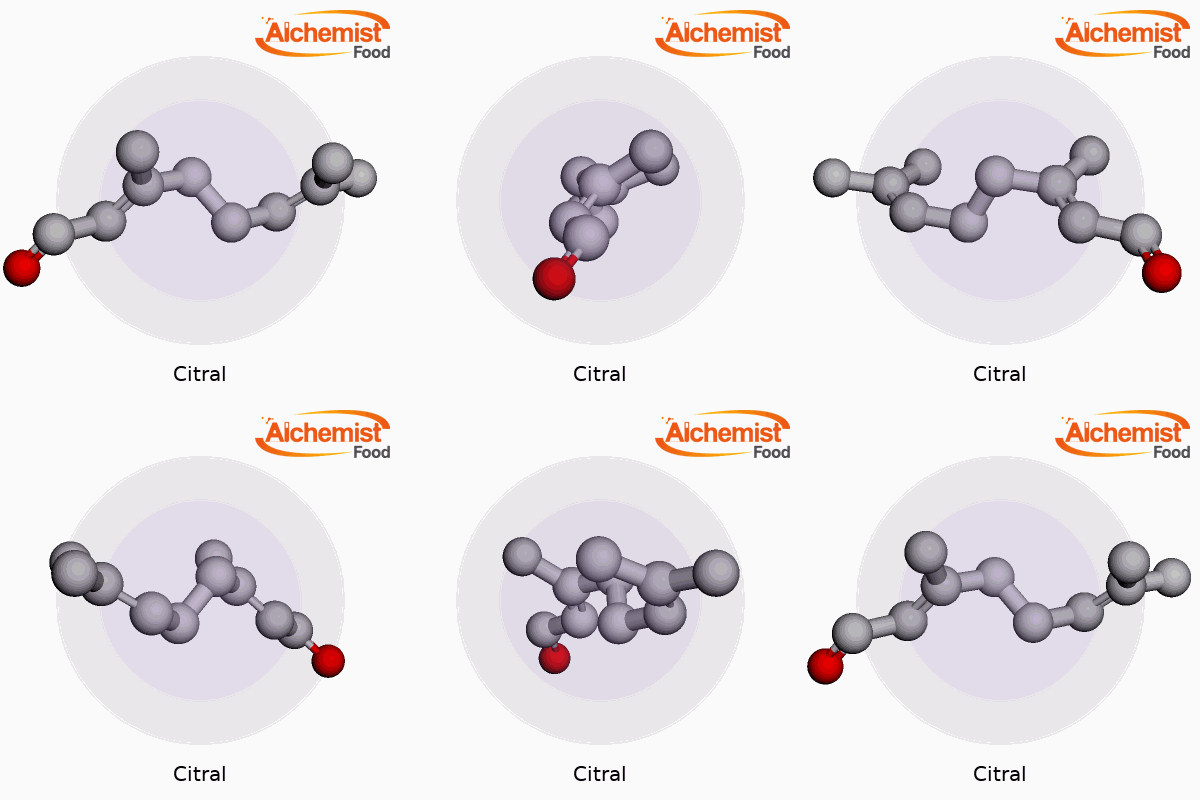
| Names | |
| Preferred IUPAC name | 3,7-dimethylocta-2,6-dienal |
| Other names |
3,7-Dimethyl-2,6-octadienal Geranial Neral Lemal Lemonti |
| Pronunciation | /ˈsɪtræl/ |
| Preferred IUPAC name | 3,7-dimethylocta-2,6-dienal |
| Other names |
Geranial Neral 3,7-Dimethyl-2,6-octadienal |
| Pronunciation | /ˈsaɪ.træl/ |
| Identifiers | |
| CAS Number | 5392-40-5 |
| Beilstein Reference | 1724534 |
| ChEBI | CHEBI:29080 |
| ChEMBL | CHEMBL142998 |
| ChemSpider | 7126 |
| DrugBank | DB09534 |
| ECHA InfoCard | 100.015.348 |
| EC Number | EC 226-394-6 |
| Gmelin Reference | 5425 |
| KEGG | C08235 |
| MeSH | D002445 |
| PubChem CID | 638011 |
| RTECS number | GW6175000 |
| UNII | F95AE48825 |
| UN number | UN number: "UN 1169 |
| CAS Number | 5392-40-5 |
| Beilstein Reference | 1718733 |
| ChEBI | CHEBI:29080 |
| ChEMBL | CHEMBL14237 |
| ChemSpider | 537042 |
| DrugBank | DB02585 |
| ECHA InfoCard | 100.013.752 |
| EC Number | 226-394-6 |
| Gmelin Reference | Gmelin 48180 |
| KEGG | C08205 |
| MeSH | D02.455.426.392 |
| PubChem CID | 638011 |
| RTECS number | GO0875000 |
| UNII | FVR0H522FS |
| UN number | UN 1993 |
| Properties | |
| Chemical formula | C10H16O |
| Molar mass | 152.24 g/mol |
| Appearance | Colorless to pale yellow liquid with a strong lemon-like odor |
| Odor | Strong lemon |
| Density | 0.888 g/cm3 |
| Solubility in water | Insoluble |
| log P | 2.8 |
| Vapor pressure | 0.24 mmHg (25 °C) |
| Acidity (pKa) | 7.1 |
| Basicity (pKb) | 6.99 |
| Magnetic susceptibility (χ) | -98.0·10⁻⁶ cm³/mol |
| Refractive index (nD) | 1.4880 |
| Viscosity | 4.15 mPa·s (25 °C) |
| Dipole moment | 2.83 D |
| Chemical formula | C10H16O |
| Molar mass | 152.24 g/mol |
| Appearance | Colorless to pale yellow liquid with a strong lemon odor |
| Odor | lemon; citrus; strong |
| Density | 0.888 g/cm3 |
| Solubility in water | Insoluble |
| log P | 3.45 |
| Vapor pressure | 0.2 mmHg (25 °C) |
| Acidity (pKa) | 7.1 |
| Basicity (pKb) | 7.7 |
| Magnetic susceptibility (χ) | -74.0e-6 cm³/mol |
| Refractive index (nD) | 1.488 |
| Viscosity | 2.7 mPa·s |
| Dipole moment | 2.85 D |
| Thermochemistry | |
| Std molar entropy (S⦵298) | 311.1 J·mol⁻¹·K⁻¹ |
| Std enthalpy of formation (ΔfH⦵298) | -314.65 kJ/mol |
| Std enthalpy of combustion (ΔcH⦵298) | -3178 kJ/mol |
| Std molar entropy (S⦵298) | 359.6 J·mol⁻¹·K⁻¹ |
| Std enthalpy of formation (ΔfH⦵298) | –302.6 kJ/mol |
| Std enthalpy of combustion (ΔcH⦵298) | -3205 kJ·mol⁻¹ |
| Pharmacology | |
| ATC code | A01AB09 |
| ATC code | A01AB09 |
| Hazards | |
| GHS labelling | GHS02, GHS07 |
| Pictograms | GHS02,GHS07 |
| Signal word | Warning |
| Hazard statements | H315, H317, H319 |
| Precautionary statements | H315: Causes skin irritation. H317: May cause an allergic skin reaction. H319: Causes serious eye irritation. |
| NFPA 704 (fire diamond) | 1-2-0 |
| Flash point | > 92 °C |
| Autoignition temperature | 220 °C |
| Explosive limits | 1.4–7% |
| Lethal dose or concentration | LD50 (oral, rat): 4960 mg/kg |
| LD50 (median dose) | LD50 (median dose): 4960 mg/kg (oral, rat) |
| NIOSH | GV7875000 |
| PEL (Permissible) | 5 ppm |
| REL (Recommended) | 30 mg/m³ |
| IDLH (Immediate danger) | No IDLH established. |
| GHS labelling | **"GHS02, GHS05, GHS07, GHS08"** |
| Pictograms | GHS02,GHS07 |
| Signal word | Warning |
| Hazard statements | H315, H317, H319 |
| Precautionary statements | H226, H315, H317, H319 |
| NFPA 704 (fire diamond) | 2-2-0 |
| Flash point | > 92 °C |
| Autoignition temperature | 220 °C |
| Explosive limits | Lower explosive limit: 1.4%, Upper explosive limit: 7.1% |
| Lethal dose or concentration | LD50 oral rat 4,960 mg/kg |
| LD50 (median dose) | LD50 (median dose) of Citral: "4960 mg/kg (rat, oral) |
| NIOSH | DH6650000 |
| PEL (Permissible) | PEL (Permissible Exposure Limit) of Citral: 5 ppm |
| REL (Recommended) | 5 ppm (27 mg/m3) |
| IDLH (Immediate danger) | IDLH: 50 ppm |
| Related compounds | |
| Related compounds |
Citronellal Geraniol Neral Linalool Limonene |
| Related compounds |
Geraniol Neral Carvone Citronellal Linalool Myrcene Limonene Isopulegol |



