Cinnamaldehyde: Insights on a Compound with Lasting Influence
Historical Development
Cinnamaldehyde entered the world’s radar back in the early 1800s, catching the attention of scientists searching for what gives cinnamon its punch. In 1834, Jean-Baptiste Dumas first isolated this compound through steam distillation of cinnamon oil, opening the door to a flurry of interest in natural flavors. From there, researchers grew curious about this aromatic molecule, driving it into the spotlight of organic chemistry and sparking an ongoing search for ways to recreate it in labs. Over time, breakthroughs in synthesis broadened access, turning cinnamaldehyde from a luxury pulled from the bark of Cinnamomum trees to a staple ingredient for various industries. The story stands as a testament to how a humble natural extract can foster innovation across medicine, food production, agriculture, and perfumery.
Product Overview
Cinnamaldehyde serves as more than just the scent of holiday baking. This organic compound powers a hefty share of the world’s cinnamon flavoring and aroma needs. Manufacturers use it as a base for flavor profiles and fragrances, but it has also found its way into crop protection, medical research, and even corrosion inhibitors. Its commercial profile rests heavily on quality, but even the lowest grades still see demand in non-food sectors. Markets continue to grow, thanks to consumer appetite for naturally derived substances and the steady drumbeat of new applications.
Physical & Chemical Properties
There’s no mistaking pure cinnamaldehyde by its bright yellow oil and the unmistakable sweet, spicy scent. It typically appears as a liquid at room temperature, with boiling points hovering around 248°C and a melting point near -7°C. Solubility stays low in water, but it easily blends with organic solvents like ethanol and ether. Chemically speaking, its structure centers on a phenyl group attached to an unsaturated aldehyde chain, giving it a reactivity that lends itself to many syntheses. It resists mild oxidizing agents but can undergo a number of reactions at the hands of stronger reagents. Density hits near 1.05 g/cm³, and its vapor bears the familiar warmth of cinnamon toast.
Technical Specifications & Labeling
Industry standards push for strict specifications whenever cinnamaldehyde heads for the food, fragrance, or pharmaceutical shelves. Regulatory agencies, including the US Food and Drug Administration (FDA) and European Food Safety Authority (EFSA), require careful labeling of purity, source (natural vs. synthetic), and food grade status. Impurities like coumarin or eugenol draw quick scrutiny, so reputable suppliers provide documentation traceable through every stage of production. Labels often include batch numbers, CAS registry, hazard warnings (including skin and eye irritation risk), and expiration dates to guarantee consumer protection and traceability. Quality assurance routines involve both gas chromatography and mass spectrometry to confirm content and check for contaminants.
Preparation Method
You can draw cinnamaldehyde out of cinnamon bark through a traditional steam distillation process, separating out volatile oils for refinement. Synthetic routes, which now dominate large-scale production, rely on the aldol condensation of benzaldehyde and acetaldehyde. The process lines up the building blocks, moves through dehydration, and creates a stable alpha-beta unsaturated aldehyde. Producers gravitate toward synthesis not just for the sake of cost, but because it sidesteps the slow, labor- and land-intensive labor of stripping bark. Automation has allowed for enormous quantities, keeping up with a global market hungry for both natural and artificial flavorings.
Chemical Reactions & Modifications
Chemists appreciate cinnamaldehyde for its aldehyde group flanked by a double bond, which opens doors for nucleophilic additions, reductions, and cyclization reactions. Hydrogenation takes it to hydrocinnamaldehyde or cinnamyl alcohol, while oxidation turns it into cinnamic acid. Because of its aromatic backbone, it slips into ring-closure reactions to yield heterocyclic compounds for pharmaceutical research. Modifications even carry it further afield, forming Schiff bases and other intermediates—these feed into dye manufacturing, drug development, and pesticide synthesis. The reactivity stands as both a strength and a challenge; shelf life can shorten if storage dives below recommended thresholds or if exposed to air for too long.
Synonyms & Product Names
Cinnamaldehyde travels under a parade of aliases: trans-cinnamaldehyde, (E)-cinnamaldehyde, 3-phenyl-2-propenal, and even ‘cinnamic aldehyde’ in old-school texts. Commercial suppliers sometimes use product codes or blend names when packing blended flavor bases, but CAS number 104-55-2 always nails down the identity for researchers. Shops selling essential oils may list it as “cinnamon oil,” but pure cinnamaldehyde is a specific, isolated component, not a whole oil mixture. The cluster of synonyms has tripped up more than one newcomer to the field, but careful suppliers keep their branding and documentation straight.
Safety & Operational Standards
Anyone working around cinnamaldehyde learns quickly that handling calls for respect. This compound causes irritation if it comes in contact with skin or eyes, and inhalation of concentrated vapors can hit sensitive noses and throats hard. Safety standards dictate gloves, eye protection, and good ventilation, whether the workplace churns out flavorings by the barrel or researchers experiment with tiny flasks. Regulatory bodies cap exposure limits and require safety data sheets for each batch, listing emergency procedures and disposal protocols. Most countries demand proper storage away from oxidants and sunlight. Failure to follow best practices risks personal injury and regulatory fines, forcing businesses to keep training and documentation sharp.
Application Area
Cinnamaldehyde’s reach stretches far past the spice rack. Beyond flavoring and fragrance, it finds action in agriculture as a botanical pesticide for organic farms—it stymies fungal growth and chases off pesky bugs. Some oral care products take advantage of its antimicrobial strengths, mixing it into toothpaste and chewing gum. In medicine, laboratories explore its ability to tame inflammation and fight microbes, even as an experimental cancer therapy. Industry turns to it as a green corrosion inhibitor for steel parts in water pipelines. Its strong aroma extends shelf life of foods by suppressing spoilage, so preservation and packaging fields keep an eye on it as a natural alternative to synthetic chemicals. The rapid expansion of natural markets and consumer wariness of artificial additives keep researchers busy spinning out new uses for this spicy molecule.
Research & Development
Research into cinnamaldehyde stretches across disciplines, as each field seeks to unlock new benefits or sidestep old limitations. Studies in drug discovery aim to harness its anti-inflammatory and antimicrobial power, probing for mechanisms against chronic disease and infection. Material scientists experiment with cinnamaldehyde-derived resins for 3D printing and coatings, citing its renewability and ease of polymerization. Food technologists fine-tune formulations, trying to balance flavor intensity and preservative action without alienating sensitive palates. Green chemistry circles tout its low environmental footprint, especially when compared to synthetic pesticides or fossil-based resins. Investment in advanced synthesis and crop improvement may drive down costs, making high-purity natural cinnamaldehyde affordable for broader applications. For those of us in the research trenches, cinnamaldehyde offers a rare blend of natural origin and chemical potential, something not easily replaced.
Toxicity Research
Toxicologists have given cinnamaldehyde plenty of attention, given its persistent use in food and health products. At flavoring levels approved for consumer products, toxicity remains low, with regulatory bodies setting acceptable daily intake (ADI) figures that balance use with human health. Higher concentrations—like those handled in manufacturing—bring risks: skin sensitization, allergic reactions, and cytotoxicity in some cell models. Animal studies reveal some developmental and reproductive risks at massive doses, leading to cautions in workplace exposure regulations, but no bans for use within set guidelines. For sensitive populations (such as those with asthma or certain allergies), even trace exposure can trigger symptoms, so product developers tread carefully in labeling and testing.
Future Prospects
Looking ahead, cinnamaldehyde holds a steady spot in both established industries and experimental tech. Consumers continue pushing for naturally derived products in food, home care, and medicine, so the call for both pure and blended cinnamaldehyde only grows. New uses keep opening up in bioplastics, green pesticides, and pharmaceuticals, especially as research peels back new functional benefits and improved synthesis methods roll out. Investments in bioengineering may even allow future batches to come from engineered microbes rather than harvested cinnamon bark or petrochemicals. Technologies that boost purity, efficiency, and traceability will keep the compound competitive. The challenge sits in making these advances affordable and accessible—a test that will judge just how far this familiar compound can push into the next era of science and industry.
What is cinnamaldehyde used for?
The Story Behind That Cinnamon Scent
Biting into a cinnamon roll or sipping on chai, there’s a familiar warmth that lingers. That recognizable kick doesn’t just come from ground bark—it comes straight from cinnamaldehyde, the main chemical in cinnamon oil. Most folks notice this compound as the source of that spicy-sweet aroma, but cinnamaldehyde pops up in grocery stores, medicine cabinets, and even hardware stores for good reasons.
In Food, Fun Isn’t The Only Job It Has
In the kitchen, this compound adds more than just flavor. Bakers use it in candies, drinks, and cereals, counting on its ability to bring out bold flavor without adding much in the way of calories. From personal experience, a dash of cinnamon transforms bland oatmeal into something special, and what really delivers that magic is cinnamaldehyde binding with the taste buds.
The FDA considers it “generally recognized as safe” in food, but it’s important to remember moderation. Research including a review in Food and Chemical Toxicology points out that while it’s not dangerous in small amounts, high doses can irritate some people’s mouths or stomachs.
More Than Flavor: Cinnamaldehyde In Health And Hygiene
Beyond the spice rack, this compound gets pressed into service in toothpaste and mouthwash. Dentists and researchers often look for ingredients that fight bacteria, and cinnamaldehyde doesn’t disappoint. A study published in Archives of Oral Biology shows its effectiveness against biofilm-forming bacteria, which can reduce plaque. You’ll spot it in some chewing gum and mouth care brands for this antibacterial punch.
That same power lands cinnamaldehyde in soaps and lotions. Thanks to its antifungal and antimicrobial traits, it doesn’t just make products smell good; it gives them a cleaning boost too. In my own household, soaps with a spicy twist tend to linger longer on shelves, maybe because it feels like they do more than just cover up odors.
An Unlikely Hero: Pest Control And Agriculture
Farmers and gardeners lean on cinnamaldehyde to keep bugs at bay. My father relied on a cinnamon-based spray to fight mold and pests in his greenhouse—and it worked better than most chemical alternatives. The EPA registers it as a safe pesticide ingredient for use around crops. Scientific trials show that it repels ants, mosquitoes, and even some crop-destroying fungi. Instead of dousing fields with harsh chemicals, turning to this plant-based option helps cut down toxic run-off.
Industry Finds Its Uses Too
It would shock some people to know that cinnamaldehyde even finds its way into plastics and rubber. Manufacturers add it to mask unpleasant odors in materials or provide corrosion resistance in metalworking. It’s a small component, but anyone who has spent time in a factory will recognize the value in making a workspace less harsh on the senses.
Looking Ahead: Keep It Safe And Smart
With demand for natural flavorings and green cleaning agents on the rise, cinnamaldehyde’s future looks bright. A few things should guide its use. People with allergies, especially those sensitive to cinnamon, need clear labeling. Schools and workplaces can also consider switching from artificial fragrances to this more natural option.
It makes sense for regulators and scientists to keep an eye on overall exposure, especially as more products add plant-based chemicals. Enjoy that cinnamon flavor, keep an eye on labels in your home products, and always remember that even natural ingredients deserve our attention.
Is cinnamaldehyde safe for consumption?
What is Cinnamaldehyde?
Walk into any bakery during the holidays and the smell of cinnamon fills the air. That heady aroma mostly comes from cinnamaldehyde, the main chemical in cinnamon bark oil. Most folks eat it all the time, whether sprinkled on oatmeal or baked into rolls. Food companies use cinnamaldehyde as a flavor, and you can find it in gum, candies, and even some drinks.
Looking at the Facts
Decades of research back up the safety of cinnamaldehyde in ordinary doses. In the United States, the FDA lists it as “Generally Recognized As Safe” (GRAS), which carries some weight with people who know food science. The European Food Safety Authority placed it on the approved list for food use. These health bodies take a close look at chemicals, reviewing both lab and long-term studies.
No evidence suggests that low levels cause issues in humans. The key is how much ends up in a bite. Standard servings pack a fraction of a milligram, numbers far below anything linked with trouble in animal studies.
Where Common Sense Comes In
Most conversations about food additives get tangled up in fear. Folks see a complex chemical name and start to worry. I grew up in a family with plenty of cooks, and we dumped cinnamon into everything from pumpkin bread to apple butter. Nobody ever got sick from a pinch of spice, and nobody I know avoids cinnamon entirely. Yet, like with anything, it's possible to have too much. I once tried a spicy challenge with cinnamon powder as a joke. It burned my mouth and left me coughing, which made it clear—dose and context matter.
Possible Risks with Heavy Doses
Research in animals shows that extremely high doses—much more than anyone eats—can irritate tissue. That means eating spoonfuls straight or chugging supplements isn't a great idea. Some sensitive people report mouth sores or allergies after having strong cinnamon oil, so manufacturers keep amounts low on purpose. A cinnamon stick in your tea or a shake on toast won't come close to danger.
Big doses might push the liver hard, but you'd have to eat cinnamon every meal in huge amounts for weeks. I’ve never seen friends run into this, even during the holidays when spice is everywhere. Most adults and kids would have to try very hard just to reach the borderline for problems.
Smart Choices and Solutions
People want to know what’s in their food, and food makers should answer clearly. Labels help spot real cinnamon instead of lookalike flavorings or cheaper additives. For folks with allergies or special health needs, talking to a doctor makes sense before adding new supplements or oils.
Food safety comes down to trust and habit. Familiar spices like cinnamon, in regular cooking, rarely cause trouble. Regulators across the globe double-check the science, and their findings say cinnamon flavor is fine at the levels most of us eat. More research always helps, but the facts on normal use give reassurance.
Next time you sprinkle cinnamon on a cappuccino or grab a cinnamon-flavored mint, you can do so without worry—unless you plan on eating a bucket of it. Sensible portions go a long way in keeping any favorite food both tasty and safe.
Where does cinnamaldehyde come from?
The Scent of Cinnamon in Everyday Life
Open a jar of cinnamon in any kitchen, and the warm, sweet scent brings memories of autumn, desserts, and holiday mornings. That aroma comes straight from a single molecule: cinnamaldehyde. It’s odd to think that something so familiar in our lives has an interesting path before it lands on our spice racks or in a bottle of flavoring. Understanding where cinnamaldehyde comes from gives us a deeper appreciation for the worlds of science and agriculture, blending the natural and manmade in surprising ways.
Cinnamon Bark: The Natural Source
Cinnamaldehyde comes from the bark of Cinnamomum trees, mostly Cinnamomum verum and Cinnamomum cassia. Farmers in countries like Sri Lanka, Indonesia, and China peel back thin layers of bark, drying and rolling them into the cinnamon sticks we see in stores. Through a careful distillation process, the essential oil inside that bark gets separated out, and cinnamaldehyde forms the central part of that oil—around 60 to 90 percent.
This connection between the final scent and its humble tree origins is more direct than you’d think. Many people don't realize how hands-on this work stays, from planting trees to stripping the bark. I visited small spice farms in South India and saw how generations worked side-by-side, making sure every step was just right. They know when to harvest so that the flavor comes through strongly, not too bitter, never weak. That care affects every cinnamon roll, candle, and bottle of mouthwash down the line.
Changing the Game: Synthetic Cinnamaldehyde
As demand for spicy-sweet flavoring grew, chemical factories worked out how to make cinnamaldehyde in a lab. Using benzaldehyde, a compound found in almonds, they alter its structure with chemicals like acetaldehyde to build the precise bond pattern found in natural cinnamon. Synthetic versions let the food and fragrance industries scale up production, keeping prices accessible and product lines consistent.
On one hand, this boosts variety—think of all the gum, candy, and cinnamon-flavored cereals lining shelves. Factories can guarantee shelf-stable flavor, removing guesswork and weather risks that hit family farmers. Still, there’s something to be said for the hands in the fields. Synthetic production can’t match the complexity of the natural oil. Watching water, soil, and slow growth shape flavors over years feels different from a chemical reaction in a vat.
The Bigger Picture: Responsible Sourcing
Recent years brought a wave of interest in how we source flavors. Consumers want supply chains that protect the people and forests behind our kitchen staples. Deforestation in Southeast Asia cuts into both biodiversity and the communities that depend on cinnamon trees. Poor growing conditions and price pressures can lead to shortcuts, threatening authentic flavor and livelihoods alike.
Looking for certifications—Fairtrade or Rainforest Alliance, for example—makes a meaningful difference. Large food companies put money and training into sustainable harvesting, teaching workers how to keep trees healthy across generations. Supporting brands that care about these steps puts real power in the hands of shoppers. Local spice shops often build relationships with small producers, bridging the gap between farmer and customer in a way supermarket brands often miss.
Moving Toward Better Choices
Cinnamaldehyde provides a small but striking link between millions of homes and far-off forests. Paying attention—whether by picking sustainably sourced cinnamon, reading labels, or learning from farm visits—strengthens our understanding of what goes into each scent and taste. Flavor doesn’t only come from molecules; it comes from the real stories behind every harvest.
What are the side effects of cinnamaldehyde?
What Is Cinnamaldehyde?
Walk through the spice aisle, pick up some cinnamon sticks, and you’ll notice a warm scent that fills the air. That’s cinnamaldehyde working its charm. Used in flavorings, fragrances, and even some herbal products, cinnamaldehyde brings the recognizable taste and smell of cinnamon. The compound comes from the bark of cinnamon trees, but scientists also make it in labs. The Food and Drug Administration classifies cinnamaldehyde as “generally recognized as safe” for use in foods, yet that doesn’t mean everyone can handle it the same way.
Common Side Effects from Regular Exposure
Cinnamaldehyde can irritate. Many people notice skin redness or mild burning after contact with products containing this compound. Chewing gum or candies with a heavy dose sometimes triggers sore or swollen mouths, lips, or even the lining of the cheeks—a phenomenon called “cinnamon contact stomatitis.” Anyone who’s worked in food manufacturing or labs knows the burning sensation that comes if cinnamaldehyde hits bare skin for too long.
Inhaling vapors from cinnamon oil extract, which contains a high concentration of cinnamaldehyde, brings a whole different set of complaints. Eyes can sting, throats can itch, and some people cough or feel short of breath. This shows up in workplaces where the compound gets mixed or processed in bulk. The American Contact Dermatitis Society points to cinnamaldehyde as a frequent culprit in allergic skin reactions—especially in fragrances and soaps.
Allergic Reactions: Not as Rare as You Might Think
It’s common for people to discover a sensitivity to cinnamaldehyde only after a rash pops up or their mouth feels fiery after eating cinnamon-flavored food. For some, exposure triggers a full-blown allergic reaction. Research from the National Institutes of Health shows these reactions show up not just as itchy skin, but as blisters and swelling, especially on the lips and mouth for people using dental products with cinnamon flavor. Those who notice any new rash or oral irritation should read ingredient lists and bring up concerns with healthcare professionals.
Digestive Discomfort and Other Bodily Effects
Eating foods high in cinnamaldehyde may send some people running to the bathroom, especially if they have sensitive stomachs. Nausea, stomach cramps, or diarrhea can appear after consuming too much artificially flavored cinnamon candy or supplements. This isn’t the norm for most, but with the trend of “cinnamon challenge” stunts spreading across social media, more teens and young adults end up in ERs with breathing trouble or internal burns. The Mayo Clinic has flagged these risks, emphasizing moderation and caution.
Workplace Risks and Protection
Factory workers, bakers, or lab techs who handle large amounts of cinnamaldehyde sometimes experience headaches, skin rashes, or breathing problems from repeated exposure. The Occupational Safety and Health Administration suggests wearing gloves, goggles, and masks when working around strong concentrations. All it takes is one careless spill to cause lasting irritation.
People with asthma or chronic lung issues face added risk. High-dose exposures can worsen asthma attacks, so keeping workspaces well-ventilated helps. Nobody wants their workday ruined by fumes or a skin reaction that lingers for days.
What Can Be Done—Small Steps for Better Tolerance
Switching to products with lower cinnamaldehyde content or less frequent use can keep most people out of trouble. Anyone with known allergies should check product labels carefully, and workers need access to protective gear. Parents should keep cinnamon oil out of reach from curious kids.
Anyone who experiences an unusual rash, throat swelling, or trouble breathing after cinnamon exposure should seek medical help right away. Healthier habits, awareness, and respect for chemical ingredients make a big difference.
How is cinnamaldehyde stored and handled?
A Closer Look at How We Treat Cinnamaldehyde
Cinnamaldehyde offers more than a sweet, spicy aroma. In manufacturing, food, and cosmetics, it shows up for its flavor, fragrance, and antimicrobial punch. It doesn’t travel alone, though. Alongside its perfume comes a sharp ability to irritate skin and eyes, and even trigger breathing problems in some people. How we store and handle this chemical shapes safety for workers and the quality of finished goods.
Sticking to Reality in Storage
I walked into a flavor company’s storage area once, where the air made my nose tingle. At the back sat brown-glass jugs filled with cinnamaldehyde. This compound reacts with air and light, so it asks for low temperatures and darkness. Stainless steel, glass, or approved plastics earn a spot for container choices. Metal lids lined with plastic help prevent corrosion over time. I’ve seen containers stacked on shelves, never set directly on cold concrete. Cold seeps up and condensation builds, turning liquid chemicals unstable or sticky.
Even the best packaging doesn’t save cinnamaldehyde from high humidity. The chemical starts to pull in water from moist air, dulling its flavor and encouraging impurities. That’s why dry environments, good ventilation, and sealed lids all matter. Hazard labels on containers don’t just check a box for compliance—they remind anyone reaching for that jug that skin contact can burn, and even a little spill leaves behind a lasting odor.
Getting Practical About Handling
No one enjoys chemical gloves, but splash a little cinnamaldehyde on bare skin and you’ll regret it. I remember a lab tech rinsing her arms at an eyewash station after a pipette accident. Nitrile or neoprene gloves mean safety and comfort, letting work carry on without fear. Splash goggles and lab coats follow, protecting eyes and clothing.
Nobody starts out an expert. Training means more than learning MSDS sheets by heart. Real handling drills, spill simulations, and reminders about emergency showers turn theory into habit. I visited a facility where chemical storage rooms always held cleanup kits with absorbent powder and neutralizing solutions. That wasn’t just for peace of mind: smaller leaks got snuffed out before workers could trip or breath in vapors.
Why It Matters
Half the value of cinnamaldehyde lies in its purity. Poor handling can tint the flavor in foods or turn a perfume batch sour. On job sites, well-organized labeling and reliable storage cut risk down and make day-to-day work easier. Workers trust leadership more when routines prioritize health rather than paperwork.
Simple tweaks—rotating stock so older supplies get used promptly, installing tight-fitting lids, training every new hire hands-on—make a difference. Many companies invest in digital monitoring for temperature and humidity. Others run regular odor checks. Most local laws set basic standards, but experienced teams usually go past the minimum. Safety isn’t about looking good. It’s about keeping businesses running, workers returning home healthy, and products hitting the shelves as expected.
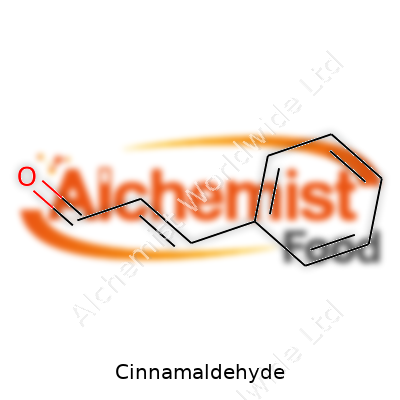
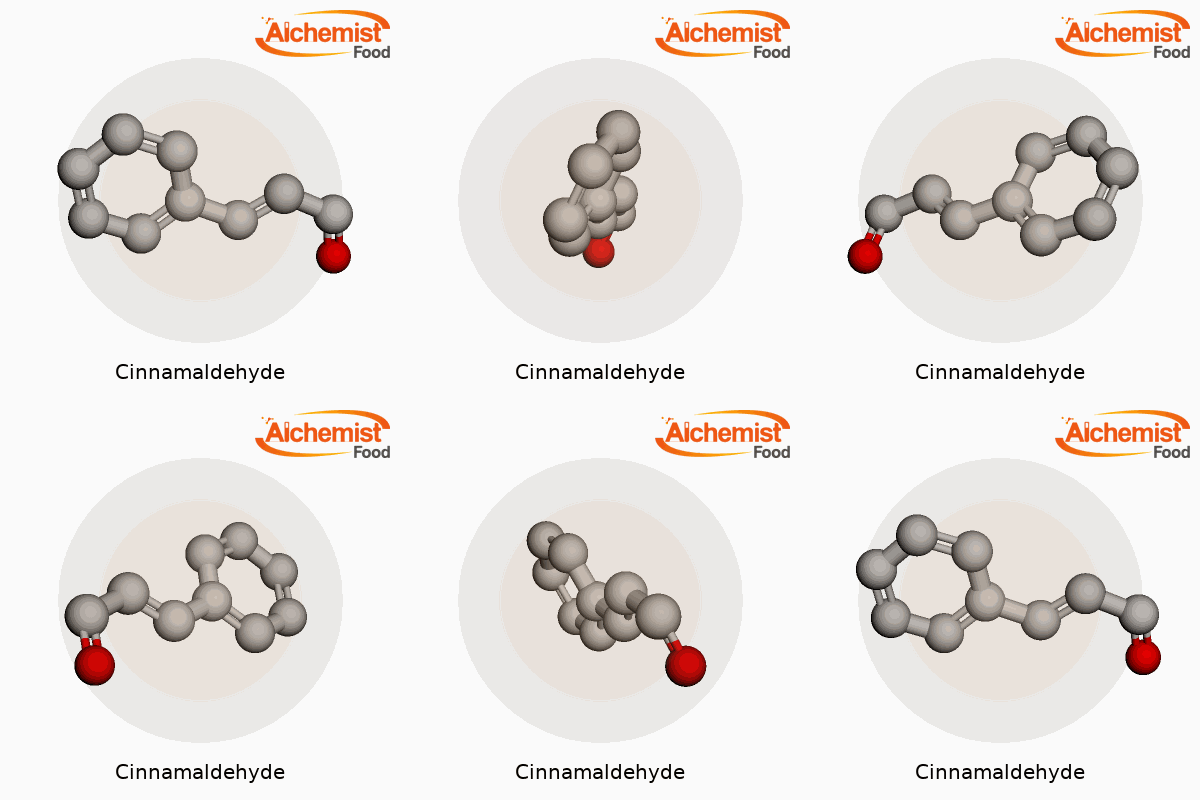
| Names | |
| Preferred IUPAC name | (2E)-3-phenylprop-2-enal |
| Other names |
Cinnamic aldehyde Cinnamal 3-Phenyl-2-propenal |
| Pronunciation | /ˌsɪn.əˈmæl.dɪˌhaɪd/ |
| Preferred IUPAC name | (2E)-3-phenylprop-2-enal |
| Other names |
Cinnamic aldehyde Cinnamal 3-Phenyl-2-propenal β-Phenylacrolein |
| Pronunciation | /ˌsɪn.əˈmæl.dɪ.haɪd/ |
| Identifiers | |
| CAS Number | 104-55-2 |
| Beilstein Reference | 1209221 |
| ChEBI | CHEBI:28221 |
| ChEMBL | CHEMBL236464 |
| ChemSpider | 5469386 |
| DrugBank | DB02688 |
| ECHA InfoCard | DTXSID2039246 |
| EC Number | 1.2.1.4 |
| Gmelin Reference | 83236 |
| KEGG | C05288 |
| MeSH | D02.455.426.392.368 |
| PubChem CID | 637511 |
| RTECS number | CN7689500 |
| UNII | H6C8R8603M |
| UN number | UN1994 |
| CAS Number | 104-55-2 |
| Beilstein Reference | 1368734 |
| ChEBI | CHEBI:28254 |
| ChEMBL | CHEMBL23437 |
| ChemSpider | 5040 |
| DrugBank | DB02551 |
| ECHA InfoCard | 100.002.727 |
| EC Number | 1.2.1.4 |
| Gmelin Reference | 70977 |
| KEGG | C01087 |
| MeSH | D02.455.426.392 |
| PubChem CID | 637511 |
| RTECS number | CN7689000 |
| UNII | CHEL82R08C |
| UN number | UN1993 |
| CompTox Dashboard (EPA) | DTXSID3021475 |
| Properties | |
| Chemical formula | C9H8O |
| Molar mass | 132.16 g/mol |
| Appearance | Colorless to pale yellow liquid |
| Odor | strong, cinnamon-like |
| Density | 1.05 g/mL at 25 °C |
| Solubility in water | Slightly soluble |
| log P | 1.90 |
| Vapor pressure | 0.03 mmHg (25°C) |
| Acidity (pKa) | 13.41 |
| Basicity (pKb) | 13.37 |
| Magnetic susceptibility (χ) | -62.4·10⁻⁶ cm³/mol |
| Refractive index (nD) | 1.621 |
| Viscosity | 3.75 cP (20°C) |
| Dipole moment | 2.96 D |
| Chemical formula | C9H8O |
| Molar mass | 132.16 g/mol |
| Appearance | Pale yellow to yellow oily liquid |
| Odor | Cinnamon odor |
| Density | 1.05 g/mL at 25 °C |
| Solubility in water | Insoluble |
| log P | 2.1 |
| Vapor pressure | 0.03 mmHg (25°C) |
| Acidity (pKa) | 13.36 |
| Basicity (pKb) | 13.33 |
| Magnetic susceptibility (χ) | -82.5e-6 cm³/mol |
| Refractive index (nD) | 1.619 |
| Viscosity | 3.696 cP |
| Dipole moment | 3.73 D |
| Thermochemistry | |
| Std molar entropy (S⦵298) | 222.6 J·mol⁻¹·K⁻¹ |
| Std enthalpy of formation (ΔfH⦵298) | -38.7 kJ/mol |
| Std enthalpy of combustion (ΔcH⦵298) | -3231 kJ/mol |
| Std molar entropy (S⦵298) | 218.6 J·mol⁻¹·K⁻¹ |
| Std enthalpy of formation (ΔfH⦵298) | −34.1 kJ·mol⁻¹ |
| Std enthalpy of combustion (ΔcH⦵298) | -2785 kJ/mol |
| Pharmacology | |
| ATC code | A01AD11 |
| ATC code | A01AD11 |
| Hazards | |
| Main hazards | Harmful if swallowed, causes skin irritation, causes serious eye irritation. |
| GHS labelling | GHS02, GHS07 |
| Pictograms | GHS02, GHS07 |
| Signal word | Warning |
| Hazard statements | H302, H315, H317, H319, H411 |
| Precautionary statements | Precautionary statements: P261, P280, P305+P351+P338, P337+P313 |
| NFPA 704 (fire diamond) | 2-2-0 |
| Flash point | Approximately 71°C (160°F) |
| Autoignition temperature | 162 °C |
| Explosive limits | Explosive limits: 1.9–20% |
| Lethal dose or concentration | LD50 oral rat 2220 mg/kg |
| LD50 (median dose) | LD50 (median dose): 2220 mg/kg (rat, oral) |
| NIOSH | NA7909 |
| PEL (Permissible) | 50 ppm |
| REL (Recommended) | 0.05 ppm |
| IDLH (Immediate danger) | No IDLH established. |
| Main hazards | Harmful if swallowed, causes skin irritation, causes serious eye irritation, may cause an allergic skin reaction. |
| GHS labelling | GHS02, GHS07 |
| Pictograms | GHS02, GHS07 |
| Signal word | Warning |
| Hazard statements | H317, H319, H411 |
| Precautionary statements | P210, P261, P264, P272, P273, P280, P301+P312, P302+P352, P305+P351+P338, P330, P333+P313, P337+P313, P362+P364, P403+P235, P501 |
| NFPA 704 (fire diamond) | 2-2-0 |
| Flash point | 162 °C |
| Autoignition temperature | 435 °C |
| Explosive limits | 4.5–24.7% |
| Lethal dose or concentration | LD₅₀ (oral, rat): 2220 mg/kg |
| LD50 (median dose) | LD50 (median dose): Rat oral 2220 mg/kg |
| NIOSH | KM2450000 |
| REL (Recommended) | 0.05 ppm |
| IDLH (Immediate danger) | Unknown |
| Related compounds | |
| Related compounds |
Cinnamic acid Cinnamyl alcohol Hydrocinnamaldehyde Styrene Benzaldehyde Eugenol |
| Related compounds |
Cinnamic acid Cinnamyl alcohol Styrene Hydrocinnamaldehyde Eugenol |



