Chromium Picolinate: A Deep Dive
Historical Development
Researchers first noticed chromium’s value for blood sugar balance in the 1950s, with animal studies revealing a link between chromium deficiency and poor glucose control. Decades later, as supplement culture grew in the United States, scientists found a way to improve chromium’s absorption by binding it with picolinic acid, resulting in chromium picolinate. This form gained traction as the preferred supplement because it worked better in the body than other forms like chromium chloride. By the 1990s, the nutrient supplement industry actively marketed chromium picolinate as a tool for better metabolism and weight management. My first brush with it was during gym days in the early 2000s, when trainers swore by its ability to keep sugar cravings at bay.
Product Overview
Chromium picolinate supplements are easy to spot on store shelves, typically offered in tablet and capsule form. Many products highlight a dose range from 50 micrograms all the way up to 1000 micrograms, trying to match a wide spectrum of daily needs. Labels tend to promise help with blood sugar support and insulin function. Chromium picolinate often shows up as a standalone ingredient and as part of broader multivitamin blends. Manufacturers usually rely on industrial-grade synthesis for bulk production, making it affordable and widely distributed across pharmacies, nutrition shops, and big-box stores worldwide.
Physical & Chemical Properties
The supplement isn’t flashy—chromium picolinate crystals look reddish-pink and are modestly soluble in water. Each molecule consists of chromium(III) at the center, triple-bonded to three picolinate ligands, giving it the stability required to survive stomach acid. Unlike basic chromium salts, this compound does not clump, nor does it degrade quickly under normal conditions. Technical tests show it holds up without oxidizing in sealed packaging, which meets the shelf life claims made by major brands. For anyone mixing their own supplements, blending with this powder is straightforward, without the dustiness or caking seen in other mineral compounds.
Technical Specifications & Labeling
Reliable products display their chromium content as elemental chromium, not as the full chemical compound, clearing up confusion for health-conscious shoppers. U.S. law expects all supplement bottles to list Chromium Picolinate’s precise source, daily value percentage, serving size, and safety warnings where needed. The best companies invest in third-party lab testing to confirm purity and to show the absence of heavy metals or unwanted fillers, winning the trust of both end users and compliance auditors. In my experience, FDA warning letters about inaccurate chromium levels in supplements tend to spark industry-wide improvements, so consumers can use labeling as one line of defense against low-quality offerings.
Preparation Method
Factories produce chromium picolinate in a controlled setting, combining chromium(III) salts (usually chromium chloride or chromium sulfate) with picolinic acid in a water-based reaction. Operators carefully control pH (usually mild alkaline) and temperature to encourage the binding of chromium with picolinic acid. After mixing for hours, crystallization occurs. The resulting solid is filtered, washed, and dried, ensuring minimal contaminants and consistent color. No toxic solvents are involved, which simplifies both compliance and downstream purification. This preparation approach, with modern tweaks for automation, has produced billions of servings with tight batch-to-batch consistency.
Chemical Reactions & Modifications
Beyond the straightforward synthesis, the chemistry behind chromium picolinate centers on its stability in the face of gastric acid and digestive enzymes. Attempts to further engineer the compound have led to chelates with varying picolinate/cr ratio, but most major brands stick to the 1:3 molar ratio for reliable absorption. Researchers have tried to pair chromium picolinate with carriers or coating agents to delay release in the gut, aiming to increase bioavailability. These innovations arise from ongoing demand for supplements that don’t upset the stomach or lose potency during digestion. Despite many trials, plain chromium picolinate remains the industry’s backbone due to its proven record in both efficacy and safety.
Synonyms & Product Names
You’ll find other names for chromium picolinate in academic articles and product packaging: trispicolinate chromium, chromic picolinate, and chromium(III) picolinate remain most common. Some supplement brands create names such as “ChromeMate,” “Crominex,” or “Bio-Chromium” for trademark differentiation, though the underlying compound doesn’t change. Major multivitamin labels like GNC, Nature Made, and NOW Foods market their chromium picolinate products alongside numerous other forms—confusing for shoppers, but usually differing only by brand, not by content.
Safety & Operational Standards
Regulatory agencies worldwide set upper tolerable intake levels for chromium in supplements, typically capping daily doses at about 1000 micrograms of elemental chromium for adults. Strict testing aims to rule out heavy metal contamination and cross-contamination from the computers and reactors used during manufacturing. In my visits to supplement production lines, HEPA-filtered cleanrooms, stainless steel vats, and real-time monitoring gear have become standard practice, slowing no one down but raising quality consistently. Warning labels flag possible allergic reactions, with clear advice for pregnant or nursing women to consult a doctor before starting supplementation. Recalls remain rare, particularly in established Western markets where adherence to FDA or EFSA standards leaves little room for error.
Application Area
Chromium picolinate occupies a place at the intersection of sports nutrition, weight management, and diabetes care. Dietitians recommend it for those at risk of insulin resistance, and studies connect it to modest improvements in glucose control for certain people with type 2 diabetes. Athletes sometimes use it in hopes of improving carbohydrate metabolism or muscle mass retention during intense training phases. Most supermarkets carry chromium picolinate in both the sports aisle and the diabetes care section, signaling mainstream popularity and widespread acceptance. Some animal feed producers include it as a micronutrient, drawn by research showing improved growth rates and feed efficiency in livestock.
Research & Development
Studies over the years consistently chase clarity about chromium picolinate’s exact benefits and risks. Some double-blind trials show minor reductions in fasting blood sugar or cholesterol; others reveal little difference compared to placebo. My own reading of current literature suggests that population-level effects remain modest, with the biggest impact seen in chromium-deficient people. Labs keep exploring nanoemulsion formulations or synergistic blends with other antioxidants, aiming to tease out benefits for heart health or cognitive support. Pharmaceuticals firms watch these results closely, especially as diabetes rates rise globally. The potential for using chromium picolinate in new delivery systems—chewables, gummies, transdermal patches—represents a hot spot for product developers keen to boost compliance and expand market share.
Toxicity Research
Toxicologists dug deep into chromium picolinate’s safety profile, responding to early questions about possible DNA damage or kidney toxicity. Years of animal studies and human trials produced mixed results at doses far exceeding typical supplement use. Reports of adverse events remain scarce, mainly isolated to allergic rashes or mild digestive upsets. Research led to a consensus that, within recommended limits, chromium picolinate does not cause toxic buildup of chromium in organs. That said, people with kidney disease or hereditary metabolic disorders receive extra caution from doctors, who prefer avoiding any long-term, high-dose exposure. Scientific bodies continue monitoring, but the prevailing opinion rates this supplement as a low-risk option when used as directed.
Future Prospects
Interest in precision nutrition fuels ongoing investigation into chromium picolinate’s future. Product leaders experiment with combinations including plant polyphenols or prebiotics, looking for synergistic effects on blood sugar and gut health. Personalized supplement packs now tailor micronutrient blends to individual metabolic profiles, and chromium picolinate features prominently in these customized formulas. As more consumers demand “clean label” and “science-backed” products, supplement firms race to support label claims with better clinical evidence. Meanwhile, industrial chemistry teams seek green production methods with lower energy and water footprints, aiming to keep cost and environmental impact down. The supplement’s journey from lab curiosity to household staple keeps unfolding, shaped by both science and the everyday habits of people aiming for better health.
What is Chromium Picolinate used for?
Why People Take Chromium Picolinate
People often reach for supplements hoping for a simple solution to better health, and chromium picolinate finds its place on that shelf. It’s a mineral supplement, linked mostly to blood sugar regulation. Over the years, talk about supporting healthy blood glucose levels has grown louder. Diabetes and high blood sugar don’t just impact numbers on a chart—they weigh on real people every day. In my own family, concerns about type 2 diabetes show up at almost every holiday gathering, along with discussions about “good” and “bad” choices at the dinner table. So it’s no surprise that the promise of a supplement that might help manage blood sugar draws attention.
The Hype Around Weight Loss
Many folks hear about chromium picolinate because someone promises it can help shed pounds. The theory goes like this: chromium helps muscles use sugar for energy, and in turn might curb hunger or cut cravings. A few studies back in the 1980s and 1990s hinted at possible weight loss benefits, and that created lasting buzz. Research since then, though, paints a more complicated picture. For every small study showing smoother blood sugar or a few fewer pounds, other studies show very little difference between chromium and a sugar pill. The National Institutes of Health reviewed the evidence and found no strong proof that this supplement alone makes a big impact on weight for most people.
Impacts on Blood Sugar and Diabetes
Blood sugar matters a lot. Spoiled sugar control can mean anything from feeling tired to facing nerve damage. Medical experts often talk about insulin resistance as a root problem, especially in type 2 diabetes. Chromium’s role in the body links to how cells respond to insulin. A review published in Diabetes Technology & Therapeutics reported small improvements in people with poorly controlled diabetes who added chromium picolinate to their routine. Still, these changes usually came alongside steady medication and lifestyle work, not on their own.
How Safe Is It?
Most adults who take chromium picolinate in moderate doses do not run into any trouble. That doesn’t mean risks don’t exist. Very high doses sometimes lead to kidney or liver problems, especially in people with a history of those issues. Before starting any supplement, talking with a doctor remains the practical route. No pill replaces healthy eating, regular checkups, and movement.
Shifting the Focus: Small Steps Matter Most
The supplement industry keeps looking for the next big fix, but day-to-day changes do more for most people. My mother spends more time walking the neighborhood than hunting for miracle supplements. That’s the approach many in the medical community encourage. The Centers for Disease Control and Prevention say most people who balance their plates and move just a little more each day see bigger gains in blood sugar and waistline than those banking on a capsule.
What to Watch For
Anyone thinking about adding chromium picolinate to their routine should remember a basic rule: no supplement takes the place of common sense. Talking with a healthcare provider spells out what’s safe and what’s likely to bring disappointment. Those who manage diabetes or struggle with blood sugar swings need to stick with what works. Supplements can play a part, but they rarely lead the way.
Is Chromium Picolinate safe to take daily?
Understanding the Drive Behind Supplement Use
Walk into any supplement shop and you’ll see shelves lined with promises—weight loss, blood sugar balance, athletic boosts—all packaged into capsules and powders. Chromium picolinate lands on this stage as a popular pick. Lots of folks stumble onto it while searching for ways to keep blood sugar steady or help manage a few extra pounds, especially those dealing with diabetes or trying to curb cravings.
What Science Tells Us
We have a fair pile of studies on chromium picolinate, but the findings don’t all march in the same direction. Some research seems to suggest that the supplement supports insulin function and may nudge blood sugar in a safer zone for people with type 2 diabetes. Others see little to no shift in blood sugar or weight. Working in a pharmacy, I’ve spoken with people who feel convinced chromium gave them a steadier appetite—or made no difference at all.
Researchers funded by the National Institutes of Health weighed in as well. They concluded that the benefits for weight loss and glucose control are minor, if noticeable at all, when stacked against healthy habits like eating a balanced diet and moving more. The hype often outpaces the evidence.
Safety Is Not a Guarantee
Plenty of folks assume if it’s sold over the counter, it must be safe. That isn’t always true. Chromium is a trace mineral, meaning your body needs it in tiny amounts—think micrograms. Most people already get enough from eating foods like broccoli, eggs, meats, and grains.
Reports of kidney injury, liver trouble, and mood swings pop up occasionally with high-dose use. The National Institutes of Health Office of Dietary Supplements sets the upper safe limit at about 1,000 micrograms per day for adults. Going above that, especially over a long haul, increases the risk of side effects. Some people—those with kidney problems, for example—should be extra careful and loop their doctor in before adding any new supplement.
What Vitamin and Supplement Brands Don’t Always Mention
Supplement labels often skip over the lack of strict regulation in this industry. The FDA doesn’t test supplements as rigorously as prescription drugs. Quality can swing from bottle to bottle, even with well-known brands. Authentic third-party seals from groups like NSF International and US Pharmacopeia help, but they don’t dodge the bigger issue: what’s inside isn’t always what’s on the label.
Taking Personal Health Into Account
A pill never substitutes for real food, regular exercise, or routine health checkups. For someone with diabetes or those wrestling with a sluggish metabolism, curiosity about new supplements comes naturally. Still, most people don't need to “top up” on chromium every day if they aren’t deficient. And honestly, chasing health through a bottle rarely brings the results we hope for.
Chatting with an actual doctor—or a registered dietitian—about your nutrition needs beats rolling the dice on supplements from an aisle. These folks don’t just rely on trends or flashy marketing; they look at your whole health picture. If curiosity about chromium picolinate sticks around, get labs checked and have a real conversation about whether you’re actually running low on chromium to begin with.
Reliable Paths to Good Health
More broccoli and whole grains on the plate, regular movement, and a sleep schedule you stick to—these habits give way more than any single supplement. If you choose to take chromium picolinate daily, stay mindful of the dose, the duration, and your body's signals. Sometimes, less really does serve us best.
What are the side effects of Chromium Picolinate?
What is Chromium Picolinate?
Chromium Picolinate finds its way onto the shelves of most health food stores, often promoted as a supplement for blood sugar support and weight management. People with type 2 diabetes or insulin resistance sometimes reach for this mineral, hoping to tame glucose numbers. For weight loss, it gets touted as a tool to help curb appetite and possibly make the scale nudge downward.
Common Side Effects and Real Experiences
Cracking open a bottle of any supplement brings its own risks, and Chromium Picolinate is no exception. I’ve spoken with folks at the gym who tried it after reading about its benefits online. They highlight mild headaches or stomach upset as the most noticeable side effects, usually kicking in shortly after a new routine. Sometimes, these settle down after a few days, but not everyone pushes through. Nausea and diarrhea can cut short any experiment with this mineral.
A small group has described feelings of dizziness or trouble focusing after taking higher doses. Skin irritation, like rashes, sometimes pops up, especially for people who already juggle allergies or sensitivities. These stories match up with what’s written in peer-reviewed journals. For instance, a clinical trial published in the American Journal of Clinical Nutrition notes mild gastrointestinal complaints among participants, without more severe outcomes.
More Serious Risks Lurk in Higher Doses
Most people reaching for a chromium supplement expect a quick boost to their metabolism or blood sugar control. Rarely do they expect side effects beyond an upset stomach. Still, reports exist of more serious problems with large doses or long-term use. Kidney damage stands out as the most worrying—researchers in some case studies linked high chromium picolinate dosing with kidney failure, especially among people already struggling with kidney issues.
Liver function can also take a hit. A few case reports in the medical literature describe hepatitis after months spent on heavy supplementation. Rhabdomyolysis, a muscle breakdown condition, has turned up as well in rare cases. Doctors spotted these issues in people exceeding recommended amounts, sometimes mixing multiple products marketed for fat loss or muscle building.
Changes in mood or thinking—like depression, anxiety, or cognitive issues—also surface from time to time. These are less common but worth watching for. It’s always a red flag if someone feels persistently off, and cutting the supplement seems to improve the problem.
The Importance of Lab Testing and Medical Advice
Lab testing is more accessible today than before, so it's smart to consult with a healthcare provider before adding any supplement, especially chromium picolinate. Blood and urine tests can show if already present levels make supplementation unnecessary or dangerous. Doctors can spot early signs of kidney, liver, or pancreatic stress, long before symptoms become obvious.
Research from the National Institutes of Health points out that people usually get enough chromium through food. Lean meat, whole grains, and vegetables already supply what most bodies need. Extra chromium won’t make much difference for folks with normal blood sugar and no metabolic disorder.
Solutions: Smart Supplement Choices and Safe Use
Sticking to a supplement’s label does not always protect from unexpected outcomes. Labels sometimes exaggerate amounts, or don’t account for cross-reactions with other medicines. My advice echoes what endocrinologists and dietitians tell their patients: track everything, report new or unusual symptoms early, and cycle off any supplement that leads to distress or discomfort. Always buy from reputable brands that test their products in third-party labs.
Reliable answers come from open conversations with medical teams, using clear reporting about all supplements in use. People looking for help with blood sugar or weight usually need a mix of diet changes, exercise, and medical supervision — something no supplement can replace.
How much Chromium Picolinate should I take?
Setting the Scene for Supplement Use
Before anyone reaches for a bottle of chromium picolinate, it’s worth asking what’s driving the craze. People often talk about using it to control blood sugar or help with weight. The real question is, how much makes sense, and where’s the line between help and harm?
Common Doses and Why They Matter
Most commercial supplements offer doses around 200 to 400 micrograms per pill. On labels, that amount looks tiny—especially when compared with common vitamins or minerals. But chromium acts in the body at trace levels, meaning a little stretches far.
Health authorities like the National Institutes of Health (NIH) suggest about 35 micrograms a day for adult men and 25 micrograms for adult women, just to cover basic nutrition. The formulas on shelves often give much more than the body strictly needs because the pitch centers on possible extra benefits. Here’s where careful thought matters.
What Science Says (and Doesn’t Say)
Research offers plenty of uncertainty. Some small studies report modest blood sugar improvements in people with diabetes who take up to 1,000 micrograms daily. But “more” has not equaled “better” in these cases. Large reviews usually find the effect pretty small or no better than dietary changes alone.
As for weight loss, trials do not show consistent or dramatic results. Any extra energy burned or pounds lost rarely sticks in the long run. Plenty of people get excited about headlines, but outcomes in real life rarely match marketing claims.
Safety: Not Just a Number on the Bottle
When thinking about safety, small mistakes add up. The NIH says that doses up to 1,000 micrograms appear safe for short periods. Still, there are stories of people running into liver or kidney issues when using high doses over time. If you already have liver or kidney problems, the warning is even stronger—don’t assume a standard supplement will play nice with your body. Chromium picolinate can also interact with some medications, including insulin and thyroid drugs.
It’s easy to ignore side effects with supplements, especially because they aren’t regulated the way prescription drugs are. I’ve seen friends pile on different pills, thinking more means healthier, but sometimes they only wound up with stomach pain or blood tests that raised eyebrows. Dietary supplements can store up problems when stacked on top of each other.
Food Before Pills
Plenty of foods carry a bit of chromium, including whole grains, eggs, meat, vegetables, and nuts. A balanced diet often makes supplements unnecessary unless a health professional flags a specific deficiency.
Practical Steps and Solutions
Start with a conversation. Anyone considering a supplement like chromium picolinate—especially at doses above the daily recommendations—should talk with their doctor, not just depend on internet advice. A good discussion with a professional can root out hidden risks, check existing medications for conflicts, and look at blood work to see what’s really happening. If a supplement makes sense, most can start with the lowest effective dose and watch for side effects.
No magic pill will fix a poor diet or inactive lifestyle. Simple changes—like swapping sugary snacks for real food, moving a bit more, and getting lab tests before and after big changes—carry more value than chasing the hottest supplement. If extra chromium offers anything, it should fit into a bigger plan, not become the plan itself.
Can Chromium Picolinate help with weight loss?
On the Search for Easy Solutions
Anyone who has tried to manage their weight, especially against the pull of busy schedules and overwhelming food choices, understands the appeal of quick fixes. The shelves at health stores brim with bottles claiming to “rev up metabolism” or “burn fat fast.” Among the frequent flyers in this category sits chromium picolinate. The bright labels, usually sitting right beside the multivitamins, hint at big promises—fewer cravings, better blood sugar, faster fat loss. Some celebrity trainers even mention it on talk shows, fanning the flames of its popularity.
It caught my eye during a tough year of battling extra pounds. I bought a jar after reading that chromium, an essential trace mineral, plays a role in processing carbohydrates and fat. Some websites and supplement companies point to early research suggesting it helps control appetite or nudge metabolism in the right direction. For people feeling stuck between wanting results and not having hours to spend meal prepping, an easy answer sounds like a life raft.
What the Science Stacks Up
Diving past the eye-catching claims, the evidence for chromium picolinate looks thin. Several clinical trials over the past couple of decades tested whether daily pills help people shed pounds. Most lasted between eight and 24 weeks. A 2013 meta-analysis in Obesity Reviews pooled results from nine studies: folks taking chromium lost just over 1 kilogram more than those taking sugar pills. That difference sits far below what any doctor would call significant—and far below what anyone sweating at the gym hopes for. The Mayo Clinic and National Institutes of Health both point out that studies showing positive results often ran with small groups or didn’t last long enough to measure lasting change.
The buzz around chromium often crosses wires between improved blood sugar control and direct weight loss. Some diabetic patients see improved insulin sensitivity with supplementation, but the leap to fat melting just doesn’t line up with the evidence. The U.S. Food and Drug Administration has never endorsed it for slimming down.
Potential Risks Clouding the Promise
No supplement comes without risk. Chromium picolinate usually causes few side effects in low doses, but headaches, mood swings, and sleep disturbances pop up for some. At higher doses seen in some “maximum strength” bottles, rare cases showed kidney damage and skin reactions. Mixing supplements with medications for diabetes can lead to drops in blood sugar below safe levels. These aren’t side effects that most people should brush off, especially without talking to their doctor.
Lasting Changes Need Real Effort
Years spent chasing easy solutions taught me that the foundation stays the same: eating real food, moving enough, and paying attention to sleep and stress. Quick fixes rarely hold up to scrutiny. Most people I’ve met who found real, lasting change built those habits slowly, not through a pill. There’s plenty of solid advice from registered dietitians and researchers showing that small, daily choices about food and movement make the biggest difference.
For anyone tempted by the lure of chromium picolinate, it helps to remember that real improvement relies on habits, not hype. Most supplement promises fade after the bottle is empty, but the effort to build a better lifestyle adds up—and never expires.
What is Chromium Picolinate used for?
A Closer Look at Chromium Picolinate
Chromium picolinate turns up often on vitamin shop shelves and in cupboard stashes at home. This supplement combines the essential mineral chromium with picolinic acid, which helps the body absorb chromium. So, what's the draw? People reach for it because they hope to improve blood sugar control, manage cravings, boost metabolism, and sometimes try to lose a few pounds. These goals touch something real and personal for those of us with a family history of diabetes or who struggle with a sweet tooth.
What Science Tells Us about Its Role
Doctors began to study chromium closely decades ago, linking its role to how our bodies use insulin. The National Institutes of Health notes that chromium helps insulin do its job, which means it has a hand in how our bodies process carbs, fats, and proteins. People with type 2 diabetes or those at risk for the condition often feel drawn to any tool that might help their blood sugar numbers. I’ve seen friends diagnosed with prediabetes ask about these pills at health food stores, hoping for an easy fix. Some diabetes educators hesitate to recommend it, pointing to mixed study results; a 2016 meta-analysis found a small improvement in fasting glucose and A1C levels, but benefits were not dramatic.
Weight Loss: Hype or Hope?
TV commercials and social media influencers have played up chromium picolinate as a fat-burning or appetite-taming ingredient. Plenty of folks want shortcuts through stubborn diets and relentless cravings. I remember talking through this with a neighbor who had tried it for a few months—he wanted to shed some weight before his daughter’s wedding. Although he saw some changes in cravings, the pounds he wanted gone never disappeared. Years of studies echo this: chromium picolinate alone rarely leads to big losses. A review published in Obesity Reviews showed people only dropped about a pound more than those taking a placebo.
Possible Risks and Real Answers
Folks sometimes think that if a little is good, more must be better. Taking more than the recommended dose can lead to headaches, sleep issues, and stomach pain. Researchers even reported potential kidney or liver problems in rare cases. I know a retired nurse who advises anyone curious about supplements like this to speak with a doctor first, especially for people with kidney or liver disease.
It's easy to get caught up in the promise of quick fixes or miracle cures. Instead of expecting a pill to act as a magic bullet, the real wins often come with steady changes in food choices, movement, and sleep habits. Registered dietitians emphasize whole foods, lean proteins, and getting up for even a short walk daily. This message matters now as processed snacks and sugary drinks become easy accomplices to long-term health problems. For those managing diabetes or weight, daily habits and careful medical advice do far more for health than any supplement alone.
The Takeaway for Everyday Life
Chromium picolinate carries plenty of buzz, yet the scoop from scientists and people who try it shows only modest help with blood sugar and small changes in weight. Real change takes time, teamwork with healthcare providers, and a willingness to make small shifts in the way meals and movement look most days. Before adding any supplement, ask real questions, look for the latest research, and lean on trusted sources—from doctors to registered dietitians. These steps beat chasing every new bottle that shows up at the supermarket shelf.
Is Chromium Picolinate safe to take daily?
Looking at the Facts About Chromium Picolinate
People run into chromium picolinate at health stores or online, especially when hunting for something to help manage blood sugar or curb hunger. This small mineral gets a lot of attention online. Some believe it’s almost a cure-all for blood sugar swings, and claims about weight loss pop up quickly. Some of my own friends have tried it, expecting magic. But hype and headlines only get us so far.
Chromium Picolinate and Health: A Closer Look
Tracking down real evidence takes patience. Chromium is an essential trace element – the body does need it, mostly in tiny amounts. It shows up naturally in foods like grains, meats, fruits, and veggies. Some researchers have looked at chromium picolinate supplements to see whether they help people with diabetes bring down blood sugar. Results are mixed. A few trials show small drops in fasting blood sugar, but nothing dramatic. Other studies don’t show much of a benefit at all. If this supplement really changed lives, there would be clear headlines: doctors would be writing it up in major journals as a game-changer.
Checking for Risks and Side Effects
Too many people read about natural supplements and figure safety comes built-in. That isn’t always true. Chromium picolinate can cause some mild side effects — stomach pain, headaches, mood swings. A few case reports flag more serious concerns, such as kidney injury or liver problems, though these are rare. The National Institutes of Health suggests staying within 200 micrograms per day unless told otherwise by a doctor. Some supplements sold online aim much higher than that. Nobody can predict exactly how each body will react — genetics, medical history, other medications all feed into the mix.
Transparency and Supplement Quality
The supplement market is all over the map in terms of quality control. There’s no rule demanding rigorous testing before a new product hits store shelves. Brands may promise pure ingredients, but testing sometimes says otherwise. Some bottles don’t match what’s printed on the label. This means potential buyers end up scouting for trustworthy companies with real third-party testing and real customer service lines. I’ve learned to chase down lab results or certifications, not just pretty logos and five-star reviews.
Practical Ways Forward
Most people get enough chromium by eating unprocessed foods — whole grains, broccoli, lean meats. No supplement will replace a balanced plate and some regular movement. If someone wants to try chromium picolinate, talking with a doctor matters a lot. It’s not just about possible side effects. It’s about considering kidney health, existing medications, and the real reasons behind supplement use. Relying on expert advice pays off, much more than advice from an influencer.
People searching for quick, easy fixes will keep hearing about new miracle supplements. Chromium picolinate won’t solve deeper problems by itself. A grounded approach means treating it as just one small piece of the puzzle, staying informed, and actually listening to qualified medical voices along the way.
What are the possible side effects of Chromium Picolinate?
What is Chromium Picolinate?
Chromium picolinate pops up across supplement aisles with promises to help blood sugar and weight loss. It’s a trace mineral, with a helping hand from picolinic acid to boost absorption. Shoppers see it stacked with fat-burners and diet pills, but it’s main pitch sits with people chasing lower blood sugar and trimmed waistlines.
Common Side Effects Most Folks Notice
Ask around or skim reports online, and mild stomach issues top the list — bloating, gas, or even a queasy feeling that can hit not long after starting a supplement routine. Some folks talk about headaches and trouble sleeping. Anecdotes echo what researchers have picked up in small studies or clinical settings. These symptoms tend to clear up if you stop taking the supplement or cut back on dosage. It’s the body signaling a mismatch between what’s needed and what’s going in.
Rare But Serious Problems
In my years behind the pharmacy counter, I’ve collected stories about health fads and their crash landings. While most people only get mild discomfort, chromium picolinate does show up in medical case reports for more serious things. There have been rare instances of kidney problems, liver injury, rashes, and blood cell issues. Researchers flagged cases where people developed unexplained kidney failure or liver swelling after megadoses. High doses bring added risk, and mixing this supplement with other meds or health conditions can open the door for more trouble. If someone has kidney or liver disease, they need to steer clear unless they have medical green light. Pregnant people and kids haven’t been studied enough to call it safe for them either.
The Science Isn’t Set in Stone
Some clinical trials suggest small benefits for blood sugar, but the data bounces all over the place. The National Institutes of Health says there is no solid proof it helps most people, and doctors don’t prescribe it as a front-line option. The supplement market runs on loose regulation, so pills from different brands vary in strength and purity. That means two bottles off the same shelf might not deliver equal effects or risks.
Why This Matters
Supplements can blur the line between medicine and hype. People living with diabetes or weight concerns already deal with a heavy load, and slick advertising pushes quick fixes that rarely work out in real life. I’ve watched people lose time and money on pills that did nothing but upset stomachs – or worse, distracted from real treatment. Even mild side effects add up when you're hoping for relief, not more problems.
What We Can Do About It
Anyone thinking about adding chromium picolinate should talk with a healthcare professional, especially if they take medication or manage health issues like diabetes or kidney trouble. Check supplement labels for dosage—doses over 200 micrograms a day step into questionable territory. Trying lifestyle basics first, like steady meals, regular activity, and sticking with prescribed meds, keeps health on firmer ground than experimental pills ever will. The supplement industry only cleans up its act when buyers demand proof and transparency. Reading up and asking hard questions carries just as much weight as any product claim.
How much Chromium Picolinate should I take?
Understanding What You’re Taking
A lot of people hear about chromium picolinate from friends, fitness blogs, or seeing a shiny bottle on a pharmacy shelf. It’s that supplement claiming to help manage blood sugar or cut inches. Chromium is a trace mineral, meaning your body only uses tiny amounts. In my years following wellness trends, I’ve watched chromium picolinate bounce in and out of the spotlight, and the truth always sticks: more isn’t always better.
Recommended Amounts and Why They Matter
You don’t see chromium deficiencies very often in most folks eating regular meals. Average adults seem to get between 20 and 35 micrograms of chromium just from their food—think eggs, broccoli, beef, and shrimp. The National Institutes of Health says that most healthy adults need about 35 micrograms a day for men under 50 and 25 micrograms for women in that age group. Older adults need slightly less every day.
Most people I talk to don’t realize that supplement doses often shoot way past those numbers. You’ll see pills in the 200 or 500 microgram range, which can look impressive in bold font on a supplement label, but that’s up to 20 times what the body needs each day. The Food and Nutrition Board hasn’t set a tolerable upper intake level since negative effects haven’t shown up at everyday doses, but that doesn’t mean “the more, the merrier.”
The Claims and What Science Actually Shows
Some folks chase chromium because they read it might keep blood sugar under control or help with weight loss. Scientists have poked and prodded these claims for decades. A few smaller studies showed some effect in people with type 2 diabetes but results are all over the map. Massive reviews, like those by the Cochrane group, keep saying the benefits are mild at best and not consistent enough to call it a real treatment for blood sugar problems.
I’ve noticed that people often focus on what a pill might do, skipping right over side effects. Most side effects with chromium picolinate are rare, like stomach aches or skin irritation. In very high doses, kidney issues showed up in some reports. People with kidney or liver problems shouldn’t jump in without talking to their doctor. Mixing it with medications for diabetes can lead to dangerously low blood sugar, which isn’t something to gamble with.
Taking a Sensible Approach
All the excitement for supplements sometimes drowns out the basics: diet and regular medical care. It’s tempting to reach for a supplement that sounds like an easy fix. The best advice I’ve seen over years of health writing isn’t flashy. Start by talking to your doctor, especially if you have diabetes, kidney issues, or other health concerns. Let them know about any supplements you use. Your healthcare provider can help check if you need extra chromium at all, or if the food on your plate covers your needs.
Pharmacists and credible nutrition pros can offer good guidance on safe amounts if your doctor suggests supplementing. Most trustworthy sources recommend sticking with doses under 200 micrograms per day for short-term use, only jumping higher under a professional’s supervision. Read the labels carefully, and keep supplements stored out of reach of kids who might think they’re candy.
Looking at the Big Picture
Supplements can help in some cases, but chasing mega-doses of chromium picolinate rarely brings the big changes that glossy packaging promises. The best results I’ve seen come from focusing on steady eating habits, movement, and checking in with professionals who base advice on science, not sales pitches.
Can Chromium Picolinate help with weight loss or blood sugar control?
People Seeking Answers
Chromium picolinate stays in the headlines year after year. Browse health forums, skim supplements at the grocery store, talk to folks fighting sugar cravings in support groups—few minerals get as much buzz. Its main claims get right to the core of two problems: weight gain and blood sugar swings. People yearn for easier solutions, especially ones they can count on long term. It’s no surprise that a single pill that could steady glucose and slim your waistline appeals to so many.
What We Know from the Science
Plenty of small studies have explored the possibility that chromium picolinate can improve insulin action or make weight loss more likely. In some trials with people who struggle with type 2 diabetes, chromium supplements nudged fasting blood sugar downward. Some people with insulin resistance saw minor benefits as well. But the results rarely turn heads—big improvements don’t pop up consistently. Larger, longer studies paint a sobering picture: chromium picolinate alone makes little real change for most adults managing glucose or losing weight.
Well-respected organizations agree. Both the National Institutes of Health and the American Diabetes Association find little support for recommending chromium supplements to anyone hoping to lose weight or control blood sugar better. In fact, eating a steady, balanced diet usually provides enough chromium for daily needs. Multivitamins often cover any small gaps.
Stories from Real Life
At the pharmacy or in the wild aisles of health food stores, folks grab supplements because they want hope and fast results. I have seen people pick up chromium picolinate after reading before-and-after stories online. There’s a lot of frustration when weeks go by with no change. I have sat in rooms with diabetes support groups where people openly say they bought into promises, only to return to square one. Over time, it sinks in: diet and daily habits work better than any quick fix.
Hidden Risks and Misunderstandings
With any supplement, the “more is better” mindset can bring danger. Chromium itself is a trace mineral, which the body uses in tiny amounts. Taking large doses over months can spark headaches, sleep problems, or even kidney irritation in some cases. People with liver or kidney troubles need to be especially careful. Supplements don’t always play nice with prescription medicines, and not every bottle sold online goes through proper quality control.
Supporting Better Paths
Addressing blood sugar swings or tough weight loss requires real change, not just pills. Food choices and regular movement create steadier improvements than any trendy supplement. I find people get farther focusing on whole grains, lean proteins, colorful vegetables, and setting up a routine that builds walking or gentle activity into their life. Tracking meals, working with a dietitian, or exploring therapy for emotional eating yields more consistent, reliable results.
Health isn’t about chasing a magic mineral but learning what your body responds to over months and years. I always tell people: Small, steady steps last longer than the quick fix any day.
What are the health benefits of Chromium Picolinate?
Why People Talk About Chromium Picolinate
On supplement shelves, chromium picolinate often gets attention for supporting blood sugar control. People living with type 2 diabetes or insulin resistance usually become curious, especially since managing blood sugar can feel overwhelming. Among minerals, chromium helps insulin do its job—getting sugar out of the bloodstream and into cells, where it’s needed for energy. Without enough chromium, insulin doesn’t work as smoothly.
Research from the National Institutes of Health suggests that chromium deficiency can lead to impaired glucose tolerance, though actual deficiency isn't common in people eating a varied diet. Studies in the past twenty years show mixed results about whether extra chromium, especially as chromium picolinate, makes a real difference for people whose blood sugar control isn’t great. There was one meta-analysis in Diabetes Technology & Therapeutics that reviewed 15 research papers and found a small reduction in fasting blood sugar and HbA1c in those taking chromium picolinate compared to placebo. Results weren’t dramatic, but for anyone fighting high numbers, even a modest improvement counts.
Can It Actually Help With Weight Management?
Plenty of people hope for a shortcut to weight loss and turn to chromium picolinate, fueled by bold marketing claims. The evidence, though, doesn’t bolster those promises. In my years working with people trying to lose weight, a solid plan always comes down to changes in eating patterns, better sleep, more movement—stuff that doesn’t sell in a pill bottle. Clinical trials, such as one published in the Journal of Alternative and Complementary Medicine, show little effect on weight loss outside of what could be explained by chance.
Still, a few note feeling less hungry on days they take chromium. Some researchers say this might relate to how the mineral supports insulin, since better blood sugar stability sometimes means fewer cravings. But relying on chromium for appetite control seems about as effective as skipping breakfast to “reset metabolism”—the science just isn’t convincing.
Chromium Picolinate and Heart Health
Heart disease remains the leading cause of death in many countries. Any nutrient that can lower cholesterol levels or improve blood vessel function grabs attention fast. Some research hints that chromium picolinate could lower LDL (“bad”) cholesterol and raise HDL (“good”) cholesterol, but real-world effects are mild. According to Harvard Health Publishing, lifestyle changes—eating more plants, cutting back on processed foods, and walking every day—bring stronger results than a chromium supplement.
Is It Safe? Who Might Need More?
Taking too much of nearly any supplement carries risk. Chromium picolinate, for most healthy adults, gets cleared out in urine in small doses. Still, anyone with kidney or liver issues should speak to a healthcare provider first. Some reports link very large doses to possible kidney damage, though toxic levels rarely occur under usual conditions. Pregnant people, nursing mothers, and anyone with chronic health conditions ought to get professional guidance before adding it to their daily routine.
How to Get Enough Chromium Without a Pill
Whole foods deliver plenty of trace minerals, including chromium. Broccoli, whole grains, nuts, and even grape juice serve as natural sources. In my house, oats and roasted broccoli show up at least twice a week; not for chromium’s sake, but because they’re filling, familiar, and work for everyone at the table. Rather than leaning hard on any one nutrient, I always encourage a broader view—plenty of plants, lean protein, enough water, and movement that feels good.
Supplements may fill gaps, but the most valuable health habits stick around for years, not just a season. That’s the real secret, and chromium picolinate won’t change it.
How should Chromium Picolinate be taken or dosed?
The Role Chromium Picolinate Plays
Chromium picolinate shows up on shelves alongside bottles of daily supplements. People often look for it to help with blood sugar, weight management, or sometimes athletic performance. Many know about chromium as a mineral found in trace amounts in food, but most haven’t given much thought to how much the body actually needs—or what happens if you get too much.
How Much Is Enough?
Experts like the National Institutes of Health point to small amounts of chromium as enough for most people, with adult men usually getting about 35 micrograms and women about 25 micrograms a day. Multivitamins already include some. Foods like broccoli, grape juice, whole grains, and meats chip in as well. Very few folks eat so poorly that they run low on it.
People buying chromium picolinate in stores find serving sizes on labels that range from 200 up to 1,000 micrograms per pill. That’s quite a bit above the daily intake from food. Researchers have looked at whether such large amounts make a difference for blood sugar control or weight loss. Most studies point out any advantages are small or not statistically meaningful, especially compared with eating a balanced diet and getting regular exercise.
Taking Too Much and Risks Involved
Chromium doesn’t work like vitamin C or calcium, where a little extra sometimes shows clear benefit. The human body only absorbs a fraction of supplemental chromium, and what isn’t used up gets flushed out. High doses could stress the kidneys, especially for people whose health already puts them at risk. There also have been rare reports of damage to liver or kidneys in people taking more than a thousand micrograms a day for a while, although these reports don’t prove claims either way.
Supplement makers aren’t always required to run hefty safety studies before selling higher-dose chromium products. That puts responsibility on individuals to read labels and keep their own doctors in the loop. True, chromium picolinate counts as “generally recognized as safe” at lower doses, yet piling up milligrams over time doesn't guarantee a healthier outcome and might lead to side effects, especially for people taking medications for diabetes or thyroid issues.
Guidelines for Use
No magic number fits everyone, but most people who aren’t pregnant or breastfeeding and don’t have chronic health conditions do well with less than two hundred micrograms per day. People looking to supplement for a particular reason, such as managing blood sugar in diabetes, best start by talking to their doctor. Bloodwork, medical history, and current medications all matter before buying a bottle or clicking “add to cart.”
Practical Steps Moving Forward
Most nutrients work best as a team. Skipping processed food, getting enough fiber, and enjoying a plate with plenty of color does more to support healthy blood sugar and energy than a single over-the-counter supplement. Someone asking about chromium picolinate probably finds themselves looking for a little extra edge. The truth is, small, consistent habits—stretching, sleep, time outside, balanced meals—give that edge far more reliably. If adding a supplement, the smart move involves small doses and an honest talk with a professional who knows the whole story, not just what a bottle label claims.
Are there any side effects or risks associated with Chromium Picolinate?
Real Life Meets Real Science
Supplements roll across the shelves, each one promising some new edge for health, energy, or metabolism. Chromium picolinate falls right into this space, sold for blood sugar support, supposed fat loss, and energy. But I always stop and look past the promises, and I’ve seen how the body doesn’t always want or need what’s in the bottle, no matter how convincing the label.
What Happens in the Body?
Chromium matters because it helps insulin move sugar from the bloodstream into the cells. Most folks get the amount they need from common foods like meat, whole grains, even potatoes and broccoli. Chromium picolinate enters the scene because it’s easy to digest and absorb, which sounds great, but more isn’t always better.
Some studies do show a bit of benefit for blood sugar in people with Type 2 diabetes, or for those with metabolic syndrome, but the effects don’t always pan out in real life for every person. The science isn’t settled, and not everyone sees noticeable results.
Side Effects: Myths Meet Reality
Digging into risks, I find real concerns that can slip under the radar. Most folks taking a low dose see no major problems. Nausea, headaches, bloating—these come up more than marketers admit. Rare cases bring on bigger worries, like mood changes, kidney trouble, or even liver damage, especially when the dosage shoots past what’s found in food. In one story, a healthy guy developed kidney damage after hammering down heavy supplements—not something you’d expect from something natural, but it happens.
Another point: mixing this supplement with certain medicines, like antacids or insulin, causes dangerous changes. Chromium picolinate can shift the way prescriptions work, either grinding metabolism down or revving it up past safe boundaries.
Who Should Be Cautious?
If you’re pregnant or managing mood disorders, think twice. There’s evidence that chromium affects serotonin, possibly making depression or anxiety worse. People with kidney or liver problems walk a fine line—these organs process most of what we swallow, so anything extra can trigger real trouble. Anyone who’s had allergic reactions in the past should move carefully, since supplements can cause rashes and swelling.
Solutions and Smarter Choices
Nobody has to guess at their chromium needs. Doctors can check blood sugar and advise on any real gaps in the diet. Most people do better by reaching for whole foods—lean meats, green veggies, whole grains—rather than popping pills. If a supplement still makes sense because of a specific diagnosis, keep doses within the recommended range and check in with a doctor before and during use.
Trust builds when products get real scrutiny. If a supplement doesn't have a solid stack of studies backing up its claims, skip it. Reputable brands share detailed third-party testing and don’t hide behind words like “natural” or “safe.” The people making health decisions, especially for kids, teens, or anyone with a health condition, should never just trust a promise—always look for proof.
Final Thoughts
Chromium picolinate won’t flip a switch and fix blood sugar, melt fat, or boost energy overnight. Every supplement can come with hidden costs, so I say put skepticism to work. Rely on solid science, personal experience, and honest conversations with health professionals. That’s how we keep both our bodies and our wallets a whole lot safer.
Can Chromium Picolinate help with weight loss or blood sugar control?
Looking Past the Headlines
Chromium picolinate often pops up in conversations about weight loss and blood sugar. It finds its place on supplement shelves, with bottles promising a trimmer waistline or steadier glucose. Many folks see it and wonder if there's real hope inside the capsule. It feels tempting to try anything new, especially when frustration builds with stubborn weight or wild blood sugar swings. Supplements usually get a boost from social media hype, but daily life with real health challenges demands better answers than catchy marketing claims.
Understanding What Science Says
Research offers mixed signals. Some small studies hint at mildly improved blood sugar for people with type 2 diabetes. The American Diabetes Association doesn’t recommend chromium supplements, since solid evidence never materializes in large trials. One analysis of nearly 500 people with diabetes showed a slight drop in fasting blood sugar after chromium picolinate. But real-world experience says the actual difference is underwhelming—a single point or two on a blood test, not a full reversal of trouble.
Weight loss claims fall even shorter. Many studies test chromium over weeks or months, adding up in pounds that barely move the needle. In my own circle, friends who’ve tried these supplements felt let down. Motivation faded fast when appetite didn’t shrink and the scale told the same story. Without diet changes and steady activity, chromium picolinate never works any magic.
Why People Look for Solutions
People want control over their health. Blood sugar swings drain energy and fog the brain. Extra pounds can mean joint pain or low self-esteem. Doctors sometimes sound out of touch, offering textbook advice. That’s when the lure of supplements grows. They seem easy—just swallow and wait. Truth is, sustainable change rarely happens without effort, planning, and a mix of trial and error.
Potential Risks and Real-World Concerns
Chromium itself feels pretty safe at low doses. Problems start when high doses last for weeks or months. Cases have surfaced where kidney and liver problems showed up after heavy supplement use. Some people believe “natural” means “harmless.” Plenty of natural products can still cause harm, especially mixed with other medications for diabetes or blood pressure. Always best to check in with a real, trusted healthcare professional instead of trusting crowd-sourced advice.
What Actually Works
Lasting weight loss comes from habits. The science is simple: burn more calories than you eat. A handful of pills can’t fix late-night snacks, skipped workouts, or high-stress routines. Instead, habits like food journaling, preparing meals ahead, or walking a few extra blocks each day matter more over months than a supplement ever could. Blood sugar responds best to regular meals, fiber-rich foods, and less ultra-processed carbs. Meeting with a registered dietitian changed my own approach. Personalized advice and ongoing coaching beat any promise made on a pill bottle.
A Sensible Way Forward
Temptation for quick fixes runs strong. But health isn’t about shortcuts. Chromium picolinate won’t transform a body or completely tame blood sugar. Finding balance means making many small decisions right—day after day. Support matters. Group classes, cooking for family, planning for walks with friends—those create results. If someone feels stuck, it helps to look at routines, not reach for expensive jars. Wise choices, backed by strong science, outlast trendy ingredients every single time.
Is Chromium Picolinate safe to use with other medications or supplements?
People Want Better Health, But Mixing Supplements Can Be Tricky
Plenty of folks add chromium picolinate to their daily routine, usually after hearing it helps control blood sugar and keeps cravings in check. It's been promoted as a tool for folks aiming to manage type 2 diabetes or hoping to cut down on snacking. Health stores pile it next to gym protein and green tea extract, often in bright bottles promising better days. At the same time, people already dealing with health problems often take several medications or supplements. Tossing chromium picolinate into that mix raises smart questions about safety.
Chromium Picolinate Has Drawbacks, Especially with Medications
I remember years ago, seeing a friend try multiplying her wellness efforts. She stacked multivitamins, herbal teas, and chromium picolinate alongside her daily thyroid pill. She ended up confused about unexpected jitters and stomach aches. It turns out, there’s a real risk to mixing supplements like chromium picolinate with certain medications.
For folks on diabetes medicine, chromium picolinate can drop blood sugar further, leading to dizziness or sweating. Metformin, insulin, or sulfonylureas all aim to control blood sugar, and extra chromium can tip the balance too far. Cases reported in medical journals show blood sugar dropping into dangerous territory when people combined the two. Even for people just taking aspirin, mixing it with chromium sometimes changes how fast the body absorbs each one.
Supplements Aren’t Always “Natural” or “Harmless”
It's tempting to imagine supplements can’t do harm. The bright packaging and “natural” branding hide the fact that these products interact with the body’s chemistry. Chromium itself affects how cells respond to insulin, so it makes sense that its impact ramps up if you already take diabetes medication.
Research from the National Institutes of Health and Mayo Clinic lays out clear warnings: chromium supplements can delay absorption for certain drugs, not just diabetes pills but also thyroid meds like levothyroxine or heart medicines like beta blockers. Stomach discomfort, changes in mood, trouble with coordination—these symptoms sometimes follow mixing too many things together.
Doctors Know Your Health Story Better Than the Label Does
Too many people skip telling their doctor about supplements. As a patient, I’ve done it out of embarrassment or thinking “it can’t matter.” Now I have learned that every pill counts. Physicians and pharmacists spot drug interactions faster than any search engine or fine print. They also know how kidney and liver problems or pregnancy can change the body’s tolerance for supplements.
People sometimes forget that labels do not have to warn about every possible reaction. In the US, the Food and Drug Administration does not test or approve supplements before they hit the shelves. Companies don’t need to prove their safety or effectiveness, which means side effects creep up in real-life use, not just in strict clinical trials.
Safe Supplement Stacking Means Honest Conversations
Taking charge of wellness means putting every piece on the table. Folks juggling meds and supplements should give their doctor the full list, no holding back. Health care providers help weigh the potential risks and recognize which combinations have safety records backed by studies. For those using chromium picolinate, it’s good practice to check blood sugar at home and report any symptoms right away.
My own experience says chasing shortcuts can lead to complications, but honest talks about health goals and concerns deliver steady, safer results.

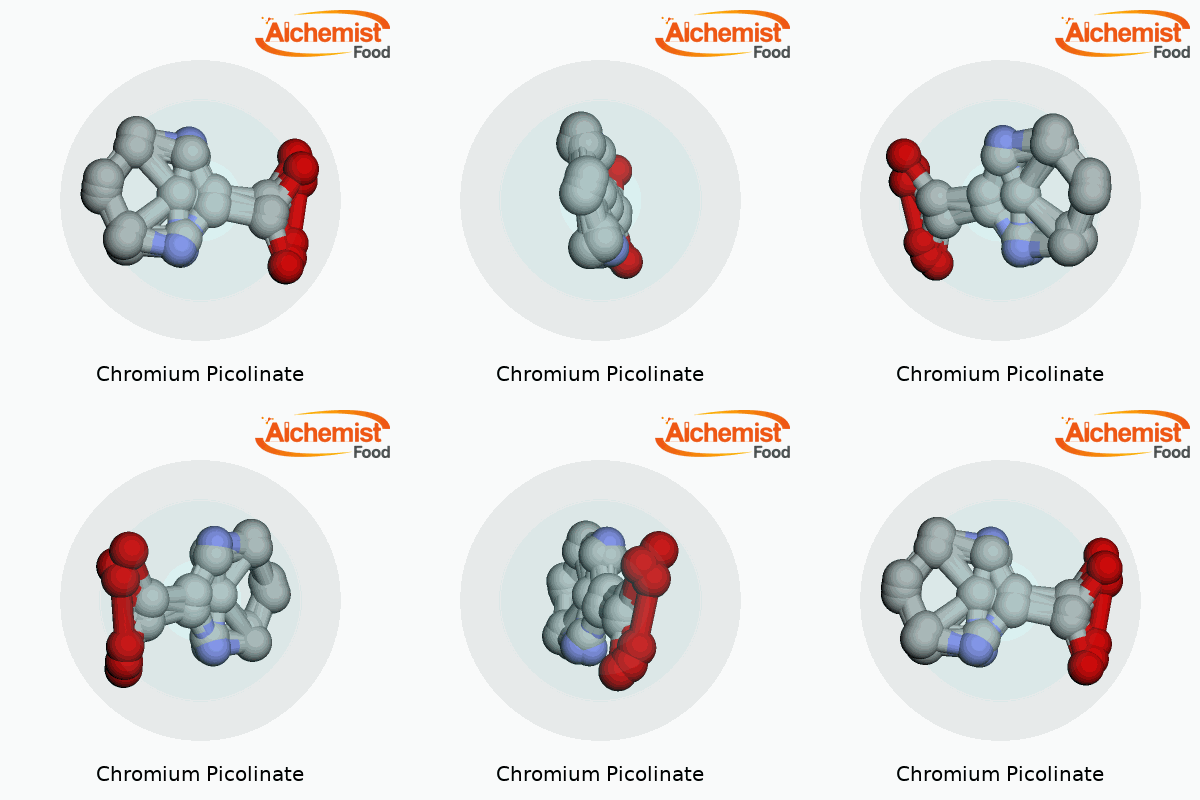
| Names | |
| Preferred IUPAC name | Tris(pyridine-2-carboxylato-N,O)chromium(III) |
| Other names |
Chromium tripicolinate Chromium(III) picolinate Chromium picolinate trihydrate |
| Pronunciation | /ˈkroʊ.mi.əm paɪˈkɒ.lɪ.neɪt/ |
| Preferred IUPAC name | Tris(pyridine-2-carboxylato)chromium(III) |
| Other names |
Chromium tripicolinate Picolinate de chromium Tris(picolinato)chromium(III) |
| Pronunciation | /ˈkroʊ.mi.əm paɪˈkɒ.lɪ.neɪt/ |
| Identifiers | |
| CAS Number | 14639-25-9 |
| Beilstein Reference | 14827 |
| ChEBI | CHEBI:9153 |
| ChEMBL | CHEMBL1201608 |
| ChemSpider | 60863 |
| DrugBank | DB09230 |
| ECHA InfoCard | 03c3a11c-1db5-478c-a1d6-765ffe4e0e87 |
| EC Number | EC 233-663-0 |
| Gmelin Reference | Gmelin Reference: 85377 |
| KEGG | C14287 |
| MeSH | D015360 |
| PubChem CID | 9572736 |
| RTECS number | GBV27100AY |
| UNII | J876B7Y99Y |
| UN number | UN2811 |
| CAS Number | 14639-25-9 |
| Beilstein Reference | 2692932 |
| ChEBI | CHEBI:9147 |
| ChEMBL | CHEMBL1200908 |
| ChemSpider | 54687 |
| DrugBank | DB09336 |
| ECHA InfoCard | 03df47f6-5437-48a3-91e0-ebbec5bb19a1 |
| EC Number | 210-483-1 |
| Gmelin Reference | 135451 |
| KEGG | C18789 |
| MeSH | D015660 |
| PubChem CID | 251946 |
| RTECS number | MWT69398T |
| UNII | JA850B4HLN |
| UN number | UN2811 |
| CompTox Dashboard (EPA) | DTXSID4021107 |
| Properties | |
| Chemical formula | C18H12CrN3O6 |
| Molar mass | 418.33 g/mol |
| Appearance | Chromium Picolinate appears as a fine, purple-red to reddish-purple crystalline powder. |
| Odor | Odorless |
| Density | Bulk density: 0.5-0.8 g/cm³ |
| Solubility in water | Slightly soluble |
| log P | -1.64 |
| Vapor pressure | Negligible |
| Acidity (pKa) | 4.79 |
| Basicity (pKb) | 11.74 |
| Magnetic susceptibility (χ) | Paramagnetic |
| Refractive index (nD) | 1.552 |
| Dipole moment | 2.45 D |
| Chemical formula | C18H12CrN3O6 |
| Molar mass | 418.33 g/mol |
| Appearance | Chromium Picolinate appears as a reddish-purple, fine crystalline powder. |
| Odor | Odorless |
| Density | Density: 1.54 g/cm³ |
| Solubility in water | Slightly soluble |
| log P | -1.53 |
| Vapor pressure | Negligible |
| Acidity (pKa) | 4.8 |
| Basicity (pKb) | 11.85 |
| Magnetic susceptibility (χ) | Paramagnetic |
| Viscosity | Viscous liquid |
| Dipole moment | 2.69 D |
| Thermochemistry | |
| Std molar entropy (S⦵298) | 349.1 J⋅mol⁻¹⋅K⁻¹ |
| Std enthalpy of formation (ΔfH⦵298) | -1176.7 kJ/mol |
| Std molar entropy (S⦵298) | S⦵298 = 435 J·mol⁻¹·K⁻¹ |
| Std enthalpy of formation (ΔfH⦵298) | -1095.3 kJ/mol |
| Pharmacology | |
| ATC code | A16AX10 |
| ATC code | A16AX10 |
| Hazards | |
| Main hazards | May cause respiratory irritation, skin and eye irritation, harmful if swallowed |
| GHS labelling | GHS07, Warning, H315, H319, H335 |
| Pictograms | Health hazard, Exclamation mark |
| Signal word | Warning |
| Hazard statements | H302: Harmful if swallowed. |
| Precautionary statements | Keep out of reach of children. For adult use only. Consult your physician before use if you are pregnant, nursing, taking medication, or have a medical condition. Do not exceed recommended dose. Store in a cool, dry place. |
| NFPA 704 (fire diamond) | 1-0-0-☢ |
| Lethal dose or concentration | LD50 (oral, rat): > 10,000 mg/kg |
| LD50 (median dose) | 1 g/kg (rat, oral) |
| PEL (Permissible) | PEL: Not established |
| REL (Recommended) | 35 mcg |
| IDLH (Immediate danger) | Not established |
| Main hazards | Harmful if swallowed. May cause respiratory irritation. May cause allergic skin reaction. |
| GHS labelling | GHS07, GHS08 |
| Pictograms | GHS07 |
| Signal word | Warning |
| Hazard statements | H302: Harmful if swallowed. |
| Precautionary statements | P264, P270, P301+P312, P330, P501 |
| NFPA 704 (fire diamond) | 1-0-0-No Reactivity |
| Lethal dose or concentration | LD50 (Oral, Rat): > 10,000 mg/kg |
| LD50 (median dose) | LD50 (median dose) of Chromium Picolinate: ">5,000 mg/kg (oral, rat) |
| NIOSH | Not Listed |
| PEL (Permissible) | PEL (Permissible Exposure Limit) for Chromium Picolinate: 0.5 mg/m³ as Cr (8-hour TWA) |
| REL (Recommended) | **100 mcg** |
| IDLH (Immediate danger) | Unknown |
| Related compounds | |
| Related compounds |
Chromium(III) chloride Chromium(III) nicotinate Chromium(III) acetate |
| Related compounds |
Chromium(III) chloride Chromium(III) acetate Chromium(III) oxide |



