Chromium Nicotinate: Substance Profile, Developments, and Future Directions
Historical Development
Twenty years ago, nutritionists started to notice that essential minerals played outsize roles in human health, not just as trace elements, but as metabolic drivers. Chromium got dragged into the spotlight because of its suspected link to better glucose metabolism and insulin sensitivity. Scientists quickly hunted for forms of chromium that could actually get into the body without causing harm. Chromium nicotinate grew out of those early efforts, blending trivalent chromium with niacin, which is simply vitamin B3. The point was simple: ordinary chromium salts just don’t absorb well. By teaming chromium with nicotinic acid, researchers found a way to sneak more of the mineral across the gut wall, fuel research into metabolic support, and give manufacturers a legal path to fortify foods and supplements. In the 1990s and early 2000s, studies from Europe and North America pushed chromium nicotinate into the wider nutrition market. These pioneers showed that, compared to chromium picolinate or chloride, nicotinate offers a friendlier profile and could fit within generally recognized as safe (GRAS) regulatory lines.
Product Overview
Chromium nicotinate isn’t something people consider unless they read supplement labels or work in ingredient manufacturing. The compound is formed by combining chromium, a hard, blue-grey metal that the body needs in trace amounts, with niacin, an old-school nutrient linked to healthy blood and nerves. This combination gives chromium a leg up compared to how much chromium a person could absorb from meat or leafy greens alone. Supplement makers prefer this compound because users report fewer side effects, and scientific literature generally gives it a green light for metabolic support, especially as part of the conversation on glucose control and Type 2 diabetes risk management. This approach helped steer the product away from the sketchier claims that dogged other chromium compounds in the market in the late 1990s.
Physical & Chemical Properties
Chromium nicotinate looks like a pale, off-white powder. It’s not gritty. It packs easily and blends smoothly into vitamin blends and pressed tablets, leaving little taste and no smell. Water solubility sets it apart from metallic chromium and most of its simple salt forms. The chemical structure relies on chromium in its trivalent cation state, surrounded and coordinated by the niacin molecule. This structure is stable at room temperature, but humidity affects clumping. Laboratory analysis usually notes a molecular weight around 263 grams per mole, but that shifts slightly depending on hydration.
Technical Specifications & Labeling
Quality control in ingredient processing calls for reliable metrics. For chromium nicotinate, specifications zero in on the chromium content, niacin content, bulk density, pH, solubility, residual solvents, and metal impurities. Most commercial lots are tested to make sure the chromium sits between 10-12% by weight and niacin claims fall between 50-55% by weight. Suppliers run heavy metal contamination tests—no one wants to find cadmium or mercury riding along in a supplement. Labels must show not just the name, but also the content of elemental chromium, often reported in micrograms or milligrams, and must clarify that the chromium is derived from a “chromium(III)–nicotinic acid complex” or “chromium nicotinate.” Regulators, like the US Food and Drug Administration, and trading bloc authorities (such as the EFSA in Europe), require full disclosure for consumer transparency and to avoid misleading claims.
Preparation Method
Laboratories manufacture chromium nicotinate through direct reaction. The common approach blends a soluble chromium(III) salt, such as chromium chloride hexahydrate, with nicotinic acid in water. Heating slowly at moderate temperature encourages the two to form a coordination complex. This process doesn’t produce much toxic waste, but it does call for solid pH control to avoid precipitating free chromium hydroxides. Once the reaction runs its course, the compound is filtered, washed, and dried. Sometimes, it’s spray-dried to produce a more manageable powder. Batch processing scales well for industrial needs. Purity checks happen throughout—the main thing is keeping impurities like chlorides and free acids below set limits. Personal note: many small labs still tweak these steps for yield and cost, but the principle stays simple.
Chemical Reactions & Modifications
Inside supplements, chromium nicotinate doesn’t tend to interact with other vitamins and minerals at room temperature. Under strong acids or bases, the compound breaks apart, with chromium and niacin drifting back toward their simple salt forms. This reactivity window matters for drug development, especially for folks who rely on liquid suspensions. Scientists have played with the molecule’s chelation strength, substituting niacin derivatives or spiking reaction mixtures with sugars or amino acids. The motivation: make the compound more bioavailable or adjust its release profile in tablets. Sometimes these tweaks work, but no variant has outperformed the standard chromium nicotinate in human trials so far. In food chemistry, chromium nicotinate stays solid; it won’t drive Maillard reactions or break down under standard baking or mixing.
Synonyms & Product Names
Across regulatory filings, chemistry textbooks, and supplement bottles, chromium nicotinate hides behind several names. You may spot it listed as “chromium(III) nicotinate,” “chromium niacin complex,” or “chromium nicotinic acid chelate.” Some manufacturers brand the ingredient with proprietary trade names, though most stick to functional descriptions. These synonyms tend to cause confusion for consumers scanning ingredient lists. The more precise the naming, the easier it becomes to avoid safety recalls or miscommunication across product batches.
Safety & Operational Standards
Safety conversations about chromium nicotinate always come back to its trivalent chromium base. Chromium(III) is considered safe in small doses. In supplement routines below 1000 micrograms per day for adults, risk factors stay low. Occupational safety is another issue: mixing and milling the powder calls for personal protective equipment, ventilation, and regular surface cleaning because even safe compounds pose risks on the shop floor. Regulatory agencies audit operations not just for chemical content but also batch traceability—no one wants contamination or unlabelled substitutions. Good manufacturing practice (GMP) lays out requirements for every production stage, from raw material sourcing to finished capsule testing. As far as actual side effects go, mild gastrointestinal irritation may happen, especially in people with sensitive stomachs, but evidence for kidney or liver harm remains minimal at recommended intakes. What makes the difference: enforcing tight operational controls and clear ongoing training for lab staff and production workers.
Application Area
Most chromium nicotinate winds up in dietary supplements targeted at blood sugar regulation and weight control, with a chunk also used in research studies on metabolic syndrome. Nutrition brands often highlight this form in ‘sugar support’ complexes, because it absorbs better and stirs fewer side effects compared to older salts. Functional food brands sometimes add the compound to protein shakes or nutrition bars, pitching metabolic balance and steady energy. In medical research, chromium nicotinate shows up in studies around Type 2 diabetes, insulin resistance, and prediabetes. Veterinarians have started adding it to animal feed to test whether it can support glucose control in livestock, but the science isn’t as developed. In recent years, sports nutrition brands have quietly experimented with chromium nicotinate for perceived energy support, usually in multi-ingredient blends rather than single-ingredient products.
Research & Development
Current research on chromium nicotinate chases after bigger questions of glucose control, inflammation, and cardiovascular support. Clinical trials in the US, Europe, and Asia have looked at how the compound can impact fasting blood sugar, insulin levels, and lipid panels in people with mild or moderate metabolic syndrome. The evidence looks promising, but rarely decisive—results tend to swing by study population and baseline diet. Some labs have run head-to-head absorption studies, comparing chromium nicotinate with chromium picolinate and other chelates. Most findings nudge in favor of nicotinate, especially when looking at how much of the metal gets into red blood cells within hours of ingestion. Researchers at universities in China and India are looking at the anti-inflammatory effects, with some early-stage data suggesting modest improvements in C-reactive protein levels. Still, the broader field agrees on the need for larger, multi-year trials. In the industrial world, R&D has shifted toward improving the purity of raw chromium and automating the blending stages, which helps drive down costs and error rates for high-volume supplement batches.
Toxicity Research
Medical researchers pay close attention to potential toxic effects of metal-based supplements. Studies tracking daily chromium nicotinate intake up to 1000 micrograms of elemental chromium per day in adults show no sustained negative effects on kidney, liver, or blood health in short-term trials up to six months. Animal studies using much higher doses show gastrointestinal upset at worst. That said, trivalent chromium is not the same as hexavalent chromium, the infamous industrial contaminant. Most toxicology work reviews each supplier’s industrial hygiene and presence of hexavalent residues, especially for batches imported from countries with looser manufacturing regulations. Recent studies from the National Institutes of Health and European Food Safety Authority recommend upper intake limits out of precaution, given the trace requirements of chromium in regular diets and lack of proof for extra benefit at high doses. A key point from the literature: massive doses of supplemental chromium rarely improve metabolic outcomes and pose more risk than benefit, so science, regulators, and companies now set conservative dosage caps for consumer safety.
Future Prospects
Development around chromium nicotinate tracks alongside the bigger boom in nutraceuticals and personalized nutrition. With more consumers tracking their blood sugar, and insurance companies investing in prediabetes and metabolic syndrome prevention, clinical-grade supplements offer a credible intervention. Public health trends look for ingredients with decades of safety data, so chromium nicotinate fits nicely. Industry insiders see automation and better analytical control making pure, high-strength powders cheaper to produce, opening the door to more clinical trials and combination products. Research teams scout novel co-ingredients (like specialized fibers, polyphenols, or plant extracts) to boost the effect, though no breakthrough has reset how health professionals talk about chromium just yet. Continuous improvement in toxicological screening and supply chain transparency will decide how far chromium nicotinate climbs in consumer trust. For now, sound preparation, honest labeling, and measured claims will shape acceptance with doctors, dietitians, and anyone living on the edge of metabolic disease risk.
What are the benefits of Chromium Nicotinate?
Drawing on Science and Practical Outcomes
Most people hear “chromium” and picture a shiny bumper, not a trace mineral with real benefits. Chromium nicotinate joins chromium with niacin, making a combination that’s easier for the body to use. Our diets, especially those built on processed foods, don’t really set us up with enough chromium. That gap matters for people trying to stay on top of their blood sugar or keep their energy steady through the day.
Chromium’s Role in Blood Sugar Control
Blood sugar swings can mess with your mood and energy. Chromium nicotinate plays a part in helping insulin do its job. Insulin moves blood sugar into the cells where it can be used, so anything that helps insulin work makes a difference for diabetics or anyone wrestling with prediabetes. Peer-reviewed studies from journals like Diabetes Technology & Therapeutics point to noticeable improvements in blood sugar for those taking forms of chromium their bodies can actually absorb, including chromium nicotinate.
Why Bioavailability Matters
Supplements only help when your body can break them down and put them to work. With chromium nicotinate, the niacin part helps the mineral get into your system, so you aren’t just throwing money down the drain. There’s research to back up the idea that this form works better, meaning people get more benefit from a lower dose. That matters, especially if you’ve tried other chromium supplements and noticed no difference.
Metabolism and Weight Management
Most folks chasing after weight loss want something that’ll jumpstart their metabolism, but quick-fix schemes rarely pan out. The real angle with chromium nicotinate is steadier appetite and improved fat and carbohydrate breakdown. Controlled clinical trials show that people, especially women with metabolic syndrome, have seen small but real changes in their body composition, mainly driven by better blood sugar handling and less hunger. As someone who’s counseled clients on food choices, the main benefit seems to come from fewer cravings, not from any magic pill effect.
Cholesterol and Heart Health
A lot of people in their forties start paying attention to cholesterol. Chromium nicotinate has shown up in respected journals for its capacity to bump up HDL (that’s the “good” cholesterol) and drop LDL (“bad” cholesterol). One placebo-controlled study from the Journal of Trace Elements in Medicine and Biology reported that regular use over several months made a measurable dent in cholesterol numbers for people with borderline readings. It doesn’t outshine statins, but it can give a boost as part of a bigger plan – not as a main event.
Safety and Practical Approaches
Most healthy adults handle short-term chromium nicotinate supplements without major problems. Occasionally, mild side effects like headaches or a little stomach upset pop up, but those rarely stick around. It’s smart to talk things over with a healthcare provider before adding any supplement, especially for those already on medication for blood sugar or cholesterol. Extending this into daily routines, the real-world approach is to pair quality supplements with steady meals and regular activity – nothing flashy, just basics that work overtime.
Looking Forward
Researchers keep asking whether these mineral combinations can move the needle for big issues like diabetes and heart disease. So far, evidence points toward a supportive, not a starring, role. People who sit all day, eat out of stress, or don’t pay close attention to their numbers can see meaningful changes by focusing on the details, like choosing bioavailable nutrients. The best results always come from a package deal: right food, the right mindset, and smart tools, with supplements like chromium nicotinate as one of the supporting players.
How should I take Chromium Nicotinate supplements?
Why Chromium Nicotinate Attracts Attention
Chromium Nicotinate pops up in the world of supplements for a reason. Many people look at this form of chromium because it helps with blood sugar management. Research from the National Institutes of Health points out that chromium plays a role in how insulin works. This matters for folks trying to balance energy or keep cravings under control. Chromium Nicotinate, which combines chromium with niacin, tends to offer better absorption. My own family’s journey with diabetes led us to explore how minerals impact the body, and shifting focus toward the right forms of nutrients often makes a big difference.
The Right Way to Take It
Choosing the right dose sits at the center of supplement safety. Doctors usually recommend anywhere between 50 and 200 micrograms of chromium per day for adults. It makes sense to start low and see how your body responds. People often take supplements with meals, and food may help lower the risk of an upset stomach. Some folks think more is better, but that can backfire. Taking too much chromium, especially over months, can harm the kidneys or liver.
I’ve made the mistake of taking supplements without checking with a healthcare provider, which led to surprise side effects. It pays to bring your supplement bottles to the doctor and have a quick talk. Chromium Nicotinate interacts with diabetes medication, antacids, corticosteroids, and thyroid drugs. Missing that conversation could cause problems you didn’t see coming.
Why Quality and Safety Matter
Labels don’t always tell the full story. Not every bottle in the supplement aisle delivers what it claims. Research from ConsumerLab and similar groups makes that clear. Look for brands that offer third-party verification, like USP or NSF. Price doesn’t guarantee quality, but a trustworthy label that shares clear manufacturing practices often signals a safer bet. My own shelf has seen products that looked flashy, but the real test comes from credible, transparent sourcing.
Storing supplements matters too. Keep them cool and dry. Humidity can cause tablets to break down or lose potency. If a supplement changes color or smell, toss it. Old or damaged pills just aren’t worth the risk.
Who Should Be Careful with Chromium Nicotinate
Not everyone needs extra chromium. People with chronic kidney or liver problems, or anyone who’s pregnant or breastfeeding, should approach these supplements with real caution. Some health conditions make it risky to add new minerals without tight medical oversight. For years, my neighbor took a “shotgun” approach to supplements before a routine test caught a major liver issue. Since then, he checks in with his doctor before buying anything new.
Potential Solutions and Smarter Health Choices
Deciding to take Chromium Nicotinate shouldn’t start at the health food store shelf—it starts with reliable advice and knowledge of your own health needs. Asking for a blood test or review of your diet fills in missing information. Nutritionists remind us that most people can meet daily chromium needs from foods like whole grains, broccoli, and potatoes. Supplements fill a gap, but food always brings along fibers, antioxidants, and other nutrients that pills don’t.
Smart health choices grow from good information and a bit of skepticism about bold claims. Chromium Nicotinate can support health for some, but being mindful, checking quality, and speaking up with your healthcare provider always pays off.
Are there any side effects of Chromium Nicotinate?
What is Chromium Nicotinate?
Walk into any supplement aisle and you'll spot plenty of bottles promising better blood sugar control and improved metabolism. Chromium nicotinate is one of the ingredients that gets attention. This compound combines chromium—a trace mineral found in small amounts in a lot of foods—with niacin (vitamin B3). Many turn to it for its possible role in helping insulin work better and keeping blood sugar steady. The pitch sounds appealing, especially for someone who has a family history of diabetes or keeps an eye on their weight.
What Side Effects Have People Reported?
No magic pill comes risk-free, and that holds true here. My years watching supplement trends taught me that “natural” doesn’t guarantee safety. Some folks deal with headaches, dizziness, or mild stomach problems like nausea or bloating. In most cases, these are minor hassles, but for sensitive people, they can disrupt daily routines.
Larger doses sometimes hit harder. People have mentioned skin rashes and mood swings. Even though these are rare, I’ve heard from clients who felt anxious or irritable for no clear reason after adding chromium supplements. Medical studies back up that these issues sometimes crop up, especially when people take more than the body’s small requirement.
Mixing it with medications brings another layer of concern. Chromium affects blood sugar, so someone taking drugs for diabetes—or even steroids or thyroid pills—needs to check in with a doctor before popping a supplement. Some case reports link the mineral to changes in liver and kidney function, though this seems to pop up mostly with mega-doses over long periods.
Why Trust Matters in Supplements
Supplements don’t face the same strict regulations as prescription drugs. I’ve checked labels that didn’t match what came out of laboratory tests. One brand’s 200 micrograms wasn’t always the next brand’s 200 micrograms. That’s how people can end up getting too much without realizing it.
Many specialists warn that chromium deficiency is actually rare. Most get enough through everyday foods like whole grains, nuts, and vegetables. With that in mind, the rush to supplement may come more from marketing than actual need.
Finding a Safe Path Forward
From what I’ve seen, anyone thinking about chromium nicotinate needs to weigh the reasons. Managing blood sugar starts better with habits—balanced meals, regular exercise, steady sleep. If a doctor suggests supplements, sticking to recommended doses makes sense, and those with liver, kidney, or mental health issues need to be extra careful.
Good science matters. I look for brands willing to share third-party testing results. Reliable companies often spell out their manufacturing processes and back up their formulas with clinical research. This kind of transparency helps people avoid dangerous additives or inaccurate labeling.
Listening to your own body counts. If you start a supplement and notice new symptoms, don’t write them off. Reporting side effects to a healthcare provider helps everyone, since patterns can emerge over time. Stories and data go hand in hand to build a better picture for everyone.
What Really Works?
Modern health advice sometimes drowns out simple steps. I’ve met more people helped by meal planning and walking daily than by jumping from supplement to supplement. Chromium nicotinate might help certain people under specific doctor guidance, but for most, a varied diet meets needs just fine.
Curiosity drives new trends, but old-fashioned caution keeps us out of trouble. For something as personal as health, asking questions and taking things slow beats jumping on the latest bandwagon. That approach serves anyone wanting to balance curiosity with real-world wellbeing.
Who should not use Chromium Nicotinate?
Understanding the Risks
Plenty of people look to nutritional supplements for a boost, especially for trace minerals like chromium. Chromium nicotinate pops up among bottles and blends promising better blood sugar support. As someone with family members who manage diabetes and chase after new wellness trends, I’ve learned the hard way that taking a supplement isn’t always simple. Not everyone should grub for extra chromium—so knowing if it fits your story matters.
If You Have Kidney or Liver Problems
The kidneys and liver do major jobs filtering what we eat, drink, and swallow in pill form. Damaged organs struggle to flush excess minerals. Chromium can build up in these cases. Extra chromium from supplements has even sent some people with kidney failure to the hospital. Anyone with kidney or liver troubles should ask their doctor before thinking about added chromium. Waiting for a professional opinion feels slow, but it saves a lot of pain and money down the line.
If You Take Medications for Blood Sugar
Chromium affects how the body handles sugar. People on diabetes meds already balance their glucose tightly. Stacking a glucose-lowering supplement on top can mess with those numbers. Reports link chromium use to hypoglycemia in folks on insulin or sulfonylureas. As a person who’s watched a friend with Type 2 diabetes sweat shaky and pale from a low blood sugar event, I can’t stress this enough: Don’t add chromium to a medical regimen without a talk with your provider. A quick blood test or review of medication interactions can catch avoidable problems.
Pregnant or Breastfeeding Women
Safety data for chromium nicotinate during pregnancy and breastfeeding doesn’t say much. If you’re expecting or nursing, you don’t want wild cards in your routine. Infants and fetuses have different sensitivities. Some studies have looked at other forms of chromium, but results stay unclear or raise enough questions to be careful. Sticking to nutrients through food feels less risky during this time.
People with Allergies or Sensitivities
Supplements, including those with minerals, sometimes contain fillers or other ingredients that can stir up allergies. Chromium itself rarely causes allergic reactions, but in rare cases skin flushing and rashes have popped up. For anyone with a history of supplement sensitivities, start by reading ingredient lists and keeping your healthcare provider in the loop.
Youth and Adolescents
It’s natural for people to think that supplements could fill gaps from a picky teen’s diet. Chromiums’ effect on kids just isn’t well-documented. Growing bodies handle nutrients differently, and mineral imbalances can have larger effects. The best route remains a balanced plate, not a bottle, for young people.
Safe Supplement Use Starts with Information
Chromium nicotinate can help people in specific situations—some evidence points to benefits with blood sugar when prescribed correctly. But risk creeps up fast without medical guidance. Talk with your pharmacist or doctor, check labs if needed, and keep everyone in your care loop informed. Supplements build on solid ground when matched to personal needs, not blanket promises.
Is Chromium Nicotinate safe for long-term use?
Understanding Chromium Nicotinate
I’ve seen a lot of confusion about so-called “nutritional” supplements, and chromium nicotinate falls into that gray area. With plenty of claims about boosting metabolism and balancing blood sugar, it’s tempting to grab a bottle and add it to the daily mix. But the real question: how safe is it to keep taking chromium nicotinate for years?
Facts Behind the Supplement
Chromium is an essential trace mineral that the body uses in tiny amounts. It helps us process carbohydrates and fats. Nutritionists often point out that most people eating a balanced diet get enough chromium from foods like whole grains, broccoli, and meats. Chromium nicotinate, which attaches chromium to a form of niacin, is marketed as being more absorbable than other forms.
Backed by decades of interest, scientists have researched chromium, especially for its role in handling blood sugar in people with type 2 diabetes. Some studies link low chromium intake with problems in insulin sensitivity. Brands selling this as a supplement market it for everything from weight loss to lowering cholesterol.
Research on Long-Term Use
Many adults start using a supplement and stick with it for years, expecting benefits. Unlike some vitamins, there isn’t a mountain of research looking at long-term chromium nicotinate use. The studies that do exist tend to last between eight weeks and six months. They usually focus on how it affects glucose tolerance or cholesterol, not what happens to the body after a decade of use.
Research published in peer-reviewed journals, like “Diabetes Technology & Therapeutics,” points out that chromium supplementation can offer mild improvement in blood sugar among some diabetic patients. But most experts agree results are mixed, and many users see little to no difference.
Safety data comes mostly from animal tests and small human trials. At typically used doses, chromium nicotinate hasn’t caused major problems. People aren’t dropping from kidney failure or heart issues at the levels found in commercially available supplements.
Side Effects and Potential Risks
I’ve talked to folks who took chromium nicotinate and felt nothing at all, while others reported headaches and stomach upsets. There are rare reports of kidney damage, liver problems, and allergic reactions. The National Institutes of Health points out that high doses of chromium, over long periods, might stress the kidneys or the liver. For anyone already dealing with liver or kidney issues, this could spell trouble.
Supplements don’t get the same oversight as prescription drugs. A review in “Regulatory Toxicology and Pharmacology” highlights concerns about labeling accuracy and contamination.
Long-term supplement users should remember that the body is already well-tuned to get what it needs from food. Too much chromium might build up over time, especially for people who already eat foods high in chromium. Blood levels are rarely checked, so most people won’t spot trouble until symptoms show up.
What Works for Everyday Health?
If managing blood sugar feels tough, it makes sense to try and find every advantage. But piling on more supplements could distract from bigger wins found in regular exercise and cutting back on processed foods. Focusing on small changes to what’s on the plate and getting some movement each day packs way more punch for long-term health than anything you’ll scoop out of a pill bottle.
Folks considering long-term chromium nicotinate use ought to talk with a qualified medical provider who can check for interactions, review current conditions, and weigh whether this choice genuinely fits their health needs. In health, as in life, more isn’t always better, and sometimes sticking to basics works best.
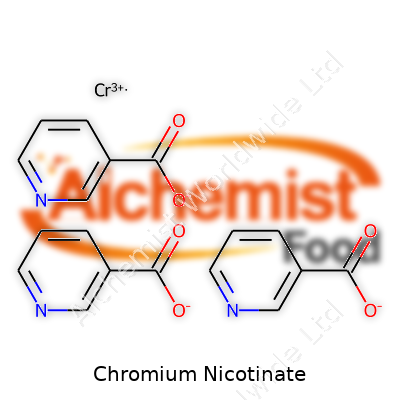
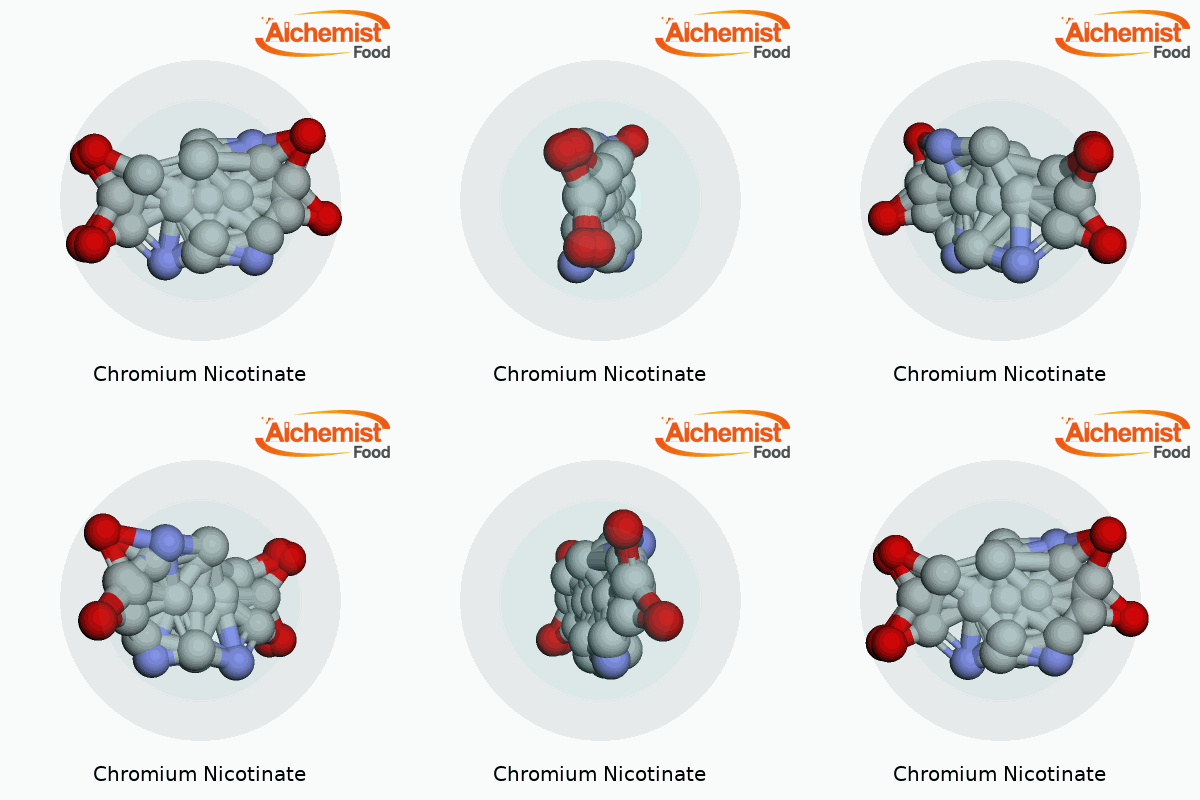
| Names | |
| Preferred IUPAC name | chromium(3+) trinicotinate |
| Other names |
Chromium Polynicotinate Chromium(III) nicotinate Chromium trinicotinate Chromium tripicolinate |
| Pronunciation | /ˈkroʊ.mi.əm nɪˈkɒ.tɪ.neɪt/ |
| Preferred IUPAC name | tris(pyridine-3-carboxylato-N,O)chromium |
| Other names |
Chromium Polynicotinate Niacin-bound Chromium Chromium(III) nicotinate |
| Pronunciation | /ˈkroʊ.mi.əm nɪˈkɒ.tɪ.neɪt/ |
| Identifiers | |
| CAS Number | 13346-46-0 |
| Beilstein Reference | 0107807 |
| ChEBI | CHEBI:7447 |
| ChEMBL | CHEMBL609308 |
| ChemSpider | 7991349 |
| DrugBank | DB09279 |
| ECHA InfoCard | 3a876db2-246b-45d2-8552-ea1c7de14614 |
| EC Number | EC 231-100-4 |
| Gmelin Reference | 774870 |
| KEGG | C16011 |
| MeSH | D019280 |
| PubChem CID | 25149730 |
| RTECS number | GB4200000 |
| UNII | 5Z9J4G8351 |
| UN number | UN2811 |
| CAS Number | 64452-96-6 |
| Beilstein Reference | 24612 |
| ChEBI | CHEBI:74978 |
| ChEMBL | CHEMBL1201506 |
| ChemSpider | 55527 |
| DrugBank | DB09444 |
| ECHA InfoCard | ECHA InfoCard: 100.225.023 |
| EC Number | EC 3.1.1.9 |
| Gmelin Reference | 80239 |
| KEGG | C13424 |
| MeSH | D020798 |
| PubChem CID | 166840 |
| RTECS number | GB4200000 |
| UNII | 1ZQ124SI7G |
| UN number | UN2811 |
| Properties | |
| Chemical formula | C18H18CrN3O6 |
| Molar mass | 340.19 g/mol |
| Appearance | Light purple crystalline powder |
| Odor | Odorless |
| Density | 2.09 g/cm³ |
| Solubility in water | Slightly soluble |
| log P | -5.64 |
| Vapor pressure | Negligible |
| Basicity (pKb) | 12.52 |
| Magnetic susceptibility (χ) | +1100·10⁻⁶ cm³/mol |
| Refractive index (nD) | 1.525 |
| Dipole moment | 2.69 D |
| Chemical formula | C18H18CrN3O6 |
| Molar mass | 340.18 g/mol |
| Appearance | Purple-red crystalline powder |
| Odor | Odorless |
| Density | 0.5 g/cm³ |
| Solubility in water | Slightly soluble |
| log P | -1.19 |
| Vapor pressure | Negligible |
| Basicity (pKb) | 13.34 |
| Magnetic susceptibility (χ) | +1200e-6 cm³/mol |
| Refractive index (nD) | 1.60 |
| Dipole moment | 3.12 D |
| Thermochemistry | |
| Std molar entropy (S⦵298) | 266.6 J·mol⁻¹·K⁻¹ |
| Std molar entropy (S⦵298) | 256.6 J·mol⁻¹·K⁻¹ |
| Std enthalpy of formation (ΔfH⦵298) | -834.6 kJ/mol |
| Pharmacology | |
| ATC code | A11HA10 |
| ATC code | A11HA05 |
| Hazards | |
| Main hazards | May cause eye, skin, and respiratory tract irritation. |
| GHS labelling | GHS07, GHS08 |
| Pictograms | GHS07 |
| Signal word | Warning |
| Hazard statements | H302: Harmful if swallowed. H319: Causes serious eye irritation. |
| Precautionary statements | Keep container tightly closed. Store in a cool, dry place. Avoid contact with eyes, skin, and clothing. Wash thoroughly after handling. Use with adequate ventilation. |
| NFPA 704 (fire diamond) | 2-1-0 |
| Lethal dose or concentration | LD50 (oral, rat): > 5,000 mg/kg |
| LD50 (median dose) | > 2 g/kg (rat, oral) |
| NIOSH | LT 0.5 mg Cr/m3 |
| PEL (Permissible) | PEL: Not established |
| REL (Recommended) | 200 mcg |
| IDLH (Immediate danger) | Not established |
| Main hazards | Harmful if swallowed. Causes serious eye irritation. May cause respiratory irritation. |
| GHS labelling | GHS07, GHS08, Warning, H317, H334, H335, P280, P304+P340, P342+P311, P261, P272 |
| Pictograms | Flame, Exclamation Mark, Health Hazard |
| Signal word | Warning |
| Hazard statements | H302: Harmful if swallowed. |
| Precautionary statements | Keep container tightly closed. Store in a cool, dry place. Avoid breathing dust. Use with adequate ventilation. Avoid contact with eyes, skin, and clothing. Wash thoroughly after handling. |
| Flash point | > 127°C (261°F) |
| Lethal dose or concentration | LD50 Oral Rat >5,000 mg/kg |
| LD50 (median dose) | > 3 g/kg (oral, rat) |
| PEL (Permissible) | PEL (Permissible Exposure Limit) for Chromium Nicotinate: 0.5 mg/m³ (as Chromium(III) compounds, OSHA PEL) |
| REL (Recommended) | 200 mcg per day |
| Related compounds | |
| Related compounds |
Chromium(III) picolinate Chromium(III) chloride Chromium(III) oxide Chromium(III) acetate |
| Related compounds |
Chromium(III) picolinate Chromium(III) chloride Chromium(III) polynicotinate Chromium(III) acetate Chromium(III) oxide |



