Choline Chloride: A Close Look at Its Path, Properties, and Future
Historical Development
Back in the nineteenth century, researchers cracked open the chemical makeup of animal tissues and found a peculiar nitrogen compound. With more digging, both chemists and biologists painted a clearer picture—choline. In the early twentieth century, its salt form, choline chloride, gained ground among scientists looking to understand metabolic functions. Fats gathered in animal livers drew attention, and choline chloride showed promise as a preventive agent. This opened the door for early studies connecting this compound to animal well-being. By the post-war era, choline chloride transformed feed industries worldwide. Instead of suffering through slow animal growth and poor health, farmers and animal nutritionists started to see measurable improvements. Researchers kept probing choline’s role in nutrition and metabolism, eventually weaving it into global animal husbandry practices.
Product Overview
Choline chloride is a white, odorless, deliquescent salt with a pronounced salty and slightly fishy taste. It usually rolls out in crystalline, powdered, or often in liquid form. Animal nutrition companies, feed mills, and supplement manufacturers use it widely as a feed additive. Sometimes, food processors and pharmaceutical firms use choline chloride in niche products as a nutritional source. Demand for it stems from its essential role as a nutrient—animals can’t make enough themselves, so supplementation supports normal metabolism and nervous system performance.
Physical & Chemical Properties
Choline chloride’s formula is C5H14ClNO. It packs a molar mass around 139.62 g/mol. Its hygroscopic character pulls in moisture from air in an instant, which means manufacturers and users often worry about storage. Soluble in water and ethanol, it mixes without much effort in practical settings. Melting starts at around 302°C, but at even moderate humidity, the salt liquefies as it sits. Chemically, it stands stable under normal use but will decompose with heat, giving off trimethylamine and hydrochloric acid. Unlike volatile organics, choline chloride stays put unless mishandled, so waste and volatilization concerns rarely crop up.
Technical Specifications & Labeling
Quality producers back up their choline chloride with purity levels at 98% or above, and strict moisture content controls—usually under 2%. Common packaging runs the spectrum from 25 kg bags to bulk containers. The feed grade must carry accurate labeling: concentration, net weight, lot number, expiry date, and safety data. European and North American agencies define choline chloride’s allowable use and purity, so responsible producers carry out batch analytics using HPLC and other advanced tests. Evidence of GMP-compliant production usually helps buyers steer clear of poor quality material that might otherwise slip into the supply chain.
Preparation Method
The standard industrial process for making choline chloride relies on methylation. One familiar method combines trimethylamine and ethylene oxide with hydrochloric acid in an aqueous medium. The reaction between the amine and the alkylene oxide steps out trimethyl(2-hydroxyethyl)ammonium chloride. Aqueous solution is usually shipped as-is or spray dried to form free-flowing powders or granules. Conditions need careful attention: controlling temperature, pressure, and reactant ratios limits unwanted byproducts. Ventilation during production remains crucial because of the strong-smelling, volatile trimethylamine gas—better to avoid both odor complaints and safety risks.
Chemical Reactions & Modifications
In typical use, choline chloride acts mainly as a nutrient, so chemical modification rarely comes into play. In specialized chemistry, substitution reactions can yield derivatives like choline bitartrate or esterified forms. Further processing for pharmaceutical use sometimes calls for finer purification, removing residual solvents and unwanted amines. Researchers have looked at reactions with alcohols, acids, and biocatalytic agents to tailor solubility or delivery features, but these efforts stay mostly in the realm of specialty applications. Large-scale animal nutrition depends on straightforward salt, where reliability and simplicity mean more.
Synonyms & Product Names
This compound rolls out under names such as Choline Chloride, Choline Salt, and 2-Hydroxyethyltrimethylammonium chloride. Different markets sometimes pitch it as Vitamin B4, though this label brings confusion—choline is an essential nutrient, not a vitamin. In feed mills and ingredient catalogs, it pops up with these and other trade names. Regulators prefer standardized nomenclature to cut through marketing gloss, so exact identification matters for safe and accepted usage.
Safety & Operational Standards
Workers in choline chloride production facilities point out that the chemical’s low acute toxicity makes it approachable, but not risk-free. Dusts can irritate skin, eyes, and airways, which means they keep up protective gear and ventilation. At moderate concentrations, accidental exposure flares up minor symptoms but rarely leads to serious harm. Storage calls for dry, well-ventilated areas away from oxidizing agents and acids. Safety data sheets recommend eye protection, gloves, and tight handling protocols—worker safety comes from daily discipline, not assumptions about low hazard. Fire risks tie back to trimethylamine, generated as a byproduct in synthesis, so explosion-proof gear stays on hand.
Application Area
Animal agriculture stands at the core of choline chloride’s market: it lands in chickens, pigs, cattle, fish, and even pet diets. The main aim is to support methyl metabolism and prevent fatty liver syndrome in fast-growing poultry and swine. Choline chloride backs brain development and nerve function, which translates indirectly into better growth rates and feed conversion on large farms. Outside animal nutrition, niche sectors dip into choline chloride as a source of choline in food fortification, pharmaceuticals, and biotechnology. Green chemistry circles have turned to it as a hydrogen-bond donor in deep eutectic solvents, nudging the compound into eco-friendly reaction media—opening up alternative uses that stretch well beyond feed.
Research & Development
Current research often investigates choline’s full physiological role, not just in animals but in humans as well. Nutritionists keep exploring optimal doses for high-yield livestock, with some studies hinting at lower requirements than once thought. This could trim costs and limit environmental runoff. Biotechnologists test choline chloride in novel solvents and look into its role in cell membrane synthesis. Clinical researchers have measured choline status in infants, seeking links between early supplementation and cognitive outcomes, though regulatory agencies tread carefully before shifting dietary policy. Over in the chemical world, teams work on greener processes and waste minimization during industrial production.
Toxicity Research
Medically, choline chloride carries a low hazard profile. Acutely, animals handle sizeable oral doses without lasting harm, but chronic misuse can push liver and kidney stress. Studies probing animal models note possible symptoms at extremely high intake, like a drop in blood pressure or slight muscle tremors. For humans, daily requirements rest below gram levels, and toxicity cases rarely show up outside intentional overdosing—which seldom happens. Feed quality assurance programs keep a lid on excess concentrations, and routine monitoring ensures that commercial batches don’t cause trouble for livestock or people downstream.
Future Prospects
Looking ahead, demand hinges on the growing global appetite for animal protein and the tightening regulations around feed safety. The drive for sustainable agriculture keeps the spotlight on efficient nutrients. Companies look for ways to cut nitrogen waste and shrink their carbon footprint, so alternative production routes with smaller energy inputs hold promise. Interest in cleaner manufacturing, less reliance on fossil feedstocks, and expanded uses in green chemistry means choline chloride could step out of its role as just an animal feed ingredient. Researchers keep tracking new fields—such as using choline chloride-based materials for carbon capture, bioplastics, or even medical therapies—potentially pushing its boundaries in the chemical and life science sectors. As long as nutrition science keeps linking choline status to health and productivity, industries will keep investing in smarter and cleaner ways to make, handle, and apply this unassuming but vital salt.
What is Choline Chloride used for?
The Backbone of Animal Nutrition
Walk into any animal feed plant and you’ll probably spot sacks labeled “choline chloride.” This molecule isn’t just another chemical in the long list of supplements. Farmers and nutritionists count on it to keep their livestock healthy. Animal bodies run on choline—this nutrient helps build cell walls and plays a big role in brain development. Chickens, cows, and pigs don’t get enough of it from grains or pasture grass alone. Without choline chloride in their feed, animals might lag behind in growth or show signs of health trouble, like fatty livers or weak nerves.
The numbers back up its impact. Research shows that adding choline chloride helps hens lay more eggs and improves milk production in dairy cows. Faster growth in broilers brings better yields. Behind all these results sits a simple idea: animals need choline for normal metabolic processes. Without it, their bodies can't handle fats or maintain sharp muscle movement.
Crucial for Humans, Too
People often talk about B vitamins, but few realize choline is just as essential. The body uses it for nerve function, memory, and muscle control. Scientists have found links between low choline intake and fatty liver in adults, as well as poor cognitive performance. What’s surprising is that many adults don’t get enough in their diets. Eggs, liver, and some beans supply choline naturally, but not everyone eats those foods daily.
Some energy drinks and dietary supplements now add choline chloride, mostly as a nod to its brain-boosting reputation. Still, the main route for most folks remains food. Doctors have started flagging choline as a key nutrient for pregnant women—developing babies depend on it for brain and spinal cord development, right alongside folic acid.
Industrial Uses Grounded in Chemistry
Outside of nutrition, industries use choline chloride to keep things running smoothly. In oil and gas drilling, it tends to prevent clogs and helps the whole process flow. Some concrete producers treat it as a workhorse additive that speeds up curing. You’ll also find it in a few herbicides, where it binds with plant toxins and makes weed removal safer for the surrounding crops.
Each of these uses taps into choline chloride’s chemistry. In layman’s terms, this compound sticks to other molecules and changes how they behave—more than just a simple fortifier, it’s a helper for everything from food to construction.
Why It Matters—And What Could Change
The need for choline chloride isn’t fading away. Modern farming methods rarely leave enough choline in animal diets, and plant-based food trends may lead more people to low-choline lifestyles. If the agricultural world cut corners here, farmers could see drops in production, and consumers might end up eating less nutritious food.
One way forward looks clear. More growers are planting choline-rich forages or rotating in crops like alfalfa that store up choline naturally. Researchers keep improving animal feed mixes, hoping to do more with less. Food makers are talking about fortifying products with choline chloride so folks who skip meat still get what they need.
Look at the numbers, the science, and the results on the farm. Choline chloride isn’t flashy, but it’s everywhere for good reason.
Is Choline Chloride safe for human or animal consumption?
The Role of Choline Chloride in Diets
Choline chloride has shown up everywhere, hidden quietly inside animal feed and, more recently, as an ingredient in human supplements. It's not a new discovery. In fact, scientists have known about choline for well over a century, and the FDA included it in the list of essential nutrients back in the late nineties. The body uses choline for many things. Every cell relies on it to maintain its structure, and the liver processes fats more effectively with enough choline on board. Without it, muscle function can stumble, memory can suffer, and the liver might start accumulating fat.
Experience in the Field
Any time I spent in my grandmother’s kitchen as a kid, the wellbeing of the chickens on the farm always seemed linked to what they ate. Feed companies had already caught onto choline chloride long before the average shopper started reading supplement labels. The change was obvious; birds grew up stronger, seemed more resilient. They produced better eggs too. That sparked my curiosity. Years later, diving into nutrition research at university, I learned most commercial feed for poultry and pigs includes choline chloride for a reason. Animal nutritionists saw the results with their own eyes. Growth rates climbed, health problems dropped, and reproductive rates held steady. Cattle and pets also see benefits—choline supports weight gain and helps prevent fatty liver in high-producing dairy cows.
What About Human Consumption?
Not everyone eats enough eggs, lean meats, or broccoli to meet choline needs. The National Institutes of Health estimate only about 10% of Americans get the recommended intake from food alone. This gap can increase the risk for liver damage and muscle issues over time. That’s why choline chloride pops up in prenatal vitamins and everyday supplements. Pregnant women risk birth defects if they lack choline. Athletes and older adults also have increased needs.
Safety Record and Dosage
Choline chloride has an established track record. The European Food Safety Authority reviewed its use in feed and supplements. They found that following standard intake guidelines keeps both humans and animals far away from toxicity. Too much choline might lead to fishy body odor, vomiting, sweating, and low blood pressure, but those effects would only kick in at extremely high doses—well above what ordinary habits or supplement use would provide. Adults can safely consume 425–550 mg of choline daily, as recommended by the National Academy of Medicine. Higher doses can be safely used under clinical supervision to address specific health problems.
Addressing Concerns and Moving Forward
Some worries in the headlines link choline supplements to higher risks of heart problems, but deeper research shows that animal-source nutrients and overall gut health play a bigger part than choline itself. No person needs to fear choline chloride in eggs, multivitamins, or animal feed. If manufacturers and farmers stick with the science—following the dosages set by experts—the benefits far outweigh the risks. Transparent labeling and continued monitoring can keep everyone's mind at ease. So unless dietary extremes or rare health conditions call for supervision, choline chloride remains a safe and important option on the table for both people and animals.
What is the recommended dosage of Choline Chloride?
Navigating supplement dosages can feel overwhelming, especially with something like choline chloride. This nutrient rarely takes center stage in headlines, yet it supports brain function, liver health, and even your nerves. Because our bodies can make only small amounts of choline, knowing how much to get from outside sources makes a big difference for long-term health.
Choline Chloride Dosage: Cutting Through the Noise
The Food and Nutrition Board at the Institute of Medicine has set some pretty clear recommended intake levels for choline. Adult men are usually guided toward about 550 milligrams per day, and adult women sit just below that at 425 milligrams. These numbers shift during pregnancy or lactation, with daily needs jumping as high as 450–550 milligrams. Kids and teens fall on a sliding scale depending on age and sex.
The story gets trickier with supplements. Choline chloride appears in both human and animal nutrition. On many supplement bottles, dosages sit around 250–500 milligrams per serving, but this isn’t universal. Not every body absorbs it the same way, and the rest of a typical Western diet—heavy in eggs, beef, poultry, or dairy—brings choline in from regular foods as well.
Where the Numbers Matter (and Why They Should)
Most adults can fill their needs through a balanced diet. Eggs have long taken the spotlight for their choline content, with a single egg boasting about 147 milligrams. Three eggs in a day can practically get someone to their requirement. But eaters with dietary restrictions, vegetarians, or folks watching cholesterol might struggle to reach those levels naturally.
There’s another bend in the road: People with liver disorders, heavy drinkers, or pregnant women often face higher risk for deficiency. A shortage raises the risk for muscle damage, non-alcoholic fatty liver disease, and changes in memory. The stakes grow for pregnant women since choline supports fetal brain development. After years of watching nutrition trends swing back and forth, relying only on “superfoods” or basic multivitamins doesn’t always cut it.
Risks of Too Much and Too Little
Missing out on choline chloride is one side of the problem. Overdoing it creates new ones. Doses north of 3,500 milligrams per day—seven times the standard adult allowance—could set off low blood pressure, sweating, fishy body odor, and even liver toxicity. Most negative effects come from heavy supplementation, not ordinary food. Still, nobody wants to swallow handfuls of pills just because a label looks promising.
A doctor or real dietitian—someone with credible credentials, not an internet influencer—becomes an important partner here. Bloodwork and health history shape what works. Choline needs connect with entire lifestyle choices, not just a single pill. Knowledge from registered dietitians and peer-reviewed studies shows up in government guidelines for good reason: They track what actually keeps bodies functioning for decades, not just weeks.
Building a Smarter Approach
Most healthy adults can meet their choline needs through mindful eating, not through chasing high-dose supplements. Egg yolks, beef liver, and certain beans help cover most gaps. For those with special health concerns—pregnancy, chronic liver issues, plant-based diets—a talk with a healthcare professional makes sense. Backed by clear science and practical experience, a steady approach to choline chloride keeps both supplements and food working as teammates instead of rivals.
How should Choline Chloride be stored?
Understanding Everyday Uses
Choline chloride shows up on ingredient lists around farms, feed mills, and laboratories. Livestock producers reach for it to keep herds healthy. Scientists depend on it for cell culture and lab experiments. Most people handling it notice that it looks a lot like table salt, sometimes coming in small pellets, sometimes as a powder, or mixed into a liquid blend.
With so many uses riding on this little compound, a simple storage slip-up can cause real headaches. I've seen a bag forgotten in a damp barn corner go rock solid. It had to be tossed—nothing good comes of crusty, caked-up feed supplements. These frustrations often come from overlooking just how much choline chloride attracts water right out of the air.
Humidity: Choline Chloride’s Number One Enemy
From day one, moisture plays the villain. Choline chloride loves to soak up humidity. If left open or stacked in a damp spot, lumps form fast. If it gets too wet, it can break down chemically and lose effectiveness. More than once, I've heard about farmers discovering their feed add-ins stuck together or running thin in liquid premixes, thanks to a muggy summer evening or a leak no one noticed.
Some storage rooms barely keep the rain off, much less offer real protection from moisture. A dry spot—preferably with some air movement—works far better. People sometimes underestimate warehouse air quality, but for choline chloride, stale or damp conditions always bring trouble.
Keeping Light and Heat Under Control
Bright sunlight and high temperatures do more than warm up the room. Direct light can gradually break down the compound, and high heat leads to clumping and wasted product. Safe storage needs a shaded area, away from heat vents or sun-soaked windows. Temperature swings aren’t just uncomfortable—they change how choline chloride behaves, leading to breakdowns and changes in what the feed or product actually delivers.
In my own work, a box left near a heater ended up ruined by midday heat, and a batch left in a sunroom showed discolored streaks from exposure. It taught me to check not just where the bags sit, but what changes in the room through the seasons.
Tools for Safe Storage
Sealed containers keep choline chloride protected. Simple barrels, lined bins, thick plastic bags, and metal drums all block humidity and pests. Some dealers send out choline chloride in moisture-proof sacks for this exact reason. If opening up a bulk sack, I always reseal it tight and keep it off the floor. Cold concrete wicks up water, sometimes as fast as rain itself.
You don’t need fancy gear, but paying attention makes the difference. Regular checks help spot leaks or forgotten bags before things turn sour. Humidity sensors in storage rooms work better than guesses. Well-ventilated, dry rooms save money and reduce waste.
Smart Delivery, Safer Supplies
Good storage habits don’t just protect one bag—they keep whole feed batches on point, prevent losses, and avoid animal health hiccups. Research from feed safety organizations highlights spoiled or clumped feed boosting risk for reduced animal weight gain and upset stomachs. For labs, spoiled choline chloride throws off experiments and costs time.
Staying ahead means picking solid, sealed containers, keeping spaces dry and cool, and checking supplies regularly—small steps that protect both livestock investment and research success every day.
Are there any side effects or precautions when using Choline Chloride?
Finding Balance with Choline Chloride
Choline chloride pops up a lot, especially in animal feed and some health supplements for humans. Many folks believe it’s just another nutrient, like vitamin C or calcium, with no fuss attached. I remember the first time I read about it—farmers in my area praised its effects on livestock health and egg production. Still, choline chloride deserves a closer look before anyone rushes in, especially considering both the science and real-world experience.
Side Effects Aren’t Always Obvious
Health claims can easily overshadow downsides. Too much choline in your system can bring on symptoms like sweating, a fishy body odor, upset stomach, and even low blood pressure. Sometimes, these effects creep up after only a moderate dose, depending on a person’s unique biology or health conditions. The fishy odor comes from a byproduct of choline breakdown, trimethylamine, which the liver usually processes. For anyone with a genetic deficiency in this area, like an issue with the FMO3 gene, even small doses can trigger a strong odor that’s tough to hide or treat.
In animals, excessive amounts upset digestion and liver function. I’ve heard of local poultry producers having to dial back on supplementation after noticing lethargic birds and declining appetite. Adding more isn’t always better; it can tip the balance from benefit to harm.
Precautions for Both Humans and Animals
Every supplement or additive needs careful calculation, and choline chloride is no exception. It’s not just a matter of throwing in a scoop and hoping for the best. The Food and Nutrition Board of the U.S. National Academy of Medicine lists an upper intake limit for adults: about 3.5 grams per day. Go beyond that and the risk grows for side effects. For most healthy people, exceeding this daily limit is unlikely through a normal diet. It gets easier to cross the line if you’re using concentrated supplements without professional guidance.
Kidney or liver impairment changes the way the body handles choline. In my own family, we ask the doctor about new supplements because of some lingering liver issues. Health care providers have the tools to check for interactions with medications, because choline can amplify the effects of some drugs or conditions, like depression treatments or blood thinners.
Pet owners sometimes give choline chloride for cognitive support in older animals, and some people use it for brain health claims. It’s wise to start with the lowest recommended dose and keep an eye on any unexpected effects, like changes in behavior, gastrointestinal discomfort, or unusual smells. For livestock producers, sticking with the manufacturer’s recommendations and keeping feed records prevents accidental overdoses.
Looking Toward Safer Use
Choline chloride brings plenty of value when managed with respect for the science and attention to detail. Mistakes happen when assumptions replace careful measurement, whether in supplements or farm settings. Conversations with veterinarians, physicians, or animal feed experts steer users toward the right dosage and monitoring plan.
A little research goes a long way. Trust in credible sources, like academic research or official health websites, stands as the foundation for safe, smart choices. As with many nutrients, understanding limits and watching out for side effects keeps the benefits clear and risks low.
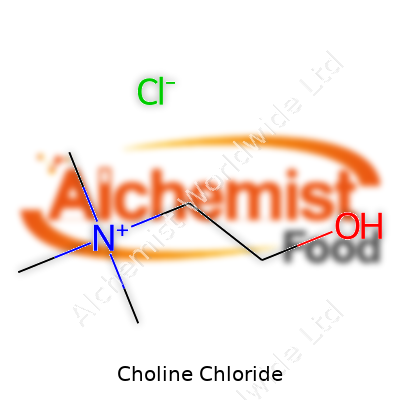
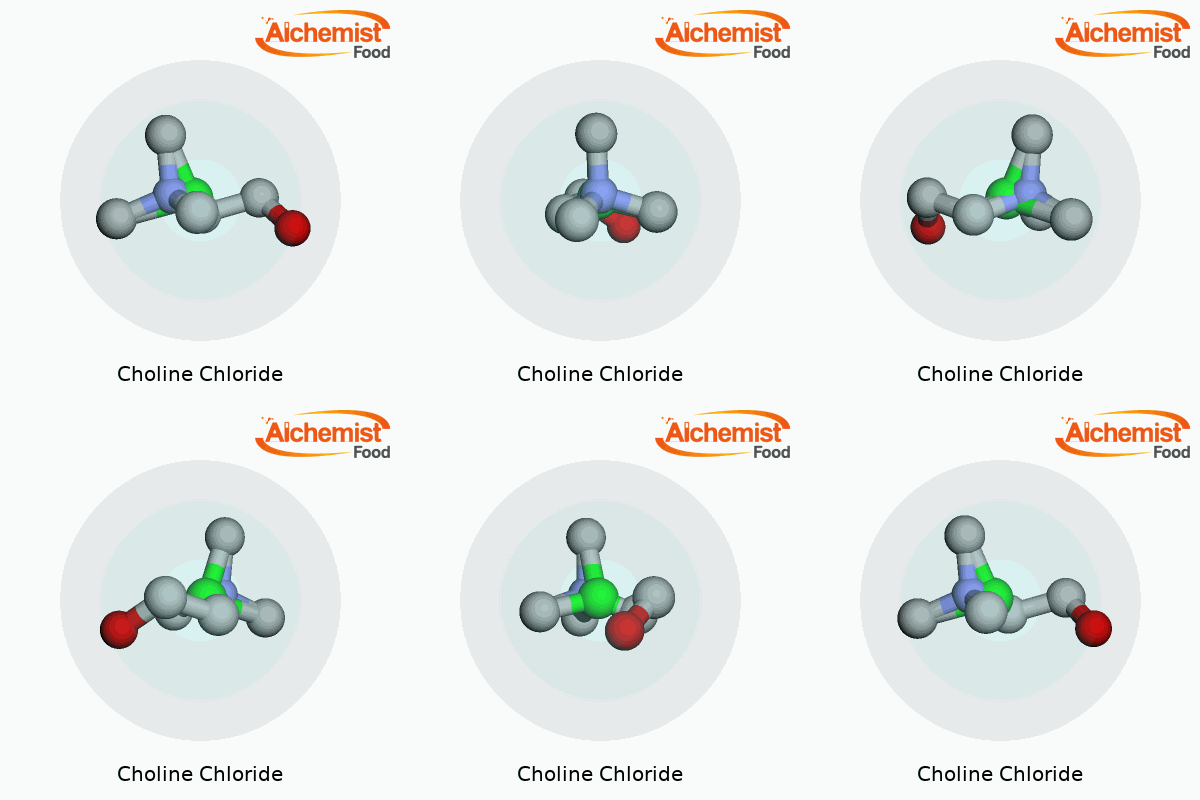
| Names | |
| Preferred IUPAC name | 2-hydroxy-N,N,N-trimethylethan-1-aminium chloride |
| Other names |
Choline chloride 67% Choline base Cholinium chloride |
| Pronunciation | /ˈkoʊliːn ˈklɔːraɪd/ |
| Preferred IUPAC name | 2-hydroxy-N,N,N-trimethylethan-1-aminium chloride |
| Other names |
Choline base Choline salt Hepacholine Biocolina |
| Pronunciation | /ˈkoʊˌliːn ˈklɔːraɪd/ |
| Identifiers | |
| CAS Number | 67-48-1 |
| Beilstein Reference | 3587269 |
| ChEBI | CHEBI:3730 |
| ChEMBL | CHEMBL752 |
| ChemSpider | 5469 |
| DrugBank | DB03367 |
| ECHA InfoCard | 100.004.274 |
| EC Number | 200-655-4 |
| Gmelin Reference | 82251 |
| KEGG | C00588 |
| MeSH | D002811 |
| PubChem CID | 305 |
| RTECS number | KH2975000 |
| UNII | 7VPX9244AP |
| UN number | UN Number: 1759 |
| CAS Number | 67-48-1 |
| 3D model (JSmol) | C[N+](C)(C)CCCl |
| Beilstein Reference | 633540 |
| ChEBI | CHEBI:37389 |
| ChEMBL | CHEMBL757 |
| ChemSpider | 7234 |
| DrugBank | DB11684 |
| ECHA InfoCard | ECHA InfoCard: 028-403-00-2 |
| EC Number | 200-655-4 |
| Gmelin Reference | 8425 |
| KEGG | C01114 |
| MeSH | D002811 |
| PubChem CID | 305 |
| RTECS number | KH2975000 |
| UNII | 03L9OT429T |
| UN number | UN number: "UN1759 |
| Properties | |
| Chemical formula | C5H14ClNO |
| Molar mass | 139.62 g/mol |
| Appearance | White crystalline powder |
| Odor | Odorless |
| Density | 0.98 g/cm³ |
| Solubility in water | Freely soluble in water |
| log P | -4.24 |
| Vapor pressure | Vapor pressure: <0.01 mmHg (25 °C) |
| Acidity (pKa) | pKa = 13.9 |
| Basicity (pKb) | -4.10 |
| Magnetic susceptibility (χ) | -73.0e-6 cm³/mol |
| Refractive index (nD) | 1.445 |
| Dipole moment | 6.71 D |
| Chemical formula | C5H14ClNO |
| Molar mass | 139.62 g/mol |
| Appearance | White crystalline powder |
| Odor | Odorless |
| Density | 0.98 g/cm³ |
| Solubility in water | Easily soluble in water |
| log P | -3.74 |
| Vapor pressure | Vapor pressure: Negligible |
| Acidity (pKa) | -3.8 |
| Basicity (pKb) | -3.8 |
| Magnetic susceptibility (χ) | -61.0e-6 cm³/mol |
| Refractive index (nD) | 1.445 |
| Viscosity | Viscosity: 2.04 cP (20°C) |
| Dipole moment | 10.89 D |
| Thermochemistry | |
| Std molar entropy (S⦵298) | 203.3 J·mol⁻¹·K⁻¹ |
| Std enthalpy of formation (ΔfH⦵298) | -277.2 kJ/mol |
| Std enthalpy of combustion (ΔcH⦵298) | -2230.7 kJ/mol |
| Std molar entropy (S⦵298) | 209.0 J·mol⁻¹·K⁻¹ |
| Std enthalpy of formation (ΔfH⦵298) | -277.2 kJ/mol |
| Std enthalpy of combustion (ΔcH⦵298) | -234.7 kJ/mol |
| Pharmacology | |
| ATC code | A16AA10 |
| ATC code | A16AA08 |
| Hazards | |
| Main hazards | May cause respiratory irritation. Causes serious eye irritation. Causes skin irritation. |
| GHS labelling | GHS07, GHS08 |
| Pictograms | GHS07,GHS05 |
| Signal word | Warning |
| Hazard statements | H319: Causes serious eye irritation. |
| Precautionary statements | P264, P270, P301+P312, P330, P501 |
| Autoignition temperature | 160 °C |
| Explosive limits | Not explosive |
| Lethal dose or concentration | LD50 oral rat 3,000 mg/kg |
| LD50 (median dose) | LD50 (median dose): 3500 mg/kg (oral, rat) |
| NIOSH | BQ0525000 |
| PEL (Permissible) | PEL = "15 mg/m3 (total dust), 5 mg/m3 (respirable fraction) |
| REL (Recommended) | 8.6 mg/kg bw |
| Main hazards | May cause eye, skin, and respiratory irritation |
| GHS labelling | GHS07, Warning, H319 |
| Pictograms | GHS07 |
| Signal word | Warning |
| Hazard statements | H302: Harmful if swallowed. |
| Precautionary statements | P264, P270, P301+P312, P330, P501 |
| Autoignition temperature | 160°C |
| Lethal dose or concentration | LD50 (Oral, Rat): 3000 mg/kg |
| LD50 (median dose) | LD50 (median dose): Oral rat LD50: 3,500 mg/kg |
| NIOSH | MN1400000 |
| PEL (Permissible) | PEL: Not established |
| REL (Recommended) | 60 mg/kg |
| Related compounds | |
| Related compounds |
Choline hydroxide Choline bitartrate Choline stearate Choline citrate Acetylcholine Betaine Phosphatidylcholine |
| Related compounds |
Choline hydroxide Choline bitartrate Choline citrate Choline stearate Acetylcholine Betaine Carnitine |



