Choline Bitartrate: Exploring an Underappreciated Nutrient
Historical Development
Scientists first took interest in choline in the mid-19th century, long before dietary supplements filled pharmacy shelves. Researchers isolated it from pig and ox bile in the 1860s, then traced its role to healthy nerve tissue by tracing its breakdown products in the brain. After recognizing its importance for cell structure, it entered broader studies connected to liver health and fat transport. Not long after, the bitartrate salt appeared—helping stabilize choline for use in science and, much later, dietary formulas. Despite early skepticism about its essentiality, official acknowledgment came only by the late 20th century. By then, clinical nutritionists and food technologists saw clear connections between choline deficiency and real health consequences, especially in pregnant women and infants.
Product Overview
Choline bitartrate takes the water-soluble vitamin-like compound choline and binds it with tartaric acid for stability and bioavailability. Supplement makers value it for cost, long shelf life, and solubility. It ends up in capsules, powders, and fortified foods targeting memory, muscle function, and prenatal wellness. Nutritionists recommend choline bitartrate to people who don’t meet choline needs—often vegetarians, older adults, or athletes stressing their muscles. Its presence in baby formula reflects its role in nervous system development, where manufacturers measure its input carefully to mimic the choline found in breast milk.
Physical and Chemical Properties
Facing the lab bench, choline bitartrate sits as a white crystalline powder, somewhat hygroscopic and easy to mix in water. It comes without odor but tastes slightly sour due to its tartaric acid part. Chemically, it combines choline—a trimethylated ethanolamine—with the bitartrate anion derived from tartaric acid. On the molecular level, its formula is C9H19NO7, and it weighs out at 253.25 g/mol. You can pick it out in a beaker by its fast dissolution and the way it adjusts solution pH slightly downward.
Technical Specifications & Labeling
Regulatory agencies, health ministries, and third-party auditors have carved out clear specifications for choline bitartrate, especially for infant formulas and dietary supplements. Testing standards measure choline content, purity, water content, and the presence of impurities above trace levels—metals, bacteria, yeast, and mold. Nutrition Facts panels, by law, require milligrams per serving and the % Daily Value for adults and children. Proper manufacturing codes demand that lot numbers, dates, and storage instructions appear on all bulk and retail packages. The U.S. Food and Drug Administration and European Food Safety Authority both monitor health claims to ensure manufacturers stick to approved statements about neural, liver, and metabolic benefits.
Preparation Method
Industrial-scale production starts with pure choline—often from reaction steps involving ethylene oxide, trimethylamine, and hydrochloric acid. That choline base meets bitartaric acid or tartaric acid in controlled reactors. Operators monitor pH and solution temperature while stirring until full conversion. Vacuum drying and filtration steps follow, leaving the crystalline powder ready for sifting and packaging. Manufacturers test every batch for residual solvents, confirming compliance with pharmacopeia or national food grade standards. At a small scale, pharmacy compounding or research uses start with available choline chloride and tartaric acid and require careful measurement to avoid hygroscopic caking.
Chemical Reactions & Modifications
Choline’s positive charge and hydroxyl group make it reactive in esterification reactions, creating phosphatidylcholine—a core part of cell membranes and the main way humans carry choline through the bloodstream. In supplement form, choline bitartrate won’t easily break down outside the body, but once ingested, stomach acid and gut enzymes release free choline ions. In the lab, chemists might produce labeled choline bitartrate using deuterium or carbon-13 for metabolic studies. The bitartrate portion can participate in mild acid-base reactions in aqueous solutions, and the whole compound holds up well under normal manufacturing conditions.
Synonyms & Product Names
Pharmacies and suppliers list choline bitartrate by multiple names: Choline hydrogen tartrate, Choline salt with (R,R)- and (R,S)-tartaric acid, and sometimes as a “choline salt.” On supplement bottles, shoppers spot it as “choline bitartrate,” “choline salt,” or under specialty brands with proprietary blends. In research journals, references appear under CAS number 87-67-2 or EC number 201-763-4. Ingredient databases record dozens of alternate spellings, especially when translated into various languages, but its chemical fingerprint remains consistent.
Safety & Operational Standards
Safety data marks choline bitartrate as low hazard by oral, dermal, or inhalation routes under typical use. Facility staff use dust masks and gloves to avoid irritation, as high airborne concentrations can sting the eyes or upper airway. Fire codes rate it as stable under normal storage, and food-grade status guarantees clean-room handling and lot traceability. Regulators call for clean, dry containers and storage out of direct sunlight. Both GMP and ISO standards now shape the entire supply chain, from raw choline import to finished product distribution. Nutritionists warn not to rely solely on non-food choline sources since long-term excess intake may spill into fishy body odor, sweating, and digestive discomfort.
Application Area
Choline bitartrate finds its strongest foothold in dietary supplements and fortified foods for adults, seniors, and children. Doctors recommend it to support fetal development during pregnancy and to mitigate fatty liver, memory decline, or muscle strain in adults. Functional beverage companies sneak it into “nootropic” blends touting brain or liver benefits. Medical foods for Alzheimer’s, traumatic brain injury, or preterm infants contain measured choline doses. Scientists studying animal health depend on it because choline deficiency causes instant drops in growth and egg production. Veterinary nutrition, aquaculture, and pet food compounds all draw on choline’s benefits.
Research & Development
Modern researchers explore choline’s metabolic pathways using labeled choline bitartrate—clarifying how deficiency causes DNA damage or lipid buildup in liver cells. Studies on pregnant women link maternal choline intake to better cognitive outcomes in babies and lower risk of neural tube defects. Metabolism labs track shifts in homocysteine, an important biomarker for heart risk, after choline supplementation. Academics test different salt forms for absorption rates, comparing choline bitartrate with choline chloride and alpha-GPC. Technology platforms try microencapsulation and sustained-release formulas to deliver it in new ways. Efforts continue to blend choline into plant-based foods without changing flavor or shelf life.
Toxicity Research
Despite its vitamin-like reputation, choline comes with potential toxicities at high intake. Food safety agencies pin the upper tolerable intake between 3.5 and 3.7 grams per day for healthy adults. Chronic overuse produces a rare “fishy” odor, very low blood pressure, and sometimes sweating, vomiting, or liver distress. Rats and mice show high safety margins, but subtle changes in behavior and liver function appear at sustained mega-doses. In humans, most cases of choline toxicity trace to enthusiastic early adopters overdosing on bulk supplements or compounding their own formulas. Responsible labeling, education, and monitoring cut the risk of accidental overdose.
Future Prospects
Interest in choline bitartrate looks set to climb as public health pushes brain, pregnancy, and liver health to the forefront. Improved testing may pinpoint choline deficiency in kids, young adults, and the elderly, so demand for personalized dosages could expand. Fortified plant milks, breakfast foods, and therapeutic beverages bring choline to new consumer groups, including vegans, where natural intake sometimes falls short. Ingredient manufacturers experiment with new salt forms and faster-absorbing blends. Researchers eye links between choline status and mood, gut health, and gene expression—areas ripe for breakthrough study. Regulatory agencies track emerging evidence on choline’s neuroprotective and metabolic roles, which means science-backed claims on labels may evolve. Continued vigilance on safety, toxicology, and fair marketing will shape its reputation for years to come.
What are the benefits of Choline Bitartrate?
A Closer Look at Choline Bitartrate
If you glance at most multivitamins, you’ll see choline listed somewhere in the ingredients—sometimes as choline bitartrate. In everyday nutrition, this nutrient often flies under the radar. I didn’t pay much attention to it until a friend studying nutrition science pointed out most of us barely meet daily choline goals. After digging into the research, it became clear that choline bitartrate offers support to our minds and bodies in tangible ways.
Cognitive Function and Memory
Choline bitartrate feeds our brains, quite literally. Acetylcholine, a neurotransmitter in the brain, comes from choline. Without enough of this molecule, brain signals slow down. Studies at Boston University found that people eating more choline-rich foods performed better on memory tests. Since work and daily life rely on recall, learning, and decision-making, getting enough choline feels more like a necessity than an optional upgrade. College students, busy professionals, and older adults hoping to keep sharp all have something to gain from a nutrient that gives brain cells the materials to communicate.
Muscle Health and Physical Performance
Besides the brain, muscle cells need acetylcholine to activate and fire. Athletes and runners sometimes report muscle cramps or slower reaction times during long workouts when choline levels drop. Research from several exercise studies points to a connection: supplementing with choline bitartrate before competition sometimes reduces fatigue and supports better muscle control. Even for people who aren’t in the gym every day, daily movements—climbing stairs, carrying groceries, standing up quickly—rely on the same pathways that choline supports.
Liver Support
Most folks don’t talk about their liver unless something’s wrong, but this organ plays a starring role in processing toxins and fats. Too little choline in the diet strains the liver and leads to excess fat build-up, sometimes called non-alcoholic fatty liver disease. Multiple clinical trials, including reviews by the National Institutes of Health, show that both men and women with higher choline intake tend to have healthier livers and lower risks of these conditions.
Prenatal Nutrition
Expectant mothers often hear about folate for fetal brain development, but choline joins folate as a key player during pregnancy. The American Medical Association now encourages higher choline intake in pregnancy, because babies need it for spine and brain development. Some prenatal vitamins leave out choline, so obstetricians frequently recommend adding it through diet or choline bitartrate supplements. Eggs, fish, and some beans contain choline, but many women still fall short and rely on a supplement for peace of mind.
How to Get Enough Choline Bitartate
Egg yolks, salmon, beef liver, and soybeans pack a natural source of choline, but not everyone eats these foods regularly. Plant-based diets, common food allergies, or simple dislike for certain foods make it tough for most people to reach their recommended intake. That’s where choline bitartrate supplements fill the gap. They offer a straightforward way to meet goals without complicated meal planning or new grocery lists.
Ensuring Safe Use
Taking too much choline can backfire—some people notice nausea or sweating with large doses. Always check with a healthcare professional before adding supplements. For those aiming to bridge dietary gaps, choline bitartrate stands out as an accessible way to support memory, movement, and metabolic health. It’s a tool many could use, especially as dietary patterns shift and more people prioritize well-rounded nutrition.
How should I take Choline Bitartrate?
Understanding Why People Use Choline Bitartrate
Choline Bitartrate shows up a lot among supplements, especially for people looking to support memory, focus, or even liver function. The body produces choline, but regular diets don’t always deliver enough, so supplementing can help close that gap. People ask about taking this supplement for a reason—no one wants to waste time or money chasing benefits that never appear.
How to Use Choline Bitartrate the Right Way
Choline Bitartrate often comes in powder or capsule form. For many, powder offers more options. It blends easily into smoothies or juice. Some just stir it into water, although it tastes a bit sour. Most adults who supplement stay within the 250 mg to 500 mg per day range, but I always tell friends: read the label and don’t exceed what medical authorities like the Food and Nutrition Board recommend. Too much doesn’t double the benefits—it can bring out side effects like sweating, dizziness, or even a fishy body odor.
Why Timing and Meals Matter
Supplements work best when they fit into an ordinary routine. Choline Bitartrate digests more comfortably with food, so breakfast or lunch seem like the perfect windows. Taking it without food sometimes causes mild stomach upset, so adding it to a protein shake or oats just makes life easier.
The Role of Choline in Cognitive Support
Choline acts as a building block for acetylcholine, a neurotransmitter. This connects to how brains handle learning, memory, and focus. Research has found that higher choline intake helps support mental alertness and recall, especially in people with low dietary choline. That said, choline alone doesn’t act like caffeine. It offers modest improvements for those low on it, rather than dramatic changes for everyone.
What to Consider Before Starting
Anyone with existing health conditions, or who takes medication, should talk with a knowledgeable healthcare provider first. Some people experience headaches or digestive discomfort, especially if starting with a high dose. Pregnant women, older adults, and vegans all fall into groups more likely to run low on choline, but getting bloodwork done gives the best answers.
Reading into Dosage and Quality
Not every product on the shelf works the same. Third-party lab testing provides peace of mind about what’s really in each bottle or bag. Products with clear ingredient lists feel safer. Remember, supplements in the US don’t go through the same approval process as medicines. That means responsibility for quality often lands on the consumer’s shoulders.
Mixing Choline Bitartrate with Other Nutrients
Stacking nutrients sometimes boosts effect. Choline often gets combined with B vitamins or other cognitive-focused ingredients. Most people find starting simple works best, then adjusting only if results seem lacking. Choline fits neatly alongside a balanced diet—eggs, lean meat, beans—giving the body a steady supply from more sources.
What Could Help the Most
Small, daily doses paired with food, and a focus on real-world benefits—memory, energy, focus—keep the process straightforward. Quality matters more than bold promises or clever marketing. Every supplement carries risk, but with straightforward guidance and respect for the recommended amounts, Choline Bitartrate can play a role in everyday wellness.
Are there any side effects of Choline Bitartrate?
The Basics of Choline Bitartrate
Choline bitartrate often shows up in conversation among people looking to boost memory, sharpen focus, or support liver health. Choline plays a big part in how our brain communicates, builds cell walls, and helps the liver do its job. Nutritional experts point out that most diets don’t deliver enough choline, and people start seeking out supplements for more support.
So, What’s the Downside?
Supplements tend to get labeled as safe, but it’s a bit more nuanced here. Taking more choline than the body can handle leads to complications. The most frequently reported side effects include sweating, fishy body odor, nausea, vomiting, diarrhea, and low blood pressure. These reactions tend to pop up when someone takes high doses—think a lot more than a multivitamin would deliver in a day.
In my own experience, I tried choline bitartrate for a few weeks, looking for a cognitive lift during stressful work spells. The first sign things weren’t quite right: I noticed feeling flush and breaking into a sweat more than usual. The fishy smell that some folks talk about showed up too, and it’s not something I’d wish on anyone. No supplement is worth that awkward conversation with a colleague or friend.
Why Side Effects Happen
Choline converts in the body into trimethylamine, which creates that fishy odor. Some people’s genetics make this process more active, so they get the smell even with low doses. Sweating and drops in blood pressure come from choline's involvement in neurotransmitter production, which affects the nerves that regulate heart rate and sweat glands. Upset stomach and headaches link back to excess choline’s effects on the gut and vascular system.
It helps to keep in mind that most negative effects come with high intake. The recommended dietary allowance for choline sits at about 425 mg per day for women and 550 mg for men, according to the National Institutes of Health. Choline bitartrate supplements sometimes provide several times that amount in a single serving.
The Risks of Too Much Choline
Beyond the more common side effects, a few bigger concerns crop up. Taking huge doses long-term raises the risk for heart disease by boosting levels of trimethylamine N-oxide (TMAO), a compound linked to atherosclerosis. Some studies suggest that overdoing choline may worsen depression or anxiety for people who are sensitive. Over-supplementing during pregnancy could raise the odds of developmental issues for infants, so expectant mothers should work with doctors before starting anything new.
What Can Be Done?
A good solution starts with talking to a healthcare provider before adding choline bitartrate to a supplement routine. Lab tests can pinpoint whether you already get enough from food—think eggs, chicken, fish, and broccoli. Sticking to moderate doses matters more than chasing the “more is better” logic. Monitoring for odd symptoms like stomach upset or strange-smelling sweat goes a long way toward catching problems early.
If you still want the benefits, consider lower doses or switching to food sources, which the body handles in a more balanced way. Getting informed about what’s in your supplement and understanding your individual tolerance helps keep things safe. Health always gets more complicated when supplements join the mix, but a clear look at risks and benefits helps you make real choices.
Is Choline Bitartrate safe for pregnant or breastfeeding women?
The Role of Choline in Motherhood
Expecting and new mothers hear a lot about folate, iron, and calcium, but choline rarely gets its due. Nutritionists and scientists recognize choline as vital, especially during pregnancy and breastfeeding. Choline supports a baby’s brain development, and it helps build the cell membranes essential for every organ. Doctors and registered dietitians point to a growing pile of evidence that low choline intake during pregnancy may link to poorer cognitive outcomes in kids.
Eggs pack a healthy amount of choline, but egg allergies and preferences for plant-based eating complicate things. Choline bitartrate, a common supplement form, often enters the picture to fill this dietary gap. Yet the leap from “looks good on paper” to daily use — especially while growing or feeding a baby — raises smart questions about safety.
Looking Closely at Choline Bitartrate Safety
Supplementing choline in pregnancy is not a new idea. Medical authorities, including the American Medical Association, have flagged that most prenatal vitamins actually skip choline despite its importance. The National Academy of Medicine sets recommended intakes: 450 mg each day during pregnancy, 550 mg while breastfeeding. Many people fall short, so the case for some intake boost seems well-supported.
The catch? Most studies around choline center on food sources rather than supplements. Still, clinical trials show choline bitartrate raises blood choline levels efficiently in both pregnant and breastfeeding women. In research funded by the National Institutes of Health, daily doses close to 900 mg — about double the recommended intake — didn’t lead to harmful outcomes in healthy expectant mothers.
Is More Always Better?
Plenty of supplement companies ride the wave of promising evidence and double down on higher doses. But it's crucial to remember choline is a nutrient, not a miracle pill. Too much choline (well over 3,500 mg per day) may trigger low blood pressure, sweating, or a fishy body odor, which are hardly favorable for anyone, let alone a new mom dealing with pregnancy symptoms. That upper margin is far above what a common supplement might provide, but checking labels still matters.
No widespread data show harm to infants from choline bitartrate in typical supplement doses. The Centers for Disease Control and Prevention includes choline among essential nutrients for babies, reflecting how it moves from mother to child through both the placenta and breast milk. Much of the data on choline safety comes from mainstream forms used in supplements, including choline bitartrate.
Advice from Experts and Potential Solutions
Obstetricians and dietitians often agree on this: check with your healthcare provider before starting or switching up supplements. Every pregnancy and body is different. Health conditions involving the liver, kidneys, or some inherited conditions may shuffle the cards on safe dosing. Those eating plenty of eggs, lean meats, and certain beans could meet targets without pills.
Manufacturers can step up, too. Transparent labeling and including choline in more prenatal multivitamins would make life simpler for countless mothers. Medical schools and nutrition programs highlight choline’s role in maternal and infant health more than before, signaling a shift toward earlier education and better guidance from health professionals.
Choline bitartrate, at doses near recommended daily values, has proof of safety from clinical trials and expert groups. The real key lies in using it wisely and making decisions alongside qualified medical advice — just as you would with anything during pregnancy or breastfeeding.
Can Choline Bitartrate improve memory or cognitive function?
What Choline Bitartrate Brings to the Table
Choline shows up in eggs, beef liver, and some beans—foods doctors often point out for a reason. Choline bitartrate lands on store shelves in pill or powder form for people chasing sharper thinking or stronger recall. In a world where smart drugs get lots of buzz, it’s tempting to look for simple answers. Lots of us grab a supplement and hope for the best, especially when forgetfulness creeps in or deadlines pile up.
The Brain’s Need for Choline
Choline acts as a building block for acetylcholine, a neurotransmitter that brain cells use to talk to each other. Acetylcholine often gets credit for playing a part in memory, learning, and focus. If the body falls short on choline, brains don’t work quite right. That isn’t just theory—studies on Alzheimer’s patients show lower amounts of acetylcholine in areas responsible for memory. The line between dietary choline and healthy function feels pretty direct.
What Studies Have Found on Supplementation
Most people meet daily choline needs from food; the National Institutes of Health point to 425-550 mg per day for adults, depending on gender and life stage. Some folks think more choline, especially through supplements, means more fuel for the brain. In reality, much of the research on choline bitartrate for boosting memory tells a humble story.
One study out of the University of North Carolina handed healthy young adults a daily choline bitartrate supplement and tracked changes in memory and attention. Results didn’t break headlines: no measurable boost over a sugar pill. Older adults fared the same, with no clear uptick in mental sharpness over a few months. There’s a possible bright spot for very young kids and pregnant women, but evidence for brain benefits in healthy adults doesn’t hold up well.
Potential Risks
Swallowing extra choline bitartrate won’t always pass without trouble. Heavy doses can bring on a fishy odor, low blood pressure, sweating, and stomach pain. Those with liver problems may need to be careful about loading up on choline, since that’s where most of it gets processed. Physicians flag doses above 3.5 grams per day as risky for adults.
The Role of Real Nutrition
Plenty of people chase an edge in memory and mental performance. It’s easy to get pulled into supplement trends, especially with flashy marketing. Spending time at the grocery store picking out eggs, lean meats, and greens covers choline needs for almost everyone. Real food comes with extra vitamins, minerals, fiber, and healthy fats—nutrients that work together in ways powders and capsules can’t match.
For memory and focus, the basics still matter most. Sleep, hydration, movement, and daily mental challenges leave the biggest mark. Claims about choline bitartrate making healthy brains smarter just don’t stack up against evidence from well-run studies. Curious minds get stronger through practice, not shortcuts from a supplement bottle.
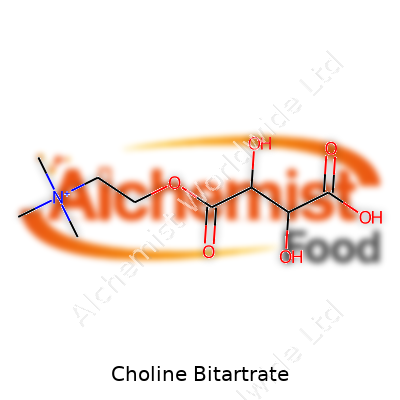
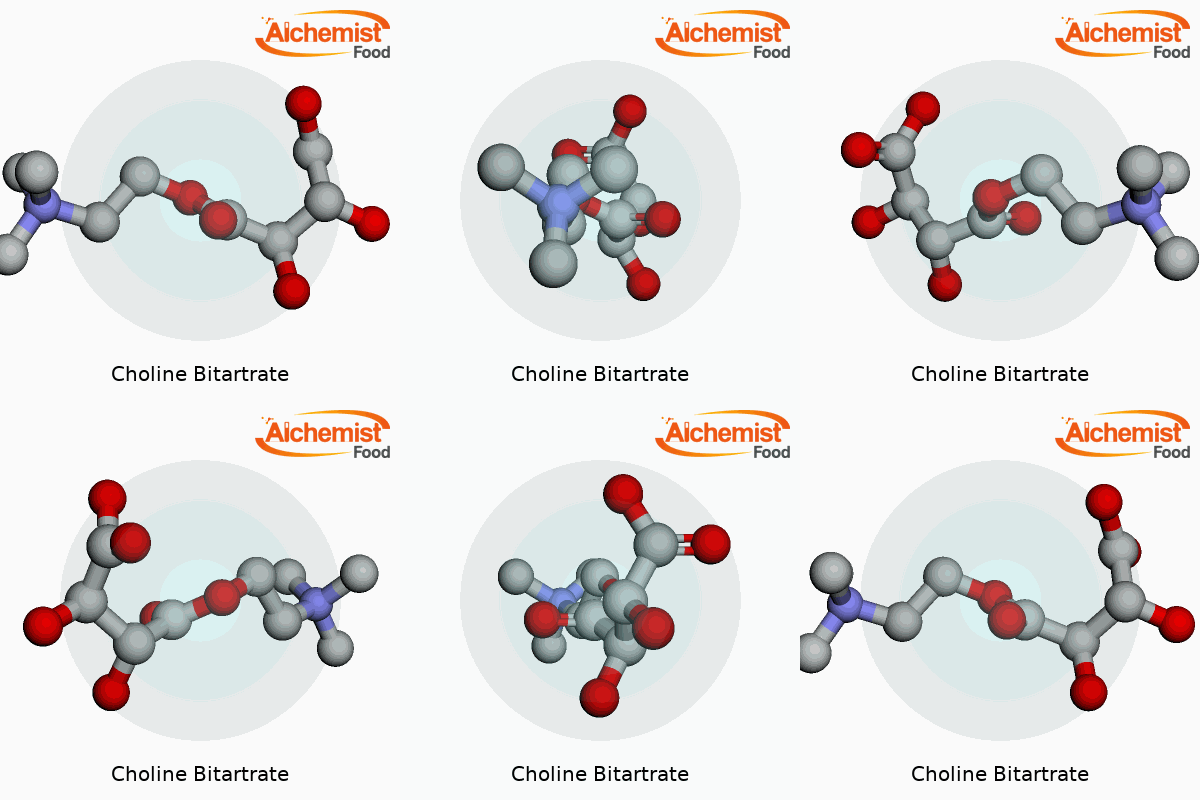
| Names | |
| Preferred IUPAC name | 2-hydroxy-N,N,N-trimethylethanaminium hydrogen 2,3-dihydroxypropanoate |
| Other names |
Choline bitartrate, DL- Choline hydrogen tartrate Cholinium bitartrate Choline tartrate DL-Choline bitartrate |
| Pronunciation | /ˈkoʊˌliːn baɪˈtɑːrtreɪt/ |
| Preferred IUPAC name | 2-hydroxy-N,N,N-trimethylethanaminium hydrogen (2R,3R)-2,3-dihydroxybutanedioate |
| Other names |
Choline hydrogen tartrate Choline acid tartrate Choline bitartrate salt |
| Pronunciation | /ˈkoʊliːn baɪˈtɑːrtreɪt/ |
| Identifiers | |
| CAS Number | 87-67-2 |
| Beilstein Reference | 1208432 |
| ChEBI | CHEBI:16113 |
| ChEMBL | CHEMBL1201474 |
| ChemSpider | 54760 |
| DrugBank | DB11145 |
| ECHA InfoCard | 100.031.502 |
| EC Number | 205-664-1 |
| Gmelin Reference | 10902 |
| KEGG | C00588 |
| MeSH | D019327 |
| PubChem CID | 123868 |
| RTECS number | EK2975000 |
| UNII | 7H462KZ3E1 |
| UN number | UN 2811 |
| CAS Number | 87-67-2 |
| Beilstein Reference | 1722933 |
| ChEBI | CHEBI:36146 |
| ChEMBL | CHEMBL1201471 |
| ChemSpider | 5766 |
| DrugBank | DB11195 |
| ECHA InfoCard | 100.029.830 |
| EC Number | 222-306-6 |
| Gmelin Reference | 409826 |
| KEGG | C01832 |
| MeSH | D002813 |
| PubChem CID | 64657 |
| RTECS number | EK2975000 |
| UNII | 7RKJ89GJYS |
| UN number | UN2811 |
| Properties | |
| Chemical formula | C9H19NO7 |
| Molar mass | 253.24 g/mol |
| Appearance | White crystalline powder |
| Odor | Odorless |
| Density | 0.8 g/cm³ |
| Solubility in water | Very soluble |
| log P | -3.77 |
| Acidity (pKa) | 3.77 |
| Basicity (pKb) | 4.1 |
| Magnetic susceptibility (χ) | Diamagnetic |
| Refractive index (nD) | 1.54 |
| Dipole moment | 4.19 D |
| Chemical formula | C9H19NO7 |
| Molar mass | 253.24 g/mol |
| Appearance | White crystalline powder |
| Odor | Odorless |
| Density | 0.74 g/cm³ |
| Solubility in water | Soluble in water |
| log P | -3.77 |
| Vapor pressure | Negligible |
| Acidity (pKa) | 2.5 |
| Basicity (pKb) | 4.1 |
| Magnetic susceptibility (χ) | Diamagnetic |
| Refractive index (nD) | 1.439 |
| Dipole moment | 6.4 D |
| Thermochemistry | |
| Std molar entropy (S⦵298) | 586.6 J·mol⁻¹·K⁻¹ |
| Std enthalpy of formation (ΔfH⦵298) | -1618.3 kJ/mol |
| Std enthalpy of combustion (ΔcH⦵298) | -3878 kJ/mol |
| Std molar entropy (S⦵298) | 619.3 J·mol⁻¹·K⁻¹ |
| Std enthalpy of combustion (ΔcH⦵298) | -4185.7 kJ/mol |
| Pharmacology | |
| ATC code | A16AA10 |
| ATC code | A16AA03 |
| Hazards | |
| Main hazards | May cause respiratory irritation. May cause eye, skin, and respiratory tract irritation. |
| GHS labelling | GHS labelling: Not a hazardous substance or mixture according to the Globally Harmonized System (GHS). No pictogram, signal word, hazard statement, or precautionary statement required. |
| Pictograms | GHS07 |
| Signal word | Warning |
| Hazard statements | No hazard statements. |
| Precautionary statements | P264, P270, P301+P312, P330, P501 |
| NFPA 704 (fire diamond) | 1-0-0 |
| Flash point | > 210 °C |
| Autoignition temperature | 640°C |
| Lethal dose or concentration | LD50 (Oral, Rat): 8200 mg/kg |
| LD50 (median dose) | LD50 (oral, rat): 7300 mg/kg |
| NIOSH | ZL9270000 |
| PEL (Permissible) | 10 mg/m³ |
| REL (Recommended) | 550 mg |
| IDLH (Immediate danger) | No IDLH established |
| Main hazards | May cause respiratory tract irritation. May cause skin irritation. Causes eye irritation. |
| GHS labelling | GHS07, GHS08 |
| Pictograms | GHS07 |
| Signal word | Warning |
| Precautionary statements | P264, P270, P301+P312, P330 |
| NFPA 704 (fire diamond) | 1-0-0 |
| Flash point | > 210 °C |
| Autoignition temperature | 290 °C |
| Lethal dose or concentration | LD50 (oral, rat): 7100 mg/kg |
| LD50 (median dose) | LD50 (median dose): 4,200 mg/kg (rat, oral) |
| NIOSH | NLQ5940000 |
| PEL (Permissible) | 10 mg/m³ |
| REL (Recommended) | 550 mg |
| Related compounds | |
| Related compounds |
Choline chloride Choline citrate Choline hydroxide Phosphatidylcholine Acetylcholine |
| Related compounds |
Choline chloride Choline citrate Choline alfoscerate Phosphatidylcholine Acetylcholine |



