Calcium Pantothenate: A Deep Dive
Historical Development
Calcium pantothenate rose from decades of curiosity around vitamins and nutrition science. Scientists started digging into vitamin B5, also known as pantothenic acid, after people noticed that certain dietary patterns seemed to prevent skin problems and nervous system issues. In the 1930s, Roger J. Williams first isolated pantothenic acid from liver. This research helped people realize how essential vitamin B5 is in cellular metabolism. Later chemists looked for ways to produce it in a form that’s easy to handle and stable, because the raw vitamin can break down easily. They managed that by binding pantothenic acid to calcium, creating calcium pantothenate — a powder that keeps for ages and mixes well with foods and medicines. Pharmaceutical companies picked up on this improvement right away, and it didn't take long for this compound to show up in multivitamins all over the world.
Product Overview
Today, calcium pantothenate supplies a cornerstone vitamin to dietary supplements, fortified foods, and medicines. The powder flows freely, resists moisture, and doesn't clump in manufacturing processes. Multivitamin producers and food scientists prefer it because it blends well with other nutrients and holds up during long storage periods. Calcium pantothenate proves popular because the calcium salt form resists breakdown from air and light, which means consumers receive the dose intended. Major manufacturers list this ingredient on labels for a wide range of products — from kids’ chewables to intravenous nutrition.
Physical & Chemical Properties
As a white, odorless, and nearly tasteless fine powder, calcium pantothenate dissolves easily in water. That solubility helps the body absorb it in the gut. Chemically, its structure brings together pantothenic acid and calcium, usually in a 1:1 salt, resulting in C9H17NO5–Ca. The molecular weight touches about 476.5 g/mol. It melts at relatively low temperatures, and its stability earns it respect in handling and storage. It stands up to routine heat during processing, so foods and supplements rarely lose this nutrient even during pasteurization or tableting.
Technical Specifications & Labeling
For product labeling, most regulatory agencies want companies to declare calcium pantothenate based on the pantothenic acid content. Supplements often contain the synthetic D-calcium pantothenate form, matching the vitamin’s natural biological activity. Specifications demand high purity, usually above 98.5%, and low levels of impurities like heavy metals. Products must not contain harmful byproducts from manufacture, so companies run regular checks using high-performance liquid chromatography (HPLC) and other modern tools. Anyone scanning a multivitamin label can find calcium pantothenate near the bottom, grouped with the rest of the B family. On prescription product labels, manufacturers reveal the amount provided by weight, often backed by reference methods published by the US Pharmacopeia or European Pharmacopoeia.
Preparation Method
Producing calcium pantothenate involves synthesizing pantothenic acid, starting with beta-alanine and pantoic acid, then reacting those ingredients in controlled settings. Factories then neutralize the mixture with calcium salts, often calcium hydroxide, producing the highly stable final product. Scientists have looked for ways to cut chemical waste and energy use in this process without sacrificing quality. Modern industrial setups lean toward greener chemistry, using milder temperatures and less solvent. Following synthesis, crystallization and washing remove unwanted side products, and the powder is dried and tested before packaging.
Chemical Reactions & Modifications
Calcium pantothenate typically lands on shelves in its unmodified salt form, but chemists have tweaked the process and the molecular structure to tweak shelf life or absorption. Most modifications focus on isomerization and salt formation — switching up the calcium with sodium, for example, though these forms don't absorb quite as well. The compound’s carbonate-labile amide group means strong alkaline or acidic conditions break it down, liberating pantothenic acid and some byproducts. Manufacturers take care to preserve its chemical structure during mixing, avoiding high moisture or extreme pH levels.
Synonyms & Product Names
Consumers may spot calcium pantothenate dressed up with plenty of alternative names: D-Calcium pantothenate, Calcium D-(+)-pantothenate, and even Vitamin B5 Calcium Salt. Pharmaceutical forms sometimes use “Pantothenate Calcium” as an interchangeable label. Trade names vary by region and company, but the underlying molecule remains the same. The US Pharmacopeia and EU regulations both standardize this naming to avoid confusion and help consumers trace the product’s identity back to the same essential nutrient.
Safety & Operational Standards
Safety-conscious factories work according to Good Manufacturing Practice (GMP), checking raw materials, monitoring cleanliness, and running quality assurance tests. Calcium pantothenate, as a food ingredient and supplement, must meet guidelines set by the FDA, European Food Safety Authority, and other health bodies. Product recalls have been rare, but the paperwork and oversight keep everyone honest. Workers handle the powder with gloves and dust protection to prevent inhalation and skin irritation, even though routine accidental exposure doesn’t cause severe reactions. Manufacturing lines feature dust extraction and sealed systems to minimize contamination, and records track every batch.
Application Area
Formulators use calcium pantothenate across many areas: dietary supplements, sports nutrition, infant formulas, oral and injectable medicines, and animal feeds. The food industry adds it to breakfast cereals, beverages, and meal replacements to combat deficiencies. In personal care, skin creams sometimes include a related compound, dexpanthenol, for wound healing. Hospitals depend on intravenous solutions containing B5 during treatments that require total nutrition support, especially for patients who can't eat solids. Livestock and poultry nutrition benefit from its inclusion in feed mixtures, promoting healthy growth and efficient feed conversion.
Research & Development
Researchers keep peeling back new functions for vitamin B5. Investigations focus on metabolic and neurological roles, as coenzyme A — the major player that comes from pantothenic acid — runs critical energy pathways. Some labs are seeking relationships between vitamin B5 and reduction in skin disorders like acne or improved wound healing. Biotechnologists in agriculture also check whether boosting pantothenate intake leads to better yields in farm animals. Clinical nutritionists dig into possible connections between calcium pantothenate and the reduction of stress-related symptoms, given pantothenic acid’s participation in adrenal hormone production.
Toxicity Research
Despite its prevalence in supplements and foods, calcium pantothenate rarely harms people. Toxicity studies, covering everything from animal feeding trials to long-term supplementation in humans, haven’t turned up major issues. The body flushes out any excess easily. Extremely high doses, reaching 10 grams or more per day, might cause digestive issues, but such doses rarely occur outside of poorly controlled supplementation. The National Institutes of Health set the recommended daily intake for pantothenic acid at just 5 mg for adults, and routine multivitamined diets stay comfortably below the threshold for side effects. People with calcium metabolism problems, such as those with kidney disorders, should watch their intake, but for most people, this form of B5 remains straightforward and safe.
Future Prospects
Interest in calcium pantothenate is not fading. As researchers uncover more about the subtle roles B vitamins play in mental health, energy, and longevity, this nutrient will likely see broader uses. Emerging supplement brands may explore new delivery methods — chewables, sprays, even functional beverages. Aging populations have sparked calls for better nutritional status among the elderly, prompting innovations in fortified foods. Agricultural biotechnology could fuel demand for calcium pantothenate if future studies confirm benefits for animal health. Advances in fermentation technology may one day reduce costs and sustainability concerns, as companies look beyond chemical synthesis. From what history has shown, the road ahead looks busy for this tried-and-true nutrient.
What is Calcium Pantothenate used for?
What You’re Really Taking With That Vitamin B5
People pick up multivitamins and supplements all the time, a lot of them flipping over bottles and seeing “Calcium Pantothenate” in the ingredients list. For a long time, I ignored the name, chalking it up to another filler. But after some research and conversations with pharmacists, I started to see how much goes into the choice of nutrients manufacturers add to food and pills.
Calcium Pantothenate turns out to be a form of vitamin B5—sometimes it gets called the stable version. Several processed foods add it in because regular pantothenic acid breaks down easily. Think breakfast cereals, meal replacement bars, weight gain shakes—all these use the calcium salt version. Besides food, lots of over-the-counter supplements deliver vitamin B5 using this form because it travels well, doesn’t spoil, and actually gets absorbed by your digestive system without much fuss.
What’s So Special About This Vitamin?
B5 keeps our body running behind the scenes. It helps convert the food we eat into energy. Most people just take that for granted—I did, too. But if B5 runs low, fatigue starts creeping in and muscles don’t work the same. Some studies point to its role in making neurotransmitters, hormones produced by adrenal glands, and even keeping skin hydrated. This matters a lot if your diet skips fresh produce or lean proteins. Groups at higher risk for deficiency include people with malnutrition, chronic illness, and even those following restricted diets for long periods.
Supplement makers use calcium pantothenate for a reason—a 2017 review in the Journal of Dietary Supplements noted that this form stays stable during production, shipping, and storage. As someone who used to keep vitamins in a glove box or backpack while traveling, I appreciate knowing that what I take still works months later. Nutritionists tell me that stability matters as much as dosage. After all, nutrients do little if they break down before you even swallow them.
Who Benefits the Most?
Some people see real changes after adjusting their intake. Athletes, people with high-stress jobs, pregnant women—they draw more B5 from the foods (and sometimes supplements) than most. There’s even ongoing research about how vitamin B5 might support wound healing, skin care, and reduce cholesterol. In my years working late shifts, pounding energy drinks, and sometimes living on take-out, I started looking for ways to bring my B vitamins up. With so many variables in modern diets, supplements with calcium pantothenate offer some peace of mind.
Thinking Twice About What’s on the Label
Spending time interviewing dietitians taught me to look past flashy packaging. It’s easy for companies to sprinkle in exotic-sounding ingredients. With calcium pantothenate, there’s a long record of safe use. Side effects are rare if you stick to recommended amounts. If people already get enough from food (whole grains, eggs, avocados), adding more probably won’t change much, but for those missing out, this supplement covers a real gap. Personally, I always check label amounts and talk with my doctor before bumping up any nutrient. It’s simpler than it sounds, and it beats reacting after fatigue or skin trouble sets in.
The Way Forward
Public health pushes have lowered deficiencies in most countries, but habits keep changing. Fast food, meal skipping, and chronic stress stick around. Calcium pantothenate isn’t a magic bullet, but it makes a real difference for people who can’t get every vitamin from their plate. The challenge is helping more people understand what all those names on a nutrition label truly mean—and making informed choices with that knowledge.
Are there any side effects of Calcium Pantothenate?
What is Calcium Pantothenate?
Calcium pantothenate shows up everywhere—labels on multivitamins, fortified cereals, sports drinks. It’s a synthetic form of vitamin B5 and helps the body kickstart energy from the carbohydrates, proteins, and fats on your plate. I’ve seen it recommended for people aiming to boost general health, and in medical settings, folks sometimes turn to it for issues like acne or leg cramps.
Safety Record: Mostly Smooth Sailing
Doctors and pharmacists rarely see major problems with calcium pantothenate at normal dosages. The National Institutes of Health consider vitamin B5, including calcium pantothenate, safe when taken at recommended amounts, usually around 5 mg per day for adults. Still, just because something is “generally safe” doesn’t mean nobody ever runs into trouble.
Minor Side Effects
Cramps or upset stomach can pop up, especially if I take more than the typical daily dose. Some folks notice mild diarrhea. Over years of talking with people who supplement, most side effects fade if they stick to the quantity in standard multivitamins.
Occasionally, people feel a tingling in their hands or feet. While it sounds alarming, it’s less common and often stops with lower dosage or a break from supplements. If it lingers, a call or visit to a doctor helps rule out other health issues.
What Happens With High Doses?
Too much calcium pantothenate doesn’t make someone supercharged—unlike what some supplement marketing suggests. Instead, it almost always brings stomach pain or diarrhea. Extreme doses (over 10 grams a day) haven’t shown much harm in research, but the digestion system can only handle so much before protesting.
I’ve never met anyone taking these wild amounts out of choice, though sometimes folks with chronic fatigue, under guidance from their physician, experiment with higher doses. These rare cases mostly stand out for their digestive complaints.
Interactions and Special Precautions
A handful of drugs can tangle with the way B5 works in the body. Antibiotics like tetracycline can see their absorption drop. People on blood thinners or certain anti-seizure medicines should chat with a healthcare provider before piling on extra vitamins. Anyone who is pregnant, nursing, or managing a chronic illness should mention all supplements during checkups.
Every so often, allergies pop up. Skin rashes or itchiness may appear in people sensitive to components in the supplement. This won’t apply to most, but for someone with a history of reactions, an ingredient list check matters.
Are Supplements Always Necessary?
Even though food manufacturing packs many products with vitamins, most people can hit their vitamin B5 target from basic foods: chicken, eggs, leafy veggies, whole grains. Back when I decided to overhaul my diet, paying attention to food sources meant I could skip stand-alone vitamin B5 supplements altogether.
Supplements work best for people with restricted diets, underlying health conditions, or nutrient absorption problems. For everyone else, tuning into a balanced diet usually earns enough calcium pantothenate without thinking twice.
Informed Choices Matter Most
Some trends try to convince folks that more vitamins equal better health. My experience tells me that moderation and mindful choices steal the show every time. Anyone with questions about side effects or dosing should take those straight to a healthcare professional—face-to-face advice beats internet rumors every day of the week.
Can Calcium Pantothenate be taken daily?
Understanding Calcium Pantothenate
Calcium pantothenate sounds like something pulled out of a science lab textbook, but it’s just another name for vitamin B5, a nutrient found all over the produce aisle and in everyday meals. B5 keeps the engine running in the body, helping release energy from food and supporting healthy skin, hair, and metabolism. Anyone who enjoys eggs, dairy, mushrooms, or legumes likely eats plenty without ever glancing at a supplement bottle.
What Daily Use Looks Like
For most healthy adults, the recommended dietary intake for vitamin B5 sits at about 5 mg. In my own experience reading food labels and planning meals for my family, it’s not difficult to hit this mark if you’re not surviving on instant noodles three times a day. Doctors occasionally suggest supplements for folks who deal with malabsorption issues or follow strict, limited diets. For everyone else, a supplement rarely feels necessary.
That doesn’t mean the supplement aisle is pointless. Some conditions, such as acne and rheumatoid arthritis, have shown small improvement with higher intakes under medical advice. Sometimes medications interfere with vitamin absorption, nudging doctors to consider adding a bit of B5. Even so, I’ve noticed most registered dietitians prefer food as the first choice unless there’s a clear, diagnosed deficiency.
Is There a Risk?
Vitamin B5 supplements, like calcium pantothenate, get marketed as practically risk-free. They carry a solid track record for safety, but high doses—more than ten times the daily recommendation—sometimes bring out mild symptoms like diarrhea or mild tummy upset. No one enjoys spending half a day running to the bathroom, so swallowing mega doses of B5 doesn’t make much sense unless a healthcare professional is guiding the treatment.
Decades of nutrition research confirm that natural sources provide not just B5 but also fibers and antioxidants. Swapping out a balanced breakfast for a pill saves time but skips all the other nutrients whole foods deliver in one go.
Why This Matters
Supplements all have their place. My parents both take B vitamins at their doctor’s request due to age-related absorption problems. But for most working adults and even busy students, chasing after supplements without checking current diet habits probably isn’t useful. More importantly, taking one supplement never replaces an overall balanced approach—rest, movement, diverse meals, fresh fruits, and whole grains create better results than any single pill.
Solutions and Smarter Choices
People interested in keeping their vitamin B5 intake steady often find success by sticking to varied diets: eggs for breakfast, chicken or lentils at lunch, maybe some avocado or broccoli with dinner. For anyone with diagnosed absorption problems or rare metabolic issues, discussing supplements with a healthcare professional helps avoid complications or wasted money.
Nearly every nutrition expert I’ve spoken to advocates for annual check-ups and open conversations with doctors, especially before starting supplements. Lab tests and symptom checks guide smarter decisions. Over-the-counter supplements flood the market, but most of us benefit from the simple joys of a mixed plate. Outside of unique situations, daily use of calcium pantothenate comes down to informed choices and personalized care, not what’s trending on social media or promising “extra energy” on a bottle label.
Is Calcium Pantothenate safe during pregnancy?
Understanding Calcium Pantothenate
Calcium pantothenate shows up on lots of prenatal vitamin labels. Also known as vitamin B5, this nutrient keeps metabolism on track. It plays a role in helping the body use fats and proteins for energy, and supports the health of skin, nerves, and the digestive system. Pregnant women often wonder if it really belongs in their daily supplement routine or if it could bring any risks to their growing baby.
What the Evidence Tells Us
Health organizations, such as the U.S. National Institutes of Health, consider calcium pantothenate safe at recommended daily levels. The recommended daily allowance (RDA) for pregnant women typically sits around 6 milligrams per day. Prenatal vitamins rarely go much above this number. Most people get sufficient amounts from everyday foods like eggs, beef, avocados, brown rice, and broccoli.
Researchers have not linked normal dietary levels of calcium pantothenate to birth defects or pregnancy complications. In animal tests, extreme doses had to be many times higher than human vitamin intake to cause problems. For the vast majority of people, severe side effects won’t show up from taking a basic supplemental dose. Fatigue, stomach upset, and diarrhea might occur at excessive levels, though that’s rarely seen in a prenatal vitamin.
The Importance of Balanced Nutrition
Pregnancy puts increased demands on the body for all kinds of nutrients, not just B5. The body relies on a full spectrum of vitamins and minerals for the baby’s growth and organ development. Leaving out a whole vitamin group opens the door to deficiency risks, but doubling or tripling up on vitamins doesn’t bring more benefits and can even add new problems. The safest way to cover your bases is to focus on well-balanced meals and choose a prenatal multivitamin from a reliable brand.
Online, some folks chase after high-dose supplements hoping for extra energy or stress relief. It’s easy to forget that “more” doesn’t always mean “better.” In pregnancy, the safest approach usually follows the “steady and moderate” rule rather than high doses. My own journey through pregnancy taught me that reading supplement labels, asking questions, and checking in with a trusted doctor gave peace of mind that no shortcuts or fads were slipping into my daily routine.
Choosing Safe Supplements
Sticking with supplements approved by trusted sources matters. The U.S. Food and Drug Administration (FDA) does not regulate dietary supplements as strictly as prescription medicines, so picking brands that undergo third-party testing (like NSF International or USP Verified) can make a big difference. Check labels for dosage, origin, and expiration dates. Supplements should fit within the recommended daily values and list all B vitamins, including calcium pantothenate, clearly.
Open conversations with healthcare providers make all the difference. Doctors and registered dietitians know how to spot unnecessary overlap between supplement and diet, and can give advice that matches personal medical history. Bringing in a supplement bottle to an appointment can help clear up questions and concerns fast.
Rethinking Supplementation Myths
Plenty of myths circulate in parenting circles and online forums. Some believe synthetic vitamins carry specific risks, but research has repeatedly shown that calcium pantothenate, regardless of its source, is chemically identical whether from food or pill. What truly matters is the total amount consumed, not where it comes from.
Keeping things simple and following medically-backed guidelines makes the journey safer for both mother and baby. No single vitamin on the marketplace holds the key to a healthy pregnancy, but as part of a balanced routine, calcium pantothenate plays a small, yet reassuring, role.
What is the recommended dosage for Calcium Pantothenate?
Recommended Dosage Ranges
Calcium pantothenate gives the body vitamin B5 in a form that’s easy to absorb. Vitamin B5 helps turn food into energy and keeps skin, nerves, and digestion on track. Most adults can rely on basic numbers set by health authorities, who suggest 5 mg of pantothenic acid daily for adults. This amount covers the body’s needs in regular situations—no marathon training, no big health setbacks, just the day-to-day grind.
Kids need different amounts based on age. Infants under six months benefit from 1.7 mg daily, and teenagers move up to 5 mg by the time adolescence hits. Pregnant or breastfeeding mothers have higher requirements at 6–7 mg each day. These guidelines come straight from research tackling deficiencies and the role B5 plays in growth and repair.
What Real World Experience Shows
Supplements offer much larger doses. Over-the-counter calcium pantothenate pills can clock in at 10 mg or even 100 mg per serving. For most people eating diverse diets, extra supplementation doesn’t fuel noticeable changes in mood, energy, or appearance. My time working in pharmacies taught me that the customers looking for a boost rarely find magic results. Extra pills often raise urine output and little else—those water-soluble vitamins leave the body fast.
Still, some need more than the average. People recovering from illnesses, fighting chronic stress, or dealing with gut issues might hear doctors recommend higher vitamin B5. One endocrinologist I know likes to use up to 10 mg twice daily in patients recovering from burnout or surgeries, always with a blood work check. There’s no big risk with vitamin B5. The body flushes out what it can’t use, so toxicity reports almost never appear in the medical records. The real risk comes from chasing non-evidence-based cures instead of fixing real gaps in nutrition.
The Science on Risks and Mega Doses
Scientists tracked volunteers given big calcium pantothenate doses—up to 10 grams each day. Beyond some stomach distress and occasional diarrhea, they reported no lasting problems. But that doesn’t mean taking large doses makes sense. The cost goes up, and benefits don’t scale with intake. The foundation stays the same: fill plates with whole foods, and use pills to bridge gaps, not as a first line of defense.
Healthy Sources and Practical Choices
Most plates already include what’s needed. Chicken, beef, eggs, mushrooms, and whole grains deliver plenty of vitamin B5. Even people eating plant-based meals get enough if they mix in avocados, sweet potatoes, and lentils. If deficiencies arise—maybe from digestive problems, aging, or specific health conditions—a supplement at the recommended amount plugs the gap. The straightforward way targets maintenance, not excess, with the support of a regular doctor or registered dietitian.
Reliable vitamin B5 intake follows the core habits that keep health in shape: keep plates varied, check labels before adding new supplements, and get advice from licensed professionals. Most of us already have all the calcium pantothenate needed for daily life sitting in the pantry or fridge at home.
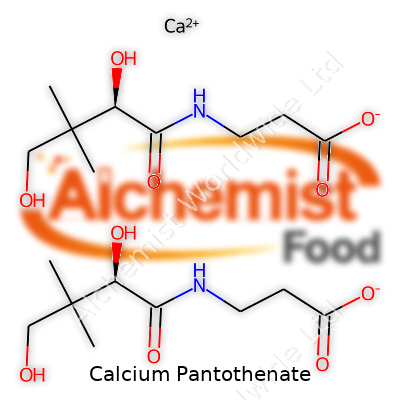
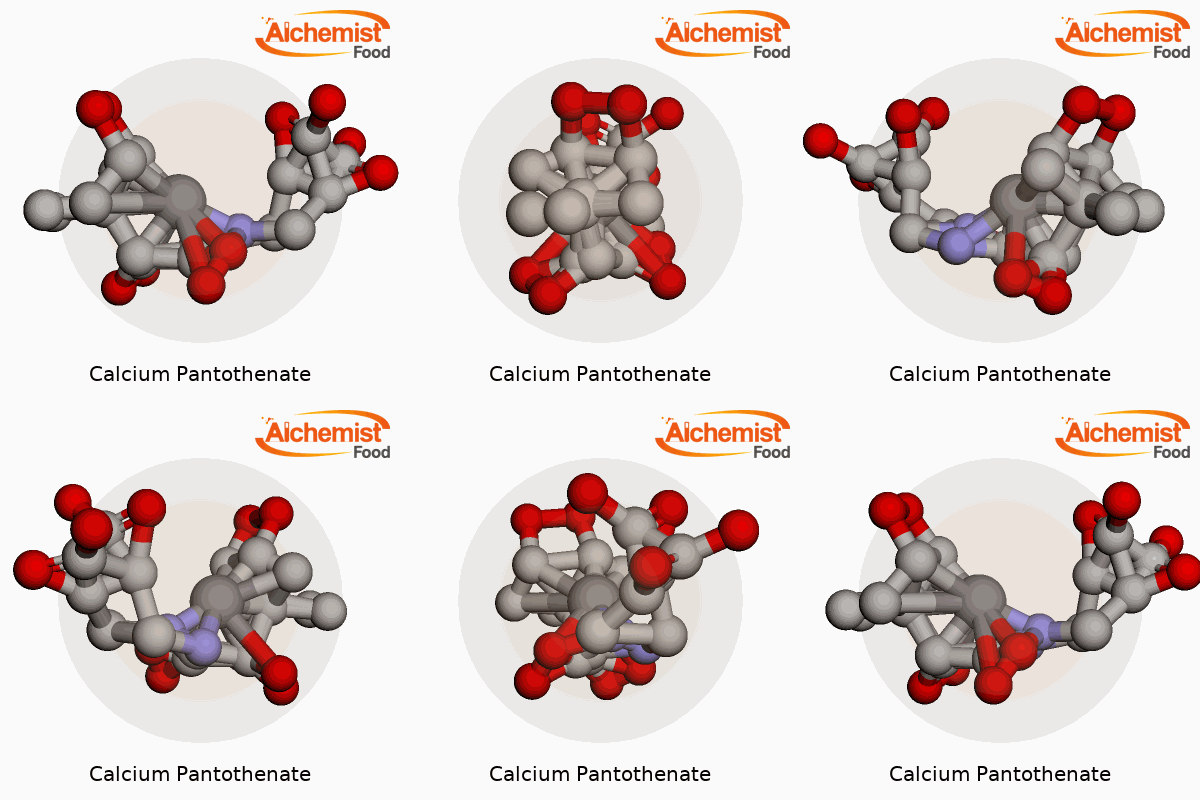
| Names | |
| Preferred IUPAC name | Calcium 3-[(2,4-dihydroxy-3,3-dimethylbutanoyl)amino]propanoate |
| Other names |
Pantothenate Vitamin B5 Dexpanthenol Calcium D-pantothenate Calpan |
| Pronunciation | /ˌkæl.si.əm pænˈθɒθ.ə.neɪt/ |
| Preferred IUPAC name | Calcium 3-({[(2R)-2,4-dihydroxy-3,3-dimethylbutanoyl]amino}propanoate |
| Other names |
Vitamin B5 D-pantothenic acid calcium salt Calpan Calci-Pan Pantoate Pantesin |
| Pronunciation | /ˌkæl.si.əm pænˈθɒθ.ə.neɪt/ |
| Identifiers | |
| CAS Number | 137-08-6 |
| Beilstein Reference | 1906076 |
| ChEBI | CHEBI:31346 |
| ChEMBL | CHEMBL1201177 |
| ChemSpider | 20735712 |
| DrugBank | DB00233 |
| ECHA InfoCard | 05b71df7-8935-404a-9e58-54dd52f61636 |
| EC Number | EC 3.1.1.23 |
| Gmelin Reference | 635324 |
| KEGG | C00864 |
| MeSH | D002121 |
| PubChem CID | 853 |
| RTECS number | **SD6800000** |
| UNII | 6ZG0JC058D |
| UN number | UN2289 |
| CAS Number | 137-08-6 |
| Beilstein Reference | 3913256 |
| ChEBI | CHEBI:31346 |
| ChEMBL | CHEMBL1201186 |
| ChemSpider | 15350 |
| DrugBank | DB00199 |
| ECHA InfoCard | ECHA InfoCard: 100.027.438 |
| EC Number | EC 3.1.1.31 |
| Gmelin Reference | 1490386 |
| KEGG | C00641 |
| MeSH | D002121 |
| PubChem CID | 10696 |
| RTECS number | SJ3325000 |
| UNII | 81RUA6N20W |
| UN number | UN-2811 |
| Properties | |
| Chemical formula | C18H32CaN2O10 |
| Molar mass | 476.53 g/mol |
| Appearance | White crystalline powder |
| Odor | Odorless |
| Density | 0.5 g/cm³ |
| Solubility in water | Soluble |
| log P | -2.0 |
| Vapor pressure | Negligible |
| Acidity (pKa) | 8.45 |
| Basicity (pKb) | 7.82 |
| Magnetic susceptibility (χ) | -6.1×10⁻⁶ |
| Viscosity | Viscous liquid |
| Dipole moment | 4.1527 D |
| Chemical formula | C18H32CaN2O10 |
| Molar mass | 476.53 g/mol |
| Appearance | White crystalline powder |
| Odor | Odorless |
| Density | Density: 1.27 g/cm³ |
| Solubility in water | Soluble in water |
| log P | -4.0 |
| Vapor pressure | Negligible |
| Acidity (pKa) | Acidity (pKa) of Calcium Pantothenate: "4.41 |
| Basicity (pKb) | 8.64 |
| Magnetic susceptibility (χ) | -6.1e-6 cm³/mol |
| Refractive index (nD) | 1.571 |
| Dipole moment | 7.1 D |
| Thermochemistry | |
| Std molar entropy (S⦵298) | 640.6 J·mol⁻¹·K⁻¹ |
| Std molar entropy (S⦵298) | 576.8 J·mol⁻¹·K⁻¹ |
| Std enthalpy of formation (ΔfH⦵298) | -1646.9 kJ/mol |
| Std enthalpy of combustion (ΔcH⦵298) | –3910 kJ/mol |
| Pharmacology | |
| ATC code | A11HA03 |
| ATC code | A11HA03 |
| Hazards | |
| Main hazards | May cause eye, skin, and respiratory tract irritation. |
| GHS labelling | GHS labelling: Not a hazardous substance or mixture according to the Globally Harmonized System (GHS) |
| Pictograms | GHS07 |
| Signal word | Warning |
| Precautionary statements | Keep container tightly closed. Store in a cool, dry place. Avoid contact with eyes, skin, and clothing. Wash thoroughly after handling. Use with adequate ventilation. |
| Lethal dose or concentration | LD50 (oral, rat) > 10,000 mg/kg |
| LD50 (median dose) | LD50 (median dose): 10,000 mg/kg (rat, oral) |
| NIOSH | GH3530000 |
| PEL (Permissible) | 10 mg/m³ |
| REL (Recommended) | 10 mg |
| IDLH (Immediate danger) | Not listed |
| Main hazards | May cause eye, skin, and respiratory tract irritation. |
| GHS labelling | GHS07, GHS08 |
| Pictograms | GHS07 |
| Signal word | Warning |
| Hazard statements | Hazard statements: May cause respiratory irritation. |
| Precautionary statements | P264, P270, P301+P312, P330, P501 |
| NFPA 704 (fire diamond) | 1-0-0 |
| Autoignition temperature | 410°C |
| Lethal dose or concentration | LD50 (oral, rat): >10,000 mg/kg |
| LD50 (median dose) | LD50 (median dose) of Calcium Pantothenate: "10,000 mg/kg (oral, rat) |
| NIOSH | GM8991000 |
| PEL (Permissible) | PEL: 10 mg/m³ |
| REL (Recommended) | '5-10 mg daily' |
| Related compounds | |
| Related compounds |
Pantothenic acid Panthenol Pantethine Dexpanthenol |
| Related compounds |
Pantothenic acid Dexpanthenol Magnesium pantothenate Sodium pantothenate Zinc pantothenate |



