Calcium Malate: A Close Look at Development, Properties, Safety, and Future Directions
Historical Development
Calcium malate has roots tracing back long before its arrival on supermarket shelves and drugstore aisles. Researchers chasing more absorbable forms of calcium have always pushed past the traditional carbonate and citrate salts. In the late twentieth century, food scientists found that combining calcium with malic acid—a compound that gives apples that signature tartness—produced a salt with remarkable absorption qualities. Earlier work by biochemists identified malic acid’s important role in metabolism and the Krebs cycle. By pairing it with calcium, it became possible to address deficiencies that plagued societies shifting away from diets rich in dairy and leafy greens. Today, academic journals document multiple refinements in isolation, purification, and testing, spurred in part by growing awareness around osteoporosis and the need for effective fortification in foods and supplements.
Product Overview
Many supplements and food manuals list calcium malate as a “next-generation” mineral choice for its strong bioavailability and lower risk of digestive upset compared to more common options. You’ll see it in chewable tablets, meal replacement powders, and infant formula. Companies that make fortified juices and protein shakes like it because it blends well in solutions and keeps flavor impact minimal. It is usually supplied as a dry, almost tasteless white powder, and labels sometimes highlight “malic-acid derived calcium.”
Physical & Chemical Properties
The compound’s off-white crystalline powder packs high density, making it easier to handle during bulk processing. It dissolves more easily than calcium carbonate but slightly less than citrate when stirred into water at room temperature. Calcium malate doesn’t clump easily in storage as long as humidity stays low. The chemical formula, Ca(C4H4O5), reveals a single calcium molecule attached to two malate ions, giving a balanced profile without excess acidity or reactivity with other nutrients. It doesn’t give off strong odors or color and resists caking—a big plus in supplement manufacturing. Testing shows a melting point above 200°C, which keeps it stable through food processing or tableting.
Technical Specifications & Labeling
Quality-control labs calibrate calcium content per batch, usually demanding a minimum of 22-23% elemental calcium by mass. Heavy metals like lead and arsenic stay closely monitored; reputable suppliers advertise levels falling well below global safety thresholds. Labels often spell out both "calcium malate" and "calcium di-malate," with nutrition panels stating elemental calcium contributions so consumers can make direct comparisons with other supplements. Some lists specify country of origin, Kosher or Halal status, and the absence of allergens or GMOs for global trade compliance. Powder color, pH range in a standard solution (typically 6.5-7.5), and particle size distribution round out the spec sheet and meet requirements for quality certifications such as USP and FCC monographs.
Preparation Method
Industrial production starts with food-grade malic acid, that can be sourced from fermented corn or apples. Mixers blend the acid with refined calcium carbonate or calcium hydroxide under carefully controlled pH and temperature. The reaction yields calcium malate and water, and filtration isolates the raw crystals. Once dried, the product heads through sieves for sizing before lab technicians run checks for purity and residual moisture. There’s little waste—byproducts like CO₂ off-gas harmlessly or get recycled. Plants that follow cGMP rules produce calcium malate that doesn’t pick up much contamination, and the tightly-controlled workflow lets manufacturers scale batches up or down depending on demand spikes from supplement companies or beverage makers.
Chemical Reactions & Modifications
Calcium malate shows stability under normal processing conditions but can break down in highly acidic or alkaline environments. Adding strong acids, such as citric acid, will nudge malate into solution faster, but doesn’t force calcium to separate from the complex unless the concentration spikes beyond typical food or supplement processing. In water containing lots of other minerals, such as magnesium or sodium, calcium malate holds its integrity but might start to precipitate out if levels get too high or temperatures swing. Chemical modifications alter malate’s chain structure or introduce buffering agents for new forms with altered solubility, though these rarely appear outside research labs. Some R&D facilities have attempted to link malate with other micronutrients hoping for synergistic health benefits, but such efforts require close toxicity and absorption monitoring.
Synonyms & Product Names
Shoppers know calcium malate by several names on international ingredient lists: “calcium di-malate,” “malic acid calcium salt,” or just “calcium apple acid.” Sometimes trade names pop up in nutritional databases. Industry buyers see designations like E352 (referring to malates generally) or custom product IDs assigned by each manufacturer for traceability. No matter what label appears, the core functional ingredient stays the same: calcium ion chelated with malate for enhanced bioavailability.
Safety & Operational Standards
Companies stick closely to safety guidelines from authorities like the FDA, EFSA, and China’s food regulators. Facilities run batch testing for heavy metals, microbiological contamination, and residual solvents. GMP certification acts as a baseline, but suppliers hoping to enter infant nutrition must pass even tougher audits for trace impurities and batch-to-batch consistency. Emergency protocols exist for dust inhalation or large spills since the fine powder can pose respiratory irritation during bulk handling. Finished supplement products often face spot testing for calcium levels and possible adulteration—problems that could get flagged in random retail audits or if consumer complaints arise. In my own experience in the food sector, strict batch records and recall systems make troubleshooting mislabeling or contamination a matter of hours, not days.
Application Area
Calcium malate’s headline application lands in the supplement aisle, with bone and joint health the usual selling point. Pediatric and geriatric nutrition sees added volumes due to higher absorption rates. Food technologists turn to calcium malate for fortifying plant-based milks, yogurt, frozen desserts, and orange juice without causing chalky aftertaste, a key reason beverage brands choose it over cheaper salts. Dieticians working with clients who have sensitive stomachs recommend this salt because it skips the bloating and constipation tied to some alternatives. Dentists sometimes mention it for dental health, thanks to steady calcium release in chewables. Beyond food, scientists keep testing it in medical nutrition for kidney support and as part of parenteral nutrition mixes for hospitalized patients.
Research & Development
The global surge in childhood osteoporosis awareness has pushed researchers to compare calcium malate directly against competing forms for effectiveness and side-effect profiles. Recent clinical trials tracked blood calcium and bone density in populations using malate, with results showing statistically higher absorption rates compared to carbonate, and no increase in kidney stone risk. R&D doesn’t stop with human health—animal nutrition specialists run long-term feeding trials in poultry, swine, and dairy cattle, with positive results for bone strength and egg production. In food tech labs, teams run shelf-life stability tests, flavor compatibility trials, and fortification blending with vitamins D and K. Intellectual property filings show a steady trickle of patents, mostly centered on manufacturing tweaks to boost purity, or new forms for custom dietary applications.
Toxicity Research
Peer-reviewed journals regularly re-examine safety. Single-dose and repeated-dose toxicity studies in rodents show no measurable harm at usage rates well above those considered safe for human nutrition. Metabolites leave no toxic residues, passing out through urine. Allergenicity reviews point out no known risk, making it acceptable for hypoallergenic formulas. Regulatory agencies cap maximum daily intakes out of an abundance of caution, even though observational data rarely suggest real-world toxicity. Long-term follow-up studies watch for kidney, liver, or bone side effects, but so far, data signal low risk if users stay within published intake limits. Still, as with any concentrated mineral, overuse carries danger—medical professionals caution against heavy self-dosing, especially in children and those with kidney issues. Direct inhalation of powder during manufacturing may irritate respiratory tracts, which underlines the need for dust controls.
Future Prospects
Demographic change points toward more demand for gentle, high-absorption mineral solutions. An aging population brings fresh urgency for osteoporosis prevention, and plant-based food trends open doors for broad-based fortification where dairy falls short. Researchers seek ways to link calcium malate with probiotics, fiber, and essential fatty acids, aiming to widen the scope of functional foods. There’s early work on nanoparticles and encapsulated forms for sustained release, with hopes of targeting populations that can’t tolerate large oral doses. Environmental factors also get attention; companies want to further cut down inputs, water use, and byproduct waste. Regulatory tightness likely increases, as agencies review labeling, permissible doses, and cross-border ingredient approval. Educators and practitioners see value in greater public awareness around different calcium salts—choice matters when optimizing for absorption, safety, and dietary compatibility. Much of the coming innovation circles back to precision: tweaking the product for age, health status, and food context, all while proving safety and effectiveness across global markets.
What are the benefits of taking Calcium Malate?
Better Absorption for Bone Health
Supporting bone strength goes beyond getting enough calcium from food. Many people reach for supplements, but not all are created equal. I’ve seen lots of older adults and women after menopause struggle to keep their bones strong, even when taking standard calcium. Calcium malate, a salt of calcium and malic acid, stands out because the body absorbs it more effectively compared to calcium carbonate. According to research published in the American Journal of Therapeutics, calcium malate raises blood calcium levels better than some other forms. With better absorption, people get the actual bone-building boost they're hoping for, not just extra pills.
Gentler on the Stomach
Plenty of folks I know complain about stomach discomfort after taking calcium. Some forms, especially the chalky tablets of calcium carbonate, can cause bloating, cramping, or constipation. Calcium malate dissolves more easily, so it is less likely to cause those familiar digestive side effects. For anyone who dreads the idea of another round of stomach upset, this advantage feels significant. Nobody enjoys paying for a supplement that comes with its own share of discomfort.
Beyond Bones: Muscle and Nerve Function
Our muscles and nerves use calcium all day long. Quick muscle contractions and sending signals through nerves both depend on having enough calcium floating in the blood. Out in the gym or just carrying groceries, these body processes matter. Calcium malate helps maintain the steady flow of this mineral, so the hands and legs don’t cramp or tingle. Too little calcium can lead to twitching or even heart irregularities. I’ve had friends with low calcium feel noticeably better after switching to an absorbable calcium supplement.
Support for Activity and Recovery
The malic acid in calcium malate isn’t just a filler. Malic acid plays a role in how our cells make energy. Athletes and active people know muscle soreness and fatigue much too well. Early studies suggest that malic acid might help fight fatigue, especially for people with conditions like fibromyalgia. By combining calcium and malic acid, this form of supplement could help both with bone strength and with the recovery process after activity.
Better Results for Diverse Diets
Diets high in animal protein, caffeine, or sodium can leach calcium from bones. People on restrictive diets, such as vegans, or folks who avoid dairy, need to keep an eye on calcium intake. Because calcium malate offers more reliable absorption, it serves people across different eating patterns without as much risk of deficiency. According to a review in the journal Nutrients, better absorbed forms also reduce the risk of kidney stones when compared to poorly absorbed calcium compounds.
Solutions and Precautions
Anyone considering a supplement should talk it through with a healthcare professional. Calcium can interact with some prescription medicines, and it's possible to get too much. I always remind friends to check for vitamin D intake, since bones need both to grow strong. More isn’t always better. Good brands deliver accurate amounts and come with third-party testing, so you can trust what’s in each tablet. Quality and dosing really matter, much more than the label on the front.
How is Calcium Malate different from other forms of calcium?
What Sets Calcium Malate Apart?
People talk a lot about bone health once they cross their 30s, and for good reason. From my own days of pounding pavement as a runner, I learned how crucial it is to build and maintain strong bones. Calcium is the headliner in these conversations, but not all versions of it serve the body the same way. Calcium malate stands out for reasons that often get overlooked in marketing charts and generic supplement aisles.
Absorption Matters More Than Numbers
A bottle label might show impressive milligram counts, but that doesn’t always guarantee you’re getting what you need. Calcium carbonate, for instance, promises a high calcium content—about 40% by weight—but absorbing it fully requires enough stomach acid. People who take antacids, older adults, or those with digestive issues might not get the benefit they expect. Calcium citrate helps on the absorption side, working well even for those with lower stomach acid, but tablets can be bulky and sometimes cause upset stomachs.
Calcium malate, though, tells a different story. Pairing calcium with malic acid (which occurs naturally in apples and other fruits), the body recognizes and absorbs this combo in a more reliable way. Studies show that it gets absorbed efficiently, even alongside meals that aren’t perfectly timed or heavy in protein. I’ve compared how my joints feel after using both carbonate and malate supplements, and malate simply worked better. There’s less of that heavy, chalky feeling in the stomach, and the cramps I used to feel after long training cycles became less frequent.
Digestive Comfort and Everyday Use
Many people shy away from calcium supplements because of the risk of bloating or constipation. Calcium carbonate is the usual suspect here. On tough travel days when my diet changed or my gut just wasn’t happy, I could tell the difference. Calcium malate doesn’t seem to trigger those issues for most folks. This is important for people who already struggle with irregular digestion.
Kids and older adults often have the most trouble meeting their calcium needs, yet they’re also the ones most at risk–kids from picky eating, older adults from reduced nutrient absorption. From my family’s experience, flavored chewables containing calcium malate seemed to encourage the kids to take their supplements without a fight, and my parents saw fewer complaints about GI troubles. A well-absorbed form means every milligram counts more.
Supporting Evidence from Research
Science backs up these observations. Research published in the European Journal of Clinical Nutrition and similar journals points out that calcium malate not only boosts calcium levels in the blood more effectively than some other forms, it also plays nicely with vitamin D, supporting bone mineral density. Malic acid does more than just help with absorption—it’s tied to natural energy production in the body, helping to smooth out the spikes and crashes that can come with other calcium salts taken alone.
What Can People Do?
People should talk to their doctors or registered dietitian before switching or starting new supplements, especially if they’re on medication or managing a specific health condition. Read supplement labels carefully, and look for products that are third-party tested so you know what you’re actually getting. Pairing calcium with meals, and staying consistent, makes the most of whichever form you pick—but some forms like malate make the journey a little smoother for your body.
What is the recommended dosage for Calcium Malate supplements?
Why Dosage Matters
People often look at calcium supplements after a moment at the doctor’s office or a Google spiral about bone health. Most hope for a simple answer to “How much should I take?” but calcium isn’t a one-size-fits-all nutrient. Getting the amount right makes a real difference for long-term wellness, especially since both too little and too much bring problems.
Recommended Dosage: What Most Adults Need
For most adults, health authorities like the National Institutes of Health suggest a daily calcium target of 1,000 to 1,200 milligrams, which includes what you eat and what you get from supplements. Calcium malate, often found in good-quality tablets, has about 230 milligrams of elemental calcium per 1,000 milligrams of the compound. That means to reach the typical daily goal, you would look at about 4,000 to 5,000 milligrams of calcium malate if you’re relying on supplements only, but most people eat plenty of dairy, greens, or fortified foods, so supplements just fill the gap.
How to Decide On Your Dose
Age, diet, and health all make a difference here. Teenagers, pregnant women, and anyone over fifty usually ends up on the higher side of that 1,000 to 1,200 milligram range. Doctors often suggest splitting doses: the body absorbs smaller amounts better, so half in the morning and half at night can help. If your meals already include a good chunk of calcium—a bowl of yogurt, a generous helping of spinach, a splash of milk in cereal—it’s smart to factor all that in before popping a tablet.
Problems With Too Much or Too Little
It’s easy to think that if a little helps your bones, a lot must be better. Too much, though, raises your risk for kidney stones, and it can get in the way of other important minerals like iron and zinc. Research links excessive calcium supplements (not food calcium) with possible heart risks, especially for older adults. On the flip side, not getting enough keeps bones thin and fragile. Older adults lose bone faster, making steady intake extra important into retirement age. Scanning the medicine cabinet, it’s tempting to double up for “bonus” protection, but sticking with the right dose matters more.
Talking With Your Doctor
No two people eat exactly the same lunch. Telling your healthcare provider about your daily meals, other medications, or chronic issues shapes your best advice. For folks with digestive struggles, allergies to dairy, or past kidney stones, doctors often suggest tracking exact milligrams or choosing the supplement form that goes easy on your system. Calcium malate earns praise for being gentle and fairly well absorbed, compared to some cheaper calcium forms that can upset the stomach.
Supporting Bone Health Beyond Pills
Supplements have their place, but no bottle beats habits like walking in the sun, getting enough vitamin D, and eating a range of whole foods. Vitamin D makes calcium actually work, pulling it into bones instead of letting it pass on through. Weight-bearing exercise keeps bones strong, especially if you started worrying about osteoporosis after reading the fine print on supplement labels.
Setting a personal calcium target isn’t just about picking a number from a chart. Good advice starts with honest assessment, a little math about what’s on your plate, and a quick chat with your healthcare provider. The right amount keeps your bones supported, while avoiding the side effects that trip up folks chasing quick fixes. Nothing replaces a little real food and a smart, steady dose aligned with what your life already includes.
Are there any side effects of using Calcium Malate?
Why People Reach for Calcium Malate
Plenty of people know the link between calcium and healthy bones. Doctors and dietitians talk about osteoporosis and how low bone density sneaks up with age. Among the many calcium supplements, calcium malate stands out. This compound pops up in vitamin aisles because it absorbs well and tends to be gentle on the stomach. Folks who don’t like chalky tablets, or who feel bloated after taking straight-up calcium carbonate, often feel better on this form.
Can Calcium Malate Cause Trouble?
Like everything you put in your body, too much or the wrong timing gives problems. Most doctors, including Dr. Michelle Adams, warn that large doses of any calcium trigger bloating, gas, or mild constipation. Urinary stones—especially kidney stones—are possible if someone piles on the calcium pills without balancing with enough water or if they already have a history of stones. People who take certain medications—like some used for high blood pressure (such as thiazide diuretics) or strong antibiotics (like tetracyclines)—may notice the body soaks up more or less of either the medicine or the calcium when taken together.
Not everyone talks about the less common issues. Some people feel a little off, with nausea, or even muscle aches, if blood calcium rises above normal because of heavy supplement use. Doctors catch this with a simple blood test, but most healthy people without specific kidney problems or parathyroid issues won’t run into this if they’re sticking to sensible doses. The current science supports that most healthy adults can stay safe at 500 to 1,000 mg of supplemental calcium a day, combining food and supplements. Going far above the recommended amount over long stretches tends to trigger the worst effects.
Thinking About Who Should Be Cautious
People with kidney disease, parathyroid gland problems, or a family track record of kidney stones should check with a healthcare provider before making calcium malate part of their daily habits. Even though the risk seems small for most, using supplements as a “just in case” measure without thinking about diet or pre-existing health issues leaves open room for problems.
Parents and older adults sometimes slip their kids or grandparents a chewable calcium tablet after a mention from a neighbor or internet post. Kids and seniors do have unique needs, but they also process minerals differently due to changes in metabolism or kidney function. Supplement choices that work for a healthy 30-year-old could cause trouble in a 75-year-old woman or a 10-year-old with a sensitive stomach.
Tips for Safer Use
Talking with a doctor or registered dietitian before starting any supplement makes sense. These professionals look at your diet, lifestyle, and current medications to decide if you’re low in calcium or just buying into slick marketing. They may suggest a bone density scan if there are concerns about bone strength. Diet does most of the heavy lifting—yogurt, broccoli, sardines, seeds, and beans give loads of calcium and other vital nutrients.
For anyone using calcium malate, taking the supplement with food, drinking plenty of water, and spreading out the dose during the day cut down uncomfortable side effects. If new health symptoms appear, or if you feel unwell after starting the supplement, bringing it up with your healthcare provider pays off.
Blending supplements with smart food choices and steady check-ins with your medical team keeps your bones safe without missing the bigger picture of overall health.
Can Calcium Malate be taken with other medications or supplements?
Understanding Where Calcium Fits In
People reach for calcium malate for all kinds of reasons—strong bones, muscle support, or just to get enough calcium in the diet. But it isn’t always easy to line up your supplements with the rest of your routine, especially if you’re juggling prescriptions or your kitchen cabinet looks like a pharmacy shelf. This is where things get interesting and a bit challenging.
Drug Interactions: A Real Concern
I’ve had friends who started calcium supplements only to find out their daily thyroid meds stopped working as expected. Calcium can interfere with how some drugs are absorbed. Blood pressure pills like verapamil, some antibiotics (think tetracyclines, quinolones), and thyroid medicines can get blocked or delayed by calcium sticking around in the gut.
Doctors and pharmacists usually keep tabs on these interactions, but it often falls to us to time our calcium. Spacing calcium malate and certain pills by at least two hours has helped many, according to studies and old-fashioned trial and error. This isn’t just a hassle; it saves people from shortchanging their doctor’s hard work and their own health.
Combining with Other Supplements
Many folks believe more is better—magnesium, zinc, vitamin D, and a dozen other names line up next to their calcium. Some do play well together. Vitamin D can help your gut pick up that calcium, making sure some of what’s in your tablet actually lands in your bones. Yet high doses of calcium alongside iron can slow down iron absorption, which can matter more for women or those dealing with anemia.
Personal experience drove this home for me watching my mother juggle anemia and osteoporosis. Her doctor recommended taking calcium at night and iron in the morning. Small tweaks like that cut her symptoms and let her stay committed to her treatment plan.
Supplement Quality and Transparency
Labels don’t always tell the whole truth, and not every supplement bottle comes from a trustworthy source. A study from ConsumerLab found plenty of calcium supplements missing the promised strength or contaminated with lead. Picking brands that publish third-party test results brings peace of mind—no one should swap weak bones for other health risks.
Who Really Needs Calcium Malate?
People bring a variety of goals to the supplement aisle—prevention, recovery after a fracture, making up for a low-calcium diet. Too much calcium, on the other hand, can cause more kidney stones or heart issues. The Mayo Clinic and National Institutes of Health both point out: most adults don’t benefit from mega-doses.
A health habit gets its value from fitting into your real life, not from stacking every bottle you can find. Getting advice straight from a certified doctor or pharmacist—who knows your medical history—beats making guesses based on what works for a friend. You’ll go farther with a plan tailored to you, not one-size-fits-all advice.
The Smart Approach
Mixing calcium malate with other pills or powders isn’t just about collecting benefits but about steering clear of problems nobody wants. Every supplement or medicine you take carries its own story, and keeping them in harmony takes clear info and real guidance. Honest conversations and informed choices remain better than any shortcut through the supplement aisle.
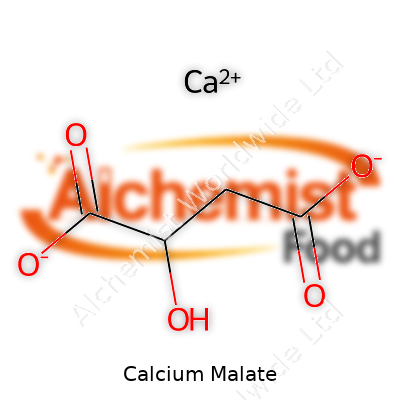
| Names | |
| Preferred IUPAC name | Calcium 2-hydroxybutanedioate |
| Other names |
calcium dihydroxide dimalate calcium hydrogen malate calcium malate salt malic acid calcium salt |
| Pronunciation | /ˈkæl.si.əm ˈmæl.eɪt/ |
| Preferred IUPAC name | Calcium 2-hydroxybutanedioate |
| Other names |
Calcium bis[(2-carboxyethyl)acetate] Calcium dihydroxide malate Calcium(II) malate |
| Pronunciation | /ˈkæl.si.əm ˈmæ.leɪt/ |
| Identifiers | |
| CAS Number | [17482-42-7] |
| Beilstein Reference | 3898737 |
| ChEBI | CHEBI:6686 |
| ChEMBL | CHEMBL1201566 |
| ChemSpider | 19942179 |
| DrugBank | DB11093 |
| ECHA InfoCard | 100.033.506 |
| EC Number | 5743-47-5 |
| Gmelin Reference | 109135 |
| KEGG | C18308 |
| MeSH | D017849 |
| PubChem CID | 3032642 |
| RTECS number | DJ1526000 |
| UNII | 9Y2X4P87EA |
| UN number | UN3077 |
| CompTox Dashboard (EPA) | urn:cpdat:19338 |
| CAS Number | 17482-42-7 |
| Beilstein Reference | 136157 |
| ChEBI | CHEBI:31995 |
| ChEMBL | CHEMBL1201549 |
| ChemSpider | 22465897 |
| DrugBank | DB11093 |
| ECHA InfoCard | 100.040.931 |
| EC Number | 5743-47-5 |
| Gmelin Reference | 35346 |
| KEGG | C16255 |
| MeSH | D017704 |
| PubChem CID | 3034418 |
| RTECS number | OJ6825000 |
| UNII | P5WD651WTF |
| UN number | UN3077 |
| Properties | |
| Chemical formula | Ca(C4H4O5) |
| Molar mass | 270.14 g/mol |
| Appearance | White powder |
| Odor | Odorless |
| Density | 1.4 g/cm³ |
| Solubility in water | Slightly soluble |
| log P | -4.48 |
| Vapor pressure | Negligible |
| Acidity (pKa) | 3.40 |
| Basicity (pKb) | 8.45 |
| Magnetic susceptibility (χ) | Diamagnetic |
| Refractive index (nD) | 1.63 |
| Dipole moment | 0 D |
| Chemical formula | Ca(C₄H₄O₅) |
| Molar mass | 270.152 g/mol |
| Appearance | White or almost white powder |
| Odor | Odorless |
| Density | Density: 0.8 g/cm³ |
| Solubility in water | Slightly soluble |
| log P | -3.4 |
| Vapor pressure | Negligible |
| Acidity (pKa) | 3.40 |
| Basicity (pKb) | 11.8 |
| Magnetic susceptibility (χ) | Diamagnetic |
| Refractive index (nD) | 1.64 |
| Viscosity | Viscous powder |
| Dipole moment | 2.92 D |
| Thermochemistry | |
| Std molar entropy (S⦵298) | 143.96 J·mol⁻¹·K⁻¹ |
| Std enthalpy of formation (ΔfH⦵298) | -1794.0 kJ/mol |
| Std enthalpy of combustion (ΔcH⦵298) | -2331.9 kJ/mol |
| Std molar entropy (S⦵298) | 229.1 J·mol⁻¹·K⁻¹ |
| Std enthalpy of formation (ΔfH⦵298) | -1761.8 kJ/mol |
| Std enthalpy of combustion (ΔcH⦵298) | -1476.4 kJ/mol |
| Pharmacology | |
| ATC code | A12AA13 |
| ATC code | A12AA04 |
| Hazards | |
| Main hazards | May cause mild skin, eye, and respiratory irritation. |
| GHS labelling | GHS07, GHS08 |
| Pictograms | eye, test tube, exclamation mark |
| Signal word | Warning |
| Hazard statements | Not a hazardous substance or mixture according to the Globally Harmonized System (GHS) |
| Precautionary statements | Keep container tightly closed. Store in a cool, dry place. Avoid breathing dust. Wash hands thoroughly after handling. Use personal protective equipment as required. |
| NFPA 704 (fire diamond) | 1-0-0 |
| Lethal dose or concentration | LD50 (oral, rat): >2000 mg/kg |
| LD50 (median dose) | LD50 (median dose) of Calcium Malate: >2000 mg/kg (rat, oral) |
| NIOSH | Not Established |
| PEL (Permissible) | 10 mg/m3 |
| REL (Recommended) | 800 mg |
| Main hazards | May cause eye, skin, and respiratory irritation. |
| GHS labelling | GHS07, GHS08 |
| Pictograms | GHS07 |
| Signal word | Warning |
| Hazard statements | Calcium Malate is not classified as hazardous according to GHS. |
| Precautionary statements | Keep container tightly closed. Store in a cool, dry place. Avoid breathing dust. Wash hands thoroughly after handling. Use personal protective equipment as required. |
| NFPA 704 (fire diamond) | 1-0-0 |
| Lethal dose or concentration | LD50 (oral, rat): > 2,000 mg/kg |
| LD50 (median dose) | The LD50 (median dose) of Calcium Malate is "2,600 mg/kg (rat, oral)". |
| NIOSH | EW3150000 |
| REL (Recommended) | 1000 mg |
| Related compounds | |
| Related compounds |
Calcium Citrate Calcium Carbonate Calcium Lactate Calcium Gluconate Calcium Phosphate |
| Related compounds |
Calcium citrate Calcium carbonate Calcium lactate Calcium gluconate Calcium phosphate Magnesium malate |



