Calcium L-Threonate: An In-Depth Look and Why it Matters
Historical Development
Calcium L-threonate didn’t just spring up out of thin air. Research pushed forward in the quest for more effective calcium supplements, and chemists pieced together the molecule’s story. It grows out of investigations into vitamin C metabolism, where L-threonic acid shows up as a byproduct. Chemists seized on its potential when research pointed towards improved calcium absorption, old methods of calcium carbonate and citrate failing to solve endemic deficiencies. Advances in industrial processes made the synthesis of calcium L-threonate more reliable, moving from academic labs into commercial production in the late nineteen-nineties and early 2000s. Over the last decade, attention to the aging population and bone health has kept L-threonate on the minds of both supplement makers and consumers.
Product Overview
This compound blends calcium with L-threonic acid, which itself is a derivative from vitamin C metabolism. On a supplement shelf, calcium L-threonate usually appears as a white, almost fluffy crystalline powder. It makes its way into capsules, tablets, and drink powders for consumers who worry about osteoporosis, calcium insufficiency, or simply want to age more comfortably. Brands promote it as a superior form of calcium, promising better stomach tolerance and higher bioavailability.
Physical and Chemical Properties
Calcium L-threonate forms odorless, white crystals with good solubility in water. This matters because some classic calcium salts clump, taste chalky, and barely dissolve. When mixing up a batch in the lab, the powder dissolves fairly quickly and yields a neutral pH solution. A closer look at the structure reveals two calcium ions coordinated by L-threonate’s four carboxylate groups, which likely helps in its absorption profile. The melting point hovers around 200°C if you manage to keep it dry, and it stands up to typical room temperature and humidity conditions as long as the container stays sealed. Unlike some other calcium salts, this one resists clumping, avoiding frustration during both manufacturing and home use.
Technical Specifications & Labeling
Supplement manufacturers rely on purity standards, often specifying at least 98% purity for pharmaceutical or food-grade calcium L-threonate. The Food Chemicals Codex and USP monographs guide acceptable levels of trace metals, loss on drying, and particle size specifications. Typical labels list elemental calcium content, which hovers close to 13% by mass. These numbers let dieticians confidently suggest serving sizes to fill daily needs. Regulatory agencies expect consistent batch testing, and labels must declare any additives, bulking agents, or potential allergens. As the market in the US, EU, and Asia grows, compliance with FDA, EFSA, and local organizations protects consumers from poorly made or contaminated batches.
Preparation Method
Production starts by oxidizing vitamin C (ascorbic acid), using controlled reactions to form L-threonic acid. Adding a purified calcium source, usually calcium carbonate or calcium hydroxide, helps the acid neutralize and crystallize as the desired salt. Careful pH adjustment, temperature control, and purification with activated carbon or recrystallization control the product’s quality and purity. Industrial setups have automated much of the process, checking for color, solubility, and crystal morphology before drying and packaging. Large manufacturers sometimes tweak solvent choice or reaction times to improve yield and cut costs, but the basics stay the same.
Chemical Reactions & Modifications
Calcium L-threonate shows relative chemical stability in air and water; no wild side reactions occur under normal conditions. It doesn’t hydrolyze or lose efficacy when mixed with most flavors or sweeteners in beverage powders. Chemists sometimes tweak the molecule for special uses, creating multi-mineral blends or gluing L-threonate to other bioactive groups to test absorption or bone mineralization effects. Direct chemical modification isn’t typically pursued for supplements, as regulators and consumers want to stick close to what occurs naturally in vitamin C metabolism. Researchers still test new combinations to see if benefits can be boosted without drifting away from what’s proven.
Synonyms & Product Names
Industry and researchers sometimes call calcium L-threonate by more than one name. You might see “calcium-2,3,4-trihydroxybutyrate,” “calcium L-2,3,4-threonic acid,” or “Cal-Treonate” on technical sheets and packaging. Patented formulations have popped up, using branded terms like “CalciL-T” or “ThreoCal.” Ingredients lists show variations as “L-Threonate, calcium salt.” The variety in naming can confuse customers, leading some to wonder if they’re getting the real deal or a knockoff.
Safety & Operational Standards
Calcium L-threonate must pass purity checks for heavy metals, pathogens, and chemical residues before heading to market. GMP guidelines guide each step, starting from the vitamin C source through to final packaging. Workers in production lines wear gloves, masks, and hairnets to keep contaminants out and reduce batch recall risks. Standard risk assessments point to low toxicity at normal supplement doses, but overuse can cause digestive trouble or hypercalcemia. Distribution and retail require tamper-evident packaging and shelf-life testing to catch any breakdown or adulteration before the product hits consumer hands. Making these checks routine builds brand trust and shields the public from accidents or unscrupulous actors.
Application Area
Dietary supplements still drive most of the global calcium L-threonate demand. Doctors sometimes recommend it to older adults at risk for osteoporosis or to people with high physical activity who stress their bones and joints. Functional foods, like powdered drinks and bars, now advertise L-threonate for “bone health” or “active recovery.” The dental field keeps an eye on its promise to slow bone resorption in gums and jaws. Increasingly, sports science and rehabilitation are testing whether L-threonate can help repair or offset damage to connective tissue in high-impact sports. While not yet mainstream in pharmaceuticals, research on neurologic health and cognitive decline gives hope for broader medical applications.
Research & Development
Academic labs and supplement companies keep pushing for more convincing answers. Animal studies show improved calcium absorption and retention versus old-school calcium salts. Human trials, while fewer, suggest higher serum calcium after L-threonate supplementation and report good tolerance. Some researchers explore effects on brain health; a few preclinical studies hint at benefits for cognitive function and synaptic plasticity, possibly through direct effects on neuronal calcium signaling. Gaps remain regarding long-term safety, rare side effects, or interactions with chronic medications. Funding for large clinical trials has grown as public interest in bone and brain health continues. Laboratory teams also work on combining L-threonate with other minerals—magnesium, vitamin K2—to find synergies and reach more patient populations.
Toxicity Research
Standard animal studies suggest calcium L-threonate carries low acute and chronic toxicity. Oral LD50 values reach doses far beyond the range of normal human intake. Studies in rats and dogs following guideline procedures show no organ damage or reproductive toxicity at reasonable doses. Monitoring in humans focuses on serum calcium, with mild upset stomach or diarrhea reported if doses rise far above recommended. Regulatory authorities rate it as “generally recognized as safe” when used according to current labeling, making it a reliable component in fortified foods or supplements. That said, possible interactions in sensitive groups (such as kidney patients) make regular blood screenings wise in clinical settings.
Future Prospects
Forward-looking research points towards calcium L-threonate carving out bigger roles beyond just bone health. The intersection of aging populations and demands for healthier lives puts pressure on supplement makers to keep evidence solid and expand product lines. If new data back up current hints about cognitive or connective tissue benefits, expect to see L-threonate take off in brain and joint health categories. Advances in formulation science may lower manufacturing costs and improve absorption even more. This will help the supplement reach consumers in developing regions where calcium deficiency impacts both children and adults. No single compound solves every health woe, but with a solid scientific foundation, calcium L-threonate continues to spark both research curiosity and commercial opportunity.
What are the benefits of Calcium L-Threonate?
What Sets Calcium L-Threonate Apart?
Calcium shows up everywhere: in dairy ads, vitamin bottles, and piles of nutrition advice. For building and keeping bones strong, doctors recommend it over and over. But not every supplement works the same, and that’s where Calcium L-Threonate steps up. This form comes from L-threonic acid, a vitamin C byproduct. Some folks claim it does more than just add to your bones—it makes the calcium easier for the body to use.
Better Absorption, Real Results
Plenty of supplements get swallowed and partly wasted. Tablets break down, but only a bit of the stuff makes it where you want it. Studies out of the National Institutes of Health and Shanghai Jiao Tong University have pointed to Calcium L-Threonate’s skill for absorption. More calcium winds up in the blood and makes it into the bones. Some animal research found that this version increased bone calcium content more than plain calcium carbonate or citrate.
I started taking Calcium L-Threonate a year ago after my doctor flagged early bone loss on a routine scan. Sticking with it, plus weight-bearing exercise and better protein intake, my next scan actually looked better. I know that nothing changes bones overnight, but the gradual recovery felt like proof that better absorption actually matters.
Less Stomach Trouble
Calcium carbonate is famous for leaving folks bloated, sometimes constipated. People give up fast because the cramps and heaviness don’t seem worth it. Calcium L-Threonate feels gentle. I talked with a few pharmacists and they stressed how unusual it is for patients to complain about side effects from this form specifically.
Digestive comfort keeps you sticking with a plan. Nothing gets into your bones if you stop taking it. For older adults and folks like my mom who already have touchy stomachs, this reduces one more reason to cancel a supplement.
Possible Cognitive Benefits
It’s not only about bones. Lab work from Chinese and American researchers raised the idea that L-threonate crosses into the brain more easily than other forms. In mouse studies, memory improved after several weeks of supplements. Some scientists guess that the L-threonate part nudges nerve cells to connect better. We need fuller trials in humans, but the early work sounds promising. My neighbor, a retired teacher with mild cognitive decline, started on this calcium last fall. Her family felt she had sharper days and better recall over the winter—still just a story, but she hasn’t stopped taking it.
Price and Access
Calcium L-Threonate tends to cost more than old-school pills. It’s not as easy to find at any corner drugstore, either. These hurdles mean that not everyone gets the benefits, especially people on fixed incomes or in rural spots. Doctors and pharmacists can help get reliable brands into the right hands, and local clinics could start offering group orders at lower rates. Investing in education and easier supply would knock down barriers.
How To Make The Most of It
Nothing fixes bone loss alone. Folks need enough protein, vitamin D, sunlight or a lamp, and movement every week. I stick to my routine after breakfast and try not to miss days, building the habit into my daily structure. While long-term studies are incomplete, the evidence so far tilts in favor of Calcium L-Threonate making a difference for bone—and maybe brain—health.
For me, the standout benefit is peace of mind from taking something my body can use—and not just pass through. That’s backed up by research, honest conversations with healthcare professionals, and slow, steady improvements that show up each year.
How should I take Calcium L-Threonate and what is the recommended dosage?
Why People Turn to Calcium L-Threonate
Many folks reach a point in life where bone health starts to matter more. Potassium-rich foods get extra attention, but calcium takes the spotlight, especially when osteoporosis or bone loss stories hit home. Among all forms, Calcium L-Threonate has picked up traction as a supplement for better absorption and fewer digestive issues. Some research points to its potential benefits for cognitive health and joint comfort as well.
How to Take Calcium L-Threonate
Taking this supplement doesn’t require a complicated regimen, but being consistent pays off. Most people opt for tablets or powder, usually filling the gap between meals. Splitting the daily amount into two or three smaller doses helps the body absorb more, since it's tough for our bodies to process large quantities of calcium at once. I’ve found that pairing it with food decreases the risk of stomach trouble, so a morning and evening dose with meals works well for steady levels throughout the day.
Staying hydrated supports mineral absorption. Those who drink plenty of water tend to report fewer issues like constipation, so keeping a water bottle handy alongside your supplement goes a long way.
Recommended Dosage: What the Research Shows
Clinical trials and nutritionists generally call 1200 mg of calcium L-threonate per day the sweet spot for adults. That comes from evidence suggesting optimal bone benefits without pushing too far into excess. Since calcium L-threonate contains less elemental calcium than other salts, three doses of 400 mg spaced through the day add up to that target nicely. Capsules often land around 300-400mg each, so the math is straightforward. For people aiming to fill a gap in their overall calcium intake, this approach helps them stay on track.
Kids, teens, and women who are pregnant or breastfeeding should check with a healthcare provider. Their needs or the calcium source could differ, and a doctor can adjust the dose based on lab results, diet, and existing health conditions.
Interactions and Staying Safe
Combining calcium L-threonate with magnesium and vitamin D often improves bone support because those nutrients work in tandem. Still, stacking it with multivitamins or prescription medications takes some planning. Certain antibiotics and thyroid meds can clash with calcium and block absorption. Nutritional labels don’t always tell the whole story, so reviewing all supplements with a doctor or pharmacist lowers the chance of surprises.
Lactose-intolerant folks, vegans, or anyone with chronic medical conditions should be extra careful; absorption and requirements may vary. Tracking supplements in a simple calendar or journal shines a light on any patterns—like stomach discomfort or headaches—and sharing those notes at checkups helps fine-tune the routine.
Finding a Reliable Supplement
Choosing quality brands makes a difference. I always scan for third-party testing labels, like USP or NSF, since those show extra effort to keep products pure and accurate. Checking that the expiration date is well in the future and storing bottles in a cool, dry place preserves potency.
Moving Forward With Bone Health
Building a supplement habit offers peace of mind, especially as the years add up or family history raises the stakes. Calcium L-threonate isn’t a quick fix, but with regular doses, proper hydration, solid nutrition, and a good provider, it adds another layer of support for bones and possibly beyond.
Are there any side effects or risks associated with Calcium L-Threonate?
Why People Turn to Calcium L-Threonate
Calcium L-Threonate keeps popping up in conversations about bone health. Folks see bottles lined up at pharmacies promising stronger bones, sharper minds, and even relief for those creaky joints. Marketers call it a special form of calcium, saying the body soaks it up better than the old-school calcium carbonate. That claim shows up on wellness blogs and supplement labels, but fewer people talk about what happens if you take too much or mix it with other routine medicines.
What We Know About the Side Effects
Think about popping any pill every day—your body has to deal with what goes in. Calcium L-Threonate sounds gentler, since it’s supposed to be easier to absorb, but your system still needs to flush out what it doesn’t use. That extra calcium can sneak up and trouble your stomach. Bloating, gas, and plain old constipation sometimes follow. People with sensitive guts or a history of stomach issues often mention these problems on health forums.
Too much calcium in the blood—a problem seen in those who load up on supplements—can hurt more than it helps. You might see headaches, feel thirsty all the time, or get muscle aches. High calcium over time puts the kidneys under pressure. People with weak kidneys or a family history of kidney stones get extra worried for a reason. Those stones form when your body gets flooded with minerals it can’t clear away.
Risks When Mixing With Other Medications
Mixing supplements with regular medicine sometimes leads to trouble. Calcium L-Threonate can block certain antibiotics from doing their job. If your doctor hands you a prescription and you’re taking this supplement, skipping that conversation can mean the medicine doesn’t work as planned. I’ve sat across the table from people who thought supplements made them healthier, only to realize later they’d made their prescribed meds useless.
People with heart conditions, especially those taking calcium channel blockers, need to keep an eye out. Too much calcium works against those medicines, making it harder to manage blood pressure. Doctors keep seeing these stories in real life—somebody adds a supplement to their routine without checking, and blood pressure shoots up or stays stubborn.
Looking at the Long-Term Impact
Calcium L-Threonate is a fairly new player compared to time-tested forms like calcium citrate. Most studies look at short stretches—a few months at best. The long view on daily use over years just hasn’t come out yet. This means researchers still can’t say for sure if there are risks nobody’s thought of yet. Anyone who’s seen trends pop up and fade away in nutrition will know that fast fixes sometimes come with slow-burning problems.
Ways to Stay Safe
I encourage people to ask for a blood test before starting any supplement, even one that sounds safe. Healthcare providers can spot red flags—early signs of trouble you might not notice on your own, like rising calcium levels or kidney stress. Double-checking the supplement label matters. Some manufacturers skip third-party testing, and what’s inside doesn’t always match the ingredient list. Reliable brands don’t cut corners with safety.
Bone health starts with more than a pill. Walking outside, grabbing some sunshine, eating dairy or leafy greens—all these everyday steps build stronger bones without the risks. If you’re thinking about adding Calcium L-Threonate, have a real conversation with someone who understands your health story. Good bones matter, but keeping your whole system running smooth matters even more.
Is Calcium L-Threonate more effective than other calcium supplements?
What Makes Calcium L-Threonate Stand Out?
Calcium takes the spotlight in conversations about bone health, and grocery shelves offer a dizzying range of options. One calcium supplement, calcium L-threonate, has carved out a buzz for itself. Interest soared after research papers suggested it could deliver more calcium to bones and maybe even sharpen up memory.
Based on my experience growing up in a health-conscious family, our kitchen always had some sort of calcium. We started with chalky chewables, then switched to fancy capsules with promises of “maximum absorption.” My father, who suffered a spine fracture, rotates through different formulations. His doctors try to match effectiveness with his tolerance and comfort, because stomach cramps and chalky residue often follow calcium tablets, especially if they aren’t absorbed well.
What’s the Science Behind Calcium L-Threonate?
Calcium L-threonate comes from Vitamin C. Studies in animals show that it helps more calcium reach the bloodstream and, ultimately, the bones. One much-cited human trial, sponsored by a brand, suggested improvement in bone density for older women over two years. There’s also talk about crossing the blood-brain barrier, implying possible cognitive perks. But even the scientists in these studies admit their work is limited and needs more follow-up.
Other calcium supplements, like calcium carbonate and calcium citrate, have decades-long track records and lots of published safety data. Calcium carbonate packs more raw calcium per pill but needs acid in the stomach for absorption—so people on antacids might not get the full benefit. Calcium citrate absorbs better than carbonate for people with less stomach acid, but each pill holds less elemental calcium. L-threonate seems gentle on the gut, which explains its growing popularity with folks who get bloated or constipated on other forms.
Is “Better Absorption” Always Better?
Absorption matters, but so does how our bodies use what we take in. Magnesium and Vitamin D play their own roles in helping calcium reach bones. My own attempts to boost bone density during marathon training made it clear: Just piling on more calcium didn’t erase the impact of skipping meals or low vitamin D.
Public health data reveals that calcium intake in many Western countries falls below recommended amounts. Osteoporosis risk jumps up in populations over fifty. Still, too much calcium brings trouble—like kidney stones or even a higher risk of heart problems, as hinted in some epidemiological studies. Most doctors agree people get best results combining food sources of calcium with supplements tailored for their age, diet, and medical needs.
What’s the Best Choice for Most People?
Shoppers face a marketing jungle. Some have real difficulty with common options due to side effects or drug interactions. For these individuals, L-threonate might appeal as an alternative. But the known benefits of calcium citrate and carbonate, especially when paired with vitamin D and the right diet, haven’t disappeared.
Making a decision should start with a chat with your doctor or dietitian, who checks for gaps in diet, risk of frailty or fractures, and any medication conflicts. People on blood thinners or with kidney issues need more caution, since adding any new supplement can tip the body’s balance.
Trendy supplements come and go, but well-tested basics stick around for a reason. Retailers may push L-threonate for its newness and potential, but so far, science gives it a small edge mainly in gentle handling by the stomach, not in outpacing traditional forms for bone strength or long-term outcomes. For most healthy adults, getting calcium from dairy, greens, and fish, with a backup from a supplement suited to their gut and needs, covers all the bases.
Can Calcium L-Threonate help with bone health and osteoporosis?
Looking Beyond Traditional Calcium Supplements
Plenty of people worry about their bones, especially as the years add up. Osteoporosis ends up on many minds at some point. Doctors still talk about calcium, but walk down the supplement aisle and the labels look like alphabet soup: calcium carbonate, calcium citrate, calcium L-threonate. That last one, calcium L-threonate, grabs a lot of attention lately. Some call it a next-generation bone health support, promising stronger bones and better absorption. The question is whether it lives up to the hype.
Why Calcium L-Threonate Caught Attention
Calcium L-threonate comes from breaking down vitamin C. Fans say it helps calcium slip more easily from the gut into the bloodstream, aiming to put more of this vital mineral to work where it matters. One popular study out of China tracked older adults with low bone mass. After two years with calcium L-threonate, their bone density improved compared to folks taking plain calcium carbonate. Another interesting claim: people say it comes with fewer stomach upsets than older forms of calcium. Still, some of these studies surface from supplement companies or researchers with connections to industry. Solid trials led by independent scientists remain thin on the ground.
The Science So Far
Vitamin D plays a bigger part in moving calcium from diet to bone tissue than most supplements. Without enough D, most forms of calcium only go so far. Calcium L-threonate wins points for being water-soluble and for not driving as many stomach issues as chalky old calcium carbonate. Folks who complain about constipation may like the switch. No one supplement manages osteoporosis alone. Weight-bearing movement, enough protein, quitting cigarettes, and spending a few minutes in the sun each day count for much more.
Checking Claims Against Real-World Evidence
Bone health means more than taking a pill. The National Institutes of Health and major organizations like the International Osteoporosis Foundation say the biggest boost comes from steady lifestyle choices, not supplement swaps. That said, calcium L-threonate may help out people who can’t get enough food-based calcium or dislike the side effects of older pills. The tablets cost more and have less long-term safety data. People often look for a simple fix, and flashy packaging promises a lot, yet no one tablet rebuilds the lost network of minerals in bones.
Practical Solutions for Stronger Bones
Many forget that dairy, leafy greens, sardines, and even firm tofu load up on natural calcium. Rather than chasing buzzwords or the latest formulation, most can focus on meals and exercise routines. Still, for folks who know their bone density keeps dropping, or who struggle to keep meals balanced, talking with a doctor about new supplements makes sense. Always check labels and try to buy from companies with transparent testing. If the research grows and real-world reports start stacking up, calcium L-threonate may find a real place at the table for keeping bones healthy and strong.
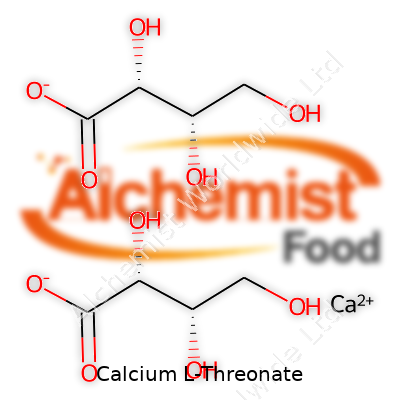
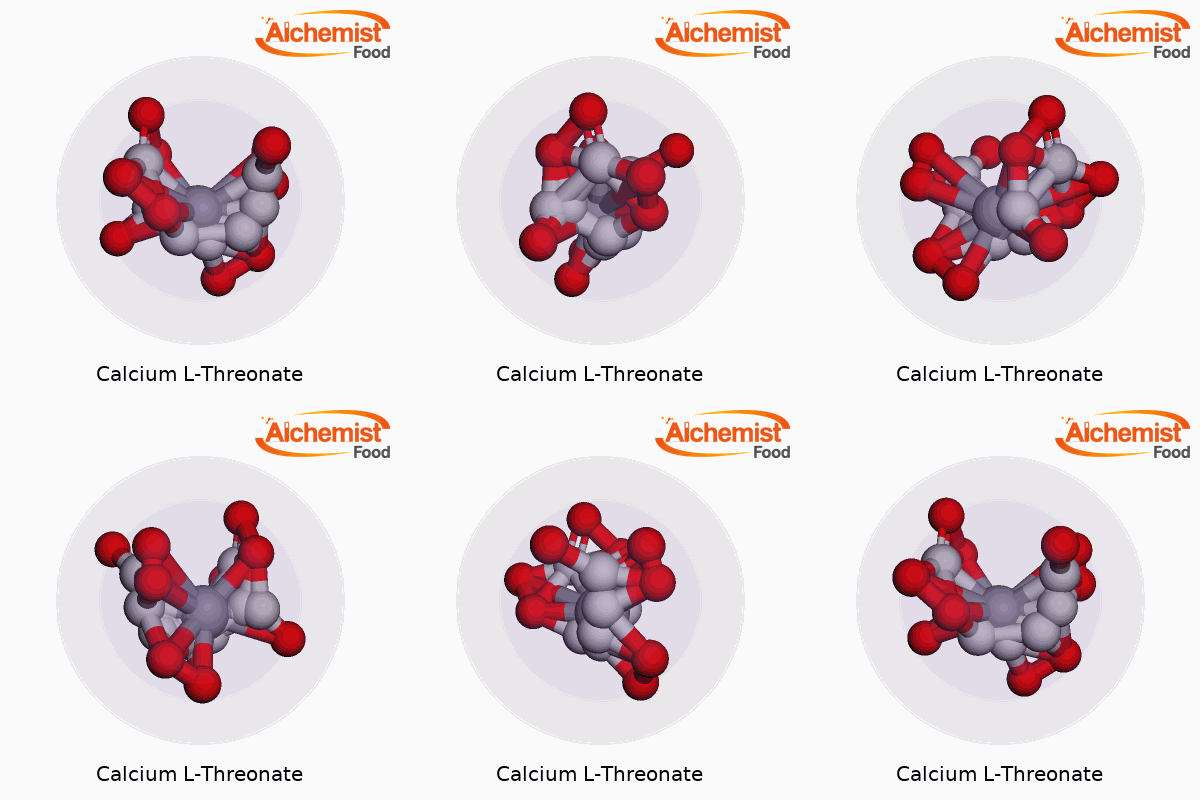
| Names | |
| Preferred IUPAC name | Calcium (2R,3S)-2,3,4-trihydroxybutanoate |
| Other names |
L-Threonic acid, calcium salt Calcium 2,3,4-trihydroxybutanoate Calcium Threonate |
| Pronunciation | /ˈkæl.si.əm ɛl ˈθriː.ə.neɪt/ |
| Preferred IUPAC name | Calcium (2R,3S)-2,3,4-trihydroxybutanoate |
| Other names |
L-Threonic acid calcium salt Calcium 2,3,4-trihydroxybutyrate Calcium threonate |
| Pronunciation | /ˈkæl.si.əm ɛl ˈθriː.ə.neɪt/ |
| Identifiers | |
| CAS Number | 70753-61-6 |
| Beilstein Reference | 2632222 |
| ChEBI | CHEBI:131189 |
| ChEMBL | CHEMBL2105832 |
| ChemSpider | 21106358 |
| DrugBank | DB14504 |
| ECHA InfoCard | 13f74ad1-0836-4eac-88b7-1d84841b3009 |
| EC Number | E327 |
| Gmelin Reference | 57278 |
| KEGG | C17079 |
| MeSH | D000076502 |
| PubChem CID | 3037828 |
| RTECS number | EW2625040 |
| UNII | J9A0A1285G |
| UN number | Not regulated |
| CompTox Dashboard (EPA) | DTXSID20876453 |
| CAS Number | 70753-61-6 |
| Beilstein Reference | 3920868 |
| ChEBI | CHEBI:131189 |
| ChEMBL | CHEMBL2105979 |
| ChemSpider | 21236985 |
| DrugBank | DB11126 |
| ECHA InfoCard | 100.247.793 |
| Gmelin Reference | 529532 |
| KEGG | C14827 |
| MeSH | D000076566 |
| PubChem CID | 5284353 |
| RTECS number | SZU79U3A0B |
| UNII | N6I0DVP38M |
| UN number | Not regulated |
| CompTox Dashboard (EPA) | DTXSID4072578 |
| Properties | |
| Chemical formula | C8H14CaO10 |
| Molar mass | 250.206 g/mol |
| Appearance | White crystalline powder |
| Odor | Odorless |
| Density | Density: 1.7 g/cm³ |
| Solubility in water | Easily soluble in water |
| log P | -4.0 |
| Acidity (pKa) | 12.4 |
| Basicity (pKb) | 12.0 |
| Refractive index (nD) | 1.56 |
| Viscosity | Viscous liquid |
| Dipole moment | 2.44 D |
| Chemical formula | C8H14CaO10 |
| Molar mass | 446.31 g/mol |
| Appearance | White to off-white powder |
| Odor | Odorless |
| Density | Density: 1.7 g/cm³ |
| Solubility in water | Soluble in water |
| log P | -4.0 |
| Acidity (pKa) | 12.7 |
| Refractive index (nD) | 1.54 |
| Viscosity | Viscous liquid |
| Dipole moment | 2.34 D |
| Thermochemistry | |
| Std molar entropy (S⦵298) | 229.8 J·mol⁻¹·K⁻¹ |
| Std enthalpy of formation (ΔfH⦵298) | -2065 kJ/mol |
| Std molar entropy (S⦵298) | 221.1 J·mol⁻¹·K⁻¹ |
| Pharmacology | |
| ATC code | A12AA |
| ATC code | A12AA20 |
| Hazards | |
| Main hazards | May cause eye, skin, and respiratory tract irritation. |
| GHS labelling | GHS07 |
| Pictograms | GHS07 |
| Signal word | No signal word |
| Hazard statements | Not a hazardous substance or mixture according to the Globally Harmonized System (GHS) |
| Precautionary statements | Precautionary statements: "Wear protective gloves/eye protection. IF IN EYES: Rinse cautiously with water for several minutes. Remove contact lenses, if present and easy to do. Continue rinsing. If skin irritation occurs: Get medical advice/attention. |
| Lethal dose or concentration | LD50 (oral, rat) > 5,000 mg/kg |
| LD50 (median dose) | LD50 (median dose) of Calcium L-Threonate: >5,000 mg/kg (oral, rat) |
| NIOSH | Not Listed |
| PEL (Permissible) | Not established |
| REL (Recommended) | 2000 mg per day |
| Main hazards | No significant hazards. |
| GHS labelling | GHS labelling of Calcium L-Threonate: `"No GHS hazard label required"` |
| Pictograms | GHS07 |
| Signal word | No signal word |
| Hazard statements | Not a hazardous substance or mixture according to the Globally Harmonized System (GHS) |
| Precautionary statements | Wash hands thoroughly after handling. If in eyes: Rinse cautiously with water for several minutes. Remove contact lenses, if present and easy to do. Continue rinsing. If eye irritation persists: Get medical advice/attention. |
| NFPA 704 (fire diamond) | 1-0-0 |
| LD50 (median dose) | > 7000 mg/kg (rat, oral) |
| NIOSH | Not Listed |
| PEL (Permissible) | Not established |
| REL (Recommended) | 800 mg per day |
| Related compounds | |
| Related compounds |
Calcium gluconate Calcium citrate Calcium carbonate Magnesium L-threonate L-Threonic acid |
| Related compounds |
Calcium gluconate Calcium carbonate Calcium citrate Magnesium L-threonate L-Threonic acid |



