Calcium Hydroxide: Ground Level Insights on an Old Chemical Workhorse
Historical Development
Back in the days of ancient Rome, people stumbled across a white, chalky substance called slaked lime — what we now know as calcium hydroxide. Slaked lime turned limestone into something more useful, letting builders make mortar strong enough to hold up buildings for centuries. Alchemists gave this substance a closer look in the Middle Ages, tinkering in their attempts to turn everyday materials into something valuable. With the industrial revolution, large-scale slaking of lime powered new construction projects and helped farmers balance acidic soil. Factory floors during the 1800s filled up with carts of lime waiting to be dampened and shoveled. All this history built up a quiet but steady trust in calcium hydroxide as a material that rarely lets workers down.
Product Overview
Manufacturers sell calcium hydroxide mostly as a white powder that feels a bit slippery to the touch. Demand from water treatment plants, food producers, and builders keeps production lines humming every year. Companies go by familiar names for this product, calling it hydrated lime, pickling lime, or sometimes caustic lime. Each bag or barrel comes with clear labeling about purity, source, and common trade names, showing how standardization gets priority in this business. As the years roll on, the list of places that use calcium hydroxide keeps getting longer, and producers now keep tight records to meet both regulatory and practical requirements.
Physical & Chemical Properties
Splash some water on powdered calcium hydroxide, and you get a mild heat and a slurry that stays in suspension for a good stretch of time. Chemically, this molecule — Ca(OH)2 — packs a strong punch as an alkaline agent. It doesn’t burn your skin instantly, but it will irritate after long exposure, so gloves stay handy in labs and factories. It dissolves sparingly in cold water, leaving a milky solution called limewater that folks often use to check for carbon dioxide. Unlike quicklime, its cousin, it doesn’t spit or crack dangerously when water hits, which keeps accidents lower in daily operations.
Technical Specifications & Labeling
Typical product sheets run through calcium hydroxide’s finer details: purity often sits above 95%, with strict limits on heavy metals and unwanted minerals. Packaging ranges from bulk bags to sealed drums, always stamped with hazard labels, expiry dates, and safety data to help users handle it right. Certification from regulatory agencies adds a layer of trust, giving reassurance for food processing and pharmaceutical applications. Product sheets also spell out recommended storage temp, handling instructions, and steps to follow in case of skin or eye contact, promoting safety beyond the first transaction.
Preparation Method
The main road to calcium hydroxide starts with limestone dug from quarries. This limestone, rich in calcium carbonate, finds its way to kilns that fire out carbon dioxide, leaving behind calcium oxide, or quicklime. Workers or machines then add measured amounts of water to this caustic powder, with plenty of care to avoid splashes. The reaction produces heat and a fluffy white powder: calcium hydroxide. This method hasn’t changed much in decades, proof of something that works under both rough-and-ready rural setups and slick automated plants.
Chemical Reactions & Modifications
Calcium hydroxide has a knack for changing things up in a reaction flask or mixing tank. Add it to water and carbon dioxide, and it turns cloudy with calcium carbonate — a cheap way to check for CO2 leaks. Put it together with acids, and you get salts and more water in a straightforward neutralization. It keeps showing up in recipes for ammonia recovery, sugar purification, and even as a base material for making plasters and mortars with tailored strengths. Scientists tweak the basic formula with different hydration states or grind sizes, extending the uses for special needs — from ultra-fine powders needed for delicate candy processing to sturdy grades meant for industrial-scale wastewater treatment.
Synonyms & Product Names
Most folks know this chemical as hydrated lime, but walk through different industries and the names shift. The food world calls it pickling lime; in agriculture it’s sometimes called slaked lime; material scientists simply refer to it by its formula, Ca(OH)2. Each trade keeps a list of formal and slang names handy to avoid confusion on busy loading docks or in warehouse stock rooms. Even so, labels now usually put the full chemical name up front, so no one gets the wrong product in a pinch.
Safety & Operational Standards
On job sites and in labs, safety officers drill into the need for goggles and gloves when handling calcium hydroxide. Dust clouds cause throat and lung irritation, especially in closed spaces, so most operations use dust extractors and wear proper respirators if the powder gets airborne. In the event of an accidental spill, mop-ups start with dry sweeping, never water, to avoid spreading slippery slurries. Safety data sheets also warn against mixing with strong acids without care — runaway reactions can turn a quiet process into a safety emergency. Standards shift from area to area, but most regulations agree on regular training, labeled containers, and quick access to eye wash stations in risk-prone environments.
Application Area
Few chemicals get to play as many roles as calcium hydroxide. Farmers use it to sweeten acidic soils, helping crops grow in fields that would otherwise hold back yield. Cities rely on it for treating drinking water and stabilizing sewage sludge, making sure tap water and river outflows stay within health limits. The food industry adds it to tortillas and canned goods, taking advantage of its ability to boost texture and safety. Construction crews mix it into mortars and plasters, aiming for walls and ceilings that won’t crack after a couple of seasons. Even dental clinics draw on its gentle chemistry for root canal fillings and cavity liners, counting on both its mild alkalinity and biocompatibility to do the job right.
Research & Development
In recent years, researchers have given calcium hydroxide a second look, particularly for sustainable agriculture and environmental clean-up. Scientists now mix it with industrial by-products to make new soil amendments that trap heavy metals, a step toward safer land restoration. Food technologists study its effect on vitamins and minerals during maze nixtamalization, hoping to squeeze out more nutrition and flavor. Lab teams explore its use in antimicrobial coatings, hoping hospitals can fight off stubborn bacteria with this old-school chemical. These new pathways reach beyond tradition, pointing toward faster and safer innovation in established industries.
Toxicity Research
Despite its long history in food and agriculture, researchers keep close tabs on possible health effects. Breathing calcium hydroxide dust for hours at a time leads to nose, throat, and lung irritation, especially in workers with asthma or other respiratory problems. Touching the powder repeatedly dries out skin and may cause minor burns or rashes. The European Food Safety Authority studied residues in canned and pickled foods, finding safe levels but still recommending strict controls. Animal tests rarely point to severe systemic toxicity, so regulatory panels generally allow limited use in foods, provided companies follow handling and ingredient standards closely. Modern toxicology keeps up with workplace exposures, updating recommendations as new studies come out.
Future Prospects
Looking ahead, calcium hydroxide stands to get involved in tackling environmental problems. Water treatment facilities now test it for advanced phosphate removal, with field results showing hope for better freshwater protection. Engineers work on carbon capture tech that locks greenhouse gasses into stable minerals using slaked lime as a starting point, hinting at a low-cost fix for rising emissions. In construction, material technologists extend its use in “green” plasters and paints that absorb pollution from city air. Startups target the material for biomedicine, working on controlled-release tablets and new dental treatments that lean on its biocompatibility. Across all these fields, old knowledge meets new energy, making sure calcium hydroxide keeps earning its place in the toolkit for another century or two.
What is Calcium Hydroxide used for?
A Name You Might Not Know, But You See It Everywhere
Calcium hydroxide may sound like the kind of word that pops up only in chemistry class, but it has found its way into daily life in ways a lot of people hardly notice. In fact, anyone who enjoys tortillas, passes by a construction site, or visits a dentist already has a history with this compound. Sometimes called slaked lime, calcium hydroxide gets put to work quietly, doing jobs that most folks take for granted. It’s worth pausing and seeing why it matters, what risks come with it, and how it can be used responsibly.
From Corn to Construction Sites
Walk through a traditional kitchen in Mexico or Central America during tamale season, and you’ll catch a glimpse of calcium hydroxide in action. The nixtamalization process—treating corn with lime—takes plain corn and transforms it into masa dough, which holds together just right for tortillas and tamales. There’s science behind this. Treating corn with slaked lime makes vitamin B3 (niacin) easier for the body to absorb, a nutritional boost that helped stave off disease in societies that ate a lot of corn.
On construction sites, this white powder turns up in big bags. Mixed with water, it becomes a key ingredient in mortar and plaster. Centuries-old buildings still stand thanks to lime-based materials. Even now, masons rely on slaked lime because it helps plaster stick to walls and breathe, instead of trapping moisture inside. Lime has proven itself as a sustainable building ingredient long before “green building” buzzwords rolled onto the scene.
Water, Soil, and Public Health
Some big city water departments keep calcium hydroxide on hand for keeping water drinkable. Add it to water with the wrong acidity, and it brings levels into balance, stopping pipes from corroding and keeping heavy metals from getting into the water supply.
Agriculture leans on lime, too. Acidic soil won’t grow much, so farmers mix in slaked lime to give crops a better shot at healthy growth. This works because calcium hydroxide raises soil pH and provides calcium. If you’ve ever held a hand of juicy tomatoes and wondered why they turned out so firm and sweet, chances are, balanced soil had something to do with it.
In health care, toothpaste and some dental treatments rely on this powder. Dentists use it inside teeth after root canal treatment to kill bacteria and protect roots while new tissue grows. Of course, you won’t find dentists shoveling the stuff—it’s measured and handled with care.
Why Handling Matters
Despite all its uses, calcium hydroxide belongs on a list of things you don’t want to breathe in or get in your eyes—its high alkalinity can irritate skin and lungs, sometimes much worse. In my younger days doing part-time farm work, I found out the hard way what a cloud of agricultural lime can do. Itchy eyes, coughing, the works. This hammered home the need for gloves, masks, and strong ventilation. Mishandling leads to injuries or health problems, so education and safety matter just as much as the tool itself.
Smart Use for a Safer Future
Responsible production and use should come first with any chemical, and calcium hydroxide is no exception. Training workers and monitoring air in lime plants help reduce risks. Safer packaging and good labeling keep households and small farmers from making dangerous mistakes. Schools can fit lessons about lime into health, food, or science talks, driving home both its benefits and its dangers.
The story of calcium hydroxide shows that even a simple white powder can shape food, buildings, farms, and health. Treating it with the respect it deserves keeps homes safer, food better, and our environment healthier.
Is Calcium Hydroxide safe to handle?
Understanding Calcium Hydroxide
People come across calcium hydroxide in many industries—from construction to water treatment and food processing. Known by names like slaked lime or hydrated lime, it raises questions about safety because it’s more than just a white powder. My work around construction crews and agricultural operations showed me how easy it is to underestimate the risks of substances that seem ordinary.
Physical Effects and Health Risks
Touching calcium hydroxide with bare skin feels harmless at first. I’ve seen new workers brush off a fine dusting on their forearms, only to find red, itchy skin hours later. The substance reacts with water, including sweat, producing a caustic solution. Extended exposure can cause chemical burns. Eyes are even more vulnerable—a quick splash of dust or slurry can lead to serious injury or even permanent damage. Inhaling fine particles can irritate the nose and throat, making breathing uncomfortable. Long-term, repeated exposure without protection can damage lung tissue.
Why Risk Lingers in the Background
Familiarity creates a false sense of security. Calcium hydroxide is everywhere—some toothpaste brands, pickling recipes, and well water treatments use it. This presence doesn’t mean all forms are equally safe, or that precautions can be skipped. I’ve heard colleagues say, “If it’s in food, it can’t be too bad,” but in powdered or concentrated form, it’s a different story. Bags in the garage or shed gather dust and get forgotten, but even a minor spill during home repairs or garden work can put pets or kids at risk.
Getting Safety Right: Common-Sense Steps
From construction job sites to food-processing warehouses, the ones who avoid trouble approach calcium hydroxide with the same respect given to cement or cleaning chemicals. Gloves, safety goggles, and dust masks go a long way to prevent accidents—it becomes second nature once you see the effects of skipping these steps. Ventilation might seem like overkill, but minimizing airborne dust helps protect lungs and eyes. Even small-scale home projects benefit from a careful sweep and wipe-down afterward.
The Role of Training and Labeling
Clear warnings on bags stand out for a reason. My time working with small contractors taught me that many accidents don’t come from large, dramatic mishaps, but from small oversights—a forgotten glove, a quick sweep with no mask. Sharing those stories during safety meetings helps drive the message home. Well-marked containers, easy-to-read guidelines, and regular training sessions cut down on confusion. The more people see others taking the rules seriously, the more they follow suit.
Room for Change: Safer Alternatives and Practices
Safer substitutes exist for some jobs, though calcium hydroxide remains necessary in many processes. Companies and homeowners alike benefit by looking at where the chemical gets used and considering less hazardous options where possible. Ongoing research points to materials that reduce exposure risks or waste less product, which can only help in the long run.
Why All This Matters
Everyday chemicals like calcium hydroxide serve important roles but demand respect. From treating water to making tortillas, the substance brings real value. Still, the right equipment, a bit of preparation, and a willingness to stay informed protect hands, lungs, and livelihoods. That attitude makes a bigger difference than any warning label could.
What are the storage requirements for Calcium Hydroxide?
Straight Talk on Storing Calcium Hydroxide
Calcium hydroxide, or hydrated lime, seems pretty humble: a soft white powder that finds its way into everything from water treatment plants to construction sites. Yet, anyone who has spent even a day in a facility that handles this material knows the headaches sloppy storage causes. Moisture sneaks in, clumps form, product spoils faster than imagined, and the risk of accidents creeps up. This isn’t just a nuisance—companies lose money, and folks lose time. The solution isn’t mysterious, but it sure asks for diligence.
What Moisture Does
Every bag or pile of calcium hydroxide fights a daily battle with humidity. The stuff just loves drawing water from the air, and that’s a big problem. Once exposed, it forms lumps. These lumps won’t mix, dissolve, or do their job. In the worst cases, extra moisture starts a slow, sneaky chemical reaction that pulls in carbon dioxide and weakens the product. Engineers in water supply know all about the clogs and headaches this causes. The raw numbers back up the damage too: manufacturers have reported up to 10% spoilage rates just because of lousy storage.
The Heat Problem
Drying out the facility or room might sound simple, but not every budget stretches to climate control. Larger industrial folk often use sealed silos with extraction fans, while others count on heavy-duty plastic bins. Both keep the moisture down, but watch out for another issue—self-heating. Unlike some materials, calcium hydroxide can climb up in temperature, especially when damp. Facilities have lost whole containers this way, and a hot pile isn’t just a loss on the balance sheet; it’s a safety issue you never want to see firsthand.
Dust and Health
No one should shrug off dust either. At enough concentration, calcium hydroxide dust spells problems for lungs, eyes, and skin. I’ve had the sneezing fits, the cough that lingers, and the red, dry skin from accidental contact. Good storage keeps things in, rather than letting fines escape into shared spaces. Open sacks, leaky bins, or loose piles don’t just waste product, they make the place miserable for anyone working nearby.
The Right Storage Setup
Sealed, moisture-proof containers offer a simple fix for smaller batches. Silos made of steel or plastic, set well above puddles and run-off, push the advantages further for operations that need scale. Each drum or bag wants a spot off the ground—and not just on any pallet. Wooden pallets can absorb water and pass it right to the product. Plastic offers better resistance. Some shops keep calcium hydroxide in dedicated rooms with controlled airflow and dehumidifiers, cutting spoilage and frustration. That’s where experience counts—someone with a few years knows it’s cheaper to pay for tight storerooms and solid packaging rather than cut corners and deal with waste later.
Routine Checks Beat the Guesswork
Laziness ruins the best system. Teams that wait for a problem to show up pay the highest price. Walk the storage area every week. Tap on drums, check for heat, feel for dampness, take a look at seals. Every lost batch came from a missed sign. It only takes a minute, and most of the time, that’s how spoiled product gets caught before it gets loaded for use.
Seizing the Solution
Solid storage practices pay off. With a dry spot, sealed bins, solid routines, and some old-fashioned attention, not only does calcium hydroxide last longer, it stays safer for everyone using it. That’s experience speaking, not just theory.
How should Calcium Hydroxide be disposed of?
Why Calcium Hydroxide Demands Extra Care
Anyone in construction, farming, or water treatment probably knows calcium hydroxide by another name—slaked lime. Maybe it’s been used to treat acidic soil. Maybe it’s helped clear up drinking water. I’ve crossed paths with it on home improvement sites, where a little went a long way for masonry or pH adjustment. But that white, chalky powder can bring headaches if you don’t treat it with respect on disposal day.
If you toss calcium hydroxide straight down the drain or mix it with regular garbage, you’re not just pushing the problem to someone else. The substance can raise the pH of soil or water, disrupting plant growth and aquatic life. Even at home, a small spill on bare skin stings. Imagine what it does to river ecosystems after a rainstorm or storm drain run-off. Environmental Protection Agency guidance even lists it as a hazardous waste under certain conditions, especially in bulk.
Steps for Responsible Disposal
So what’s the right move? I’ve learned through hard lessons—and a few frantic searches for help lines—that local waste regulations always come first. Every city has its own policies, since waterways, landfill sites, and even the size of your county can play a role. Some places require hazardous waste drop-off, while others have strict limits on quantities allowed in household trash.
Personal protective equipment should always come out before handling extra product. Gloves and a face mask keep caustic dust away from skin and lungs. For unwanted solids, don’t just sweep and dump; contain the lime in a sealable, labeled container until a collection day arrives. In my experience, mixing with regular trash risks chemical reactions with other household stuff, like bleach or acids.
For the dilute solutions—let’s say the cloudy water left after a masonry project—neutralizing the substance first goes a long way. Handfuls of acidic soil or even a splash of vinegar can help bring the pH back down. Testing with litmus paper or pool strips confirms that things are back in the safe zone. Only after this step should water head for the sewer system, and only in small amounts, spread out over time.
Community Solutions: Sharing and Reducing Waste
Most of us don’t need industrial amounts at home. Portioning helps—so does teaming up with neighbors or local garden clubs. Community hazardous waste events run a few times each year in many towns. These collection sites often handle everything from paint thinners to acids, and workers know exactly where slaked lime fits in.
If there’s a lot left over, local farms might accept it to balance acidic soil, though only after confirming with staff and reading up on their needs. Schools and small water treatment facilities sometimes use it for classroom experiments or pH demonstration. This sort of sharing puts leftover product back to work and slashes landfill totals.
Smart Choices Make a Real Difference
Disposing of calcium hydroxide isn’t just bureaucracy. Mishandling can turn a simple mistake into real damage for people and wildlife. Local rules aren’t just paperwork; they’re based on research about soil chemistry and water treatment. Reading up on town or county guidelines before acting can keep both hands—and the planet—a little safer.
Rethinking buying habits limits leftovers. Double-check project instructions and measure before heading out for a new bag. It’s easier for everyone if the right steps get followed from storage all the way through to safe disposal.
What precautions should be taken when using Calcium Hydroxide?
Recognizing the Risks
Calcium Hydroxide shows up in everything from construction sites to dental offices. It works well in soil treatment and water purification, but it’s no friend to careless handling. Anyone who picks up this white, powdery substance faces real risks. I’ve seen workers come away with strong burns just from brushing their arm against a little dust or splashing the liquid on damp skin. Eyes take an even greater hit—one drop can mean days of pain and sometimes lasting damage. These aren’t rare accidents—they happen when shortcuts become habits.
Smart Preparation Outweighs Luck
Before opening a bag or container, gear up. Gloves, safety glasses with side shields, long sleeves, and sturdy pants should all become routine. If dust clouds form, a NIOSH-approved dust mask or even a respirator stands between you and breathing trouble. Fresh air and good ventilation reduce how much lingers in the workspace. Spills need attention right away, not later—hydrated lime reacts with water and gives off enough heat to cause steam burns.
Getting a face full of powder or a splash to the eyes flips a normal workday upside down. Eyewash stations within reach make a difference. Rinsing eyes for at least fifteen minutes gives the best shot at avoiding a permanent problem. It’s tempting to think you can wash it out at the sink, but I’ve seen the difference a real eyewash station makes. Skin contact should send you running to the nearest sink, letting water flush every inch for several minutes.
Understanding the Environment
Calcium Hydroxide doesn’t travel from factory to home without shaking loose some dust. At many plants, keeping storage areas dry and sealed is top priority. Wet or humid rooms increase the risk of chemical reactions. I once visited a site where moisture ruined an entire pallet, turning powder into rock-hard lumps that nobody could use. Dryness isn’t just about product quality—it’s about keeping unpredictable reactions out of the workspace.
Handling the substance outdoors brings the wind into play. Fine dust rides the breeze into open eyes, downwind machinery, or someone else’s workspace. Wetting the powder before moving or mixing it keeps dust on the ground. Colleagues and I switched to dampening agents years ago, cutting back asthma complaints and eye irritation more than any policy shift could.
Training Matters Every Day
New hands on deck pick up habits from their supervisors. Shortcuts or bad habits pass along just as fast as the safety drills. In my earlier days, I worked alongside operators who could handle lime with their bare hands—right up until burns sent them home. Giving clear, repeated training, using real-life stories, and reminding everyone what a chemical burn feels like cuts down on bravado. It’s not only about looking out for yourself, but for the person standing next to you.
Waste No Time with Spills or Exposure
Accumulator bins, counters, and floors get coated in dust faster than most people realize. Cleanup needs to be frequent and thorough. Using a vacuum with a HEPA filter or moist mops makes all the difference. Sweeping just stirs it up more, so teams that put extra effort into wet cleanup avoid headaches later on.
No matter how routine the job starts out, treating Calcium Hydroxide with respect saves you the regret afterward. Store it right, wear the proper protection, and use common sense when cleaning up. Every precaution turns into a habit that keeps burns and breathing problems from creeping in. Sometimes small steps made every shift are the only things between a long, safe career—and a trip to the emergency room.
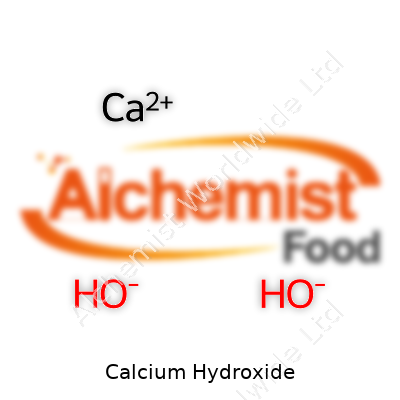
| Names | |
| Preferred IUPAC name | calcium dihydroxide |
| Other names |
Slaked lime Hydrated lime Ca(OH)2 Pickling lime Builders lime Lime hydrate |
| Pronunciation | /ˈkælsiəm haɪˈdrɒksaɪd/ |
| Preferred IUPAC name | calcium dihydroxide |
| Other names |
Slaked lime Hydrated lime Ca(OH)2 Pickling lime Builders lime |
| Pronunciation | /ˈkæl.si.əm haɪˈdrɒk.saɪd/ |
| Identifiers | |
| CAS Number | 1305-62-0 |
| Beilstein Reference | 3587158 |
| ChEBI | CHEBI:31344 |
| ChEMBL | CHEMBL1201770 |
| ChemSpider | 14115 |
| DrugBank | DB09311 |
| ECHA InfoCard | 100.013.254 |
| EC Number | 215-137-3 |
| Gmelin Reference | Gm. 2068 |
| KEGG | C01595 |
| MeSH | D002121 |
| PubChem CID | 6093208 |
| RTECS number | EV9580000 |
| UNII | 3B33VIK6SC |
| UN number | UN1717 |
| CAS Number | 1305-62-0 |
| Beilstein Reference | 3908036 |
| ChEBI | CHEBI:31344 |
| ChEMBL | CHEMBL1200873 |
| ChemSpider | 14107 |
| DrugBank | DB09349 |
| ECHA InfoCard | ECHA InfoCard: 027-001-00-3 |
| EC Number | 215-137-3 |
| Gmelin Reference | 471893 |
| KEGG | C00854 |
| MeSH | D002121 |
| PubChem CID | 6093209 |
| RTECS number | EV3400000 |
| UNII | UJ5SJB4Y78 |
| UN number | UN1261 |
| Properties | |
| Chemical formula | Ca(OH)₂ |
| Molar mass | 74.09 g/mol |
| Appearance | White powder or colorless crystals |
| Odor | Odorless |
| Density | 2.24 g/cm³ |
| Solubility in water | 1.73 g/L (20 °C) |
| log P | -1.7 |
| Vapor pressure | Negligible |
| Acidity (pKa) | 12.4 |
| Basicity (pKb) | 1.37 |
| Magnetic susceptibility (χ) | +40.0·10⁻⁶ cm³/mol |
| Refractive index (nD) | 1.574 |
| Dipole moment | 2.61 D |
| Chemical formula | Ca(OH)2 |
| Molar mass | 74.09 g/mol |
| Appearance | White powder or colorless crystals |
| Odor | Odorless |
| Density | 2.24 g/cm³ |
| Solubility in water | 1.85 g/L (20 °C) |
| log P | -1.32 |
| Vapor pressure | Negligible |
| Acidity (pKa) | 12.4 |
| Basicity (pKb) | 1.37 |
| Magnetic susceptibility (χ) | −48.6·10⁻⁶ cm³/mol |
| Refractive index (nD) | 1.574 |
| Dipole moment | 0.00 D |
| Thermochemistry | |
| Std molar entropy (S⦵298) | 83.4 J·mol⁻¹·K⁻¹ |
| Std enthalpy of formation (ΔfH⦵298) | -986.2 kJ/mol |
| Std enthalpy of combustion (ΔcH⦵298) | -986.1 kJ/mol |
| Std molar entropy (S⦵298) | 83.4 J·mol⁻¹·K⁻¹ |
| Std enthalpy of formation (ΔfH⦵298) | –986.1 kJ·mol⁻¹ |
| Std enthalpy of combustion (ΔcH⦵298) | -986.1 kJ/mol |
| Pharmacology | |
| ATC code | A07XA02 |
| ATC code | A07XA02 |
| Hazards | |
| Main hazards | Causes severe skin burns and eye damage. |
| GHS labelling | GHS02, GHS07 |
| Pictograms | GHS05,GHS07 |
| Signal word | Warning |
| Hazard statements | H315: Causes skin irritation. H318: Causes serious eye damage. |
| Precautionary statements | P280, P305+P351+P338, P302+P352, P261, P304+P340, P312 |
| NFPA 704 (fire diamond) | 2-0-1 |
| Lethal dose or concentration | LD50 oral rat 7,340 mg/kg |
| LD50 (median dose) | LD50 (median dose) = 7,340 mg/kg (oral, rat) |
| NIOSH | SC5900000 |
| PEL (Permissible) | 5 mg/m3 |
| REL (Recommended) | 300 mg/kg bw |
| IDLH (Immediate danger) | 100 mg/m3 |
| Main hazards | Causes severe skin burns and eye damage. |
| GHS labelling | GHS07, GHS05 |
| Pictograms | GHS07,GHS05 |
| Signal word | Warning |
| Hazard statements | H315: Causes skin irritation. H318: Causes serious eye damage. |
| Precautionary statements | P264, P280, P305+P351+P338, P310, P302+P352, P332+P313, P362 |
| NFPA 704 (fire diamond) | 2-0-1 |
| Lethal dose or concentration | LD50 oral rat 7340 mg/kg |
| LD50 (median dose) | LD50 (median dose) of Calcium Hydroxide: 7,340 mg/kg (oral, rat) |
| NIOSH | CY1400000 |
| PEL (Permissible) | 5 mg/m3 |
| REL (Recommended) | 10 mg/kg |
| IDLH (Immediate danger) | 100 mg/m³ |
| Related compounds | |
| Related compounds |
Calcium oxide Calcium carbonate Calcium chloride Calcium sulfate Magnesium hydroxide |
| Related compounds |
Calcium oxide Calcium carbonate Calcium chloride Magnesium hydroxide |



