Calcium Glycinate: A Down-to-Earth Look
Historical Development
Calcium glycinate has roots stretching back to the mid-20th century, a time when researchers dug into the links between amino acids and mineral absorption. Glycine, the simplest amino acid, became a central building block for making minerals more bioavailable. Scientists saw a gap in how well the body picks up calcium from standard supplements, especially in folks with digestive issues. Chemists linked calcium to glycine and watched the body handle it better, with less stomach trouble than chalky carbonate or tartarate options. Over the decades, companies improved on this complex, seeking a way to give solid calcium benefits without the rough ride for the stomach. From early patents in the 1960s to modern, high-purity forms, calcium glycinate became a staple for nutrition science and the supplement industry, offering an answer to slow, bulky, or poorly absorbed old-school pills.
Product Overview
Calcium glycinate stands out as a chelated mineral supplement, blending the calcium ion with two molecules of glycine. Unlike common calcium salts found in antacids, this combination relies on amino acid transport, putting protein pathways to work in the gut and boosting the body’s ability to take up calcium. Here’s where it matters: a good number of people run into stomach problems or low absorption with traditional calcium carbonate or citrate. Calcium glycinate offers a smoother experience, a smaller actual tablet size for the same dose, and a form of calcium that works just as well in liquid, powder, or capsule. Whether it’s going into a multi-mineral capsule for bone health, or a fortified drink, this chemical quietly slips into countless products on pharmacy shelves.
Physical & Chemical Properties
You’ll find calcium glycinate as a fine, off-white to pale cream powder that doesn’t clump in the jar and has a mild, almost neutral smell. It dissolves better than plain calcium carbonate and feels less gritty, so it works well in both supplements and drinks. The compound’s molecular formula is C4H8CaN2O4, with a molecular weight that hovers around 202 grams per mole. Under a microscope, the powder forms consistent, crisp crystals, not amorphous blobs. This uniform, stable structure gives calcium glycinate a good shelf life if you keep it away from too much moisture. In water, a moderate solubility helps it blend into solutions without leaving much behind, making manufacturers’ lives a little easier—less settling, less grit, and more predictable measurements.
Technical Specifications & Labeling
Retailers put a premium on clear labeling with calcium glycinate, given both supplement regulations and the focus on clean health claims. Shoppers want to see exactly how many milligrams of elemental calcium they get— not just the total compound weight. Labels also list excipients and any flow agents, like magnesium stearate. Testing labs provide certificates showing purity standards, heavy metal limits (like lead, arsenic, and cadmium), and a low microbial count. Most countries expect supplement brands to list whether calcium glycinate features in vegan, allergy-friendly, non-GMO, or gluten-free products. For powders or capsules heading into North America, labels tend to follow USP or FCC monographs, with QR codes now common for batch traceability and authenticity checks.
Preparation Method
Factories make calcium glycinate by reacting high-purity calcium salts—often calcium oxide or calcium hydroxide—with glycine. The process needs tightly controlled temperatures and pH to prevent unwanted byproducts, keeping the final powder tasting clean and avoiding nasty contaminants. Operators blend glycine with a water solution, gradually add the calcium source, then stir the mix under steady heat. The reaction produces a slurry that’s filtered and dried, often through spray-drying for a uniform powder. At every step, teams test for pH, solubility, and unwanted impurities. The finished product goes through sieving to make sure each batch pours or fills capsules the same way every time, keeping manufacturing and dosage consistent for both large supplement firms and smaller wellness brands.
Chemical Reactions & Modifications
Chemical folks see plenty of action in tweaking calcium glycinate for better absorption or mixability. By adjusting pH or switching in a different calcium salt during synthesis, manufacturers fine-tune the final solubility and mouthfeel. Some formulations pair calcium glycinate with vitamins D3 or K2, improving bone uptake or storage. Others coat the particles with plant fiber to slow down release in the digestive tract. Beyond these blendings, the chelate really shines by resisting acid hydrolysis—meaning it doesn’t break down much in stomach acid, making it more likely to reach the intestines intact. This resistance underpins many of the supplement’s key selling points, giving it an advantage in everyday use over old standbys like simple calcium carbonate. A few research groups keep pushing the boundary, looking into dual chelation with magnesium glycinate or zinc glycinate, especially for specialized “multi-mineral” capsule lines.
Synonyms & Product Names
Markets list calcium glycinate by names like Bisglycinate Calcium, Amino Acid Chelated Calcium, or Glycine Calcium Salt. You might spot it as “calcium amino acid chelate” on multi-vitamin panels. Some brands use catchy names: “GentleCal,” “EasyAbsorb Calcium,” or “Calcia-Glycine.” International suppliers throw around codes and proprietary tags, but at the end of the day, the base structure always involves calcium and glycine joined together.
Safety & Operational Standards
Quality assurance teams lean hard on safety checks: each batch gets tested for heavy metals, residual solvents, microbiological hazards, and allergen cross-contact. Facilities that handle calcium glycinate run under GMP (Good Manufacturing Practice) rules and track every stage from sourcing to shipping. Employees wear gloves, masks, and eye protection in dedicated rooms. Workers use dust extraction and ventilation to keep airborne powder to a minimum, since inhaling fine supplements never did anyone any good. While calcium glycinate is considered “generally recognized as safe” (GRAS) for supplement use, regulators in the EU, US, and Japan keep a close eye on labeling, dosage caps, and purity guarantees. Recalls or lawsuits over poorly controlled batches taught the supplement industry to keep standards tight, publish test results, and use third-party verification where possible.
Application Area
Most people know calcium glycinate from calcium supplements sold in health food shops, but the use spreads much wider. The compound shows up in meal replacement drinks, fortified plant milks, nutrition bars, and pet nutrition. Pharma companies value it for gentle calcium delivery in pills aimed at folks with sensitive digestion, such as older adults or people on certain medications. Sports blends chase it for muscle maintenance and recovery, especially in combination with magnesium and potassium. Even some specialty dental products include it, since research links glycinate forms to improved enamel and lower risk of calcium-oxalate buildup. In livestock feed, companies choose calcium glycinate for fast, reliable uptake—no messy gut upsets or chalky residue in mixing tanks.
Research & Development
Research into calcium glycinate has shifted from bare-bones absorption trials to more complex clinical and mechanistic studies. Nutritionists track bioavailability, showing that people absorb up to a third more elemental calcium from glycinate forms than from calcium carbonate, especially those with low stomach acid. Scientists keep studying the effect of simultaneous vitamin D or K2 supplementation, observing boosts in bone density, especially in postmenopausal women and older men. Pharmaceutical researchers run animal trials to test stability, absorption over time, and how well it holds up under the stress of food processing or shelf storage. New studies keep popping up in medical journals exploring links between this compound and conditions like muscle cramps, osteoporosis, or even pre-eclampsia in pregnancy. The data keeps updating our understanding of how best to use this supplement, especially in populations with special needs or digestive sensitivities.
Toxicity Research
Long-term safety studies on calcium glycinate report very few side effects when taken as directed. Scientists watch for classic calcium supplement problems: kidney stone risk, constipation, and interference with the uptake of iron or zinc. At normal dosing, calcium glycinate scores well—no greater risk of stones or digestive upset than other forms, and sometimes even less. Very high doses (multiple grams daily) start to increase calcium blood levels, raising concerns over hypercalcemia in at-risk folks. Animal studies dig into absorption rates, with no big immune reactions or tissue toxicity seen in healthy subjects. Occupational safety researchers recommend good ventilation and dust masks for factory staff, but no evidence suggests a broader toxicity hazard in consumer hands. This makes it a favorite for doctors managing calcium deficiency in people who can’t tolerate other forms.
Future Prospects
The nutrition world moves fast, and calcium glycinate could play an even bigger role as people chase better, gentler mineral delivery. Aging populations worldwide want bone health support without stomach troubles, so demand looks set to grow. Ingredient companies invest in cleaner, more sustainable synthesis methods, making plant-based and allergen-free versions possible. Research continues into new blends—teaming calcium glycinate with trace minerals, antioxidants, or slow-release fibers. Some labs run pilot tests for medical foods, targeting osteoporosis or recovery from surgeries where rapid, gentle calcium uptake can shorten hospital stays. Digital health trends push for transparency, with QR-code traceability and purity testing at the shelf, so shoppers make smarter, safer choices. The days of chalky, hard-to-absorb pills look numbered as more health-aware folks turn to chelated options, and calcium glycinate stands well-positioned to meet that shift.
What are the benefits of taking Calcium Glycinate?
Understanding Calcium Glycinate
Calcium forms the backbone of our bones, fuels muscle function, and helps nerves fire on all cylinders. As someone who has struggled to keep bones strong after hitting my forties, I’ve poked around the supplement aisle more than once. Walking out with calcium glycinate instead of the usual suspects has made a difference I can feel.
Many struggle to get enough calcium from diet alone, especially as dairy slips out of reach for those with lactose intolerance. Calcium glycinate offers a better solution for many. This form couples calcium with glycine, an amino acid found in protein-rich foods and the body itself. Because of this, the body recognizes and absorbs it easily.
Why Choose Calcium Glycinate?
Many calcium supplements, especially the cheap ones like carbonate, can feel heavy in the stomach and sometimes cause bloating or constipation. In my experience, calcium glycinate goes down smoother. I can take it any time, even with a modest meal or snack, without worrying about discomfort.
Calcium glycinate puts less strain on the digestive system. For those with sensitive guts—think IBS or post-gallbladder surgery—this gentler option helps avoid those sharp cramps and unpredictable bathroom trips that haunted me with other supplements.
Absorption Matters
It’s not only about how much you take but how much your body keeps. Scientists report that the chelated structure of calcium glycinate means the mineral isn’t held tightly in a chalky form. Instead, it glides into the bloodstream with help from the glycine molecule. The body absorbs more of what you swallow, so there’s less waste and a better shot at seeing benefits sooner.
Better absorption also means you can take a modest dose. High doses of calcium can compete with other minerals like magnesium or zinc for absorption, but calcium glycinate is less likely to push these out of balance.
Stronger Bones, Better Sleep
My own runs at the doctor showed mild bone loss. Because calcium supports bone mass, getting more of it in a form that works has helped me halt that slide. Plenty of research points out that consistent calcium intake plays a role in keeping bones dense and lowering fracture risk, especially for postmenopausal women and older adults.
Glycine brings its own perks to the mix. As a calming amino acid, it can dial down nighttime muscle cramps and help with general relaxation. A supplement that covers both bases—bones and better sleep—makes life run smoother.
Practical Tips for Everyday Use
Taking supplements always works better with food on board. Eating leafy greens, nuts, or fish alongside calcium glycinate helps, since Vitamin D also drives absorption. I check labels for third-party testing. Some companies cut corners with fillers or leave heavy metals behind, so reputation matters.
Chatting with a doctor or dietitian before starting any supplement can flag up any medication conflicts or risk of kidney stones. Those with certain medical histories, including thyroid issues, should get their calcium needs dialed in by a professional.
Looking Ahead
With grocery prices rising and stress on the uptick, relying on a supplement that goes easy on the body and supports long-term health makes sense. Getting the right calcium, one that plays nice with the body and fits daily life, can head off issues before they get serious. Calcium glycinate offers that with less hassle and fewer side effects.
Is Calcium Glycinate better absorbed than other forms of calcium?
Looking Beyond the Label
Picking the right calcium supplement turns into a confusing trek down the pharmacy aisle. Shoppers see calcium carbonate, citrate, glycinate, and others—each claiming to boost bone strength. Labels often claim superior absorption, but actual science often lags behind the marketing.
Calcium Glycinate in the Spotlight
Calcium glycinate hasn’t gained the reputation of carbonate or citrate, even though more people are starting to ask about it. Glycinate binds calcium to glycine, a simple amino acid. This creates a chelated form of calcium—basically, calcium wrapped in a molecule the body recognizes. Chelated minerals usually absorb more easily through the gut wall. It matters especially for those with sensitive digestion or a history of kidney stones, where poorly absorbed calcium can do more harm than good.
Absorption: What the Research Shows
Some lab studies suggest that chelated minerals like calcium glycinate travel easier through the small intestine, especially for folks who make less stomach acid. Calcium carbonate, on the other hand, demands an acidic stomach to break it down. Many older adults or people on proton pump inhibitors don’t have that. Calcium citrate works better than carbonate for those groups, and glycinate seems to share this advantage, based on early findings.
User Experience and Tolerance
A big issue many people run into with standard calcium supplements revolves around stomach troubles—heartburn, bloating, constipation. Calcium glycinate rarely causes those problems. The glycine part may even support gut comfort and brain health, according to some nutrition research. Taking calcium without worry of spending the afternoon fighting off gas or a queasy belly gives calcium glycinate a practical edge, especially for people already dealing with digestive issues.
Value for Bone Health
Calcium still needs vitamins D and K for bones to actually use it. No matter how well a supplement absorbs, missing those partners means bones see little benefit. Programs that teach about balanced nutrition, encourage weight-bearing movement, and include vitamin-rich foods often keep bones stronger than those relying only on pills. Foods like dairy, leafy greens, and nuts give calcium alongside the nutrients and compounds that help it do its job.
Is Glycinate Worth the Price?
The advanced manufacturing behind chelated calcium tends to push the price up. Not everyone needs to pay extra. Healthy adults with no stomach conditions often do fine on the cheaper carbonate, as long as they take it with meals. But people with sensitive guts, low stomach acid, or those taking heartburn meds sometimes find better comfort and results with glycinate. It’s not about chasing the newest thing, but about listening to the body and matching supplements to personal needs and habits.
Why Skepticism Still Matters
Claiming one supplement dramatically outpaces the rest doesn’t always match what stands up in clinical trials. Each person absorbs minerals a bit differently. Talking with a healthcare provider helps weigh factors like health status, medications, and diet. Relying on trustworthy information keeps people away from fads and closer to lasting bone health.
Are there any side effects of Calcium Glycinate?
Everyday Experience with Calcium Glycinate
Calcium glycinate won over plenty of people looking for an easy-to-digest calcium supplement. It helps some who struggle with chalky, stomach-turning pills or who’d rather dodge the digestive mess that comes with cheaper calcium salts. I’ve watched relatives reach for calcium glycinate to ease nighttime leg cramps, and many doctors recommend it for bone health and to smooth out calcium levels in people on special diets. For something so simple, this supplement sparks a lot of curiosity, especially over possible side effects.
What Side Effects Actually Pop Up?
Supporting bones doesn’t mean taking risks blindly. Anyone grabbing calcium glycinate needs to be straight about what could go wrong. The body likes its minerals balanced. Too much messes with that system, so overdoing calcium — no matter the source — can sneak up with its own set of puzzles. Constipation comes up most, an issue many folks recognize from plain calcium carbonate tablets. Stomach pain or bloating might follow, but these issues usually happen if people take big doses or don’t drink much water.
Rarely, nausea or dry mouth could show up. Some people notice a drop in appetite, which could be a headache for those already struggling to keep weight steady. On the flip side, others might not feel much any difference at all, except stronger nails or less muscle twitching. I’ve seen runners claim they sleep better or wake up with fewer cramps, only to realize later they ignored the subtle hints of constipation.
Trouble Starts with Too Much
Calcium overload throws the body’s gears out of sync. It can crowd out magnesium and zinc or throw blood calcium levels up, leading to kidney stones over time. Doctors see this most in people who mix supplements or already have chronic illnesses, like heart disease or kidney trouble. That’s why blood tests and conversations with a doctor help clear up the risk. Hypercalcemia, the technical term for too much calcium in the blood, brings its own nasty side effects: fatigue, depression, and those heavy, persistent headaches that never quite leave.
Real Risks for a Few Folks
Not everyone lands in the danger zone. Healthy adults, eating a balanced diet and splashing in some dairy, rarely find trouble unless they stack calcium pills on other fortified foods or prescription drugs. People with kidney disease, though, face a different game. Their kidneys can’t flush out excess calcium, which can make even low-dose supplements a gamble. Pregnant women, teens, and older adults should check with a healthcare pro before switching brands or jumping on a new trend just because an ad looks promising.
Simple Solutions for Safe Use
Starting slow and tracking side effects beats any guesswork. Split doses with meals and plenty of water to keep digestion moving. For those with a history of kidney stones or known heart problems, skipping self-prescribing and getting a nutritionist’s advice saves a lot of regret later. Pharmacies can mix up labels, so always double-check what’s inside the bottle — sometimes a blend sneaks in extra minerals you didn’t bargain for.
For most healthy people, calcium glycinate delivers what it promises without much fuss. Paying attention to the body’s signals, sticking to recommended doses, and looping in a doctor for regular checkups pulls the risks down even further. No need to chase miracle doses or stack every mineral at once. Balance and attention go a long way.
How should I take Calcium Glycinate supplements?
Finding Your Reason for Supplementing
A lot of people reach for calcium glycinate thinking about bones alone. That makes sense, yet it’s just one part of the story. Muscles need calcium to work right. Heartbeats rely on a balance of minerals, including calcium. People who often skip dairy or manage chronic health problems sometimes fall short. Knowing why you’re considering this supplement matters. Talk to a health professional before starting—too much calcium brings its own risks.
Timing and Absorption Are Key
It’s easy to pop a pill and move on, but timing plays a bigger role than most folks realize. Calcium glycinate absorbs nicely, thanks in part to the gentle nature of glycine. Try taking this supplement with meals. Some people find their stomach feels better that way, and it also pairs well with other nutrients found in whole food. Keep in mind certain foods—like those loaded with oxalates, such as spinach—can block absorption. Spreading smaller doses throughout the day helps your body take in what it needs without the traffic jam of a single large dose.
Avoiding Common Pitfalls
Coffee lovers don’t always realize their morning brew gets in the way. Caffeine speeds up how fast calcium leaves your system, especially when supplements go down with a hot cup. Iron and zinc also compete for a ride into your blood. When folks rely on multivitamins, stacking everything at once sometimes leads to crossed wires and wasted efforts. Break it up. Calcium in the morning, iron later in the day. That’s a simple change that pays off.
Pick the Best Dose for You
Not everyone needs the same amount of calcium. The average adult needs roughly 1,000 milligrams a day—older women and men may need a little more. Read supplement labels carefully. Don’t just scan for “1000 mg” and grab the bottle. Look for “elemental calcium,” which tells you the actual amount you’ll be getting, not the total weight of the pill. Most tablets only contain a portion as absorbable calcium, so double-check. If you already eat a lot of dairy or calcium-fortified foods, count those numbers in, too.
Possible Side Effects to Watch
Too much calcium can cause constipation. Gas or bloating happens to some people. Rarely, folks push their calcium so high that they run into kidney stones. If you get there, you’ll know it—those stones feel like nothing else. Especially for those with a kidney condition, this isn’t the place to guess. Stay under 2,000 to 2,500 mg per day, combining food and supplements. If you ever feel unwell, stop and check in with your doctor.
Food Still Matters Most
Supplements fill in gaps, not whole meals. Dairy, dark greens, nuts, beans—nature packs a lot of calcium in real food, and the body knows how to make use of it. Plus, these foods give you vitamin K, magnesium, and a whole team of co-factors that help bones and nerves stay strong. Supplement only as much as life or diet demands.
Takeaway
Calcium glycinate brings gentle absorption. It suits those with sensitive digestion or who can’t get enough from meals alone. Check with a health professional, read the label for elemental content, split up your doses, and pair it sensibly with other nutrients. Most folks don’t need to overhaul their whole diet—just add this where it counts.
Can I take Calcium Glycinate with other medications or supplements?
The Basics of Calcium Glycinate
Calcium glycinate stands out for its gentle approach to digestion and reasonable absorption, making it a steady choice for folks aiming to support bone health. I started turning to calcium when years of skipping out on dairy started catching up to me. After listening to friends complain about stomach aches from certain brands, I looked for a version less likely to upset the gut. Glycinate won points for being a little kinder on the stomach and easier to stick with day after day.
Why Mixing Matters
Chance encounters between supplements and medications make headlines for a reason. Many won’t bump heads, but calcium marches to its own beat. It can tangle with both medicines and other nutrients by slowing absorption or changing how well each works. As a nurse, I’ve seen blood pressure pills and antibiotics not working as planned because the patient was unwittingly pairing them with their morning multivitamin or calcium tablet. Even iron tablets, which lots of folks take to help with tiredness, won’t play nice with calcium if they’re swallowed at the same time. Sometimes these details get brushed aside, yet little clashes like this can quietly chip away at your health goals.
How Calcium Can Interfere
Key prescription medications, including thyroid medicines like levothyroxine, often need solo time. Take them too close to calcium, and less of the medicine finds its way into the bloodstream. The same goes for osteoporosis drugs such as alendronate, and certain antibiotics like tetracyclines and quinolones. Hundreds of people flip open their pill organizers in the hope they’re doing the right thing, but not every combination works out.
Vitamins don’t escape this territory. Magnesium, zinc, and iron all compete for space and attention along the digestive tract. Taking calcium at the same time can block the door, so the others have trouble getting through. Over time, this can leave you short, even if you’re careful about eating well and taking your supplements faithfully.
Looking at the Label Isn’t Enough
Information on bottles can look straightforward but often skips the bit where certain mixes trip each other up. Sometimes even the pharmacist lets things slip through the cracks. Doctors run into this when patients bring a bag of vitamins from home for review, and only then do hidden problems come to light.
What Experts Recommend
Current practice leans hard on spacing out doses. Give calcium two hours to itself, away from thyroid meds, iron, or antibiotics. Round out the day by tucking calcium in after dinner and leaving morning meds alone. Timing is key, but tracking everything matters, too. I always jot down what I take and when, just to be sure I don’t double up by mistake. Sharing your routine with a pharmacist or nurse makes a world of difference, as they spot hidden clashes and make suggestions you might not find online.
Simple Solutions That Stick
Managing your supplement schedule does not need to be daunting. Pick easy-to-remember routines, like linking supplements to breakfast or dinner. Checking in with your healthcare provider means you’re not guessing, and can adapt if you add or change medications. If stomach troubles or new symptoms crop up, flag them early — problems often stem from well-intentioned routines gone sideways. The right balance is there for the taking, and with a few simple habits, mixing calcium glycinate with other products starts feeling less like a gamble and more like a healthy plan.
What are the benefits of taking Calcium Glycinate?
What Sets Calcium Glycinate Apart
Calcium plays a huge role in daily health. From childhood, parents and teachers talk about strong bones and healthy teeth. Dairy foods get a lot of attention, but there are people who can’t handle milk or want a supplement without the side effects. Calcium glycinate stands out for a simple reason: it’s gentle on the system. Folks who’ve dealt with chalky tablets or an upset stomach from other calcium supplements know the struggle.
Better Absorption, Fewer Problems
Lots of calcium pills taste like chewing on a rock and don’t break down well. Calcium glycinate doesn’t fall into that trap. The glycine amino acid helps the calcium slip into the bloodstream with less trouble. Research from the Journal of Nutrition & Intermediary Metabolism shows calcium bound to glycine absorbs better than cheaper forms like carbonate or citrate, especially in people with reduced stomach acid or those taking acid blockers. For seniors—who already have trouble absorbing nutrients—this can be a big deal. Good absorption means you get what your body needs without extra pills piling up in the medicine cabinet.
Fewer Stomach Woes
Plenty of folks stop taking supplements after a few bad stomach aches. Calcium carbonate, one of the top choices on grocery store shelves, often brings gas, bloating, and constipation. That’s enough to make a person swear off calcium for good. Calcium glycinate doesn’t carry that same risk. As someone with a history of sensitive digestion, I’ve seen a real difference switching to this form. There’s scientific backup here, too: studies confirm that glycine helps buffer the mineral, slowing its impact on the gut. Less disruption, more peace of mind.
Beyond Bones: Nerve and Muscle Support
Strong bones grab attention, but nerves and muscles run the show all day. Without enough calcium, legs cramp, hands tingle, and hearts beat out of rhythm. The World Health Organization notes that nearly 20% of adults don’t hit the daily calcium mark. Calcium glycinate isn’t a magic bullet, but it does make it easier for people with touchy digestion, food restrictions, or heavy training schedules to fill in the gaps. I've talked to endurance athletes who rely on calcium glycinate before long events—they’re not willing to roll the dice on muscle cramps holding them back.
Is It Worth the Switch?
The supplement aisle overwhelms, with shelf after shelf promising better health. Price can become the deciding factor, so it’s easy to reach for rock-bottom basics. Calcium glycinate may cost more than standard forms, but it often means a smaller dose, fewer side effects, and more confidence that your body will actually use what you swallow. That’s worth considering for those who don’t want to gamble with their health.
Responsible Use and Practical Advice
No supplement replaces a diet full of leafy greens, beans, seeds, and the occasional glass of milk for those who digest it well. For people with allergies, dietary restrictions, or trouble getting enough calcium, calcium glycinate offers a gentler, more efficient option. Keeping an eye on calcium intake matters for everyone, especially older adults, women after menopause, and anyone on restrictive diets. Blood testing can help tailor the right dose—too much of any supplement brings risks, from kidney stones to heart issues.
Relying on a trusted healthcare provider for guidance makes all the difference. Look for reputable brands tested for purity and dosage. The science and real-world experience both point in the same direction: if you need a supplemental boost, calcium glycinate deserves a spot in your cupboard.
Is Calcium Glycinate better absorbed than other calcium supplements?
Understanding How Our Bodies Use Calcium Supplements
Doctors have advised folks to up their calcium for ages—bones, teeth, muscle function, and heart health all depend on it. Walking down my local pharmacy aisle, I see bottles claiming "high absorption," "gentle on the stomach," and "superior bioavailability." Now, calcium glycinate is turning heads, but does the science stack up?
What Makes Calcium Glycinate Different?
Calcium glycinate blends calcium with the amino acid glycine. Unlike basic calcium carbonate—think old-fashioned antacids—it doesn’t bank on stomach acid to help it dissolve. The stomach doesn’t always churn out the acid levels required for carbonate, especially in older adults or regular heartburn medicine users. That’s where calcium glycinate steps up, sliding through the digestive system with less reliance on acid.
How Much Calcium Do We Really Absorb?
Absorption isn’t just marketing hype—bioavailability matters for bone health. Only about 25-30% of a single calcium dose sticks in your system. Studies point to calcium glycinate’s edge for absorption, especially compared to carbonate or even citrate. A 2023 review in the Journal of Nutrition found that chelated calcium, like glycinate, allows the digestive tract to draw in more mineral, possibly because glycine helps the body shuttle calcium where it needs to go.
Take someone with low stomach acid, a common issue past age 60. Standard carbonate tablets could pass right through with little effect. Glycinate absorbs in the small intestine, easing the process. For folks who have tried calcium and gotten cramps or constipation, this choice might mean fewer side effects, according to small, double-blind studies done over the last five years.
Do All Diets and Conditions Need the Same Form?
Not everyone walks into the supplement aisle with the same needs. Vegans and vegetarians might look for calcium forms without animal-based byproducts; glycinate often meets that bar. Those with inflammatory bowel diseases—Crohn's or ulcerative colitis—sometimes have even more trouble with absorption, so a form that doesn’t irritate or stress the gut makes sense. Anecdotally, patients tell me they notice less bloating or discomfort with glycinate than with carbonate.
Why Supplement Choice Isn’t the Whole Story
Even the most absorbable calcium won’t repair bones alone. The body needs vitamin D for proper uptake. Foods high in oxalates—like spinach or rhubarb—can block absorption regardless of supplement form. Calcium from dairy or fortified juices is still effective for many people. Osteoporosis can’t be solved by pills alone, either: weight-bearing exercise and regular check-ups hold equal value.
Looking for the Right Balance
Anyone thinking about a switch should talk with their doctor or dietitian. High-dose calcium—no matter the source—brings risks, like kidney stones or even cardiovascular issues in some cases. Blood tests can guide whether supplements are necessary at all. Since so many brands crowd the shelves, quality testing by third parties like USP comes in handy.
Based on both clinical reviews and stories from everyday people, calcium glycinate seems easier on digestion and more reliably absorbed, especially for older adults or those with sensitive stomachs. It won’t solve every mineral gap, but it’s a smart addition to an informed daily routine.
Are there any side effects of Calcium Glycinate?
Understanding Calcium Glycinate
Calcium glycinate stands out as a supplement chosen for its gentle impact on digestion. Doctors often recommend it for people struggling with calcium deficiency or absorption issues. It’s a chelated form, which means the calcium binds to glycine – an amino acid. That kind of binding typically means it slips through the digestive tract more smoothly than other options like calcium carbonate.
Possible Side Effects Worth Discussing
Taking too much calcium, no matter the form, leads to trouble. The most obvious side effects show up in the gut—a sense of bloating, constipation, gas, and even nausea. From personal experience, anyone popping these pills regularly without checking their overall calcium intake often complains about sluggish bowels. That’s a pretty common story, especially in older adults who might add more dairy or fortified foods on top.
Higher doses create bigger risks. Extra calcium in the bloodstream sometimes causes kidney stones. This isn’t hearsay: doctors see patients presenting with stones, and the bloodwork points to excess calcium as a major cause. The National Institutes of Health points out that adults rarely need more than 1,000-1,200 mg from all sources. Passing that daily limit opens up risk, especially in people with a history of kidney trouble.
Sometimes, high calcium levels show up in places outside the gut and kidneys. It can mess with the heart, leading to irregular rhythms or even tightening up blood vessels. This isn’t science fiction – cases in medical journals detail people landing in the emergency room because of too many supplements. It doesn’t happen to everyone, but the risk increases for people mixing supplements without talking to their doctor.
Who Should Take Precautions?
People with chronic kidney disease should stay away from added calcium, unless their doctor insists. The filtration system in those kidneys can’t handle the load. Those taking certain heart or blood pressure medicines such as thiazide diuretics need to be careful as well, because these medications help the body hold onto calcium and that can push blood levels too high.
For parents of young kids, accidental high doses can be dangerous. The American Academy of Pediatrics reminds parents that children’s bones grow well with food sources of calcium, and supplements only become necessary if there’s a real deficiency diagnosed by a doctor.
What Makes Calcium Glycinate Different?
Many people look at calcium glycinate because it causes fewer gut side effects than some other forms. I’ve heard from patients with irritable bowel issues who handle this form better. Still, fewer side effects doesn’t mean none. The same risks follow if someone takes more than the body can handle. Some folks think the “gentle” reputation lets them double up, but kidneys and digestive tracts don’t see the brand—they just see more calcium.
Using Supplements Safely
If you’re considering adding calcium glycinate to your routine, check your full diet first. Milk, leafy greens, nuts—these add up. A registered dietitian or doctor can tailor your needs by running a simple blood test and asking about daily habits. If you ever notice new digestive problems, odd aches, or changes in urination, speak up quickly. Medicines only help when part of a larger plan and used in reasonable doses, with open conversation between patient and provider guiding every step.
How should I take Calcium Glycinate for best results?
Why Calcium Matters
Calcium plays a central part in bone strength and muscle function, but not every supplement works the same way. I remember learning about different types through personal health research, and calcium glycinate kept popping up—mostly because it’s gentle on the stomach compared to others, like calcium carbonate. This isn’t just anecdote; the International Osteoporosis Foundation highlights better absorption for certain chelated forms, like glycinate, over others.
Pairing Calcium Glycinate with Meals
Stomach distress can follow some calcium supplements, but glycine, the amino acid bound to calcium here, often helps reduce that. Based on my own trials, taking calcium glycinate with a meal usually felt better on digestion and seemed to provide more consistent daily results in blood calcium checks. Science also backs this up; Cleveland Clinic recommends taking your dose with food to take advantage of digestive acids released during meals. That extra acid can really boost calcium’s trip from pill to bloodstream. Avoid pairing it with meals heavy in oxalates—think spinach or beet greens—since these can pull calcium out before your body gets a fair shot at absorbing it.
Timing and Splitting Doses
The body doesn’t grab huge amounts of calcium at once. Anything over 500mg in one go tends to get wasted. So, splitting your daily dose into morning and evening works best for me, based on both lab results and advice from registered dietitians at Mayo Clinic. Spreading it out stacks the odds in favor of bone and muscle health, instead of overloading your digestive system in a single sitting. This tip helped my own family members see steadier, long-term improvements in bone scans—which says a lot for a habit so easily built into a routine.
Supporting Absorption with Vitamin D
No talk about calcium would be complete without mentioning vitamin D. Your body actually needs this vitamin to move calcium from the gut into your bloodstream. Living in a cloudy climate, I noticed my own calcium levels in blood panels looked better once I made vitamin D part of the mix. Johns Hopkins recommends at least 600 IU daily for most adults to keep things working smoothly. Some supplements already include both calcium glycinate and vitamin D, which helps if remembering extra pills trips you up.
What to Avoid for Best Results
Certain things can block calcium absorption, like iron. If you take both supplements, leave at least two hours between them, based on advice from registered nutritionists. Caffeine can reduce how much calcium your body can use, too. For heavy coffee or tea drinkers, this matters; spacing your calcium glycinate and your drinks helps avoid wasting your supplement. High sodium intake forces the kidneys to flush out calcium, so keeping the salt shaker in check pays off for your bones as much as for your heart.
Checking In with Healthcare Providers
Self-tinkering with doses can backfire. My doctor checked my blood calcium before I made changes, and those numbers told us what my real needs were. Too much calcium brings risks, like kidney stones. Regular check-ins help set the right balance and keep supplementation effective and safe. Following recommendations straight from the experts sets a strong foundation for real, long-term health—not just with calcium glycinate, but with any supplement you add to your routine.
Is Calcium Glycinate safe for daily use?
Digging Into the Science
Calcium glycinate starts with a simple question at the pharmacy shelf: can this supplement really help fill the calcium gap? For folks who worry about brittle bones or struggle with dairy allergies, this form of calcium gets a lot of attention. Studies have looked at how well the body absorbs it. Findings show that calcium bonded to glycine—an amino acid—often works better for people with sensitive stomachs than old-school calcium carbonate. That gentle touch on digestion stands out, especially for anyone who gave up on supplements after a battle with chalky tablets or heartburn.
Safety in the Spotlight
Most people taking calcium glycinate don’t report strange side effects. The U.S. Food and Drug Administration recognizes similar calcium salts as safe, and peer-reviewed reports rarely flag this ingredient. Folks who already get plenty of calcium from food might need to stay alert, though. Overdoing calcium can sometimes cause kidney stones, constipation, or interfere with how the body absorbs other minerals like iron and zinc. Letting the supplement bottle replace healthy food often leads to more risks than results.
Dosing Makes a Difference
Doctors who specialize in bone health keep their advice straight: get calcium from your meals whenever possible. Cheese, yogurt, and leafy greens give the body a slower, more even dose. If diet alone falls short, supplements offer a backup. Big swings in daily dosage seldom go unnoticed. Most studies land between 500 and 1,200 milligrams per day, as set by the National Institutes of Health. Going far above that without checking in with a physician invites trouble. Supplements build up quietly over weeks, so people often don’t feel the effects until complications arise.
Checking for Interactions
Anyone taking thyroid medication, iron pills, or blood pressure drugs needs to talk to their pharmacist before mixing in calcium glycinate. Even though the compound promises easier absorption, the body sorts out minerals in ways we rarely notice. Calcium can slow down the action of thyroid medication or some antibiotics. Timing out doses—often separated by at least two hours—can help sidestep most problems.
The People Who Should Pause
Not every person benefits from extra calcium. People with chronic kidney disease process minerals differently. Too much calcium can tax the kidneys and push blood levels above normal. Individuals with a history of kidney stones need to tread carefully, especially when supplementing without close lab monitoring. Young adults and healthy older folks with balanced diets gain little by popping extra tablets each morning. Women in midlife, athletes training hard, and older adults with proven calcium gaps may stand to gain the most if supplements line up with their doctor’s guidance.
Smart Solutions for Bone Health
Bone health does not rest on calcium alone. Vitamin D, regular weight-bearing exercise, and eating plenty of vegetables all strengthen bones over time. Anyone thinking about calcium glycinate every day would do well to start with a food log to track how much calcium they really eat. A quick blood test can also tell if there’s a true shortage. Rushing to the supplement aisle often skips the step of looking at the bigger picture—sometimes good advice from a healthcare provider beats guessing in the dark.
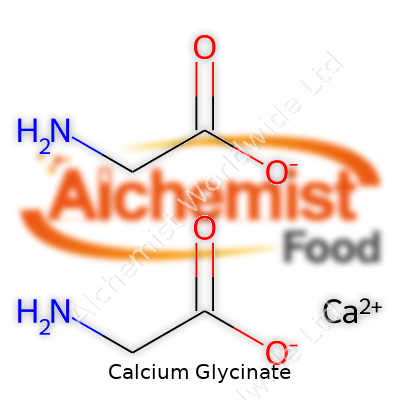
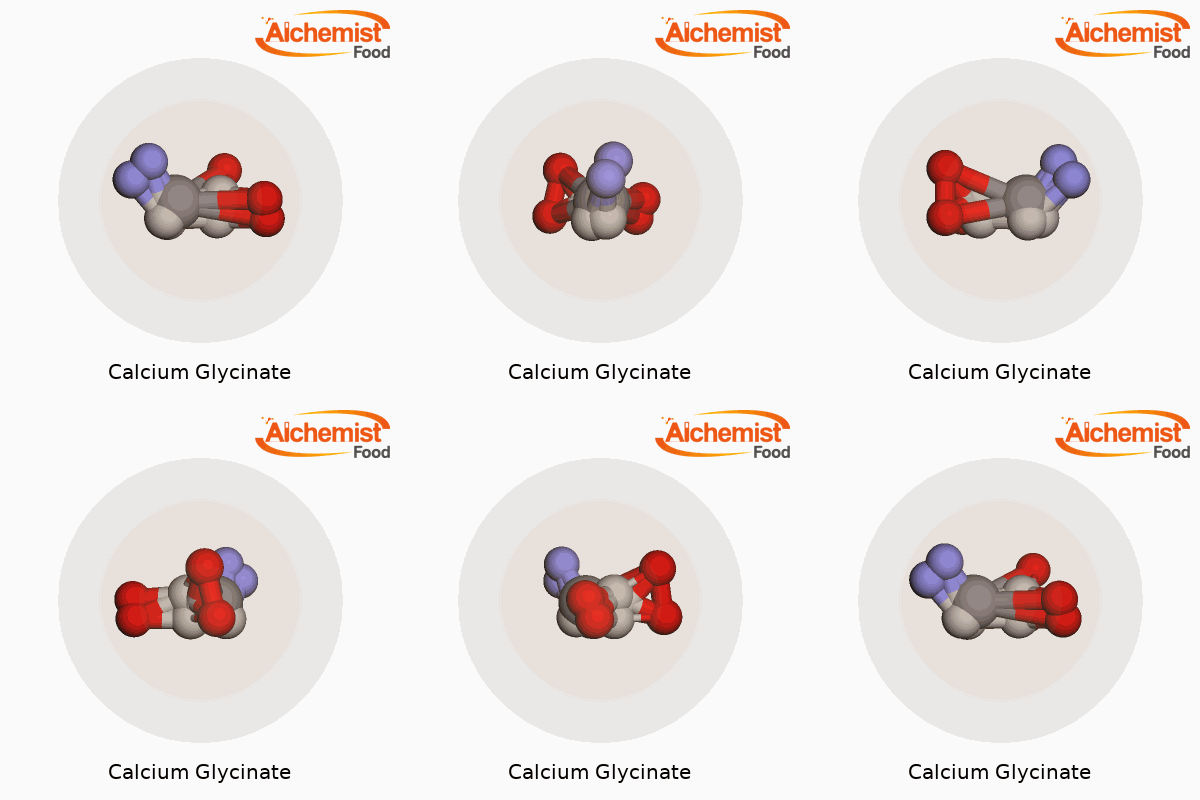
| Names | |
| Preferred IUPAC name | Calcium 2-aminoacetate |
| Other names |
Glycine calcium salt Calcium bis(glycinate) Calcium diglycinate Calcium aminoacetate |
| Pronunciation | /ˈkæl.si.əm ˈɡlɪ.sɪ.neɪt/ |
| Preferred IUPAC name | Calcium 2-aminoacetate |
| Other names |
Calcium bis(glycinate) Calcium diglycinate Glycine calcium chelate |
| Pronunciation | /ˈkæl.si.əm ˈɡlɪ.sɪ.neɪt/ |
| Identifiers | |
| CAS Number | 1405-89-6 |
| Beilstein Reference | 3926356 |
| ChEBI | CHEBI:88231 |
| ChEMBL | CHEMBL3302112 |
| ChemSpider | 865233 |
| DrugBank | DB11127 |
| ECHA InfoCard | 05dad9b8-3051-4c6d-8d7a-dfa395922e11 |
| EC Number | “241-923-7” |
| Gmelin Reference | 108504 |
| KEGG | C18667 |
| MeSH | D050077 |
| PubChem CID | 5284357 |
| RTECS number | MM1925000 |
| UNII | YND47P44S3 |
| UN number | UN1759 |
| CAS Number | 35947-07-0 |
| Beilstein Reference | 1282337 |
| ChEBI | CHEBI:52718 |
| ChEMBL | CHEMBL1233454 |
| ChemSpider | 78608 |
| DrugBank | DB11121 |
| ECHA InfoCard | ECHA InfoCard: 100.131.379 |
| EC Number | 42-47-9 |
| Gmelin Reference | 615694 |
| KEGG | C16273 |
| MeSH | Dcalcium Glycinate |
| PubChem CID | 23685832 |
| RTECS number | FF3150000 |
| UNII | YGJ1LN1O8H |
| UN number | UN3077 |
| Properties | |
| Chemical formula | Ca(C2H4NO2)2 |
| Molar mass | 202.22 g/mol |
| Appearance | White crystalline powder |
| Odor | Odorless |
| Density | Density: 0.5 g/cm³ |
| Solubility in water | Soluble in water |
| log P | -3.3 |
| Vapor pressure | Negligible |
| Acidity (pKa) | 8.2 |
| Basicity (pKb) | 1.36 |
| Magnetic susceptibility (χ) | Diamagnetic |
| Refractive index (nD) | 1.610 |
| Dipole moment | 2.56 D |
| Chemical formula | Ca(C₂H₄NO₂)₂ |
| Molar mass | 202.22 g/mol |
| Appearance | White crystalline powder |
| Odor | Odorless |
| Density | Density: 0.6 g/cm³ |
| Solubility in water | Soluble in water |
| log P | -2.8 |
| Vapor pressure | Negligible |
| Acidity (pKa) | 8.2 |
| Basicity (pKb) | 2.52 |
| Magnetic susceptibility (χ) | Diamagnetic |
| Refractive index (nD) | 1.640 |
| Viscosity | Viscous liquid |
| Dipole moment | 2.57 D |
| Thermochemistry | |
| Std molar entropy (S⦵298) | 202.8 J·mol⁻¹·K⁻¹ |
| Std enthalpy of formation (ΔfH⦵298) | -1641.9 kJ/mol |
| Std molar entropy (S⦵298) | 215.7 J·mol⁻¹·K⁻¹ |
| Std enthalpy of formation (ΔfH⦵298) | -1652.6 kJ/mol |
| Pharmacology | |
| ATC code | A12AA20 |
| ATC code | A12AA20 |
| Hazards | |
| Main hazards | Irritant to eyes, skin, and respiratory system. |
| GHS labelling | GHS07, GHS08 |
| Pictograms | GHS07 |
| Signal word | Warning |
| Hazard statements | No hazard statements. |
| Precautionary statements | Keep container tightly closed. Store in a cool, dry place. Avoid contact with eyes, skin, and clothing. Wash thoroughly after handling. Use with adequate ventilation. |
| NFPA 704 (fire diamond) | 1-0-0 |
| Lethal dose or concentration | LD50 (Oral, Rat): 5000 mg/kg |
| LD50 (median dose) | 1000 mg/kg (rat, oral) |
| NIOSH | Not Established |
| PEL (Permissible) | 15 mg/m³ |
| REL (Recommended) | Calcium (as Calcium Glycinate) 500 mg |
| Main hazards | May cause irritation to eyes, skin, and respiratory tract. |
| GHS labelling | GHS07, GHS08 |
| Pictograms | GHS07 |
| Signal word | Warning |
| Hazard statements | H319: Causes serious eye irritation. |
| Precautionary statements | Keep container tightly closed. Store in a cool, dry place. Avoid contact with eyes, skin, and clothing. Wash thoroughly after handling. Use with adequate ventilation. Do not ingest or inhale. |
| NFPA 704 (fire diamond) | 1-0-0 |
| Lethal dose or concentration | LD50 (Oral, Rat): > 5,000 mg/kg |
| LD50 (median dose) | 1470 mg/kg (rat, oral) |
| NIOSH | Not Established |
| PEL (Permissible) | PEL (Permissible Exposure Limit) for Calcium Glycinate: Not established |
| REL (Recommended) | 1000 - 2500 mg elemental calcium/day |
| Related compounds | |
| Related compounds |
Glycine Calcium chloride Calcium gluconate Calcium lactate Calcium carbonate Magnesium glycinate |
| Related compounds |
Magnesium Glycinate Zinc Glycinate Iron Glycinate Copper Glycinate Calcium Gluconate Calcium Citrate Calcium Lactate Calcium Chloride |



