Commentary on Calcium Citrate Tetrahydrate: Past, Present, and Future Directions
Historical Development
Calcium compounds have long played a role in daily life, from ancient building practices to food preservation. Among these, calcium citrate emerged during the 19th century, stepping into the spotlight after the discovery of citric acid pathways. Tetrahydrate forms started showing commercial value as advances in chemistry allowed for precise hydration control. Laboratories in Europe explored calcium citrate as a source of supplemental calcium as early as the 1930s. They noticed that its more soluble and bioavailable forms, such as the tetrahydrate, easily dissolved in water compared to chalky calcium carbonate supplements. Through time, pharmaceutical and food industries noticed these benefits, shifting to this compound in antacids and enriched beverages during the mid-20th century. As technology expanded, manufacturers dialed in on processing methods that maximized purity and stability, leading to today’s reliable product lines.
Product Overview
Calcium citrate tetrahydrate, known for delivering a stable, highly absorbable calcium source, has become common in tablets, powders, and fortified foods. Packaged in opaque containers or blister packs to guard against humidity, it promises consistent quality right off the shelf. Many health-conscious shoppers pick up supplements featuring this ingredient, confident that it brings an edge over stricter forms like calcium carbonate. It fits smoothly into calcium-fortified orange juice or chewable supplements made for children and seniors. Companies embrace it not only for nutritional products but in technical applications ranging from laboratory reagents to standards for calibrating instruments.
Physical & Chemical Properties
Calcium citrate tetrahydrate appears as a white, odorless crystalline powder. If left out in the air, it soaks up moisture, thanks to its four water molecules attached to every formula unit. Those water molecules influence both stability and how easily it dissolves in water. The compound carries the chemical formula Ca3(C6H5O7)2·4H2O. Its molecular weight runs close to 570.5 g/mol. One thing stands out: it maintains low reactivity under normal handling, avoiding troublesome byproducts or dust explosions. This stability, combined with reliable solubility across a range of pH conditions, positions it as a dependable additive. Lately, I’ve seen more interest in how tiny variances in crystal morphology affect this product’s compactibility—especially when used in chewables or effervescent tablets, which can alter how tablets break apart in the stomach.
Technical Specifications & Labeling
Manufacturers set rigorous criteria for this ingredient: high calcium content, controlled water loss, low lead and arsenic, and tight limits on iron and heavy metals. Labels typically specify "calcium citrate tetrahydrate," indicating the level of hydration and total calcium percentage, which hovers around 21%. Reputable suppliers display certificate numbers and source data, supporting traceability. Regulatory agencies like the FDA, EMA, and China’s NMPA require specific language on supplement packaging to prevent misleading claims about absorption or disease prevention. These details matter for consumers, who turn bottles over and check for evidence of trustworthy sourcing.
Preparation Method
Manufacturers start with lime or calcium carbonate, dissolving it in citric acid. The reaction produces a clear calcium citrate solution, which gets chilled or seeded with a crystal, coaxing out the tetrahydrate form. Purification involves careful washing, followed by vacuum or air drying at moderate temperatures to maintain hydration. Any shortcut risks clumping, altered solubility, or unsightly powders. Technicians track crystal habit and particle size at each step. Mistakes—including drying at the wrong temperature or using low-grade inputs—show up as poor tablet flow or inadequate dispersibility in liquids. From experience, attention during these stages rewards producers with batches that blend smoothly and resist degrading during storage or shipping.
Chemical Reactions & Modifications
Eventually, developers look at tweaking calcium citrate’s performance with small chemical adjustments. By adjusting temperature during synthesis, technicians shift the ratio of water molecules, sometimes favoring monohydrate or anhydrous versions for specific uses. Calcium citrate reacts readily with strong acids to release soluble citrates; it can also bind with other dietary minerals, making it appealing in multinutrient supplements. Some projects explored surface modifications with plant extracts or polymer coatings, aiming to mask chalkiness in beverages without suppressing bioavailability. These minor changes often reflect feedback from both industry and clinical nutritionists.
Synonyms & Product Names
Past and present, this compound turned up under a range of trade names—sometimes confusing for buyers. Shoppers spot labels reading "calcium citrate tetrahydrate," "Citrocal," "Tricalcium dicitrate tetradyhdrate," or abbreviated as "CC4H2O." International food additive codes use E333. Such diversity in naming shows how various industries value the same chemical for slightly different reasons. I’ve seen requests from supplement producers asking suppliers to clarify hydrate level, emphasizing the need for clear, standardized product information at every stage of the supply chain.
Safety & Operational Standards
Stringent handling and storage rules keep workers and consumers safe. In the plant, teams use dust masks and gloves to avoid respiratory irritation and contact dermatitis, even though the ingredient ranks as relatively benign compared to many chemicals. Factories meet ISO standards, and many suppliers achieve third-party certification for Good Manufacturing Practice (GMP). Allergen information must stay up-to-date. Safety sheets outline emergency cleanup steps, though incidents remain rare. Batch records detail production parameters, helping investigators trace quality complaints back to the source if problems arise. These efforts foster trust up and down the distribution chain.
Application Area
The food and pharmaceutical industries lean heavy on calcium citrate tetrahydrate for supplements and fortified drinks, while clinical nutrition turns to it in enteral feeding formulas. Dentists, dietitians, and doctors alike recommend this ingredient for patients needing additional calcium but who struggle with kidney stones or digestive upset from alternatives. Pediatricians sometimes reach for products based on calcium citrate for infants with milk allergies. Beyond nutrition and medicine, specialty labs use this compound in calibrations or as a buffer in analytical chemistry. Chefs and home bakers even rely on calcium salts to adjust acidity or restore “bite” to pickled vegetables. As more people aim for plant-based diets, this versatile calcium source now shows up in soy, oat, and almond beverages—a trend I expect to keep growing.
Research & Development
Innovation cycles in the supplement sector revolve around taste, absorption, and mixing qualities of calcium citrate salts. University groups and private labs keep digging into how stomach acid, food components, and hydration level influence absorption. Researchers examine whether microencapsulation, co-formulation with vitamin D, or nanotechnology can eliminate gritty mouthfeel, boost shelf life, or deliver more calcium during digestion. These projects, co-funded by industry and public health agencies, have already led to chewable supplements that rival milk for palatability and clinical performance. At some conferences, I’ve seen startup founders touting “smart” supplement dispensers that tailor calcium doses to individual metabolism, using forms like tetrahydrate for their predictability.
Toxicity Research
Toxicological studies have tracked calcium citrate’s effects over several decades. It rarely triggers negative reactions when consumed within recommended limits. Large doses—often beyond what’s possible through normal diet—may prompt mild digestive distress, such as bloating or constipation, especially for people sensitive to dietary changes. Chronic overconsumption carries risks for kidney stone formation, though less so than other calcium salts. Animal testing and human safety trials support broad regulatory approval. Groups with kidney disease get extra monitoring, since impaired calcium handling could raise the risk of adverse outcomes. Regulatory bodies regularly reassess safe intake levels in light of new nutrition science and clinical case reports, underscoring the need to stay updated on recommendations from expert panels and health authorities.
Future Prospects
So many avenues for further development have opened up, driven by interest in better absorption and greater convenience. Companies keep refining production to lower environmental impact by using renewable energy and recycling water used in crystallization. Researchers hunt for improvements in taste-masking to create supplements suitable for picky eaters or older adults with swallowing difficulties. Potential exists for adding calcium citrate tetrahydrate to alternative protein foods, including plant-based meats and non-dairy yogurts, as consumers embrace flexitarian diets. Digital health tools may soon guide daily calcium intake using personalized data, reinforcing the trend toward tailored nutrition. As food fortification policies evolve, governments and public health authorities will rely more on evidence-based assessments—an area where industry-academic partnerships look set to play a growing role. Demand from emerging markets ensures manufacturers remain under pressure to balance cost, sustainability, and quality, all while meeting rising regulatory standards.
What is Calcium Citrate Tetrahydrate used for?
A Closer Look at Calcium Citrate Tetrahydrate
Calcium citrate tetrahydrate might not come up much over coffee, but it's a name worth knowing. Many people recognize calcium as key for strong bones. As for this particular form of calcium, it draws on the same source but comes with a few perks that matter to both health professionals and anyone aiming for better nutrition.
Why Calcium Matters
Bones and teeth rely on steady calcium intake. Beyond that, muscles contract and nerves send messages all using calcium as a communication tool. The old advice about drinking milk isn’t just for growing kids. Grown adults, especially women over forty and older men, face real risk of bone thinning. Reports from the National Institutes of Health estimate about 99% of the body's calcium lives in the bones, but this supply gets tapped into any time blood runs low on calcium — and over years, that can create problems.
Calcium Citrate Tetrahydrate in Action
Doctors often reach for calcium citrate tetrahydrate when patients struggle with low calcium. Unlike calcium carbonate, which asks for a bit of stomach acid to do its work, citrate takes the easy road – no extra acid needed, and the body absorbs it smoothly. This matters a lot for folks over 50, and for anyone taking medicines that reduce stomach acid. I saw it myself with aging family members: after switching from a less absorbable supplement, they reported fewer stomach troubles. They stuck with their routines, which meant a lower chance of broken hips down the line. It's also helpful for those on long-term steroid therapy or people dealing with parathyroid issues. Calcium citrate tetrahydrate isn’t flashy, but its stability makes it reliable in both supplements and fortified foods.
Evidence Behind the Hype
Every supplement claim deserves a critical eye. Clinical trials show that calcium citrate brings solid results for bone density, especially in women after menopause. Some studies from the National Osteoporosis Foundation underline how citrate forms don’t rely on food or stomach acid for proper absorption. A batch of research in the Journal of Clinical Endocrinology found consistent calcium and vitamin D intake reduces risk of fractures by 15 to 30% among older adults. And because citrate rarely causes constipation or gas, more people keep taking it.
Challenges and How to Tackle Them
Affordable supplements should reach every household, especially as osteoporosis rates climb worldwide. I’ve seen patients stop their supplements just because the tablets were too big or caused bloating. Smaller, more palatable tablets or chews help solve this. Pharmacies and supplement makers need to get feedback from people actually taking their products, making adjustments for taste, digestibility, and price.
There’s also a lot of confusion about the “right” amount of calcium. Too little puts bones at risk, but too much leads to kidney stones. Education from registered dietitians and reliable healthcare sources closes this gap. Community clinics running regular bone health checks can catch problems earlier. Local campaigns aimed at older adults could help demystify label reading and safe supplement choices.
Bringing Science Home
In daily life, a spoonful of awareness helps as much as a dose of the right supplement. Calcium citrate tetrahydrate keeps things simple for the people who need it most. Looking after bone health doesn’t happen overnight, but with a better understanding and smarter product design, communities can build strength from the inside out.
How should Calcium Citrate Tetrahydrate be stored?
Calcium Citrate Tetrahydrate: A Few Straight Facts
Plenty of people in labs and the supplement industry count on calcium compounds. Calcium citrate tetrahydrate, with its extra water molecules, serves up more than just a tongue-twister of a name. Anyone working with this compound has likely gotten advice in the form of thick technical manuals or cryptic product sheets. Here’s the reality: storage makes a difference in quality, safety, and budget. Years in lab work taught me shortcuts usually end up costing more down the road.
Why It Matters Where You Park It
Moisture can be a sneaky culprit. This calcium salt comes as a loose powder. It doesn’t take much humidity or water vapor to clump it together. Sometimes, even a cap left loose on a jar opens the door to spoilage. These clumps make weighing and mixing a challenge and can throw off dosing in pharmaceuticals or nutritional supplements. More than just an inconvenience, a contaminated batch can result in a painful amount of waste.
Heat and light also play their roles. Heat speeds up the breakdown of many chemical compounds. In my first year working in quality control, a single forgotten bag near a sunny window led to a series of head-scratching lab failures. Only later did we figure out heat from sunlight was enough to break down some of the material long before its expiration date.
Common Sense Storage Steps
A cool, dry spot tops the list. Basements might seem tempting, but excess humidity or even shifting temperatures can create more problems than solutions. My favorite method involves clear labeling and keeping containers tightly sealed after every use in climate-controlled rooms, away from sunlight and any water sources. Silica gel packets cut down on moisture, but nothing beats a good airtight lid. The United States Pharmacopeia agrees; they call for rigid, well-closed containers, especially for materials meant for human use.
Glass or high-quality plastic work fine for containers, but they have to close tightly. I learned early on that coffee cans or reused food tubs don’t hold up. Clear containers, although handy for quick checks, let in more light, so going with opaque jars works better for the long haul.
Health and Business Angles
Companies making supplements or medicines face strict batch recalls if things get contaminated or spoiled. The FDA and international regulators have little patience for accidental mishaps linked to sloppy storage. For consumers or small clinics, the financial cost may sting more than anything else. Improperly stored product means more trips to suppliers, extra costs, and sometimes even health risks for users.
Staff training stands out as a simple fix. I’ve watched too many otherwise cautious teams cut corners. It doesn’t help to invest in the best raw material, only to lose it to laziness or misunderstandings. A clear guide posted near the storage area, and regular checks, spot mistakes before they snowball. Batch tracking and regular stock rotation also help to prevent expiry-based slip-ups.
Technology’s Role
Temperature and humidity monitors used to cost a small fortune, but today, reliable models run on a modest budget. Sensors with alert systems flag problems right away, letting you fix things long before the material suffers. This kind of investment pays for itself quickly if you’re handling bulk quantities or dealing with sensitive formulations.
Safe storage of calcium citrate tetrahydrate is less about fancy equipment and more about attention to detail. Respect for the product starts with respect for basics: keep it cool, dry, dark, and tightly sealed. Experience proves that a little effort on the front end protects both quality and reputation in the long run.
What is the recommended dosage of Calcium Citrate Tetrahydrate?
Breaking Down Calcium Needs
Most adults wonder if they are meeting their daily calcium requirements. Doctors talk a lot about calcium, especially as bones tend to get weaker with age, and taking the right supplement matters. Calcium citrate tetrahydrate, a form of calcium often found in supplements, draws attention for its decent absorption and gentle effect on the stomach. Yet, the big question is – how much does someone actually need?
Recommended Dosage According to Experts
Doctors and nutritionists lean on standards set by research and large health organizations. They encourage most adults aged 19-50 to get roughly 1,000 mg of elemental calcium every day. Once past 50, that jumps to 1,200 mg, since bones thin out faster as we get older. Pregnant and lactating women may also need closer monitoring on intake.
That’s where calcium citrate tetrahydrate steps in. About 21% of this compound is usable calcium your body can absorb. So, a 950 mg pill gives about 200 mg of actual calcium. Reading supplement labels becomes important, since the numbers can fool anyone who's rushing through a shopping aisle. Folks need to check for "elemental calcium" rather than the total tablet weight.
Why Proper Dosage Counts
Calcium isn't just a “bone mineral.” Every heartbeat, nerve impulse, and muscle contraction needs it. Studies link shortfalls over the years to a higher risk of osteoporosis, especially in older women. But too much isn’t better—very high levels cause kidney stones or block absorption of iron and zinc.
Absorption also tops out at around 500 mg per dose, so gulping down a day’s worth at breakfast won’t do the trick. Spreading supplements out through the day, paired with meals, helps your body use more of what you take. People who take acid-blocking medicine or deal with inflammatory bowel disease often find calcium citrate works better for them than calcium carbonate.
Facts Behind the Supplement Choice
Harvard Health Publishing and the National Institutes of Health recommend sticking to dietary sources like cheese, yogurt, leafy greens, and tofu if possible. Supplements fill the gap when diets fall short or when medical issues crop up. Some multivitamins throw small amounts of calcium into their ingredients list, but checking totals ensures no confusion between different sources.
Vitamin D matters as well, since it helps bring calcium into the bloodstream. Most adults in the U.S. don’t get enough D from sunlight or food alone, so daily supplements solve two problems at once.
Smart Solutions for Safer Intake
Doctor-guided lab checks help people who already have health issues, take medication every day, or have a family history of kidney stones. Most pharmacies carry all-in-one packs that show dosages clearly, which lowers the risk for accidental over- or under-dosing. Some clinics even run bone health screenings, which catch low bone density early.
Sticking to the recommended dosage, reading supplement facts, and getting enough vitamin D builds stronger bones and healthier lives. No one ever regretted building good habits long before reaching old age.
Are there any side effects associated with Calcium Citrate Tetrahydrate?
Why Calcium Supplements Matter
Calcium gets a lot of attention because bones need it, muscles depend on it, and the body relies on steady calcium levels for nerves and heart health. People who don’t get enough from food often turn to supplements, and calcium citrate tetrahydrate is a pick that many doctors recommend. The tetrahydrate form dissolves easily and doesn’t need much stomach acid, so it works well for older adults or people who take acid blockers.
How Calcium Citrate Tetrahydrate Affects the Body
Most people take calcium citrate tetrahydrate without trouble. For folks with lactose intolerance, trouble absorbing nutrients, or thin bones, this supplement can be a lifeline. The body tends to handle it smoothly, and that’s why it pops up in pharmacy aisles everywhere. But nothing comes completely risk-free.
Common Side Effects Seen in Practice
Stomach issues pop up most often. In my years seeing patients, the top complaints are mild: bloating, constipation, gas. These problems usually show up when people take high doses or don’t drink enough water with their tablets. Some folks find their gut grumbles a bit in the first few weeks, but the symptoms often fade with time or lower doses.
Some people worry about kidney stones. Too much calcium builds up in the bloodstream, especially with huge supplement doses, and the kidneys might struggle to filter it out. High calcium in urine increases the chance for kidney stones, especially for people who have had them before. The National Institutes of Health says keeping total calcium (from food and supplements combined) below 2000 milligrams a day helps most people avoid the stone risk.
Rare and Serious Problems
A few side effects don’t show up as often but bring bigger risks. Taking very high doses over a long period can raise blood calcium and weaken kidney function. Fatigue, frequent urination, and confusion might point to this issue—called hypercalcemia. Some medications, such as thiazide diuretics or certain antacids, can worsen the problem. People with parathyroid disorders or kidney disease need extra monitoring, since their bodies already have trouble handling calcium.
Ways to Lower the Risk
It pays to take the supplement with food and water. Splitting the daily dose in two halves, instead of one huge pill, tends to cause fewer gut symptoms and better absorption. Sticking with the recommended dose on the label (or doctor’s advice) keeps trouble at bay. Watching calcium intake from food and checking labels on fortified drinks or cereals also keeps things in balance.
Before starting any new supplement, a quick chat with a health professional makes sense, especially for people who take regular medication, who have kidney troubles, or who’ve had stones before. Blood tests from time to time can catch silent problems early. Bones deserve our attention, but pushing calcium levels too high causes more headaches than it fixes. Humans are living longer, and strong bones help with balance, independence, and staying active, but a cautious approach works best.
Resources and Guidance
Health organizations like the NIH and Mayo Clinic offer up-to-date guidelines on calcium needs for different ages and health backgrounds. Doctors and pharmacists track the latest research, making them solid allies for anyone with questions about supplements. Reliable information and a measured approach cut down the risk of side effects and let calcium citrate tetrahydrate lend a helping hand instead of becoming a problem.
Is Calcium Citrate Tetrahydrate suitable for vegans and vegetarians?
Looking at Calcium Sources in Supplements
Many people care deeply about the ingredients in their supplements. Anyone following a vegan or vegetarian lifestyle knows the small details can matter—sometimes animal-based ingredients sneak into products in ways most folks never see coming. Even something as simple as a calcium supplement deserves a closer look.
How Calcium Citrate Tetrahydrate Is Made
Calcium citrate tetrahydrate sounds technical, but the basics are straightforward. Manufacturers produce it by reacting citric acid with a calcium compound, usually calcium carbonate or calcium hydroxide. Both vegan and non-vegan sources exist for this calcium. Plants and minerals both contain calcium, but some manufacturers still get their calcium carbonate from oyster shells or bones. According to research, the process itself does not require animal byproducts. Still, everyone who aims to avoid animal ingredients should pay attention to where that calcium started its journey.
Checking Labels and Trusting Brands
Not every supplement company lists its exact calcium source on every bottle. If you see “calcium citrate tetrahydrate” on the label, ask questions. Many established brands, especially those that market their products as vegan, rely on plant-based or mineral-derived calcium. Brands with strong transparency often advertise “vegan” or “vegetarian” right on the packaging. In my own experience reading through supplement labels, companies that care about this almost always make it clear up front. Looking for third-party certifications like Vegan Society or a trusted vegan logo gives some confidence too.
Potential Animal Ingredients in Additives
Even when the main ingredient passes the vegan or vegetarian test, some manufacturers add more ingredients to improve stability or shelf life. Magnesium stearate is one—sometimes it comes from cows or pigs, though some companies do use vegetable sources. Gelatin capsules still show up now and then. I’ve seen it too often—reading the fine print really makes a difference. Tablets that use “cellulose” or “hypromellose” instead of gelatin give vegans and vegetarians a safer option.
Calcium Sources for a Plant-Based Diet
Anyone skeptical about supplements has good reason. Plenty of plant foods provide calcium: kale, bok choy, almonds, figs, and sesame seeds offer steady nutrition. The body absorbs calcium from these foods well. Still, certain people—especially those who have higher needs or dietary concerns—might need a supplement. Vegans, older adults, pregnant women, or anyone with risk for osteoporosis should check that their supplements match their dietary ethics and health goals.
The Value of Trustworthy Supply Chains
Supply chain transparency means more than just a good marketing angle. Personally, I never take for granted that a supplement lives up to its label. Companies who share lab test results, list ingredient origins, and pursue vegan certification care about their customers. In today’s landscape, more manufacturers use mineral sources, making it easier for vegans and vegetarians to find suitable calcium citrate tetrahydrate. Still, no one should have to guess what’s in their bottle. The best way to avoid animal products in supplements stays the same: research brands, read labels, and look for credible certifications.
What is Calcium Citrate Tetrahydrate used for?
Understanding What Calcium Citrate Tetrahydrate Does
Calcium shows up everywhere—bones, teeth, even inside brew kettles. One compound, calcium citrate tetrahydrate, rarely makes the front page, but it keeps plenty of industries ticking. My own journey with this substance started in a college nutrition class. The instructor dumped a powder on his desk and said, “This shows up in every health food section and half our tablets.” Since then, I keep spotting it in bottles and some food packs, so let’s get into who really benefits from it.
Supporting Bone Health the Reliable Way
Ask most doctors or pharmacists why they choose a calcium supplement, and calcium citrate lands near the top. Unlike some forms of calcium, you don’t need a full stomach of food or acid to help your body soak it up. That’s a big deal if you’re older or deal with digestive problems. I’ve seen grandparents struggle to get enough calcium, especially if milk upsets their gut, and calcium citrate tetrahydrate tablets offer a gentle alternative.
According to the National Institutes of Health, over half of Americans don’t hit their daily calcium targets. People with osteoporosis or those who can’t digest dairy naturally fall short. In these cases, supplements with calcium citrate tetrahydrate fill in the gaps. They help slow bone thinning and cut the risk of fractures, especially in older adults and those recovering from surgeries or chronic illnesses.
How Food Makers Use It Beyond Supplements
Alongside walking the vitamin aisle, you’ll see calcium citrate tetrahydrate hiding on plenty of ingredient lists. Food companies trust it to boost the calcium in orange juice, plant-based milks, cereals, and even snack bars. If you check labels, look for names like “calcium citrate”—this means it’s strengthening the product’s nutritional value. It dissolves well, so it blends cleanly without leaving lumps or a chalky aftertaste. I once helped experiment with fortified yogurt in a test kitchen. The only way to keep it both smooth and calcium-rich was using this precise compound.
It doesn't only lift nutrition numbers. Calcium citrate tetrahydrate can adjust acidity, which lengthens shelf life. That matters for beverage makers and anyone putting fortified juices or plant milks on trucks for days at a stretch.
Pharmacy and Specialty Healthcare Roles
Dentists sometimes recommend calcium citrate after major dental work or if patients show clear signs of low bone mineral density. Over-the-counter antacid tablets frequently list it as an active ingredient, since it gently neutralizes excess acid in the stomach without harsh side effects. I’ve talked with pharmacists helping people who react badly to calcium carbonate; they point folks straight to citrate versions for easier digestion and fewer stomach issues.
Where Challenges Show Up—and What We Can Do
Not everyone gets the same boost from supplements alone. The body needs vitamin D to actually absorb calcium, so taking a supplement by itself doesn’t solve everything. Several doctors in my area say they remind patients to get some sun or choose pills that mix both calcium citrate and vitamin D. Education is key here—many older adults and teenagers don’t know what type of calcium matches their health needs best.
Food industry regulations also push companies to use standardized sources of calcium. Manufacturers that skip quality testing can release products with low absorption levels or off flavors. Improved oversight, better consumer labeling, and public health messaging would help more folks recognize the difference between hard-to-digest chalk and well-absorbed citrate forms.
Looking Ahead
Most people wouldn’t pick out calcium citrate tetrahydrate in a lineup, but it quietly supports better bone health, more nutritious foods, and easier digestion. Choosing the right form of calcium, reading up on your own needs, and pressing for quality in both supplements and food products will only grow in importance as our population ages and health trends keep shifting.
How is Calcium Citrate Tetrahydrate different from other calcium supplements?
Discovering What Sets It Apart
Calcium supplements fill pharmacy shelves, each labeled with claims that promise strong bones and better health. Among them, calcium citrate tetrahydrate raises some eyebrows. As someone who’s looked after family members dealing with bone loss, picking the right supplement never felt simple. Many people expect all forms to work just the same, but their real-life impact can tell a different story.
Solubility and Absorption
One thing I’ve noticed is that calcium citrate tetrahydrate dissolves much more easily in water than classic calcium carbonate. Hot coffee, cold juice—this supplement mixes right in, which saves hassle for those who struggle with pills. Our bodies face the same issue inside: without enough stomach acid, calcium carbonate can cause more side effects and might not work as well. Over the years, I’ve seen older relatives switch to calcium citrate products because age or medications lower their stomach acid. Studies from The American Journal of Clinical Nutrition back up this difference, showing that calcium citrate offers better absorption, especially for seniors or anyone dealing with chronic heartburn medicines.
Stomach Friendliness
Digestive complaints often send people searching for new alternatives. Calcium carbonate often leads to constipation or gas, especially at higher doses, while calcium citrate tetrahydrate feels kinder on the system. This comes from the way our digestive tract reacts: calcium citrate doesn’t depend so much on strong stomach acid. No one wants their supplement to interfere with daily life, especially those already juggling medical conditions.
Flexibility in Timing
Another clear advantage shows up in daily routines. Some calcium supplements only work well with meals, but calcium citrate tetrahydrate performs just as well on a full or empty stomach. For anyone who struggles to plan their day around medicine schedules, this single factor makes a lasting difference. A 2021 review from Mayo Clinic highlights how flexibility is crucial in keeping people consistent with their supplement routine—which leads to better long-term results.
Potential Downsides
I’ve learned through trial and error that cost can play a role. Compared to common formulations, calcium citrate tetrahydrate sometimes carries a steeper price. Anyone with a tight budget notices the bump, and over time, this might shape their decisions. Another concern involves pill size: these tend to be bigger, which might pose challenges for people who have trouble swallowing.
Bringing Science Home
Doctors and pharmacists keep calcium citrate high on their list for patients with trouble absorbing nutrients. Research points out that those at risk for osteoporosis or anyone with digestive tract conditions like celiac disease, inflammatory bowel disease, or gastric bypass surgery often benefit from this form. The National Institutes of Health notes that absorption from calcium citrate runs about 22-27% higher than other forms, a margin that adds up over years.
What Should Change
Education plays a big role in smarter health choices. Many shoppers still go for the cheapest or most heavily advertised brand, not realizing their bodies could use something different. If healthcare providers explain the advantages in specific cases, people will make better-informed choices. Lowering prices through generic options or insurance coverage could help, too. Community education events or pharmacist consultations offer a chance to ask questions and learn new information in a setting that feels personal, not overwhelming. For many, small facts about absorption or ease of use can turn anxiety about bone loss into long-term confidence.
What are the recommended dosages of Calcium Citrate Tetrahydrate?
Digging into the Dosage Debate
Calcium keeps bones strong, helps nerves talk to each other, and muscles flex. Anyone who has ever been told to “get more calcium” after a checkup or a DEXA scan knows bone density isn’t something to take lightly. Calcium Citrate Tetrahydrate, one form of calcium, is popular in supplements. The body recognizes it easily, so it works even if the stomach doesn’t make much acid. That convenience matters for older adults or people taking acid blockers.
How Much Makes Sense?
Doctors and nutritionists usually point to age and health as the biggest factors. Adults, especially those under 50, often see recommendations around 1000 milligrams of elemental calcium from all sources each day. For women over 50 and men over 70, 1200 milligrams is more common. The “elemental” part counts, not just the total weight of the supplement. Calcium Citrate Tetrahydrate has less elemental calcium by weight than other types, so you have to check the label and make some quick math. For example, a 950 mg tablet of Calcium Citrate Tetrahydrate contains about 200 mg of actual calcium.
I’ve watched family and patients make mistakes, mixing supplement forms or doubling up without realizing. Overdoing it can backfire, leading to kidney stones or blocking the body from grabbing other minerals, like magnesium and zinc. Going past 2000 milligrams a day, across food and pills, pushes risk higher. A glass of milk and some broccoli count toward that number too—pills aren’t the only source.
Who Needs More—And Who Should Back Off
Some folks genuinely need extra calcium. Menopausal women, people with osteoporosis, or those on a vegan diet often miss out. For someone like my neighbor, diagnosed with thinning bones after a fracture, her doctor targeted 1000–1200 mg a day, using supplements and food together. Dividing the dose—half in the morning, half at night—often helps the body absorb more. Experience shows that chasing all your calcium in one serving doesn’t do much good; the body taps out after a few hundred milligrams at once.
People with certain health problems have to stay careful. Kidney disease, hyperparathyroidism, or a history of kidney stones means following medical advice closely and sometimes picking alternatives. Checking with a doctor or a registered dietitian makes practical sense before grabbing the largest bottle from the supplement aisle.
Labels Lie—Reading Right Matters
Walk through any pharmacy, and the calcium section can feel like word salad. To avoid confusion, ignore brand promises and scan the supplement label for “elemental calcium.” Most reputable brands clearly state this per tablet. Also, look for third-party testing seals, like USP or NSF, since some supplements carry more or less than they claim.
One way to avoid overdoing it—count up dietary intake before taking a pill, not after. Online tools or a meeting with a dietitian can clarify what an average day truly delivers. For example, a cup of yogurt gives nearly 300 mg, a cup of cooked greens around 100 mg, and a serving of salmon even more if the bones are included.
Better Habits Beat Blind Supplementation
Too many folks treat calcium like a catch-all fix. It plays a part, but bones thrive on vitamin D, activity, protein, and good sleep, too. Strong bones come from a hundred small choices. Before reaching for more pills, checking habits—like spending time outdoors or eating greens—can usually help. Calcium Citrate Tetrahydrate fits a specific need: good absorption, especially for those who struggle with digesting other types. Used in the right amount, it keeps people moving and independent longer.
Are there any side effects or precautions when taking Calcium Citrate Tetrahydrate?
Understanding Its Place in Daily Life
Calcium citrate tetrahydrate shows up on many vitamin bottles and supplement labels. Friends and family often ask about it because calcium matters for bones, nerves, and muscles. The science behind calcium makes it easy to see why so many of us reach for that supplement bottle. Growing up in a family with osteoporosis and low bone density, the idea of calcium isn’t something distant or academic. It’s personal—mom’s experience with brittle bones sticks in my mind.
What Matters About Side Effects
Taking calcium citrate tetrahydrate usually feels harmless, but not everyone’s body reacts the same way. Some people complain about bloating, gas, or even constipation. It’s not always pleasant; stomach discomfort can disrupt a normal day pretty fast. Older adults, who most often use extra calcium, tell me about this side of the story more often than any fancy journal article does.
Calcium can also get in the way of absorbing other minerals. People who use iron or zinc supplements find they need to space out doses or risk wasting their money on pills their body can’t use. My doctor reminds me to keep an eye out for this, especially after struggling with low iron during marathon training. I learned quickly that more isn’t always better—in fact, taking tablets at the same time leads to less of each mineral getting used by my body.
The Risks Grow with High Doses
Going overboard with calcium supplements brings its own set of issues. Kidney stones become a risk, especially for those who don’t drink much water. I talked with a neighbor whose history of stones started right after starting high-dose calcium pills. Blood tests showed her calcium levels were higher than normal. Stories like this surface in clinics all over the country. For people with kidney problems, these supplements take extra caution. Too much calcium means the kidneys work overtime—something doctors watch closely for anyone with a family or personal history of kidney trouble.
There’s more—taking too much calcium over time might affect the heart. High blood levels link to greater risk of heart disease in some research. No one at home ever feels that risk until they see calcium showing up on heart scans in later life. Too much can build up in arteries, leading to a different set of problems than weak bones.
Some Groups Need to Watch Out
Doctors always talk about individual risk. People on medications like thiazide diuretics or digitalis need to ask their doctor before picking up a calcium supplement. There are hidden drug interactions that can go unnoticed until real problems show up—sometimes with heart rhythm or blood pressure.
Those with parathyroid disorders or certain cancers have another influence. High calcium could make these health issues worse. I’ve seen friends with thyroid issues needing frequent blood work and lower supplement doses just to stay out of trouble.
What Can Help: Smarter Habits and Fresh Conversations
Eating a balanced diet with calcium-rich foods often supports bones better than relying only on pills. Leafy greens, dairy, and fish with bones, like sardines, bring calcium in with other helpful nutrients. If a supplement feels necessary, starting with the lowest dose and talking it over with a healthcare provider makes sense. Tracking symptoms and sharing them quickly helps fix problems before they grow.
Listening to the body and learning your own history plays a key role. Asking questions at the pharmacy or clinic, instead of assuming the label tells the whole story, brings better results in the long run.
Is Calcium Citrate Tetrahydrate suitable for people with lactose intolerance or allergies?
A Closer Look at Calcium Sources
People with lactose intolerance carry memories of stomach cramps, bloating, or embarrassing trips to the restroom after sipping a glass of milk. Dairy often feels off limits, turning meal planning into a daily challenge. For anyone who can't process lactose, getting enough calcium becomes a constant puzzle, and the idea of popping just any supplement doesn't erase that worry. Food allergies only turn up the pressure—reading labels turns into a ritual of hunting for hidden risks.
Many dairy-free folks consider plant-based milks or leafy greens, hoping to fill in nutritional gaps. But the truth is, these sources rarely stack up to dairy in calcium content and sometimes bring along their own digestive quirks. So shoppers want reassurance: does a supplement like calcium citrate tetrahydrate work for people with dairy restrictions?
Listening to the Science
Calcium citrate tetrahydrate comes from a simple reaction: citric acid meets a calcium source. No milk proteins, whey, or lactose factor into this process. Reputable supplement makers treat purity as a non-negotiable—every batch gets checked for contaminants and cross-contact with allergens. This transparency matters, considering an estimated 30–50 million Americans have some level of lactose intolerance, according to the NIH. Allergies to milk are the most common among children under five, according to the CDC.
Independent testing outfits like NSF and USP offer seals that carry real weight. These organizations demand clear proof that what’s on the label matches what’s in the bottle, down to microscopic traces. So while using any supplement means trusting the supply chain, choosing those with third-party testing cuts down the odds of surprises.
Digestibility and Absorption
Experience counts when picking a supplement. Calcium citrate doesn’t bring the same gassy, uncomfortable aftermath that some calcium carbonate tablets cause, especially for folks with higher stomach acid or sensitive guts. Calcium citrate absorbs well whether food is in your stomach or not, which fits unpredictable eating habits or odd work hours. People worrying about kidney stones or constipation lean towards this form, since it doesn’t pull so much extra work from the digestive tract.
Allergy Risks in Context
People with dairy allergies often live with heightened alertness. Anything called “calcium” rings alarm bells because of associations with milk. Yet, from chemist to consumer, the journey of calcium citrate tetrahydrate never passes near a cow. For someone living with a dairy allergy in the family, I’ve learned to gravitate toward supplements that lay out every step from sourcing to bottling. Companies with a track record of allergen control (GMP-certified plants, clear recall policies, plain language on their labels) take away much of the fear that sits in the back of your mind.
Real-World Solutions
Simply picking up a bottle isn’t enough. Consumers who deal with allergies or food intolerances find more peace speaking directly to supplement makers—an email or call can confirm whether shared equipment poses a risk. Nutrition professionals help sort out the choices and share new research about bioavailability or emerging allergy triggers.
Access to calcium shouldn’t hinge on a person’s ability to tolerate dairy. With careful label reading, smart questions, and attention to sourcing, calcium citrate tetrahydrate steps up as a real option for people who want to protect their bones without side effects. A daily calcium routine gets easier, which lets us focus on bigger things than a glass of milk.
What is Calcium Citrate Tetrahydrate used for?
The Role in Bone Strength
Bones need more attention than we often give them. Many people hear “calcium” and automatically picture milk or strong teeth, but the story hardly stops there. Calcium citrate tetrahydrate comes into play for folks who need to boost their calcium without upsetting their stomachs. Some calcium salts can give problems with digestion. Those who deal with kidney stones or trouble absorbing nutrients tend to find calcium citrate kinder on the body.
Older adults need extra support here too. As the years pass, bone loss becomes a real risk. Doctors often turn to calcium supplements to keep osteoporosis at bay. Calcium citrate dissolves well, even if stomach acid levels drop with age. This form lets your body grab much-needed calcium from every meal, no matter your stomach’s temperament.
Putting Consistency First in Supplements
Supplement makers rely on calcium citrate tetrahydrate for a practical reason. The extra water molecules keep the compound stable and prevent clumping, especially in humid climates. Stability means every pill or powder portion delivers the same predictable amount. Anyone taking medication for osteoporosis or managing a chronic deficiency relies on that consistency. No one wants a surprise drop or spike from a supplement that varies from bottle to bottle.
Why Diet Alone Sometimes Falls Short
Plenty of people eat leafy greens, drink milk, and still fall short on calcium. Vegans, those who avoid dairy, or folks managing celiac disease often feel the pinch. Doctors sometimes suggest calcium citrate tetrahydrate to fill the gap. Unlike many calcium salts tied to dairy-based foods, this option doesn’t come loaded with allergens.
Scientific reviews, including reports published in the Journal of Clinical Endocrinology & Metabolism, point out that calcium citrate absorbs about as well on an empty stomach as it does with food. That gives real flexibility, especially for anyone juggling multiple medications or following strict eating schedules.
Meeting Dietary Restrictions
Beyond allergies, religious and ethical diets also block off many supplement sources. Calcium citrate tetrahydrate sidesteps these barriers. It’s derived via chemical processes rather than animal sources, making it a reliable option for vegetarians and those eating kosher or halal. I’ve seen people close to me work through lengthy ingredient lists before finding a product that matched both their dietary needs and doctor’s instructions. This form finally fit.
Barriers and Paths Forward
No supplement answers every health need. Some calcium products can cost more, taking them out of reach for tight budgets. Insurance rarely covers over-the-counter supplements. Community clinics and educational programs can help here, showing people how to recognize signs of deficiency and navigate confusing supplement shelves.
Doctors and pharmacists play a big role too. They keep an eye on possible interactions with medications, including those used for heart problems or high blood pressure. Regular blood tests make a difference by catching side effects early and ensuring calcium levels don’t swing too high.
Science keeps moving, with researchers studying links between calcium intake, vitamin D, and overall health. For now, calcium citrate tetrahydrate offers a way to fill nutritional gaps for real people facing tough diet restrictions, medical conditions, or age-related bone loss.
What is the recommended dosage of Calcium Citrate Tetrahydrate?
The Facts Behind Calcium Citrate Tetrahydrate
Plenty of doctors and nutritionists would agree that everyone needs enough calcium. Bones, muscles, nerves—all depend on it. Many people reach for supplements like calcium citrate tetrahydrate, hoping for an easy way to fill gaps left by diet. I’ve watched friends get confused by the mountain of dosage information out there. Some bottles suggest one thing, some doctors say another, and the internet loves a debate.
Recommended Dosage: What Do the Experts Say?
Experts like the National Institutes of Health recommend most adults get around 1,000 mg of calcium daily. Women over 50 and men over 70 should bump that up to 1,200 mg per day. Calcium citrate tetrahydrate is just one form—what sets it apart is how well it gets absorbed, even without food. If you’re eyeing the label on a supplement, you’ll probably notice it lists elemental calcium. That’s the amount your body soaks up—not the total weight of the tablet.
Calcium citrate tetrahydrate offers around 21% elemental calcium by weight. If a pill says 500 mg of calcium citrate tetrahydrate, that means a bit over 100 mg of actual calcium per pill. So, let’s say someone needs to supplement 500 mg of calcium because their diet only covers half their needs. They’ll end up taking about five pills, not one.
Why Supplement Dosage Matters
Many ignore the math and swallow more pills, thinking “more must be better.” That can backfire. Excess calcium raises the risk of kidney stones, messes with absorption of other minerals like zinc and iron, and can even put unwanted strain on the heart. Anyone who’s ever had to pass a kidney stone doesn’t want to repeat that experience.
Each body absorbs calcium differently. Stomach acid levels and medications like antacids get in the way. Calcium citrate tetrahydrate gets around some of these roadblocks, which helps people with digestive issues or who take acid blockers. But, just because this type is more forgiving doesn't mean it’s goof-proof. Stacking calcium pills on certain meals or gulping a big dose at bedtime won’t magically plug nutritional holes.
Getting Calcium in a Smarter Way
No one benefits from treating supplements like a numbers game. Blood tests reveal more about one’s calcium status than guessing does. Doctors use those results, along with dietary recall, to decide if a supplement fits. It’s smart to bring up your eating habits and any supplements in your routine during yearly checkups. Your doctor may spot risks for osteoporosis or heart disease long before symptoms show up.
Some prescriptions, like thyroid meds and certain antibiotics, don’t play nice with calcium supplements. I once watched a neighbor struggle with barely tolerated meds as he boosted his calcium to dizzying heights, only to discover that his thyroid pills stopped working properly. He could have avoided weeks of fatigue and headaches with a quick call to his pharmacist. This happens more than people realize.
Practical Steps
If a supplement seems necessary, look for how much elemental calcium it provides, not just the tablet’s total weight. Divide higher dosages throughout the day, since the gut handles small amounts better. Take stock of your diet—dairy, leafy greens, and tofu offer plenty of natural calcium for many people. Supplements should fill the gaps, not replace good food.
People often fall into the trap of thinking supplements are always safe just because they’re on store shelves. Anyone thinking about calcium citrate tetrahydrate long-term should run the plan by a healthcare professional. With some planning and professional guidance, keeping bones strong and healthy feels a lot less confusing.
Are there any side effects associated with Calcium Citrate Tetrahydrate?
Understanding Calcium Citrate Tetrahydrate
Calcium helps build strong bones and teeth. Some people turn to supplements, especially if regular meals don't include enough dairy, leafy vegetables, or fish. Calcium citrate tetrahydrate offers higher solubility than other forms, which makes it popular among those facing digestive trouble or low stomach acid.
Common Side Effects from Real-Life Experience
Most folks who take calcium citrate tetrahydrate don’t walk around with obvious symptoms or discomfort. In my own case, supplements once helped manage a minor deficiency, but I did notice some bloating after starting them. Friends and patients have shared similar stories. The most talked-about side effects are constipation, gas, and, at times, mild nausea. These reactions come from calcium slowing down intestinal movement, especially for people who already drink less water during the day.
A study featured in JAMA Internal Medicine pointed out that around 15 percent of supplement users reported constipation. Some try to take more than 500 mg at a time, hoping to speed up bone health, but this increases risk of digestive upset. Dividing the dose into two smaller servings helps some people sidestep this problem.
The Risk of Kidney Stones
A lot of folks worry about kidney stones when taking calcium. Most studies show that calcium from food slightly lowers the risk, but supplements could bump that risk up for a few people. This problem shows up more often in people with a family history or those who don’t drink much water. Doctors recommend keeping an eye out for cramps or pain in the lower back, as those may signal a problem.
Absorption and Interactions with Other Medications
Calcium can mix in ways that affect medications. People using thyroid medicines, certain antibiotics, or blood pressure pills like thiazides might run into lower absorption or unwanted reactions. Lots of elderly patients manage multiple prescriptions, so this really matters. I’ve seen doctors suggest taking calcium supplements at least two hours apart from other meds to help avoid problems.
Getting Enough—But Not Too Much
Most adults need about 1000 to 1200 mg of calcium each day, counting both food and supplements. More isn’t always better. High daily intake doesn’t build stronger bones past a certain point. In rare cases, taking far too much can trigger hypercalcemia, a condition that makes people feel weak, thirsty, or confused. Blood tests can flag these levels early.
What Helps With Side Effects?
A couple of changes tend to help those who run into trouble. Drinking more water and eating high-fiber foods make constipation less likely. People who spread calcium intake across meals tend to avoid stomach issues. Doctors also ask about dietary sources before starting pills or powders, since real food provides more than just calcium—it includes vitamins and proteins that build and protect bones.
A Balanced, Careful Approach
Many people do well with calcium citrate supplements, especially if kidney, stomach, or acid problems make other forms less useful. Reading supplement labels, talking with a pharmacist or physician, and testing blood calcium once or twice a year gives peace of mind. Even something as common as calcium can cause trouble if used without care or personal guidance.
Is Calcium Citrate Tetrahydrate suitable for vegans and vegetarians?
Understanding the Source
Most people looking for calcium supplements run into a wall of technical names and ingredient lists. One of the less-glamorized options in pharmacy aisles is calcium citrate tetrahydrate. The question comes up—can vegans and vegetarians take it without worry?
Calcium and Its Role in Diet
Dietitians always stress how important calcium is for bone health, nerve function, and muscle strength. People who avoid dairy, whether for ethical or medical reasons, often have to think harder about how to get enough calcium. Supplements like calcium citrate tetrahydrate look like a simple fix. But labels can make anyone pause, especially if they care about avoiding animal products.
Where Does Calcium Citrate Tetrahydrate Come From?
The real story starts with the raw ingredients. Calcium citrate gets produced by combining citric acid—usually from fermentation of plant sugars—with a calcium salt. Tetrahydrate just means the molecule holds extra water, not that an animal source sneaks in. Manufacturers rarely use any animal substances in the process. Reputable companies know their customer base wants transparency.
An honest company should provide details upon request. I’ve called a few manufacturers just to double-check, and each time, support teams could confirm the ingredients lined up with plant-based standards. Reading third-party certification reports or seeing the “vegan” label takes out a lot of the guesswork. Certifications can come from groups such as the Vegan Society, which runs regular ingredient checks.
Hidden Animal Ingredients and Processing Concerns
Supplements sometimes have animal-based additives, like magnesium stearate from pork or fish gelatin capsules. These additions turn a vegan-friendly powder into something off-limits. Experience shows you really have to dig a little deeper—ask for full ingredient lists or product certifications before deciding.
A lot of vegan forums and plant-based health websites track the best and worst supplement brands for their communities. The consensus lists and crowd-sourced reviews are especially useful. My own friends with strict vegan diets feel better tackling these questions in advance, rather than running into problems weeks down the road.
Safeguarding a Plant-Based Choice
Calcium citrate tetrahydrate in its pure form fits comfortably in vegan and vegetarian diets. Most production methods use fermentation or mineral extraction, without any animal contact throughout the process. The real trick lies in understanding fillers, processing agents, or capsule materials, which can drift away from plant-based commitments.
Checking product certifications helps a lot. Buying from brands that supply full transparency keeps everyone on the same page. Some companies post ingredient sourcing statements online, and I’ve noticed the best ones even invite questions. It gives peace of mind to anyone scanning the label.
Finding Reliable Solutions
Plant-based customers want more than just assurance—they want real proof. The supplement industry reacts to these demands quicker than in the past, with more brands switching to vegan-friendly processing. The trend brings more clear labeling, cleaner supply chains, and products that match ethical choices.
Sticking with reputable manufacturers, requesting ingredient breakdowns, and watching for third-party certifications have become everyday habits for many health-conscious people. As plant-based diets expand, demand for honest labeling goes up, which can only improve things for everybody choosing to supplement their diet the vegan or vegetarian way.
How should Calcium Citrate Tetrahydrate be stored?
Why Storage Matters for Calcium Citrate Tetrahydrate
People rarely think about chemical storage unless a problem turns up. My first chemistry job left me handling compounds that seemed routine, but improper storage once turned a benign white powder into a clumpy mess, all thanks to a leaky jar and humid air. Calcium citrate tetrahydrate behaves in much the same way. Its structure captures water, making it more sensitive to air and moisture. Left exposed, it clumps, loses flow, and sometimes its purity drops — which drags down product quality in supplements and food fortification.
Keep Moisture Out, Keep Quality Up
Humidity wrecks calcium citrate tetrahydrate faster than most expect. I’ve seen it stored in plastic tubs with loose lids, only to come back days later to find a hardened mass that wouldn’t blend or dissolve as intended. Avoid this by using air-tight containers with secure closures. Think glass jars with gasket-sealed tops or high-quality screw-cap bottles. Polyethylene bags with multiple seals also perform well, especially in labs or manufacturing spots where opening and closing happens often.
Low humidity storage spaces work best for chemical powders that hold water. Desiccators or storage cabinets with drying chemicals inside help a lot in damp climates. If there’s no climate control, silica gel packs tossed inside the container or cabinet pull excess moisture before it has the chance to touch the powder.
Don’t Overlook Temperature and Light
Some shops leave calcium citrate tetrahydrate beside windows or above heat sources. Once, I saw a warehouse keeping it near a boiler room vent — not ideal for any chemical, let alone one so prone to changing under stress. Keep temperatures cool and steady, somewhere between 15°C to 25°C. Sunlight and harsh indoor lights just add risk, boosting degradation and sometimes triggering color changes or weird odors.
Labels always help. When I managed a shared stockroom, the best system included clear labels, date markers, and chemical hazard notes. Storing calcium citrate tetrahydrate away from strong acids, bases, or materials that release fumes also stops cross-contamination or unwanted chemical reactions.
Don’t Skip Routine Checks
Anyone storing this powder for longer than a few weeks should check it now and then. Look for lumps, odd smells, or discoloration. Clumps signal water sneaking in somewhere. Discard anything that looks off, and don’t take risks using compromised batches. Food manufacturers and supplement makers know that even small changes in moisture make production harder and put consumer safety at risk.
Staff training stops most storage slip-ups before they happen. Short, clear instructions — store in dry, cool, dark places, seal right after use, label containers, and check regularly — go much further than a thick policy manual ever could. I’ve found screen-printed signs and reminders above the chemical shelves work wonders.
Better Storage Means Longer Shelf Life, Higher Safety
Wasting material or risking recalls over storage mistakes costs more than setting up a good system. Treat calcium citrate tetrahydrate as you would any active ingredient: respect its quirks, build a tidy system, and get everyone on the same page. In the end, products stay safer, waste goes down, and labs or production sites run smoother.
What is Calcium Citrate Tetrahydrate used for?
What It Is and Why People Reach For It
Calcium plays a central role in bones, blood clotting, nerve function, and muscle contractions. Most folks know about calcium carbonate and how it’s found in chalky supplements, but another form, calcium citrate tetrahydrate, pops up often in vitamins and food products because of its unique features. Compared to some other types, this form breaks down easier in the stomach, so it suits people who don't always have meals with their supplements. That makes a real difference for folks on the go, older adults, or those with less stomach acid who still care about bone health.
Where You’ll Find Calcium Citrate Tetrahydrate
You won’t just see this ingredient in pharmacy aisles. Food manufacturers use calcium citrate tetrahydrate as a firming agent, especially for canned fruits and vegetables. It protects texture so peaches don’t go mushy in syrup and tomatoes keep some snap in sauce. Its mild flavor allows it to slip beneath the radar in yogurts, fortified juices, and cereals without changing the way food tastes.
In supplements, doctors recommend calcium citrate for folks with absorption challenges: anyone dealing with low stomach acid, people recovering from gastric surgery, or those who deal with irritable bellies. It offers a way to reach daily goals without turning to dairy or risking stomach discomfort. A study published in the “Journal of Clinical Endocrinology & Metabolism” outlined how calcium citrate offers more reliable absorption compared to some alternatives, especially for people over 50.
The Bigger Picture for Health
Calcium deficiency shows up in ways people might not expect: not just weak bones, but also tingling in the limbs, muscle spasms, or brittle nails. According to the National Institutes of Health, over 40% of adults in the United States don't get enough calcium from food alone. Life gets complicated—sometimes cheese and leafy greens just don’t happen in the quantities they used to. That’s where well-formulated supplements make their entrance.
Unlike calcium carbonate, calcium citrate tetrahydrate doesn’t require stomach acid to break down, so even with conditions like achlorhydria—or for anyone taking acid-reducing medications—it still does its job. The elderly, one of the groups most at risk for osteoporosis, benefit most from the type of calcium that goes easy on the digestive tract.
Moving Toward Better Solutions
People often ask whether food alone should provide all their nutrients. Ideally, yes. Real life rarely works out that neatly, especially for those with dietary limitations, dairy intolerance, or absorption issues. Healthcare providers suggest combining a diet that offers as much natural calcium as possible with the right supplemental form. It’s not about one solution fitting everyone. Each person’s life, health, and history call for a different approach, but the right calcium choice can mean fewer fractures, steadier nerves, and a greater sense of independence later in life.
Manufacturers and doctors can do their part by making sure people know the difference between types of calcium and who benefits from each. Food scientists keep looking for ways to fortify everyday items without adding a chalky taste or clumps. Combining awareness and improved product development means fewer folks slip through the cracks—literally and figuratively—when it comes to calcium-related health.
Is Calcium Citrate Tetrahydrate safe for daily consumption?
Everyday Calcium: A Look at the Source
Many folks pick calcium supplements because of gaps in their diet or the need to keep bones strong. Grocery store shelves carry different forms like calcium carbonate and calcium citrate. Calcium citrate tetrahydrate appears on plenty of labels. It dissolves in water without fuss and settles in light on the stomach, so even those managing indigestion can use it. Doctors often choose calcium citrate for older adults, since its absorption doesn’t depend on stomach acid as much as other types.
What Stands Out About Tetrahydrate?
The tetrahydrate form holds water in its crystal structure. It’s a detail that doesn’t change the essential nature of calcium citrate, but it does affect its weight and sometimes how it acts in tableting. More importantly, independent research and public health agencies count calcium citrate tetrahydrate as a pure and safe source of supplemental calcium.
Daily Safety: Digging Into the Facts
No major red flags have come up for calcium citrate tetrahydrate, as long as it’s used within the recommended amounts. The U.S. Food and Drug Administration recognizes it as “generally recognized as safe” (GRAS) for food use. That kind of regulatory nod doesn’t come lightly. Clinical studies show adults usually absorb 21-27% of calcium from this form, roughly in line with other supplements. If you’ve dealt with kidney stones, your doctor may suggest calcium citrate over other types—some evidence suggests it can lower the risk of stones compared to calcium carbonate. Compared with carbonate, it causes less constipation.
Folks with healthy kidneys can filter and get rid of extra calcium with little trouble. Excess starts causing concern only when intake gets well above 2000 to 2500 mg per day (the tolerable upper intake), especially over longer stretches. At that point, kidney strain, high blood calcium, and possible stone formation may develop. No calcium supplement—citrate or otherwise—is immune to these effects. Sticking close to recommended daily values is the easiest way to keep things safe.
Who Should Pause Before Taking It?
Calcium citrate tetrahydrate fits most diets and doesn’t upset most guts. People taking certain water pills or those with chronic kidney disease need to check with a healthcare provider before starting supplements. Strong evidence shows excess calcium could interfere with how the body uses iron and zinc if not spaced out.
A Better Way Forward: Getting Enough Calcium
Most health experts agree that food works best for meeting calcium needs. Dairy, fish bones, leafy greens, and fortified foods cover most people without the need for supplements. For those who turn to supplements, calcium citrate tetrahydrate offers a gentle profile, with fewer side effects like gas or bloating.
Product quality still matters. Choose brands that undergo third-party testing. Look for up-to-date certification seals so you know the label matches what's inside the bottle. Store supplements away from heat and moisture to keep potency steady.
Doctors and dietitians encourage routine health checks if you stay on supplements long term. If you keep daily doses within recommended guidelines and combine supplements with a balanced diet, calcium citrate tetrahydrate stands as a safe choice for most adults.
How should Calcium Citrate Tetrahydrate be stored?
Why Proper Storage Matters
Calcium citrate tetrahydrate plays a big role in the food, supplement, and pharmaceutical industries. It helps fortify products, maintain pH, and even works as a calcium supplement. Safe handling and storage sharply impact its stability and performance. Nobody wants a batch to go bad just because it sat on the wrong shelf or got left open.
What Happens Without Care
Humidity spells trouble for calcium salts. In a damp room, this compound starts to clump and lose its crisp, free-flowing nature. The tetrahydrate form pulls water out of the air, and this extra moisture speeds up caking or even mild spoilage. Light and fluctuating temperatures make the situation worse by breaking down the chemical structure or even changing its color. From bad taste to reduced effectiveness, ruined calcium is a real setback for manufacturers, healthcare workers, and everyday folks who rely on the finished products.
Conditions That Keep It Stable
A dry, shaded, and cool space does more than make a stockroom look tidy. It shields sensitive powders from water in the air, shortens the risk window for microbial growth, and keeps chemistry on track.
At home or in an industrial stockroom, keep calcium citrate tetrahydrate in a tightly closed container—plastic bottles with screw tops work well. After scooping out what’s needed, screw the lid back on tight to keep out kitchen steam or warehouse humidity. For larger storage needs, warehouses with climate control or air conditioning give months—sometimes even years—of product stability.
Direct sunlight should never touch the container. I’ve seen clear jars sitting in a sun-warmed corner, and the powder inside turns lumpy and starts to take on a musty odor. Steer clear of windows or spots above appliances. Instead, put containers in cabinets or on shelves at a consistent, mild temperature—below 25°C (77°F) feels about right, based on my own experience.
Practical Tips from the Field
Label the container with date of purchase and batch information. This simple step makes rotation easy, keeping fresher products upfront. Many commercial producers follow strict protocols: periodic checks for moisture, keeping an eye out for clumping, and rotating older stock to the top of the pile. Every step counts, especially for companies making large volumes of supplements or foods where consistency matters.
If a bulk bag gets ripped or the seal breaks, don’t sit on the problem. Transfer the powder into a clean, dry container right away. Toss any that shows visible mold or color change—don’t risk accidental consumption or adding it to a product batch.
Building Trust through Good Storage
End-users—whether individuals at home, pharmacists, or food manufacturers—look for two things: safety and quality. Proper storage meets those goals head-on. No shortcuts exist, but a little upfront effort in choosing the right spot and keeping containers sealed pays off. Good practices keep product quality high and support safety across the chain, from raw materials all the way to the finished bottle on the shelf.
What is the recommended dosage for Calcium Citrate Tetrahydrate?
The Role of Calcium Citrate Tetrahydrate in Daily Health
Calcium remains a big topic anytime nutrition comes up. From young kids all the way to older adults, bones need calcium to grow and stay strong. Out of the many options at the pharmacy, Calcium Citrate Tetrahydrate gets a lot of attention. One thing stands out with this form: the body does not struggle to absorb it, even for those who deal with a sensitive stomach or low stomach acid. It shows up both in supplement pills and in fortifying certain foods, which proves its value to manufacturers.
Recommended Dosage: What Doctors and Science Suggest
Most health experts, including the National Institutes of Health (NIH), point to daily calcium needs rather than a specific type. Adults under 50 usually do well with about 1,000 mg of elemental calcium every day. People past age 50, especially women, need closer to 1,200 mg. The catch comes from the fact that Calcium Citrate Tetrahydrate doesn’t contain as much elemental calcium by weight. Out of a 1,000 mg tablet, only about 210 mg counts as actual calcium. So, staying on target may mean more than one tablet or a higher-strength option.
I’ve noticed in my own family that taking more than 500 mg of calcium at one time doesn’t do much extra good. The gut only handles so much calcium at once, so dividing the daily intake keeps things moving smoothly and cuts down the risk of stomach upset. This matches what registered dietitians often recommend: split doses for best results.
Ensuring Safety with Supplements
Jumping in with extra calcium sounds tempting—after all, who wouldn’t want strong bones, especially later in life? But the risks get real when folks overdo supplements. The science connects too much calcium, especially from pills, to problems like kidney stones and can sometimes even mess with heart health. One huge reason to talk to a doctor before changing up any supplement routine: health needs shift based on age, sex, and even what medications someone uses.
The U.S. dietary guidelines set a hard upper limit of 2,500 mg of calcium a day for younger adults and 2,000 mg for those older than 50. Even though Calcium Citrate Tetrahydrate is gentle on the stomach, more isn’t always better. Getting half your daily calcium from food (like dairy, kale, or almonds) and the other half from supplements often works best.
Practical Tips for Smarter Calcium Supplementing
Start with your actual diet. Most people don’t need giant supplement doses if dairy, leafy greens, or fortified foods show up regularly. For those who do rely on Calcium Citrate Tetrahydrate, reading supplement labels closely pays off—look for “elemental calcium” rather than just total weight. Chewables or dissolvable tablets can feel easier for people who don’t like swallowing pills.
Vitamin D stands out as a key companion. No matter how much calcium you take, the body needs vitamin D to pull it from the gut into the bloodstream. Spending some time in the sun or choosing a supplement with both nutrients makes a difference—especially in places with long winters.
Moving Forward: Individual Approach Makes the Difference
Personal experience, family history, and advice from healthcare providers combine for the best results. Not every body needs the same dose, and the source of calcium matters. Listening to your own body, making changes gradually, and chatting with a trusted doctor or registered dietitian helps keep bones strong for years to come.
Are there any side effects or interactions with Calcium Citrate Tetrahydrate?
Why a Common Calcium Supplement Draws Questions
People take calcium supplements expecting stronger bones and better health. Calcium citrate tetrahydrate shows up on pharmacy shelves as a gentle form, easy on the stomach for those needing extra support. But “gentle” doesn’t mean trouble-free. Even basic supplements can surprise us with side effects or bump into other medicines. So, instead of brushing off the risks, it makes sense to look at real-world issues tied to calcium citrate tetrahydrate.
Digesting Side Effects in Everyday Life
Calcium supplements, including this one, often bring digestive complaints. People have told me about cramping, gas, and constipation after adding more calcium to their routine. One friend stopped her calcium tablets after her daily walks turned uncomfortable with bloating. For some, this discomfort just won’t budge until they cut back. I’ve noticed too that skipping enough water can worsen constipation, so it pays to stay hydrated. Rarely, people might face nausea or even a metallic taste in the mouth.
Kidney Stone Risks: More Than Just a Statistic
Doctors talk a lot about kidney stones when calcium is brought up. It isn’t scare tactics; it’s reality. High doses of calcium can leave the kidneys working overtime, especially if someone already struggles with kidney problems or drinks little water. The National Institutes of Health notes that people with a personal or family history of stones should be extra careful. Moderation matters. I’ve seen folks tweak their doses under a doctor’s eye, especially if they add vitamin D, which influences how much calcium goes into the bloodstream.
Medicine Mix-Ups—Interactions Worth Noting
Calcium citrate tetrahydrate can mess with other drugs in quiet ways. My neighbor John didn’t realize his thyroid pills weren’t working as well after starting calcium—the minerals latch onto the medicine and block absorption. Doctors recommend taking thyroid pills at a different time, making mornings a routine of their own. Calcium can also tangle with certain antibiotics, like tetracycline or ciprofloxacin, making the drugs less effective. Being aware and setting a schedule helps dodge problems that could slip under the radar.
On blood thinners such as warfarin, too much calcium changes clotting speed. Blood pressure medicines sometimes act differently, too. Pharmacists and doctors usually share tips, but not everyone checks in before trying a “safe” supplement. Google Scholar and reputable sources like Mayo Clinic urge people to not combine calcium with iron or zinc supplements at the same time—these minerals fight for the same spot in the gut.
Solutions That Fit Everyday Habits
No two bodies work the same. Some people handle calcium citrate tetrahydrate with no trouble, while others run into problems that slow them down. Tracking side effects in a journal for a few weeks after starting a new supplement gives a clearer picture. Speaking to a pharmacist or a doctor before jumping in with a new supplement saves hassle later, especially when taking several medications. Some clinics offer medication reviews, which spot unwanted interactions—a simple chat could clear up confusion and stop side effects before they start. Choosing food-based calcium, like dairy or fortified greens, gives the body extra nutrients and, with luck, fewer surprises.
What is Calcium Citrate Tetrahydrate used for?
The Essentials of Calcium Citrate Tetrahydrate
Calcium forms a cornerstone of strong bones, but getting enough of it isn’t always as simple as downing a glass of milk. Some folks, for all sorts of reasons—dietary choices, lactose intolerance, or prescription meds—don’t get enough from food alone. Calcium citrate tetrahydrate answers that gap. It’s a form of supplemental calcium that dissolves easily in water and can be absorbed even by people whose stomachs don’t crank out much acid.
Doctors lean on calcium citrate tetrahydrate for patients who have trouble absorbing calcium from other sources. People who have had weight-loss surgery, older adults, or anyone taking medications that tamp down stomach acid can count on this form. More than one study shows that calcium citrate offers higher absorption for people with less stomach acid compared to other types, like calcium carbonate. That means the body reaps the benefits without asking so much from the digestive tract.
Bones, Muscles, and the Risk of Skimping
I’ve watched friends and relatives deal with fractures and bone pain because they thought diet alone would “fill the tank.” Skipping out on calcium catches up, especially women after menopause, or anyone in their senior years. Studies published in journals like the Journal of Bone and Mineral Research have pointed out that proper calcium intake helps slow bone loss and stave off osteoporosis.
Calcium citrate tetrahydrate helps build the foundation—bones, teeth, nerves, muscle contractions, even heart rhythm—all call for steady calcium levels. If you fall short, it shows up. I remember my own grandmother’s struggle; just getting up from a chair without pain turned into a challenge. Her doctor prescribed calcium citrate among other things, and that made a noticeable difference. It didn’t solve everything, but it helped her regain some confidence in daily movement.
Not All Forms Are Created Equal
Plenty of shelves at the pharmacy carry calcium supplements. Calcium carbonate might cost less, but it asks more of your gut. It needs a full stomach and plenty of acid, so people with indigestion or elderly folks don’t always handle it well. Calcium citrate tetrahydrate sidesteps those roadblocks. You can take it with meals or on an empty stomach—the body still absorbs it fairly well. For people who take medications to manage acid reflux, this form of calcium stays reliable too.
Keeping an Eye on Absorption and Balance
Of course, dumping huge doses of calcium into the body won’t guarantee all of it gets put to good use. Too much can lead to kidney stones or affect absorption of other minerals. Paring calcium citrate tetrahydrate with vitamin D helps ensure that bones soak it up, not just the bloodstream. I’ve always made sure my own supplements include both after learning the hard way—without enough vitamin D, there’s a bottleneck.
Looking at Solutions for the Future
Education plays a big role. Many people still don’t know about the forms of calcium, or how absorption changes with age, medications, or gut health. Doctors, pharmacists, and nutritionists can do more to guide the right choices, but families and caregivers can start the conversation too. Encouraging variety in diets, regular screening for bone health, and tailoring supplements for individual needs can keep more people on their feet—literally.
Calcium citrate tetrahydrate provides an option that accounts for real-life conditions: digestive issues, changing bodies, the hurdles that aging brings. It’s more than just a chemical compound—it’s a bridge between nutritional need and daily reality, and that’s worth talking about.
How should Calcium Citrate Tetrahydrate be stored?
Keeping Quality Intact
Calcium citrate tetrahydrate helps people get enough calcium, whether through supplements or food production. Left on a shelf or in a warehouse, this material doesn’t just wait for someone to scoop it up. It reacts to the world around it—especially to air and moisture. If you don’t want caking, clumping, or even the growth of mold in the worst scenarios, you have to care about how you store it. Moisture is the biggest troublemaker for this compound. Exposed to humidity, even a tiny bit, calcium citrate tetrahydrate quickly starts to clump. It loses its free-flowing character, which poses problems for both manufacturers and folks at home.
Main Enemies: Moisture and Heat
In the food industry, or in any lab, there’s no excuse for storing this material in an open container on a steamy countertop. A high-quality, airtight container—made of plastic or glass—goes a long way. Desiccant packs tossed in with the powder keep the environment dry, which protects it from clumping up or going bad. If the air feels sticky or the temperature rises above room temperature, the risk grows. Those in the supplement business already know that the warehouse shapes the final product far more than most people ever realize. Smoky factories or kitchens give off particles and organic compounds. Store this powder just anywhere, and it will absorb those odors and stray materials.
Direct sunlight is nearly as much of a problem as humidity. Bright light speeds up chemical changes. This shortens shelf life. Storage in a dark, cool pantry or a warehouse rack away from the sun makes sense. There’s a big difference between leaving a tub on a window ledge and locking it away in a storeroom.
Avoiding Contamination
Open containers in shared environments act like magnets for dust, bacterial spores, and chemical vapors. Shelf stability falls apart. That’s why tamper-proof packaging matters. Manufacturers owe it to suppliers and buyers alike. Food-grade barrels, vacuum-sealed bags, and smaller, sealed pouches serve a real purpose beyond looking tidy on a shelf.
Risks to Watch For
Price increases and shipping delays sometimes push suppliers to cut corners. Some might stretch storage life beyond recommended guidelines, or buy from sources where climate control doesn’t make the priority list. A poor environment means unpredictable quality. Recent recalls often point to careless storage in the distribution chain, not production mistakes. Poorly stored calcium citrate doesn’t just hurt companies—it puts the end user’s safety at risk.
Long-Term Storage: Solutions from Experience
After several years handling supplements in both home and professional kitchens, I’ve learned that tight, moisture-proof packaging and a simple silica gel pack beat any fancy solution. Don’t stock up more than fits in a reasonable timeframe—six to twelve months covers most purposes. If you handle a larger scale, regular inventory checks cut down on losses and prevent expired batches sitting at the back.
You protect value, safety, and shelf life by combining airtight storage, low humidity, darkness, and clear labeling. Regulatory agencies and good manufacturers agree—proper storage isn’t just about following rules, but about respecting everyone who will use the finished product.
What is the recommended dosage of Calcium Citrate Tetrahydrate?
The Role Calcium Plays in Good Health
Calcium does more than just build strong bones. I’ve noticed, especially getting older, joints and muscle function start to matter more. Calcium shapes how nerves fire and how muscles contract, even how blood clots. The body pulls calcium from food or supplements, since eating habits shift or absorption slows down with age. Men and women past 50 need to pay even closer attention, since bones lose density over time. According to the National Institutes of Health, most adults need about 1,000 milligrams of calcium a day; women over 50 and everyone past 70 need 1,200 milligrams. Calcium Citrate Tetrahydrate works well when stomach acid is low, making it a choice for older adults, those using antacids, or anyone with absorption problems.
Choosing the Right Dose
I’ve read a lot of supplement labels promising “bone protection” or “optimal absorption.” The dose that actually matters is the amount of elemental calcium provided, not the total weight of calcium citrate tetrahydrate. In 1,000 milligrams of calcium citrate, there are about 210 milligrams of elemental calcium. Calcium citrate tetrahydrate’s elemental calcium percentage is the same, so label math becomes important. For most adults, two or three daily doses—not one mega-dose—helps the body absorb what it needs. The gut can only use about 500 or 600 milligrams of elemental calcium at once; any more just passes through unused. Taking large doses at once may cause stomach upset, constipation, or even kidney stones in those at risk. Splitting total intake into morning and evening makes good sense, especially for those whose diets fall short.
Diet, Lifestyle, and Medication Concerns
Supplements never fully replace healthy eating. I’ve tried grabbing a handful of spinach when I miss milk or yogurt at breakfast. Diets with dairy, greens, tofu, and certain fish help cover the base requirement. For vegans, or folks with lactose intolerance, calcium citrate tetrahydrate offers a way to fill gaps. Before starting a supplement, it pays to look at all sources—food charts, multivitamins, even antacids count toward the total. People taking blood pressure medicine or thyroid pills want to leave a gap, since too much calcium affects how those drugs work. Drinking enough water, especially during summertime or for those taking diuretics, helps the body process extra minerals. I tell family to check with a healthcare provider about bone loss or kidney issues first.
Quality, Safety, and Good Habits
Not all calcium supplements are the same. Cheaper brands sometimes add fillers or miss good manufacturing practices. The ones with clear labeling, third-party testing, and USP or NSF certification offer peace of mind. Basic brands without added vitamins or minerals serve well for most who want only calcium. Those at higher risk of osteoporosis—older adults, post-menopausal women, long-term steroid users—can ask about bone scans and blood calcium tests. Too much of a good thing brings risks; regular doses over 2,000 milligrams a day may trigger high blood calcium, kidney stones, or heart problems over time. No supplement beats sunlight, moderate exercise, and a balanced plate of food. I recommend building these into a daily routine along with any supplement choice.
Are there any side effects of taking Calcium Citrate Tetrahydrate?
Understanding Why Calcium Matters
Calcium supports healthy bones, teeth, muscle movement, and even hearts. As folks age or face dietary gaps, many reach for supplements like calcium citrate tetrahydrate. Pharmacies and health stores stack their shelves with this stuff, promising help for people not getting enough from food. Tablets feel easy to use, and because this form does not need a lot of stomach acid, it works for older adults and people with digestion troubles.
Possible Side Effects: What Really Happens?
Let’s get real. Most people pop a calcium citrate pill and move on with their day. But things aren’t always smooth. Anyone who ever doubled up on calcium or started a new supplement knows the stomach can protest. Constipation crops up more than people like to admit. Some notice gas or a little bloating. Others just feel kind of unsettled in their gut. These are the sorts of mild troubles that push folks to ask, "Is this stuff worth the trouble?"
Bigger issues rarely show up. Even so, piling on too much calcium from supplements—more than doctors recommend, say going above 2,000 mg a day—raises the risk of kidney stones. Spending a day curled up with a kidney stone really changes how you view that little white pill. Doctors have seen it a lot: people thinking more is better, only to end up in the ER with intense pain.
Checking for Interactions
I once helped a family member sort out a confusing pill organizer. She was taking calcium citrate, plus a medication for her thyroid. We read up and learned that calcium can mess with how the body absorbs other drugs—especially thyroid meds, antibiotics like tetracycline, and even some blood pressure pills. Sticking some space between doses takes care of these risks, but most people forget or never find out unless a doctor or pharmacist explains it clearly.
Who Needs to Watch Out?
Anyone with a history of kidney stones, heart problems, or high blood calcium, needs to talk with their doctor before grabbing any kind of supplement. Blood tests, like serum calcium levels, offer real facts instead of guesswork. People with chronic illnesses and those caring for older family members need extra caution here.
What Can People Do to Prevent Problems?
The biggest help comes from honest talk with a health professional before starting a supplement. Most of us don’t know off the top how much calcium we really get from food, which is why a check-in with a dietitian helps. Keeping an eye on serving sizes and sticking below the daily upper limit prevents trouble. Mixing up calcium sources—getting some from leafy greens, beans, and tofu—spreads out the load and lowers the chance of running into stomach problems.
Pharmacies aren’t shy about selling supplements, but real answers come from evidence and open minds. Sharing facts and comparing stories lets people make better choices. If someone’s stomach starts giving hints, or if family members struggle with medicines that might not mix, the best move is pressing pause and finding real advice instead of guessing.
Is Calcium Citrate Tetrahydrate safe for pregnant or breastfeeding women?
Why Pregnant and Breastfeeding Women Think About Calcium
Pregnancy and breastfeeding bring with them a million worries, and calcium shows up at the top of the list. Strong bones for mom, good start for baby—everyone cares about getting enough calcium. You hear a lot of advice at doctor’s offices, in parenting books, and even in family kitchens. Too little calcium makes a mess of things: weaker bones, possible risks for growing babies, tiredness that drags you down. It feels essential to get it right.
Calcium Citrate Tetrahydrate: The Basics
Some moms reach for calcium citrate tetrahydrate supplements at the pharmacy. This form dissolves better than others, making it easier to absorb, even for those struggling with heartburn or morning sickness. Unlike calcium carbonate, it does most of its work in the body regardless of stomach acid levels. For many, it’s easier on the stomach, especially during pregnancy when digestion sometimes rebels.
What Do Experts Say?
Doctors stick to science. The U.S. National Institutes of Health lists calcium citrate among the safe, widely used forms of supplemental calcium. The FDA’s GRAS (Generally Recognized As Safe) status covers calcium citrate. Researchers and dietitians point out its proven track record. Obstetricians often suggest this option for women who can’t handle dairy or have issues absorbing minerals.
Health authorities from several countries have given calcium citrate a clean bill of health in reasonable doses during pregnancy and breastfeeding. They focus on total calcium intake—diet plus supplements—not just the type you take. For adults (including expectant moms), most guidelines say 1,000 mg of calcium per day. Breastfeeding and teenage moms sometimes get a bump up to 1,300 mg.
Pitfalls and Concerns
Supplements help fill gaps, but piling on too much brings problems. Taking more than 2,500 mg daily leads to risks: kidney stones, constipation, interference with iron and zinc absorption. Prenatal vitamins already include calcium, so check the label before adding extra. Some antacids also pack calcium.
Quality matters. Stick to well-known brands with third-party seals or certifications—products from sketchy sources may be contaminated or mislabeled. Pregnant and breastfeeding women sometimes fall for “mega-dose” promises sold online. More is not always better. Too much can get in the way of absorbing other minerals, or in rare cases, cause calcium to build up in the body.
Practical Solutions for Getting Enough Calcium
Whole foods like yogurt, cheese, leafy greens, and fortified drinks remain first picks. Supplements have their place for those with food allergies, lactose intolerance, or tricky diets. Spreading out the dose helps your body soak in more calcium. Taking calcium with meals works best for some; others prefer it on an empty stomach, especially if heartburn’s in the mix.
Doctors, midwives, and registered dietitians help sort out the right approach. Honest conversations, regular checkups, and reviewing current medicines or supplements offer peace of mind. Lab tests can spot early signs of calcium trouble before it grows into bigger problems. Partners or relatives shouldn’t pressure a mom into huge doses just because they saw it online or in a commercial.
Choosing safe, science-backed calcium sources while keeping intake in check means moms and babies can both benefit. Pregnancy and breastfeeding bring plenty of change already—no one needs an extra worry over a basic mineral.
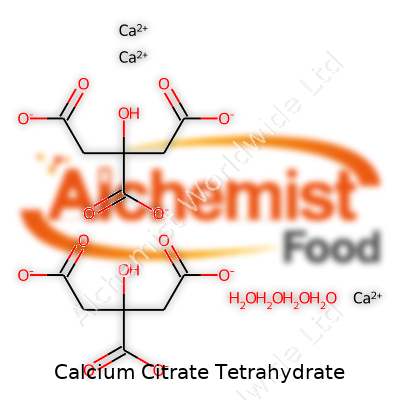
| Names | |
| Preferred IUPAC name | calcium 2-hydroxypropane-1,2,3-tricarboxylate tetrahydrate |
| Other names |
Calcium citrate Calcium salt of citric acid Citric acid, calcium salt Calcium 2-hydroxypropane-1,2,3-tricarboxylate Tricalcium dicitrate tetrahydrate |
| Pronunciation | /ˈkæl.si.əm ˈsɪ.trə.tɛt tɛt.rəˈhaɪ.dreɪt/ |
| Preferred IUPAC name | calcium 2-hydroxypropane-1,2,3-tricarboxylate tetrahydrate |
| Other names |
Calcium citrate Citrate of lime Calcium salt of citric acid |
| Pronunciation | /ˈkæl.si.əm ˈsɪ.trət ˌtɛt.rəˈhaɪdreɪt/ |
| Identifiers | |
| CAS Number | 5749-67-7 |
| Beilstein Reference | 8584780 |
| ChEBI | CHEBI:86116 |
| ChEMBL | CHEMBL1201563 |
| ChemSpider | 11113855 |
| DrugBank | DB11092 |
| ECHA InfoCard | ECHA InfoCard: 03b93eaf-c452-4bb2-bc5a-394d38cdbe46 |
| EC Number | E333 |
| Gmelin Reference | 128215 |
| KEGG | C18657 |
| MeSH | D012 calcium citrate |
| PubChem CID | 16211023 |
| RTECS number | FF2625000 |
| UNII | 1ZACC374OU |
| UN number | Not regulated |
| CAS Number | 5785-44-4 |
| Beilstein Reference | 362580 |
| ChEBI | CHEBI:86156 |
| ChEMBL | CHEMBL1201563 |
| ChemSpider | 23868928 |
| DrugBank | DB11092 |
| ECHA InfoCard | 100.011.759 |
| EC Number | 01-2119945655-32-XXXX |
| Gmelin Reference | 286078 |
| KEGG | D01806 |
| MeSH | D017602 |
| PubChem CID | 14666073 |
| RTECS number | FF8050000 |
| UNII | 2KZ3L3B8YZ |
| UN number | UN number not assigned |
| Properties | |
| Chemical formula | Ca₃(C₆H₅O₇)₂·4H₂O |
| Molar mass | 498.43 g/mol |
| Appearance | White powder |
| Odor | Odorless |
| Density | 1.0 g/cm³ |
| Solubility in water | Slightly soluble |
| log P | -1.7 |
| Acidity (pKa) | 3.2 |
| Basicity (pKb) | pKb: 3.5 |
| Magnetic susceptibility (χ) | -51.1 × 10⁻⁶ cm³/mol |
| Refractive index (nD) | 1.510 |
| Dipole moment | 0 D |
| Chemical formula | Ca₃(C₆H₅O₇)₂·4H₂O |
| Molar mass | 498.43 g/mol |
| Appearance | White crystalline powder |
| Odor | Odorless |
| Density | 2.41 g/cm³ |
| Solubility in water | 0.85 g/100 mL (20 °C) |
| log P | -1.8 |
| Vapor pressure | Negligible |
| Acidity (pKa) | 3.2 |
| Basicity (pKb) | 7.5 |
| Magnetic susceptibility (χ) | -5.7×10⁻⁶ cm³/mol |
| Refractive index (nD) | 1.500 |
| Dipole moment | 0 D |
| Thermochemistry | |
| Std molar entropy (S⦵298) | 365 J·mol⁻¹·K⁻¹ |
| Std enthalpy of formation (ΔfH⦵298) | -2587.5 kJ/mol |
| Std molar entropy (S⦵298) | 317 J·mol⁻¹·K⁻¹ |
| Std enthalpy of formation (ΔfH⦵298) | -2927.6 kJ/mol |
| Pharmacology | |
| ATC code | A12AA07 |
| ATC code | A12AA04 |
| Hazards | |
| Main hazards | May cause respiratory irritation. |
| GHS labelling | GHS07, Warning, H319, P264, P280, P305+P351+P338, P337+P313 |
| Pictograms | GHS07, GHS08 |
| Signal word | Warning |
| Hazard statements | Not a hazardous substance or mixture according to Regulation (EC) No. 1272/2008. |
| Precautionary statements | Keep container tightly closed. Store in a cool, dry place. Avoid breathing dust. Wash thoroughly after handling. Use only with adequate ventilation. |
| Lethal dose or concentration | LD50 (oral, rat): 8,190 mg/kg |
| LD50 (median dose) | LD50 (median dose): Oral-rat LD50: 8,500 mg/kg |
| PEL (Permissible) | 10 mg/m3 |
| REL (Recommended) | Calcium (as citrate tetrahydrate) 1000 mg |
| Main hazards | May cause respiratory irritation. |
| GHS labelling | GHS07, Exclamation Mark |
| Pictograms | GHS07, GHS08 |
| Signal word | Warning |
| Hazard statements | May cause respiratory irritation. |
| Precautionary statements | Keep container tightly closed. Store in a dry place. Wear protective gloves/eye protection. Avoid breathing dust. Wash hands thoroughly after handling. IF ON SKIN: Wash with plenty of water. IF IN EYES: Rinse cautiously with water for several minutes. |
| Lethal dose or concentration | LD50 oral (rat) > 2000 mg/kg |
| LD50 (median dose) | LD50 (median dose): Rat oral > 5000 mg/kg |
| NIOSH | NMB000057 |
| PEL (Permissible) | 15 mg/m3 (total dust) as OSHA PEL |
| REL (Recommended) | 1 gm |
| Related compounds | |
| Related compounds |
Citric acid Calcium carbonate Calcium oxide Calcium citrate malate |
| Related compounds |
Calcium citrate Calcium citrate malate |



