Calcium Citrate Malate: A Comprehensive Commentary
Historical Development
Calcium supplements have traveled a long road since doctors first started noticing the link between diet and bone health. Originally, people just drank more milk or ate more leafy greens to keep bones strong. Over the last century, as nutritional science kept pushing forward, researchers began looking for more accessible and efficient ways to supplement dietary calcium. Calcium citrate malate (CCM) didn’t appear overnight. Decades of trials with different calcium salts exposed the drawbacks of options such as calcium carbonate, which some folks found hard to digest. Enter CCM, which grew out of a need for a supplement gentle on the stomach and effective at boosting calcium absorption. This compound’s development took hold in the late twentieth century, as consumer demand for digestible and bioavailable calcium intensified and product innovation tried to bridge the gap between health needs and market delivery. Patents, industrial processes, and regulatory steps layered on through the 1980s and 1990s, finally bringing CCM to store shelves everywhere from pharmacies to grocery shops.
Product Overview & Application Areas
Calcium citrate malate stands out as a calcium salt derived from mixing citric acid and malic acid with a calcium source, usually in precisely measured ratios. The supplement appears in a range of product forms — chewables, tablets, powders, liquid shots, and even some functional beverages. It’s a fixture not just in nutritional supplements; food fortification efforts, especially targeting older adults, pregnant people, and school-age children, often tap CCM for its absorbability. Dental health products, thanks to its gentle chemistry, take advantage of CCM’s ability to carry calcium ions without leaving behind a gritty aftertaste. In the pharmaceutical field, this compound surfaces in bone growth therapies, osteoporosis prevention, and certain post-surgery recovery protocols. The upshot: CCM finds itself at home in everything from sports drinks to chewable vitamins, with doctors and dietitians often singling it out for patients wrestling with low calcium diets, those on long-term steroids, or others faced with absorption problems in the gut.
Physical & Chemical Properties
Unlike the chalky, sometimes rock-like appearance of calcium carbonate, CCM dissolves better because of its loose molecular structure. The white to off-white powder lacks a strong taste and doesn’t clump as aggressively when mixed into liquids. With a calcium content typically ranging from 20% to 26% by weight, it neither pushes up the risk of kidney stones quite like older calcium supplements nor irritates the stomach lining. The presence of citrate and malate—natural acids already in fruit—creates an environment friendly for absorption in the small intestine. CCM’s solubility in water far exceeds calcium carbonate. That means it actually gets into the body instead of running straight through. pH levels for freshly mixed solutions usually fall in the mild acid range, beneficial for those unable to create enough stomach acid to handle other calcium salts.
Technical Specifications & Labeling
Manufacturers selling CCM have to play by tough rules. In the United States, products need to match USP or FCC standards, ensuring that customers actually get the type and amount of calcium promised. Labels show the compound’s scientific name, net calcium amount per dose, and any sweeteners or flavors added in blended products. Quality assurance tests look for microbiological contamination, heavy metals below safe thresholds, and measure loss on drying to guarantee no off-label ingredients slip in. European markets require additional notifications on allergens, while Asian regulations sometimes ask for solvent-residue tracking. Shelf life appears on every container, along with storage temperature ranges, a nod to CCM’s relative sensitivity to moisture compared to stone-heavy competitors.
Preparation Method
Making CCM isn’t just about throwing some acids at powdered minerals. Manufacturers start with high-grade calcium sources, mixing them with water, then carefully adding citric and malic acids. The reaction must stay controlled to avoid unwanted byproducts and to get the right proportion of calcium to citrate/malate. The solution gets filtered, evaporated, then dried to leave behind a pure powder. Quality teams check particle size to help it blend well into drinks and chewables, run purity checks, and often re-dry to prevent spoilage from leftover moisture. Today’s large-scale plants utilize closed-loop systems to contain reaction waste and control the air around the product, securing both cleanliness and batch consistency.
Chemical Reactions & Modifications
CCM’s unique mix comes from the precise reaction between calcium salts and weak organic acids. Each calcium ion partners with a blend of citrate and malate ions. This combination helps break up otherwise tough-to-dissolve calcium, allowing the finished powder to dissolve in plain water and, inside the gut, avoid binding with food compounds that might block absorption. Product developers sometimes alter the balance of citrate to malate to tweak solubility, speed of digestion, or the finished supplement’s taste. Some studies pointed out that extra malate bumps up solubility under certain pH conditions, so the composition may shift based on the targeted consumer group or delivery method.
Synonyms & Product Names
Store shelves and ingredient lists rarely stick to one name for any supplement, and CCM is no different. Besides “calcium citrate malate,” it appears under designations like “calcium citromalate,” “CCM,” “calcium dihydroxybutanedioate citrate,” or “calcium citric acid malic acid complex.” Commercial products invent catchy names for marketing, from “BioCal” to “GentleCal” and other coined terms critical for trademark purposes. Ingredient transparency has grown in recent years, with North American and European authorities pushing brands to use the full chemical name alongside any trademarked label to help doctors and consumers untangle what’s in their bottles.
Safety & Operational Standards
CCM enjoys a solid safety track record in both the U.S. and Europe, earning a GRAS (Generally Recognized as Safe) badge from food authorities and greenlights from the European Food Safety Authority. Manufacturer guidelines mimic pharmaceutical standards, with strict rules for hygiene, air quality, and cross-contamination inside production sites. Factories run regular safety drills around handling acids and managing airborne dust, and warehouses store raw ingredients in climate-controlled rooms to prevent spoilage. Recalls for calcium citrate malate products almost always tie back to packaging failures or unrelated ingredient issues, not the CCR itself, a testament to the maturity and precision of the industry. Still, vulnerable groups—such as kidney disease patients—get flagged for physician review before heavy or long-term supplementation, a health system practice based on common-sense clinical oversight.
Research & Development
Scientific laboratories and brand research divisions keep pushing CCM into new territories each year. Bioavailability tops the list of published findings, with multiple studies confirming that CCM absorbs better—especially in people short on gastric acid or with problematic gut environments. Diet trials involving aging adults, post-menopausal women, and adolescent children repeatedly point to CCM’s capacity to boost bone density, reduce fracture risk, and lower the odds of deficiency diseases. Researchers keep tweaking granule size and coating ingredients to mask any lingering taste or add stability for shelf-life. Pharmaceutical-grade CCM sometimes shows up in slow-release formulas designed for single daily dosing, with university studies continuing to optimize release timing, solubility, and digestive tract tolerance. Global biotech companies hold dozens of patents around these modifications, spurring a race to deliver better calcium nutrition while keeping costs in check for everyday buyers.
Toxicity Research
Any compound targeting the general public, especially as a nutritional supplement, deals with toxicity scrutiny. Through animal and human trials over the decades, CCM consistently shows a low toxicity profile. Acute toxicity studies in rats, often required before new compounds hit the supplement market, report tolerance at injection and ingestion levels far above those ever used in supplement practice. Clinical reporting in humans finds rare cases of digestive upset—a symptom more of sudden calcium load than true chemical toxicity. Some caution flags do get raised around very high, chronic doses: risk of hypercalcemia, potential for kidney stones in high-risk individuals, and rare hypersensitivity reactions. Medical journals track these outcomes, giving guidance to doctors for vulnerable populations while generally leaving CCM off any “at-risk” lists for regular users.
Future Prospects
Looking ahead, CCM’s future doesn’t just hang on keeping bones strong. As interest rises in preventive health and personalized nutrition, CCM stands ready for broader roles. Fast-growing consumer groups—like plant-based eaters, folks avoiding dairy, and an aging world population—all need smart calcium options that sidestep stomach trouble and actually get into the bloodstream. New application ideas keep bubbling up, from fortified beverages to edible gummies and even high-concentration medical blends for cancer survivors or patients with chronic digestive diseases. Biotech and supplement companies invest heavily in more sustainable, eco-friendly sourcing of white minerals and acids, hoping to shrink CCM’s environmental footprint for younger, more climate-aware buyers. Researchers probe possible links to brain health and blood pressure, with the possibility that CCM may eventually show up in heart disease and neurological wellness products. With global regulators tightening oversight and customers pushing for “clean label” products, CCM manufacturers face the challenge of keeping their science solid, their quality tight, and their messaging transparent. As our understanding of nutrition keeps deepening, CCM will almost certainly play an expanded part in the healthcare and wellness toolkit.
What are the health benefits of Calcium Citrate Malate?
Understanding Calcium Citrate Malate
I’ve watched a lot of people wrestle with dietary supplements, not quite sure what makes one form of a mineral better than the next. Calcium Citrate Malate is a name that pops up almost every time someone wants a boost for their bones or worries about calcium absorption due to age, medical conditions, or stomach issues. Unlike other forms, this type of calcium actually dissolves well, even with low stomach acid, making it pretty approachable for older adults or individuals who have digestive disorders.
Supporting Bone Health Without the Guesswork
Growing up, milk featured heavily during meals. My parents swore by it—‘strong bones for life.’ Now, with lactose intolerance all too common and plant-based diets on the rise, not everyone leans on dairy. Outside of the variety of non-dairy foods, research has shown that Calcium Citrate Malate stands out as a safe and effective source for maintaining bone density. One long-term study from the American Journal of Clinical Nutrition followed postmenopausal women, a group that’s particularly vulnerable to osteoporosis. The group taking this specific calcium blend had better improvements in spine and hip bone density compared to those given a placebo or other forms of calcium.
Better Absorption Equals Better Outcomes
Most people want a supplement that’s easy to take and doesn’t cause stomach upset, especially as they age. My aunt used to complain constantly about the chalky aftertaste and the bloating from regular calcium carbonate. So she switched to Calcium Citrate Malate after her doctor’s advice, and she’s had fewer stomach issues since. Science backs up her experience; this compound absorbs more efficiently, even on an empty stomach, which isn’t always true for other options. That means people actually get the benefits they expect—reduced risk of fractures, better bone maintenance, and steadier muscle function.
Helping the Heart, Not Just the Bones
Calcium isn’t just about bones and teeth. Proper absorption also helps nerves and muscles send the right signals, so your heart beats normally and your muscles work as they should. Diets that lack absorbable calcium can set people up for conditions ranging from muscle cramps to arrhythmias. Some population-based studies have linked stable calcium levels with a lower risk of hypertension and colon health challenges, so the benefits reach beyond the skeleton.
Addressing the Real-World Barriers
People rarely talk about cost and convenience when it comes to supplements. Many forms of calcium are cheap, but if the body can’t absorb them, price doesn’t matter. Pharmacy shelves often carry tablets that offer more filler than function. Calcium Citrate Malate, though a bit more premium, provides reliable absorption with less risk of kidney stones thanks to the citrate component. Citrate works like a buffer, lowering the risk of calcium deposits in the kidneys—a known drawback of cheaper calcium supplements.
Finding the Right Fit
Doctors and nutritionists stress that no supplement beats what you get from whole foods, but real-world circumstances—dietary restrictions, food insecurity, chronic illness—can make consistent calcium intake a challenge. For folks in those situations, picking a supplement with high safety and bioavailability makes a noticeable difference. Understanding product labels is a challenge for many, so seeking professional guidance and looking for brands with third-party testing helps avoid products with impurities.
Moving Toward Better Health Choices
A few simple steps stand out: regular bone scans after age 50, choosing calcium sources that don’t trigger stomach problems, and rounding out calcium with Vitamin D. Sharing real stories and credible research helps neighbors and families make smarter choices that protect their health for years down the line.
How should I take Calcium Citrate Malate supplements?
Why Calcium Matters for Everyday Health
Most folks think of bones when they think of calcium, and for good reason. Bones and teeth both rely on steady calcium intake, especially as we get older. But the story doesn’t end there. Your muscles, nerves, and heart all draw on calcium for daily function. Without enough, cramps, brittle nails, and fatigue show up more often, and bone health takes a hit down the road.
Choosing Calcium Citrate Malate Over Other Forms
There are several forms of calcium you’ll see at pharmacies, from calcium carbonate to calcium lactate. Calcium citrate malate stands out because the body absorbs it without much reliance on stomach acid. That helps people who take acid-reducing medication or those who struggle with digesting other calcium supplements.
A study published by the Journal of Nutrition noted that this form of calcium gets absorbed roughly as well as calcium citrate and sometimes better than calcium carbonate. That sort of advantage matters, because a high absorption rate means the body gets more bang for each tablet or powder scoop.
Tips for Proper Supplementation
Calcium citrate malate can be taken with or without food. That flexibility works well for people who have busy schedules. Most adults need about 1000–1200 mg of calcium each day, but a lot of calcium comes from dairy products, veggies, nuts, or fortified foods. It’s easy to overdo it with supplements, so it pays to keep an eye on your total daily intake. The National Institutes of Health warns that too much calcium (over 2000–2500 mg a day) can cause kidney stones or interfere with how the body absorbs other key nutrients, like iron and zinc.
One mistake many folks make is taking calcium and iron or zinc at the same time. Calcium can block the absorption of these minerals – it helps to space them out by at least a couple of hours. A morning dose of calcium and an evening iron pill go a long way toward solving this problem, especially for those with anemia or other deficiencies.
Adding Vitamin D: The Power Combo
Vitamin D helps the body use calcium properly. If your vitamin D is low, calcium can’t do its job building strong bones or supporting muscles. Time in the sun helps, but many adults don’t get enough, especially in winter. Look for products that blend calcium citrate malate with vitamin D3, or talk to your healthcare provider about a separate vitamin D supplement if you prefer plain calcium tablets.
Choosing the Right Dose and Product
Supplements come in chewable tablets, capsules, powders, and even as part of multivitamins. Choose whatever feels easiest for you to remember. For most people, splitting the total daily dose into two or three smaller doses means better absorption and less stomach upset. Chugging a huge dose all at once usually isn’t as effective.
Your doctor or a registered dietitian can check your diet and bloodwork to see if a supplement even makes sense. Sometimes, extra calcium only gets in the way, especially for people with certain kidney or heart conditions. In my own experience, talking with a dietitian worked far better than guessing based on web searches.
Building Healthy Habits Beyond Supplements
Supplements work best with a good foundation. Weight-bearing exercise, less soda, and a meal plan that includes leafy greens, beans, and dairy (if you tolerate it) all help bones grow stronger. No pill can undo a poor lifestyle, but careful use of calcium citrate malate can plug real gaps for people who need it.
Are there any side effects of Calcium Citrate Malate?
What Happens When People Take Calcium Supplements
Calcium citrate malate gained popularity because it absorbs well and gives the body a decent dose of calcium, which keeps bones strong. If you walk into a pharmacy these days, you notice shelves lined with all sorts of calcium pills and powders promising better bones and teeth. Most adults and older folks believe extra calcium will fend off osteoporosis, but the story is more complicated once you look closer at side effects.
Common Side Effects People Report
Almost everyone knows a friend or family member who dealt with stomach problems after starting a calcium supplement. Too much calcium, even from formulations like calcium citrate malate, can cause bloating, gas, or a bout of constipation. The gut doesn’t always welcome more calcium all at once, especially if someone already gets enough from food and suddenly piles on extra from pills.
The kidneys take on most of the workload when extra calcium enters the bloodstream. If someone has a history of kidney stones, especially those made of calcium oxalate, they should talk to a doctor before grabbing a supplement off the shelf. Medical studies such as one published in the journal Kidney International connected high calcium intake with a greater risk of kidney stone formation in people already prone to this problem.
Heart and Blood Risk Factors
Cardiologists watch calcium intake in patients with heart or blood vessel disease. Several large population studies—like those in JAMA Internal Medicine—suggest a possible link between higher calcium supplementation and increased calcification in arteries. Hardening arteries raise the risk for heart attacks or strokes.
Health professionals point out that these risks tend to show up in people taking high doses for years or who mix several sources of calcium without keeping track. Dietary calcium from real food does not show the same problems. So, keeping an eye on total calcium—food added to supplements—matters a lot.
Interactions With Other Medications
Anyone who takes thyroid medicine, certain antibiotics, or has a chronic illness should check with their health provider before starting a new mineral supplement. Calcium binds to some medications, like levothyroxine and tetracycline antibiotics, making them less effective. Pharmacists usually recommend separating doses by several hours and following doctor instructions.
Calcium can also interact with supplements containing magnesium, iron, or zinc. The minerals compete for absorption so swallowing a bunch together from a multivitamin or grabbing a calcium-fortified smoothie with breakfast might not give as much benefit as it seems.
Who Should Approach With Caution
People with parathyroid disorders, kidney disease, or who use blood thinners need a personalized approach to calcium. Doctors usually order blood tests to track calcium levels. Too much can throw off heart rhythm, stiffen joints, or weaken kidney function.
Younger folks, kids, and pregnant women often face less risk. Their doctors still keep tabs on calcium to prevent both excess and deficiency. Evidence suggests most side effects crop up in folks who go overboard, not those keeping intake within recommended amounts.
Smart and Safe Supplement Use
A balanced diet that includes leafy greens, dairy, fortified foods, and nuts gives enough calcium for most people. If supplements become necessary, reading labels, tracking total intake, and bringing questions to a trusted health provider helps avoid preventable trouble. Real results rarely come from rushing to the vitamin aisle without a plan.
Is Calcium Citrate Malate better absorbed than other forms of calcium?
The Story Behind Popular Calcium Choices
Dentists, doctors, and advertisements talk a lot about strong bones and calcium. Grocery shelves show so many types: calcium carbonate, calcium citrate, and calcium citrate malate. A big question comes up for plenty of people—does the malate form hold a real advantage? My years of navigating supplements, talking to healthcare professionals, and reading research suggest the answer doesn’t always jump straight off the label.
What Sets Calcium Citrate Malate Apart?
Calcium citrate malate gets compared a lot to more common forms. What makes it interesting is its combination of calcium bound with both citrate and malate molecules. This structure helps it dissolve in water easily. Simple, but in the acidic environment of the stomach, that turns into a big deal. People with lower stomach acid often run into trouble with absorption. Calcium carbonate, for instance, needs plenty of acid to break down. If you’re older—or if you deal with certain medications—your stomach acid level drops. Calcium citrate malate sails right past that barrier, thanks to its solubility. In practical terms, you end up absorbing more, especially if you traditionally struggle with calcium supplements.
Real-World Data and What Science Shows
Researchers have tracked how much calcium folks absorb after taking different forms. Studies from nutrition journals, including work funded by the National Institutes of Health, show calcium citrate malate raises blood calcium levels a bit more efficiently than its cousins. For example, data reveal a greater fractional absorption when scientists compare malate to carbonate or simple citrate. It’s not just theory—the body really does grab more calcium from this type, which can matter for anyone at risk of osteoporosis.
The numbers don’t lie, but they tell part of the story. Daily calcium needs depend on a mix of diet, age, and underlying health. If someone gets loads of calcium from leafy greens and dairy, form doesn’t matter so much. Miss a lot of those foods? The right supplement can become the difference between healthy bones and a slow decline.
Who Benefits Most and How to Decide
People with absorption problems, such as those with celiac disease, postmenopausal women, or anyone on long-term acid blockers, often see better results with malate. The easier absorption lessens the chance of digestive upset. Upset stomach and constipation shadow calcium carbonate for some folks. Citrate malate causes fewer complaints, making it a preferred choice for sensitive stomachs.
The price tag puts some shoppers off. You’ll find that malate costs more than other forms, since making it involves more processing. Yet, if you end up absorbing a higher fraction, you use less over time. While cost matters to families on a budget, quality often deserves equal weight, especially if the family history shows early bone loss.
Moving Toward Better Choices
Supplements should fill a gap, not replace good habits. Anyone thinking about calcium citrate malate should pair it with vitamin D, since that partnership unlocks greater absorption. Understanding your family’s needs, addressing specific health issues, and talking over options with a nutritionist or doctor turns shopping into a smarter act. Science points clearly toward malate for people with unique needs, but real improvement happens most with guidance and practical thinking—not marketing promises or fads.
Better bone health rests on steady, informed decisions. Staying active, eating balanced meals, and knowing your supplement options puts real power in your hands. That’s where people gain more than just calcium—they take control over their health’s future.
Can Calcium Citrate Malate be taken with other medications?
Looking at Real-World Experiences
Calcium supplements have found their way into plenty of homes, especially among older adults and women looking to support their bone health. Calcium citrate malate gets mentioned often because it absorbs better than some other types, and you don’t need food in your stomach for it to work. This sounds pretty straightforward until you add medications into the equation. Interactions aren’t just theoretical—people actually run into issues. I’ve watched loved ones juggle pills, wondering why their stomach cramps up after a routine dose or why their blood pressure medicine works differently some days.
Common Interactions Worth Watching
Doctors and pharmacists warn about mixing calcium with certain drugs for a reason. It can latch onto other medications, making them less helpful. Tetracycline antibiotics, for example, get blocked by calcium. So do thyroid medications like levothyroxine. These aren’t rare prescriptions. Plenty of people fighting infections or thyroid disease take these daily, often in the morning—the same time as breakfast and supplements.
Blood pressure pills like calcium channel blockers and beta-blockers sometimes get affected. Calcium can also dull the power of iron supplements and magnesium, which people sometimes take to patch the very deficiencies caused by other medications. And for those on bisphosphonates for osteoporosis, taking calcium too close can mean those shots or pills don’t reach their full potential.
Why Timing and Communication Matter
Spacing it out makes a noticeable difference. Taking calcium at least two hours away from other meds usually sidesteps most of these snags. My own routine has been shaped by learning this: a thyroid pill at 7 a.m., coffee at 7:30, calcium with lunch. It isn’t rocket science, but staying consistent keeps surprises down. Pharmacies include those little warning stickers for a reason, though sometimes people stop noticing them after the first refill.
The Role of Professional Guidance
People sometimes rely on memory or advice from friends rather than talking with their doctor. Pharmacists remain one of the best resources for sorting out what can or can’t go together. There’s no shame in laying out every bottle on the counter and walking through each one at an annual checkup. Electronic health records sometimes trigger warnings at the pharmacy, but real conversation helps bridge the gaps.
Potential Solutions for Safer Supplement Use
One way to stay on top of things? Keep a current list of every medication and supplement, and bring it to every appointment. Avoid assuming a “natural” product is always safe. With calcium, label reading helps—calcium carbonate works best with food, calcium citrate and citrate malate can be more flexible, but timing remains key. Chewables or liquids can act faster, which changes the timing game as well.
Newer apps track medication schedules, sending reminders even for supplements. This helps anyone with a busy schedule or who cares for a family member juggling a complex pill routine. The main takeaway: don’t ignore those subtle changes in how you feel. Speak up if something seems off after adding a supplement. People patch their health routines together over time, but knowledge and support make every adjustment a bit safer.
Calcium citrate malate can fit in most people’s routines, but thinking through the timing, and having honest conversations, sets a stronger foundation for building better health.
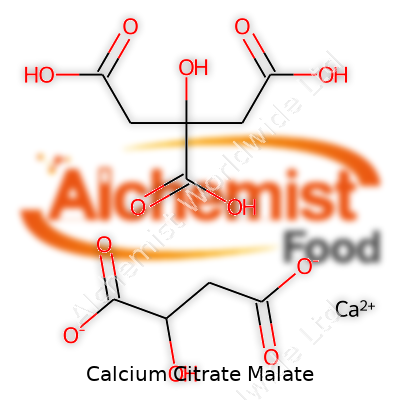
| Names | |
| Preferred IUPAC name | Calcium 2-hydroxypropane-1,2,3-tricarboxylate malate |
| Other names |
CCM Calcium Citrate Malate Complex |
| Pronunciation | /ˈkæl.si.əm ˈsɪ.træt məˈleɪt/ |
| Preferred IUPAC name | calcium 2-hydroxypropane-1,2,3-tricarboxylate malate |
| Other names |
CCM Citrate Malate of Calcium Calcium Malate Citrate Calcium Citrate Malate Complex |
| Pronunciation | /ˈkælsiəm ˈsɪtreɪt məˈleɪt/ |
| Identifiers | |
| CAS Number | 142606-53-9 |
| Beilstein Reference | 3935020 |
| ChEBI | CHEBI:131379 |
| ChEMBL | CHEMBL1201758 |
| ChemSpider | 20641554 |
| DrugBank | DB11093 |
| ECHA InfoCard | 03a67eaf-ffba-3f8a-8744-fdac6b3a6c7a |
| EC Number | E333 |
| Gmelin Reference | 412870 |
| KEGG | C07704 |
| MeSH | D018877 |
| PubChem CID | 16212360 |
| RTECS number | WK5570000 |
| UNII | 19M7CF5V8S |
| UN number | Not assigned |
| CAS Number | 142606-53-9 |
| Beilstein Reference | 3583491 |
| ChEBI | CHEBI:85931 |
| ChEMBL | CHEMBL2108760 |
| ChemSpider | 21541912 |
| DrugBank | DB11093 |
| ECHA InfoCard | 18c37299-d7d1-4e65-9e7a-f288b5b2aefe |
| EC Number | E333 |
| Gmelin Reference | 796236 |
| KEGG | C18302 |
| MeSH | D018146 |
| PubChem CID | 16211054 |
| RTECS number | RR0725000 |
| UNII | J6SW16NQHS |
| UN number | UN number does not exist |
| Properties | |
| Chemical formula | Ca₆C₁₂H₁₀O₁₄ |
| Molar mass | 570.5 g/mol |
| Appearance | White to off-white crystalline powder |
| Odor | Odorless |
| Density | 0.80 g/cm³ |
| Solubility in water | Soluble in water |
| log P | -1.64 |
| Acidity (pKa) | 3.5 |
| Basicity (pKb) | 6.4 |
| Magnetic susceptibility (χ) | Diamagnetic |
| Dipole moment | 0 D |
| Chemical formula | Ca₆C₁₂H₁₀O₁₄ |
| Molar mass | 498.43 g/mol |
| Appearance | White to off-white, fine, tasteless, odorless powder |
| Odor | Odorless |
| Density | 0.80 g/cm³ |
| Solubility in water | Soluble in water |
| log P | -1.0 |
| Vapor pressure | Negligible |
| Acidity (pKa) | 3.5 – 4.8 |
| Basicity (pKb) | 6.0 |
| Magnetic susceptibility (χ) | Diamagnetic |
| Viscosity | Viscous liquid |
| Dipole moment | 0 D |
| Thermochemistry | |
| Std molar entropy (S⦵298) | 287.0 J·mol⁻¹·K⁻¹ |
| Std molar entropy (S⦵298) | 439.7 J·mol⁻¹·K⁻¹ |
| Pharmacology | |
| ATC code | A12AA16 |
| ATC code | A12AA14 |
| Hazards | |
| Main hazards | May cause irritation to eyes, skin, and respiratory tract |
| GHS labelling | Not classified as hazardous according to GHS |
| Pictograms | bone-health, vegetarian, gluten-free, dietary-supplement, mineral |
| Hazard statements | Not a hazardous substance or mixture according to Regulation (EC) No. 1272/2008. |
| Precautionary statements | Keep out of reach of children. Store in a cool, dry place. Close container tightly after use. Do not use if seal is broken or missing. Consult your physician before use if pregnant, nursing, taking medication, or have a medical condition. |
| NFPA 704 (fire diamond) | 1-0-0 |
| LD50 (median dose) | LD50 (median dose): 2,820 mg/kg (rat, oral) |
| NIOSH | Not listed |
| PEL (Permissible) | 1000 mg |
| REL (Recommended) | 1000 mg per day |
| Main hazards | May cause eye, skin, and respiratory irritation. |
| GHS labelling | Calcium Citrate Malate is not classified as hazardous according to Globally Harmonized System (GHS) labelling requirements. |
| Pictograms | take with food", "do not crush tablet", "store in a cool dry place |
| Signal word | Warning |
| Hazard statements | Not a hazardous substance or mixture according to the Globally Harmonized System (GHS). |
| Precautionary statements | Keep out of reach of children. If you are pregnant, nursing, taking any medications or have any medical condition, consult your doctor before use. Store in a cool, dry place. Do not use if seal is broken or missing. For dietary supplement use only. |
| NFPA 704 (fire diamond) | 1-0-0 |
| LD50 (median dose) | LD50 (median dose): "1940 mg/kg (rat, oral) |
| NIOSH | Not Listed |
| PEL (Permissible) | Not more than 100 mg/kg |
| REL (Recommended) | 600 mg per day |
| IDLH (Immediate danger) | Not established |
| Related compounds | |
| Related compounds |
Calcium Citrate Calcium Malate Calcium Carbonate Calcium Gluconate Calcium Lactate Magnesium Citrate Tricalcium Phosphate |
| Related compounds |
Calcium citrate Calcium malate Tricalcium citrate Calcium carbonate Calcium lactate |



