Calcium Ascorbate: A Full-Spectrum Look at a Modern Nutritional Ingredient
Historical Development
The story of calcium ascorbate reveals how vitamin science moved out of the dark, scurvy-ridden days into the modern age of dietary supplements. Chemists isolated pure vitamin C in the early 1930s, marking a shift that let folks supplement their diets year-round, not just through fruit in season. Over time, researchers realized ascorbic acid could upset sensitive stomachs. They looked for better delivery forms. Combining ascorbic acid with minerals like calcium helped, leading to the development of calcium ascorbate in the 1960s. This compound offered improved taste, lower acidity, and extra dietary calcium. Companies embraced it not out of trendiness, but because consumers wanted something that solved real discomfort with classic vitamin C. It’s kept its place partly because it genuinely works: less sour, less irritating, more palatable for everyday routines.
Product Overview
Calcium ascorbate goes in a lot of multivitamins these days. It’s basically a buffered vitamin C where each molecule of ascorbic acid is matched up with a calcium ion. This bond makes it easier to take, especially for folks with stomach trouble from plain vitamin C. Its reputation among supplement makers rests on a few key features: it won’t sour a kid’s chewable tablet, it cruises through the digestive tract without as much burn, and it adds a little extra calcium to the formula. People often see it in powders, capsules, and food fortification because it dissolves well and has a mild taste. The label "Ester C" pops up, but not all products use this trademarked name.
Physical & Chemical Properties
Look at calcium ascorbate and you get a white or almost white powder. It absorbs water from the air if you leave the container open, though less so than pure ascorbic acid. It dissolves better in water than calcium carbonate, but never fully clears like ascorbic acid alone. It holds together in heat below 200 °C, which works for most food and supplement processes. In terms of reactivity, it shows antioxidant properties you’d expect from vitamin C, but the buffering and calcium ion temper some reactions with acids or bases. Its molecular structure lines up a calcium ion with two molecules of ascorbate, so its weight per dose is higher than straight vitamin C. For anyone formulating multi-nutrient blends, this helps with compatibility and taste.
Technical Specifications & Labeling
Regulators set specifications based on purity and potency. U.S. Pharmacopeia calls for a calcium content of around 9-10.5% and a vitamin C content above 77%. You’ll spot these standards in supply contracts for big nutrition brands. Labels require the percent daily value for both vitamin C and calcium, but formulas sometimes shortchange one or the other, so reading both numbers tells the full story. On ingredient lists, manufacturers can call it “calcium ascorbate,” “calcium salt of ascorbic acid,” or use a code like E302 in Europe. Products with claims about “gentle vitamin C” or “non-acidic” almost always rely on this compound. Anyone who reads labels closely can spot the source of vitamin C by looking for these terms.
Preparation Method
Producers synthesize calcium ascorbate by reacting ascorbic acid with calcium carbonate or calcium hydroxide in purified water. The process runs in stainless tanks under low heat to avoid breaking down the vitamin. The solution forms a crystalline precipitate, which is filtered, dried, and milled into powder. Quality control tests every batch for purity, vitamin C content, and calcium level. Some companies scale up with spray drying, which drops costs while protecting quality. This method makes a white, free-flowing powder suited for blending into everything from chewable tablets to drink mixes.
Chemical Reactions & Modifications
Chemically, once you bond ascorbic acid with calcium, you’ve got a much more stable molecule than plain ascorbic acid alone. The special form resists oxidation in open air and light, holding up longer in warehouses and store shelves. Adding other minerals like magnesium or zinc during production changes taste and solubility, letting food techs tweak texture and nutritional content. If you subject calcium ascorbate to acidic solutions or extreme heat, it eventually breaks down to regular ascorbic acid and calcium salts. In the stomach, it also separates into its parts and absorbs mostly like vitamin C does on its own, though the calcium then follows its own intestinal absorption path.
Synonyms & Product Names
Calcium ascorbate might show up under different names across markets and brands. On U.S. nutrition facts panels, you’ll often just see “calcium ascorbate.” In European ingredient lists, “E302” identifies it as part of the suite of approved food antioxidants. The supplement aisle calls it “buffered C,” “gentle vitamin C,” and sometimes “Calcium Salt of Vitamin C.” Patented brands stamp it as “Ester-C®,” but not every tablet bearing that phrase contains true calcium ascorbate without other vitamin C metabolites. Good practice suggests looking for sources with third-party testing to check for authenticity, since some cheaper capsules in global markets cut corners.
Safety & Operational Standards
Decades of supplement use show calcium ascorbate to be a low-risk dietary ingredient for almost everyone except those with rare calcium metabolism disorders or advanced kidney stone risk. FDA and EFSA both approve its use as a food additive, and production facilities need to follow good manufacturing practice (GMP) to avoid contamination or inconsistent potency. Most negative effects trace to massive doses of vitamin C, not the calcium itself. The addition of calcium can help those watching acidity, but anyone on a restricted calcium diet for medical reasons should run their choice by a doctor. Occupational safety applies during mixing and milling: staff need dust masks in big plants, but routine handling of finished tablets carries little risk for warehouse or store workers.
Application Area
You’ll spot calcium ascorbate in dietary supplements, fortified juices, breakfast cereals, meal replacement shakes, and even in baked goods. Its reduced acidity and extra calcium make it a good pick for folks with sensitive stomachs or for older adults trying to dodge osteoporosis. The pet food industry borrows it to extend nutrition shelf-life, and it shows up in livestock feed to promote animal health. In the restaurant supply chain, it can keep fresh-cut produce from browning. For sports nutrition, makers add it to electrolyte formulas since it delivers both antioxidant action and mineral content. This versatility pushed calcium ascorbate well beyond basic pharmacy shelves into all kinds of consumer and industrial products.
Research & Development
Labs worldwide keep tabs on calcium ascorbate’s performance versus plain ascorbic acid, testing everything from solubility in complex blends to its long-term storage stability in real-world conditions. Consumer focus panels often relay feedback about stomach comfort and taste, both of which drive ongoing improvements in particle size and blending agents. The search for synergistic combinations—pairing calcium ascorbate with plant polyphenols, for instance—attracts research dollars from firms looking for new health claims. Analysts validate identity and purity using HPLC and spectrophotometry. Some pilot projects adapt the production process for greener chemistry, cutting the environmental load by recycling water and solvents.
Toxicity Research
Toxicologists ran rodent studies and human case reviews to judge the safety of calcium ascorbate. Most studies show little difference in vitamin C blood levels when compared to plain ascorbic acid, suggesting the body handles them about the same. Researchers flag possible risks for stone formation in those predisposed, but ordinary users rarely see negative outcomes even with regular daily doses above 1000 mg. European and North American food safety authorities analyzed decades of data, and both keep this compound on their “safe as used” lists, provided people stay within recommended vitamin C and calcium intakes. Rare allergic reactions to ascorbates come up now and then, almost always from impurity in low-grade raw ingredients.
Future Prospects
Market watchers see calcium ascorbate sticking around for quite a while. More people want less acidic supplements as digestive health concerns rise, and demand for plant-based, allergen-free, and gluten-free options increases year on year. Calcium ascorbate fits that bill, since synthetic vitamin C starts from glucose and doesn’t depend on animal ingredients or allergens. As the planet ages and people live longer, there’s a case for broader use in elderly nutrition programs—vitamin C and calcium both matter for bone and immune health as people hit advanced years. Ongoing reformulation in the nutrition sector gives this ingredient a steady market, and new delivery forms like functional gummies or powdered drink sticks keep things fresh for young adults. Researchers keep tinkering with new chelates and blends to further improve stability, bioavailability, and flavor. As consumers get savvier about label claims and clinical backing, industry innovation will keep pushing standards up, nudging out cheaper and less effective forms.
What are the health benefits of Calcium Ascorbate?
What Sets Calcium Ascorbate Apart?
Lots of folks chase vitamins that promise to boost daily nutrition. Calcium ascorbate stands out for its combo power: it brings together vitamin C and calcium in one molecule. I’ve seen people think about supplements as a last resort, but this one has a real story beyond marketing.
Not everyone likes the sour taste or acid burn from plain ascorbic acid (standard vitamin C). Calcium ascorbate’s less acidic form goes easier on the stomach. For anyone with sensitive digestion or older adults with delicate guts, this gentle going can make a serious difference. I’ve watched family members switch to it after struggling with regular vitamin C powders, and stomach upset faded fast.
What It Delivers to the Body
Both vitamin C and calcium support jobs the body runs every single day. Vitamin C lets the immune system fire on all cylinders—white blood cells work better at fighting off sneaky bugs, and cuts close faster. Diets without much variety often fall short on fresh fruits and veggies, especially during winter months. For those times, calcium ascorbate can help fill the gap and keep defenses strong.
The bonus in calcium ascorbate is the extra calcium. Not just for bones—although bone support is real and badly needed in aging populations. Joints, muscle contractions, and even nerve signaling ride on steady calcium intake. Growing up in a home where osteoporosis ran in the family, I saw firsthand how hard it can be to keep bones strong. Getting a bit more calcium from a source you’d already use for vitamin C seems like smart planning.
Real-Life Benefits and Solid Science
Several studies highlight the bioavailability of this supplement. Some research shows calcium ascorbate absorbs well, and the body takes up vitamin C from it just as efficiently as from plain ascorbic acid. No need to worry about losing benefits because it isn’t straight up vitamin C. The lower acid strength also means less tooth erosion for folks who down chewables or powders daily.
Stress, big city living, air pollution—all can drain vitamin C levels. Athletes or those who exercise often demand more from their bodies, and immune response can take a hit if vitamins run low. I’ve seen competitive runners swear by buffered vitamin C in their post-workout shakes. Less soreness, faster recovery, fewer sick days. That’s more than just a feel-good story—it matters for quality of life.
Smart Use and Advice from Healthcare Pros
No single supplement fixes every health issue, yet calcium ascorbate can round out a balanced eating plan. Nutritionists often say real food comes first, but risers at dawn or parents juggling three jobs know diet doesn’t always cover it. Having access to a supplement mild on the stomach, with no harsh aftertaste or stomach pain, builds trust over flashy promises.
Anyone considering calcium ascorbate should check with a professional before adding it, especially kids, pregnant women, or people with kidney problems. Kidney stones have been linked to too much calcium, so a mindful approach helps. Look for products that disclose exact ingredients and dosing clearly. Checking that bottles list trusted certifications, like USP or NSF, prevents nasty surprises or low-quality fillers sneaking in.
Paths Forward
Interest in calcium ascorbate keeps growing as more people dig into food science and practical wellness. Instead of hopping on every health trend, it pays to lean toward nutrient forms with a real edge—whether for daily immune protection, gentler digestion, or a little boost to bone strength. Taking charge of health feels easier with supplements based on reliable research and day-to-day practicality.
Is Calcium Ascorbate safe for daily use?
Understanding Calcium Ascorbate
Calcium ascorbate shows up in the world of supplements as a form of vitamin C. It pairs the well-known ascorbic acid with calcium, making a compound that’s gentle on the stomach and provides a bit of the essential mineral along with a daily dose of vitamin C. A lot of people look at this type of supplement because they hope to avoid the acidity of regular vitamin C tablets.
Looking at Daily Safety
The plain truth is that most studies point to moderate intake as safe for most healthy adults. Health authorities like the U.S. Food and Drug Administration tend to tag vitamin C as “generally recognized as safe.” For calcium, the daily upper limit usually stands at about 2,500 mg for adults. Exceeding that raises chances of kidney stones, constipation, or other health issues.
Vitamin C itself bears an upper limit recommendation of about 2,000 mg per day. Calcium ascorbate combines both, so the amount in a standard supplement rarely even nears the edge for most folks. Most products sell in doses well below that ceiling.
Potential Benefits and Real-World Experience
I have seen many people add calcium ascorbate to their daily routine in hopes of getting the immune support of vitamin C without the sour aftertaste or upset stomach that sometimes comes from ascorbic acid alone. It works well for those who struggle with heartburn or sensitivity to acidic foods. The addition of calcium is pretty modest but counts a bit toward daily needs—something east coasters like me notice especially in winter, when diets can get a little less diverse.
Scientific backing for vitamin C in supporting immune health is strong, though it does not stop colds entirely. The main benefit lies in reducing duration and severity, not making people “bulletproof” against getting sick. That keeps expectations realistic.
Possible Drawbacks and Interactions
No one wants more calcium than the body calls for. Taking high doses for a long time creates a risk of kidney stones and disrupts the balance with other important minerals. Anyone with a history of kidney trouble, those taking diuretics, or people already on high-calcium diets should talk with a healthcare provider before going wild with supplements.
Interactions can sneak up, too. For example, vitamin C makes iron easier for the body to absorb, which gives an edge to people with low iron but might push iron levels too high in others. Some medications need extra space from vitamin or mineral supplements, which doctors and pharmacists can help clarify.
Quality Counts
Like with any supplement, quality varies. Reputable brands do third-party testing and disclose sourcing information. Labels should make clear exactly how much vitamin C and calcium come in each serving—no one wants mystery ingredients with their morning coffee. Avoiding sketchy internet vendors means a safer daily routine.
Ideas for Wise Use
Building a healthy diet shows stronger returns than popping pills. Citrus fruits, leafy greens, dairy or fortified dairy alternatives can deliver both nutrients. Supplements step in to fill gaps, not to serve as a crutch for weeks on end unless a doctor gives the green light.
Reliable health advice comes from licensed dietitians, doctors, and thorough, peer-reviewed studies. The smart move: start low, track how you feel, and pay attention to changes over time, making sure to check with a professional if anything feels off. A transparent, informed approach keeps daily routines safe and effective.
How does Calcium Ascorbate differ from regular Vitamin C?
Understanding the Basics
Walking down the supplement aisle, two bottles often grab my attention: regular Vitamin C and Calcium Ascorbate. Both promise immune support and overall wellness. I remember the confusion the first time I reached for “Vitamin C” and saw different names and forms side by side. At a glance, they seem similar. Looking closer, the differences matter, especially for those with sensitive stomachs or concerns about calcium intake.
What Sets Calcium Ascorbate Apart?
Regular Vitamin C goes by the name ascorbic acid. You’ll recognize it in oranges, berries, and many chewables stacked in pharmacies. The acid version can bother people with heartburn or sensitive stomach linings. I know a few folks, myself included, who’ve felt that unmistakable burn after chasing down a bright orange pill, especially on an empty stomach.
Calcium Ascorbate changes the game. It combines ascorbic acid with calcium carbonate, resulting in a buffered form of vitamin C. This makes it gentler on digestion. The body still gets the ascorbic acid but without the sharp acidity.
Why Digestive Comfort Matters
I find that a lot of discussions around vitamin C miss an important point: not everyone tolerates every form the same way. People dealing with acid reflux, gastritis, or recovering from certain surgeries often face discomfort swallowing standard vitamin C. Buffering with calcium makes a significant difference for them. Studies suggest this form causes less gastric upset, making it a friendly option for daily use, particularly in people prone to stomach irritation.
Calcium as a Plus or a Minus?
Calcium ascorbate doesn’t give just vitamin C—it delivers a dose of calcium too. If someone is watching calcium intake, this comes as a bonus. Dairy-free eaters and individuals avoiding lactose often struggle to hit recommended calcium targets; calcium ascorbate can be a way to close that gap. On the other hand, too much calcium can be a problem, especially for people prone to kidney stones or with certain metabolic conditions. No supplement works in isolation; it’s smart to glance at your total daily calcium tally across all sources.
Looking at Absorption and Health Effects
The body absorbs ascorbic acid and calcium ascorbate similarly. Both provide antioxidant effects and support processes like collagen synthesis, iron absorption, and immune function. There’s no evidence that one vastly outperforms the other in these roles. From my own reading and experience, the choice boils down to comfort, convenience, and sometimes price.
Navigating the Choice in Real Life
For people without digestive issues or concerns about extra calcium, plain ascorbic acid usually suffices. It tends to cost less and delivers high doses easily. For those with sensitive digestion, calcium ascorbate offers peace of mind and less stomach drama. I’ve found that individuals looking for a gentler option often stick with calcium ascorbate for the long haul. The form you settle on should reflect your health status and daily diet.
Tips For a Balanced Approach
Check food diaries before adding any supplement. Talk to a healthcare professional rather than going it alone, especially if you juggle multiple health challenges. No vitamin solves every problem, but making choices that match your body feels like a small way to take back control of your wellbeing.
What is the recommended dosage of Calcium Ascorbate?
Understanding the Dosage Question
Most folks glance at vitamin supplements and decide, “More must be better.” That idea doesn’t always fit with calcium ascorbate—the buffered, less acidic form of vitamin C. This supplement gets used for boosting immune health, supporting bones, and often to soften vitamin C’s punch on sensitive stomachs. But knowing how much to take turns out to be more than just reading a label; it draws on real science and what actually works for people in daily life.
What the Science Says About Dosage
Doctors and dietitians point to the Recommended Dietary Allowance (RDA) for vitamin C: 90 mg daily for men, 75 mg for women. Pregnant or breastfeeding women need more, usually around 85-120 mg a day. Calcium ascorbate delivers both vitamin C and calcium, so at typical strengths (roughly 900 mg calcium ascorbate gives 745 mg vitamin C and 105 mg calcium), taking one tablet may cover the average daily goal for most adults.
For many people, especially those eating fruits and vegetables each day, extra isn’t strictly necessary. But if you’ve got higher needs—maybe you smoke, have a condition that drains vitamin C, or face a shortfall in your diet—a slightly higher dose can help.
Real Risks of Taking Too Much
Health experts have set upper limits because excess vitamin C does affect the body. Regularly taking over 2,000 mg per day can lead to cramps, nausea, and kidney stone risk. Calcium also has a ceiling: more than 2,500 mg daily from all sources sometimes leads to kidney issues or disrupts how other minerals work in the body. Blasting past these numbers isn’t just pointless—it could cause real harm. Most daily doses on trusted shelves keep things below these levels, but some high-potency products can be tempting.
Quality, Bioavailability, and Personal Health
Calcium ascorbate’s gentle approach protects the stomach, unlike ascorbic acid. Some folks who struggle with acid reflux or stomach ulcers find buffered forms less harsh, so they stick with their regimen. The body absorbs vitamin C from calcium ascorbate efficiently, so there’s not much difference in effect compared to basic ascorbic acid, outside the gentler impact.
The catch comes with self-prescribing. People with kidney disease, iron disorders, or certain heart issues need extra care. Too much calcium or vitamin C in these cases throws a wrench into long-term health. A conversation with a real healthcare provider means you’re not guessing based on anecdotes from the web.
How to Choose and Use
Always check the label for vitamin C and calcium amounts per tablet. Going through personal experience, I saw people jump to megadoses during flu seasons, but the science keeps coming back to moderation. You can’t “supercharge” immunity beyond what’s healthy, and our bodies flush out what we don’t need. If daily fruit and veg intake stays reasonable, one tablet (providing 500-1,000 mg vitamin C) covers most needs without pushing into risky territory. Those with special conditions—on medications, pregnant, elderly, or with unique medical histories—get the safest results when their healthcare provider is in the loop.
Balance always wins out. Find a product from a reputable company. Focus on steady, not excessive amounts. Real health rarely rewards shortcuts.
Are there any side effects or interactions with Calcium Ascorbate?
A Look at a Common Supplement
Vitamin C shows up on shelves in endless forms, from tangy chewables to effervescent powders. Calcium ascorbate, a buffered option, blends vitamin C with a dose of calcium. This combination lessens the acidity, making it easier on the stomach, especially for those who struggle with standard ascorbic acid. Plenty of folks turn to this gentle version for immune support and building healthy bones. Still, that friendly exterior doesn’t mean it gets a completely free pass. Like any supplement, it comes with a few caveats.
Not for Everyone: Risks of Too Much Calcium or Vitamin C
People often chase the idea that more is better, but that rarely works with supplements. Too much calcium can add up over time, especially for those also drinking fortified plant milks, eating dairy, or taking antacids. Kidney stones can become a real threat if those calcium levels climb too high, particularly in those prone to stones already. Vitamin C, on the other hand, can create digestive trouble at high doses — bloating, cramps, and an unwelcome race to the bathroom.
A person with chronic kidney problems should stay cautious. The body may not handle the extra calcium and vitamin C well, and that puts kidneys under more strain. I’ve crossed paths with folks who figured they could fix their low energy with megadoses of supplements. The result often wasn’t clarity or pep, but nausea, mild headaches, or irregular digestion. These aren’t rare reports. Some large studies suggest more than 2,000 mg of vitamin C a day cannot be recommended safely. Most adults need under half that.
Mixing Calcium Ascorbate with Other Medications
Supplements rarely exist alone. Many people juggle multiple prescriptions, and that changes the picture. Calcium can upset the body’s ability to absorb thyroid medications, bisphosphonates used for osteoporosis, or certain antibiotics. Taking these at the same time may actually make the medicine less useful. On the other side, vitamin C can play with how blood thinners like warfarin do their job. Even small shifts might matter for someone carefully balancing their dose after a heart event.
People managing chronic conditions, especially those dealing with heart, kidney, or bone issues, should check with their care team before adding new supplements. Some interactions show up over weeks or months, not right away. Registered dietitians remind clients that “natural” doesn’t equal harmless and that supplements don’t always play fair with prescription drugs.
Smart Supplement Use: A Few Guidelines
No amount of supplement knowledge tops a steady relationship with a trusted healthcare provider. Blood tests and honest conversations about other pills, health history, and what lands on your plate each day matter. Trusted sources like the National Institutes of Health and Mayo Clinic suggest most balanced diets give enough vitamin C and calcium. For those at risk for osteoporosis or vitamin C shortfall, supplements help fill the gaps, but less often beats more.
Strong evidence supports getting nutrients mostly through food. Citrus, peppers, greens, and dairy carry benefits beyond their isolated parts. Calcium ascorbate might be easier on the stomach, but overdoing it can cancel out those perks. Everyone wants to feel in control and boost wellness. A few targeted questions for a medical pro and a glance at updated research cut through supplement confusion better than blind trust in a label or a trending wellness reel.
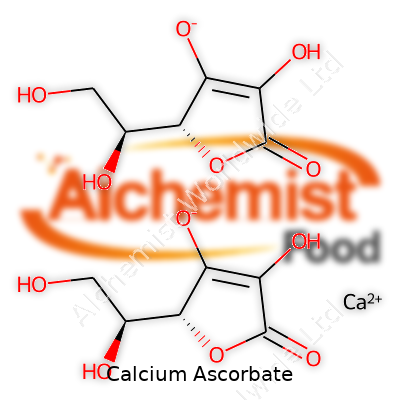
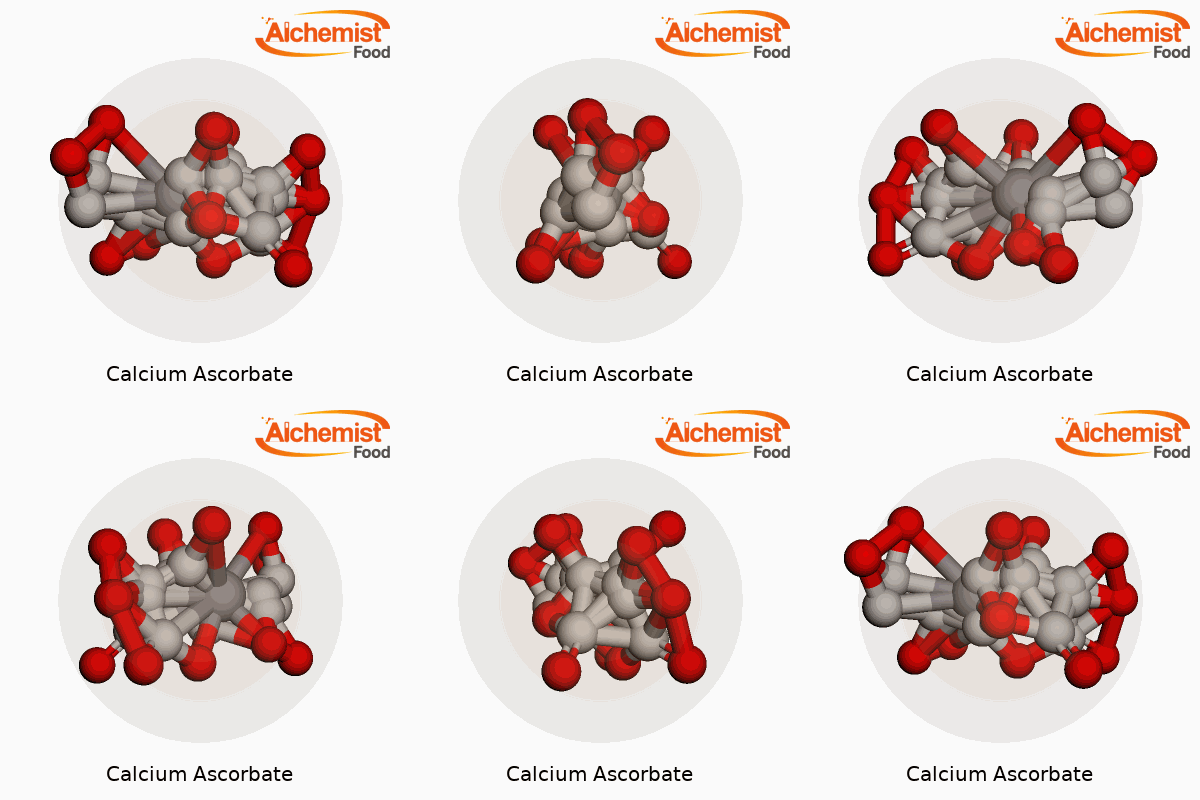
| Names | |
| Preferred IUPAC name | calcium (2R)-2-[(1S)-1,2-dihydroxyethyl]-3,4-dihydroxy-2H-furan-5-carboxylate |
| Other names |
Calcium ascorbate dihydrate Calcium L-ascorbate E302 |
| Pronunciation | /ˈkæl.si.əm əˈskɔːr.beɪt/ |
| Preferred IUPAC name | calcium (2R)-2-[(1S)-1,2-dihydroxyethyl]-4-hydroxy-5-oxo-2,5-dihydrofuran-3-olate |
| Other names |
Ester-C Calcium Ascorbate Vitamin C Ascorbic Acid Calcium Salt Buffered Vitamin C Calcium diascorbate |
| Pronunciation | /ˈkælsiəm əˈskɔːrbeɪt/ |
| Identifiers | |
| CAS Number | 5743-28-2 |
| 3D model (JSmol) | 3D model (JSmol): C(C(=O)O)C(C(=O)O)(CO)O.[Ca+2] |
| Beilstein Reference | 3568681 |
| ChEBI | CHEBI:31345 |
| ChEMBL | CHEMBL1201544 |
| ChemSpider | 156540 |
| DrugBank | DB11093 |
| ECHA InfoCard | 04f7e823-3ab1-414e-8e8e-43ffe6edb0dd |
| EC Number | EC 220-971-6 |
| Gmelin Reference | 107652 |
| KEGG | C01327 |
| MeSH | D014159 |
| PubChem CID | 56844145 |
| RTECS number | FF9285000 |
| UNII | JN5Z7B8A7M |
| UN number | UN3077 |
| CAS Number | 5743-28-2 |
| Beilstein Reference | 3590681 |
| ChEBI | CHEBI:31343 |
| ChEMBL | CHEMBL1203613 |
| ChemSpider | 83710 |
| DrugBank | DB11092 |
| ECHA InfoCard | 18d3fae8-a5d2-4558-aa8b-7e3f2fb336a5 |
| EC Number | EC 3.2.1.14 |
| Gmelin Reference | 'Gmelin Reference: 83338' |
| KEGG | C01721 |
| MeSH | D017376 |
| PubChem CID | 56844191 |
| RTECS number | AJ8890000 |
| UNII | QHL3704VCU |
| UN number | UN3077 |
| Properties | |
| Chemical formula | C12H14CaO12 |
| Molar mass | 390.31 g/mol |
| Appearance | White to pale yellow crystalline powder. |
| Odor | Odorless |
| Density | 1.8 g/cm³ |
| Solubility in water | Soluble in water |
| log P | -2.0 |
| Acidity (pKa) | ~4.2 |
| Basicity (pKb) | 8.2 |
| Magnetic susceptibility (χ) | 'Magnetic susceptibility (χ) of Calcium Ascorbate: -9.04 × 10⁻⁶ cm³/mol' |
| Refractive index (nD) | 1.62 |
| Dipole moment | 0.00 D |
| Chemical formula | C12H14CaO12 |
| Molar mass | 390.31 g/mol |
| Appearance | White to slightly yellowish crystalline powder. |
| Odor | Odorless |
| Density | 1.8 g/cm³ |
| Solubility in water | Soluble in water |
| log P | −2.8 |
| Acidity (pKa) | 6.2 |
| Basicity (pKb) | 8.0 |
| Magnetic susceptibility (χ) | -7.2×10⁻⁶ |
| Refractive index (nD) | 1.62 |
| Dipole moment | 0.0 D |
| Thermochemistry | |
| Std molar entropy (S⦵298) | 437.6 J⋅mol⁻¹⋅K⁻¹ |
| Std molar entropy (S⦵298) | 437.1 J·mol⁻¹·K⁻¹ |
| Std enthalpy of formation (ΔfH⦵298) | -1816.7 kJ·mol⁻¹ |
| Pharmacology | |
| ATC code | A11GA04 |
| ATC code | A11GA04 |
| Hazards | |
| Main hazards | May cause eye, skin, and respiratory irritation. |
| GHS labelling | GHS07, Warning, H319 |
| Pictograms | GHS07 |
| Signal word | Warning |
| Hazard statements | Calcium Ascorbate is not classified as hazardous according to GHS. |
| Precautionary statements | Store in a cool, dry place. Keep container tightly closed. Avoid contact with eyes, skin, and clothing. Wash thoroughly after handling. Use with adequate ventilation. |
| NFPA 704 (fire diamond) | 1-0-0 |
| Explosive limits | Not explosive |
| Lethal dose or concentration | LD50 (oral, rat): > 5,000 mg/kg |
| LD50 (median dose) | LD50 (median dose) of Calcium Ascorbate: "> 5,000 mg/kg (oral, rat) |
| NIOSH | SC296 |
| PEL (Permissible) | 10 mg/m³ |
| REL (Recommended) | 1000 mg |
| IDLH (Immediate danger) | No IDLH established |
| Main hazards | May cause eye, skin, and respiratory tract irritation. |
| GHS labelling | GHS07 |
| Pictograms | GHS07 |
| Signal word | No Signal Word |
| Hazard statements | Non-hazardous according to GHS classification |
| Precautionary statements | Precautionary statements: "If medical advice is needed, have product container or label at hand. Keep out of reach of children. Read label before use. |
| NFPA 704 (fire diamond) | 1-0-0 |
| Lethal dose or concentration | LD50 (oral, rat): 11,900 mg/kg |
| LD50 (median dose) | LD50 (median dose): 18,000 mg/kg (oral, rat) |
| NIOSH | SC378 |
| PEL (Permissible) | 10 mg/m³ |
| REL (Recommended) | 1000 mg |
| IDLH (Immediate danger) | Not listed |
| Related compounds | |
| Related compounds |
Ascorbic acid Sodium ascorbate Potassium ascorbate Magnesium ascorbate Calcium chloride |
| Related compounds |
Calcium ascorbate-2-phosphate Magnesium ascorbate Sodium ascorbate Ascorbic acid |



