Caffeine: A Deep Dive from Origins to Future
Historical Development
Most folks recognize caffeine as a daily pick-me-up, thanks to coffee, tea, soft drinks, and energy beverages lining every grocery aisle. Hundreds of years before packaged sodas and instant coffee, ancient civilizations already prized the effects found in naturally caffeinated plants. Stories trace the discovery of coffee to Ethiopian goat herders who noticed their animals’ strange bursts of energy after chewing red coffee berries. Meanwhile, powdered tea rituals spread from China through Asia, and cacao beans traveled from the Americas, carrying new dynamism across the globe. As global trading networks grew and colonial enterprises spread, caffeine-rich goods like coffee and tea became both a staple in nation-building and a centerpiece of social culture. From the Ottoman coffeehouses where legends brewed and political revolutions bubbled, down to the English afternoon tea tables, caffeine didn’t just wake people up; it shaped histories, economies, and even political systems.
Product Overview
Caffeine pops up everywhere: brewed in your morning mug, floating in a can of soda, whirring through energy drinks, built into sports supplements, gummy candy, weight-loss pills, and even in some pharmaceutical painkillers. Manufacturers extract and purify caffeine mainly from coffee beans, tea leaves, and guarana berries, though synthetic caffeine now covers much of what fills commercial sodas and tablets. Pharmaceutical-grade caffeine comes in powder or crystalline form, sharply bitter, colorless or white, mixing readily with liquids. The stuff turns up in everything from branded colas to alertness gum, processed in large-scale facilities under careful monitoring. Unlike most flavorings or food additives, caffeine’s value doesn’t just lie in taste; it’s prized for its psychoactive effects that fuel alertness, focus, and endurance.
Physical & Chemical Properties
Pure caffeine crystals shimmer white, brittle, and almost odorless, packing a punch in their chemical simplicity. Its formula, C8H10N4O2, might look small, but it carries plenty of character. Caffeine's melting point sits around 238°C, rarely reached outside the lab or industrial vats. It dissolves pretty easily in boiling water, not so much in cool liquids, explaining why hot coffee or tea delivers such a strong jolt. In terms of molecular structure, it belongs to the class of alkaloids, similar to nicotine or morphine, sharing a backbone that can tweak nervous systems. This structure helps caffeine sneak across the blood-brain barrier, blocking sleepy signals and firing up alertness. It stays stable in dry conditions but can degrade with prolonged exposure to air or light, so proper storage keeps it potent—one reason why tightly sealed packaging matters to ingredient buyers and manufacturers.
Technical Specifications & Labeling
Caffeine’s used in pharmaceuticals and the food industry, so its specifications go beyond casual expectations. Pharmaceutical-grade powder must demonstrate high purity, often above 99%, with minimal residual solvents and consistent particle size. Most food additives or energy drink formulations require detailed chemical analysis using chromatography and mass spectrometry methods to confirm content and purity. On product labels, regulations demand both concentration and total content, especially for caffeinated beverages and supplements. The FDA and European guidelines dictate upper limits: for instance, sodas can’t legally exceed 71 mg of caffeine per 12 ounces in the U.S., while over-the-counter caffeine pills specify dose limits per serving. Supplements almost always need warning labels about usage, potential health effects, and contraindications for youth or people sensitive to stimulants, reflecting growing concern about accidental overconsumption.
Preparation Method
Original extraction methods for caffeine looked more like primitive kitchen chemistry, soaking beans or leaves in water or alcohol and then evaporating the liquid. Modern processes have stepped up their game. Most caffeine for industrial use comes from two main sources: decaffeination of coffee beans or tea leaves, or complete chemical synthesis. In the natural process, beans soak in supercritical CO2 or organic solvents—fancy talk for high-tech soaking and rinsing bands that strip beans of their buzz and gather the caffeine for reuse. Chemists also build caffeine from simple molecules like urea and dimethylurea, piecing together the structure step by step inside big reactors. The result: shelf-stable, pure crystalline caffeine, ready for anything from pharmaceuticals to eye cream.
Chemical Reactions & Modifications
Caffeine itself stays fairly inert and stable under normal conditions, which serves its role well in foods and medicines. If you really go after it in the lab, you can make modifications—methylate it for derivatives used in medicine, break it down into simpler xanthines or derivatize it for analytical use. In the body, enzymes attack caffeine, trimming down its structure into metabolites like paraxanthine, theobromine, and theophylline. These breakdown products account for much of the longer-lasting stimulant effect, and researchers monitor these transformations to better understand how caffeine affects blood pressure, heart rate, and even anxiety. Some companies pursue caffeine derivatives, hoping for stimulant effects with different safety or absorption profiles, but most applications stick to the parent molecule due to its reliable performance.
Synonyms & Product Names
Almost every language, culture, and market knows caffeine by one name or another. In pharmaceutical texts, it may also be called 1,3,7-trimethylxanthine or methyltheobromine. Coffee labels sometimes spell it out as "guaranine" when sourced from guarana, or "mateine" when talking about yerba mate. Brands do everything from straight-up "Caffeine" to playful or suggestive names: "Buzz," "Energy Shot," or "Focus Formula." Ingredient panels might list it as "natural caffeine," "anhydrous caffeine," or "caffeine citrate" in medicines meant for specific delivery. These many names make transparency and clear labeling extra important, especially as new supplements or niche energy drinks crowd the market and attract younger consumers.
Safety & Operational Standards
Caffeine used in medicines and foods follows strict safety standards set by health authorities worldwide. Manufacturers run every batch through quality tests for purity, absence of contaminants, and the right particle structure for blending and absorption. In a supplement factory, dust control and worker training hold top priority, since inhaled caffeine powder can trigger heart palpitations or irritate mucous membranes. Plant managers keep emergency medical resources on hand and enforce personal protection guidelines to manage spills or accidental exposure. Quality control teams regularly send samples to third-party labs for verification, reducing counterfeit risks and protecting consumers. Regulatory agencies like the FDA, EMA, and China’s National Medical Products Administration periodically update guidance, responding to stories about hospitalizations linked to high-dose supplements or accidental overdoses in teens.
Application Area
Caffeine reaches well beyond the morning ritual, including in sports nutrition, mental performance, medical therapy, and cosmetics. Endurance athletes use it in dosage-specific gels and tablets during events, counting on its documented boost to both mental focus and muscle output. Over-the-counter painkillers rely on caffeine to sharpen the pain-relieving effect of other ingredients, while cold remedies add small doses to counteract drowsiness. Some skincare brands blend caffeine into creams and eye serums, banking on its mild vasoconstrictive properties to reduce swelling or puffiness. Culturally, coffee shops and tea bars capture the ongoing social pull of caffeine, fueling conversations, work marathons, and study nights worldwide. National military teams have even studied caffeine’s impact on alertness during overnight missions, cementing its role as a trusted cognitive enhancer in stressful environments.
Research & Development
Research labs study caffeine from dozens of angles at any given time, including biochemistry, nutrition, medicine, and even psychology. Scientists map every step of its metabolism, trying to understand why people react so differently—some can drink a pot of coffee and sleep like a baby, others jolt after a single cup. Geneticists pinpoint differences in liver enzymes, and nutritionists study caffeine’s ability to boost athletic performance, reaction times, and caloric burn. Behavioral researchers explore how caffeine interacts with attention, learning, and memory, especially as online learning and remote work have changed how we manage fatigue. Pharmaceutical teams seek out molecule tweaks in hopes of improving the risk/benefit ratio, while beverage makers track data on consumer trends to roll out the next matcha or guayusa-based energy shot.
Toxicity Research
Everybody knows caffeine keeps you awake—and that too much opens the door to jitters, palpitations, and even serious health risks. Toxicologists run careful dose-response tests, establishing safe upper limits for kids, teens, and adults. Adults tolerate up to 400 mg a day (about four brewed coffees), but genetic differences mean some need far less. Accidental overdoses, though rare from coffee alone, show up with pure caffeine powder or massive energy drink binges. Hospitals treat cases involving seizures, cardiac arrhythmias, and acute psychosis from doses well above those found in normal foods. Long-term studies link high intake to insomnia, digestive irritation, and increased anxiety, especially among adolescents. On a smaller scale, caffeine can harm pets; dogs and cats show signs of toxicity at much lower doses, which matters to anyone with curious animals around the house. So, regulation and clear warnings go hand in hand with product development, keeping consumers safe and informed.
Future Prospects
Caffeine keeps evolving, carried along by changing lifestyle trends, health research, and demand for personalization. The wellness industry experiments with novel delivery forms: caffeinated chewing gum, mints, water, or protein bars. Startups push the boundaries with bioengineered coffee beans, lower-caffeine options for slow metabolizers, or blends spiked with plant extracts meant to ease jitters. Researchers in precision medicine look for ways to match caffeine products to individual DNA, promising more insight for light sleepers or those prone to anxiety. Food scientists prepare for sustainability debates as global warming threatens the main crops that supply caffeine—chiefly coffee and tea. Public health officials collaborate with companies to educate consumers, especially parents and teens, about the cumulative risks of hidden caffeine in soda, snacks, and gum. Each trend and new discovery circles back to an age-old truth: caffeine brings big energy, big comfort, and big responsibility.
What are the main benefits of using Caffeine products?
Why So Many Reach for a Boost
Ask just about anyone why they reach for coffee, tea, or an energy drink, and the answer is clear: the feeling of being more awake and alert can make a huge difference, especially early in the day or mid-afternoon. Caffeine does this by blocking adenosine, a brain chemical that makes us feel tired. Anyone who’s pulled a late-night study session or juggled work and family life has felt the sharp difference a cup of coffee or strong black tea can bring. It isn’t just a subjective feeling—multiple studies, including research published in Nature Neuroscience, confirm caffeine’s direct link to increased focus and better reaction times.
Sharper Mind, Better Memory
Over the years, I’ve watched neighbors, friends, and colleagues lean into caffeine to boost mental performance on days with important meetings, exams, or long drives. There’s science behind it: caffeine can help with memory, learning, and logical reasoning. A 2014 Johns Hopkins study found that caffeine improved memory recall up to 24 hours after consumption, suggesting there is more to that morning routine than just ritual. Caffeine products like gum, tablets, or matcha powders give folks who don’t love coffee a way to tap into these same benefits. This has changed mornings for plenty of people I know who used to get by on sleepy autopilot.
Physical Advantages, Day-to-Day
Beyond mental sharpness, caffeine makes a real mark on physical performance. Athletes have used it for decades for good reason: drinking a cup of coffee before hitting the track or gym can help burn fat more quickly and allow muscles to work harder for longer. Researchers from the American College of Sports Medicine have noted improved endurance and strength in individuals who add moderate caffeine to their routines. Even if you’re not competing, getting motivated for a jog or tough hike is easier with a little extra pep.
Social Connections and Rituals
Caffeine isn’t just a solo thing. So much of modern socializing and workplace culture is built around sharing coffee breaks or enjoying tea together. These moments can break up the day, help people connect, and reduce stress. No need to overlook how something as simple as a cup of coffee can bring people together, especially in busy offices or community gatherings. That personal experience—bumping into someone at a café and having a genuine chat—can lift spirits in ways that go far beyond the chemistry in the cup.
Keeping Caffeine Sensible
Of course, too much of a good thing can cause jitters, insomnia, or racing thoughts. Health professionals like those at the Mayo Clinic recommend keeping daily intake below 400 milligrams for most adults, which equals about four cups of coffee. It’s also smart to avoid combining caffeine products with other stimulants, especially for those with a history of heart issues or anxiety. For people sensitive to caffeine, switching to green tea or decaf options can offer a gentler boost without the crash.
Smart Use for Everyday Energy
Finding the right pace with caffeine involves personal awareness and adjusting based on lifestyle needs. Listening to your own body and consulting with a healthcare provider when trying new caffeine products can help you enjoy the benefits while keeping risks in check. Caffeine definitely isn’t magic, but used wisely, it can play a positive role in focus, energy, community, and overall wellbeing.
Is Caffeine safe for daily use?
Waking Up With a Cup
Every morning, millions grab a mug of coffee before anything else. At home, at work, even during a late-night study session—caffeine isn’t just a pick-me-up. Coffee shops pepper city blocks and energy drinks crowd grocery shelves, reflecting how central caffeine has become. After decades of habit, I still reach for my own cup daily, certain that my routine depends on the ritual as much as the buzz. It’s practical, but questions about safety deserve more attention than one quick sip allows.
What Caffeine Actually Does
People call caffeine a stimulant, and there’s no denying its effects. Studies from respected health organizations, such as the Mayo Clinic, show a modest dose can improve attention, alertness, and mood. Caffeine blocks a chemical in the brain called adenosine, making tiredness slip away for a while. For many adults, the content in two to four cups of brewed coffee per day lands within recommended limits—up to 400 milligrams, based on the advice of U.S. dietary guidelines and the FDA.
Not everyone feels the same after their morning cup. Some people feel jittery or anxious. For others, caffeine can cause headaches or trigger heart palpitations, especially if they already live with heart problems. And caffeine lasts in the body for up to six hours—or even longer for some—which can throw off sleep schedules. My own habit has taught me to skip coffee after noon; otherwise, I can forget about a good night's sleep.
Risks For Certain Groups
Caffeine doesn’t play fair—it affects adults, children, and those with health conditions differently. Pregnant people, for example, should limit their intake, since research links high amounts of caffeine to pregnancy complications like low birth weight. Kids can feel the buzz even faster, sometimes getting anxious or irritable from just one can of soda. For people with anxiety disorders or acid reflux, caffeine’s stimulating properties can worsen symptoms.
Benefits That Stand Up to Scrutiny
Despite obvious drawbacks, caffeine brings some benefits that scientific studies support. For adults, moderate coffee intake has connections to lower risk of Parkinson’s disease, Type 2 diabetes, and some cancers. Antioxidants in coffee and tea add another layer of benefit. Athletes look to caffeine for an edge, because it can sharpen reaction time and reduce perceived effort during workouts.
That said, relying on caffeine to power through exhaustion can mask bigger issues, like sleep deprivation or stress. Instead of fixing those core problems, caffeine just sweeps them under the rug for a few hours. If someone drinks coffee or energy drinks to offset too little rest, the risk of forming a habit—and even dependence—grows over time.
Potential Solutions and Smarter Habits
Cutting back often starts with awareness. I always remind myself that drinking more won’t make up for sleep lost the night before. Keeping track of how much caffeine comes in through coffee, tea, energy drinks, and even chocolate helps keep total intake in check. Choosing decaf or sipping herbal teas later in the day lowers the risk of insomnia. People sensitive to caffeine or dealing with health conditions might talk with a doctor about safe levels, or even try a week without to see how their energy and mood shift.
Beverage companies rarely highlight the risks on product labels. Clearer information could support better choices, especially for teens and people at risk of health problems. Employers and schools also play a role, encouraging balance and rest rather than constant consumption.
Sticking With Balance
Through years of experimenting with coffee and tea, I’ve learned that moderation stands as the safest way forward. The buzz has its place, but so does rest, hydration, and mindful living. If the daily cup serves as a comfort more than a necessity, it’s likely part of a balanced routine. Not everybody will—nor should—consume caffeine the same way, but careful attention and honest self-reflection go a long way toward protecting health for the long haul.
Are Caffeine products suitable for all skin types?
Understanding the Buzz Around Caffeine in Skincare
Caffeine doesn’t just wake up sleepy heads—these days, it pops up in eye creams, serums, and even body scrubs. Beauty brands claim it perks up skin, fights puffiness, and helps stall some signs of aging. These claims grab attention, especially after scrolling through social feeds with before-and-after shots of scrubbed, gleaming faces. The big question persists: does caffeine actually help every skin type? Or do some folks need to skip that jolt?
Caffeine’s True Impact on Skin
Caffeine brings some perks. Topical use can reduce puffiness, mainly because caffeine is a vasoconstrictor—it helps shrink blood vessels temporarily, leading to less swelling and fewer dark circles under the eyes. Some research suggests caffeine works as an antioxidant. The American Academy of Dermatology points out that antioxidants help defend skin against environmental stress, so caffeine gets a green light on that front. I’ve shared a caffeine eye cream with my sister after a rough week. It made us both look more alert. But skin is personal. My friend Julia, who battles with rosacea, found that these products left her cheeks even more red.
Suitability for Different Skin Types
Those with oily or combination skin often welcome caffeine products. The lightweight texture found in most caffeine serums or gels doesn’t crowd pores. A personal test over a few humid summers confirmed my combination skin stayed clearer with caffeine-infused moisturizers, especially during muggy days. Dry skin types, though, might feel differently. Caffeine’s tendency to constrict can tighten already-thirsty skin, leaving it a little uncomfortable.
Sensitive skin brings a real challenge. Ingredients don’t always react the same way across the board. Some people with easily-irritated skin develop redness or itchiness after using caffeine creams. This especially holds true for those already managing conditions like eczema or rosacea. According to the National Eczema Association, common irritants—including caffeine—can trigger flares. People with allergy-prone skin should patch test and read a formula’s full ingredient list. Preservatives, fragrances, or strong concentrations of caffeine can disrupt fragile skin barriers.
What Science Supports
Dermatology backs caffeine’s short-term improvements to under-eye bags and dull skin, but not every study agrees on its magic. Most published research focuses on immediate changes rather than ongoing skin health. Harvard Health Publishing notes that antioxidant effects exist, though evidence for deeper anti-aging is limited. Many claims come from lab studies using pure caffeine on isolated cells. What works in a petri dish doesn’t always translate to a crowded city street or a winter commute.
Better Ways to Use Caffeine Skincare
Folks with hardy, oily, or combination skin will likely enjoy caffeine products, especially where puffiness or tired eyes become an issue. Sensitive or super-dry skin owners see better results with gentle, fragrance-free options or by layering caffeine creams over a simple moisturizer. Sunscreen should always come next—antioxidants like caffeine lend some defense, but sun exposure outpaces any serum’s benefits. Pharmacists and dermatologists suggest patch tests and moderation for everyone, not just those with skin troubles.
Room for Improvement
There’s no one-size-fits-all fix. Brands and influencers promise quick fixes, but listening to your own skin gives the best guidance. Skin that tingles, burns, or flakes after caffeine probably doesn’t want more. People hoping for quick fixes to deeper wrinkles or stubborn dark circles might need extra patience—and advice from board-certified dermatologists. The industry needs clearer labeling about concentrations and sourcing, especially as caffeine continues building hype online. Skin health is personal, so the beauty of caffeine in skincare comes down to customizing and not just following trends.
Do Caffeine products help reduce dark circles and puffiness?
Digging Into the Claims
Every morning, plenty of folks stare into the mirror and wonder if those stubborn under-eye circles or swollen bags make it look like they've hardly slept. Skincare ads keep promising easy fixes—caffeine creams and eye patches tempt from the shelves with talk of wide-awake eyes and a refreshed look. The science behind these products deserves some real-life unpacking before anyone expects miracle results overnight.
How Caffeine Touches the Skin
Caffeine has built a profile as a skin-care ingredient mostly because it’s a vasoconstrictor. Blood vessels pull tighter, circulation slows just a bit right where you need it. That restricted blood flow under the eyes can dial down redness and puffiness, making the undereye area appear a little less tired. I’ve tried a fair share of eye creams with caffeine, and the sensation—often cooling, sometimes tingly—at least brings a sense of action. Dermatologists say something similar: caffeine can offer a short-term perk-up, especially in the morning, but it cannot erase genetics or chronically poor sleep.
Why Dark Circles and Puffiness Happen
Not everyone with dark circles or puffiness needs the same solution. Thin skin under the eyes lets underlying blood vessels show more, which is why some people get shadowy circles no matter how much sleep they catch. Allergies, dehydration, and aging only add new layers to the story. For others, salty dinners or crying can lead to overnight puffiness. Rubbing eyes or not washing off makeup before bed only makes things worse. Years ago, I learned after late-night movie marathons that an ice-cold spoon worked as well as any cream, if only for an hour or two.
What the Research Says
Peer-reviewed studies show caffeine soothes puffiness for some, especially right after waking up. Products with about three to five percent caffeine shrink blood vessels below the surface, which reduces how swollen the eye area looks. The glow-up effect doesn't last forever, but it can make mornings easier. Some research points out antioxidants in caffeine (like those in green tea) fight free radicals and slow signs of aging, offering bonus protection against sun damage. Reliable brands usually pair caffeine with hydrating ingredients like hyaluronic acid or peptides, which strengthen skin and plump up fine lines. I’ve found that those kinds of formulations tend to bring the best results—quick de-puffing with long-term skin support.
Limitations and Health Considerations
Caffeine won't fix deep hollows under the eyes or lighten true hyperpigmentation caused by sun exposure or genetics. Chronic eye bags sometimes result from fat deposits or shifts in facial structure as people age. In those cases, caffeine creams aren’t strong enough to make a noticeable difference. People with very sensitive skin may get dryness or even eczema with regular use of caffeinated products—the skin around the eyes is the thinnest on the face and needs gentle treatment.
More Than Skin Creams
Lasting change rarely comes from creams alone. Drinking more water, sleeping on an extra pillow to help drainage, using sunscreen around the eyes, and eating less salt lay the foundation for fewer circles and bags. Some patients benefit from using daily, fragrance-free moisturizers and keeping allergy symptoms in check. Medical treatments, including lasers or fillers, take over for those who need more than a morning refresh.
Choosing What Works
Reading labels helps: products that list caffeine among the first few ingredients usually pack enough punch to matter. Hypoallergenic and ophthalmologist-tested options feel safest for daily use. Cold application—from a chilled roller or serum storage in the fridge—brings instant relief. I use these tricks myself after long workweeks or flights that rob me of sleep. They don’t replace eight hours of rest or a healthy diet, but on hectic days, they do make facing the world a little easier.
Are Caffeine products cruelty-free and vegan?
Caffeine’s Origins Might Surprise You
Caffeine comes from several plant sources—coffee beans, tea leaves, guarana, yerba maté, and even cacao pods all contain this stimulant. Drinking coffee or tea might feel like an everyday ritual, but people rarely stop to think about what goes into that mug beyond water and beans. Companies have always promoted caffeine as a plant-based ingredient, but the label “vegan” doesn’t always tell the whole story.
The Trouble With Terminology
Product labels shout out about “vegan” or “cruelty-free” these days. Seeing these words on an energy drink, pre-workout powder, or skin care product containing caffeine, a lot of us assume nobody and nothing got hurt or exploited. Unfortunately, these claims often raise more questions than they answer.
If a caffeine product doesn’t contain animal ingredients, it might technically qualify as vegan. There’s more to the story, though. Many caffeine-containing foods and supplements include non-vegan additives—casein in energy bars, gelatin capsules, or even honey-based syrups. For instance, a lot of energy shots use animal-derived glycerin as a filler. Companies do not always mention these hidden extras.
Animal Testing Still Shadows The Market
Plenty of people, myself included, want a coffee or an energy booster that lines up with animal welfare values. Coffee itself rarely involves animal testing, but some synthetic caffeine used for supplements and cosmetics is another matter. The law still compels many companies to test new food additives and cosmetic ingredients on animals—rats, rabbits, and mice often end up as unwilling test subjects.
The Food and Drug Administration and regulatory agencies in the EU and Asia sometimes demand these safety studies, especially for new formulas marketed as “improved.” Some of the biggest pre-workout powders and fat burners on shelves use caffeine that comes out of these labs. Even so, a handful of companies choose cruelty-free testing and pursue independent certifications. Lush, for instance, uses vegan-certified caffeine in personal care products and does not run animal tests anywhere along the supply chain.
Is Coffee Production Itself Vegan?
Dig deeper into the growing and processing of coffee, and another dilemma turns up. The big chain coffee shops and commodity coffee brands don’t always guarantee ethical treatment of workers or the environment. Pesticides sprayed on plantations harm birds and affect local wildlife habitats. Sometimes growers rely on animal labor, such as “kopi luwak” coffee coming from civet cats in Indonesia—definitely not cruelty-free.
Plant-friendly caffeine needs more than just water and sunshine. Fair-trade and organic certification help by limiting chemicals and promoting fair working conditions, but not every cup meets those standards.
Moving Toward Transparency
Supporting caffeine products that match vegan and cruelty-free standards means asking tough questions. Look for labels from organizations like Leaping Bunny or the Vegan Society. Reach out to companies, check what they reveal about sourcing and production, and don’t hesitate to walk away from vague answers. Everyone who enjoys caffeine has a hand in shaping this business, and every purchase pushes companies to do better.
Legislation matters, too. Pushing for more robust labeling and support for cruelty-free innovation changes more than just the label—it gives everyone a clear choice at checkout. It takes a bit of effort, but aligning morning routines with values never felt better than sipping a coffee that’s fair for every hand and paw that helped bring it to the table.
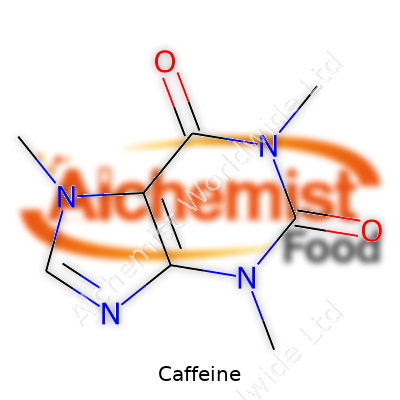
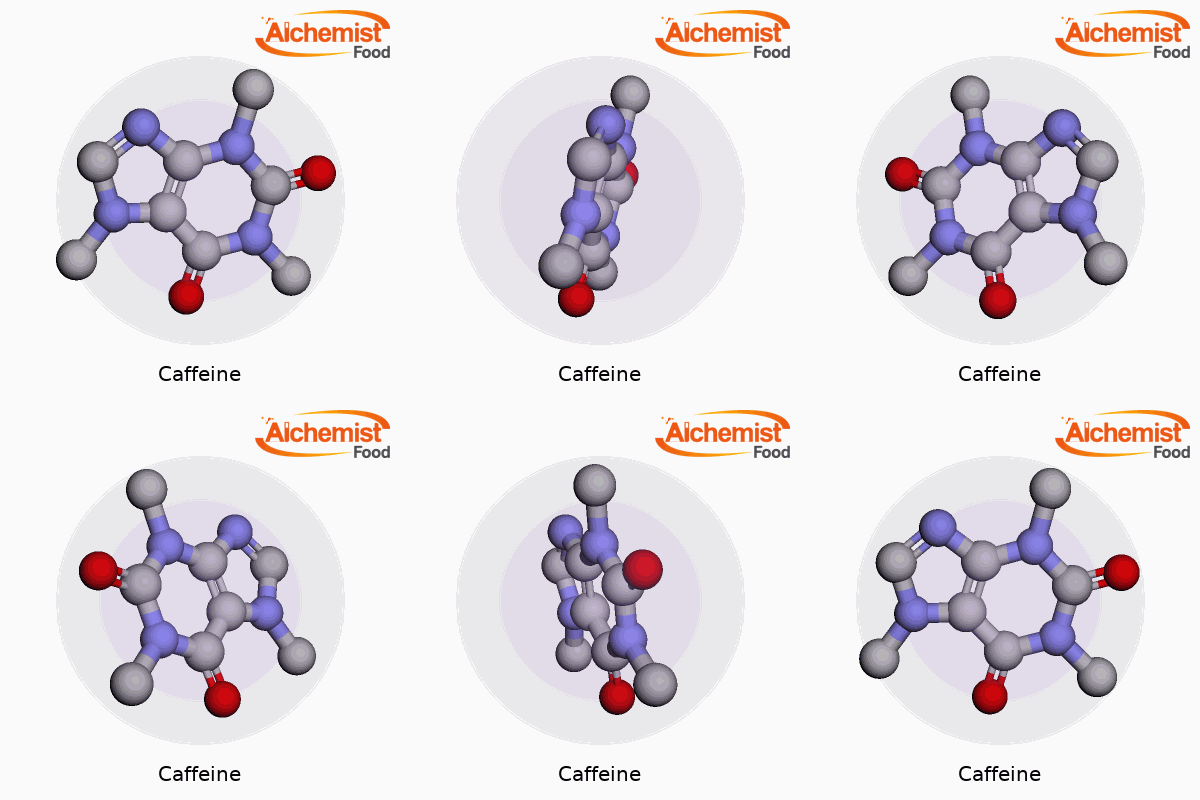
| Names | |
| Preferred IUPAC name | 1,3,7-Trimethyl-1H-purine-2,6-dione |
| Other names |
1,3,7-Trimethylxanthine Guaranine Methyltheobromine Theine |
| Pronunciation | /ˈkæf.i.iːn/ |
| Preferred IUPAC name | 1,3,7-Trimethylpurine-2,6-dione |
| Other names |
1,3,7-Trimethylxanthine Methyltheobromine Mateina Guaranine Theine |
| Pronunciation | /ˈkæf.iːn/ |
| Identifiers | |
| CAS Number | 58-08-2 |
| Beilstein Reference | 358078 |
| ChEBI | CHEBI:27732 |
| ChEMBL | CHEMBL113 |
| ChemSpider | 2424 |
| DrugBank | DB00201 |
| ECHA InfoCard | ECHA InfoCard: 100.003.108 |
| EC Number | 3.1.4.21 |
| Gmelin Reference | 76637 |
| KEGG | C07481 |
| MeSH | D002110 |
| PubChem CID | 2519 |
| RTECS number | CAS68392 |
| UNII | 3G6A5W338E |
| UN number | 1544 |
| CAS Number | 58-08-2 |
| Beilstein Reference | 358078 |
| ChEBI | CHEBI:27732 |
| ChEMBL | CHEMBL113 |
| ChemSpider | 2424 |
| DrugBank | DB00201 |
| ECHA InfoCard | 100.003.469 |
| EC Number | 3.1.4.16 |
| Gmelin Reference | 6136 |
| KEGG | C07481 |
| MeSH | D002110 |
| PubChem CID | 2519 |
| RTECS number | CY1400000 |
| UNII | 3G6A5W338E |
| UN number | 1544 |
| Properties | |
| Chemical formula | C8H10N4O2 |
| Molar mass | 194.19 g/mol |
| Appearance | White, odorless, crystalline powder |
| Odor | Odorless |
| Density | 1.23 g/cm³ |
| Solubility in water | 2.17 g/100 mL (25 °C) |
| log P | -0.07 |
| Vapor pressure | 0.000087 hPa (at 25 °C) |
| Acidity (pKa) | pKa = 14.0 |
| Basicity (pKb) | pKb = 10.4 |
| Magnetic susceptibility (χ) | -23.0×10^-6 cm³/mol |
| Refractive index (nD) | 1.551 |
| Viscosity | Low |
| Dipole moment | 2.59 D |
| Chemical formula | C8H10N4O2 |
| Molar mass | 194.19 g/mol |
| Appearance | White crystalline powder |
| Odor | Odorless |
| Density | 1.23 g/cm³ |
| Solubility in water | 21.7 g/L (25 °C) |
| log P | -0.07 |
| Vapor pressure | 0.000087 hPa (at 25 °C) |
| Acidity (pKa) | 14.0 |
| Basicity (pKb) | pKb = 10.4 |
| Magnetic susceptibility (χ) | -22.0×10⁻⁶ cm³/mol |
| Refractive index (nD) | 1.544 |
| Dipole moment | 2.34 D |
| Thermochemistry | |
| Std molar entropy (S⦵298) | 274.0 J·mol⁻¹·K⁻¹ |
| Std enthalpy of formation (ΔfH⦵298) | −376.65 kJ·mol⁻¹ |
| Std enthalpy of combustion (ΔcH⦵298) | -5604 kJ mol⁻¹ |
| Std molar entropy (S⦵298) | 200.9 J·mol⁻¹·K⁻¹ |
| Std enthalpy of formation (ΔfH⦵298) | -237.0 kJ/mol |
| Std enthalpy of combustion (ΔcH⦵298) | -5280 kJ/mol |
| Pharmacology | |
| ATC code | N06BC01 |
| ATC code | N06BC01 |
| Hazards | |
| Main hazards | May be harmful if swallowed, inhaled, or absorbed through skin. |
| GHS labelling | GHS02, GHS07 |
| Pictograms | CI=O |
| Signal word | Warning |
| Hazard statements | H302, H315, H319, H335 |
| Precautionary statements | P264, P270, P301+P312, P330, P501 |
| NFPA 704 (fire diamond) | Health: 2, Flammability: 1, Instability: 0, Special: -- |
| Flash point | 178 °C |
| Autoignition temperature | 238 °C (460 °F; 511 K) |
| Explosive limits | Explosive limits: "Unknown |
| Lethal dose or concentration | LD50 (oral, rat): 192 mg/kg |
| LD50 (median dose) | LD50: 367 mg/kg (oral, rat) |
| NIOSH | NT0296050 |
| PEL (Permissible) | 10 ppm |
| REL (Recommended) | 400 mg/day |
| IDLH (Immediate danger) | 4000 mg/m³ |
| Main hazards | Harmful if swallowed. Causes serious eye irritation. May cause respiratory irritation. |
| GHS labelling | GHS02, GHS07 |
| Pictograms | ✘☠♻ |
| Signal word | Warning |
| Hazard statements | H302, H312, H332 |
| Precautionary statements | P264, P270, P301+P312, P330, P501 |
| Flash point | 178°C |
| Autoignition temperature | 238 °C |
| Lethal dose or concentration | LD50 (oral, rat): 192 mg/kg |
| LD50 (median dose) | LD50: 192 mg/kg (rat, oral) |
| NIOSH | 961 |
| PEL (Permissible) | PEL for Caffeine: 10 mg/m³ (as TWA) |
| REL (Recommended) | 400 mg per day |
| IDLH (Immediate danger) | 1,000 mg/m³ |
| Related compounds | |
| Related compounds |
Theobromine Theophylline Paraxanthine Xanthine Uric acid Aminophylline |
| Related compounds |
Theobromine Theophylline Paraxanthine 1,3,7-Trimethyluric acid Xanthine Uric acid |



