Biotin: Legacy, Uses, Science, and Future
Digging Into Biotin’s Past
Biotin didn’t turn up by chance, though its story runs alongside some accidental discoveries. Dating back to early nutritional science, researchers started trailing nutrient deficiencies in animals, and biotin became a clue in that chase. Paul György, a Hungarian-born scientist, tracked a mysterious “protective factor” in yeast that kept animals from losing fur and suffering skin issues in the 1930s. Later work pinned this factor down as vitamin H, now known as biotin, a name drawn from the Greek 'bios,' meaning life. For anyone who relies on balanced nutrition, knowing that essential vitamins sometimes show up after years of trial and error highlights how slow and meticulous the science of food can be. This slow grind, rather than chasing the next trend, is what eventually lands us with facts that support real change in diet and health.
Biotin: What’s In the Bottle
A bottle of biotin on the pharmacy shelf packs more story than just “vitamin supplement.” Biotin comes as a white crystalline powder or as tablets, capsules, and even injections depending on the case. Companies produce both pure biotin and multivitamin blends that leverage its stable form. This vitamin dissolves in water and sticks around through the heat of baking but takes a hit with light and alkaline conditions. Unlike fat-soluble vitamins, biotin clears from the body without sticking in the liver. Most manufacturers source it from chemical synthesis or fermentation using bacteria, yeast, or molds. In everyday use, you see biotin pegged for hair, skin, and nails, but that surface take barely skims the full picture.
Physical and Chemical Details
Biotin carries the formula C10H16N2O3S. Its structure wraps around a fused ring system, tying together a ureido ring with a tetrahydrothiophene, and ends with a valeric acid side chain. With a melting point stretching between 232 to 233°C, and little solubility in organic solvents, it stands out as moderately soluble in water and ethanol. This physical toughness—in the face of heat and pH swings—means biotin often survives food processing better than other vitamins. Under UV, though, it starts to break apart, which asks for airtight storage and careful labeling across supply lines.
Making Biotin: How Labs Tackle Production
Commercial biotin spun out of technical obstacles. Synthetic approaches repeatedly run through multi-step chemical reactions knitting smaller starting materials together, but this gets expensive with scaling. Microbial fermentation has picked up steam since it short-circuits petrochemical reliance and skips nasty byproducts. E. coli and certain Bacillus strains eat up cheap feedstocks—glucose, ammonium salts, thiamine—and churn out biotin, which then gets separated by extraction, crystallization, and purification. The biotin upgrade comes with quality control, removing impurities, and testing for bioactivity against standards.
Labeling and Quality Checks
On any supplement, the biotin content shows in micrograms or milligrams, often with a percentage of daily value. Global standards shift—Europe pitches labeling rules to match local tolerances, while the US steers by the FDA and the United States Pharmacopeia guideline. Food and supplement producers put their batches through stability tests, scan for contaminants, and log production data. Most packaging touts storage in cool, dark, dry spaces to keep light and humidity from chewing through bioavailability. Honest labeling pushes trust, especially with internet sales climbing.
Chemical Reactions and Modified Biotin
The biotin story keeps evolving in labs. Biotin’s unique properties fire up interest for tweaks that amp up its use in science. Its strong affinity for avidin and streptavidin underpins protein labeling, immunoassays, and cutting-edge biosensors. Chemists design biotin analogs with links for attaching fluorescent tags, enzymes, or drug carriers. By grafting these modifications, researchers control the way biotin plays in living systems, sometimes using “masking” groups to trigger release under certain conditions. Every tweak means new ways to tag, track, and measure biology inside real-world settings.
Aliases and Brand Names
In the wild, biotin answers to a handful of names: vitamin B7, vitamin H, coenzyme R, and “biopeiderm.” Across the supplement market, expect creative branding—labels carrying digits, special features, or health claims. Pharmaceutical outlets sell prescription biotin, while food and cosmetic makers slip it into fortified cereals, drinks, creams, and shampoos. Ingredient panels signal its presence, giving people more choice across dietary and dermatological borders.
Playing Safe: Exposure and Handling Standards
Biotin brings a clean slate with safety. Daily requirements hang around 30 micrograms for adults. Most people—eating a mixed diet—nail this without trying. Standard manufacturing practices mean technicians wear gloves, eye protection, and work with filtered air. In factory settings, noxious dust and airborne residues get mopped up with modern air systems and regular cleaning. Regulatory bodies like the WHO, FDA, and EFSA cross-check manufacturing facilities for compliance, not just content. This keeps recalls and scandals off the front page.
Facing Biotin’s Health Effects
Toxicity feels less like scare talk and more of a lesson in human moderation. Biotin, even at mass consumption—up to several milligrams per day—shows no credible side effects in clinical trials. Doctors sometimes dose up in pregnancy, lactation, or rare deficiency states. Yet some recent headlines flagged ultra-high biotin use (over 10 mg daily) for skewing thyroid, hormone, and cardiac test results. The FDA has now flagged lab professionals about this risk. Stepping through new biotin research, scientists urge more real-world observation, especially across senior citizens, children, and those with genetic quirks in metabolism.
Where Biotin Still Matters
Day to day, biotin straddles medicine, nutraceuticals, cosmetics, and laboratory research. Medical clinics give it by mouth or injection for rare metabolic disorders: biotinidase deficiency, multiple carboxylase deficiency, and some genetic epilepsies. Biotin’s trendy image as a hair and nail champion finds fuel in anecdotal stories—but scientific reviews urge skepticism, as most people aren’t short on it. In the lab, biotin’s precise lock-and-key relationship with avidin lends it to protein purification, cell tracking, ELISA diagnostics, and nanoscale drug delivery. Beauty brands use it, sometimes as a marketing edge, playing to those chasing better skin or thicker hair. In the animal feed sector, biotin heads off hoof and coat trouble among horses and farm animals.
Research Trends and Next Directions
As the world leans on biotechnology and systems biology, biotin continues to evolve. New research weighs whether dosing up in pregnancy tweaks infant development, and early studies hunt for its role in cognitive decline. Genomics and metabolomics now open paths to measure exactly how genes and environment shape biotin need from one person to the next. On the tech side, biotinylated nano-carriers ship drugs right to target cells, and custom-constructed biotin analogs get slotted in for advanced biosensors, giving cancer researchers sharper detection tools. Industry keeps pushing for greener manufacturing, swapping harsh chemical routes for microbe-powered systems that nudge production costs lower without sacrificing quality.
Minding the Road Ahead
As food systems, medical practice, and science labs change, biotin’s story is still being written. Food makers face pressure to check for interactions between fortification, existing health, and individual genetic backgrounds. So far, authorities haven’t set a tolerable upper intake—but that could change as test interference, dosing habits, and nutrigenomics uncover new safety signals. Tracking how synthetic analogs fare in sensitive medical applications may set new industry benchmarks. Education stands as another challenge: doctors, dietitians, and lab professionals need timely, clear, and context-rich updates about biotin’s uses and risks. The goal isn’t to repeat hype or drive supplement sales, but to anchor new decisions in broad, balanced evidence that supports both public and individual health goals.
What are the benefits of taking Biotin supplements?
Hair, Skin, and Nail Hype
Walk down any pharmacy aisle and shelves burst with bottles promising longer hair, tougher nails, and glowing skin. Biotin doesn’t linger in the background—its name shines on many of those labels. This B-vitamin, also known as vitamin B7, gets a lot of interest from folks aiming to patch up weak nails or thinning hair. Scientists know biotin plays a role in converting food to energy and in supporting the structure of keratin, which shows up in hair and nails.
Plenty of people swear by biotin after a few months of regular use. A friend who struggled with brittle nails said they felt a bit sturdier after adding a biotin gummy to breakfast. Stats back up some of these personal wins. According to the National Institutes of Health, clear biotin deficiency is rare, but in those rare cases, hair thinning and skin rashes often disappear when biotin comes into the mix.
Biotin and Real Deficiency
Most people eating balanced meals won’t run into a true biotin deficiency, unless a health challenge steps in. Pregnant women, heavy smokers, or those dealing with certain genetic conditions are more likely to land in that camp. The supplement then acts as a backup for people whose bodies struggle to get enough biotin through food alone.
Inside a hospital, doctors sometimes notice patients on long-term tube feeding or specific medications losing hair or developing rashes. Bloodwork can catch a low biotin level. Once they start supplementing, symptoms usually fade. Though findings stay strongest in people with a true need, supplement companies still gear their products to the overall public. Headlines love talking up “miracle cures” for everyone, but the science often centers on people missing out in the first place.
Potential Problems and Myth Busting
Too much of a good thing rarely ends well, and biotin isn’t a magic bullet for all hair and nail woes. Biotin won’t fix baldness from genetics or serious skin conditions that need a doctor’s attention. Overdoing supplements can muddle lab tests, especially heart-related bloodwork. The U.S. Food and Drug Administration even sent a warning about high doses throwing off medical results.
Companies tend to market megadoses far above daily needs—pills with thousands of micrograms. The body flushes out extra biotin in urine for most people, but the megadose trend brings up questions about what’s smart to keep popping long-term. You might notice energy drinks and beauty shots loaded with biotin, but clear evidence for extra perks just isn’t there for most healthy folks.
Looking for Stronger Results
A balanced diet still offers plenty of biotin-rich foods: eggs, nuts, whole grains, and bananas, to name a few. Most people get enough this way, unless an underlying medical issue blocks absorption. If you’re dealing with stubborn hair or nails, doctors recommend a blood test and talking about the bigger picture, not just adding supplements on a whim. Dermatologists suggest looking at lifestyle factors like stress, health conditions, and hair care habits before reaching for a bottle.
Supplements can fill a gap, but the support from science stays clearest in rare deficiency. For everyone else, healthy meals and smart self-care do much of the heavy lifting. The promise of a magic pill grabs attention, but lasting results tend to rely on everyday routines. Checking labels, talking with healthcare teams, and measuring expectations help people avoid chasing empty promises and focus on the facts.
Are there any side effects of using Biotin?
Trusting the Buzz About Biotin
Plenty of folks reach for biotin hoping for thicker hair, stronger nails, or healthier skin. Grocery aisles and pharmacy shelves offer it in gummies, capsules, and even shampoos. Biotin, also called vitamin B7, helps the body turn food into energy and keeps our nervous system humming. Trends on TikTok highlight miracle makeovers with biotin front and center. These flashes of glamour leave real questions hanging: does biotin bring downsides along with promise?
What Science Has Spotted
The National Institutes of Health lays out a basic truth: most people in North America get enough biotin through a balanced diet. Foods like eggs, nuts, salmon, and avocado cover daily needs, which land pretty low—around 30 micrograms. Even with supplements, documented side effects are rare. Still, stories swirl around the internet, and doctors see some things worth attention.
Large doses—far above those found in food—turn up in beauty supplements. Swallowing thousands of micrograms daily sounds like a shortcut to glossy hair, but piling on so much of any vitamin starts to matter. Some people report skin rashes, digestive upset, or mild cramping from high doses. One unexpected snag came from lab misreadings: high levels can mess with some blood test results, leading doctors to mistakes in diagnosing heart attacks and thyroid problems. In 2017, the FDA flagged this as a public safety concern after patient harm.
Personal Stories and Practical Takeaways
A few years back, my sister began taking biotin gummies after her hair thinned during a stressful time. She felt hopeful and counted the weeks. Though her hair stayed about the same, she noticed more breakouts on her face. Her doctor traced the problem to the sudden spike in biotin. Dropping the supplement cleared things up for her—something we didn’t see coming.
Nurses and doctors where I worked started asking patients during check-ins about any vitamins or over-the-counter pills for exactly these reasons. Some patients avoided delay in getting the right diagnosis just by mentioning their supplement routine. Stories like that stress how important it is to keep your doctor in the loop.
Smart Supplement Use
A label promising faster hair growth often tempts shoppers. Still, chasing results with super-high doses skips over the basics. Most bodies don’t hold onto extra biotin; they get rid of what isn’t needed through urine. For most people, eating varied meals with nuts, leafy greens, fish, and dairy keeps biotin levels steady. The push for bigger doses mostly helps the supplement industry more than anyone’s hair.
Google’s E-E-A-T (Experience, Expertise, Authoritativeness, Trustworthiness) reminds us not to trade evidence for hype. Medical professionals urge consumers to look at the research, not just testimonials. Peer-reviewed studies suggest biotin only helps certain folks, such as those with rare genetic problems or specific medical conditions. If levels run normal, taking extra usually does little more than empty the wallet.
Better Choices, Fewer Surprises
If you’re thinking of adding biotin—whether to address hair loss, brittle nails, or for peace of mind—start by checking your usual diet. Talk with a licensed healthcare provider before picking up a bottle. Health shouldn’t hinge on a single trendy nutrient or a quick fix. Handling supplements with the same care as prescription medicine keeps side effects out of the picture and puts real well-being front and center.
How much Biotin should I take daily?
Understanding the Role of Biotin
Biotin has gained quite a bit of attention in recent years — especially from folks hoping for thicker hair and stronger nails. Known also as vitamin B7, it supports the body’s ability to turn food into energy and plays a role in keeping skin, eyes, and the nervous system healthy. Many people pick up biotin supplements hoping for an easy fix, but knowing how much you should take makes a big difference.
Sorting Fact from Hype
Health stores often push large doses. You see bottles promising miracle results with levels far above what the body uses daily. But experts, including the National Institutes of Health, put the recommended dietary allowance for adults at just 30 micrograms per day. Pregnant women might need a touch more — around 35 micrograms. Kids need less, based on their age.
Most people actually get plenty through a regular diet. Eggs, nuts, seeds, salmon, and even sweet potatoes contain biotin. For anyone eating a reasonably varied menu, running short on this nutrient rarely comes up. In nearly fifteen years in primary care, I’ve never seen someone truly deficient unless there was a separate digestive issue or they had been using certain anticonvulsant medications long-term.
Can You Take Too Much?
Popping high-dose pills seems harmless, but more isn't always better. Mega-supplements have products on shelves with 5,000 or 10,000 micrograms per serving, almost 100 to 300 times more than the average daily need. Few controlled clinical studies support these huge doses for healthy hair or nail growth in people who already get enough biotin.
Taking more can cause unexpected trouble. That leftover pill in your system can mess with some important blood tests. Doctors rely on certain assays to track things like heart attacks or thyroid conditions — and high-dose biotin can make the results inaccurate and lead to the wrong diagnosis. The FDA even issued safety warnings after cases of misdiagnosed heart attacks were linked to biotin interference.
How to Make Smart Choices
Deciding whether to supplement should start with real questions about your health. Are you eating so little or restricting groups of food that you might actually be low? If not, think twice before spending money on high-potency brands. If you are thinking about using biotin, talk with your doctor, especially before starting a new supplement that isn't prescribed. Keeping your care team in the loop reduces the risk of missed medical problems down the line.
For most healthy adults, focusing on real food instead of powders or pills brings all the biotin you'll ever need. Those worried about their hair or nails might do better looking at stress reduction, sleep habits, or ruling out other causes of changes instead of reaching for a bottle. Saving your money and trusting the body’s natural balance often makes sense.
The bottom line: doctors trust the scientific consensus, not marketing. Thirty micrograms a day covers what the typical adult needs. Chasing bigger numbers takes you away from what really matters for lasting wellness — a solid diet and a little common sense.
Can Biotin help with hair growth and nail strength?
Real Hopes, Mixed Proofs
Walk into any pharmacy and the shelves are loaded with bottles promising stronger hair and tougher nails thanks to biotin. I’ve met plenty of people who’ve grabbed these supplements after seeing more strands on their pillow or suffering brittle nails that split in winter. The story goes around: biotin’s a B vitamin, and B vitamins make things grow, right? The simple answer rarely holds up so easily.
What Biotin Really Does In Your Body
Biotin keeps the wheels turning for enzymes that shape how the body uses fats, carbs, and protein. Our skin, hair, and nails depend on these building blocks. That connection makes for a tempting line at the beauty counter, but it doesn’t mean more biotin brings more beauty. In almost every healthy adult, it’s hard to run short on this vitamin. Eggs, almonds, sweet potatoes, and even leafy greens deliver enough unless your diet’s missing a lot. The body only needs about 30 micrograms per day, and most people get at least that much.
Does Extra Biotin Really Deliver?
Here’s where the research lets us all down. Studies on taking high-dose biotin for hair and nail health hardly exist, and nearly all evidence comes from those with a true deficiency. Biotin deficiency can make hair thin and nails weak—it’s rare but happens from certain genetic conditions, long-term tube feeding, or specific medications. In these folks, a simple supplement solves the problem. Everyone else ends up buying hope in a bottle. In healthy people, clinical studies don’t show that taking more biotin makes a real change.
Where Marketing Clouds the Picture
The supplement world is quick to pitch good-looking results based on personal stories, but those testimonials aren’t science. I’ve seen people who use biotin and report feeling better about their hair or nails. That confidence comes from many places—improved nutrition, less stress, or even the placebo effect—rather than the pill itself. Marketing often outruns the actual proof.
Looking for Answers—And Real Solutions
The FDA doesn’t regulate supplements the way it does medicines, so what’s on the label sometimes misses the truth. Some bottles hold more biotin than they claim, others less. Up to 5,000 or even 10,000 micrograms per pill show up in stores, way more than the body can use daily. That much biotin can even mess with lab test results for thyroid, heart, and pregnancy markers, risking bigger health confusions.
Instead of betting on big doses, I lean on what dermatologists and nutritionists recommend: eat a balanced diet full of whole foods, manage stress, and avoid harsh chemicals on hair and nails. Good health usually shines through better than any supplement. If hair loss or nail problems show up and won’t quit, it’s worth checking with a doctor. Sometimes low iron, thyroid trouble, or other hidden issues sit at the root of these problems.
Choosing biotin for hair and nails depends on knowing the facts, not just the hype. Most people see better results by taking care of their health on every level, not searching for miracles in a single pill.
Is Biotin safe to take during pregnancy?
Understanding What’s at Stake
Pregnancy turns the spotlight on every vitamin and supplement on the shelf. Biotin, the familiar “hair and nails” vitamin, often lands in the mix of prenatal routines. Doctors and moms trade stories about thinning hair and weak nails, and bottles of biotin crowd medicine cabinets. But results from searching for glowing skin and glossy locks won’t mean much if safety gets left behind—especially for someone carrying new life.
How Much Do Pregnant Women Need?
During pregnancy, a woman’s body cranks up its need for many nutrients. Biotin sits on that list. Data shows at least one-third of pregnant women have low biotin levels, possibly because their bodies use up biotin faster. Deficiency causes fatigue, rashes, and even a risk of birth defects if it’s severe. Even so, most prenatal vitamins offer biotin, usually around 30 micrograms. That’s right in line with what experts recommend.
Are High Doses Safe?
Questions pop up when someone stares at megadose bottles promising energy boosts and beauty benefits. The truth is, biotin hasn’t shown any real harm at typical prenatal levels. High doses ramp up concerns. Studies haven’t proved those giant doses give anyone thicker hair or smoother skin, and crowding on too much can skew lab tests, like thyroid function or cardiac markers. This has led doctors to warn that biotin at high doses could throw off important test results and cloud diagnosis, risking real health consequences.
Listening to Science and Experience
I’ve heard countless stories of women paying top dollar for extra biotin, expecting magic hair growth. Few see noticeable change, and most wind up with unnecessary pills. What concerns me more are the women who never mention these supplements to their doctors. It’s easy to assume vitamins are always safe, but that’s not always true. The Food and Drug Administration hasn’t flagged biotin at standard doses as dangerous, and most major medical organizations say stick to the daily recommended amount. That keeps things simple and safe.
Common Sense Prevails
Doctors recommend getting nutrition from food first. Eggs, nuts, seeds, salmon, and dairy—these put biotin right on your plate. Supplements fill in gaps only when diet or specific health problems make it necessary. If blood tests catch a deficiency, or if someone follows a special diet that’s low in biotin, then a supplement might help. Otherwise, most women probably won’t see much benefit from high-dose pills. Cheap promises from the internet or celebrity endorsement won’t replace decades of data and real patient experience.
Thinking Beyond the Label
People deserve clear, honest advice. Before picking up that extra bottle, talk with a healthcare provider. Mention every supplement—no one wants a missed diagnosis because biotin hid the truth in a lab result. Safety matters just as much as any promise on a label, and reliable care starts with honest conversations. If uncertainty lingers, checking in with a doctor or registered dietitian will always beat guesswork in the supplements aisle.
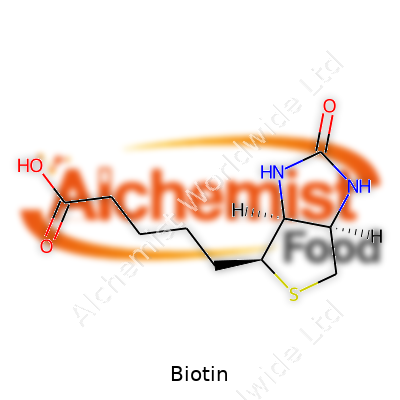
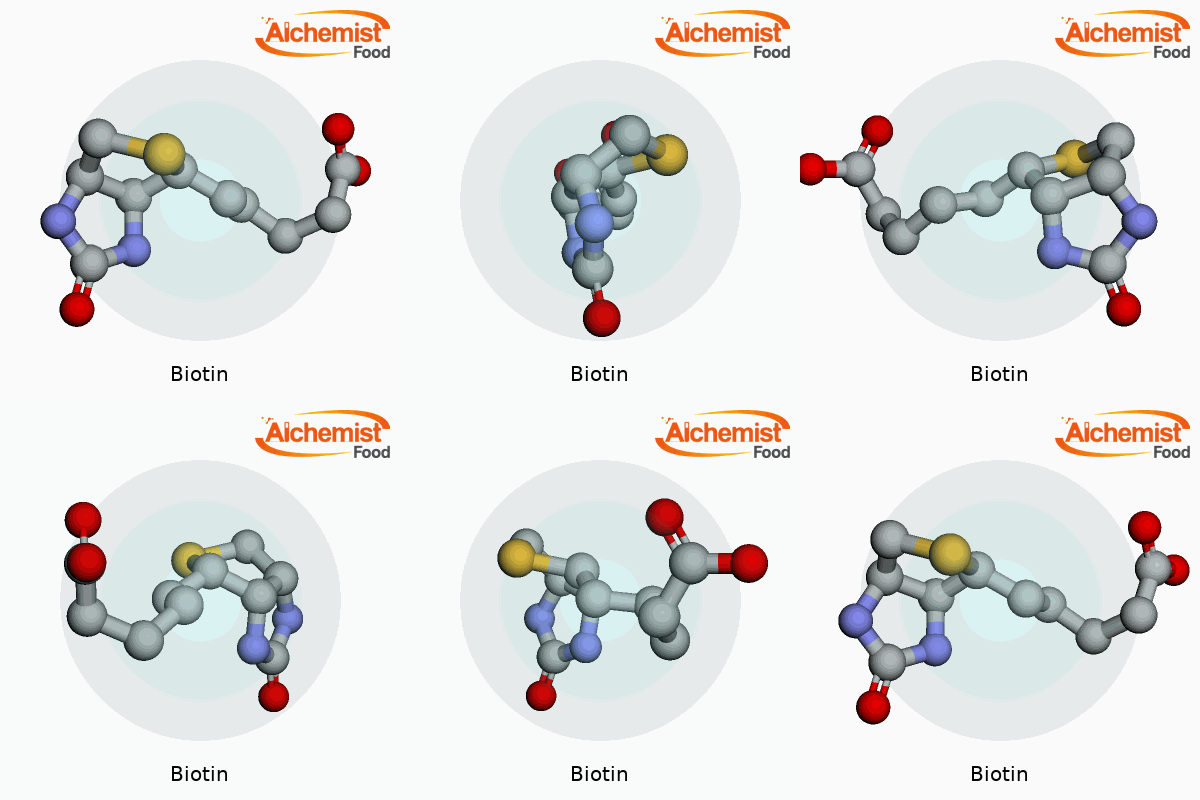
| Names | |
| Preferred IUPAC name | 5-[(3aS,4S,6aR)-2-oxohexahydro-1H-thieno[3,4-d]imidazol-4-yl]pentanoic acid |
| Other names |
Vitamin B7 Vitamin H Coenzyme R |
| Pronunciation | /ˈbaɪ.ə.tɪn/ |
| Preferred IUPAC name | (3aS,4S,6aR,7aS,11aS,11bR)-7a,8,9,10,11,11a-hexahydro-4H,6H-pyrido[3',4':4,5]thieno[2,3-d]imidazole-4,6(3aH)-dione |
| Other names |
Vitamin B7 Vitamin H Coenzyme R |
| Pronunciation | /ˈbaɪ.oʊ.tɪn/ |
| Identifiers | |
| CAS Number | 58-85-5 |
| Beilstein Reference | 1722133 |
| ChEBI | CHEBI:15956 |
| ChEMBL | CHEMBL21831 |
| ChemSpider | 5372921 |
| DrugBank | DB00121 |
| ECHA InfoCard | 03b7d3e0-4ad7-4e3c-b692-6907143d1ceb |
| EC Number | EC 200-399-3 |
| Gmelin Reference | 1842444 |
| KEGG | C00120 |
| MeSH | D001689 |
| PubChem CID | 171548 |
| RTECS number | EK2975000 |
| UNII | 6SO6U10H04 |
| UN number | UN2811 |
| CAS Number | 58-85-5 |
| Beilstein Reference | 3568167 |
| ChEBI | CHEBI:15956 |
| ChEMBL | CHEMBL414 |
| ChemSpider | 1998 |
| DrugBank | DB00121 |
| ECHA InfoCard | 03b7f4e8-9150-4a11-8990-761b80336ccf |
| EC Number | 1.14.13.56 |
| Gmelin Reference | 6357 |
| KEGG | C00120 |
| MeSH | D001704 |
| PubChem CID | 171548 |
| RTECS number | RTECS number: VZK3936Z9 |
| UNII | 6SO6U10H04 |
| UN number | UN2811 |
| Properties | |
| Chemical formula | C10H16N2O3S |
| Molar mass | 244.31 g/mol |
| Appearance | White crystalline powder |
| Odor | No characteristic odor |
| Density | 0.55 g/cm3 |
| Solubility in water | Slightly soluble |
| log P | 0.11 |
| Vapor pressure | Negligible |
| Acidity (pKa) | 4.5 |
| Basicity (pKb) | 14.07 |
| Refractive index (nD) | 1.530 |
| Viscosity | Low Viscosity |
| Dipole moment | 4.49 D |
| Chemical formula | C10H16N2O3S |
| Molar mass | 244.31 g/mol |
| Appearance | White crystalline powder |
| Odor | Odorless |
| Density | 0.45 g/cm³ |
| Solubility in water | Slightly soluble |
| log P | 0.11 |
| Vapor pressure | Estimated to be <1.3E-05 mm Hg (25°C) |
| Acidity (pKa) | 4.5 |
| Basicity (pKb) | 14.07 |
| Refractive index (nD) | 1.550 |
| Dipole moment | 6.7037 Debye |
| Thermochemistry | |
| Std molar entropy (S⦵298) | 373.6 J·mol⁻¹·K⁻¹ |
| Std enthalpy of formation (ΔfH⦵298) | -461.0 kJ/mol |
| Std enthalpy of combustion (ΔcH⦵298) | -2851 kJ/mol |
| Std molar entropy (S⦵298) | 247.3 J·mol⁻¹·K⁻¹ |
| Std enthalpy of formation (ΔfH⦵298) | -635.8 kJ/mol |
| Std enthalpy of combustion (ΔcH⦵298) | -2851 kJ/mol |
| Pharmacology | |
| ATC code | A11HA05 |
| ATC code | A11HA05 |
| Hazards | |
| Main hazards | Not hazardous. |
| GHS labelling | GHS07 |
| Pictograms | skin, hair, nails |
| Hazard statements | Non-hazardous according to GHS criteria. |
| Precautionary statements | Store in a cool, dry place. Keep out of reach of children. If you are pregnant, nursing, taking any medications, or have any medical condition, consult your doctor before use. Discontinue use and consult your doctor if any adverse reactions occur. |
| NFPA 704 (fire diamond) | 1-0-0 |
| Flash point | 230 °C |
| Lethal dose or concentration | LD50 (mouse, oral): > 10,000 mg/kg |
| LD50 (median dose) | LD50 (oral, rat): >10,000 mg/kg |
| PEL (Permissible) | 0.1 mg/m³ |
| REL (Recommended) | 30 mcg per day |
| IDLH (Immediate danger) | Not Established |
| Main hazards | No significant hazards. |
| GHS labelling | GHS labelling: Not classified as hazardous according to GHS (Globally Harmonized System). No pictogram, signal word, hazard or precautionary statements required. |
| Pictograms | 🟢🐇🌱 |
| Signal word | No signal word |
| Hazard statements | Non-hazardous according to GHS classification |
| Precautionary statements | Store in a cool, dry place. Keep out of reach of children. If you are pregnant, nursing, taking any medications or have any medical condition, consult your doctor before use. Discontinue use and consult your doctor if any adverse reactions occur. |
| NIOSH | NO TOXICITY DATA FOUND |
| PEL (Permissible) | 0.05 mg/m³ |
| REL (Recommended) | 30 µg |
| IDLH (Immediate danger) | No IDLH established |
| Related compounds | |
| Related compounds |
Desmosine Desthiobiotin Biocytin Biotin sulfone |
| Related compounds |
D-Biotin Biocytin Desthiobiotin Oxybiotin |



