Beta Carotene: A Grounded Perspective
Historical Development
Beta carotene has a history built on curiosity about color and nutrition. Chemists in the 19th century dug into the pigments behind the orange of carrots and the golds in autumn leaves. Heinrich Wilhelm Ferdinand Wackenroder first isolated it from carrots in 1831. Over the decades, advances in chromatography and organic chemistry unraveled its structure, eventually linking it to vitamin A activity in foods. Carotenoids started drawing attention for their health benefits alongside their coloring properties. During food shortages and wartime scarcity, nutritionists recognized its value as a precursor to vitamin A, vital for eyesight and immune health. What began as a pigment for making food look appealing became a backbone ingredient for both public nutrition programs and food manufacturing.
Product Overview
Beta carotene stands out among natural colorants. Industry relies on it for its dual function: coloring and providing pro-vitamin A. Carrots, sweet potatoes, spinach, and cantaloupe all owe their rich hues to this compound. In commercial settings, you come across beta carotene in a dozen product forms, including powders, oil suspensions, and water-dispersible beads. The food industry leans on it not just for visual warmth in dairy, juice, and confectionery, but also to fortify products aimed at addressing vitamin A deficiencies. Pharmaceuticals use it in supplements. Even the feed industry finds a place for it, adding the pigment to improve yolk color in eggs and the appearance of animal fats. Each sector chases a reliable supply—natural, fermented, or synthetic—shaped by cost, regulatory, and consumer preference pressures.
Physical and Chemical Properties
You will find beta carotene as a red-orange powder, with no odor and a fat-loving character that keeps it away from water. The molecule stretches long and rigid, full of double bonds that grab onto light and reflect vivid colors. Its chemical name is β,β-carotene, and its molecular formula is C40H56. The structure gives beta carotene its antioxidant abilities, mopping up harmful free radicals inside living cells. The melting point ranges from 183°C to 184°C. Its solubility in organic solvents like chloroform and hexane explains why formulators deliver it in oils or beads rather than in water. The compound resists low temperatures and darkness, but high heat, light, and exposure to air can wreck its color and degrade the vitamin activity. Food techs and pharmacists take care to preserve it from oxidation at every step from factory to shelf.
Technical Specifications & Labeling
Technical specifications for beta carotene line up with global standards. Food- and pharma-grade products come with purity benchmarks: the United States Pharmacopeia or European Pharmacopoeia demand more than 96% purity. Residual solvents and contaminants (like lead, arsenic, or pesticide residues) stay below set limits. Clarity around particle size, dispersion, and color intensity helps product developers know what to expect, batch after batch. Package labeling has to list not just the amount of beta carotene present, but also possible allergens or carrier agents used in the formulation. In the U.S., the FDA regulates beta carotene as a color additive, requiring its listing as “beta-carotene for color,” and enforcing standards around manufacturing and food contact. The European Union includes it in the E-number system as E160a. Labels for supplements must distinguish between naturally derived and synthetically produced beta carotene, a sign of how consumer trust hangs on clear sourcing.
Preparation Method
Manufacturers draw out beta carotene using a mix of science and logistics. Extraction from plant material starts with drying and grinding, followed by treatment with non-polar solvents to release the pigment. Purification removes unwanted waxes and chlorophyll, giving a concentrated orange paste. Large-scale production often leans on algae (Dunaliella salina) and fungi (Blakeslea trispora), which are rich in beta carotene and easier to cultivate in tanks. Synthetic routes start from petrochemical feedstocks like acetylene or β-ionone, building up the 40-carbon structure using reactions that demand careful control of temperature, pressure, and catalysts. Each method brings its own footprint—plant extraction suits “clean label” aspirations, algae fits the middle ground for cost and sustainability, and synthesis delivers volume and predictability for global processors. Factory settings equip lines with nitrogen blanketing and cold processing rooms to slow down beta carotene loss.
Chemical Reactions & Modifications
Beta carotene’s chain of double bonds makes it reactive. Exposure to oxygen or heat splits the molecule, forming various smaller compounds, some of which have vitamin A activity. This breakdown worries both scientists and food companies, so they find ways to protect the pigment—encapsulation, antioxidant blends, and oxygen-free packaging slow down these reactions. Chemists also modify beta carotene to increase its dispersibility in water or to tailor its color—for example, converting part of the chain changes the absorption spectrum, creating lighter yellow or deeper red pigments. Hydrogenation breaks double bonds and shifts its nutritional function away from vitamin A, but sometimes creates more robust colorants. The flip side shows up in storage and transport, where off-flavors and vitamin loss can emerge if formulations don’t address these reactive quirks.
Synonyms & Product Names
Across scientific and commercial circles, beta carotene goes by many names. Chemists prefer β,β-carotene, while industry catalogues feature E160a, nature-identical carotene, Provitamin A, or CI 75130. Retail labels sometimes call it Natural Orange, Carotene, or “vegetable carotene.” Suppliers distinguish between “natural-source” and “synthetic” beta carotene based on origin. Specialized blends offer beta carotene with stabilizers or emulsifiers, branded with trade names for different application fields. Clear naming remains more than a question of branding—it helps avoid confusion, assures labeling compliance, and builds consumer trust, especially with rising scrutiny around food ingredients.
Safety & Operational Standards
In the plant or the lab, handling beta carotene follows the same rigor as any fine powdered ingredient. Workers use dust masks and proper ventilation to avoid inhaling airborne particles. Production spaces keep humidity and light in check; the less exposure, the longer beta carotene keeps its pigment and potency. Manufacturing lines stay free from contamination, with regular quality control checks as outlined by HACCP and GMP standards. The FDA and EFSA (European Food Safety Authority) base their safety guidance on lifetime dietary exposure, setting upper levels for supplements and foods to avoid risk of overconsumption. Recalls remain rare; problems usually trace back to formulation stability or mislabeling rather than acute toxicity. For companies aiming at the food, pharma, or feed markets, third-party audits and certifications (such as ISO or SQF) act as a passport, showing customers a commitment to ingredient reliability and safety.
Application Area
Beta carotene threads itself through everyday life. In food, it goes into margarine, cheese, ice cream, soups, juices, and cereals, sometimes for color, sometimes for nutritional value. Beverage companies use microencapsulated forms to keep drinks brightly colored without clumping or settling. The supplement aisle depends on it for vitamin A capsules meant for people at risk of deficiency. In animal feed, it boosts the look of egg yolks and broiler skin, meeting shopper expectations for “natural” color. The pharmaceutical trade includes beta carotene in multivitamins. Cosmetics have their own uses—skin creams tout the compound for its antioxidant punch, promising extra protection against environmental hit. Specialty uses pop up too: colorants for pharmaceuticals, soft drinks, bakery, and pet foods all draw on this pigment, each with its own grade and performance requirement.
Research & Development
Academic and industrial labs keep digging into new ways to make, use, and understand beta carotene. Biotechnology pushes out new strains of yeast and algae for better yields with lower cost and environmental footprint. Extraction specialists tinker with supercritical CO2 and green solvents to pull out purer pigment from raw plants with less waste. Formulation technology keeps tackling the stubborn issue of water-permanent delivery, so fortification goes further without losing color or potency in harsh processing. Scientists look at the role of beta carotene as an antioxidant, testing how it interacts with other nutrients, and trying to answer long-term questions around chronic diseases, eye health, and immunity.
Toxicity Research
Beta carotene’s safety history stretches over decades, marked by broad use and careful study. Nutritionists observe that, from food sources alone, getting too much beta carotene almost never leads to toxicity—the body self-regulates how it converts the pigment to vitamin A. The skin may take on a yellow tint (carotenodermia) with high doses, but this effect poses no serious harm and reverses once intake goes down. The big safety studies focus on supplemental beta carotene, especially in large doses for smokers. The landmark CARET and ATBC trials in the ‘90s showed unexpected increased cancer risk for smokers taking high-dose beta carotene supplements, sparking a push for lower, safer limits and careful labeling. Food safety authorities stress moderation, keeping supplement doses well below levels found to cause harm, and advising at-risk groups, like smokers, against high supplemental intake.
Future Prospects
The story of beta carotene moves forward with demands for natural colorants, clean nutrition, and sustainable sourcing. Scientists keep breeding crops, algae, and fungi that push out more pigment with less land, water, or energy. Analytical labs work on rapid screening tech to make sure purity stays high and contamination low. Regulatory shifts point toward greater transparency, pushing producers to trace origins and production methods. Supplements and fortified foods will keep growing in places battling vitamin A deficiency. At the same time, advancements in encapsulation and delivery will chip away at technical barriers, letting the full nutritional and sensory promise of beta carotene reach more people, from urban trendsetters to rural communities at risk of hidden hunger. Conversation builds between regulators, industry, and consumers over just where to draw the lines between natural, nature-identical, and synthetic, refreshing the role of beta carotene in a changing food system.
What are the health benefits of Beta Carotene supplements?
Looking at Beta Carotene
Beta carotene comes straight from nature, showing up in foods like carrots, sweet potatoes, and spinach. The body uses it to make vitamin A, and that plays a big part in helping us see clearly, keeping our immune systems strong, and making sure our skin doesn’t dry out.
Digging Into the Benefits
Plenty of people want to know if popping beta carotene supplements makes much difference outside of what’s on their dinner plate. Years ago, I used to think grabbing a bottle of supplements was an easy victory for health. Turns out, science looks at things from every angle, and with beta carotene, the message is: benefits show up most when natural food sources don’t make it to the table.
In places where vitamin A deficiency is common, beta carotene supplements can be a lifesaver. Not getting enough vitamin A sets you up for all sorts of issues—trouble seeing at night, catching infections more easily, and even experiencing slower growth in kids. Beta carotene’s role as a precursor to vitamin A helps fill this gap, especially when diets lack variety. Studies in countries with this deficiency show real improvement in health and fewer cases of blindness when people get enough beta carotene, either from food or supplements.
Antioxidant Properties
Beta carotene comes with antioxidant power. Antioxidants act like shields, keeping cells safe from free radicals—the pesky things that can play a part in aging, damaged cells, and chronic health disorders like heart disease. The thinking goes, more antioxidants, less risk. Veggies and fruits with beta carotene do fit that pattern. The catch? Large studies haven’t shown that swallowing beta carotene pills directly cuts risk for heart disease or cancer in the way real vegetables and fruits do.
From what I’ve seen among friends and family who load up on supplements, their actual diets often lack colorful foods. Swapping a handful of carrots for a capsule just isn’t the same. Whole foods mix a bunch of good compounds in ways that pills can’t copy.
Risks and Warnings
Not every supplement works in everyone’s favor. Scientists tried giving large doses of beta carotene to long-term smokers, believing the antioxidant effect would cut cancer risk. To everyone’s surprise, research showed the opposite—lung cancer rates actually rose in those who took high doses over long periods, compared to those who didn’t. A similar rise in health issues turned up in folks exposed to asbestos.
High doses in healthy people can also leave skin looking yellowish or orange, a harmless but strange side effect. People with a decent diet get enough beta carotene from vegetables and don’t need a supplement boost.
Better Choices for Everyday Health
Most people, including myself, get more out of putting real colors on our plates. Beta carotene is just one part of the bright orange, red, and green foods that bring flavor and nutrition. Chopping up carrots in a salad or roasting sweet potatoes does more for keeping bodies healthy than a daily pill. For those with medical conditions or restricted diets, talking with a doctor or dietitian before grabbing supplements matters a lot.
Beta carotene supplements help in rare cases of very limited diets, but skipping them and eating more vegetables works better for most of us. The everyday fix for vitamin A and antioxidants starts in the kitchen, not in the pharmacy aisle.
Is Beta Carotene safe to take daily?
Understanding Beta Carotene
Brightly colored vegetables and fruits owe a lot to beta carotene. Sweet potatoes, carrots, spinach, and kale turn up in meals across the world because they deliver that vibrant orange-red hue and a boost of nutrition. Beta carotene serves as the main dietary source of vitamin A, an essential nutrient for clear vision, strong immunity, and healthy skin.
Some folks reach for beta carotene supplements, drawn by claims of better eyesight, aging prevention, or stronger immune defense. There's real science behind its link to eye health—vitamin A plays a key role in the retina, and those low on it often struggle with night blindness. Still, most people in developed countries rarely run into true vitamin A deficiency thanks to a balanced diet.
Daily Use: Benefits and Risks
Many people assume that more is always better with supplements. This mindset crops up with beta carotene. Plenty of clinical trials have tracked the effects of large doses, especially among smokers and people exposed to asbestos. The Beta-Carotene and Retinol Efficacy Trial (CARET), along with other studies, startled the nutrition world by showing an increase in lung cancer risk among heavy smokers who took high-dose beta carotene. The risk didn't show up in non-smokers, but that doesn't mean unlimited use makes sense for everyone.
Overloading on beta carotene rarely causes classic vitamin A toxicity since the conversion process in the body controls the flow. Instead, skin can take on a yellow-orange tint—carotenemia. This condition isn't dangerous but can look alarming. Back in my college days, a friend decided to chug carrot juice to “get healthy fast.” His palms slowly turned orange, and the jokes never stopped. After a few weeks of dropping juice, his color returned to normal.
Supplementing with beta carotene doesn't prove its worth for everyone. Several large meta-analyses, including reviews from the Cochrane Collaboration and the National Institutes of Health, found no strong evidence that beta carotene pills prevent cancer or heart disease in well-nourished adults. Most studies spotlight natural sources over pills for lasting health.
Practical Takeaways for Safe Use
For most healthy adults, eating a variety of fruits and vegetables supplies ample beta carotene. Supplements aren't necessary unless a doctor pinpoints a real deficiency or unique medical need. Smokers, in particular, should steer clear of high-dose beta carotene supplements because studies show a bump in cancer risk.
Beta carotene’s story highlights a bigger lesson: trusting food over supplements. The synergy in whole foods often works better than isolated compounds. Registered dietitians agree—colorful produce on the plate beats capsules every time. A daily rainbow of vegetables and fruit provides a steady supply of carotenoids without the worry of accidental overdose.
Those considering a supplement should check with a healthcare professional. Not all supplements meet quality standards, and doses can vary widely. People on certain medications or with conditions affecting fat absorption may need tailored advice. Eating a slice of cantaloupe or a serving of cooked spinach feels more rewarding, tastes better, and brings added benefits in the long run.
Can Beta Carotene improve vision or eye health?
What Beta Carotene Actually Does
Beta carotene shows up in plenty of conversations about vitamins and eye health. It occurs naturally in carrots, sweet potatoes, and other orange vegetables. Ask your grandmother, and she’ll likely offer the classic advice: “Eat your carrots so you won’t need glasses.” There’s a reason that idea stuck around. Beta carotene converts to vitamin A, and vitamin A plays a big role in keeping your eyes working the way they should.
The Evidence Behind the Claims
Let’s get to the facts. Science backs up the link between vitamin A deficiency and vision loss. Severe deficiency can cause night blindness and, in the worst cases, permanent damage to the eyes. The World Health Organization reports that a lack of vitamin A is a leading cause of preventable childhood blindness, especially in low-income regions where food variety runs thin. Adding beta carotene to diets in these areas has saved eyesight and lives.
In daily life, a balanced diet with enough vitamin A covers most people’s needs. But the idea that popping extra beta carotene will give sharper vision doesn’t hold up for everyone. People with already healthy eyes and typical Western diets rarely gain a big boost from extra supplements. The landmark AREDS study—a gold standard for nutrition research on age-related macular degeneration—found clear benefits only for those already at risk. Even then, the supplement mix included more than just beta carotene: it also had vitamins C and E, zinc, and copper.
The Risk of Too Much
Getting extra beta carotene through food barely causes harm. The skin might turn orange if someone binges on carrots, but eyesight won’t get worse. Things change when supplements get involved, especially for specific groups. People who smoke and take large beta carotene supplements run a higher risk for lung cancer, according to several studies. The body needs nutrients, but more doesn’t always mean better.
What Makes a Real Difference for Eyes
Instead of chasing single “miracle” nutrients, eye health works best with a varied and healthy diet. Dark leafy greens, fish, and colorful produce all support vision, not just because of beta carotene but due to a mix of antioxidants and other vitamins. Good habits—like wearing sunglasses, regular eye exams, and not smoking—make up the rest of the strategy.
Advice for Those Concerned About Their Vision
People with diets low in fresh fruits and vegetables, like those in areas with food shortages or highly processed diets, face real risk for vitamin A deficiency. For them, boosting beta carotene intake can protect against vision problems. Yet, for many with routine access to diverse foods, seeking mega-doses in capsule form might add expense and even risk.
Quality matters. Reputable sources of supplements, if needed, ensure safety. The FDA and consumer groups warn against products making sweeping claims about curing or radically improving eyesight, since the science does not support those promises for the general public. Speaking with an eye doctor or registered dietitian about worries remains the smartest step.
What is the recommended dosage for Beta Carotene?
Why We Look at Beta Carotene in the First Place
Most people first hear about beta carotene as “that thing in carrots that’s good for eyesight.” That’s not just a bit of folk wisdom—this pigment packs a punch for health. Beta carotene fuels your body with vitamin A, which keeps eyes sharp, skin resilient, and immunity steady. But getting this balance right means picking the right amounts, not just scarfing down endless carrots or supplements.
What’s a Healthy Amount?
The National Institutes of Health pegs a healthy diet, not megadoses, as the safest way to get your vitamin A. For adults, they recommend 700–900 micrograms of retinol activity equivalents (RAE) of vitamin A per day. Since 12 micrograms of beta carotene from food provides one microgram of RAE, an average adult can meet their needs with two to three cups of orange or dark-green vegetables each day—not hard if you eat a colorful salad, steamed broccoli, or some sweet potatoes.
Supplements can muddy things, especially at higher doses. Some people, such as smokers, actually run greater risks by pushing their beta carotene intake high. The CARET trial, a massive study spanning thousands of smokers and asbestos workers, found bumping up beta carotene through pills raised lung cancer rates for these folks. This taught the nutrition world a big lesson. No one gets healthier by blitzing their system with single nutrients in isolation.
Personal Experience with Food Over Pills
I used to think popping a vitamin was a shortcut to better health. Marketing everywhere pushes that idea. But after switching jobs in my late twenties, I decided to try getting my nutrients straight from meals. The difference snuck up on me: clearer skin, waking up less puffy, fewer headaches. For me, three to five servings of colorful vegetables nearly every day replaced the need for a daily vitamin A supplement.
Who Should Think Twice Before Supplementing?
Pregnant people or those with certain gut or liver conditions sometimes need advice from their doctor before adding any vitamin A or carotenoid supplement. Some rare metabolic issues can change how well you convert beta carotene to vitamin A. For everyone else, the body handles natural food sources easily. Turn your plate into a rainbow, and your body signs up for the best deal biology can offer.
Possible Solutions for Unsure Shoppers
This “how much do I need?” confusion fades if food labelers and health professionals use simple language. Labels rarely mention how orange peppers or kale fit into overall intake. If grocery stores gave quick beta carotene facts for their fresh produce, it could help families skip the guesswork. Nutrition classes should hammer home that real produce trumps a supplement—because vitamins rarely arrive with the healthy fiber, water, and phytonutrients you get in whole foods.
Tuning intake based on real food, not pills, fits with the advice from both the World Health Organization and leading nutritionists. Beta carotene isn’t just an “eye vitamin.” It’s a signal: eat your veggies in color, mix things up, and you’ll usually land in the healthier half of the population. Supplements step in only if you’ve run out of other good options.
Are there any side effects or risks associated with Beta Carotene?
Understanding Beta Carotene
Beta carotene always pops up in health magazines. Found in carrots, sweet potatoes, and spinach, this nutrient draws attention for its connection with vitamin A. Our bodies can turn beta carotene into vitamin A, a vitamin important for good vision and immune strength. The shift from food to supplement brings up questions, though. People take pills looking for extra health boosts. That’s where risks start to come into play.
High Doses Carry Concerns
I’ve always believed in getting nutrients through food, not bottles. Studies show eating beta carotene from veggies rarely causes harm. But some folks reach for the supplements, hoping to prevent disease. Here’s the rub — large supplement doses have landed people in trouble. Research tracking smokers in Finland saw more lung cancer cases in those taking beta carotene supplements. The CARET study in the U.S. saw the same, strong link. Most doctors avoid recommending beta carotene pills to smokers because of this. In people who don’t smoke, massive doses can still build up and stain skin orange, a harmless but startling surprise. The body stores excess beta carotene in fat, turning palms and soles noticeably yellow-orange, an effect called carotenodermia. Parents joke about it in toddlers who love sweet potatoes. Still, it often means someone’s overdoing the supplements or eating way too much pureed carrots.
Absorption and Interactions
Diets matter in how much beta carotene the body absorbs. Not all of it turns into vitamin A. Genetics, gut health, and food choices all play a part. Some drugs block absorption or speed up breakdown within the body. For example, cholesterol drugs or weight-loss meds that block fat absorption also reduce carotene uptake. Anyone loading up on one vitamin in high doses can crowd out others, leading to imbalances. That’s why dietitians always stress variety on the plate and moderation in any supplement.
Groups Who Should Be Careful
People with certain health problems face extra risks. Smokers and people exposed to asbestos see those cancer risk spikes with supplements. Pregnant women need enough vitamin A for baby’s development, but not too much. Beta carotene isn’t linked to birth defects like preformed vitamin A, but loading up doesn’t offer any extra protection. Health professionals want people to use food as the main source, steering clear of high-dose capsules unless a doctor gives a specific recommendation. Beta carotene from food comes safely bundled with fiber, other vitamins, and helpful plant compounds, which keeps levels more in check.
Practical Advice for Daily Life
Carrots, squash, kale, and greens all fit nicely on the plate without sparking worry. Supplements only play a small role, mostly in places where people struggle with malnutrition. In most homes, piling an extra serving of veggies brings far more safety and flavor than swallowing a pill. Medical consensus leans heavily on whole foods, repeating advice people have heard since they were kids: eat your vegetables. Beta carotene brings benefits, but too much of any good thing can make trouble. Use common sense, focus on a balanced diet, and talk to a healthcare professional before starting any supplement routine.
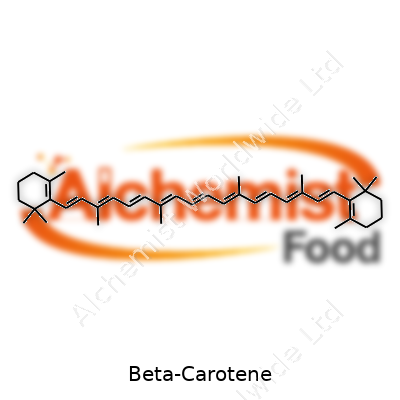
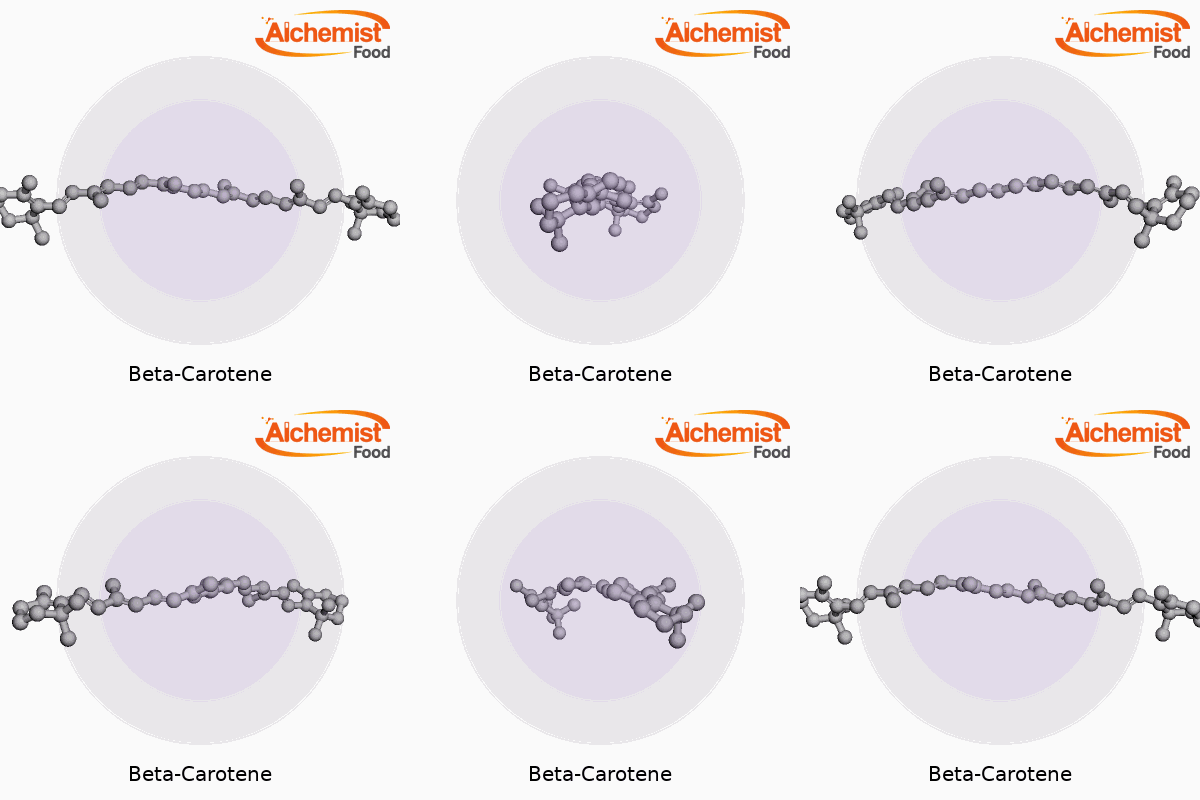
| Names | |
| Preferred IUPAC name | beta, beta-carotene |
| Other names |
Provitamin A β-Carotene E160a Betacarotene |
| Pronunciation | /ˌbiː.tə kəˈrəʊtiːn/ |
| Preferred IUPAC name | beta,β-Carotene |
| Other names |
Provitamin A All-trans beta-carotene β-Carotene E160a |
| Pronunciation | /ˌbiː.tə kəˈrəʊ.tiːn/ |
| Identifiers | |
| CAS Number | 7235-40-7 |
| Beilstein Reference | 1848 |
| ChEBI | CHEBI:17579 |
| ChEMBL | CHEMBL234 |
| ChemSpider | 211 |
| DrugBank | DB00163 |
| ECHA InfoCard | 03bb274a-5ac0-4513-b934-7e75a4eff27b |
| EC Number | 1.14.99.36 |
| Gmelin Reference | 75560 |
| KEGG | C05457 |
| MeSH | D001519 |
| PubChem CID | 5280489 |
| RTECS number | CU4375000 |
| UNII | IT4VMZ5F1V |
| UN number | UN2900 |
| CAS Number | 7235-40-7 |
| Beilstein Reference | 1362193 |
| ChEBI | CHEBI:17579 |
| ChEMBL | CHEMBL639 |
| ChemSpider | 12540 |
| DrugBank | DB04524 |
| ECHA InfoCard | 100.048.411 |
| EC Number | 1.14.99.36 |
| Gmelin Reference | 11649 |
| KEGG | C00794 |
| MeSH | D001519 |
| PubChem CID | 5280489 |
| RTECS number | CU4375000 |
| UNII | OK6ZQJ274D |
| UN number | UN2900 |
| Properties | |
| Chemical formula | C40H56 |
| Molar mass | 536.87 g/mol |
| Appearance | Dark red to red-orange, crystalline powder |
| Odor | Odorless |
| Density | 1.0 g/cm³ |
| Solubility in water | Insoluble |
| log P | 17.6 |
| Vapor pressure | Negligible |
| Acidity (pKa) | 4.85 |
| Basicity (pKb) | pKb: 20.99 |
| Magnetic susceptibility (χ) | Diamagnetic |
| Refractive index (nD) | 1.506–1.523 |
| Viscosity | Viscous liquid |
| Dipole moment | 0.00 D |
| Chemical formula | C40H56 |
| Molar mass | 536.87 g/mol |
| Appearance | Dark red or red-orange crystalline powder |
| Odor | Odorless |
| Density | 0.94 g/cm³ |
| Solubility in water | Insoluble |
| log P | 17.62 |
| Vapor pressure | Vapor pressure: "<1 mm Hg (20 °C) |
| Acidity (pKa) | 4.85 |
| Basicity (pKb) | 17.05 |
| Magnetic susceptibility (χ) | Diamagnetic |
| Refractive index (nD) | 1.49–1.51 |
| Viscosity | Viscous liquid |
| Dipole moment | 1.27 D |
| Thermochemistry | |
| Std molar entropy (S⦵298) | 340.5 J·mol⁻¹·K⁻¹ |
| Std enthalpy of formation (ΔfH⦵298) | -111.7 kJ/mol |
| Std enthalpy of combustion (ΔcH⦵298) | -10349 kJ/mol |
| Std molar entropy (S⦵298) | 472.6 J·mol⁻¹·K⁻¹ |
| Std enthalpy of formation (ΔfH⦵298) | -219 kJ/mol |
| Std enthalpy of combustion (ΔcH⦵298) | -10400 kJ/mol |
| Pharmacology | |
| ATC code | A11CA02 |
| ATC code | A11CA02 |
| Hazards | |
| Main hazards | May cause respiratory irritation. |
| GHS labelling | GHS02, GHS07 |
| Pictograms | Eye, Sun, Skin |
| Signal word | Warning |
| Hazard statements | H319: Causes serious eye irritation. |
| Precautionary statements | Keep container tightly closed. Store in a cool, dry place. Avoid contact with eyes, skin, and clothing. Avoid breathing dust. Use with adequate ventilation. Wash thoroughly after handling. |
| NFPA 704 (fire diamond) | 1-1-0-🛑 |
| Flash point | 156°C |
| Autoignition temperature | Autoignition temperature: 385°C |
| Lethal dose or concentration | LD50 (Rat, oral): > 10,000 mg/kg |
| LD50 (median dose) | > 10 g/kg (rat, oral) |
| NIOSH | VX5646000 |
| PEL (Permissible) | 10 mg/m³ |
| REL (Recommended) | 6 mg |
| Main hazards | Not a hazardous substance or mixture. |
| GHS labelling | GHS02, GHS07 |
| Pictograms | GHS07, GHS08 |
| Hazard statements | H319: Causes serious eye irritation. |
| Precautionary statements | P264, P270, P301+P312, P330, P501 |
| Flash point | > 180°C |
| Autoignition temperature | 400 °C (752 °F) |
| Lethal dose or concentration | LD50 (oral, rat): > 10,000 mg/kg |
| LD50 (median dose) | LD50: 10,000 mg/kg (rat, oral) |
| NIOSH | NIOSH: VQ7875000 |
| PEL (Permissible) | 10 mg/m³ |
| REL (Recommended) | 6 mg |
| Related compounds | |
| Related compounds |
Vitamin A Alpha-Carotene Lutein Zeaxanthin Lycopene Cryptoxanthin |
| Related compounds |
Vitamin A Retinol Lutein Zeaxanthin Astaxanthin Canthaxanthin Alpha Carotene Cryptoxanthin |



