Ammonium Formate: A Deep Dive
Historical Development
Chemistry has long shaped the way everyday life feels, and certain compounds, like ammonium formate, tell that story in their own way. Chemists started paying attention to this salt as laboratories and industry searched for gentle yet powerful reducing agents in the nineteenth century. Industry needed materials that would dissolve swiftly, react cleanly, and cooperate with both organic and inorganic compounds. Early records show references to ammonium formate, especially as organic synthesis took off, and various generations of chemists soon appreciated its approachable chemistry. I remember my first experiments with ammonium formate during undergraduate research, mixing the simple ingredients and being surprised by its utility on the lab bench. Its roots stretch back to the days of hammer-and-anvil chemistry, and it still finds uses in modern analysis and catalysis.
Product Overview
Ammonium formate, known by its chemical shorthand NH4HCOO, blends a straightforward structure with a versatile attitude. Available as a white, crystalline powder, this compound bridges gaps between raw formic acid and basic ammonium salts. Laboratories looking for buffering agents or reducing materials often keep a jar handy. Large-scale chemical production lines turn to this compound for its consistency and clean breakdown, avoiding extra byproducts that muddle downstream processing. Chemists favor it as a gentle partner in various transformations, helping streamline both analysis and synthesis steps. You’ll see it on safety data sheets, technical bulletins, and beakers in many chemical research facilities.
Physical & Chemical Properties
At room temperature, ammonium formate holds steady as a white, free-flowing powder. It offers high solubility in water, which means solutions mix up rapidly, lending themselves to use with water-based processes in analytical chemistry. Odor remains minimal, surprisingly for a salt containing both ammonium and formate ions, though a faint earthy whiff may come through in larger batches. It breaks down gently under heat, releasing ammonia, water vapor, and carbon dioxide, so decomposition rarely surprises anyone working with standard lab equipment. Its melting point sits relatively low, easing handling in both small-batch and industrial contexts. With a molecular weight of 63.06 g/mol, calculations for analytical work feel simple. In chromatography work, the salt's compatibility with common solvents often tips the scale in favor of its use over more problematic alternatives.
Technical Specifications & Labeling
Suppliers often specify ammonium formate by purity—laboratory grades reach up to 99%, while technical or industrial grades may settle lower. Particle size, heavy metal content, and residual moisture get measured and reported, supporting traceability and safety at every step. Containers come labeled with hazard statements: avoid heat, keep away from incompatible substances, handle with gloves. Storage conditions suggest cool, dry, and well-ventilated areas, with the standard chemical pictograms serving as steady reminders. Certificates of analysis accompany many shipments, documenting lot number, date of manufacture, and measured specifications. Strict adherence to local and international labeling conventions supports both clarity and cross-border trade. Regulatory compliance remains a key talking point, as downstream users need confidence in their raw materials.
Preparation Method
Chemists first made ammonium formate by combining ammonia with formic acid. The reaction runs at modest temperatures and tends to finish cleanly, forming ammonia formate and water as the chief products. In industry, reactors trend bigger but stick to the same straightforward path—metering acid into ammonia solution under steady mixing, checking pH and temperature, and taking care with off-gassing. The solution is concentrated and cooled, yielding the telltale white needles or powder that gets filtered, dried, and packed for shipping. Some modern variants tweak starting materials or purification steps, but no one has strayed far from this dependable recipe. I remember walking past pilot plant setups during summer internships—reactors humming and condensers clinking, churning out kilogram after kilogram of this modest but vital material.
Chemical Reactions & Modifications
Ammonium formate shows its value most when reducing compounds in mild conditions. In the presence of palladium catalysts, it gives up hydrogen cleanly, making it a go-to choice for hydrogenation in organic synthesis. During synthetic workups, it can convert nitroarenes into anilines cleanly, sidestepping harsher reagents. You might spot it used for deprotection reactions, or to buffer mobile phases in liquid chromatography. Formate also serves as a ligand in some metal complexes, opening new possibilities for coordination chemistry. While most users prefer its classic salts, chemists often tinker with modified versions, swapping cations or adding co-solutes to suit specific reactions. Its versatility in the hands of both students and seasoned researchers keeps the interest alive.
Synonyms & Product Names
Known across the chemical industry by several aliases, ammonium formate pops up as ammonium methanoate, formic acid ammonium salt, and in plain catalog numbers like 540-69-2. Brand names may vary, with Sigma, Fisher, and Merck each printing their emblem on distinctive blue or white bottles in labs around the world. Regardless of the label, function remains consistent—a reliable reducing agent or buffer. Regulatory authorities and customs documentation recognize all these synonyms, which keeps things running smooth in global laboratories and manufacturing sites. From classroom stockrooms to industrial warehouses, the various names all trace back to that simple recipe of ammonia and formic acid.
Safety & Operational Standards
Working safely with ammonium formate boils down to respect for basic lab protocol. Gloves, eye protection, and dust control top the list. The compound itself offers relatively low immediate toxicity, but chronic exposure or mishandling of large quantities can cause issues—irritation, headaches, and in rare cases, respiratory discomfort. Good chemical hygiene, proper ventilation, and fast cleanup for spillages keep workspaces healthy. Safety data sheets rate it as a substance to handle with care, flagging incompatibility with strong acids and oxidizers. Disposal follows local regulations, usually involving dilution and controlled neutralization. Training and signage give everyone confidence around both bench-scale and industrial operations, and emergency procedures for dealing with accidental ingestion or inhalation stand ready. Standardization across labs and factories helps lower the bar for safe entry, which matters as new researchers join ongoing work.
Application Area
Applications for ammonium formate run the gamut. In my own experience, it served best in sample preparation and purification steps. Chromatographers depend on it for buffering mobile phases, especially for high-performance liquid chromatography, where stable pH means more accurate results. Synthetic chemistry takes full advantage of its hydrogen giving properties, especially for reductions, and medicinal chemists lean on it for clean conversions. In the electronics industry, it sometimes cleans surfaces in circuitry production. Environmental testing labs value its ability to gently prepare organic extracts without introducing excess contaminants. The food industry often finds indirect uses for it while checking for contaminants. From analytical protocols to big-batch synthesis, its harmony with a wide range of compounds lets it fill important roles across disciplines.
Research & Development
Laboratories keep innovating with ammonium formate, driven by a need for cleaner, greener reactions and more reliable analytical results. One exciting direction involves tweaks to preparation methods—cutting waste, recycling inputs, and keeping energy consumption down. Green chemistry movements encourage looking for sources of formic acid and ammonia that lower carbon footprints. Instrumentation labs constantly trial its use in newer chromatographic techniques, squeezing out sharper separations and finer analytical signals. Sometimes research teams combine it with ionic liquids or tailor the salt for use in tandem with cutting-edge catalysts. Computational chemists have also started predicting how slight structural changes could improve reactivity, sparking fresh rounds of bench testing across industry. Open forums and journals buzz with reports on its latest uses, proving that even a humble salt retains capacity to surprise.
Toxicity Research
Safety researchers have spent years cataloging ammonium formate’s toxicological profile. Most studies point to low acute oral and dermal toxicity—animal tests report few issues at typical exposure levels, and accidental mild exposure tends to result in only minor irritation. Chronic tests look deeper, with some data suggesting that excessive or repeated contact can inflame airways or skin, particularly in poorly ventilated environments. A more significant concern arises if ammonium formate breaks down to ammonia or formic acid during storage or heating, as both breakdown products introduce risks, especially in enclosed spaces. Regulatory agencies, guided by such findings, recommend standard precautions and clear labeling. Long-term toxicity or environmental persistence has not raised red flags in peer-reviewed literature, but oversight continues, ensuring up-to-date handling advice as new data emerge. As one who often coached lab safety classes, I always found users respected ammonium formate, but they rarely feared it, provided they understood its properties and the need for clear procedures.
Future Prospects
Ammonium formate shows no sign of retreating from the stage. R&D teams push for cleaner synthesis routes, lower-impact production lines, and broader applications in both established and emerging fields. Many hope to expand its use in pharmaceutical intermediates, supported by the trend toward greener, less hazardous reagents. Battery and fuel cell researchers eye it as a possible hydrogen donor, thanks to its efficient breakdown and manageable waste profile. Educational institutions rely on it in teaching labs, emphasizing its safety over more hazardous chemicals. Future supply chains explore bio-based inputs, aiming for full-cycle sustainability. As technology advances and regulations shift toward tighter resource management, ammonium formate’s adaptability and reliability should keep it near the center of practical chemistry and industrial application.
What is Ammonium Formate used for?
What Is Ammonium Formate Doing In the Lab?
Ammonium formate isn’t something you see every day unless you spend time in a chemistry lab. It looks simple enough, but ask any analytical chemist, and they’ll tell you it acts as a behind-the-scenes workhorse. In my college days, we used ammonium formate as a buffer in high-performance liquid chromatography (HPLC). This clear salt helped us separate complicated mixtures. Its low toxicity compared to other chemicals made life easier for the students assigned to clean up the mess after long experiments.
Why Ammonium Formate Matters in HPLC and Mass Spectrometry
Chemists love ammonium formate in HPLC. Its gentle touch keeps delicate molecules from breaking down during separation. What makes it special is the way it slips into these buffer solutions for mass spectrometry, helping move the process along without messing with the compounds being studied. Researchers need pure, consistent results, especially when testing new medicines or analyzing contaminants. I’ve seen professors get frustrated over impurities in buffers, and a switch to ammonium formate often meant fewer headaches and clearer data.
Cleaner Chemistry and Less Waste
Many labs try to limit risky chemicals, and ammonium formate helps here. It breaks down into ammonia and formic acid—two substances that dissolve easily in water. This makes cleanup simpler and less damaging for wastewater systems. In the past, labs using heavier, metal-based buffers piled up hazardous waste, driving up disposal costs and creating regulatory headaches. My graduate supervisor loved pointing out how the use of ammonium formate lets us keep the lab’s environmental footprint smaller without losing performance.
The Pharmaceutical World Keeps an Eye on Purity
Ammonium formate shows up in the pharmaceutical industry for synthesizing certain drugs. It helps drive catalytic reactions, especially transfer hydrogenation. These processes create less hazardous waste compared to traditional hydrogenation. People working on new drug compounds need reliable, consistent performance during synthesis. A mistake in this step can mean production delays or wasted batches. In one summer internship, a team I worked with hit a wall trying to isolate a new active ingredient. Swapping to ammonium formate helped spot impurities that hid from other buffer systems, saving weeks of work and helping the project stay on track.
Food Testing and Environmental Monitoring
It’s hard to ignore food safety issues these days, and ammonium formate has found a home in testing methods. Labs use it to prepare samples before checking for pesticides, antibiotics, or other residues. Its predictable reaction with different substances ensures results stay accurate. Governments and private labs rely on this reliability for food safety and water quality programs. During a study supporting a state agricultural agency, I saw how switching to ammonium formate cut the false positive rate in milk testing. This reduced unnecessary recalls and helped local farmers protect their reputation.
Room for Improvement and Responsible Use
While ammonium formate offers safer and more predictable behavior than alternatives, handling any chemical demands respect. Labs need proper training and good ventilation. Larger organizations are working on greener techniques, exploring biosourced alternatives and energy-efficient synthesis. As demand keeps increasing, companies have a responsibility to produce and ship it safely, ensuring both lab workers and communities stay protected. I’ve found that asking suppliers about environmental practices or independent audits usually encourages better habits all along the supply chain.
Looking Forward
Ammonium formate doesn’t grab headlines, yet it helps labs, pharmaceutical makers, and environmental testers work more safely and efficiently. By focusing on lower waste, simplified handling, and consistent results, it continues to support science in a way that matches today’s push for responsible innovation. Everyday chemicals like this often do the heavy lifting while more glamorous breakthroughs get the spotlight.
How should Ammonium Formate be stored?
Getting Storage Right Protects More Than Just Chemicals
Most people don’t give much thought to how chemicals like ammonium formate sit on shelves. For folks working in labs or handling these substances every day, safe storage isn’t just another box to check. It protects health, preserves materials, and keeps equipment and property safe. So, a closer look at the why and how of proper ammonium formate storage can go a long way, especially considering the risks linked with mishandling any salt that breaks down easily or reacts with other substances.
What Makes Ammonium Formate Tricky?
It’s a colorless, crystalline solid. On its own, ammonium formate looks pretty harmless. But it breaks down fast under heat, giving off potentially dangerous fumes, including ammonia and formic acid. Inhaling these isn’t just unpleasant — it can damage respiratory health or trigger headaches and nausea. Early in my chemistry days, I learned the hard way that most spills start with casual mistakes — someone leaves the lid cracked open, or stores materials too close to a radiator. Vigilance becomes a habit after cleaning up a few unexpected messes.
Control the Environment—Don’t Just Stack Containers
Ammonium formate stays stable when kept cool and dry. Warm, humid rooms accelerate decomposition, so storing it away from heat sources or direct sunlight makes a real difference. A familiar lesson from many school chemistry labs: never stuff reactive materials like this in open shelves above eye level. Dedicated chemical storage cabinets, preferably ventilated and made of non-reactive material like plastic laminate or stainless steel, are a must — not an afterthought.
Humidity creeps in everywhere. Even trace moisture in air starts to clump up the salt, speeding up decomposition in sealed jars if enough air slips past the lid. Good practice means using tightly-sealed, clearly labeled containers with dates, so no one wonders how old something is or if it’s picked up moisture over time. I’ve seen containers that date back several years, gathering dust because no one dared to touch them—another case for clear labeling and regular checks.
Don’t Store It With the Wrong Stuff
Placing ammonium formate near acids, strong bases, or oxidizing agents asks for trouble. Mixing accidental spills or even vapors from nearby containers might cause reactions. Always separate incompatible chemicals. Chemical storage guidelines published by OSHA and university safety departments spell this out plainly — not just for show, but because every year, avoidable accidents stem from mixing things that should stay apart.
Training and Accessibility Save More Than Time
Training isn’t only for new lab workers. As regulations shift and equipment changes, anyone handling chemicals needs periodic refreshers. MSDS (Material Safety Data Sheets) for ammonium formate ought to stay within easy reach — and people should actually read them before starting new projects. I’ve seen how a few minutes spent planning avoids weeks of headaches down the line. That’s not just red tape; it’s a safeguard for those who live and work near these materials.
Disposal: Don’t Get Lazy at the Last Step
Excess chemicals tempt folks to just tip them down the drain or throw them in regular trash. That’s a shortcut that hurts the environment and the people treating water or handling waste. Proper disposal, guided by local environmental rules, keeps ammonium formate from making more trouble once it’s left the shelf.
Safe chemical storage begins before a single container arrives. It relies on simple habits: keep conditions controlled, label clearly, store separately, and train everyone who handles these materials. There’s nothing fancy about this—it’s just respect for the risks and the people nearby.
Is Ammonium Formate hazardous or toxic?
Everyday Lab Chemistry and Real Risks
Plenty of people who spend time in chemistry labs or work around industrial processes come across ammonium formate. It doesn’t get the sort of headlines reserved for substances with skull-and-crossbones labels, but it’s smart to pay attention to how it behaves. This salt has a simple structure: just ammonium and formate ions paired up. It ends up in a lot of places, from chemical syntheses to being part of buffer solutions.
What Happens if You Breathe It In or Touch It
A lot of chemicals deliver their toxicity through inhalation or skin contact. Ammonium formate isn’t famous for delivering a punch on first sniff, but breathing in the dust can irritate the nose and throat. Some people might start coughing, and there’s always the risk of aggravating already-sensitive lungs. Skin contact sometimes brings on redness or a rash, especially if there’s a cut or scrape. Wash it off with soap and water—this isn’t something you want marinating on skin.
Digestion and Internal Effects
Accidentally swallowing ammonium formate in large amounts kicks up a new set of risks. Ammonium compounds in the stomach don’t sit quietly. They convert to ammonia—a chemical known to cause nausea, vomiting and, in concentrated doses, even toxic shock. Formate ions have their dark side too: they can disrupt metabolism and, in high enough doses, contribute to acidosis. No one heads for breakfast thinking about these risks, but workers in labs and factories sometimes make mistakes. The message stays the same for me: keep food and chemicals separate, always.
Real-World Data: Short and Long-Term Effects
Some folks ask how dangerous this salt gets if someone spends years around it. Research on ammonium formate toxicity in humans is limited, but thinking practically, it shares characteristics with other simple ammonium salts. Short, minor exposures rarely lead to lasting health problems if cleaned up right away. Chronic exposure, though, especially where proper ventilation goes ignored, can irritate airways, eyes and skin. That’s not just me speculating—the European Chemicals Agency requires a hazard symbol for eye and skin irritation.
Keeping Things Safe
I always feel better wearing gloves and goggles during chemical handling, especially when the safety data sheets hint at any hazard. Good ventilation removes most worries about breathing in dust. Labeling and storage matter: ammonium formate doesn’t mix well with strong acids. If spilled, it should be swept up and kept out of drains. These aren’t steps for worrywarts—they’re basic practice for people who want to go home healthy.
What Regulations Say
Government agencies treat ammonium formate with a certain caution. The U.S. Environmental Protection Agency and the European Chemicals Agency both ask suppliers to flag its risks, provide data sheets and recommend protective measures. It doesn’t sit among “acute toxins,” but the paperwork spells out real reasons to avoid careless use.
The Bigger Picture in Industry and Labs
Most chemical risks grow when people get casual. Accidents start small: skipping gloves, letting dust build up on work surfaces. Ammonium formate serves a real purpose in research, pharmaceuticals and buffer creation. Scientists, students and workers all rely on a basic assumption: their organization sets solid rules and enforces them. Sharing lessons learned, like reading SDS sheets and storing it away from food and acids, increases everyone’s odds of staying healthy. Simple habits—washing hands after work, storing materials in labeled, tight containers—step past guesswork, go straight to what’s proven.
What is the chemical formula of Ammonium Formate?
The Simple Chemistry Behind Ammonium Formate
Ammonium formate comes together through a pretty straightforward reaction between ammonia and formic acid. The chemical formula is NH4HCOO. Breaking it down, this gives an ammonium ion (NH4+) connected with a formate ion (HCOO-). Anyone who has ever worked in a chemistry lab will recognize this pattern, as it pops up a lot when acids and bases combine. It always comes as a bit of a surprise to people outside the field how much the basics of chemistry stay the same, even as the applications get more advanced.
Why Knowing the Formula Matters
In college, friends used to ask for chemistry help, and questions about formulas always led straight to why these things matter. No one wants to memorize a pile of letters and numbers for no reason. Ammonium formate isn’t just a random lab chemical. It gets used as a buffer in high-performance liquid chromatography (HPLC), a core tool for separating and analyzing compounds in everything from pharmaceuticals to food safety testing. The formula shows what’s being supplied to those reactions—one ammonium with each formate, no extra pieces. That kind of reliability means you can prepare solutions at specific concentrations, which makes results far more consistent. In an industry like pharmaceuticals, results depend on absolute clarity about what’s being added to the mix.
Getting Safety Right Relies on the Formula
Every lab manager checks their chemicals before use. The formula isn’t just a name on a label; it tells you the exact hazards and handling requirements. Ammonium formate can decompose to form ammonia gas or even formic acid if mishandled, especially under heat. Knowing the formula lets safety managers calculate the proper amounts, check for incompatible mixes, and develop protocols for storage and emergency cleanup. I remember working late one night; a quick check of the formula helped me fix an incorrect label before a batch test, preventing a lot of hassle.
Environmental Impact and Disposal
Anything produced or used in quantity, even something as simple as ammonium formate, raises real questions about waste and environmental effects. Labs need to track exactly what goes down the drain or into waste collection. The formula gives technicians the molecular weight for dilution calculations, so waste can be neutralized or disposed of properly. This prevents formic acid from entering waterways, where it can cause trouble for aquatic systems. Good practice starts with knowledge you get from the formula itself.
Supporting Everyday Innovation
The story of every chemical is about connection: knowledge, safety, and responsible use. Ammonium formate’s formula—NH4HCOO—looks simple, but it supports modern science in ways people rarely consider. Understanding the formula helps researchers blend solutions accurately, lets educators teach safe practice, and gives anyone working with it the right tools to respect both safety and the environment. Real progress has always come down to details like this—clear, correct, and easy to use.
What is the molecular weight of Ammonium Formate?
Understanding Ammonium Formate: More Than Its Formula
Most of us have come across ammonium formate either in a lab or in textbooks. It’s a compound with the formula NH4HCOO, which means it’s built from one ammonium ion and one formate ion. Tracking the molecular weight helps scientists and anyone working in chemistry make accurate calculations, adjust mixtures, and compare it with other compounds. It’s not just a trivia question — the molecular weight of ammonium formate is 63.06 grams per mole. That number carries a lot of weight (no pun intended) in chemistry labs, pharmaceutical production, and environmental testing.
Why Accuracy Counts: The Science Behind the Numbers
We’ve all played with the periodic table, but those atomic masses aren’t there just for fun. To find ammonium formate’s molecular weight, add up the individual masses: nitrogen at about 14.01, four hydrogens from ammonium (1.01 each), one carbon at 12.01, another hydrogen, and two oxygens (each about 16.00). Simple addition totals it up to 63.06. If someone uses a rough estimate instead, errors pile up fast — and that turns safe processes into risky ones. In pharmaceutical work, dosage depends on calculations based on molecular weight. In environmental labs, one decimal in the wrong spot throws off data for pollutants or nutrients.
My Own Run-Ins With Ammonium Formate
I remember using ammonium formate the first time in an analytical chemistry class. We used it for buffer solutions in high-performance liquid chromatography (HPLC), mainly because it’s volatile and doesn’t mess up detectors like some salts do. Scanning the bottle’s label, I saw the molecular weight and plugged it straight into my dilution calculations. Trusting that number kept our experiment on track. Someone in a nearby group jotted down a rounded figure and it threw their chromatography results out of alignment. Calibration and repeatability fell apart. No matter how skilled they were, the wrong molecular weight torpedoed the day.
Wider Impact and Why It Matters
Ammonium formate pops up not just in classrooms but across the chemical industry, agriculture research, and even in forensic science. Laboratories rely on its precise measurement to maintain quality. A lab that consistently uses the right molecular weight avoids costly mistakes, failed experiments, and wasted reagents. Mistakes have ripple effects: research conclusions suffer, safety slips, and money vanishes with each error. Real-world impacts often trace back to details like this one.
Practical Fixes to Common Problems
To avoid mix-ups, trained staff and students need to double-check molecular weights sourced from reputable databases like PubChem or Sigma-Aldrich, instead of relying on memory or off-brand tables. Digital tools and up-to-date lab manuals cut down on mistakes. Posting clear, printed charts of molecular weights in the lab also helps, especially for compounds used often—no shame in double-checking. Encouragement for new chemists: It’s better to take an extra minute than to lose a day’s work over a small number.
Getting the Most Out of Every Calculation
Every chemist who’s handled ammonium formate knows how easy it is to reach for the calculator without much thought, but experience shows that accuracy is fundamental. From students to seasoned professionals, everyone benefits from sticking to the correct values for calculations. That translates into reliable experiments, safer processes, and solid science at every stage.
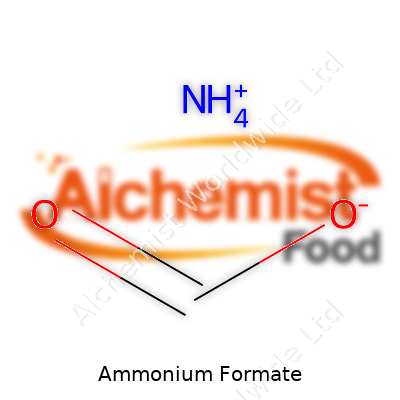
| Names | |
| Preferred IUPAC name | azanium formate |
| Other names |
Formic acid ammonium salt Ammonium methanoate |
| Pronunciation | /əˈmoʊniəm ˈfɔːrmeɪt/ |
| Preferred IUPAC name | azanium formate |
| Other names |
Formic acid ammonium salt Ammonium methanoate |
| Pronunciation | /əˈmoʊ.ni.əm ˈfɔːr.meɪt/ |
| Identifiers | |
| CAS Number | 540-69-2 |
| 3D model (JSmol) | `JSmol.loadInline("data:model/xyz;base64,CgogIE5INCAKIG5IIDEuNzg1IDAuMDAwIC0wLjEyMQogIE4gIC0wLjQ5MSAwLjAwMCAwLjQ3MAogIGE6IC0wLjcxNSAwLjAxNiAtMS4yMjYgIAogIGEgIDAuNjIzIC0wLjAxNiAtMS4yMTkgIAogIG8gIC0wLjA0MSAwLjAxOCAtMi4yMTAg")` |
| Beilstein Reference | 3587157 |
| ChEBI | CHEBI:62947 |
| ChEMBL | CHEMBL1356 |
| ChemSpider | 54364 |
| DrugBank | DB09230 |
| ECHA InfoCard | 100.037.621 |
| EC Number | 216-387-9 |
| Gmelin Reference | 8473 |
| KEGG | C01035 |
| MeSH | D005232 |
| PubChem CID | 27215 |
| RTECS number | BQ9625000 |
| UNII | VM9V9141IP |
| UN number | UN2738 |
| CAS Number | 540-69-2 |
| Beilstein Reference | 3587157 |
| ChEBI | CHEBI:62947 |
| ChEMBL | CHEMBL1232273 |
| ChemSpider | 54610 |
| DrugBank | DB14506 |
| ECHA InfoCard | 13dc0b31-e6d8-468b-ac02-0b87203c2f82 |
| EC Number | 211-753-6 |
| Gmelin Reference | 8986 |
| KEGG | C01840 |
| MeSH | D005241 |
| PubChem CID | 27238 |
| RTECS number | BQ0525000 |
| UNII | 9ZV7R51R9K |
| UN number | UN2738 |
| CompTox Dashboard (EPA) | DTXSID7067444 |
| Properties | |
| Chemical formula | NH4HCO2 |
| Molar mass | 63.06 g/mol |
| Appearance | White crystalline solid |
| Odor | Faint formic odor |
| Density | 1.28 g/cm³ |
| Solubility in water | Very soluble |
| log P | -3.64 |
| Vapor pressure | Negligible |
| Acidity (pKa) | 7.75 |
| Basicity (pKb) | 8.93 |
| Magnetic susceptibility (χ) | -49.0e-6 cm³/mol |
| Refractive index (nD) | 1.363 |
| Viscosity | 1.4 mPa·s (at 20 °C) |
| Dipole moment | 5.9 D |
| Chemical formula | NH4HCO2 |
| Molar mass | 63.06 g/mol |
| Appearance | White crystalline solid |
| Odor | Odorless |
| Density | 1.28 g/cm³ |
| Solubility in water | Very soluble |
| log P | -4.28 |
| Vapor pressure | Negligible |
| Acidity (pKa) | pKa 3.75 (for formic acid), 9.25 (for ammonium ion) |
| Basicity (pKb) | 8.82 |
| Magnetic susceptibility (χ) | -41.0×10⁻⁶ cm³/mol |
| Refractive index (nD) | 1.409 |
| Viscosity | 1.6 mPa·s (at 25 °C) |
| Dipole moment | 5.83 D |
| Thermochemistry | |
| Std molar entropy (S⦵298) | 153.7 J·mol⁻¹·K⁻¹ |
| Std enthalpy of formation (ΔfH⦵298) | -567.5 kJ/mol |
| Std enthalpy of combustion (ΔcH⦵298) | -567.7 kJ/mol |
| Std molar entropy (S⦵298) | 130.8 J·mol⁻¹·K⁻¹ |
| Std enthalpy of formation (ΔfH⦵298) | -567.5 kJ/mol |
| Std enthalpy of combustion (ΔcH⦵298) | -566.9 kJ/mol |
| Pharmacology | |
| ATC code | V04CX03 |
| ATC code | V04CX03 |
| Hazards | |
| Main hazards | Harmful if swallowed, causes skin and eye irritation |
| GHS labelling | GHS07, Warning, H315, H319, H335 |
| Pictograms | GHS07 |
| Signal word | Warning |
| Hazard statements | H319: Causes serious eye irritation. |
| Precautionary statements | P264, P280, P302+P352, P305+P351+P338, P332+P313, P337+P313, P362+P364 |
| NFPA 704 (fire diamond) | 1-0-0 |
| Explosive limits | Not explosive |
| Lethal dose or concentration | LD50 Oral Rat 3500 mg/kg |
| LD50 (median dose) | LD50 (median dose): Oral rat LD50 = 1,650 mg/kg |
| NIOSH | Not Listed |
| PEL (Permissible) | Not established |
| REL (Recommended) | 100-200 mg/L |
| IDLH (Immediate danger) | Not established |
| Main hazards | Harmful if swallowed. Causes skin and eye irritation. |
| GHS labelling | GHS07, Warning, H315, H319, H335 |
| Pictograms | GHS07 |
| Signal word | Warning |
| Hazard statements | May intensify fire; oxidizer. Harmful if swallowed. |
| Precautionary statements | P264, P270, P301+P312, P330, P501 |
| NFPA 704 (fire diamond) | 1-0-0 |
| Autoignition temperature | 410 °C |
| Lethal dose or concentration | LD50 (oral, rat): 7300 mg/kg |
| LD50 (median dose) | LD50 (median dose): Oral, rat: 4,300 mg/kg |
| PEL (Permissible) | Not established |
| REL (Recommended) | 8°C |
| IDLH (Immediate danger) | Not established |
| Related compounds | |
| Related compounds |
Formic acid Ammonia Potassium formate Sodium formate |
| Related compounds |
Formic acid Ammonium acetate Sodium formate Ammonium carbonate |



