Allicin: The Powerhouse Compound in Garlic
Historical Development
Allicin, found in garlic, has shaped both medicine and cooking for centuries. Ancient Egyptians, Greeks, and Romans already recognized the strong smell and healing qualities of garlic bulbs. Stories and old texts talk about garlic being mashed, chopped, or crushed, which released its potent character. The isolation and naming of allicin trace back to the efforts of Chester J. Cavallito and John Hays Bailey in the 1940s, who were the first to explain that fresh garlic packs a punch because of this compound. Their work brought real science to what people already knew about garlic for fighting off infections and illnesses. Batches made in home kitchens and fields slowly drew the attention of professional chemists and doctors, pushing allicin from folklore into the world of laboratories and medical journals.
Product Overview
Allicin only shows up when garlic is chopped or crushed, never in undisturbed cloves. This characteristic makes it tough to mass-produce and tricky to store. Extractors and supplement makers work hard to keep allicin stable, but it breaks down easily in sunlight, heat, or during processing. That means many pills or powders on shelves do not always deliver the punch found in fresh, crushed garlic. Food companies have spent decades chasing formulations that harness its benefits without letting it fade away before reaching consumers. For cooks and home users, the freshest form comes from a clove smashed on a cutting board, while supplement users often reach for enteric-coated tablets that slow breakdown during digestion.
Physical & Chemical Properties
Allicin brings a sharp, pungent smell that can fill any room where garlic gets chopped. Its yellow liquid form turns unstable if left in the open, clinging to utensils and cutting boards. Chemically, it weighs in at 162.27 g/mol and carries the formula C6H10OS2. Those sulfur atoms punch above their weight, giving allicin both its trademark odor and many of its effects. It dissolves best in alcohol and slightly in water, which limits the types of products it can improve. Its thermal instability means it hates high heat and strong acids, a real problem during both cooking and supplement production. Anyone trying to keep high yields of allicin on hand needs to avoid rooms that run hot or bright.
Technical Specifications & Labeling
Labels rarely show direct allicin content, instead relying on terms like "allicin potential" or "alliin content" because true allicin never lasts long in finished goods. Companies often use high-performance liquid chromatography to estimate allicin, but results can vary batch by batch. In supplements, regulations in many countries urge companies to be precise about extraction sources, storage conditions, and actual potency at the time of packing. True consumer trust hangs on truth in labeling; disappointed garlic fans quickly move on if high claims do not match garlic’s trademark tingle on the tongue or results in the body. Cheaper products can claim much but deliver little, so reading the fine print and certification marks becomes necessary for any serious buyer.
Preparation Method
Most large-scale allicin production uses gentle crushing or homogenization of garlic bulbs, allowing the enzyme alliinase to convert alliin (stored in the clove) to allicin with oxygen’s help. This process only takes seconds once a clove breaks, but slowing or halting allicin breakdown takes careful temperature and light control. For supplements and extracts, professionals often stabilize allicin by chemical trapping, microencapsulation, or by combining it with carriers that limit its speedy breakdown. Homemade garlic oils or pastes rarely keep much active allicin for long, which explains why nutraceutical companies invest heavily in research and proprietary blending to keep levels high from farm to final bottle.
Chemical Reactions & Modifications
Allicin does not stick around in its original form, breaking down into compounds like diallyl disulfide, ajoene, and vinyldithiin. Many research papers dive into how these breakdown products affect both health and product safety. In water or during storage, allicin reacts fast, losing odor and medicinal punch. Scientists sometimes create stabilized forms for pharmaceutical research, trying to chain allicin to other molecules or encapsulate it inside fat, starch, or cyclodextrin shells. This approach extends shelf life long past normal limits, making it easier to standardize medicine dosages and broaden food preservation uses. Some researchers play with derivatives—new chemical forms that hang onto the benefits but last a little longer—hoping they might give better-smelling, less-breakable options for future drugs and food additives.
Synonyms & Product Names
Consumers and researchers use different names, switching between "diallyl thiosulfinate," "garlic oil active," and brand-based blends like "AllicinMax" or "Garlicin." Friendly names fill advertising copy, but university studies always turn back to "allicin" as the reference marker. Looking for the right supplement or ingredient sometimes means recognizing synonyms like "S-allyl-2-propene-1-sulfinothioate" on bottles. Many companies also label using "allium sativum extract (standardized to allicin)"—a long phrase, yet it promises a real amount of the desired active inside.
Safety & Operational Standards
Strong-smelling, anti-bacterial, and potent, allicin packs benefits and risks. High doses can burn the mouth, upset the stomach, or thin the blood dangerously in people taking certain medications. Factories and supplement plants need safe air handling and protective equipment, as the vapor sticks to clothes and skin. International standards bodies work on batch testing, clean raw material sourcing, allergen warnings, and shelf-life studies. For home use, small amounts in ordinary food rarely cause problems, but supplements can interact with blood thinners or increase bleeding risk during surgery. Nurses, doctors, and dietitians keep an eye on the latest research since garlic’s cultural popularity drives unmonitored self-use.
Application Area
From traditional healing to modern supplement aisles, allicin fills many roles. Chefs look for its flavor, while doctors read studies for antibacterial, antifungal, and even anti-cancer properties. Its reputation as a natural antibiotic spurs demand in cold and flu remedies, while wound care specialists sometimes add stabilized versions to topical gels for fighting tough infections. In agriculture, food companies use it as a natural preservative, slowing the growth of spoilage bacteria in meats and dairy. Large-scale production in China, India, and the United States responds to both the food industry and herbal medicine market, showing how a strong-smelling molecule from an everyday vegetable can cross global boundaries.
Research & Development
Allicin research never really stops, given its appeal in health, food, and even environmental science. Scientists map out its impact on blood pressure, cholesterol, and biofilm-forming bacteria in hospital settings. Food technologists look for better ways to keep allicin stable on a shelf, studying modified atmosphere packaging, freeze-drying, and live probiotic mixes. Pharma researchers in both Europe and Asia test new delivery systems—slow-release capsules and skin patches for infections resistant to synthetic antibiotics. Every breakthrough, big or small, adds to the call for more collaboration between basic science, farm workers, and manufacturers. Crowded academic journals fill up with animal and cell studies, but big questions about dose, timing, and long-term benefits still press on all sectors.
Toxicity Research
Large doses bring risks the public rarely hears about. Some studies look at kidney and liver effects in animal models, tracing side effects back to highly concentrated extracts or careless supplement use. Reports show that long-term, high-level intake can cause anemia, worsen bleeding risk, and disrupt gut flora balance. The medical community remains cautious, tracking adverse events from unregulated herbal supplements popping up at online vendors or international stores. Transparency and honest scientific review are the best way forward, making sure consumers and doctors alike see both the upside and the potential pitfalls of concentrated garlic compounds. Labs and clinics cooperate with regulatory agencies to pinpoint safe dose ranges, especially for children and those with chronic illness.
Future Prospects
Every year, more producers and scientists dig for answers on how to make allicin more stable, more effective, and safer for wider use. Several startups work on odorless forms that skip the social side effects but keep antimicrobial power high. Others focus on boosting absorption and targeting cancer or viral infections, adding precise allicin blends to innovative drug cocktails. Tech companies invest in better farming and storage tech to keep active levels high from harvest to bottle. Food innovation moves quickly, experimenting with new packaging and slower-releasing food-grade coatings to maintain flavor and potency in shelf products. Regulation and standardization seek to keep pace, giving both producers and users the facts needed to make smart choices in health, food, and wellness.
What is Allicin and what are its benefits?
The Real Stuff Inside Garlic
Step into any home kitchen or street market, and the scent of garlic often hangs in the air. Garlic has always played a key part in the food of many cultures, but behind its punchy aroma sits a compound called allicin. This is more than a smell-maker. Allicin forms only when you crush or chop raw garlic, thanks to an enzyme reaction inside each clove. In the kitchen, that quick zing of flavor comes from this fleeting, sulfur-rich molecule.
Roots in History, Evidence in Science
Generations turned to garlic not just for taste, but for real health reasons. Greek and Roman soldiers chewed raw cloves, hoping for strength and protection against infection. More than old stories, studies show allicin’s antibacterial and antifungal properties stand up in labs. Scientists found allicin can slow the growth of many bacteria, including E. coli and Staphylococcus. This didn’t surprise old-school cooks who noticed garlic paste often kept foods from spoiling too fast, even before refrigerators became common appliances.
Supporting Modern Health
Few natural substances receive both tradition’s vote and scientific backing. My own habit at home includes using garlic for more than just flavor. Whenever a cold starts brewing in my house, I feel tempted to whip up a lemon-garlic-honey tea. While not a cure, the warm mixture seems to soothe sore throats. There’s a reason people still rely on garlic: research suggests it can help lower blood pressure, reduce cholesterol, and support immune responses. One large meta-analysis in the Journal of Nutrition found steady garlic intake led to small drops in blood pressure among adults, hinting at its value for heart health.
Practical Ways to Get Allicin’s Goodness
Maximizing allicin at home doesn’t require a degree in chemistry. Allicin breaks down quickly when exposed to heat, so raw or lightly cooked garlic brings the most punch. To boost its benefits, try crushing garlic and letting it rest for a few minutes before adding it to a hot pan. I often mix fresh garlic into salad dressings, or rub it over cooked meats just after they come off the grill. Supplement capsules crowd health store shelves, but eating fresh garlic means you know exactly what went in—and what goes into your body.
Cautions and Smart Use
For most folks, adding garlic to food brings only upside. A few might feel the bite in their stomach or on their breath, and blood thinners can mix poorly with high amounts of garlic, so checking with a healthcare professional makes sense if someone takes medications. Fresh is key—jarred or powdered garlic rarely offers much allicin. The taste of a garlic-rich meal lingers, but so does its potential to help the body fight off more than just hunger.
Allicin reminds me that some of nature’s most useful compounds hide in plain sight, tucked inside ingredients we use every day. Garlic’s sharpness, both in taste and action, proves a point: sometimes the oldest remedies still hold real value.
Is Allicin safe to take daily?
Understanding What Allicin Does
Allicin pops up in most garlic supplements, valued for its punchy sulfur smell and reputation as a natural healing compound. I’ve seen friends rave about its uses, from fighting off colds to managing blood pressure. Plenty of ads make allicin sound like a health shortcut, so it’s no surprise people think about taking it daily.
The Research Behind Daily Allicin Use
Some studies point toward real benefits for heart health, cholesterol, and even immune support. Garlic has centuries of baking trust from many cultures, used both in the kitchen and as home medicine. Allicin isn’t the whole story—it forms only when raw garlic is crushed. Once swallowed, much of it breaks down in the stomach before it gets used by the body.
Early trials show that allicin supplements can lower systolic blood pressure by five to ten points, which isn’t far off from the effect of some older prescription drugs. Modest cholesterol reductions have shown up too, especially in people with mild issues. That being said, the gold-standard clinical trials don’t always line up. Big health claims often rely on test-tube and animal research that doesn’t always play out in real-world people.
Safety and Possible Side Effects
Here’s what stands out from both the science and real-world use: raw garlic and supplements are generally safe for most adults in moderate doses. Taking large amounts of allicin supplements can bring stomach aches, gassiness, or even heartburn. I’ve met people who had luck for months and then developed headaches or started noticing garlic breath that just wouldn’t go away.
Bleeding risk rises if you already take blood thinners or supplements like fish oil. This isn’t just theory; surgeons sometimes tell patients to stop garlic pills before operations. Allergic reactions are rare but possible.
What Experts Suggest
Nutritionists and doctors recommend focusing on whole garlic in regular meals. Sliced or crushed fresh garlic releases allicin naturally, and the other healthy compounds in garlic show up alongside it. Supplements present more questions than answers about consistent dosing and stability—a tablet pressed last year could break down before you get the full dose promised on the label.
The FDA treats garlic supplements as food, not medicine. No one checks bottles for purity or potency, so safety varies across brands. Most safety data covers short-term or moderate use—few people try daily allicin for years.
Smart Ways to Get Benefits Safely
If you’re thinking of taking allicin every morning, talk to a health professional if you have underlying issues or take daily meds. Use a trusted supplement brand, and start with the lowest dose. Watch out for stomach upset or headaches, and take a break if you don’t feel right. Rotating between days or focusing on meals with fresh garlic might help balance the risks with the potential benefit.
The promise of allicin makes sense in theory and lab studies. Still, the safest and most reliable path stays close to food—a couple of cloves in your stir-fry or salad will likely give you the benefits without worry.
References:- C. Reinhart et al., “Garlic for Cardiovascular Disease: A Systematic Review,” BMC Cardiovascular Disorders
- U.S. National Institutes of Health, Office of Dietary Supplements
- Mayo Clinic, Garlic Supplements: Are there Health Benefits?
How should I take Allicin supplements?
Getting the Most Out of Allicin
I have always loved garlic in my cooking, so the idea that it could be good for health makes sense. Allicin, the compound you get from crushed raw garlic, has drawn attention for its rumored benefits, from heart health to fighting off bugs in winter. Still, taking some garlic capsules from the health store doesn’t mean you’re getting pure allicin. Allicin only forms after garlic cloves get cut or smashed, as certain enzymes only mix then. Supplements sometimes miss that mark.
Real allicin works in the body, but it breaks down fast. One research group out of Washington State University put this to the test. They found that when garlic is chopped and left to sit before cooking, more allicin gets produced. On the other hand, straight swallowing whole garlic or using old garlic powder usually won’t yield the goods. Supplements should reflect this reality, and the bottle’s label should say what you’re actually getting. Dig into the fine print—look for a mention of “alliin” and “alliinase,” since this pair needs to meet to make real allicin.
Why Allicin Could Matter
As someone with heavy family history of high blood pressure, I keep an eye on research connecting garlic compounds with cardiovascular benefits. A meta-analysis in the journal Nutrition showed garlic may lower blood pressure for folks who struggle to keep it in check. Some studies point out how allicin itself helps relax blood vessels and may fight inflammation. It also seems to offer some immune perks—people interested in keeping colds away often swear by it.
Still, most studies use concentrated garlic or liquid extract and some don’t look at supplements sold over the counter. Some products simply aren’t strong enough. I’ve bought softgels that promised “equivalent to 1000mg garlic” but said little about the actual allicin content. That’s marketing, not science. The data suggests at least 1-2 mg of allicin per serving could deliver benefits. Trustworthy brands usually publish test results or have third party certifications.
Taking Allicin Supplements
If you’re thinking about trying allicin capsules, timing and food matter. Studies show taking allicin with a small meal helps with absorption and reduces the chance of stomach irritation. My personal experience—taking any garlic supplement on an empty stomach leads to stomach grumbles and dragon breath later. Most folks do best splitting the dose between morning and evening, but this comes down to what fits your day.
Some people shouldn’t take allicin straight off the shelf. If you’re on blood thinners or have stomach problems, talk with a doctor. Garlic can sometimes make bleeding more likely, and that’s something you don’t find in large font on the bottle. Pregnant folks or anyone with chronic health conditions should also check in with their doctor first.
Picking the Right Supplement
As someone who tries everything before recommending it, I suggest looking at independent websites that analyze supplements for contents and dosage. Skip anything with wild claims and no batch testing. Remember, strong flavors linger—good supplements still leave some garlic taste. You want to see actual enzyme activity or real allicin content listed plainly. If you go with raw garlic at home, crushing and letting it sit for 10 minutes before eating has worked best for me.
Allicin supplements look promising, but cutting through hype and finding reliable info can take some work. If in doubt, bring your bottle to your pharmacist or health care provider for a second look.
Are there any side effects of Allicin?
Why People Look to Allicin
Garlic needs no introduction at the dinner table, but the magic behind its sharp aroma and some health claims comes from a compound called allicin. People have always believed that this natural ingredient could do wonders, especially for hearts and immune systems. You find allicin in fresh, crushed garlic. Supplement shelves show off capsules and extracts claiming to pack in hefty amounts of allicin, promoting everything from cholesterol support to beating back colds. A curious trend, but it begs one question: what happens to your body when you add more allicin through pills or concentrated extracts?
The Unfiltered Side of Allicin
Nature packed garlic full of flavor, but big doses aren’t all sunshine. Eating raw garlic or popping a high-strength allicin supplement sometimes leads to trouble right away for sensitive folks. Stomach upset tops the list — heartburn, bloating, and even nausea can follow. Garlic’s spicy quality often tells on its way down. Stories from people who tried high doses echo these gut complaints, making it clear that the body pushes back if too much comes in at once.
Bad breath and body odor trail close behind. Friends and family will notice a lingering scent after you’ve loaded up on garlic, whether it’s from your lunch or from a pill. Sweat and breath both carry hints of garlic for hours.
Some people run into headaches, dizziness, and even allergic reactions, though these aren’t as common. Skin rashes or asthma flare-ups have popped up in medical reports from concentrated allicin use. Anyone with an allergy to garlic or similar plants faces real risk and should be careful.
The Science Speaks
Digestive issues from garlic aren’t just anecdotes. Clinical data confirms these problems happen, especially at higher doses. A 2018 study in the journal Food and Chemical Toxicology showed that more than 900 mg of garlic extract daily increased stomach pain and flatulence in healthy adults.Blood thinning deserves a mention, too. Allicin changes the way platelets work, which can stop blood from clotting as fast. People who take prescription blood thinners, or anyone scheduled for surgery, have to watch for this effect. Mixing allicin with warfarin, aspirin, or even ibuprofen raises the risk of bruising or bleeding. This isn’t a minor side effect—the science here is strong enough that doctors often warn patients well before they have an operation.
Balancing the Benefits and Risks
Garlic shines best when added to recipes rather than swallowed as massive pills. Cooking breaks down allicin, but you still get garlic’s flavor without as much risk of stomach cramps or a burning throat. If someone insists on supplements, sticking to those that list actual allicin content (not just “garlic oil” or “powder”) helps show what’s really being ingested.
Transparency from supplement companies would make it easier for regular people to compare products and avoid too-strong extracts. Regulations on labeling could call for clearer warnings for anyone taking blood-thinning drugs. An honest conversation with a doctor before trying strong garlic supplements goes a long way, especially for anyone juggling other medications or managing chronic illnesses.
Making the Best Choice for Your Health
No foodie wants to skip garlic, and most folks won’t run into trouble by tossing a fresh clove into their stir-fry. Using food as medicine works best in the context of an entire diet, not a silver bullet in a capsule. Pay attention to how your body reacts, talk to a trusted healthcare provider, and enjoy garlic where it belongs — on the plate. Over-the-top doses usually bring more problems than benefits.
Can Allicin interact with other medications?
Looking at Allicin from Both Kitchen and Clinic
Most folks know allicin as the stuff giving crushed garlic its punch. Cooks use garlic for flavor and health, and it’s easy to think a little natural boost never hurt anyone. Yet, allicin isn’t just a culinary hero; it lands on supplement shelves and gets attention for heart health and immune support. I’ve met plenty who, after reading a health article or two, end up taking garlic pills by the handful. Few pause to ask how this compound fits alongside everyday medications.
The Science Tells a Bigger Story
Research gives us a real peek behind the curtain. Allicin doesn’t act in a vacuum—once in the body, it moves fast, reacts with all kinds of proteins, and doesn’t hold back on the impact. In test tubes, it thins blood and affects how platelets clump together. These aren’t just trivia facts: blood-thinning medication is a mainstay for millions facing heart trouble, stroke risk, or recovering from surgery.
Mixing allicin with aspirin, warfarin, or clopidogrel gets tricky. Studies and reports show more bruising, nosebleeds, or unexplained bleeding when large doses of garlic meet these meds. Health Canada and the FDA both flag the risk, and I’ve seen patients surprised when a simple supplement changed their blood test results.
Allicin Works in Unpredictable Ways
Garlic, especially in supplement form, doesn’t just play with blood clotting. It gives the liver extra tasks, sometimes nudging enzymes to speed up or slow down how medications get broken down. This can make drugs like statins, some diabetes pills, and even HIV medicines lose their punch or linger longer than doctors planned.
You might guess all garlic pills work the same, but they don’t. Preparation and processing change how much allicin actually reaches the bloodstream. Taking garlic as part of a meal seems safer, but popping high-dose capsules or extracts ups the risks for someone already on several meds.
Doctor-Patient Conversations Still Matter Most
Many people look for natural alternatives, but what’s natural isn’t always harmless. My own experience in clinics echoes what the data shows: honest talk saves headaches. People often forget to mention supplements during checkups, thinking they don’t count as medicine. That gap leaves everyone flying blind, especially when juggling multiple prescriptions.
One real fix is keeping a running list of everything—pills, powders, teas—taken each week. Bringing this to appointments helps everyone spot patterns and sidestep problems. Most pharmacists can check for known interactions in minutes. Patients deserve better than guessing games with their health, which means making supplement use part of every medication review. Pharmacists, doctors, and patients working as a team—this simple habit cuts down on surprises.
Reality Check for Safe Supplement Use
Allicin’s potential earns it a spot in both research journals and everyday kitchens, but safety needs respect. Whether you’re using garlic for extra flavor or trying a supplement, the truth is that not everything mixes nicely. Before stacking allicin on top of regular medications, a quick check-in with a healthcare pro goes a long way.
Learning from real stories—both good and bad—keeps the conversation grounded. Trust grows when folks share openly about what they use and why. It’s easy to hope natural means trouble-free, but smart choices start with plain talk and solid science.
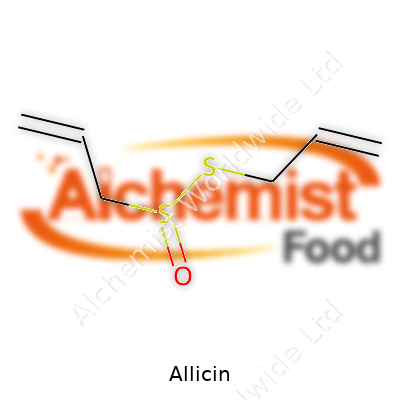
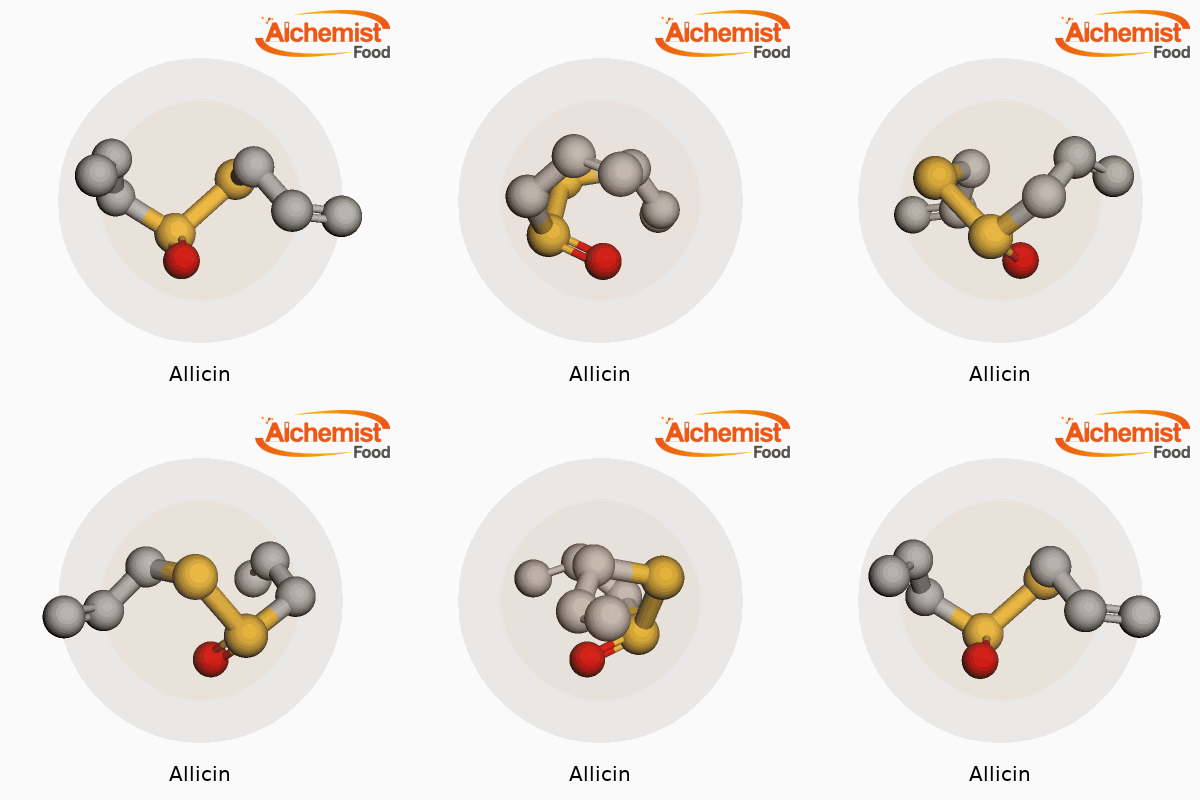
| Names | |
| Preferred IUPAC name | (S)-Prop-2-enethiosulfinothioic acid S-allyl ester |
| Other names |
Alliin lyase Diallyl thiosulfinate Garlicin |
| Pronunciation | /ˈæl.ɪ.sɪn/ |
| Preferred IUPAC name | (E)-S-prop-2-enyl prop-2-ene-1-sulfinothioate |
| Other names |
alliinn allylthiosulphinate diallylthiosulfinate |
| Pronunciation | /ˈæl.ɪ.sɪn/ |
| Identifiers | |
| CAS Number | 539-86-6 |
| Beilstein Reference | 3598695 |
| ChEBI | CHEBI:15741 |
| ChEMBL | CHEMBL22437 |
| ChemSpider | 14345 |
| DrugBank | DB14010 |
| ECHA InfoCard | 100.003.799 |
| EC Number | EC 4.4.1.4 |
| Gmelin Reference | 82886 |
| KEGG | C08202 |
| MeSH | D000686 |
| PubChem CID | 65036 |
| RTECS number | VM2450000 |
| UNII | 5K73SK49AR |
| UN number | UN1760 |
| CompTox Dashboard (EPA) | DTXSID5089723 |
| CAS Number | 539-86-6 |
| Beilstein Reference | 3594986 |
| ChEBI | CHEBI:15641 |
| ChEMBL | CHEMBL3986618 |
| ChemSpider | 2157 |
| DrugBank | DB14009 |
| ECHA InfoCard | ECHA InfoCard: 100.054.229 |
| EC Number | 1.8.1.4 |
| Gmelin Reference | 8773 |
| KEGG | C07325 |
| MeSH | D000760 |
| PubChem CID | 65036 |
| RTECS number | VL8200000 |
| UNII | K7L3W45C4A |
| UN number | Not regulated |
| CompTox Dashboard (EPA) | DTXSID9020704 |
| Properties | |
| Chemical formula | C6H10OS2 |
| Molar mass | 162.27 g/mol |
| Appearance | White to pale yellow crystalline powder |
| Odor | Odor of freshly cut garlic |
| Density | 1.112 g/cm³ |
| Solubility in water | Slightly soluble |
| log P | 1.35 |
| Vapor pressure | 3.3 × 10⁻² mmHg (25 °C) |
| Acidity (pKa) | 2.5 |
| Basicity (pKb) | pKb = 10.75 |
| Refractive index (nD) | 1.108 |
| Viscosity | Viscous liquid |
| Dipole moment | 2.77 D |
| Chemical formula | C6H10OS2 |
| Molar mass | 162.27 g/mol |
| Appearance | White crystalline powder |
| Odor | Characteristic garlic odor |
| Density | 1.112 g/cm³ |
| Solubility in water | Slightly soluble |
| log P | 1.35 |
| Vapor pressure | 0.013 mmHg at 25°C |
| Acidity (pKa) | 7.7 |
| Basicity (pKb) | Basicity (pKb) = 12.52 |
| Magnetic susceptibility (χ) | -45.0 × 10⁻⁶ cm³/mol |
| Refractive index (nD) | 1.112 |
| Viscosity | Low viscosity |
| Dipole moment | 2.9131 Debye |
| Thermochemistry | |
| Std molar entropy (S⦵298) | 247.6 J·mol⁻¹·K⁻¹ |
| Std enthalpy of formation (ΔfH⦵298) | -146.0 kJ/mol |
| Std enthalpy of combustion (ΔcH⦵298) | -2347 kJ/mol |
| Std molar entropy (S⦵298) | 216.6 J·mol⁻¹·K⁻¹ |
| Std enthalpy of formation (ΔfH⦵298) | -146.0 kJ/mol |
| Std enthalpy of combustion (ΔcH⦵298) | -2347 kJ·mol⁻¹ |
| Pharmacology | |
| ATC code | A16AX10 |
| ATC code | A16AX10 |
| Hazards | |
| Main hazards | Harmful if swallowed. Causes skin irritation. Causes serious eye irritation. May cause respiratory irritation. |
| GHS labelling | GHS02, GHS07 |
| Pictograms | GHS07 |
| Signal word | Warning |
| Hazard statements | H302, H315, H319, H335 |
| Precautionary statements | P264, P270, P273, P301+P312, P330, P391, P501 |
| NFPA 704 (fire diamond) | 2-2-2 |
| Flash point | 153.3 °C (307.9 °F; 426.4 K) |
| Autoignition temperature | 160 °C |
| Lethal dose or concentration | LD50 (mouse, oral): 60 mg/kg |
| LD50 (median dose) | Allicin LD50 (median dose): "930 mg/kg (oral, rat) |
| NIOSH | Not listed |
| PEL (Permissible) | Not established |
| REL (Recommended) | 600 µg |
| IDLH (Immediate danger) | Not established |
| Main hazards | May cause skin and eye irritation; harmful if swallowed; may cause respiratory irritation. |
| GHS labelling | GHS05, GHS07 |
| Pictograms | GHS05, GHS07 |
| Signal word | Warning |
| Hazard statements | H315, H319, H335 |
| Precautionary statements | P264, P270, P273, P301+P312, P330, P501 |
| NFPA 704 (fire diamond) | 2-1-2 |
| Autoignition temperature | 160 °C |
| Lethal dose or concentration | LD50 (mouse, oral): 60 mg/kg |
| LD50 (median dose) | LD50 (median dose): 930 mg/kg (rat, oral) |
| NIOSH | Not Established |
| PEL (Permissible) | PEL (Permissible Exposure Limit) for Allicin: Not established |
| REL (Recommended) | 5 mg |
| IDLH (Immediate danger) | Not established |
| Related compounds | |
| Related compounds |
Diallyl disulfide Ajoene Alliin Allyl methyl thiosulfinate S-allyl cysteine |
| Related compounds |
Ajoene Diallyl disulfide Diallyl trisulfide S-allyl cysteine Alliin Allyl methyl sulfide |



