Acetyl L-Carnitine Hydrochloride: A Deep Dive into Its Past, Present, and Future
Historical Development of Acetyl L-Carnitine Hydrochloride
Back in the 1950s, researchers began looking closely at amino acid derivatives and their role in the body’s metabolism. L-carnitine turned up during these explorations. It took another couple of decades for scientists to realize how attaching an acetyl group could enhance its properties, leading to the development of Acetyl L-Carnitine Hydrochloride. The shift from basic research to commercial application started once clinical studies showed its ability to cross the blood-brain barrier better than plain L-carnitine. That led to a boom in interest from both the supplement world and medical researchers. As demand grew, so did industrial-scale synthesis, and pharmaceutical companies jumped at the chance to market it for cognitive support and neuroprotection. Over the years, production got cleaner, purer, and more consistent, which opened the doors for use in an even wider range of health applications.
Product Overview
Acetyl L-Carnitine Hydrochloride arrives as a fine, white crystalline powder, sometimes with a faint acidic scent. It dissolves easily in water, making it suitable for capsules, powders, and liquid supplements. Touted for its role in energy production, memory, nerve health, and fat metabolism, the compound’s versatility keeps it in high demand among athletes, older adults, and those seeking cognitive support. Manufacturers standardize it for purity, most aiming for purities above 99%. Users trust it for years now, not just for physical stamina, but increasingly for mental clarity. In pharmacies and supplement shops, both online and brick-and-mortar, its presence is now mainstream.
Physical and Chemical Properties
Acetyl L-Carnitine Hydrochloride’s structure features an acetyl group linked to the amino acid-derived molecule, producing a melting point around 194°C. Under a microscope, it reveals needle-shaped crystals. Water pulls it into solution quickly, which is why it blends so well into powders and drinks. Chemists note its hygroscopic nature: if left exposed to air, it draws in moisture, clumping unless sealed. Its pH in solution sits slightly acidic, fitting well in most formulations. With a molecular weight near 239 g/mol, it moves through the digestive tract rapidly, leading to quick absorption compared to bulkier supplements.
Technical Specifications and Labeling
With supplements and pharmaceuticals facing tight regulations, accuracy in labeling and specifications stays important. Quality manufacturers list “Acetyl L-Carnitine Hydrochloride” clearly, sometimes abbreviated as ALCAR. Labels show exact milligram count, usually 250 mg, 500 mg, or 1,000 mg per serving, with purity percentages based on independent lab tests. They include batch numbers, manufacturer details, expiration dates, and instructions for storage (typically “store in a cool, dry place, out of direct sunlight”). Certificates of Analysis confirm low levels of impurities—usually less than 1%. Some formulas might contain additional stabilizers or anti-caking agents, and those must appear on the ingredient list. Even minor additives or allergens draw intense scrutiny from regulatory agencies, so detailed compliance with food and supplement laws is standard practice.
Preparation Method
Production starts with racemic carnitine or L-carnitine, usually sourced from fermentation or chemical synthesis. Chemists add acetic anhydride or acetyl chloride in controlled conditions, attaching the acetyl group. Hydrochloric acid finalizes the reaction, yielding the hydrochloride salt. Each step needs precise temperature and pH control, as purity drops if side reactions occur. Filtration, crystallization, and drying follow, ensuring the final product meets strict standards. Purification steps often include multiple solvent washes and sometimes chromatography, especially when pharmaceuticals require 99%+ purity. Each process step comes with its checklist: pressure, pH, and chemical ratios. Quality teams run frequent checks, keeping contaminants and byproducts below safe thresholds, which lets users trust the finished compound’s safety.
Chemical Reactions and Modifications
The acetyl group changes how L-carnitine functions—once added, it transforms into something with new properties. Its high solubility makes it easy to incorporate into solutions for intravenous or oral delivery. Industrial setups often tweak the acetylation process, aiming to avoid chiral inversion, as only the L-isomer confers the desired biological effects. Side product formation can lower activity, so process chemists keep protocols tight. In research settings, derivatives like propionyl-L-carnitine and other acylated forms appear, each designed to target specific tissues or pathways. When exposed to extremes of heat or acid, some hydrolysis can occur, separating the acetyl group, so handling and storage require attention.
Synonyms and Product Names
Most supplement bottles use “Acetyl L-Carnitine,” “ALCAR,” or “ALC.” Pharmaceutical literature names it “O-Acetyl-L-carnitine hydrochloride.” Trade names might differ by region, but the active ingredient rarely changes. Occasionally, scientific papers note it as “(R)-3-Acetyloxy-4-(trimethylazaniumyl)butanoate hydrochloride.” In China, Europe, and North America, the label must reference the L-isomer, since the D-form brings no physiological benefit. In Japan and some EU markets, strict regulations prevent companies from calling the D-form by these same names.
Safety and Operational Standards
Safety guidance takes top priority for bulk handlers, manufacturers, and consumers alike. MSDS sheets show it as a low-hazard material, though folks handling kilograms in factories use gloves, dust protection, and eye shields. At normal doses, the side effects remain rare and mild, mostly nausea or mild GI upset. Doses higher than three grams per day can bring headaches or agitation. Test results published by regulatory bodies like the FDA or EFSA support its use in approved populations. For bulk manufacturing, strict GMP (Good Manufacturing Practice) standards apply. Equipment must remain free from contaminants, and regular audits enforce that. Supplement brands offering vegan or non-GMO badges further reassure consumers about the sourcing and handling of the raw ingredients.
Application Area
Acetyl L-Carnitine Hydrochloride is popular in memory and focus supplements, formulas for metabolic support, and certain prescription drugs aimed at neuropathic pain or cognitive decline. Athletic communities look to it for its claimed ability to boost physical endurance and accelerate recovery times. Medical research targets uses in diabetic neuropathy, age-related cognitive decline, and rare mitochondrial disorders. Formulators also combine it with antioxidants—like alpha lipoic acid—hoping for synergistic effects on nerve regeneration. Animal feeds in specialty veterinary contexts contain it, as do some senior pet formulas, reflecting its crossover into multiple health markets. Drug developers frequently use it as a building block for research into new neuroprotective agents.
Research and Development
Publication counts around Acetyl L-Carnitine Hydrochloride keep climbing, especially in neurology and metabolism fields. Universities run double-blind trials to measure its effect on mild cognitive impairment, depression, and even chronic fatigue. Some results show promise: short-term supplementation can improve recall and task focus, especially in elderly subjects. Researchers look for improvements in mitochondrial bioenergetics and changes in acetylcholine production—the latter connecting it to memory and learning. Other teams study its ability to blunt nerve pain or slow muscle wasting in chronic illness. A surge in clinical trials through major databases signals ongoing trust in its medical utility, despite some studies showing only modest benefits. Suppliers now fund broader, higher-powered studies, and several countries' health systems consider pilot programs using it for mild dementia.
Toxicity Research
Hazard analyses from both animal and human studies put Acetyl L-Carnitine Hydrochloride in the “low toxicity” category. LD50 values in rodents rise above 5,000 mg/kg, so the compound rarely elicits dangerous effects in standard use. Long-term human trials, even at doses up to 3,000 mg/day, fail to pinpoint severe adverse events. Still, overuse leads to mild insomnia or restlessness in a minority of subjects. People with seizures or those taking blood thinners get warned away due to rare interactions. For reproductive health, standard doses show no teratogenic effects, though concrete data in pregnant women remains limited. Environmental studies show the compound breaks down easily, posing little risk to aquatic or soil health. Regulatory agencies continue tracking rare case reports, but so far, concerns remain low under recommended use conditions.
Future Prospects
Looking forward, Acetyl L-Carnitine Hydrochloride seems far from reaching its peak. Demand rises as more people seek out “biohacker” lifestyles and healthy aging solutions. Drug developers continue branching into neurodegenerative conditions and metabolic syndromes, eager to expand label indications. Analytical technology keeps improving, enabling companies to better detect minor impurities and boost batch consistency. Nutraceutical blends now include it alongside adaptogens and nootropics not even available five years ago. As researchers uncover more about its role in synaptic plasticity and mitochondrial health, applications may push well past the supplement aisle, possibly into mainstream pharmacology. The journey from a lab curiosity to a trustable ingredient reflects not just advances in chemistry, but also a growing appetite for safe, well-studied bioactive compounds.
What are the benefits of Acetyl L-Carnitine Hydrochloride?
A Boost for Mind and Mood
Acetyl L-carnitine hydrochloride shows up in conversations about brain health more than ever these days. People talk about sharper focus and clearer thinking. I remember struggling with afternoon brain fog at work. I tried green tea, afternoon walks, and even meditation, but the change didn’t stick. Research points out this compound helps nerves send signals efficiently. Some clinical studies have noticed memory improvements in older adults, and folks with mild cognitive issues sometimes report less mental slowdown. This isn’t magic or marketing hype; scientists believe acetyl L-carnitine helps energy production inside brain cells, supporting attention and memory.
Energy on a Cellular Level
Every cell in your body runs on energy—especially brain and muscle cells. I’ve read about athletes and busy professionals taking acetyl L-carnitine supplements for an energy lift that feels grounded, not jittery. Studies on physical fatigue after exercise show that some people bounce back faster when their cells have this compound on board. The logic makes sense: acetyl L-carnitine helps move fatty acids into the part of the cell where fuel gets burned for energy. It’s almost like giving your cells an express lane at the gas pump.
Supporting Healthy Nerves
I’ve had family members dealing with nerve pain, and it's tough. Acetyl L-carnitine appears in research as a supplement that could support nerve repair. One meta-analysis reported some relief in people with diabetes-related nerve discomfort. No supplement solves chronic pain, but knowing that researchers have tracked these effects gives people one more thing to consider in the toolkit for nerve health.
Potential Mood Lifter
Low mood touches nearly everyone at some point. There’s growing evidence that acetyl L-carnitine can impact mood and even lessen symptoms of depression in some cases. A review article in “Psychosomatic Medicine” highlighted how this compound may increase neurotransmitters related to feeling positive. The review also suggested benefits in older adults. Of course, anything touching mental health should be discussed with a healthcare professional—no single supplement covers all the bases.
Who Should Take a Pass?
Not everyone needs an extra boost. Pregnant people, young kids, or anyone taking blood thinners or thyroid medication should ask their doctor before trying this supplement. The research looks promising, but our bodies don’t always follow research papers. Side effects like nausea and restlessness show up in a small number of people. It’s not about chasing trends; it’s about listening to your own body and checking in with a doctor who understands your medical background.
A Smarter Way Forward
People want solutions that fit real life—something safe, grounded in actual research, and with a reasonable chance of making a difference. Acetyl L-carnitine hydrochloride could be that boost for mind, mood, and muscle. Reading clinical trials before choosing a supplement makes a difference, and honest conversation with a healthcare professional changes everything. Nurturing your body with careful choices brings real change, and even small improvements add up over time.
What is the recommended dosage for Acetyl L-Carnitine Hydrochloride?
No Guesswork With Supplements: Why Acetyl L-Carnitine Hydrochloride Deserves Careful Attention
A lot of people hear about new supplements like Acetyl L-Carnitine Hydrochloride, read about some benefits online, and then hit the health store ready to try it out. They often skip the basics: what dose actually works, what’s safe, and what could go wrong if you go overboard. I’ve worked in health journalism for over a decade, and every time a new brain-boosting supplement pops up, I see the same story: interest balloons before folks fully understand how much is actually okay to take.
What Experts and Science Tell Us
Acetyl L-Carnitine Hydrochloride isn’t the same thing as the plain old L-carnitine that shows up in some energy drinks and gym supplements. It’s a form that crosses the blood-brain barrier, which is why it gets so much attention for mood, memory, and focus. Research, like what you’d find in the Journal of Clinical Psychopharmacology or publications from peer-reviewed neuroscience journals, often lands in the 500 mg to 2,000 mg daily window. Some studies for nerve pain use even higher doses, but usually under medical supervision.
When you walk into a supplement aisle, you’ll see bottles ranging anywhere from 250 mg to 1,000 mg per capsule. There’s no official government guideline, and doctors recommend starting at the lower end, mostly because everyone reacts differently. I’ve talked to registered dietitians and pharmacists who stress not to “mega-dose"—meaning don’t double up just for faster results. Too much can bring on nausea, cramps, upset stomach, and even a fishy body odor that’s tough to ignore.
Who Should Avoid High Doses?
Not everyone should grab a bottle and start popping capsules. Folks with thyroid problems, seizure disorders, or kidney disease should steer clear or talk with their doctor before even thinking about supplementing. For others in good health, small doses to “see how you feel” usually make sense, but that doesn’t mean skipping real medical advice.
Personal experience taught me that subtle, gradual introduction helps. A friend who went straight to 2,000 mg a day (after reading a fitness blog) felt jittery and couldn’t sleep for two nights. Another who started at 500 mg noticed feeling a gentle lift in energy and focus with none of those side effects.
Don’t Skip the Fine Print
Supplements are only as good as their source. Products without third-party testing can be underdosed, overdosed, or contaminated. Finding bottles marked by NSF, USP, or Informed Choice seals gives extra confidence. Never underestimate the importance of purity and a reputable manufacturer.
Simple Tips for Safe Use
Start low, go slow. See how your body reacts over a week or two before changing your dose. Combine your supplement habit with other proven health basics—regular exercise, good sleep, a solid diet. If memory or nerve pain brought you here, check with a healthcare provider about the right plan. Most insurance plans cover a quick call or message to your doctor these days. Taking that small step upfront beats dealing with any trouble down the road.
Acetyl L-Carnitine Hydrochloride shows some real promise for certain folks. The right dose sits in the sweet spot between safety and results—never just what the bottle cap can hold.
Are there any side effects of taking Acetyl L-Carnitine Hydrochloride?
What People Actually Experience
Acetyl L-Carnitine Hydrochloride, often found on supplement store shelves, gets attention for claims like sharper focus and better energy. That buzz tracks with reports from friends who hit the gym or need support during taxing workweeks. Before jumping in, it’s worth pointing out that taking this compound can bring along some pitfalls, not just potential gains.
What Shows Up Most Often
Nausea, headaches, and upset stomach lead the list of common complaints. Some folks tell me they feel like their digestive system gets thrown off after a few steady days of use. Research backs up these accounts. In clinical trials, mild gastrointestinal distress turns up more often than people expect. According to the National Institutes of Health, most side effects come in mild or moderate forms, usually passing within days after stopping the supplement.
A few people mention a weird, fishy body odor when they’re on a high dose. That’s not a rumor—it’s explained by certain byproducts of carnitine metabolism. The experience can affect self-confidence and willingness to keep using the product. Simple hygiene tweaks don’t always solve the problem, which leaves some folks choosing to scale down the dose or quit entirely rather than tolerate the change in scent.
On the More Serious Side
Rare reactions make up a small percentage but deserve respect. Reports of agitation, restlessness, or sleep issues pop up, especially when people try to boost mental clarity for exams or late work nights. In special cases—such as those dealing with seizure disorders—taking Acetyl L-Carnitine Hydrochloride may raise the risk of attacks. Data from the Mayo Clinic and Epilepsy Foundation mention these possibilities, making clear that high-risk groups should talk to a doctor beforehand.
Thyroid hormone changes show up in a few medical studies, though these seem most likely to trouble those who already have existing thyroid disease. Extra testing, even a patchwork of blood work and conversation with a healthcare provider, keeps people safer when they want to try this supplement.
Mixing Medications Raises the Stakes
Some people combine supplements and prescriptions to chase higher results, without realizing interaction risks. Acetyl L-Carnitine Hydrochloride interacts with drugs like anticoagulants or thyroid meds, making careful oversight non-negotiable. I’ve seen individuals brush off these risks, only to regret skipping a pharmacist’s advice after feeling faint or out of sync.
Who Should Think Twice
Pregnant women and those breastfeeding ought to pause. No wide-reaching data clarify the safety profile for young children, either. For folks with kidney trouble or cardiovascular conditions, medical guidance doesn’t suggest casual usage.
Safe Navigation and Smarter Choices
The main takeaway stands clear: supplements like Acetyl L-Carnitine Hydrochloride aren’t a shortcut without side effects. Honest conversations with qualified health providers matter before making this part of a wellness plan. Checking for warning signs and keeping a log of changes in how you feel gives more control over the process. Relying on doses validated in published studies, watching for FDA-approved products, and steering clear of dubious online sellers form a good defense against unintended consequences.
Can Acetyl L-Carnitine Hydrochloride help with weight loss?
Sorting Through the Hype
It’s tough to navigate today’s world of dietary supplements. Products like Acetyl L-Carnitine Hydrochloride promise a lot, often riding high on scientific-sounding claims. Some people see these capsules as a ticket to slimming down, sometimes alongside their morning coffee and a jog around the neighborhood. No one should blame folks for wanting an edge, especially when pounds refuse to budge. Before popping any new supplement, it makes sense to ask—does this stuff actually help trim the waistline?
Understanding What It Is
Acetyl L-Carnitine is a form of L-carnitine, a compound made in your body from amino acids, mainly found in meat and dairy. Think of it as a helper molecule: it carries fatty acids into your cells, where they get burned for fuel. The idea behind the supplement hinges on burning fat more efficiently. If your system could unlock fat stores faster, naturally someone looking to lose weight might pay attention. But the story isn’t that simple.
What the Science Says
Research on L-carnitine has mostly involved athletes or folks with certain health problems, not everyday people trying to lose a few pounds. Studies do show that people with carnitine deficiency can benefit from supplementation. For the average, healthy adult, the boost seems far less dramatic. A 2016 review in Obesity Reviews looked at carnitine supplements and weight loss and found that results were underwhelming—a few pounds lost at best, and often with exercise and calorie restriction involved.
Big claims about metabolism sometimes forget the basics. Burning fat requires a calorie deficit. No pill changes that. Supplements alone won’t move the needle much if someone’s eating habits and daily movement work against them.
Safety and Common Sense
Jumping on the supplement bandwagon can bring headaches. Some people get nausea, upset stomach, or that odd “fishy” breath. More importantly, folks with thyroid disorders, kidney problems, or those on certain medications need to tread carefully. Acetyl L-Carnitine can interact with blood thinners, for instance. Few doctors would tell someone to skip regular meals to chase a capsule-driven dream. Nutritional supplements are unregulated in the U.S., so quality varies from brand to brand. Independent third-party testing can help steer you away from bunk or dangerous products.
Better Paths to Weight Loss
Losing weight remains one of life’s harder challenges. Behavioral changes seem boring compared to the promise of a magic supplement, but years working with clients have shown slow, steady changes get better results. Cutting out sugar-sweetened drinks, eating more vegetables, and getting up from the couch made much more difference than any over-the-counter aid. Tracking progress honestly—writing down what you eat, being real about how much you move—keeps you grounded.
Some find professional support helps: registered dietitians can tailor advice, while community groups can add accountability. Sharing successes and setbacks with real people offers a boost that a supplement in a bottle simply can’t provide.
Making Choices That Last
Choices about health should rest on evidence and honesty—both from the companies selling the products and from ourselves. Acetyl L-Carnitine Hydrochloride doesn’t offer a shortcut to lasting weight loss. Proven paths—good food, regular movement, enough rest—might lack marketing flash, but deliver results most people can trust.
Is it safe to take Acetyl L-Carnitine Hydrochloride with other medications?
Where Curiosity Meets Common Sense
Acetyl L-Carnitine Hydrochloride pops up often in supplement aisles and health forums. People eye it for energy, nerve health, and brain boosts. I get the appeal—I’ve watched plenty of folks searching for something to support their memory or help with nerves, often after hearing about a friend who swears by it. But the question always comes: is it a good idea to mix this supplement with other medicines?
Putting Safety Before Supplements
Experience in healthcare tells me most folks overlook one key detail: just because something is labeled as a supplement, doesn't mean mixing it with prescriptions is harmless. Acetyl L-Carnitine Hydrochloride, like any compound that affects metabolism or brain chemicals, can interact with other drugs.
Take blood thinners, for example. Some early research points to a possible effect on how the body handles certain blood thinners. If someone’s already on warfarin or clopidogrel for a heart condition, tossing supplements into the mix could throw off the balance, possibly raising the risk of bruising or bleeding. No one wants a nosebleed that keeps going just because of a new health kick.
Medications for Diabetes and Thyroid: Tread Carefully
People with diabetes often have a medicine cabinet stocked with pills to control blood sugar. Acetyl L-Carnitine Hydrochloride may slightly affect blood glucose. Add in its impact alongside metformin or insulin, and blood sugar readings could end up lower than planned, leading to dizziness or worse. I’ve seen some folks assume minor dips don’t matter, but for diabetics, every point on the glucometer counts.
Thyroid medications like levothyroxine also play into the puzzle. Some research hints that carnitine supplements might interfere with how thyroid hormones get into cells. Folks managing thyroid problems already ride a fine line, and adding more uncertainty can disrupt routines that took years to perfect.
Mental Health and Cognitive Medications
There’s a lot of buzz about using this supplement to help memory loss or depression. But many people on antidepressants or anti-epileptic drugs don’t realize that shifting brain chemicals affects how these medicines work. Most psychiatrists want to know exactly what goes into a patient’s diet and routine. Skipping this conversation can mean the difference between feeling better and hitting a rough patch.
Seeking Reliable Advice Pays Off
Doctors and pharmacists get bombarded with supplement questions, so they keep their advice rooted in studies, not just word of mouth. Reliable studies on Acetyl L-Carnitine Hydrochloride continue to roll in, but not at the same pace as claims on health blogs. Some report benefits for nerve pain, but data on drug interactions remain thin.
What I always tell friends and patients: walk into your next appointment with a list of everything you take—not just prescriptions, but every vitamin and supplement. Many clinicians appreciate straight talk. Conversations about adding something new mean fewer surprises and safer outcomes. Curious about a supplement? Ask. Doctors usually want to help people feel better with the fewest risks, and that rarely includes hiding information or shaming curiosity.
The Takeaway: Teamwork and Vigilance Beat Guesswork
No supplement should get a free pass because it’s “natural.” Checking for interactions with a trusted medical professional beats guessing every time. The best outcomes come from people who ask questions, seek facts, and respect their body’s complexity. That’s how real health gets built, one conversation at a time.
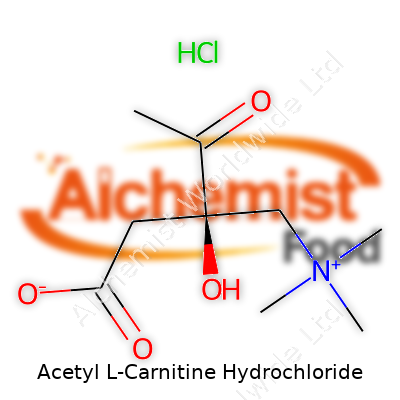
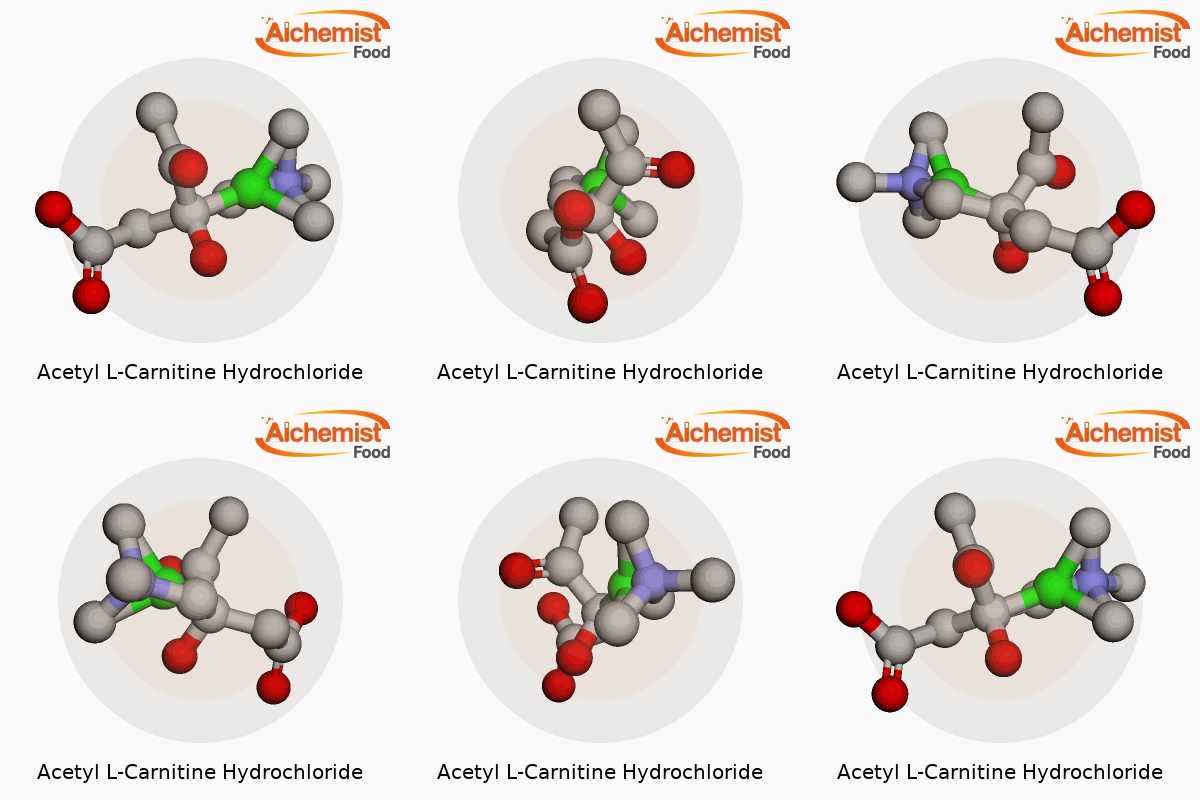
| Names | |
| Preferred IUPAC name | (3R)-3-acetyloxy-4-(trimethylazaniumyl)butanoate chloride |
| Other names |
ALCAR Acetyl-L-carnitine HCl Acetylcarnitine hydrochloride Acetyl-L-carnitina clorhidrato ALC N-Acetyl-L-carnitine hydrochloride |
| Pronunciation | /əˈsiː.tɪl ɛl kɑːrˈnaɪn haɪˌdrɒkˈslɔːraɪd/ |
| Preferred IUPAC name | (3R)-3-acetyloxy-4-(trimethylazaniumyl)butanoate chloride |
| Other names |
ALCAR Acetyl-L-Carnitine HCl Acetylcarnitine N-Acetyl-L-carnitine hydrochloride |
| Pronunciation | /əˈsiː.tɪl ɛl kɑːrˈnaɪn ˌhaɪ.drəˈklɔː.raɪd/ |
| Identifiers | |
| CAS Number | 5080-50-2 |
| Beilstein Reference | 4432205 |
| ChEBI | CHEBI:57589 |
| ChEMBL | CHEMBL1347 |
| ChemSpider | 11314 |
| DrugBank | DB00712 |
| ECHA InfoCard | 08e368f7-bc96-4af8-925e-c63ad5e8f85b |
| EC Number | 205-305-4 |
| Gmelin Reference | 65444 |
| KEGG | C02317 |
| MeSH | D000317 |
| PubChem CID | 5487156 |
| RTECS number | SZ9867000 |
| UNII | Q9UXH6AE14 |
| UN number | Not regulated |
| CompTox Dashboard (EPA) | DTXSID8020909 |
| CAS Number | 5080-50-2 |
| Beilstein Reference | 1367575 |
| ChEBI | CHEBI:57574 |
| ChEMBL | CHEMBL2104128 |
| ChemSpider | 86590 |
| DrugBank | DB00712 |
| ECHA InfoCard | ECHA InfoCard: 100.191.378 |
| EC Number | 204-973-0 |
| Gmelin Reference | 113007 |
| KEGG | C02413 |
| MeSH | D000317 |
| PubChem CID | 31220 |
| RTECS number | OD9625000 |
| UNII | F8C961L01T |
| UN number | Not regulated |
| CompTox Dashboard (EPA) | DTXSID1020388 |
| Properties | |
| Chemical formula | C9H17NO4·HCl |
| Molar mass | 239.71 g/mol |
| Appearance | White crystalline powder |
| Odor | Odorless |
| Density | 1.17 g/cm³ |
| Solubility in water | Soluble in water |
| log P | -4.1 |
| Acidity (pKa) | pKa = 3.8 |
| Basicity (pKb) | 4.03 |
| Magnetic susceptibility (χ) | -6.41×10⁻⁶ cm³/mol |
| Dipole moment | 13.1171 D |
| Chemical formula | C9H17NO4·HCl |
| Molar mass | 239.71 g/mol |
| Appearance | White crystalline powder |
| Odor | Odorless |
| Density | 0.9 g/cm3 |
| Solubility in water | Soluble in water |
| log P | -4.1 |
| Vapor pressure | Negligible |
| Acidity (pKa) | 1.8 |
| Basicity (pKb) | 4.07 |
| Magnetic susceptibility (χ) | -5.31×10⁻⁶ cm³/mol |
| Refractive index (nD) | 1.536 |
| Dipole moment | 12.54 D |
| Thermochemistry | |
| Std molar entropy (S⦵298) | 253.6 J·mol⁻¹·K⁻¹ |
| Std enthalpy of formation (ΔfH⦵298) | -632.1 kJ/mol |
| Std enthalpy of combustion (ΔcH⦵298) | -3874 kJ/mol |
| Std molar entropy (S⦵298) | 370.6 J·mol⁻¹·K⁻¹ |
| Std enthalpy of formation (ΔfH⦵298) | -840.7 kJ/mol |
| Std enthalpy of combustion (ΔcH⦵298) | –3765 kJ·mol⁻¹ |
| Pharmacology | |
| ATC code | N06BX12 |
| ATC code | N06BX12 |
| Hazards | |
| Main hazards | Harmful if swallowed. Causes serious eye irritation. Causes skin irritation. May cause respiratory irritation. |
| GHS labelling | GHS07, GHS08 |
| Pictograms | GHS07 |
| Signal word | Warning |
| Hazard statements | No hazard statements. |
| Precautionary statements | Precautionary statements: P261, P305+P351+P338, P301+P312, P280, P264 |
| Autoignition temperature | > 400°C |
| Lethal dose or concentration | > LD50 (oral, rat): 3,150 mg/kg |
| LD50 (median dose) | LD50 (median dose) of Acetyl L-Carnitine Hydrochloride is "3.9 g/kg (oral, rat) |
| NIOSH | DJY3500000 |
| PEL (Permissible) | Not established |
| REL (Recommended) | 700 mg |
| IDLH (Immediate danger) | Not established |
| Main hazards | Harmful if swallowed. Causes serious eye irritation. May cause respiratory irritation. |
| GHS labelling | GHS07, GHS08 |
| Pictograms | GHS07 |
| Signal word | Warning |
| Hazard statements | Hazard statements: Not a hazardous substance or mixture according to Regulation (EC) No. 1272/2008. |
| Precautionary statements | Consult a healthcare professional before use if you are pregnant, nursing, taking medication, or have a medical condition. Keep out of reach of children. Store in a cool, dry place. Do not exceed recommended dosage. |
| NFPA 704 (fire diamond) | 1-1-0 |
| Lethal dose or concentration | LD50 (Rat, Oral): 3,158 mg/kg |
| LD50 (median dose) | LD50 (rat, oral) = 3,150 mg/kg |
| NIOSH | Not Listed |
| PEL (Permissible) | Not established |
| REL (Recommended) | REL (Recommended): "500 mg once daily |
| Related compounds | |
| Related compounds |
L-Carnitine Propionyl-L-carnitine L-Carnitine fumarate L-Carnitine tartrate D-Carnitine Acetyl-L-carnitine Carnitine orotate Gamma-butyrobetaine Cis-Carnitine |
| Related compounds |
L-Carnitine L-Carnitine Tartrate Propionyl-L-Carnitine L-Carnitine Fumarate Acetyl L-Carnitine Carnitine HCl |



